


Key Takeaways
What You’ll Learn
- Flaviar’s revenue model works through subscriptions, product sales, and premium brand partnerships.
- Membership revenue plays the biggest role in making the business stable and recurring.
- Product sales and limited editions help increase order value and margin strength.
- Experiences and partner promotions add more depth to long-term monetization.
- Founder lessons come from recurring revenue, exclusivity, and customer retention.
Stats That Matter
- Membership subscriptions contribute around 55% of total revenue, while product sales contribute around 20%.
- Flaviar charges about $60 per quarter or $210 annually for membership access.
Real Insights
- Subscription businesses grow better when recurring revenue is supported by premium product sales.
- Strong platforms combine community, exclusivity, and repeat purchasing together.
- The best models make memberships, commerce, and brand partnerships support each other naturally.
- Retention and upselling matter as much as customer acquisition.
- Growth comes from layered monetization, not one revenue stream alone.
Flaviar, the premium spirits discovery and membership platform, turned luxury tasting into a high-growth subscription business. With over $150 million in annual revenue by 2025 and expanding global reach, the company has mastered a model that merges exclusivity with recurring income. Understanding how Flaviar makes money helps entrepreneurs exploring subscription commerce, curated products, and alcohol eCommerce replicate success with their own Flaviar Clone from Miracuves.
Flaviar Revenue Overview – The Big Picture
Valuation and Revenue:
By 2025, Flaviar’s annual revenue is estimated at around $150 million, driven by its growing member base and exclusive spirits partnerships.
Year-over-Year Growth:
Flaviar achieved an average 25% year-over-year growth from 2020 to 2025, scaling steadily through digital memberships and international expansion.
Regional Breakdown:
About 70% of revenue comes from North America, 20% from Europe, and the remaining 10% from Asia-Pacific as global spirit culture rises.
Profit Margins:
Gross margins hover around 40%, supported by direct distillery partnerships, limited-edition sales, and reduced middleman costs.
Market Position:
Flaviar is the leading premium spirits subscription platform worldwide, outperforming smaller tasting clubs through brand partnerships, exclusive launches, and curated user experiences.
Read More: What is Flaviar App and How Does It Work?
Primary Revenue Streams Deep Dive
| Revenue Stream | Share of Total Revenue | Description |
|---|---|---|
| Membership Subscriptions | 55% | Core income from annual or quarterly memberships offering tasting boxes and perks. |
| Product Sales | 20% | Revenue from direct bottle purchases and premium spirits collections. |
| Partner Brand Promotions | 10% | Distilleries pay for featured visibility and sampling campaigns. |
| Limited Edition Releases | 10% | High-margin exclusive bottles and collector’s boxes. |
| Events & Experiences | 5% | Virtual tastings, masterclasses, and in-person events. |
Revenue Stream #1 – Membership Subscriptions
Flaviar’s subscription model charges users around $60 per quarter or $210 annually. Members receive tasting boxes, credits for bottles, and access to a premium community. This predictable revenue stream fuels over half of total income.
Revenue Stream #2 – Product Sales
Flaviar’s online store sells full-sized bottles, limited releases, and exclusive casks. With margins averaging 25–35%, these purchases complement recurring income.
Revenue Stream #3 – Partner Promotions
Spirits brands collaborate with Flaviar for exposure through sampling boxes and sponsored content, paying campaign-based or per-impression fees.
Revenue Stream #4 – Limited Editions
Rare and co-branded bottles released in limited batches often sell out within hours, generating premium returns and exclusivity-driven profit.
Revenue Stream #5 – Events & Experiences
Members gain access to curated experiences, masterclasses, and tasting sessions that monetize community engagement while boosting retention.
Read More: Business Model of Flaviar : Complete Strategy Breakdown 2025
The Fee Structure Explained
| User Type | Fee Type | Typical Rate | Description |
|---|---|---|---|
| Member | Subscription Fee | Annual or quarterly membership | Core recurring revenue from premium club access |
| Member | Bottle Purchases | Varies by bottle selection | Additional revenue from curated spirit sales |
| Brand Partners | Promotional Fees | Campaign-based pricing | Sponsored placements, featured listings, and brand visibility |
| Event Participants | Experience Fees | Per event or tasting session | Revenue from tasting events, masterclasses, and exclusive experiences |
Additional monetization can come from limited-edition drops, affiliate partnerships, exclusive bundles, and premium member-only offers.
How Flaviar Maximizes Revenue Per User
Segmentation:
Flaviar classifies users by purchase frequency and spirit preference to personalize offers and tasting box themes.
Upselling & Cross-Selling:
Members receive curated suggestions for premium bottles matching their tasting notes, increasing order value by 20%.
Dynamic Pricing:
Exclusive batches and rare bottles use dynamic pricing based on rarity and availability.
Loyalty & Retention:
Flaviar’s credit-based loyalty system ensures repeat purchases and renewal rates above 75%.
Psychological Pricing:
Plans priced just below round figures ($59.99) create a premium-yet-accessible perception.
Cost Structure & Profit Margins
Major Cost Drivers:
- Product sourcing and packaging
- Logistics and global shipping
- Content creation and tasting guides
- Marketing and influencer partnerships
- Technology and app development
Unit Economics:
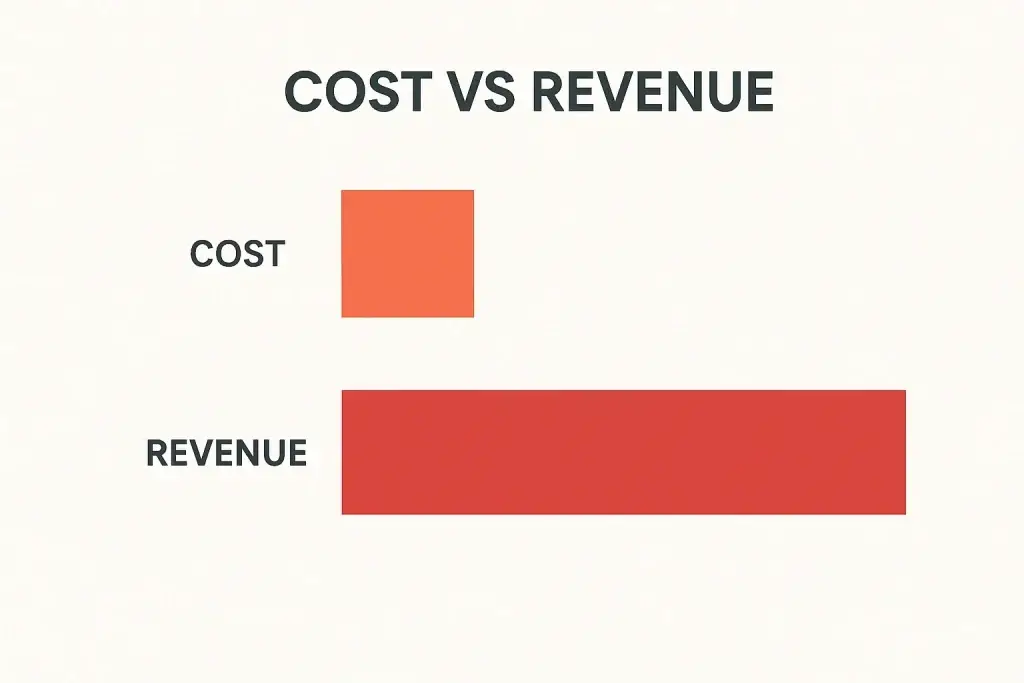
Average revenue per member: $180
Cost per member: $120
Profit per active subscriber: ~$60 annually
Margin Strategy:
Premium exclusives and direct supplier contracts boost margins while events and digital tastings reduce overheads.
Read More: Best Flaviar Clone Script 2025 | Build Liquor Subscription App
Future Revenue Opportunities & Innovations
New Revenue Streams:
- AI-based taste profiling and bottle recommendations
- NFT-based ownership of rare casks
- Corporate gifting and team events
- Integration with home bar automation platforms
Expansion Plans:
Flaviar aims to enter emerging spirit markets in Asia and expand B2B partnerships with distilleries.
Threats:
Rising logistics costs and alcohol shipping regulations pose challenges, but brand loyalty and diversification sustain growth.
Related reading: e-commerce marketplace security guide.
Final Thought
Flaviar Clone rise proves that blending luxury, personalization, and community can yield sustained profitability. Entrepreneurs can adapt this playbook to niches like coffee, perfumes, or craft beer — and Miracuves can help turn that idea into a subscription-driven business success.
FAQs
How much does Flaviar make per member?
Roughly $180 annually through memberships and product upsells.
What’s Flaviar’s most profitable revenue stream?
Subscription memberships and limited-edition sales deliver the highest margins.
How does Flaviar’s pricing compare to competitors?
It offers premium positioning with flexible quarterly or annual billing options — and with Miracuves, you can build a similar premium platform starting at just $2,499.
What percentage does Flaviar take from brands?
10–15% per collaboration or promotional campaign.
How has Flaviar’s model evolved?
It expanded from subscriptions to multi-channel monetization — products, events, and brand partnerships.
Can small startups replicate this model?
Yes. Miracuves’ Flaviar Clone lets you launch a similar platform with modular monetization.
What’s the minimum scale for profitability?
Around 10,000 active members ensures sustainable profit margins.
What are alternatives to Flaviar’s model?
Freemium memberships, affiliate sampling clubs, or curated marketplace models.
Related Articles:
Miracuves is an independent software development company. We are not affiliated with, connected to, sponsored by, or endorsed by any company or product named in this article.
Terms such as “X Clone” are used descriptively. It is how the software industry refers to building a platform with functionality comparable to a known service, and how clients search for it.
The entire design and codebase of our products is built by our own team. Our products contain no code, design, graphics, or content originating from any third-party website or applications.
All third-party names and marks referenced in this article are the property of their respective owners, referenced solely to identify the services discussed.