


Key Takeaways
What You’ll Learn
- JustEat clone scripts help entrepreneurs launch faster by offering a ready-made multi-restaurant food delivery platform instead of building the full system from scratch.
- A strong clone script usually includes essential features like multi-restaurant listing, location-based filtering, and restaurant-side order management tools.
- Pricing depends on platform scope and customization, including city coverage, restaurant volume, monetization setup, branding changes, localization, and payment integrations.
- The right solution is not only about low cost, but also about launch readiness, scalability, and how well the script supports real aggregator operations.
- Choosing the right JustEat clone early can reduce technical risk, save development time, and help startups enter the food delivery market with a more practical business model.
Stats That Matter
- Food aggregator platforms still win because restaurants often do not want to build their own tech, and customers prefer variety, reviews, deals, and transparent pricing in one place.
- Feature completeness matters more than feature count, especially in areas like menu control, live order tracking, timed availability, offers, and discovery filters.
- The page’s pricing section starts from a basic JustEat-style MVP market price of $50,000, showing that full custom market builds can be significantly more expensive than readymade launch models.
- The Miracuves deployment timeline listed on the page is typically 6 days, depending on branding, monetization, localization, payment setup, and delivery-zone requirements.
- A practical JustEat clone performs best when technology, restaurant onboarding, monetization options, and marketplace operations are aligned from the start.
Real Insights
- The best JustEat clone script is the one that supports real aggregator workflows, not the one that only looks feature-rich in a product demo. This follows directly from the page’s emphasis on restaurant panels, order management, location filters, and monetization readiness. :contentReference[oaicite:10]{index=10}
- Startups should focus first on marketplace fundamentals like restaurant supply, local relevance, and conversion-friendly discovery before expanding too aggressively. :contentReference[oaicite:11]{index=11}
- A cheaper script can become expensive later if it lacks scalability for multi-city operations, localization, monetization flexibility, or restaurant management depth. This is an inference from the page’s checklist of deployment variables and scalability FAQ. :contentReference[oaicite:12]{index=12}
- Reliable restaurant onboarding, order visibility, and real-time tracking are often more important than overloading the first launch with too many advanced extras. :contentReference[oaicite:13]{index=13}
- For most founders, the smartest choice is a clone solution that balances affordability, feature readiness, and long-term growth potential while still letting them differentiate through niche market focus and stronger local execution.
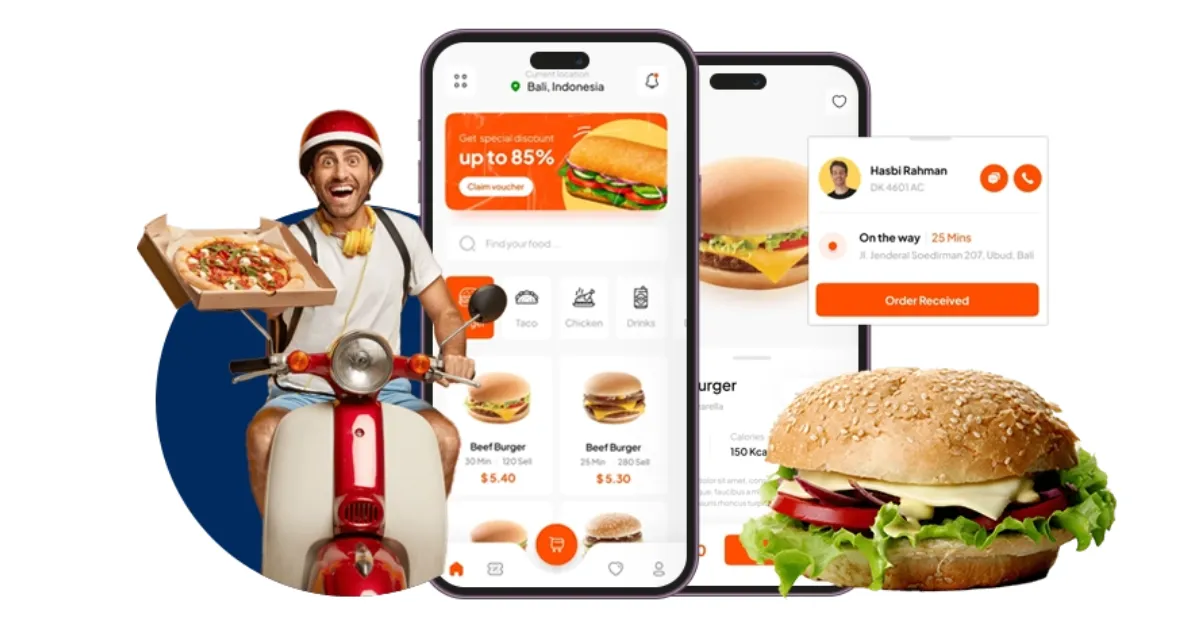
Remember the days when you had to Google “pizza near me,” call a number, hope they picked up, and then repeat your address three times? Yeah—thankfully, those days are long gone. Thanks to food aggregator apps like JustEat, ordering dinner is now a scroll, tap, and swipe affair.
JustEat cracked the code by offering one app for all things edible—letting users compare menus, prices, reviews, and delivery times across hundreds of restaurants. And while the global giants dominate in some markets, there’s a massive opportunity in going local, niche, or specialized. Entrepreneurs are using JustEat clone script to launch hyper-targeted food delivery marketplaces that scale fast and serve smarter.
If you’re dreaming of launching a restaurant aggregator in 2026, you don’t need to start from scratch. With a JustEat-style clone, you can focus on growth, partnerships, and experience—while the tech takes care of itself. Miracuves is here to help you bring that vision to life.
Why Food Aggregators Still Win in 2026
Restaurants Don’t Want to Build Their Own Tech
Many restaurants still lack digital infrastructure. They want orders, not app-building headaches. Aggregator platforms solve that by offering:
- Instant digital visibility
- Centralized ordering and delivery logistics
- Built-in payment and support systems
A JustEat clone allows you to become the connector between hungry customers and kitchen-bound businesses.
Consumers Want Choice, Not Commitment
Unlike branded apps from single restaurants, aggregator platforms provide users with:
- More variety
- Better deals
- Reviews and ratings
- Transparent pricing
This increases app stickiness, frequent reorders, and basket size—all great signs for your bottom line.
Essential Features of a JustEat Clone Script
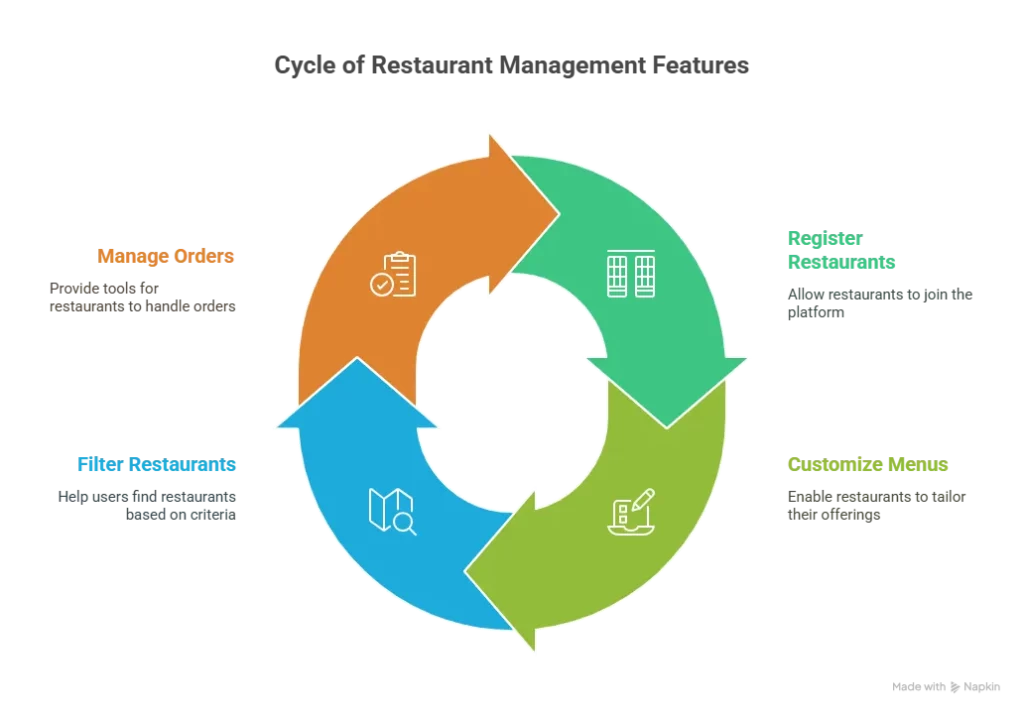
1. Multi-Restaurant Listing System
Your platform must allow multiple restaurants to register, manage their menus, and receive orders independently. Look for features like:
- Menu customization
- Timed availability (e.g., breakfast/lunch/dinner)
- Promotional offers and coupons
2. Location-Based Filtering
Users must be able to discover nearby restaurants based on:
- GPS location
- Delivery time
- Cuisine
- Budget
Advanced filters and maps improve usability and increase conversion rates.
3. Order Management Dashboard
Each restaurant should have its own backend panel to:
- Track live orders
- Mark items out of stock
- Communicate with customers or support
Read More : Key JustEat Features for Food Delivery Apps
Global Cost Factors & Pricing Breakdown for a Just Eat-Like App
The technology stack behind your platform plays a major role in determining development cost, launch speed, and how well your platform can scale over time. Some businesses prefer a faster and more affordable launch, while others require a more advanced setup to handle high order volumes, multiple restaurant integrations, and real-time delivery operations.
Here is a simple comparison of common global development approaches for a Just Eat-like food delivery and online ordering platform:
PHP / Laravel is best for quick and affordable launches, Node.js / Python for real-time operations, and Go microservices for large-scale multi-vendor platforms.
JustEat Clone App Development Cost & Miracuves Pricing Breakdown
Miracuves Pricing for a JustEat-Like Food Delivery App developed in PHP/Laravel with Flutter Apps for $2,199 USD (One-Time Price) in just 6 days
Get a fully developed, deployment-ready platform modeled after JustEat. Built on a stable PHP/MySQL backend with Flutter mobile apps, this complete package gives you everything needed to launch and scale a modern online food ordering and delivery business with efficiency, flexibility, and real-time operational control.
- Core Delivery Flow: Customer ordering, restaurant onboarding, menu management, order tracking, and delivery workflows.
- Built-in Operations: Pricing logic, commission handling, discount systems, order management, and payout workflows.
- Management Hub: Centralized admin backend for restaurants, users, delivery partners, orders, and complete platform control.
- Launch-Ready Setup: Fully prepared for branding, deployment, API setup, and app store publishing support.
Why is it so affordable?
Most food delivery platforms like JustEat require strong backend systems for handling orders, restaurant integrations, delivery coordination, and payment processing. Building this from scratch involves long development timelines, multiple integrations, and higher engineering costs. Miracuves removes that complexity by offering a ready-made JustEat-style platform that already includes these essential business components.
We took a smarter, more practical approach:
- You Aren’t Paying for Ground-Up Development: Our JustEat-style engine is already developed and tested, helping you skip months of backend setup and product development.
- The Strength of PHP / MySQL with Flutter Apps: This stack is reliable, scalable, and cost-effective, making it easier to manage operations and future upgrades without high technical costs.
- Fast Launch Advantage: Instead of spending months building a delivery system, you can launch a fully branded food ordering platform in just 6 days with all core workflows ready.
You get a complete, revenue-ready food delivery platform without the inflated cost of custom development.
Note: This cost includes the solution, re-branding, deployment support, source code, backend/API setup, admin panel configuration, and publishing
Niche Use Cases for JustEat Clone Script
- Campus Food Aggregator – One app for all student-friendly restaurants around universities
- Vegan & Organic Food Hub – Curated platform for health-conscious eaters
- B2B Catering Marketplace – Order platforms for offices, events, and corporates
- Rural Food Networks – Connect smaller towns with local eateries and home chefs
Clone script let you own your vertical, differentiate your brand, and monetize your market smarter.
Read More : Reasons startup choose our justeat clone over custom development
Conclusion
JustEat may be a big name, but local aggregators can still win with sharper targeting, stronger community engagement, and better incentives. With a JustEat clone, you get all the essentials right away, leaving you free to focus on what really matters—growing your platform and delighting your users.
At Miracuves, we help innovators launch high-performance app clones that are fast, scalable, and monetization-ready. Ready to turn your idea into reality? Let’s build together.
FAQs :-
What is a JustEat clone script?
It’s a software solution modeled after JustEat, enabling entrepreneurs to launch multi-restaurant food delivery marketplaces with ease.
Is this different from a single restaurant delivery app?
Yes. A clone script like this allows multiple restaurants to join, list menus, and deliver independently—just like JustEat or DoorDash.
Can I monetize the platform?
Absolutely. You can earn through commissions, ads, delivery fees, and premium placement for restaurants.
Does it support real-time tracking?
Yes. Both users and admin can track orders and riders in real time.
Is it scalable for multi-city operations?
Yes. Our architecture supports multi-location expansions, multi-currency payments, and more.
How long does it take to launch?
Typically 6 Days depending on your requirements and branding preferences.