Building the next Zomato or Uber Eats might sound like a gourmet dream—until you’re knee-deep in unexpected invoices and silent sighs from your finance team. Whether you’re a bootstrapped founder or a VC-backed go-getter, launching an online food delivery platform isn’t just about beautiful UI or slick user onboarding. It’s a kitchen full of moving parts, many of which are invisible at first glance.
I remember talking to a founder who thought they could “whip up” a food delivery app in 8 weeks for under $10,000. Spoiler alert: they burned through triple that before even launching their MVP. Sound familiar? You’re not alone. Most digital entrepreneurs budget for development, but forget the recurring and infrastructural costs lurking beneath the surface—like surprise ingredients in a mystery stew. That’s why focusing on Scalable food delivery app development from the start is key to staying on course and within budget.
If you’re dreaming of dominating the gig economy or carving out your slice of the delivery pie, knowing what not to overlook could save you serious cash—and stress. At Miracuves, we’ve helped dozens of founders dodge hidden traps and launch clones that actually scale.
Read more: How to Start a Food Delivery Marketplace Platform Business
The Surface-Level Costs: What Everyone Talks About
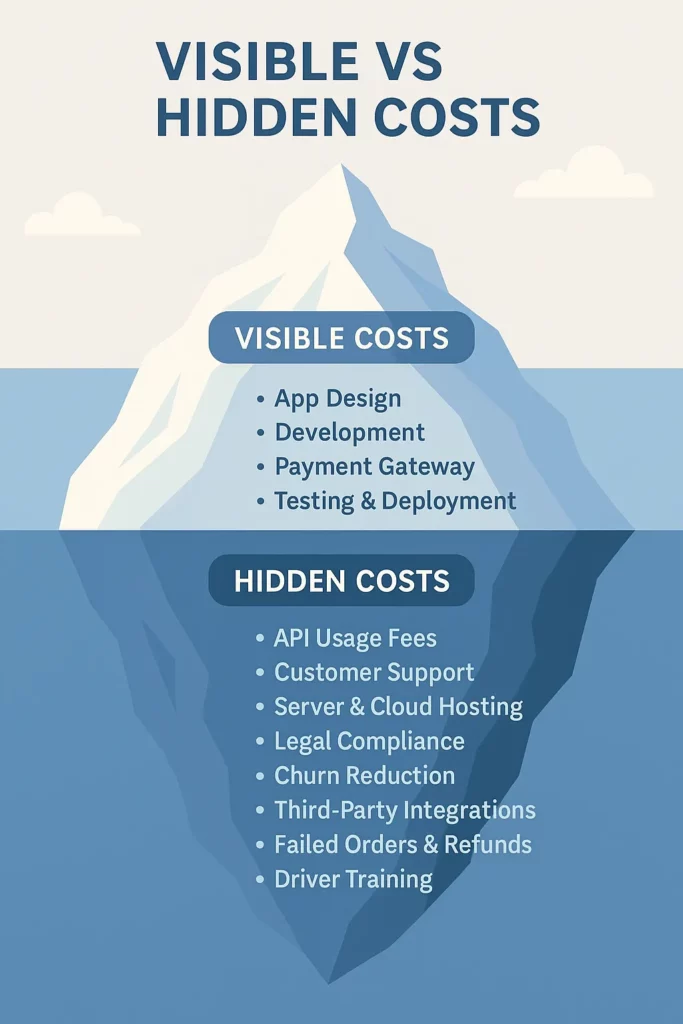
Before we dive into the hidden stuff, let’s quickly list what’s usually included in most food delivery app quotes:
- App design (UI/UX)
- Frontend & backend development
- Admin panel and analytics
- Customer & delivery agent apps
- Payment gateway integration
- Basic testing & deployment
Sounds straightforward, right? But here’s the catch—most quotes focus on getting the app live, not keeping it alive. That’s where the iceberg really begins.
The Hidden Costs You Didn’t Budget For
1. API Usage Fees: The “Silent Suckers”
When you integrate third-party services—think Google Maps, Twilio SMS, or payment gateways—you’re often charged per usage. That free trial won’t last forever.
Example:
Google Maps’ Places API costs $17 per 1,000 requests. With even modest usage, you could rack up hundreds monthly.
Always review the pricing tiers of third-party tools.
2. Customer Support Infrastructure
Once orders start rolling in, so do the complaints. “My food was cold,” “driver took too long,” “promo code didn’t apply”—you need a dedicated support team, or at least an AI chatbot with fallback escalation.
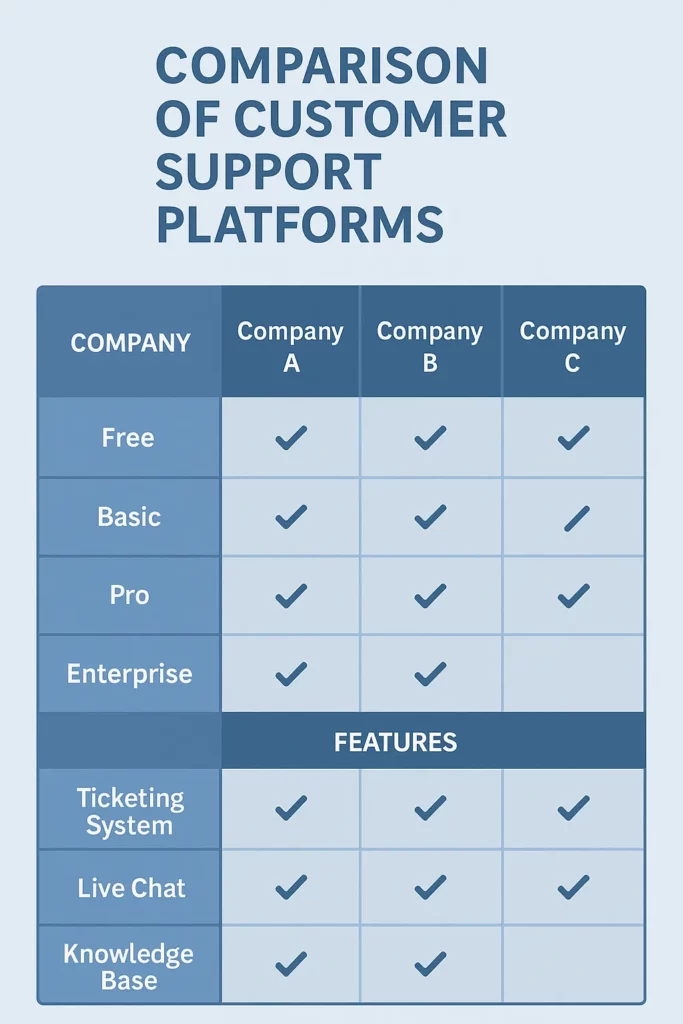
And yes, customer support tools like Zendesk or Freshdesk are subscription-based.
3. Server and Cloud Hosting Charges
Sure, your developer may set up AWS, but have you factored in what happens when your daily users go from 100 to 10,000? Scaling cloud resources costs money. Real money.
You’ll need:
- Load balancers
- Auto-scaling groups
- Content delivery networks (CDNs)
And don’t forget database backups. Downtime equals disaster in the food business.
4. Legal Compliance and Licensing
Delivery platforms must comply with data privacy laws (GDPR, CCPA), food handling compliance, and potentially local municipal permits—especially if you manage “dark kitchens” or partner with restaurants directly.
Hiring legal counsel or using legaltech tools adds up quickly.
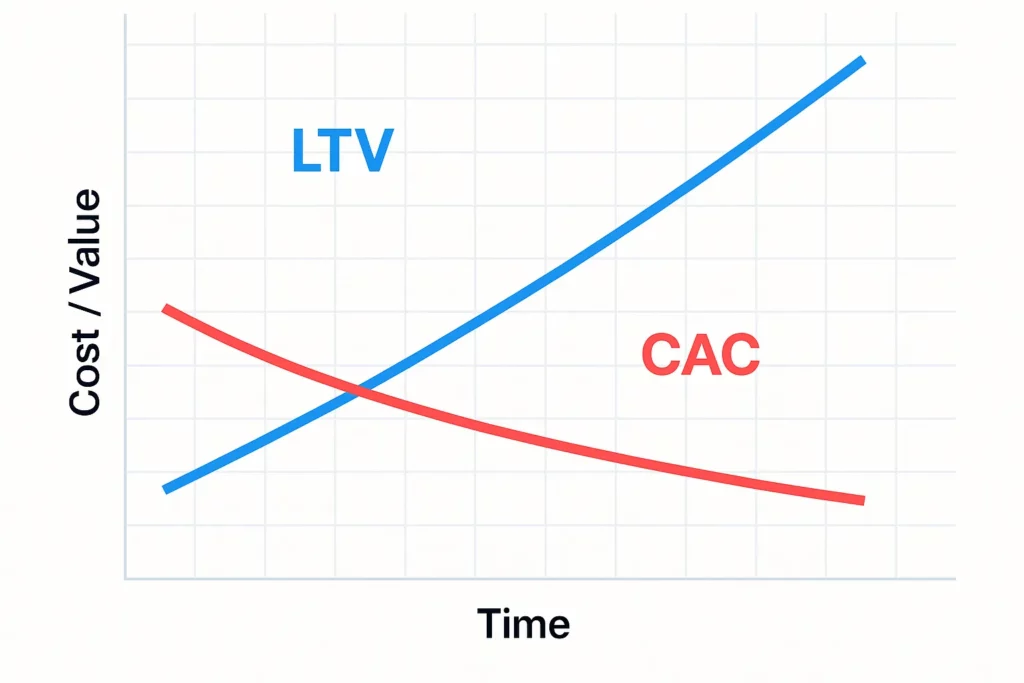
5. Churn Reduction & Loyalty Costs
Acquisition is one thing. Retention? A whole other game. Loyalty programs, referral engines, cashback systems—these are all features (and costs) that sneak in after launch.
Also, you’ll likely need to offer:
- First-order discounts
- Re-engagement emails
- App re-marketing campaigns
6. Third-Party Integrations for Analytics and Optimization
Think Mixpanel, Amplitude, Firebase, or Hotjar. All those beautiful heatmaps, session replays, and funnel visualizations? They aren’t free beyond a certain usage.
And yes—you’ll need them if you want to improve UX or spot where users drop off.
7. Failed Orders & Refund Handling
Let’s face it: food delivery isn’t perfect. Cancellations, cold food, delays—it happens. But refund policies need clear workflows and backend systems to log, verify, and issue them.
If you don’t have a robust setup, you’ll either burn cash or frustrate users into uninstalling your app.
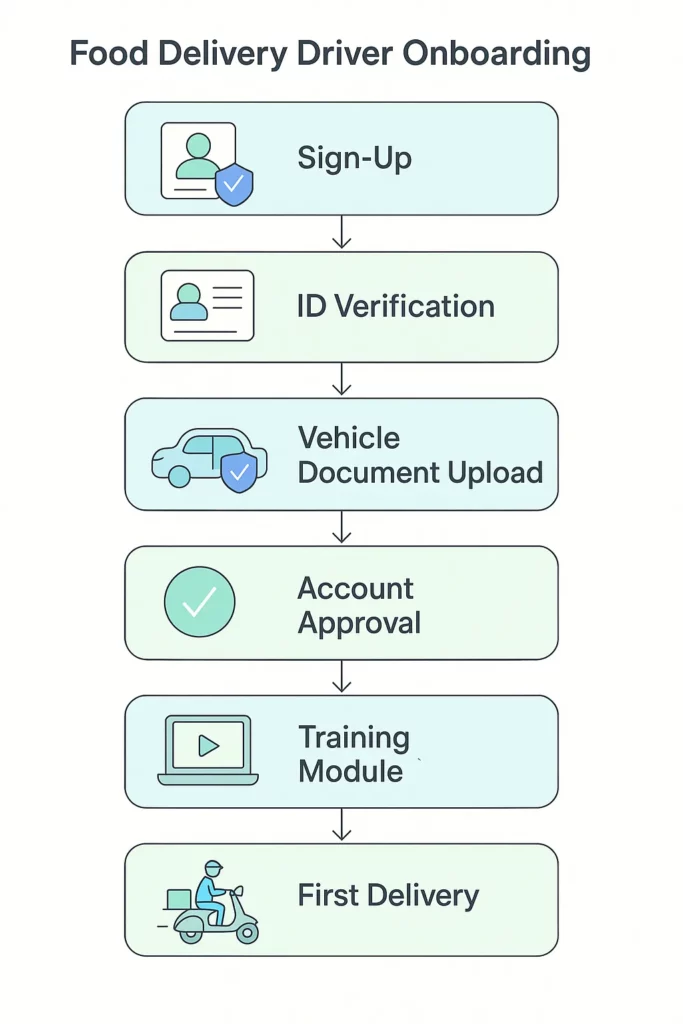
8. Driver Training and Onboarding Portals
Even if you’re not hiring full-time staff, gig workers (delivery agents) need:
- Onboarding tutorials
- Real-time GPS tracking
- ID verification
- Ratings and performance dashboards
This means more backend modules and admin dashboards that rarely appear in initial budgets.
Why These Costs Matter More Than You Think
Startups often romanticize launch day. But guess what? The real test begins post-launch—when complaints come in, the server crashes on a Sunday, or your delivery partner logs off mid-shift.
Hidden costs aren’t just budget-breakers. They’re experience killers. And bad experience = churn.
At Miracuves, we’ve worked with startups that came to us after wasting time with half-baked builds. With our white-labeled food delivery clone solutions, founders start smarter—not harder—with critical backend essentials already baked in.
Looking to launch a food delivery startup? Our food delivery app development services help you go live faster with scalable, feature-rich solutions.
Conclusion
Hidden costs aren’t just the fine print—they’re the foundation. Ignoring them is like building a restaurant without a kitchen sink.
If you’re serious about launching a platform that scales, you’ve got to look beyond the shiny front-end and dig into the stuff that keeps it alive, secure, and loved by users.
At Miracuves, we help innovators launch high-performance app clones that are fast, scalable, and monetization-ready. Ready to turn your idea into reality? Let’s build together.
FAQs
Q:1 How much should I realistically budget for a food delivery app?
A basic MVP might start around $15,000–$25,000, but with hidden costs and scaling needs, expect the total to hit $50,000+ for a functional, growth-ready app.
Q:2 Can I avoid using third-party APIs?
You can limit them, but some (like maps or SMS gateways) are unavoidable unless you build in-house alternatives—which may be even more expensive.
Q:3 Are white-label clone solutions a safer bet?
Yes, especially when you want speed, proven stability, and pre-integrated features. They let you focus on branding and scaling instead of rebuilding the wheel.
Q:4 What if I want to scale to multiple cities later?
You’ll need geo-fencing, multi-location logistics, and scalable infrastructure—so build with modular architecture from the start.
Q:5 How do I prevent fake orders or fraud?
Use OTP-based verification, AI fraud detection tools, and admin dashboards that allow blacklisting and behavioral analysis.
Q:6 Is it necessary to offer loyalty features from day one?
Not always—but planning for them early avoids headaches later. Start simple and scale your retention strategy as you grow.
Related Articles:
- Creating an On-Demand Food Service App Like Uber Eats: Key Features and Steps
- Build Your Own Food Delivery App Like DoorDash: Cost, Features, and Development Process
- How to Build a Food Delivery Platform Like Amazon Fresh: From Design to Launch
- How to Develop a Food Delivery App Like Zomato: Features, Costs, and Timeline
- Create a Food Delivery App Like Swiggy: Key Features, Cost, and Development Process
Miracuves is an independent software development company. We are not affiliated with, connected to, sponsored by, or endorsed by any company or product named in this article.
Terms such as “X Clone” are used descriptively. It is how the software industry refers to building a platform with functionality comparable to a known service, and how clients search for it.
The entire design and codebase of our products is built by our own team. Our products contain no code, design, graphics, or content originating from any third-party website or applications.
All third-party names and marks referenced in this article are the property of their respective owners, referenced solely to identify the services discussed.