


Key Takeaways
What You’ll Learn
- Goldbelly’s revenue model is built on multiple income streams instead of relying on just order commissions.
- Vendor commissions and product markups form the core revenue by earning on every transaction across the marketplace.
- Shipping and logistics margins play a major role because nationwide delivery is a key part of the platform.
- Subscription boxes and curated food experiences create recurring revenue and improve customer retention.
- The model succeeds by combining premium food positioning with strong monetization layers.
Stats That Matter
- Commissions typically range around 20%–30% depending on vendor agreements and platform services.
- Shipping and handling fees contribute a significant portion of revenue due to nationwide logistics.
- Subscription pricing usually falls between $89–$129/month, creating predictable recurring income.
Real Insights
- Goldbelly monetizes experience, not just food, which allows higher order values compared to typical delivery apps.
- Premium positioning increases margins because users are willing to pay more for iconic and regional food experiences.
- Subscriptions and curated drops help stabilize revenue beyond one-time purchases.
- Logistics is not just a cost center but also a revenue opportunity when managed efficiently.
- The strongest marketplaces win by layering commissions, logistics, subscriptions, and exclusivity into one system.
Goldbelly turned the idea of delivering restaurant-quality meals nationwide into a multimillion-dollar empire. In 2026, the platform surpassed $210 million in annual revenue, driven by America’s love for iconic dishes shipped straight to their doors. From New York cheesecakes to Texas BBQ, Goldbelly transformed food delivery into a premium experience — and monetized it brilliantly.
For entrepreneurs, understanding Goldbelly’s revenue model reveals how to turn niche marketplaces into scalable platforms. This isn’t just about food — it’s about connecting craving-driven demand with supply from top restaurants, and monetizing every transaction along the way.
Goldbelly Revenue Overview – The Big Picture
Goldbelly’s valuation as of early 2026 is estimated at $1.4 billion, with a steady revenue growth rate of 18% year-over-year. The company operates primarily in the U.S. and continues to expand through strategic partnerships with restaurants and celebrity chefs.
Revenue Snapshot (2020–2026):
- 2020: $70 million
- 2021: $130 million
- 2022: $175 million
- 2023: $190 million
- 2024: $205 million
- 2026 (projected): $210+ million
Profit Margins:
Goldbelly operates with a net profit margin of ~8–10%, strong for an e-commerce logistics-heavy business. Its high average order values ($100+) offset fulfillment costs, sustaining healthy margins.
Read more: What Is Goldbelly App? How It Works & Why It’s Unique

Primary Revenue Streams Deep Dive
1. Merchant Commissions
Goldbelly charges partner restaurants a commission fee between 20% and 30% on each order processed through the platform. This covers platform usage, payment processing, and marketing exposure.
Percentage of total revenue: ~55%
Example: A $120 cheesecake order can generate $30–35 in platform fees.
2. Shipping & Handling Fees
Unlike typical delivery apps, Goldbelly ships perishable goods nationwide. It earns margin on logistics coordination — marking up shipping costs slightly and partnering with carriers like FedEx.
Percentage of total revenue: ~20%
Average markup: 10–15% above base logistics cost.
3. Subscription Program – Goldbelly Monthly
Goldbelly offers curated food boxes and subscriptions featuring famous restaurants’ dishes each month.
Price Point: $89–$129 per month
Share of revenue: ~10–12%
Advantage: Predictable recurring income and increased user retention.
4. Corporate Gifting & Bulk Orders
Goldbelly monetizes bulk orders for corporate gifting and events, offering tailored menus and branding.
Revenue Share: ~8%
High-margin service: Corporate clients typically spend $500–$5,000 per order.
5. Chef Collaborations & Limited Drops
Goldbelly collaborates with top chefs for exclusive meal kits or limited-edition experiences.
Revenue Share: ~5%
Example: Holiday meal kits with celebrity chefs often sell out within hours, generating large event-based spikes.
Read More: Build an App Like Goldbelly in 2025 – Developer Guide
Revenue Streams Percentage Breakdown
| Year | Merchant Commissions | Shipping & Handling Fees | Subscription Revenue (Goldbelly Monthly) | Corporate Gifting & Bulk Orders | Chef Collaborations & Limited Drops |
|---|---|---|---|---|---|
| 2020 | 65% | 20% | 5% | 5% | 5% |
| 2021 | 60% | 22% | 7% | 6% | 5% |
| 2022 | 58% | 21% | 8% | 8% | 5% |
| 2023 | 55% | 20% | 10% | 9% | 6% |
| 2024 | 53% | 19% | 11% | 10% | 7% |
| 2025* | 50% | 18% | 12% | 11% | 9% |
The Fee Structure Explained
User-Side Fees:
- Product Price: Fixed by the vendor but may include platform adjustments.
- Shipping & Handling: Variable by location, weight, and perishability.
- Subscription Cost: $89–$129/month for Goldbelly Monthly members.
Merchant-Side Fees:
- Commission: 20–30% per order.
- Promotional Fees: For homepage placement or featured categories.
- Fulfillment Support Fees: For packing, refrigeration, and priority logistics.
Hidden Revenue Tactics:
- Bundling premium “gift packaging” with higher markups.
- Upselling limited-edition boxes or combos.
- Offering “free shipping” promotions factored into product pricing.
Fee Structure by User Type
| Fee Type | Charged To | Typical Rate / Notes |
|---|---|---|
| Product Price | Customer | Set by vendors; average order value around $100–$150 per purchase. |
| Shipping & Handling Fee | Customer | Varies by distance, packaging type, and product weight; typically adds $15–$30 per order. |
| Subscription Fee (Goldbelly Monthly) | Customer | $89–$129 per month for curated gourmet boxes or restaurant meal kits. |
| Service Fee | Customer | 2%–3% small processing fee applied on each transaction. |
| Commission Fee | Merchant (Restaurant/Store) | 20%–30% commission per order, covering platform listing, payments, and marketing exposure. |
| Promotional / Advertising Fee | Merchant | Optional spend for homepage features, category highlights, or seasonal campaign placements. |
| Fulfillment / Packaging Fee | Merchant | Applied if Goldbelly handles refrigerated packaging and nationwide logistics; variable cost per product type. |
| Corporate Order Handling Fee | Corporate Clients | 5%–8% service charge on large bulk or branded gifting orders. |
| Transaction Processing Fee | Merchant | 1%–2% per order for payment gateway and refund processing. |
| Return or Reshipment Fee | Customer (in rare cases) | Applied only when incorrect address or failed delivery occurs due to customer error. |
How Goldbelly Maximizes Revenue Per User
Goldbelly’s customer lifetime value (LTV) is exceptionally high — over $1,100 per user annually — thanks to smart monetization techniques.
- Segmentation: Foodies, gift-buyers, corporate clients, and subscription customers.
- Upselling: “Bundle & Save” offers, exclusive desserts, and seasonal deals.
- Cross-Selling: Recommending related cuisines or chefs post-purchase.
- Dynamic Pricing: Regional and holiday-based pricing to maximize margins.
- Retention Monetization: Email personalization and limited drops drive repeat engagement.
- Psychological Pricing: Using premium perception to justify higher ticket sizes.
Real example: During the 2024 holiday season, average order value (AOV) rose by 22%, driven by gifting bundles and “limited run” urgency campaigns.
Global Cost Factors & Pricing Breakdown
These values reflect global development cost estimates for a Goldbelly-like gourmet food delivery marketplace.
Miracuves Goldbelly-Like App Solution Cost and Tech Stack
Miracuves Pricing for a Goldbelly-Like Gourmet Food Marketplace developed in PHP/Laravel with Flutter Apps for $2,199 USD (One-Time Price) in just 6 days
Get a fully developed, deployment-ready platform modeled after Goldbelly. Built on a reliable PHP/Laravel backend with Flutter mobile apps, this complete solution helps you launch and scale a gourmet food delivery marketplace quickly and efficiently.
- Core Workflows: Vendor onboarding, specialty food listings, product browsing, cart system, order placement, shipping coordination, and customer communication.
- Built-in Operations: Pricing logic, commission setup, order management, inventory handling, and secure payment processing.
- Management Hub: Centralized admin panel to manage customers, vendors, product listings, orders, shipments, transactions, and overall platform activity.
- Launch-Ready: Fully prepared for your branding, configuration, and immediate go-to-market execution.
Why is it so affordable?
Most modern gourmet food marketplaces are built using complex architectures like Node.js or microservices. While powerful, these approaches require large engineering teams, longer timelines, and significantly higher development costs.
We took a smarter and more practical approach:
- You Aren’t Paying for Ground-Up Development: Our marketplace engine is already developed, tested, and ready to deploy. You skip months of development time and avoid the high costs of building from scratch.
- The Power of PHP / Laravel: Built on one of the most trusted and widely used frameworks globally, this solution keeps upfront costs low while ensuring long-term flexibility. With a large developer ecosystem, it becomes easier and more cost-effective to maintain, scale, and customize your platform.
- Built for Practical Growth: You get a strong, market-ready gourmet food marketplace with essential features like vendor onboarding, order workflows, and shipping coordination—without the complexity and expense of enterprise-level builds.
You get a scalable, production-ready platform without paying inflated development costs.
Note: This cost is for the solution, re-branding, deployment, and source code only.
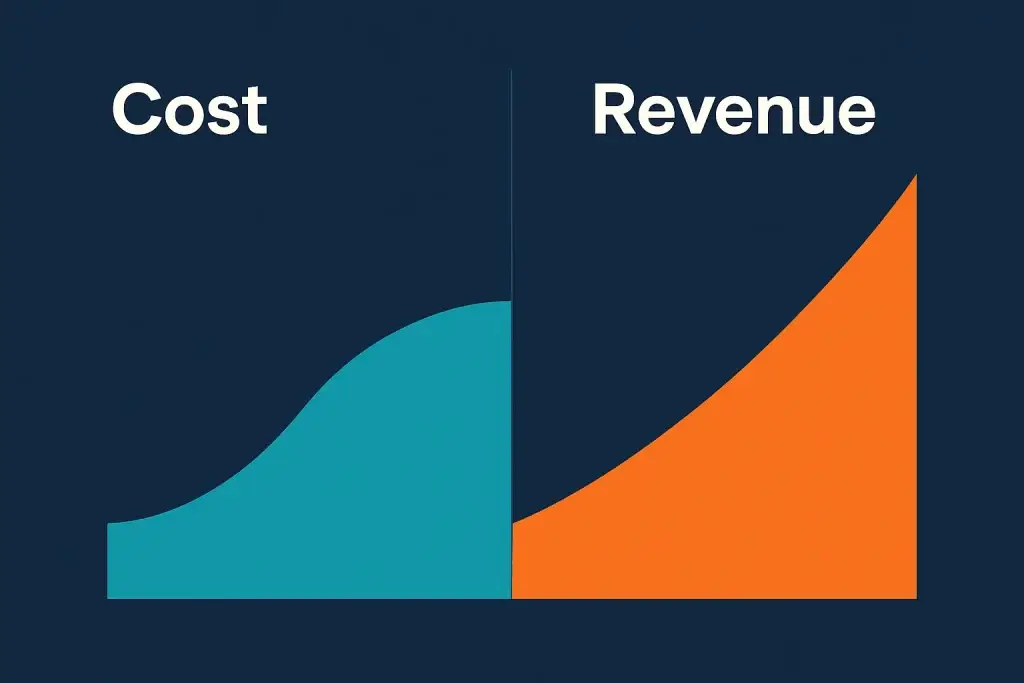
Cost Structure & Profit Margins
Major Costs:
- Logistics & Cold Chain Shipping (~40%)
- Marketing & Customer Acquisition (~20%)
- Technology & Platform Maintenance (~15%)
- Packaging & Compliance (~10%)
- General Overheads (~15%)
Profit Margin Trends:
With consistent growth and better shipping efficiency, net margins improved from 6% in 2022 to 10% in 2026.
Unit Economics:
Average order: $120
Gross margin: ~$48
Net profit per order: ~$12
Read More: Goldbelly App Features You Should Know
Future Revenue Opportunities & Innovations
Goldbelly is evolving into more than a food marketplace — it’s building a national culinary ecosystem.
New Growth Avenues:
- AI-Powered Curation: Personalized boxes based on user taste data.
- International Expansion: Global shipping pilots in the UK and Canada.
- Chef Streaming Partnerships: Integrated cooking classes with meal kit purchases.
- Loyalty Rewards Program: Points redeemable for discounts and free shipping.
- Corporate SaaS Portal: Streamlined ordering for enterprises.
Predictions 2025–2027:
Projected to surpass $300 million by 2027, with AI-assisted upselling and recurring revenue streams contributing 40% of total income.
Lessons for Entrepreneurs & Your Opportunity
Goldbelly’s success proves that niche platforms can outperform generic delivery apps by focusing on quality, emotion, and experience.
Entrepreneur Takeaways:
- Turn niche passion into scalable business models.
- Layer multiple monetization streams early.
- Focus on premium perception, not just price.
- Build long-term loyalty through subscriptions and exclusivity.
Final Thought
Goldbelly Clone 2026 journey is a story of how passion for food can merge with technology to create an enduring business model. By connecting culture, cuisine, and commerce, it has turned craving into currency — and entrepreneurs can do the same with the right tools, strategy, and partner like Miracuves.
FAQs
How much does Goldbelly make per order?
Typically $20–$35 per transaction through commissions and shipping margins.
What’s Goldbelly’s most profitable stream?
Merchant commissions, followed by logistics and corporate gifting.
How does Goldbelly differ from delivery apps like DoorDash?
It focuses on nationwide shipping of iconic foods rather than local delivery.
What percentage does Goldbelly take from vendors?
Between 20% and 30% depending on exclusivity and logistics support.
Has Goldbelly reached profitability?
Yes — it maintains around 10% net margin due to premium order values.
Can small food startups replicate this model?
Absolutely. Focus on unique offerings, efficient shipping, and strong branding.
How quickly can you launch a similar platform?
With Miracuves’ Goldbelly Clone, you can go live and start earning in just 6 Days with guaranteed delivery, ensuring a fast and profitable launch.