


Key Takeaways
What You’ll Learn
- Deliveroo’s revenue model is multi-layered, combining commissions, delivery fees, subscriptions, ads, and retail expansion.
- Restaurant commissions remain the core revenue engine for the platform.
- Subscriptions and sponsored placements improve margins beyond standard order-based earnings.
- Growth comes from frequency, basket size, and category expansion, not just from more orders.
- Dynamic pricing and customer segmentation support revenue optimization across different user types.
- A Deliveroo clone can replicate this model by building multiple monetization layers from the start.
Stats That Matter
- Deliveroo’s GTV is positioned around $9 billion, with revenue around $2.6 billion and adjusted EBITDA around $220 million.
- Restaurant commissions contribute about 60% of total revenue.
- Customer delivery and service fees contribute around 25%.
- Subscriptions are framed around 8–10%, while ads and sponsored listings add another layer of income.
- Restaurant commissions are commonly shown around 20–30%, with some higher examples depending on context.
- Customer-facing fees include delivery charges, service fees, and subscription plans like Deliveroo Plus.
Real Insights
- Commissions alone are not enough for the strongest long-term delivery economics.
- Subscriptions and advertising improve profitability because they often carry lower variable costs.
- Deliveroo’s real strength is increasing revenue per user, not just processing more orders.
- Retail and grocery expansion makes the model more resilient than pure restaurant delivery alone.
- The most successful platforms monetize multiple user actions, not just completed deliveries.
- A Deliveroo-style clone should be built as a layered revenue engine instead of depending on a single fee source.
Deliveroo, one of the leading food delivery platforms in Europe and Asia, recorded nearly $2.6 billion in revenue in 2026, up 12% year-over-year. With rising profitability and a growing subscription base, Deliveroo’s hybrid monetization model continues to inspire on-demand startups worldwide. For entrepreneurs building a Deliveroo Clone, understanding its multi-revenue approach offers a clear roadmap to rapid scalability and sustainable income.
Deliveroo Revenue Overview – The Big Picture
Deliveroo’s business spans over 10 major markets, including the UK, France, UAE, and Singapore. As of 2026, the platform’s gross transaction value (GTV) crossed $9 billion, and its active consumer base grew by more than 8% year-over-year.
The company’s revenue for 2026 stood around $2.6 billion, with adjusted EBITDA of $220 million, showing a significant turnaround from earlier losses. Deliveroo’s improved profitability stems from optimized logistics, advertising income, and its premium subscription tier, Deliveroo Plus.
While the UK contributes nearly 55% of total revenue, markets like UAE and Hong Kong are among the fastest-growing regions, showing 20–25% annual growth.
Read More: What is Deliveroo App and How Does It Work?
Primary Revenue Streams Deep Dive
1. Commission from Restaurants
How it works: Restaurants pay a percentage on every order, typically 20–30%, depending on exclusivity and promotional support.
Share of total revenue: ~60%
Pricing: Standard commission ~25%, premium plans up to 30%.
Trend: Growing due to higher average order values and exclusive partnerships.
2. Delivery & Service Fees from Customers
How it works: Users pay a delivery fee (usually $1–6) and a small service fee (around 5–10%).
Share of total revenue: ~25%
Trend: Dynamic pricing adjusts for demand, peak hours, and distance.
3. Deliveroo Plus Subscription
How it works: For a flat monthly fee (~$8.99), subscribers get free deliveries and priority service.
Share of total revenue: ~8–10%
Trend: Subscriber count exceeds 6 million globally and continues to rise.
4. Advertising & Sponsored Listings
How it works: Restaurants pay for top placement in app listings or homepage promotions.
Share of total revenue: ~5%
Trend: Fastest-growing segment; Deliveroo’s ad tech platform doubled revenue in 2026.
5. Grocery & Retail Delivery
How it works: Deliveroo partners with supermarkets and convenience stores for express deliveries.
Share of total revenue: ~3–5%
Trend: Partnerships with Carrefour, Waitrose, and local retailers boosted this vertical.
Read More: How to Make a Food Delivery App Like Deliveroo – Features and Costs
Revenue streams percentage breakdown
| Year | Restaurant Commissions (%) | Customer Delivery & Service Fees (%) | Subscription & Loyalty (%) | Advertising & Sponsored Listings (%) | Grocery/Retail & Other New Verticals (%) | Total (%) |
|---|---|---|---|---|---|---|
| 2020 | 60 % | 25 % | 4 % | 4 % | 7 % | 100 % |
| 2021 | 58 % | 26 % | 5 % | 5 % | 6 % | 100 % |
| 2022 | 56 % | 27 % | 6 % | 6 % | 5 % | 100 % |
| 2023 | 54 % | 28 % | 7 % | 7 % | 4 % | 100 % |
| 2024 | 52 % | 29 % | 8 % | 8 % | 3 % | 100 % |
| 2025* | 50 % | 30 % | 9 % | 9 % | 2 % | 100 % |
The Fee Structure Explained
User-Side Fees
- Delivery Fees: $1–6 per order depending on distance and demand
- Service Fees: ~5–10% of order subtotal
- Subscription (Deliveroo Plus): $8.99/month
Provider-Side Fees
- Commission: 20–30% per order
- Marketing & Promotion Fees: For featured listings or campaigns
- Pickup Orders: 6–8% commission
Regional Variations
In the UK and Western Europe, commissions tend to be higher, while Asian markets rely more on customer-side fees and lower commissions for merchant acquisition.
Complete Fee Structure by User Type
Deliveroo’s fee structure is divided across customers, restaurants, merchants, and optional service charges. Each fee supports a different part of the platform, including delivery operations, payment processing, restaurant visibility, customer support, and app maintenance.
| User Type | Fee Type | Typical Amount / Rate | Description |
|---|---|---|---|
| Customer | Delivery Fee | £2.99 – £6.99 per order | Charged based on delivery distance, restaurant location, rider availability, and local demand. |
| Customer | Service Fee | Around 5% of order subtotal | Covers platform operations such as payment processing, app maintenance, and customer support. |
| Customer | Small Order Fee | £2.50 – £4.00 | Applied when the order value is below the minimum order requirement. |
| Customer | Extended Delivery Fee | £1.00 – £3.00 | Added when the customer orders from a restaurant located farther away. |
| Customer | Deliveroo Plus Subscription | Around £7.99/month | Provides benefits such as free delivery and reduced service fees on eligible orders. |
| Restaurant / Merchant | Commission per Order | 25% – 35% of order value | Standard commission charged to restaurants on each completed delivery order. |
| Restaurant / Merchant | Pickup Service Fee | 5% – 8% of order value | Lower commission applied when customers collect orders directly from the restaurant. |
| Restaurant / Merchant | Marketing / Sponsored Listings | Variable | Optional paid promotion that helps restaurants improve visibility inside the Deliveroo app. |
| Restaurant / Merchant | Platform & Processing Fee | Around 2.9% + £0.30 per transaction | Covers payment gateway processing, order handling, and platform management. |
| Other Fees | Regulatory / Local Fees | 1% – 3%, region-specific | Local compliance or government-related charges applied in selected markets. |
| Other Fees | Priority Delivery Fee | £1.00 – £2.00 extra | Optional customer fee for faster delivery during peak hours or high-demand periods. |
This fee structure allows Deliveroo to earn from every part of the food delivery journey. Customers pay for convenience and faster service, while restaurants pay for customer reach, order management, delivery access, and promotional visibility.
Read More: Best Deliveroo Clone Script 2025 | Launch Your Food Delivery App
How Deliveroo Maximizes Revenue Per User
Deliveroo’s growth strategy hinges on increasing frequency, retention, and average basket value:
- Segmentation: Rewards frequent users with offers and incentives.
- Cross-Selling: Promotes grocery and retail delivery to food customers.
- Upselling: Encourages premium restaurants and fast delivery options.
- Dynamic Pricing: Adjusts delivery charges by time, weather, and demand.
- Loyalty Monetization: Deliveroo Plus ensures predictable recurring revenue.
- Personalized Offers: AI-driven recommendations raise conversion rates.
- Lifetime Value Optimization: Each Plus user orders 40% more annually.
Cost Structure & Profit Margins
Major Cost Areas
- Courier Payments: Rider payouts, bonuses, and insurance
- Technology: Platform infrastructure, app scaling, and data analytics
- Marketing: Customer acquisition, restaurant onboarding, and ads
- R&D: Automation, drone delivery, and predictive logistics
Deliveroo’s path to profitability has centered on improving unit economics. The company’s gross margin per order is now around 9–12%, up from 5% in 2022. Subscription and ad revenue have made the model significantly leaner and more predictable.
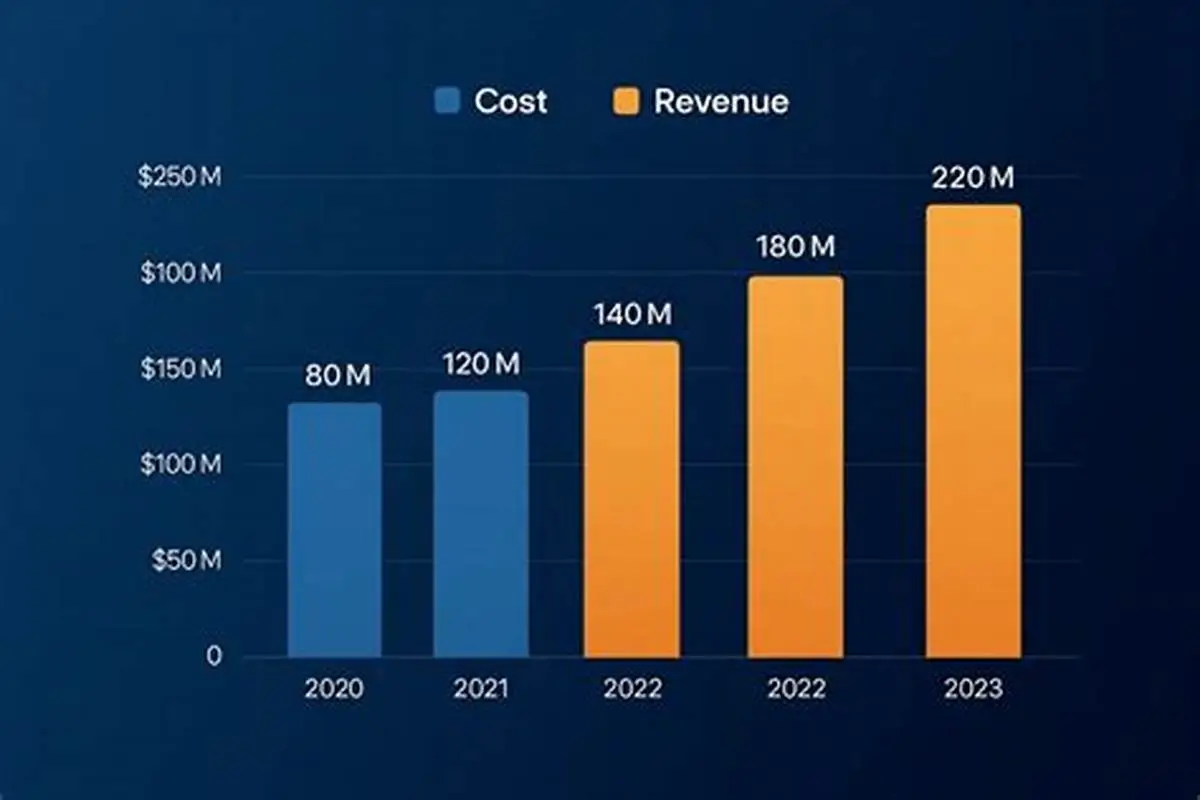
Global Cost Factors & Pricing Breakdown
Deliveroo-Like Food Delivery App Development — Market Price by Tech Stack
The tech stack affects the speed, cost, and scalability of a Deliveroo-like food delivery platform. PHP/Laravel works well for cost-effective launches, Node.js/React.js supports real-time order tracking and restaurant operations, while Go microservices suit large-scale delivery platforms handling high order volume, courier coordination, and multi-city expansion.
These values reflect global development cost estimates for a Deliveroo-like food delivery platform. The Miracuves row shows our own custom-build pricing.
These values reflect global development cost estimates. Final pricing varies based on restaurant management, customer app, delivery partner app, real-time tracking, order assignment logic, payment integrations, commission setup, promotions, admin dashboard, scalability goals, and platform complexity.
Miracuves Deliveroo-Like App Solution Cost and Tech Stack
Miracuves Pricing for a Deliveroo-Like food delivery app developed in PHP/Laravel with Flutter Apps for for $3,399 USD (One-Time Price) in just 6 days
Get a fully developed, deployment-ready platform modeled after Deliveroo. Built on a reliable PHP/Laravel backend with Flutter mobile apps, this complete solution helps you launch and scale a food delivery business quickly and efficiently.
- Core Workflows: Restaurant discovery, menu browsing, cart management, order placement, real-time order tracking, and delivery partner coordination.
- Built-in Operations: Commission setup, delivery fee logic, payment processing, order management, and restaurant onboarding.
- Management Hub: Centralized admin panel to manage customers, restaurants, delivery partners, orders, payments, and overall platform activity.
- Launch-Ready: Fully prepared for your branding, configuration, and immediate go-to-market execution.
Why is it so affordable?
Most modern food delivery platforms are built using complex architectures like Node.js or microservices. While powerful, these approaches require large engineering teams, longer timelines, and significantly higher development costs.
We took a smarter and more practical approach:
- You Aren’t Paying for Ground-Up Development: Our food delivery engine is already developed, tested, and ready to deploy. You skip months of development time and avoid the high costs of building from scratch.
- The Power of PHP / Laravel: Built on one of the most trusted and widely used frameworks globally, this solution keeps upfront costs low while ensuring long-term flexibility. With a large developer ecosystem, it becomes easier and more cost-effective to maintain, scale, and customize your platform.
- Built for Practical Growth: You get a strong, market-ready delivery platform with essential features like restaurant management, order tracking, and delivery workflows—without the complexity and expense of enterprise-level builds.
You get a scalable, production-ready platform without paying inflated development costs.
Note: This cost is for the solution, re-branding, deployment, and source code only.
Future Revenue Opportunities & Innovations
- AI-Powered Demand Forecasting: Smarter courier allocation for lower costs.
- Dark Stores & Cloud Kitchens: Deliveroo Editions driving efficiency.
- White-Label Delivery for Brands: Using Deliveroo’s tech stack for logistics outsourcing.
- Ad Network Expansion: In-app ads and cross-promotions for partner merchants.
- Global Expansion: Growing presence in MENA and Asia-Pacific markets.
- Threats: Tightening regulation on gig economy, increasing competition from Uber Eats and DoorDash.
Lessons for Entrepreneurs & Your Opportunity
Deliveroo’s model offers a masterclass in balancing scale, efficiency, and diversification. Key lessons include:
- Diversify Early: Blend commissions, delivery fees, subscriptions, and advertising.
- Prioritize Retention: Subscriptions ensure consistent monthly income.
- Leverage Data: Predictive logistics improve delivery efficiency and margins.
Final Thought
Deliveroo’s 2026 turnaround underscores that operational precision and diversified income channels are the future of delivery platforms. Entrepreneurs adopting similar models through ready-made solutions like Miracuves’ Deliveroo Clone can quickly capture this opportunity.
FAQs
How much does Deliveroo earn per order?
Deliveroo earns around 20–30% commission from restaurants plus delivery and service fees from customers.
What’s Deliveroo’s most profitable revenue stream?
Deliveroo Plus and advertising generate the highest margins due to low variable costs.
How does Deliveroo’s pricing compare to competitors?
Deliveroo follows a mid-range pricing model — lower than Uber Eats but slightly higher than Just Eat. With Miracuves, you can build a Deliveroo-style clone starting at just $3,399.
What percentage does Deliveroo take from restaurants?
Typically 20–30%, varying by partnership type and market.
How has Deliveroo’s model evolved recently?
It expanded beyond food into groceries, retail, and logistics outsourcing.
Can startups adopt the same model?
Yes. Miracuves’ Deliveroo Clone lets startups deploy multi-revenue strategies with minimal setup time.
When does a Deliveroo-style app reach profitability?
Usually once daily orders exceed 1,500–2,000 and subscription revenue stabilizes.
How quickly can entrepreneurs monetize?
With Miracuves’ clone framework, clients usually start earning in just 6 Days with guaranteed delivery, thanks to its launch-ready features and built-in monetization system.
Are commissions the only source of revenue?
No — subscriptions, ads, and delivery fees together build financial resilience.
Related Articles:
Miracuves is an independent software development company. We are not affiliated with, connected to, sponsored by, or endorsed by any company or product named in this article.
Terms such as “X Clone” are used descriptively. It is how the software industry refers to building a platform with functionality comparable to a known service, and how clients search for it.
The entire design and codebase of our products is built by our own team. Our products contain no code, design, graphics, or content originating from any third-party website or applications.
All third-party names and marks referenced in this article are the property of their respective owners, referenced solely to identify the services discussed.