


Key Takeaways
What You’ll Learn
- Skype follows a freemium revenue model — free app-to-app communication with paid features layered on top.
- Skype Credit is a key monetization driver, allowing users to pay per call for landline and mobile connectivity.
- Subscription plans provide recurring revenue for users making frequent international calls.
- Skype Numbers create additional income streams by offering virtual phone numbers for businesses and individuals.
- Diversified monetization ensures sustainability by combining pay-per-use, subscriptions, and enterprise integrations.
Stats That Matter
- Freemium communication platforms scale faster by removing entry barriers for users.
- Paid features target high-intent users, especially those needing external calling capabilities.
- Recurring subscriptions stabilize revenue compared to one-time transactions.
- Enterprise integrations expand monetization potential beyond individual users.
Real Insights
- Skype monetizes utility, not just usage — users pay when they need extended communication reach.
- The freemium model builds massive user bases, which can later be converted into paying customers.
- Revenue aligns with user behavior, appearing when users need features beyond free limits.
- Low-friction onboarding increases conversion potential over time.
- A successful Skype-like app balances free engagement with paid value without disrupting user experience.
Skype, the pioneer of internet-based communication, transformed how the world makes calls, sends messages, and hosts meetings. From personal conversations to global business conferencing, Skype has remained a go-to platform for over two decades.
While newer platforms have entered the scene, Skype continues to hold a significant market share in both casual and enterprise communication. With its integration into Microsoft’s ecosystem, it has evolved beyond just a free calling app to a tool with monetization potential for modern entrepreneurs to study and emulate.
Understanding the revenue model of Skype is essential for any startup founder or digital agency looking to build a communication-based SaaS platform. It gives insights into how freemium models, calling credits, and integration partnerships can be structured into a scalable, profitable business.
In this blog, we’ll break down how Skype earns money, explore its key revenue streams, and show how startups can replicate its monetization strategy using a ready-made Skype clone from Miracuves.
How Skype Makes Money
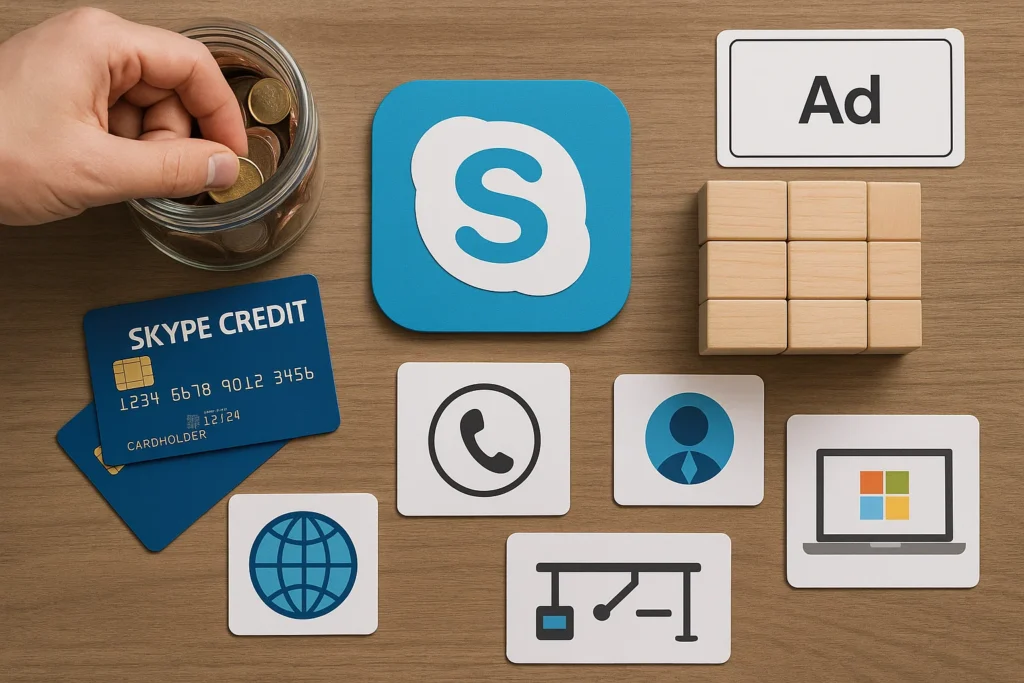
Skype uses a freemium-based monetization strategy with a mix of consumer and enterprise offerings. While core messaging and Skype-to-Skype calls are free, revenue is generated from various premium features and services. Here are the major revenue streams:
- Skype Credit for Calling Landlines & Mobiles
Users buy credit to call phone numbers globally, paying per minute. - Subscription Plans (Skype Subscriptions)
Monthly plans offer discounted international calls to specific countries. - Skype Number
A paid virtual number that lets users receive calls from anywhere in the world. - Skype for Business Integration
Formerly a premium enterprise solution, now folded into Microsoft Teams. - Ad Placements (Historically)
Skype once displayed banner ads in the free desktop app. - Microsoft Bundling & Ecosystem Leverage
Indirect revenue through user acquisition and upselling Microsoft 365.
Global Cost Factors & Pricing Breakdown
PHP/Laravel is often the most practical choice for launching a communication platform quickly and affordably. Node.js/Python supports real-time messaging and calls, while microservices architecture is ideal for enterprise-level communication systems.
Miracuves Skype-Like App Solution Cost and Tech Stack
Miracuves Pricing for a Skype-Like App developed in PHP/Laravel with Flutter Apps for $1,899 USD (One-Time Price) in just 6 days
Get a fully developed, deployment-ready platform modeled after the Skype-style communication system. Built on a reliable PHP/Laravel backend with Flutter mobile apps, this complete solution helps you launch and scale a real-time messaging and calling platform quickly and efficiently.
- Core Workflows: User registration, contact management, real-time messaging, voice calls, video calls, and communication between users.
- Built-in Operations: Messaging infrastructure, call handling logic, notification system, user presence tracking, and secure data transmission.
- Management Hub: Centralized admin panel to manage users, conversations, call logs, platform activity, moderation, and overall system performance.
- Launch-Ready: Fully prepared for your branding, configuration, and immediate go-to-market execution.
Why is it so affordable?
Most modern communication platforms are built using complex architectures like Node.js or microservices. While powerful, these approaches require large engineering teams, longer timelines, and significantly higher development costs.
We took a smarter and more practical approach:
- You Aren’t Paying for Ground-Up Development: Our communication platform engine is already developed, tested, and ready to deploy. You skip months of development time and avoid the high costs of building from scratch.
- The Power of PHP / Laravel: Built on one of the most trusted and widely used frameworks globally, this solution keeps upfront costs low while ensuring long-term flexibility. With a large developer ecosystem, it becomes easier and more cost-effective to maintain, scale, and customize your platform.
- Built for Practical Growth: You get a strong, market-ready Skype-like platform with essential features like messaging, voice/video calling, and real-time communication—without the complexity and expense of enterprise-level builds.
You get a scalable, production-ready platform without paying inflated development costs.
Note: This cost is for the solution, re-branding, deployment, and source code only.
Next, we’ll dive into a detailed breakdown of each of these channels and how they work.
Detailed Breakdown of Revenue Channels
Skype Credit for Calling Phones
Skype Credit allows users to make voice or video calls to mobile numbers and landlines. These calls are charged on a per-minute basis, depending on the destination country. Users pre-load funds into their Skype Wallet and are billed from their balance. This model works well for users needing occasional international communication without a subscription.
Who pays: Individual users
Why it scales: Global user base + need for affordable international calling
Subscription Plans (Skype Subscriptions)
Skype offers country-specific and world-wide monthly calling plans. These subscriptions give users a set number of minutes or unlimited calling to chosen regions. It’s a predictable revenue source that attracts frequent callers and small businesses.
Who pays: Regular international callers, freelancers, expats
Why it scales: Recurring revenue + customer stickiness
Skype Number (Virtual Number)
Skype sells local numbers from over 25 countries. These numbers can receive calls from mobile or landline users, giving businesses and individuals a virtual presence in another country.
Who pays: Remote businesses, consultants, travelers
Why it scales: Enables local presence without physical infrastructure
Skype for Business (now Microsoft Teams)
Skype for Business, once a standalone enterprise offering, was a major revenue driver before being merged into Microsoft Teams. It included advanced conferencing, admin controls, and integration with Office 365.
Who pays: Enterprises and SMBs
Why it scales: Sold as part of Microsoft 365 licenses; high-volume business use
Ad Placements (Retired)
Earlier versions of Skype’s free desktop app included banner advertisements. Although Skype has mostly phased out this revenue stream, it served as a monetization tool during its high-growth phase.
Who paid: Advertisers
Why it scaled (then): Large daily active user base = high ad impressions
Microsoft Ecosystem Upsell
Skype serves as a soft funnel into Microsoft’s broader ecosystem. While direct revenue may not always be high, the platform helped bring millions of users into Microsoft’s world—boosting usage of Microsoft 365, Outlook, and Teams.
Who pays: Microsoft customers
Why it scales: Bundling boosts lifetime value and retention.
Skype turned free calls into a global habit, then monetized smartly with premium add-ons. Explore the Skype business model and see how it generates profits.
Why This Revenue Model Works in 2026
Continued Demand for Low-Cost Global Communication
In 2026, remote work, international freelancing, and digital nomadism remain dominant trends. This fuels demand for affordable and flexible calling solutions—exactly what Skype’s pay-as-you-go and subscription offerings deliver.
Subscription Fatigue Drives Pay-Per-Use Options
Not everyone wants to commit to another monthly fee. Skype’s credit system aligns with growing consumer preferences for on-demand payments. This flexibility attracts casual users and one-time callers alike.
Cross-Border Business Growth
As startups increasingly go global from day one, virtual phone numbers and international presence tools (like Skype Numbers) become essential. Skype monetizes this by offering virtual numbers and call-routing tools to businesses at a fraction of the cost of traditional telecom.
Microsoft’s Ecosystem Strategy
Microsoft’s bundling of Skype capabilities into Office 365 and Teams ensures its tools remain embedded in workplaces globally. Even if Skype isn’t a direct revenue powerhouse, it enhances Microsoft’s customer acquisition and retention engine.
Rise of API-Driven Communication Platforms
With Twilio-style communication APIs gaining traction, Skype’s backend infrastructure positions it to support future integrations, partnerships, or white-labeled solutions—opening new monetization paths.
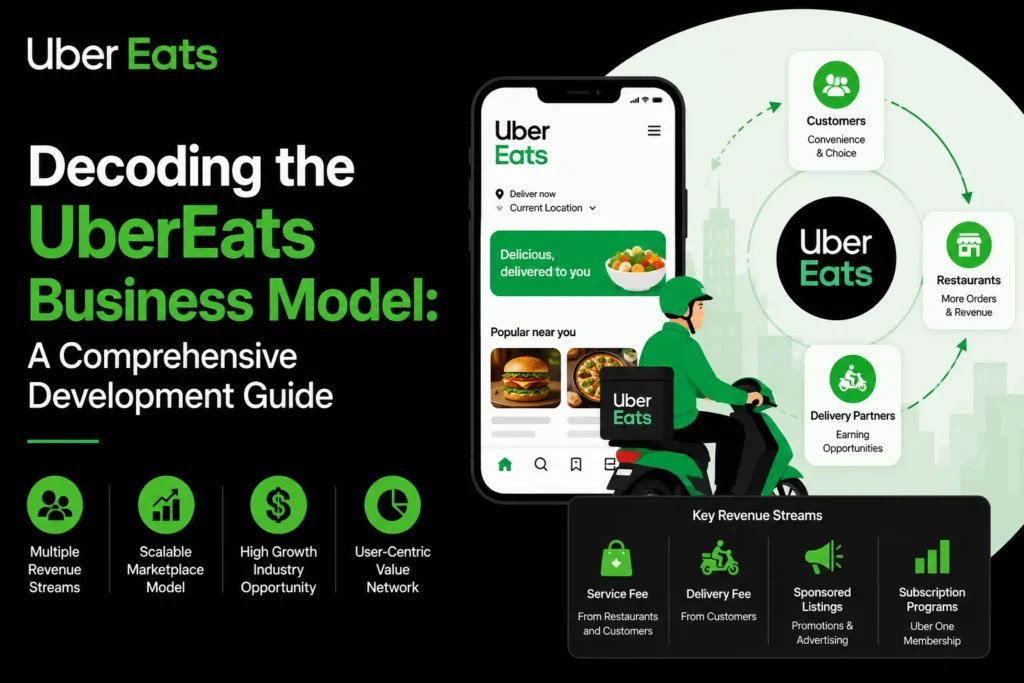
In a Zoom-dominated world, understanding the Skype app marketing strategy shows how legacy apps stay relevant, while mastering the right pre-launch vs post-launch marketing tactics helps Skype clone startups carve out their own space.
Can Startups Replicate Skype’s Revenue Model?
Building a communication platform like Skype from scratch can be incredibly complex. It requires telecom integrations, VoIP infrastructure, billing systems, compliance with international regulations, and scalable architecture—all of which take time, money, and deep technical expertise.
But the good news? Startups no longer need to reinvent the wheel.
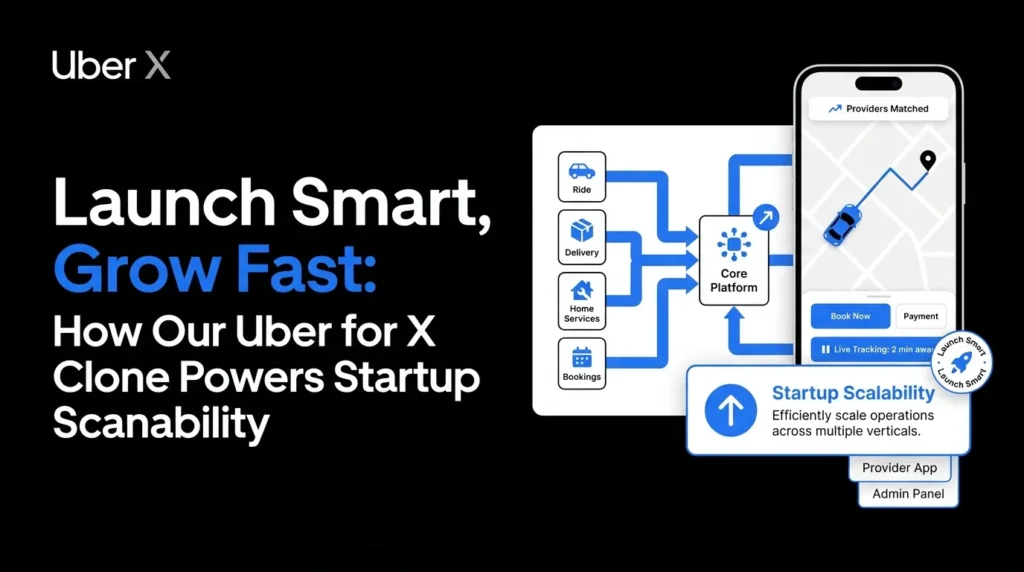
With Miracuves’ ready-made Skype clone solution, entrepreneurs and digital agencies can replicate Skype’s core features and revenue model—without the multi-year build cycle.
Why Use Miracuves’ Skype Clone?
- Faster Time-to-Market: Launch in days, not years
- Built-in Monetization: Supports subscriptions, credits, virtual numbers, and more
- Fully Customizable: Tailor UI, pricing plans, and region-specific features
- Scalable Backend: Built for real-time communication, global reach, and data compliance
- Affordable Ownership: Fraction of the cost compared to in-house development
Instead of piecing together third-party APIs and hiring costly VoIP engineers, startups can plug into a clone framework that’s already battle-tested—and start monetizing from day one.
Miracuves development timeline including setup, configuration, admin deployments, API integrations, and platform handover in 6 Days, depending on customization and additional functional layers requested. This ensures a stable, market-ready system with predictable delivery and no hidden engineering delays.
Tech Stack
This solution is built with robust frameworks — Web using PHP, MySQL & Apps using Flutter, optimized for performance, stability, and easy maintenance. Other tech stacks can be discussed upon request — Contact us
Launching your own communication platform starts with the best clone scripts, gets technical with our developer guide, and becomes achievable when you plan ahead using the cost breakdown.
Conclusion
Skype’s revenue model proves that freemium communication apps can be monetized successfully—through a smart mix of subscriptions, pay-per-use credits, and value-added services like virtual numbers. Even though it’s backed by a tech giant, Skype’s monetization playbook is surprisingly replicable for modern startups.
With tools like Miracuves’ Skype clone, founders don’t have to build everything from scratch. They can launch fast, iterate faster, and monetize right from day one—just like Skype did.
FAQs
How does Skype generate revenue?
Skype earns money through paid international calls, monthly subscription plans, virtual numbers, and integration with Microsoft’s broader services.
Is Skype profitable in 2026?
While Microsoft doesn’t disclose exact Skype profitability, it remains integrated into Microsoft Teams and 365—contributing to Microsoft’s enterprise ecosystem value.
What are the main income sources for Skype?
Its primary income comes from Skype Credit, calling subscriptions, Skype Numbers, and formerly from ads and Skype for Business.
Can startups use the same revenue model as Skype?
Yes. With the right tech stack or a ready-made clone from Miracuves, startups can replicate Skype’s freemium + paid model and scale globally.
Does Miracuves offer Skype clone with monetization features?
Absolutely. Miracuves’ Skype clone includes built-in monetization support for credits, subscriptions, virtual numbers, and customizable plans.
Related Articles :-