Key Takeaways
What You’ll Learn
- Marketing a Skype clone requires clear positioning — users need to know whether your app is built for business calls, remote teams, education, creators, or global communication.
- Trust is the strongest marketing angle because communication apps depend on privacy, call quality, and reliability.
- Freemium access can improve adoption by letting users try calling, messaging, screen sharing, and file sharing before upgrading.
- Referral campaigns work well for communication platforms because users naturally invite the people they want to connect with.
- A successful Skype clone marketing strategy connects product features with real communication needs, not just app promotion.
Stats That Matter
- Communication apps grow through network effects, where every new user increases the value of the platform for others.
- Freemium models reduce user acquisition friction, especially for apps competing in crowded communication markets.
- Retention depends heavily on performance, including call stability, message speed, and video quality.
- Business users value reliability, security, screen sharing, group calls, and collaboration tools when choosing a communication platform.
Real Insights
- The strongest marketing message is not “Skype alternative”, but a focused promise around secure, simple, and reliable communication.
- Use-case marketing performs better than generic promotion, especially for remote work, online classes, customer support, and international calls.
- Referral loops should be part of the launch plan because communication apps become more useful when contacts join.
- Content marketing should build trust by explaining privacy, call quality, app features, and business communication benefits.
- A Skype clone grows faster when marketing, product quality, and user trust work together as one connected strategy.
Ever had that moment where you launch a brilliant Skype clone—packed with HD video calls, real-time chat, screen sharing, all the works—and then… radio silence? It’s the startup equivalent of throwing a party and forgetting to send invites. Tech is important, no doubt, but without a buzz, even the best-built platforms fade into the background.
We’ve seen founders sink months into flawless code, only to realize users don’t magically appear. On the other hand, we’ve seen teams go viral with a half-ready MVP just because they knew how to market like Statista. The difference? A solid pre-launch and post-launch marketing game.
If you’re building a communication platform like Skype, you need marketing strategy for Skype, storytelling, and stamina. At Miracuves, we’ve empowered startups to launch app clones that aren’t just functional—they’re unforgettable.
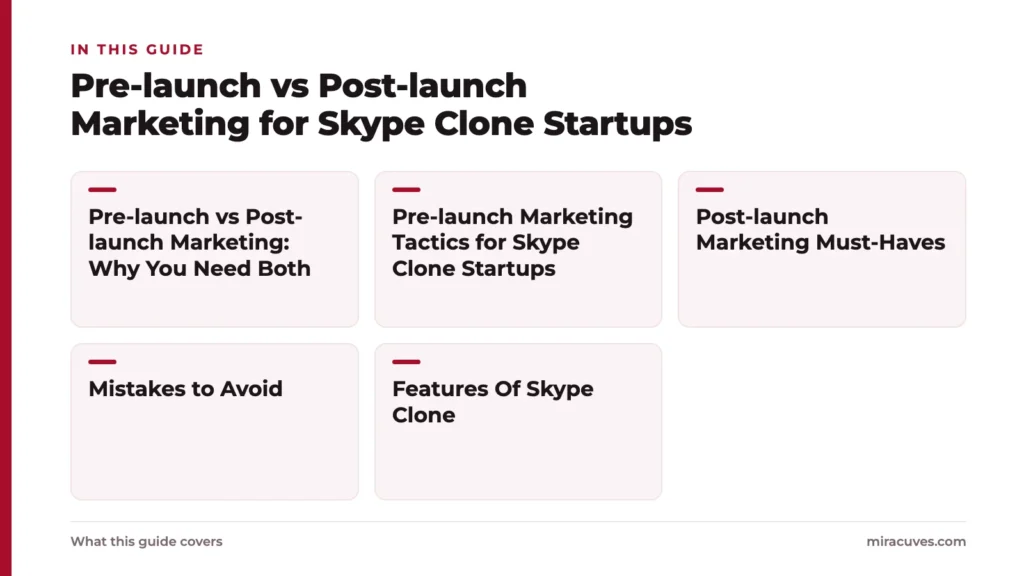
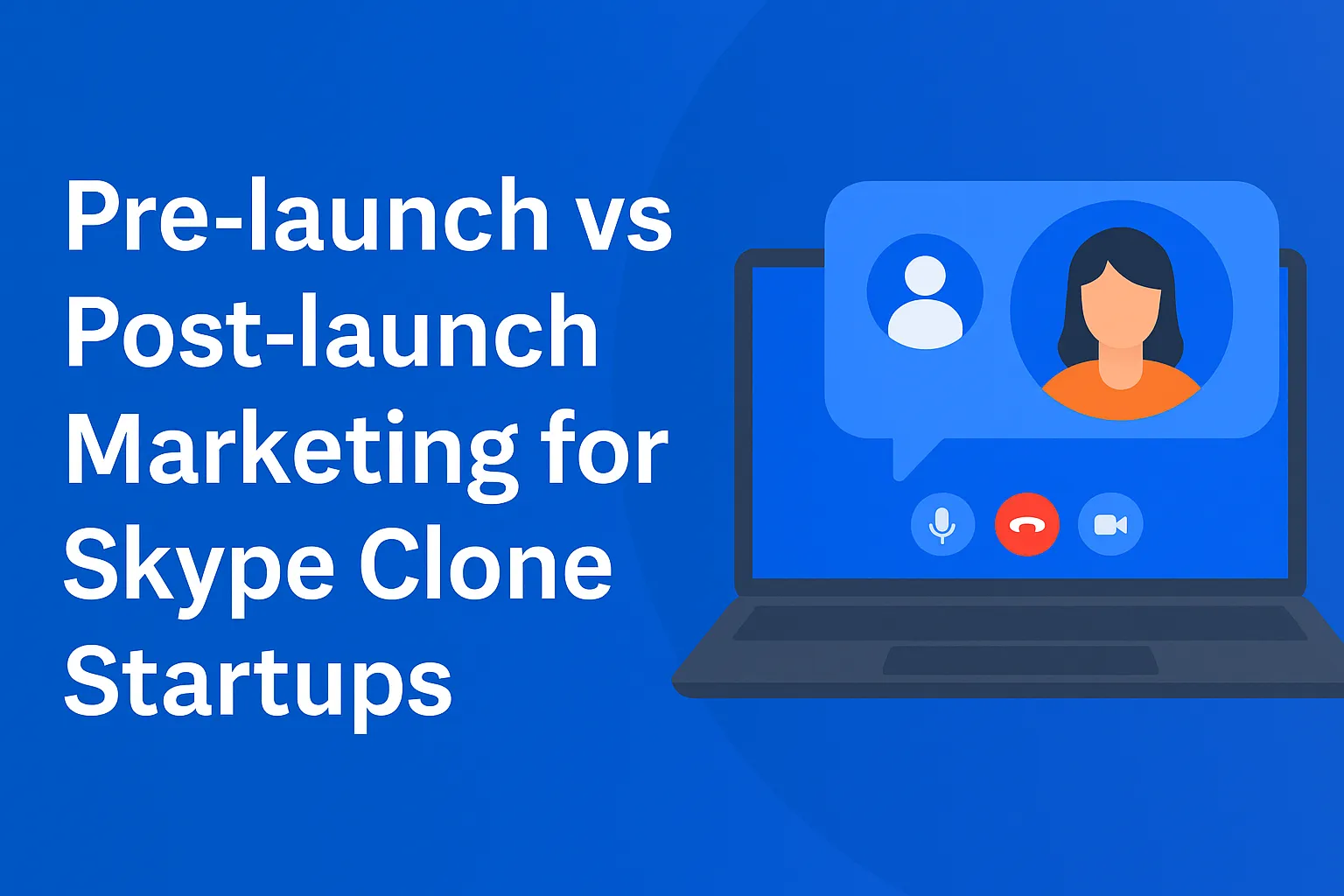
Pre-launch vs Post-launch Marketing: Why You Need Both
Pre-launch: It’s All About Building Curiosity
Think of pre-launch as the opening act to your product’s main concert. It’s your chance to build suspense, grow an audience, and create that magical FOMO. Whether it’s team intros, behind-the-scenes peeks, or countdown emails, this stage is all about magnetizing attention.
Post-launch: From FOMO to ROI
Once you’re live, everything shifts. Now it’s about retention, engagement, and feedback loops. You need testimonials, performance updates, and smart retargeting to keep people coming back (and bringing friends).
Pre-launch Marketing Tactics for Skype Clone Startups
1. Nail Your Unique Selling Proposition (USP)
Why your Skype clone? Is it encryption? UX simplicity? Low latency? Pick one or two killer differentiators and amplify them across all channels.
2. Launch a Teaser Website
Even a one-pager with a sign-up form, demo clip, and countdown widget can start building your list. Optimize it with keywords like “video conferencing app alternative” or “Skype clone with encryption.”
3. Start the Content Engine Early
Write blogs, post on Medium, or make YouTube shorts explaining your journey, use cases, and features. This not only boosts SEO but makes your story relatable.
4. Grow Communities on Telegram, Reddit, Discord
Invite people to shape your roadmap. Get feedback on features. Host polls. Reward top contributors with early access.
5. Partner With Micro-influencers
Collaborate with productivity YouTubers, digital nomad TikTokers, and even SaaS-focused newsletter curators.
Post-launch Marketing Must-Haves
1. Perfect the First Impression
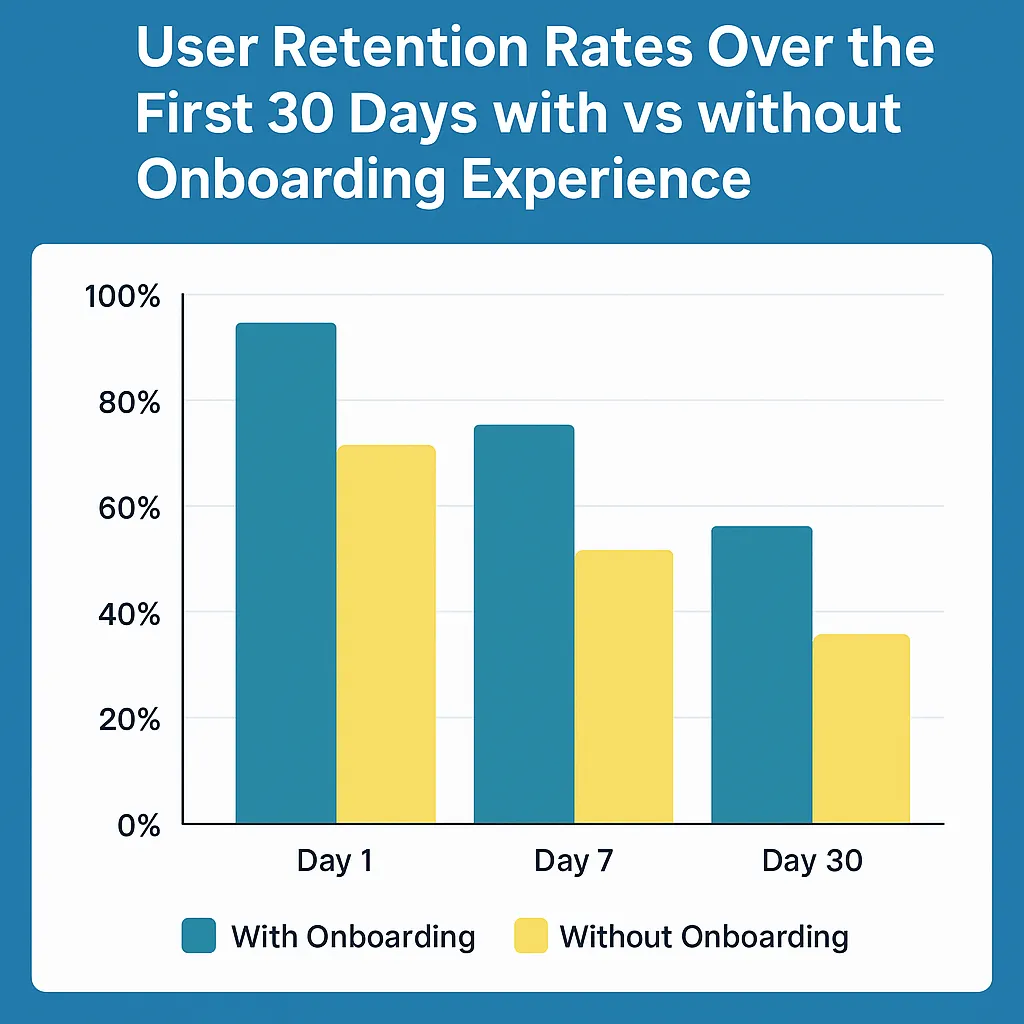
Your onboarding should feel like a warm handshake, not a tech tutorial. Use tooltips, guided walkthroughs, and welcome videos.
2. Launch with a Bang
Don’t just hit “publish.” Do a coordinated launch on Product Hunt, Hacker News, Twitter, and your email list. Offer limited-time perks for early adopters.
3. Retarget Like a Pro
Use Google Ads, Facebook retargeting, and push notifications to bring back visitors. Test messages like “Still need that video meeting room?”
4. Collect, Analyze, Repeat
Use Mixpanel or Amplitude to track activation, engagement, and churn. Then refine your UX and re-market accordingly.
5. Feature Customer Wins
Highlight testimonials, case studies, and success metrics. Whether it’s “500 meetings hosted” or “zero drop calls in 24 hours,” real-world data builds trust.
Mistakes to Avoid
- Marketing only after launching.
- Copying Skype’s brand tone instead of carving your own.
- Over-promising features that aren’t ready.
- Ignoring mobile experience.
- Skipping performance metrics like call latency or join time.
Explore our Video Calling App Clone Development service to get started
Features Of Skype Clone
A Skype clone app includes features like high-quality voice and video calls, instant messaging, file sharing, and group conferencing. Users can create profiles, manage contacts, and enjoy real-time chat with emojis and media support. It also offers call recording, screen sharing, push notifications, and end-to-end encryption for secure communication. Admins can manage users, monitor activity, control access, and configure settings, making it ideal for personal, business, or enterprise-level communication.
Learn More: Top Features Every Skype Clone Must Have for 2026
Conclusion
Building a Skype clone isn’t the finish line—it’s the starting bell. If you want attention, loyalty, and growth, your marketing needs to work before and after your app goes live.
At Miracuves, we help innovators launch high-performance app clones that are fast, scalable, and monetization-ready. Ready to turn your idea into reality? Let’s build together.
FAQs
When should I start marketing my Skype clone?
Start immediately — with Miracuves delivering your solution in just 6 days with guaranteed delivery, you can begin gathering feedback, building anticipation, and refining your pitch right from day one.
What’s the best platform to grow an audience pre-launch?
Telegram, Twitter, and email newsletters work great. Use them for sneak peeks and waitlist invites.
How important is UX in post-launch marketing?
Critical. Good UX = good word-of-mouth. Don’t let clunky onboarding sabotage your growth.
Can I run paid ads before the app is live?
Yes, but with purpose. Drive users to a waitlist, not an empty store page.
What if my launch flops?
Reposition and relaunch. Many apps go viral the second time with the right message.
How do I track my marketing success?
Use tools like Google Analytics, Hotjar, and user feedback surveys. Numbers tell the story.
Related Articles:
Miracuves is an independent software development company. We are not affiliated with, connected to, sponsored by, or endorsed by any company or product named in this article.
Terms such as “X Clone” are used descriptively. It is how the software industry refers to building a platform with functionality comparable to a known service, and how clients search for it.
The entire design and codebase of our products is built by our own team. Our products contain no code, design, graphics, or content originating from any third-party website or applications.
All third-party names and marks referenced in this article are the property of their respective owners, referenced solely to identify the services discussed.