


In today’s digital-first world, small businesses are no longer limited by size or location. With the right tools, even a local shop can compete with larger brands. This is where mobile apps come into play. Platforms like Miracuves help businesses turn their ideas into scalable mobile applications that drive growth and customer engagement.
For small businesses, investing in a mobile app is not just a trend anymore—it is becoming a necessity. Customers expect convenience, speed, and personalized experiences, and mobile apps deliver exactly that.
Why Small Businesses Are Going Mobile
The way customers interact with businesses has changed significantly. Most users now prefer using mobile apps instead of websites for faster and smoother experiences.
Some key reasons behind this shift include:
- Increased smartphone usage
- Demand for instant services
- Personalized user experiences
- Faster checkout and ordering
Small businesses that adapt to this trend gain a strong competitive advantage.
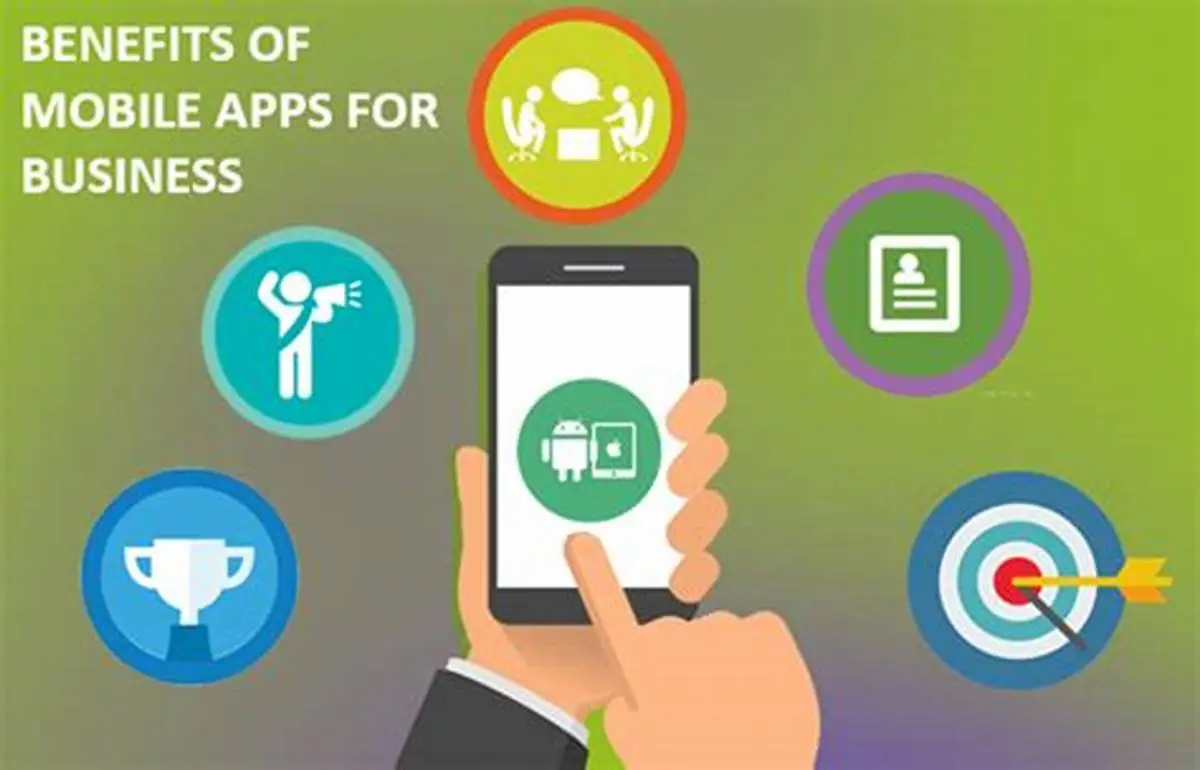
Top Advantages of Mobile Apps for Small Businesses
Better Customer Engagement
Mobile apps allow businesses to stay connected with customers at all times. Features like push notifications, in-app messaging, and personalized offers help maintain regular interaction.
This consistent engagement builds stronger relationships and improves customer retention.
Increased Sales and Revenue
A mobile app simplifies the buying process. Customers can browse products, place orders, and make payments in just a few taps.
This convenience directly impacts sales by reducing friction in the customer journey.
Improved Brand Visibility
Having a mobile app keeps your business visible on the customer’s device. Every time they unlock their phone, your brand is right there.
This repeated exposure strengthens brand recall and trust.
Direct Marketing Channel
Mobile apps eliminate the dependency on third-party platforms. Businesses can directly communicate with users through:
- Push notifications
- In-app promotions
- Exclusive offers
This reduces marketing costs while improving effectiveness.
Enhanced Customer Experience
Mobile apps offer a faster and more user-friendly experience compared to websites. Features like saved preferences, quick checkout, and easy navigation improve overall satisfaction.
Happy customers are more likely to return and recommend your business.
Access to Valuable Data
Mobile apps provide insights into customer behavior, preferences, and buying patterns.
Businesses can use this data to:
- Improve products and services
- Personalize offers
- Make smarter decisions
Read more : – How to Turn Your Startup Idea Into a Mobile App
Mobile App vs Traditional Business Model
| Feature | Without Mobile App | With Mobile App |
|---|---|---|
| Customer Interaction | Limited | Real-time |
| Marketing | Expensive | Direct & cost-effective |
| User Experience | Average | Smooth & fast |
| Data Collection | Minimal | Detailed insights |
| Sales Opportunities | Limited | Increased conversions |
This comparison clearly shows how mobile apps give small businesses a competitive edge.
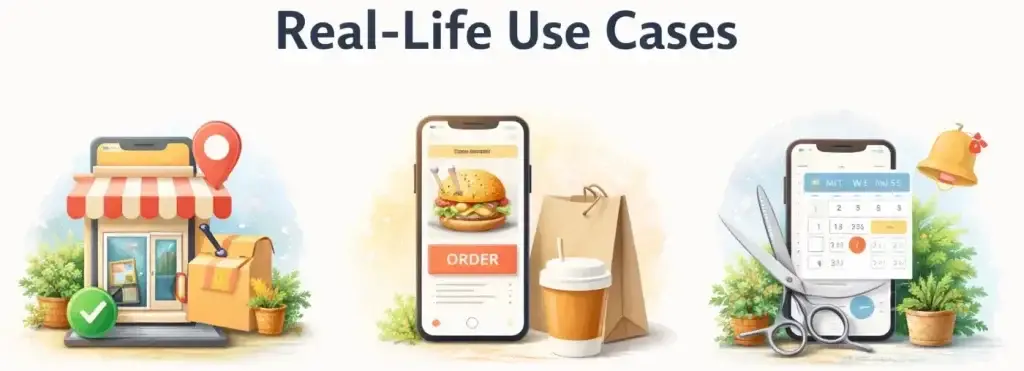
Local Retail Store
A local shop can use an app to offer online ordering and home delivery, increasing its reach beyond walk-in customers.
Restaurant Business
Restaurants can accept orders directly through apps, reducing dependency on third-party platforms and saving commission costs.
Service-Based Business
Service providers like salons or repair services can offer appointment booking through mobile apps, improving efficiency.
Key Features Every Small Business App Should Have
User-Friendly Interface
Simple navigation ensures users can easily find what they need.
Secure Payment Integration
Safe and multiple payment options increase trust and conversions.
Push Notifications
Helps businesses stay connected with customers.
Customer Support
In-app support improves user satisfaction.
Analytics Dashboard
Tracks performance and user behavior.
Read More: How Mobile Apps Help Businesses Grow Faster in the Digital Era
How to Get Started with a Mobile App
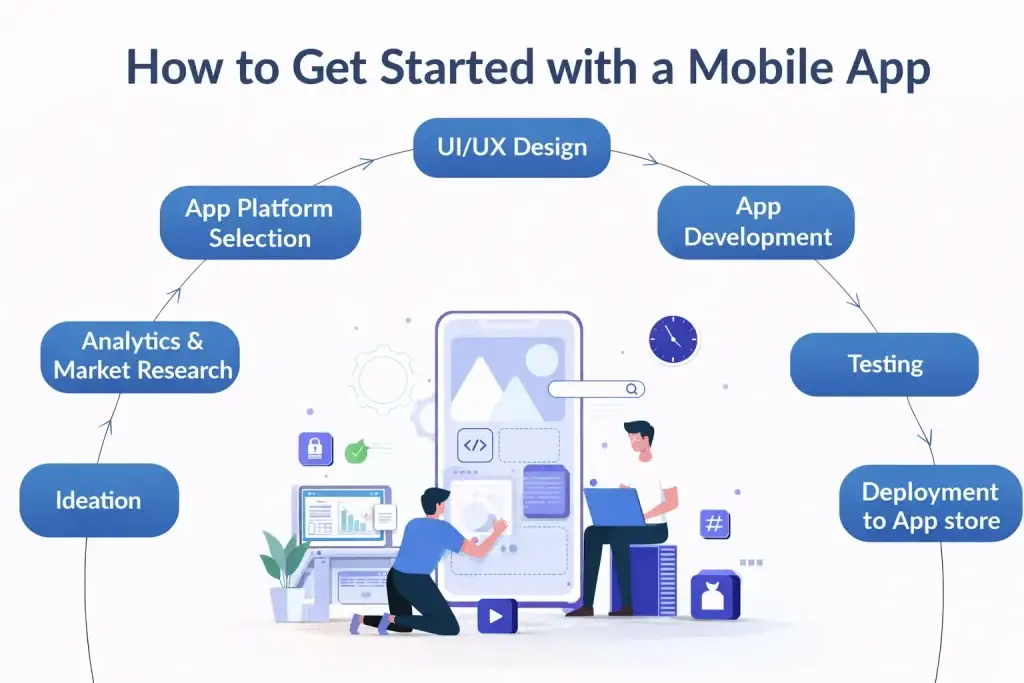
Step 1: Identify Your Business Goals
Understand what you want to achieve—more sales, better engagement, or brand growth.
Step 2: Choose the Right Features
Focus on essential features instead of overloading the app.
Step 3: Select a Development Partner
Work with experts who understand scalability and business needs.
Step 4: Launch and Improve
After launch, continuously update the app based on user feedback.
Common Mistakes to Avoid
- Building too many features at once
- Ignoring user experience
- Not planning for scalability
- Lack of proper testing before launch
- Choosing the wrong development approach
Avoiding these mistakes can save time, cost, and effort.
Read more : – Common Mistakes to Avoid When Building a Mobile App
How Miracuves Helps Small Businesses Build Apps
Miracuves provides ready-made and custom mobile app solutions designed specifically for startups and small businesses. With scalable architecture, fast deployment, and ongoing support, businesses can launch their apps quickly and grow without technical limitations.
Contact us to explore how your business can launch a scalable mobile app with Miracuves.
Conclusion
Mobile apps have become a powerful tool for small businesses looking to grow in a competitive market. From improving customer engagement to increasing revenue and brand visibility, the benefits are clear.
Investing in a mobile app is not just about technology—it is about creating better customer experiences and building long-term business success.
FAQs
1. Do small businesses really need mobile apps?
Yes, mobile apps help improve customer engagement, increase sales, and build brand loyalty.
2. How much does it cost to build a mobile app?
The cost depends on features and complexity, but ready-made solutions are more affordable.
3. How long does it take to develop an app?
Basic apps can be developed in a few weeks, while custom apps may take longer.
4. Can mobile apps increase revenue?
Yes, apps simplify the buying process and improve customer retention, leading to higher revenue.
5. What type of app is best for small businesses?
It depends on your business model, but on-demand and eCommerce apps are commonly used.
Related Articles