


Ever tried building a sandcastle, only to realize it takes more than just sand and a bucket? That’s kind of how it feels when you’re planning to build an online marketplace. You think it’s all about coding and design, but pretty soon, you’re neck-deep in questions like: What features do I need? How much will it cost? And why does everyone keep saying “it depends”? If that’s you, trust me, you’re not alone.
The truth is, every startup founder dreams of launching the next Airbnb or Etsy. You’ve got the vision, maybe even a rough sketch of the app on a napkin. But when it comes to the numbers—those scary, unpredictable costs—you might find yourself hesitating. Is it really worth the investment? What’s driving these expenses? And more importantly, how can you make sure you’re spending smart, not just spending big?
At Miracuves, we’ve seen this story unfold more times than we can count. As an app clone development company, we know the cost breakdowns, the hidden fees, the non-negotiables—and the places where you can actually save. Let’s unpack it all, so you can walk away feeling confident about what it really takes to build an online marketplace that’s fast, scalable, and ready for the big leagues.
Read more: What is Noon App and How Does It Work?
The Core Building Blocks That Drive Marketplace Development Costs
When you peel back the layers of a marketplace app, you’ll see it’s more than just pretty screens and slick features. The real cost comes from the complexity of the platform—and the choices you make at every step.
1. Features: The Bigger the Wishlist, the Bigger the Bill
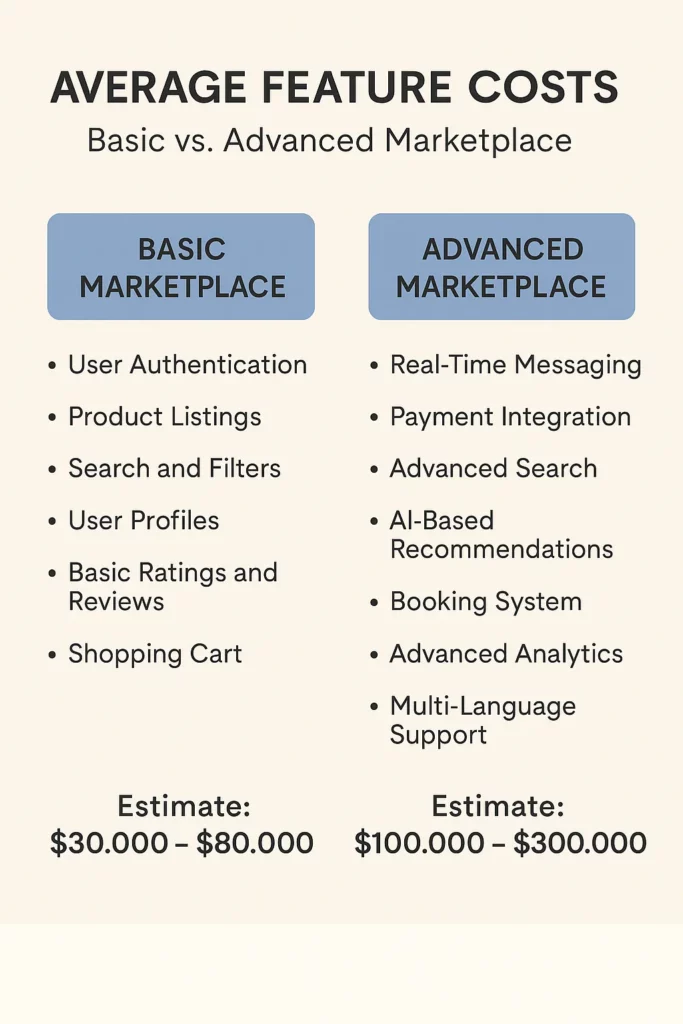
Think about the difference between a simple online store and a full-blown marketplace like Fiverr or Upwork. A basic marketplace might let users create profiles and list services. But if you want real-time messaging, payment integrations, reviews, AI-driven recommendations, and seamless user onboarding? That’s where costs start stacking up.
It’s like furnishing an apartment—you can stick to the basics or go all-in with smart gadgets and custom fixtures. The more you add, the higher the price tag. Core features like user authentication, search filters, booking systems, and ratings are just the start.
2. Backend Complexity: The Invisible Work That Makes It All Tick
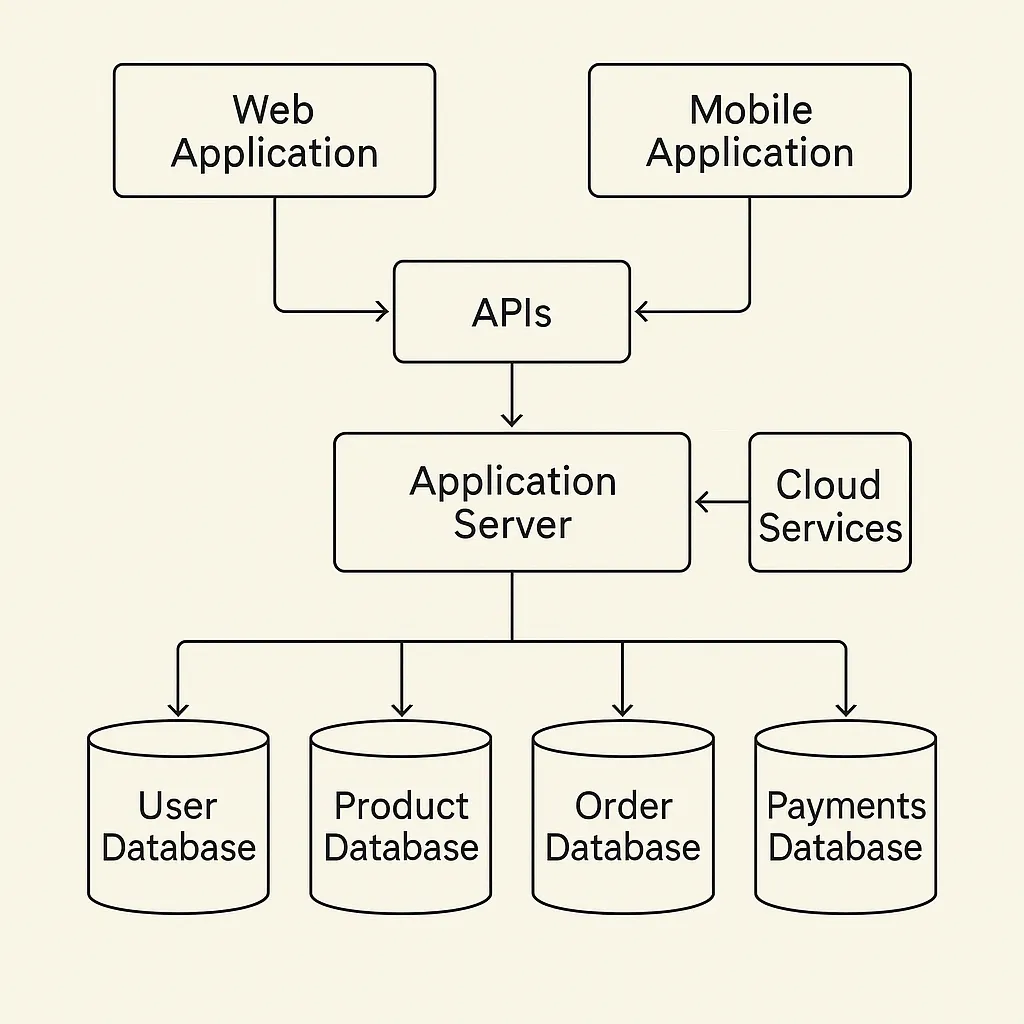
A marketplace isn’t just about what users see. Behind the scenes, there’s a complex backend juggling transactions, user data, content moderation, notifications, and more. Think of it as the engine under the hood—without it, the app doesn’t move.
For example, a peer-to-peer platform handling thousands of bookings daily needs a robust database architecture and scalable server infrastructure. Add in payment gateways like Stripe or PayPal, fraud detection algorithms, and third-party integrations (think Google Maps, email providers, etc.), and you’ll see why backend development eats up a big chunk of the budget.
3. Design: Looks Matter, But Functionality Reigns
Yes, your app should look gorgeous—but that’s not the whole picture. A marketplace app needs to be intuitive, responsive, and frictionless across smartphones, tablets, and desktops.
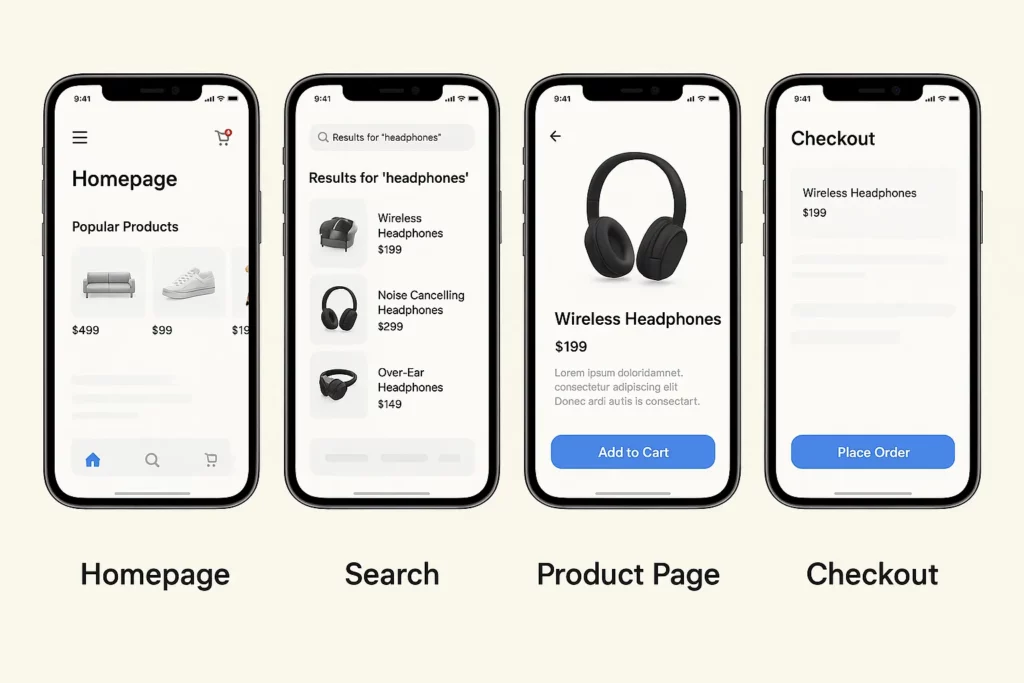
Creating a smooth user flow—where sellers can list items in seconds, buyers can find exactly what they need, and checkout feels like a breeze—takes time, skill, and lots of iteration. Custom UI/UX design, prototyping, user testing… it all adds up.
4. Regulatory & Compliance Costs: The Hidden Dragons
If you’re building an online marketplace, you can’t ignore data protection laws, tax compliance, or financial regulations. Want to handle payments? You’ll need PCI DSS compliance. Targeting European users? Better be ready for GDPR audits.
These aren’t optional add-ons—they’re part of the foundation. Skipping them could lead to fines, lawsuits, or a complete shutdown. Legal fees, security audits, and compliance tools all factor into your final development budget.
Statista: Global Marketplace Revenue by Region, 2024
Looking to launch your online store? Explore our eCommerce app development services to build scalable, feature-rich platforms tailored for growth.
How Market Trends & Tech Choices Shape Costs
Niche Matters: Corporate Housing vs. Handmade Crafts
Not all marketplaces are built the same. A furnished apartment rental platform (think long-term stays, verified hosts, geolocation features) comes with different needs than a handmade goods marketplace. Your niche directly impacts development complexity, which in turn shapes costs.
Tech Stack Decisions: Open Source vs. Proprietary Frameworks
Are you building from scratch, using off-the-shelf templates, or leveraging open-source tools? The choices you make here are huge. Open-source platforms might save money upfront but require more technical expertise. Custom development offers control but comes with higher costs.
Time-to-Market Pressure: Fast, Cheap, or Good—Pick Two
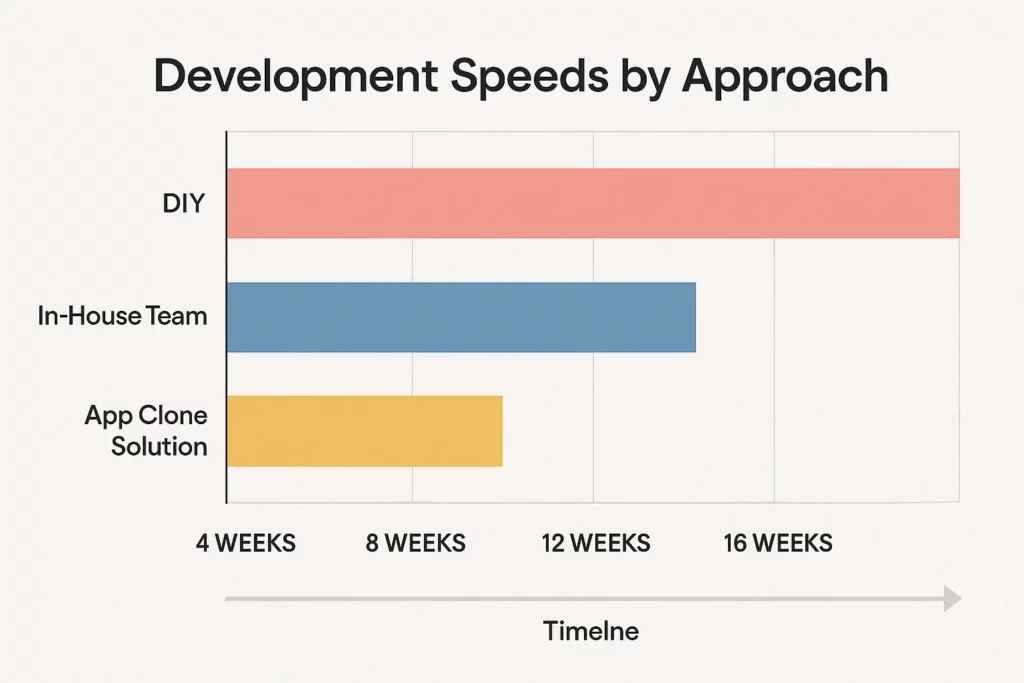
There’s a reason why the saying goes, “You can’t have it all.” If you want to launch quickly, you might need to cut corners or increase your budget. Rushing development often leads to technical debt, which can haunt you later.
Read more: Understanding the Revenue Model of Noon and Its Growth Engine
Conclusion
Building an online marketplace isn’t just about the price of development—it’s about understanding where your money goes and why. It’s about making smart choices based on your goals, audience, and vision. Whether you’re eyeing a niche marketplace or a broad platform, one thing’s clear: costs are driven by features, complexity, compliance, and the speed at which you want to hit the market.
Ready to build something that stands the test of time—and makes your competitors sweat a little? At Miracuves, we help innovators launch high-performance app clones that are fast, scalable, and monetization-ready. Ready to turn your idea into reality? Let’s build together.
FAQs
Q:1 What’s the biggest factor in marketplace development costs?
It’s the features and the backend complexity. The more advanced and integrated your platform is, the higher the development costs.
Q:2 Can I build a marketplace app on a tight budget?
Yes, but you’ll likely need to limit features or opt for an app clone solution, which can save time and money.
Q:3 How long does it take to build an online marketplace?
It depends on complexity—simple platforms might take 3-6 months, while feature-rich marketplaces could stretch beyond a year.
Q:4 Are app clone solutions reliable for marketplaces?
Absolutely. App clones like those from Miracuves offer a solid foundation, cutting down development time while ensuring scalability.
Q:5 How do I budget for post-launch costs?
Don’t forget hosting, maintenance, marketing, and updates. These can add up to 15-25% of your initial development budget annually.
Q:6 Why do some marketplaces fail even with big budgets?
It’s often due to poor product-market fit, lack of user trust, or scalability issues. A strong foundation (and a smart partner) matters.
Related Articles: