



Ever thought about how Airbnb built an empire by helping travelers find cozy corners to crash in? Or how the idea of renting a fully furnished apartment with just a tap on your phone became a reality for millions? Let’s be honest—if you’re an entrepreneur, a creator with a vision, or a startup dreamer with an eye on the digital horizon, you’ve probably had that “What if we built something like this?” moment.
But here’s the catch—before you can get that ka-ching from the booking notifications, there’s a reality check waiting: how much is this going to cost? And not just “throw a ballpark figure” cost—we’re talking every feature, every integration, every pixel that makes your app a seamless marketplace for furnished apartments.
I’ve seen it firsthand: entrepreneurs get stuck in the weeds, chasing developers, comparing estimates that swing like a pendulum, and ending up with a product that’s almost there. That’s where Miracuves shines—helping startups like yours turn ambitious ideas into polished, monetizable apps. So, let’s break down the cost of your furnished apartment marketplace app, step by step.
Understanding the Core of a Furnished Apartment Marketplace App
First, let’s strip it down. A furnished apartment marketplace app isn’t just an online catalog of listings; it’s a dynamic ecosystem where hosts, guests, and the platform itself interact seamlessly. Think of it like a high-stakes matchmaking service—only it’s not about dates, it’s about stays.
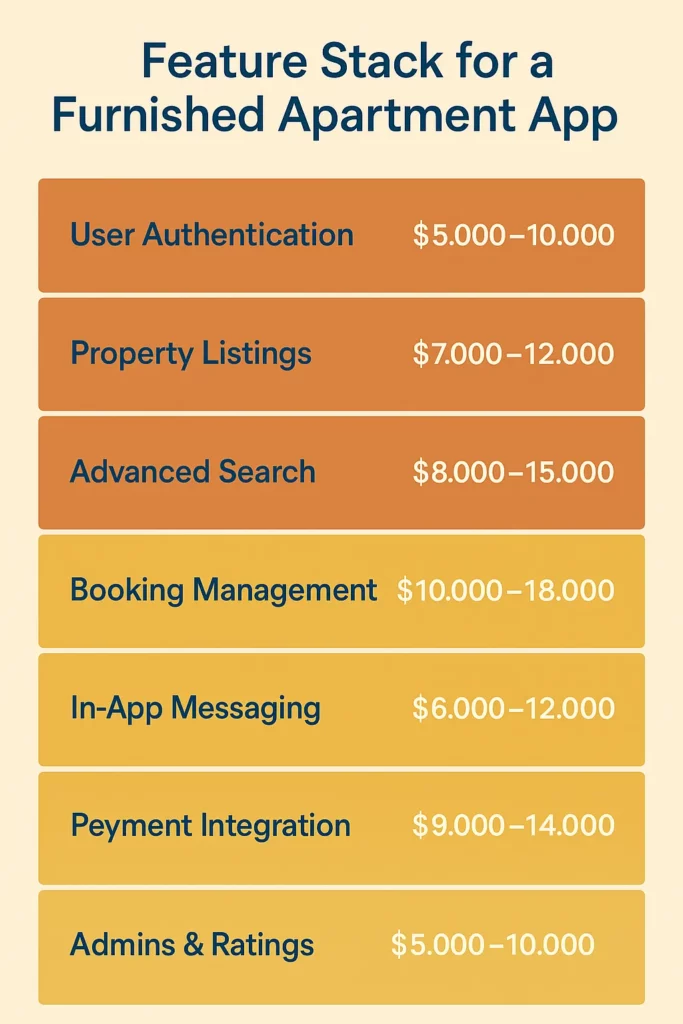
Key components include:
- User Profiles (hosts and guests)
- Listings with Photos, Descriptions, Amenities
- Booking Engine with Calendar Integration
- Secure Payments and Refund Systems
- Ratings & Reviews
- Location-Based Search & Filters
- Push Notifications & Messaging
Want to add advanced features like dynamic pricing or AI-powered recommendations? Those come at a premium, so keep your feature list tight in the MVP phase.
Read more: What is a Blueground App and How Does It Work?
The Hidden Costs Most Startups Miss
Here’s a truth bomb: your biggest cost might not be the code—it’s the invisible stuff that sneaks up on you.
- Backend Infrastructure: Servers, databases, APIs. Scaling a platform isn’t cheap, especially when your app grows from 100 users to 10,000.
- Third-Party Integrations: Payment gateways (Stripe, PayPal), map services (Google Maps), chat APIs—each takes a bite out of your budget.
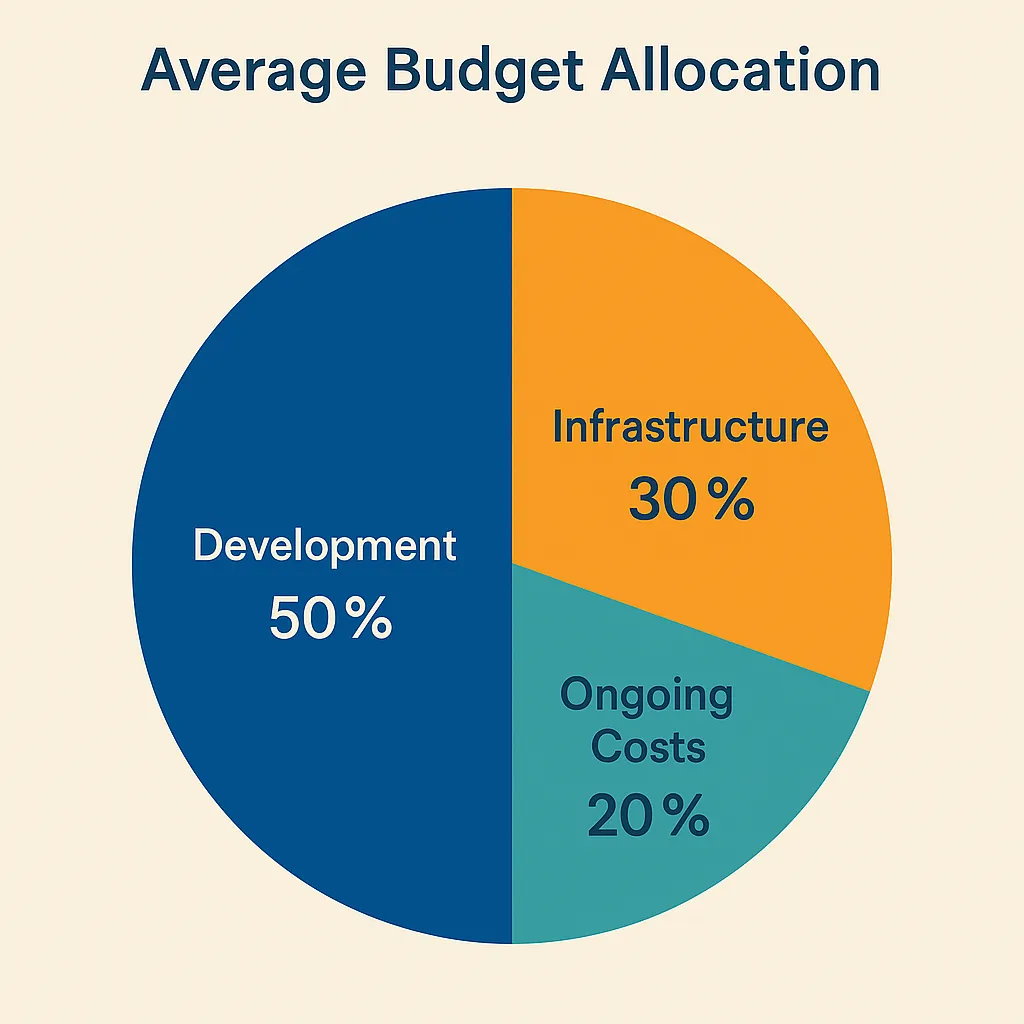
- Maintenance and Support: Bug fixes, updates, new OS releases—this is an ongoing cost, not a one-time fee.
- Legal and Compliance: Terms, privacy policies, data protection—ignore them at your peril.
💡 Pro Tip: Set aside at least 20% of your initial budget for post-launch expenses.
Read more: Best Blueground Clone Scripts in 2025: Features & Pricing Compared
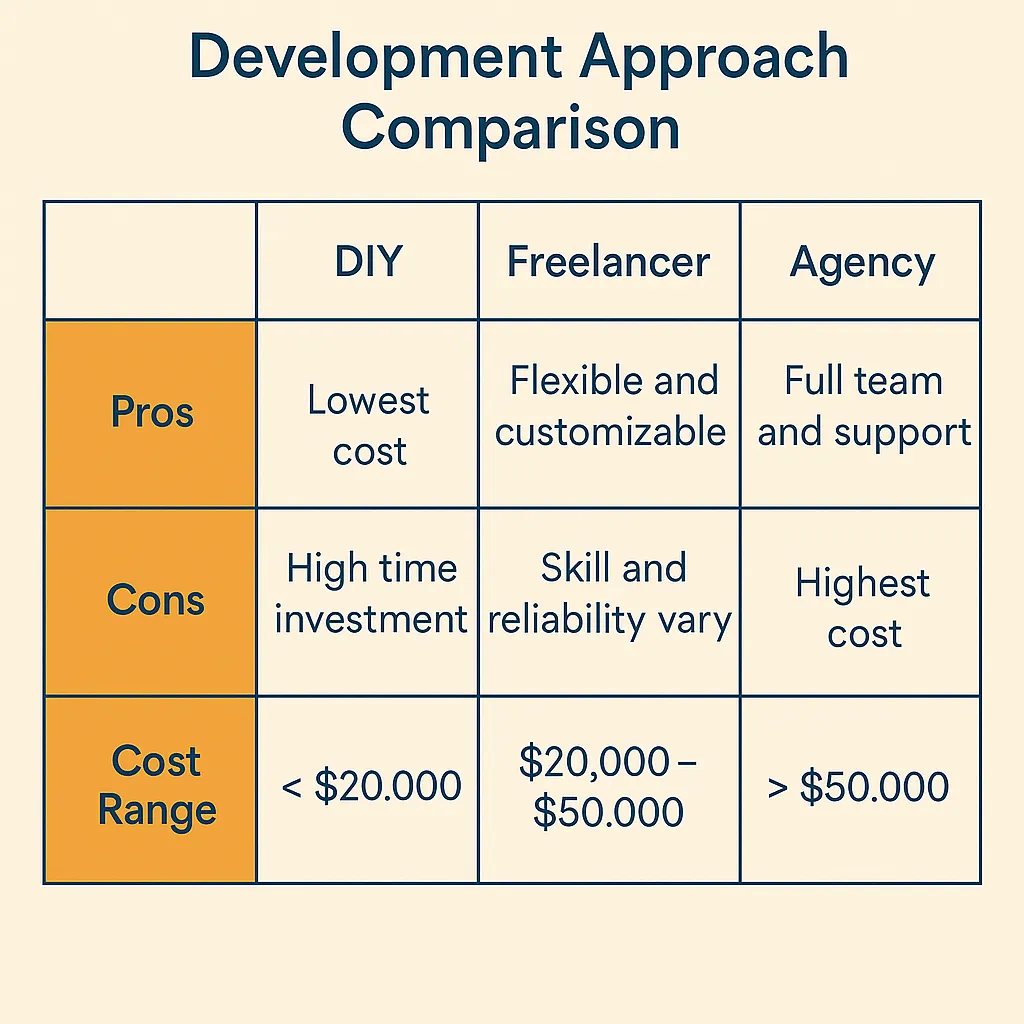
Development Path: DIY, Freelance, or Partner with Pros?
Here’s where a lot of creators take the wrong turn—trying to go it alone or patching together freelancers like a digital Frankenstein.
Let’s weigh the options:
- DIY with No-Code Tools: Cheap, but limited. You’ll hit scalability roadblocks fast.
- Freelancers: Great for small tasks, risky for full builds. Lack of accountability and inconsistent quality can derail your timeline.
- App Development Partners (Like Miracuves): Yeah, it costs more upfront, but you get a dedicated team that knows the ropes. Think scalability, performance, and support—all baked in.
Breaking Down the Numbers: A Costing Framework
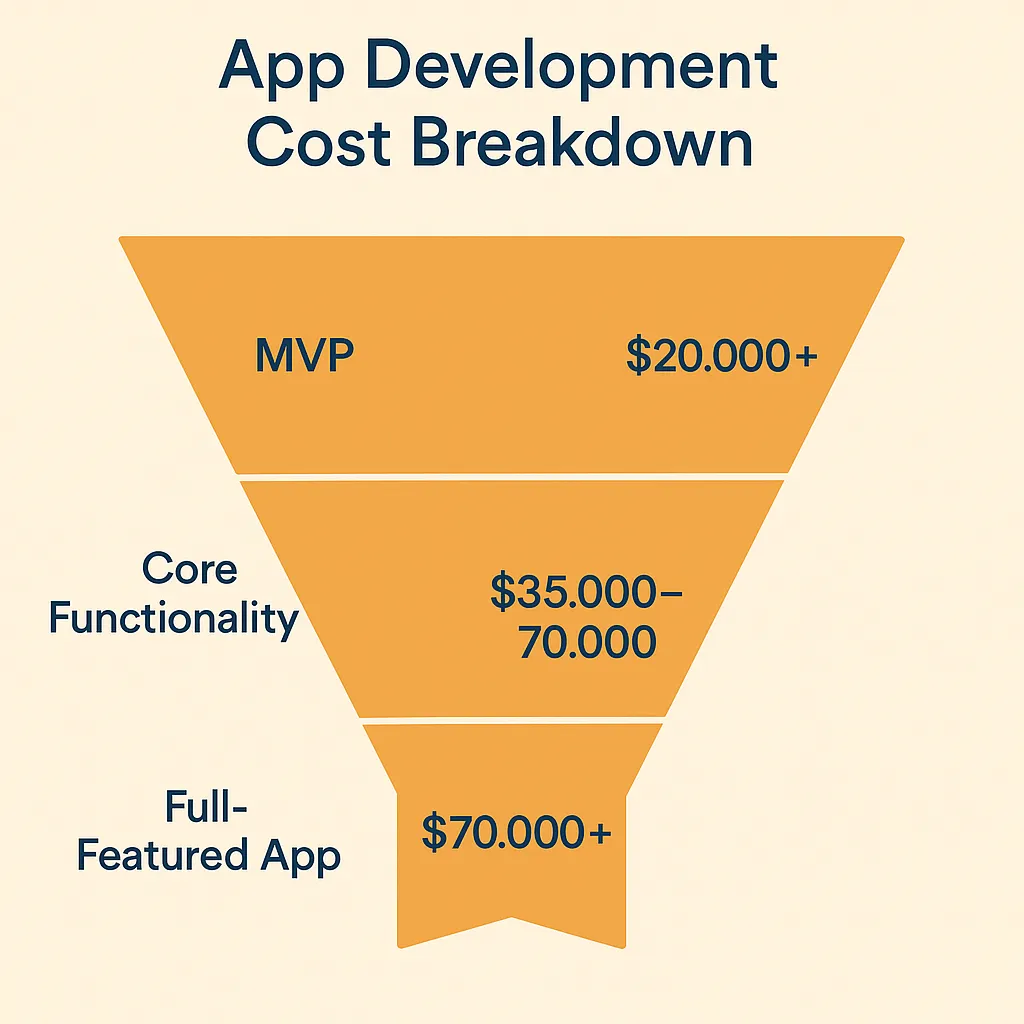
Let’s put some ballpark figures to this:
| Feature/Module | Estimated Cost (USD) |
| Core User & Listings Module | $15,000 – $25,000 |
| Booking & Payment Engine | $10,000 – $20,000 |
| Reviews, Ratings, Messaging | $5,000 – $10,000 |
| Admin Panel & Analytics | $7,000 – $12,000 |
| Mobile App (iOS & Android) | $20,000 – $35,000 |
| Backend & API Development | $15,000 – $25,000 |
| Infrastructure & Hosting (1 year) | $5,000 – $10,000 |
Total Ballpark: $70,000 – $120,000+
Remember, these are rough numbers—your costs can swing based on complexity, location of your dev team, and features.
The Value of Building Smart, Not Just Fast
I’ll say it straight: cutting corners today will cost you triple tomorrow. A feature-rich, scalable app isn’t just an expense; it’s an investment in user trust, brand reputation, and long-term growth.
At Miracuves, we help startups like yours navigate the tricky waters of app development. From furnished apartment marketplace apps to Netflix clone development or on-demand platforms, we’ve been there, done that, and built solutions that scale.
So before you dive into development, map out your costs, your must-have features, and your vision for the user experience. That’s how you create an app that doesn’t just exist—it thrives.
Conclusion & Final Thoughts
The cost of building a furnished apartment marketplace app isn’t just a line item—it’s a blueprint for your business success. By understanding the layers of development, hidden costs, and smart choices, you’re setting yourself up for a launch that actually works.
The world of marketplace apps is booming, and the next Airbnb or Booking.com could be your brainchild. The question is: are you ready to build it smart?
At Miracuves, we help innovators launch high-performance app clones that are fast, scalable, and monetization-ready. Ready to turn your idea into reality? Let’s build together.
FAQs
Q:1 How long does it take to build a furnished apartment marketplace app?
Typically, it takes 4–8 months, depending on feature complexity, team size, and integrations.
Q:2 Can I start small and scale later?
Absolutely! Starting with an MVP is smart. Focus on core features, then scale as you grow your user base.
Q:3 What are the ongoing costs after launch?
Think hosting, maintenance, feature updates, and marketing. A good rule of thumb? Budget 15–20% of your initial development cost annually.
Q:4 Do I need custom designs or can I use templates?
Custom designs make your app stand out, but templates are a budget-friendly option—just don’t sacrifice user experience.
Q:5 What’s the best monetization strategy for these apps?
Popular models include service fees, subscription tiers, and premium listings. Your model depends on your target audience and market.
Q:6 How does Miracuves support startups in this space?
We bring technical expertise, proven frameworks, and a passion for building apps that scale. Whether it’s a marketplace, clone app, or a brand-new concept, we’re here to help you launch smart.
Related Articles: