


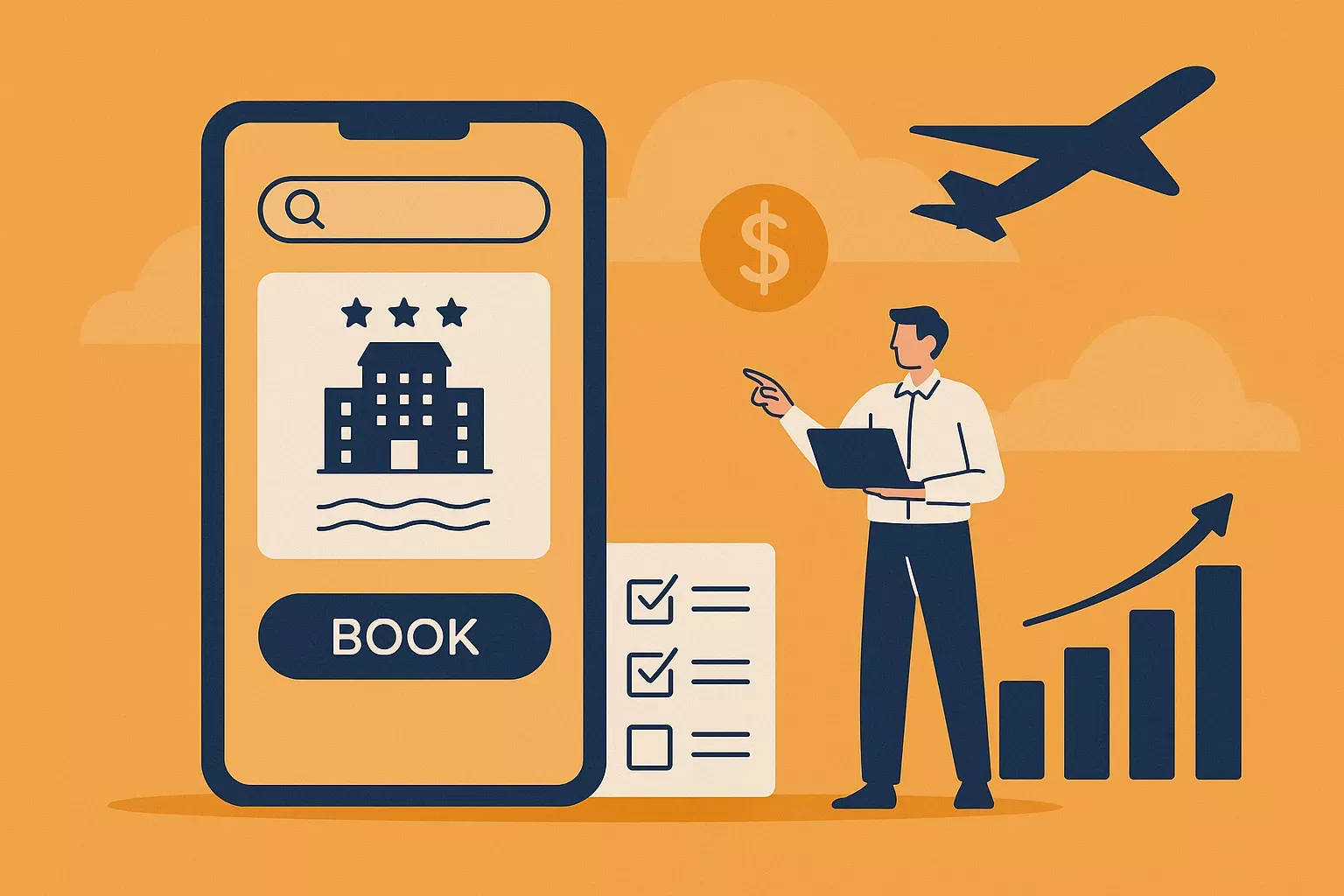
Ever wondered why some travel booking apps feel like a seamless vacation in your palm, while others are like a layover from hell? That’s the magic of a solid Online Travel Agency (OTA) platform. If you’re an entrepreneur or startup founder eyeing this space, you’re probably torn between the thrill of potential profits and the daunting task of figuring out what the heck to include in your MVP. Been there, done that—and trust me, you’re not alone.
Back when I was planning my first digital project, I got caught up in the “build it all” trap—trying to pack every feature under the sun into my app. Turns out, simplicity scales better. Focus on what your users really need, and the rest will follow. The same rule applies when building an OTA platform: think smart features, not just shiny features.
Now, let’s unpack what truly makes an OTA platform a success—and how much it’ll cost you to bring it to life. If you’re serious about breaking into the travel booking game, Miracuves can help you build a high-performance app clone that’s as slick as Yatra or Expedia, but tailored for your unique vision.
Read more: What is Yatra App and How Does It Work?
What Makes an OTA Platform Tick? (And Why You Can’t Skip These Features)
Alright, let’s get down to brass tacks. You can’t just throw a booking button on a website and call it an OTA. Users expect an experience—one that feels like a digital concierge guiding them from “I want a beach vacation” to “I’m sipping mojitos in Bali.” Here are the must-haves:
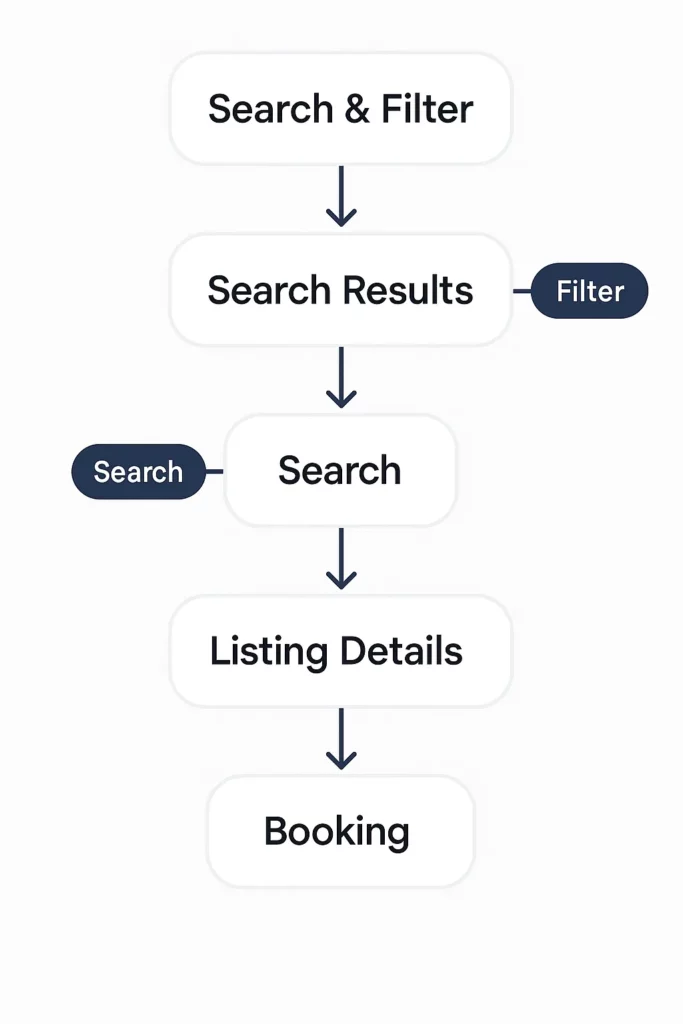
1. Search and Filter Like a Boss
Your users don’t want to scroll through 500 listings just to find a hotel with a pool. Robust search and filtering is the backbone of any OTA. Think geolocation filters, price ranges, star ratings, amenities, and even user reviews. This is where smart UX comes into play—make it intuitive, make it fast.
2. Real-Time Availability and Dynamic Pricing
Imagine booking a flight, only to find out it’s sold out. Disaster, right? Integrating real-time data feeds from airlines, hotels, and activity providers is non-negotiable. Add dynamic pricing algorithms to reflect market trends, demand spikes, and seasonal fluctuations—think of it as the “surge pricing” of travel apps.
3. Secure Payments (Because Trust is Everything)
No one’s handing over their credit card details to an app that feels sketchy. Integrate multiple payment gateways, support different currencies, and ensure PCI-DSS compliance. Throw in wallet options like Apple Pay and Google Pay for extra convenience.
4. User Profiles and Booking History
Personalization sells. Your platform should let users create profiles, save preferences, and view past bookings. This isn’t just for convenience—it’s fuel for targeted offers and loyalty programs that keep users coming back.
5. Push Notifications and Alerts
Your users need real-time updates—flight delays, gate changes, or weather alerts. Push notifications (done right) can make or break the user experience. Pro tip: make them relevant, not spammy.
6. Multi-Language and Currency Support
Travel is global—your platform should be too. If you’re launching in Asia, for example, think about supporting languages like Mandarin, Hindi, or Bahasa Indonesia, and currencies like the Indian Rupee or Indonesian Rupiah.
Read more: Business Model of Yatra: India’s Top Online Travel Platform
The Development Costs: What’s the Damage?
Let’s talk numbers—because building an OTA platform is an investment, not a weekend side hustle. Costs can vary wildly based on features, complexity, and the team you hire. Here’s a ballpark breakdown:
| Feature | Development Time | Cost Range (USD) |
| Search & Filters | 4–6 weeks | $8,000–$12,000 |
| Real-Time Availability | 6–8 weeks | $12,000–$18,000 |
| Payment Integration | 3–5 weeks | $6,000–$10,000 |
| User Profiles & History | 3–4 weeks | $5,000–$8,000 |
| Push Notifications | 2–3 weeks | $3,000–$5,000 |
| Multi-Language & Currency | 4–6 weeks | $7,000–$10,000 |
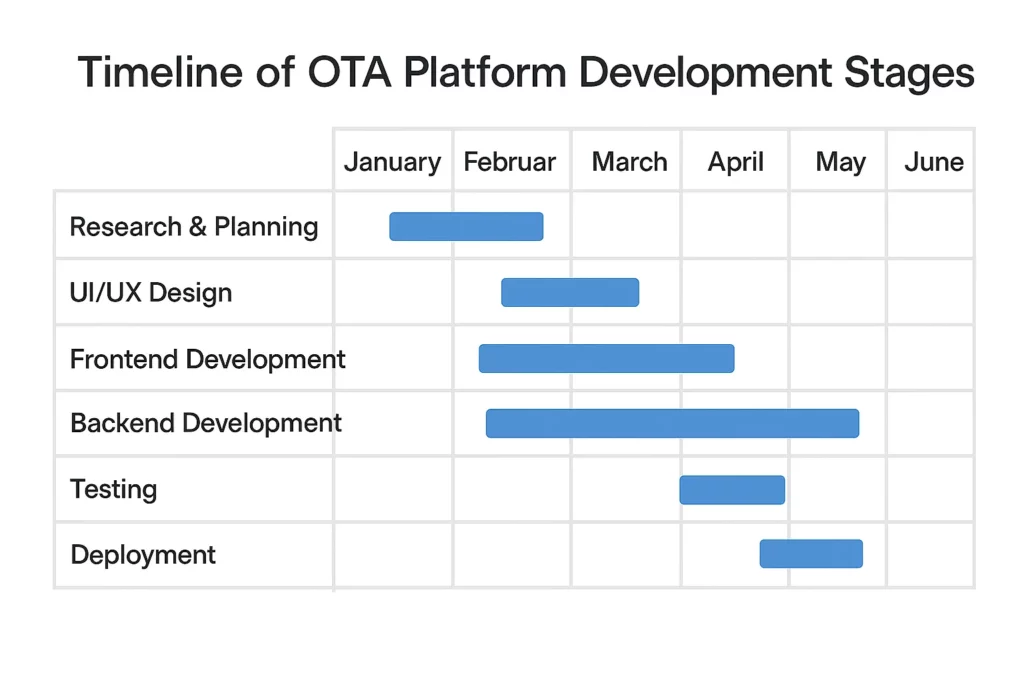
| Total (Est.) | 4–6 months | $50,000–$70,000 |
Keep in mind, these numbers can go higher if you’re adding bells and whistles like AI-powered recommendations, AR/VR travel previews, or custom loyalty programs.
Conclusion
Building a successful OTA platform isn’t just about code—it’s about creating a frictionless, delightful experience for users. Focus on the features that matter, budget wisely, and think long-term. As travel trends evolve (hello, eco-tourism and AI-powered trip planners), so should your app.
At Miracuves, we help innovators launch high-performance app clones that are fast, scalable, and monetization-ready. Ready to turn your idea into reality? Let’s build together.
FAQs
Q:1 What does OTA stand for?
OTA stands for Online Travel Agency—a platform where users can book flights, hotels, activities, and more.
Q:2 Do I need to integrate APIs for real-time data?
Absolutely! Real-time APIs from airlines, hotels, and service providers keep your listings fresh and accurate.
Q:3 Is it better to build an OTA app from scratch or use a clone solution?
If you’re tight on budget and timeline, a clone solution can get you to market faster. But for unique features, custom builds are worth considering.
Q:4 Can I monetize my OTA platform beyond booking fees?
Yes! Think ads, affiliate partnerships, premium subscriptions, and even white-label services.
Q:5 How do I ensure data security for my OTA platform?
Implement encryption, secure payment gateways, and follow industry standards like PCI-DSS compliance.
Q:6 Can Miracuves help me build a travel app like MakeMyTrip?
Absolutely! We specialize in clone app development and can help you build a travel platform that’s ready for the market.
Related Articles: