


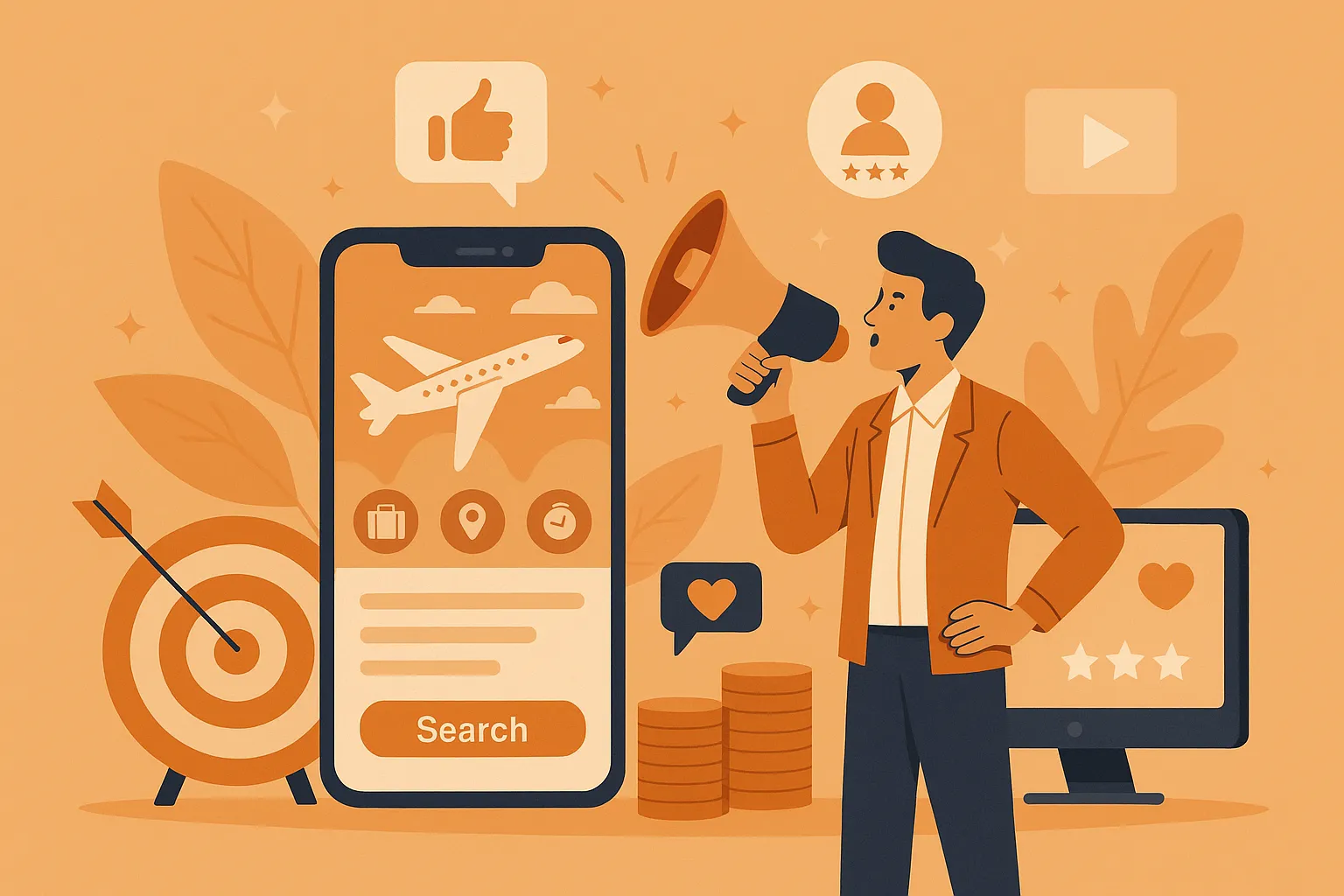
You’ve built it. Your shiny new online travel agency (OTA) app is live—months of brainstorming, countless coffee-fueled nights, and now it’s out there for the world to explore. But here’s the kicker: just because you built it, doesn’t mean they’ll come. In today’s hyper-competitive app market, launching is only half the battle. The real test begins when you’re trying to get travelers to download your app, book their dream getaways, and actually trust your platform with their hard-earned money.
Let’s be real—startups in the travel-tech space aren’t just competing with legacy giants like Booking.com or Expedia. You’re up against hundreds of apps that pop up overnight, luring users with flash sales and promises of the “best deals.” Your app needs to stand out not just as another travel booking tool, but as a trusted companion in every traveler’s pocket.
That’s where Miracuves comes in. We’ve seen how travel apps succeed—and more importantly, how they fail. So, let’s break down the marketing playbook for your OTA app post-launch, and make sure your platform doesn’t just survive but thrives in this crowded, high-stakes game. If you’re ready to build your own OTA platform, this is where your growth strategy truly begins.
Read more: What is Expedia App and How Does It Work?
The First 90 Days: Why Timing Matters in Travel App Marketing
Here’s the brutal truth: if your OTA app doesn’t gain traction in the first 90 days post-launch, it risks becoming another forgotten icon on someone’s phone. Users download, they tap around, they leave—and worse, they uninstall. This phenomenon is so common there’s even a term for it: “app graveyard syndrome.”
To avoid that fate, you need a post-launch marketing blitz that blends organic reach with paid pushes. Think influencer shoutouts, app store optimization (ASO), Google Ads, and a flood of user-generated content (UGC). Timing is everything—the sooner you establish your app as a go-to option for flights, hotels, and experiences, the stronger your long-term brand equity.
Get Found: App Store Optimization (ASO) Is Your First Battle
Let’s cut through the fluff—if you’re not visible on the App Store and Google Play, you don’t exist. Your ASO strategy needs to be laser-focused on the right keywords: “cheap flights,” “hotel booking,” “last-minute deals,” “vacation planner.” Sprinkle these naturally into your app’s title, description, and update notes, but avoid stuffing (Google will see right through that).
Beyond keywords, visual assets matter—a lot. Screenshots that show a seamless booking flow, vibrant images of destinations, and trust signals like reviews and badges build credibility. And don’t underestimate the power of a killer app icon—it’s the first thing users see in a sea of competitors.
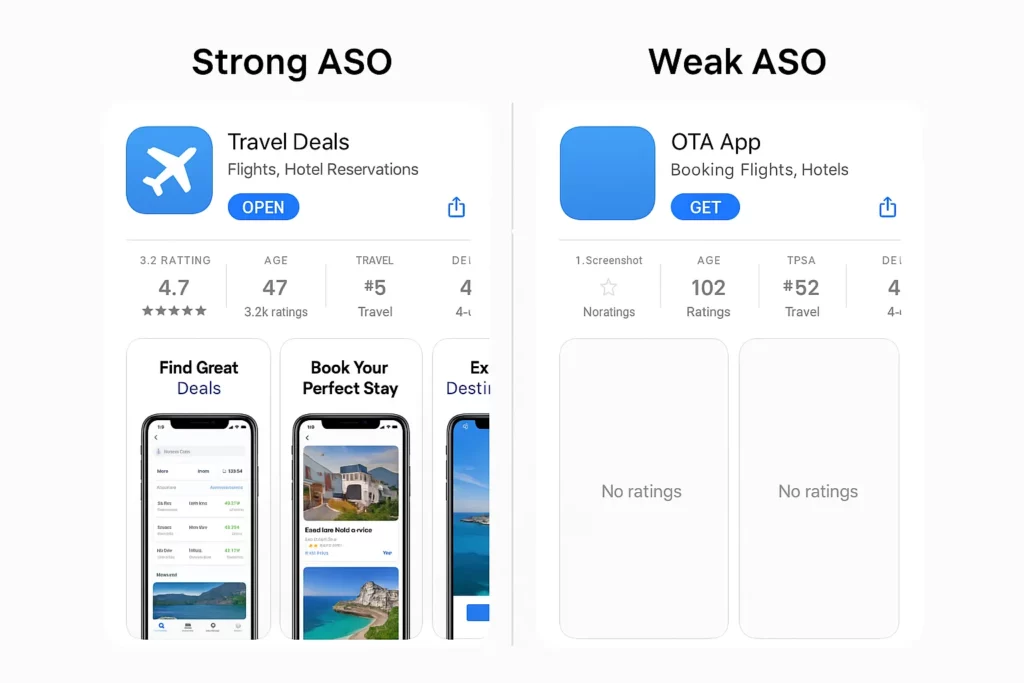
Statista reference: ASO’s impact on download rates – Statista ASO Trends Report.
Build Trust Through Social Proof and Storytelling
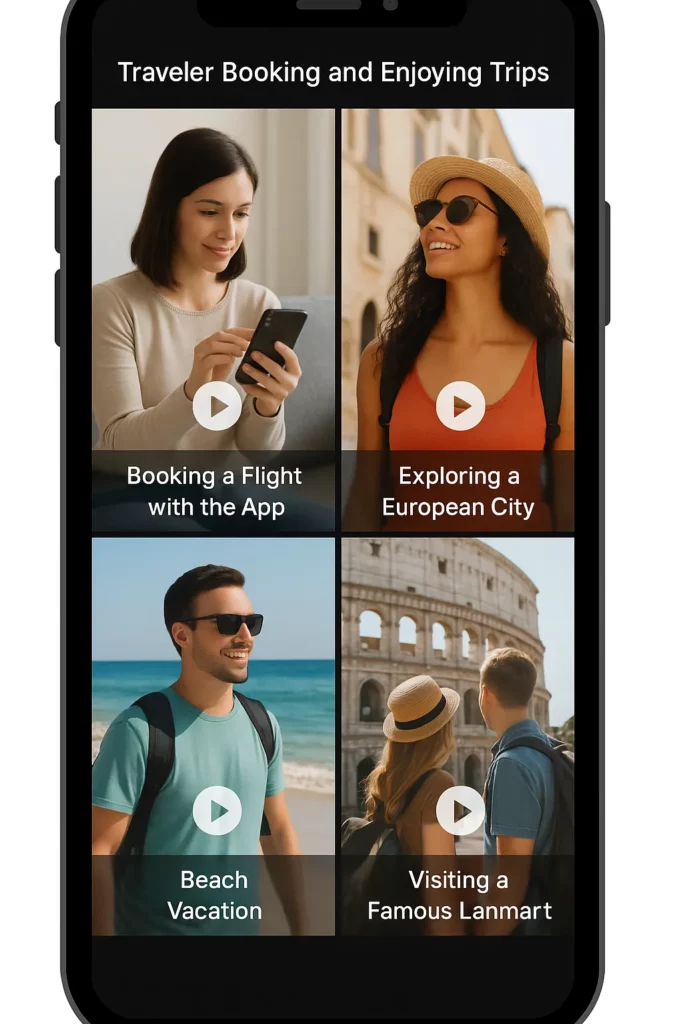
Here’s a little secret: travelers don’t just book trips—they buy stories. Your marketing must tap into this emotion. Showcase user reviews, testimonials, and real-life travel experiences. Let early adopters share how your app helped them find a once-in-a-lifetime deal or plan a dream vacation on a budget.
Start small: a simple video testimonial from a solo traveler who found a last-minute Bali deal can go a long way. Bonus points if you get influencers or micro-creators to share your app in action. Platforms like Instagram, YouTube Shorts, and even Moj are perfect for quick, engaging content that goes viral.
Revenue Model of Expedia: How the Travel Tech Titan Earns Globally
Leverage Paid Ads—But Be Smart About It
Paid marketing isn’t just about throwing dollars at Google Ads and Meta. It’s about precision targeting. Geo-target your ads around peak travel times, festivals, or regions where people are itching to book trips. A user in Mumbai looking for “Paris honeymoon packages” in February is gold—make sure your ads are showing up for that exact query.
Retargeting is your secret weapon. If someone browsed flights on your app but didn’t book, hit them with a subtle nudge: “Hey, that Bali beach isn’t going to book itself!” This is how the big players like MakeMyTrip and Cleartrip keep users engaged—and you can too.
Community, Loyalty, and Long-Term Retention
Want to avoid the dreaded uninstall? Build a community. Engage users through loyalty programs, exclusive deals, and helpful content—travel hacks, destination guides, even packing tips. Reward repeat users with points or early access to deals. Make them feel like insiders, not just customers.
For example, imagine a “Travel Buddy” program where users get discounts for referring friends. Or gamifying the app—complete five bookings, unlock a travel badge, and get a free upgrade. Retention is the name of the game, and it’s won by making users feel valued.
The Role of Partnerships and Collaborations
Don’t go it alone. Partnering with hotels, airlines, and tourism boards can give your app a massive credibility boost. Imagine running a “Summer in Europe” campaign co-branded with a top airline, or exclusive hotel discounts only available through your app.
Collaborations help you expand reach, build trust, and tap into existing customer bases. They also give you great content opportunities—joint promotions, blog posts, even co-hosted webinars on travel trends.
Read more: Top Expedia Features Every Travel App Needs
Conclusion
The OTA app market is a battlefield, no doubt. But with the right marketing moves—smart ASO, storytelling, paid targeting, and building a community—you can cut through the noise. And remember: your app isn’t just a tool; it’s a gateway to dream vacations, spontaneous getaways, and unforgettable adventures.
At Miracuves, we help innovators launch high-performance app clones that are fast, scalable, and monetization-ready. Ready to turn your idea into reality? Let’s build together.
FAQs
Q:1 How long should I focus on marketing after the app launch?
Marketing should never stop—but the first 90 days are absolutely critical for momentum.
Q:2 Can I rely only on organic traffic for my travel app?
Organic is great, but without paid ads or partnerships, growth can stagnate. It’s a mix that works.
Q:3 Should I target local or global audiences first?
Start local, master your niche, then scale globally with targeted campaigns.
Q:4 How important are reviews for my app?
Hugely important. Reviews are trust signals that influence downloads and bookings.
Q:5 What kind of content works best for promoting a travel app?
Visual content—short videos, user stories, and authentic reviews tend to perform best.
Q:6 Is it worth building an app clone instead of a unique travel app?
Absolutely—clones save time and costs, plus you can customize features for your market. Learn more on our MakeMyTrip Clone App Development page.
Related Articles:
- How to Build an App Like MakeMyTrip: A Full-Stack Developer’s Guide
- Must-Have Features of MakeMyTrip That Make Travel Effortless
- Pre-launch vs Post-launch Marketing for Makemytrip Clone Startups
- Business Model of Expedia : Revenue Strategy for Travel Market
- Expedia App Marketing Strategy: How the Travel Giant Books Big with Every Click