


Let’s be honest—how many times have you heard someone say, “I should totally start a content platform like Netflix or OnlyFans!” only to see them back out when they learn about the costs? If you’re a startup founder or creator with a burning idea, the “how much” question can feel like the monster under the bed—until you peek, and realize it’s not as scary as you thought.
The truth is, building a subscription-based content platform is more doable than it’s ever been. With tech ecosystems like smartphones, AI integrations, and global payments becoming almost plug-and-play, the barriers are dropping. But make no mistake: It’s still a maze of decisions, trade-offs, and yes—dollars and cents. And if you’re dreaming of launching the next Patreon or Substack, understanding the real costs upfront is your first power move.
At Miracuves, we’ve helped dozens of visionaries turn their subscription ideas into revenue-generating platforms. So, if you’re ready to stop guessing and start planning, let’s dive into what it really takes—financially, technically, and strategically—to build a killer subscription-based content platform in 2025.
Read more: How to Build an App Like Fansly: Developer Guide for JavaScript & PHP Stacks
The Big Picture: What’s Driving Subscription App Costs in 2025?
Before we talk numbers, let’s talk trends. Subscription platforms aren’t just about streaming videos or behind-the-scenes content anymore—they’re an entire economy. Whether it’s a fitness app with daily workouts, a creator platform for short-form video shorts, or an educational hub dishing out AI courses, the demand is soaring.
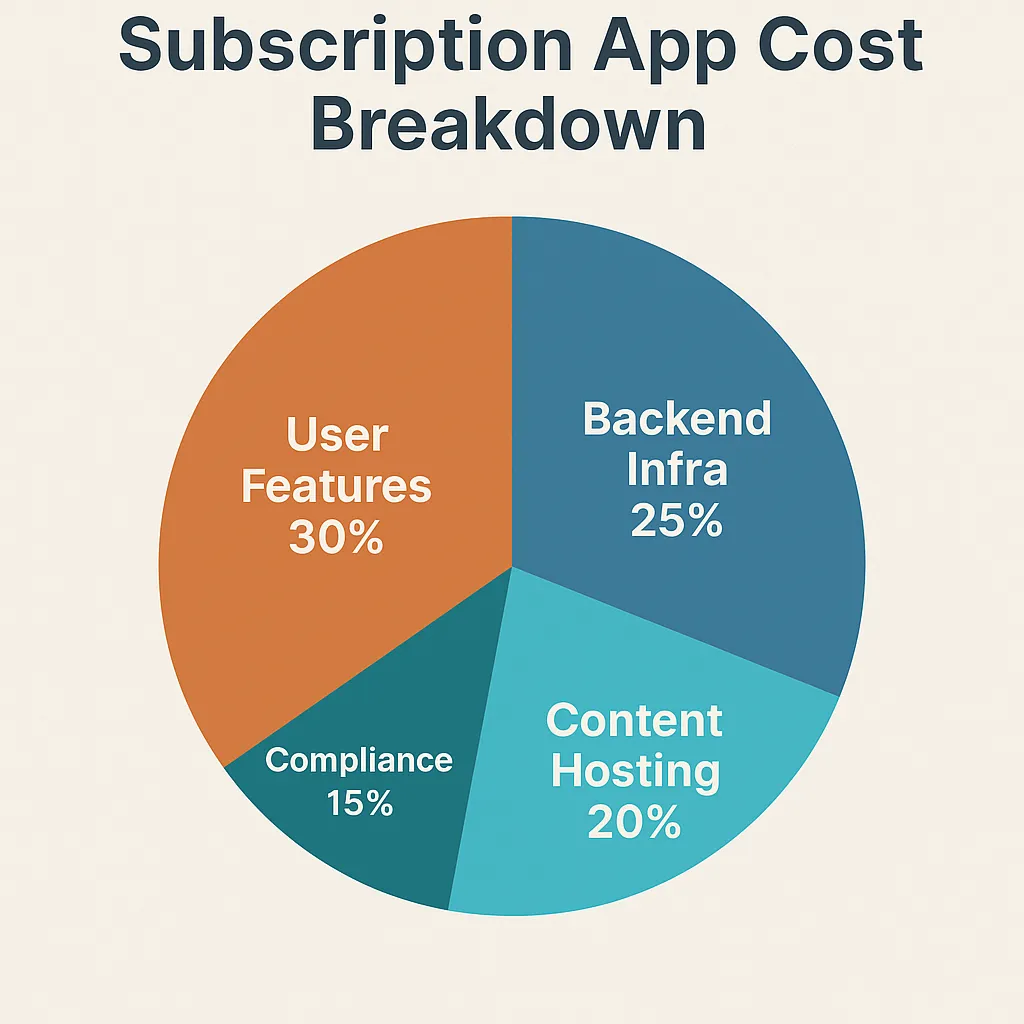
So, what’s impacting costs? Here’s the breakdown:
- Tech Stack Complexity: Are you building a barebones MVP or a polished platform with live streaming, filters, and payment gateways?
- Content Hosting & Delivery: Videos, images, podcasts—each type has different bandwidth and storage needs.
- User Features: Think filters, followers, recommendation engines, AI-based personalizations.
- Compliance & Security: GDPR, PCI-DSS, and regional rules aren’t optional anymore.
Read more: Fansly App Features List: What Makes It a Creator Magnet?
The Core Cost Factors (with Real-World Ranges)
Let’s cut to the chase—here’s where your budget will go:
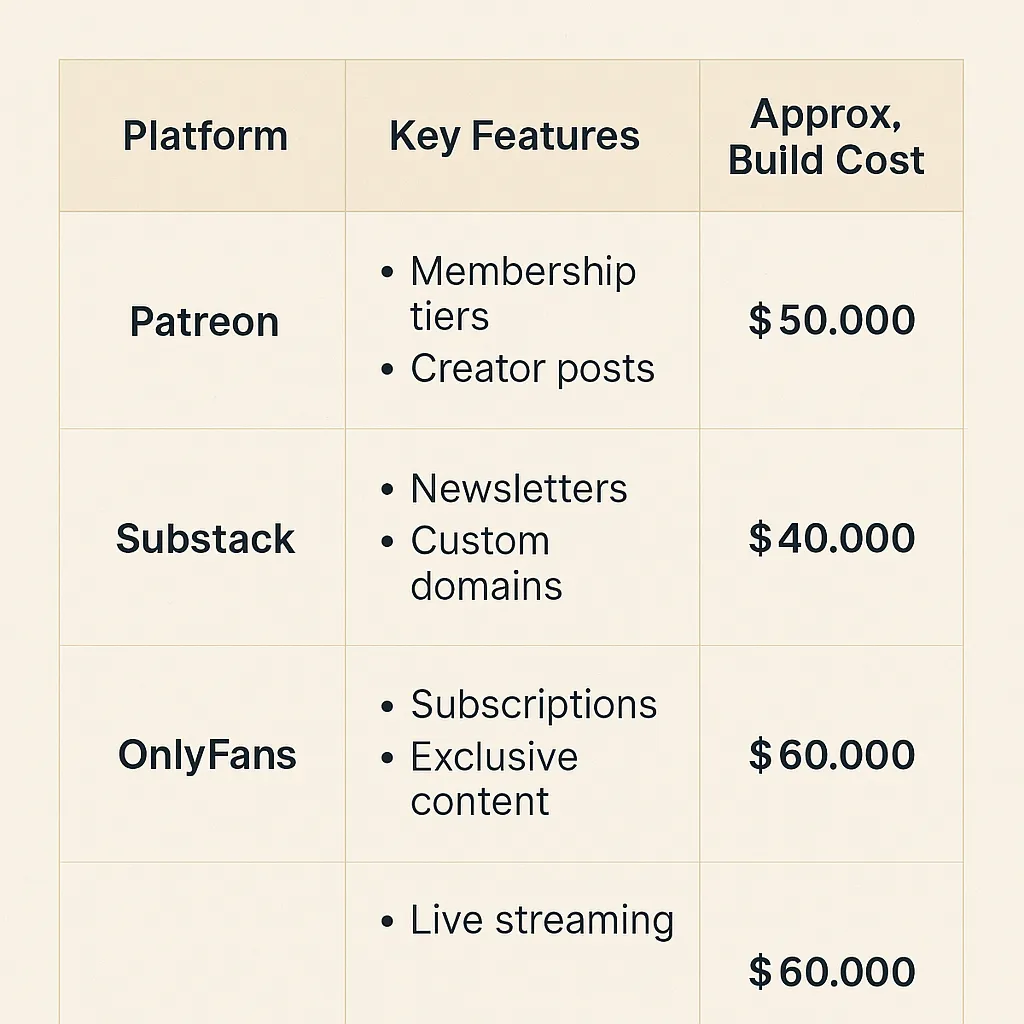
1. Platform Development Costs
Expect anywhere from $30,000 to $150,000+ for initial development, depending on your ambitions.
- MVP-Style Apps (basic video uploads, subscriptions, profiles): Around $30k–$60k
- Feature-Rich Apps (think Patreon with AI recommendations, live streaming, in-app purchases): $80k–$150k+
- Custom Integrations (e.g., blockchain payments, AR/VR features): Add another 20–30% to your base budget
2. Ongoing Infrastructure Costs
Running a content platform means dealing with scale. For cloud hosting (AWS, Google Cloud), CDN services, media storage, and streaming delivery, you’re looking at:
- $1,000–$5,000/month for small-to-medium apps
- $10,000+/month for platforms with heavy video usage and global user bases
3. Content Licensing or Production
If your platform hosts content (like Netflix), budget for licensing deals or original productions. If it’s user-generated (like OnlyFans), you can avoid this—but be ready for moderation costs.
4. Third-Party Integrations
Payments (Stripe, Razorpay), email services (SendGrid), analytics (Mixpanel), and AI tools (OpenAI, Anthropic)—they all add up. Average:
- $500–$2,500/month depending on usage
How to Save Costs Without Compromising Quality
Let’s get real: Building smart is the name of the game. Here’s how startups like yours are cutting costs (without cutting corners):
- Leverage Open-Source Tools: Think of frameworks like React, or video SDKs like Agora and Mux.
- Start with a Clone Base: Instead of reinventing the wheel, use a TikTok Clone or Netflix Clone as your foundation. (Yes, Miracuves can help!)
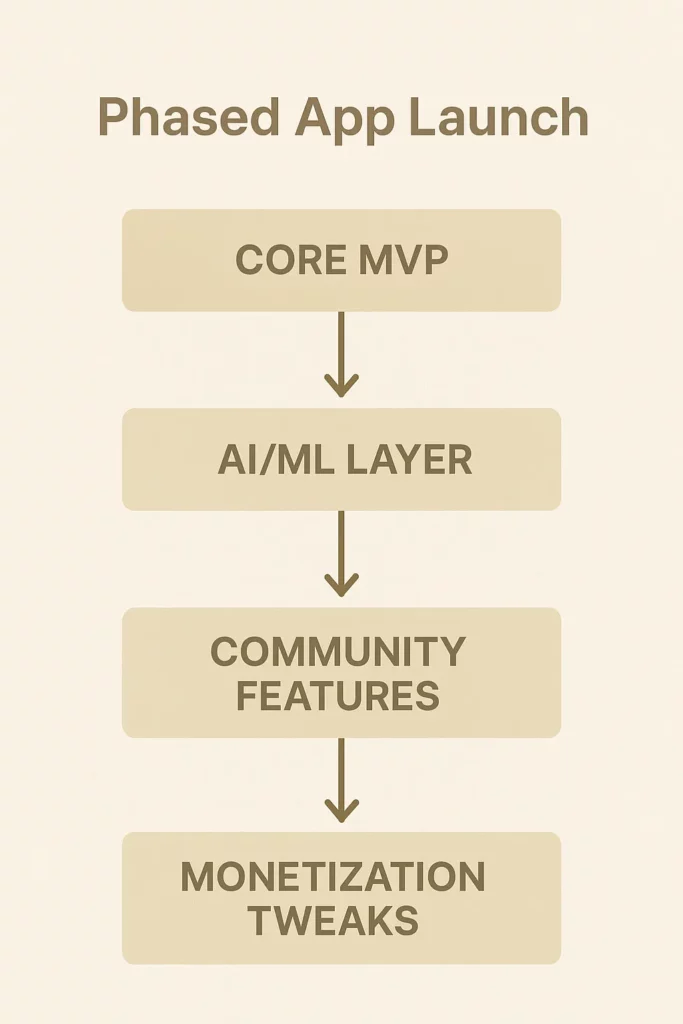
- Go Modular: Build in phases—launch with core features, then add filters, AR effects, or AI recs as you grow.
Read more: Best Fansly Clone Scripts in 2025: Features & Pricing Compared
What You Can’t Skip (Even If You Want To)
Cutting corners can backfire. Here’s what’s non-negotiable in 2025:
- Data Privacy Compliance: GDPR, CCPA, and local laws
- Content Moderation: Either hire human moderators or invest in AI filters
- Scalability Planning: Choose infrastructure that can handle viral growth without crashing
- User Support & Feedback Loops: Without a support system, your users will walk away
Real Talk: The 2025 Cost Spectrum
| Platform Type | Development Cost Range | Monthly Infra & Ops |
| Basic MVP (e.g., niche courses) | $30k–$50k | $1k–$2k |
| Mid-Tier (e.g., Substack Clone) | $60k–$90k | $2k–$5k |
| Advanced (e.g., Patreon, OnlyFans) | $100k–$150k+ | $5k–$10k+ |
Wrapping Up: The Smart Way Forward
Here’s the deal—building a subscription-based content platform in 2025 isn’t just for deep-pocketed tech giants anymore. With the right partners, a clear roadmap, and a focus on iterative growth, you can launch the next big thing in the creator economy.
At Miracuves, we help innovators launch high-performance app clones that are fast, scalable, and monetization-ready. Ready to turn your idea into reality? Let’s build together.
FAQs
Q:1 How much time does it take to build a subscription platform?
The development time depends on the platform’s complexity and features. Basic versions can be launched quickly, while feature-rich platforms may require additional development and testing time.
Q:2 What’s the best monetization model for subscription platforms?
Subscriptions, in-app purchases, pay-per-view, and premium content tiers are all popular options. The key is balancing user value with pricing.
Q:3 Do I need original content to launch?
Not always! Many platforms thrive on user-generated content, but exclusive content can boost brand loyalty.
Q:4 How do I handle copyright and legal risks?
Consult a legal expert early—especially for global platforms. Miracuves can advise on technical safeguards, but you’ll need legal backup too.
Q:5 Can I build a subscription platform solo?
Technically, yes—but it’s tough. Teaming up with experts like Miracuves speeds up development and minimizes costly mistakes.
Q:6 What’s the first step to get started?
Define your audience and unique value proposition. Then, contact a development partner like Miracuves for a detailed consultation.
Related Articles: