











Our clients include 6,000+ companies across the globe




01See it live
Live in Action
OnlyFans Clone Demo - Live App, Creator Panel, Admin Dashboard & Screenshots
A serious buyer should be able to understand the product before making a decision. This demo section helps you preview how fans, creators, managers, and platform admins interact with the OnlyFans Clone across app, web, admin, and monetization workflows.
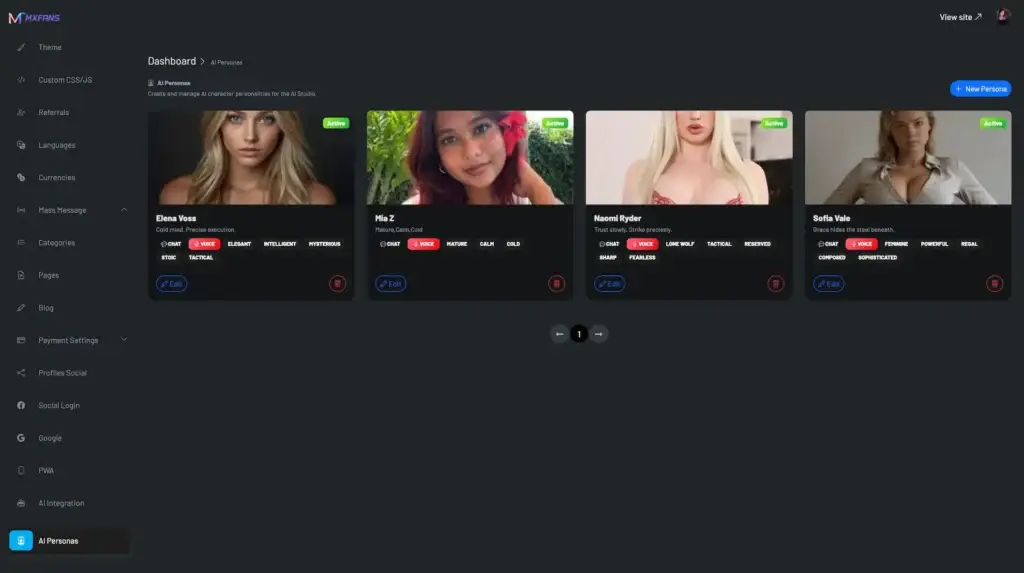
The platform is designed as a creator commerce and fan engagement stack, not just a content feed. You can review subscription access, PPV content, messaging, creator profiles, wallet funding, live engagement, shop flows, AI persona interaction, verification, and backend moderation.
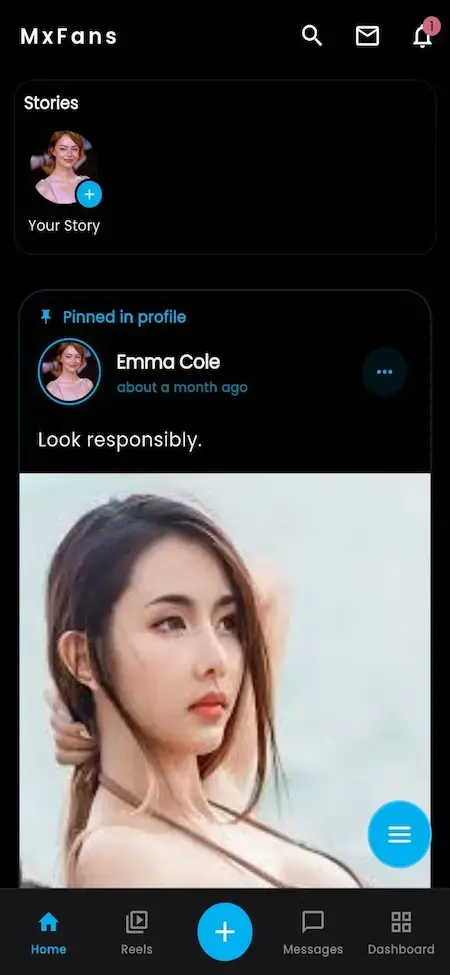
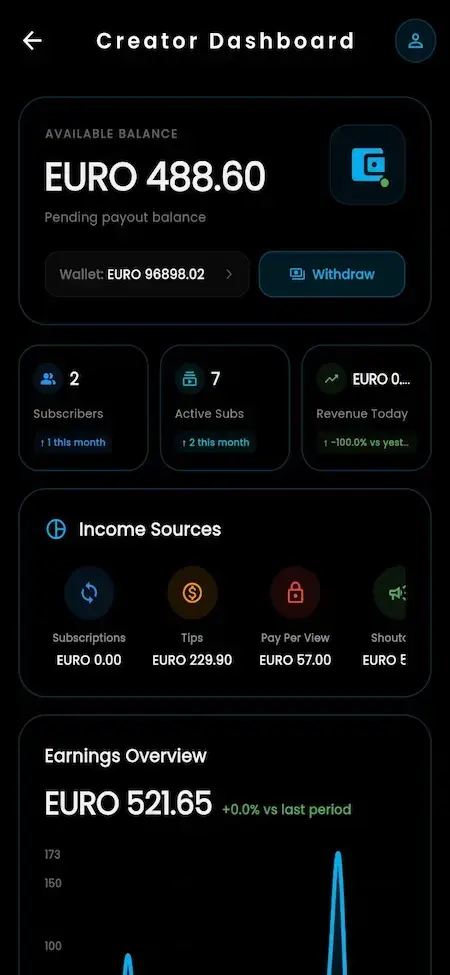
OnlyFans Clone - Mobile App
One mobile experience for fans and creators. Users can discover creators, subscribe, unlock PPV content, message, tip, join live sessions, buy products, publish content, configure creator pricing, and manage audience engagement when creator access is enabled.
- 1Fan discovery, subscriptions, PPV unlocks, wallet, and messages
- 2Creator posting, pricing, live, calls, shop, and analytics
- 3Unified role-based experience inside one app
user@demo.com | User_321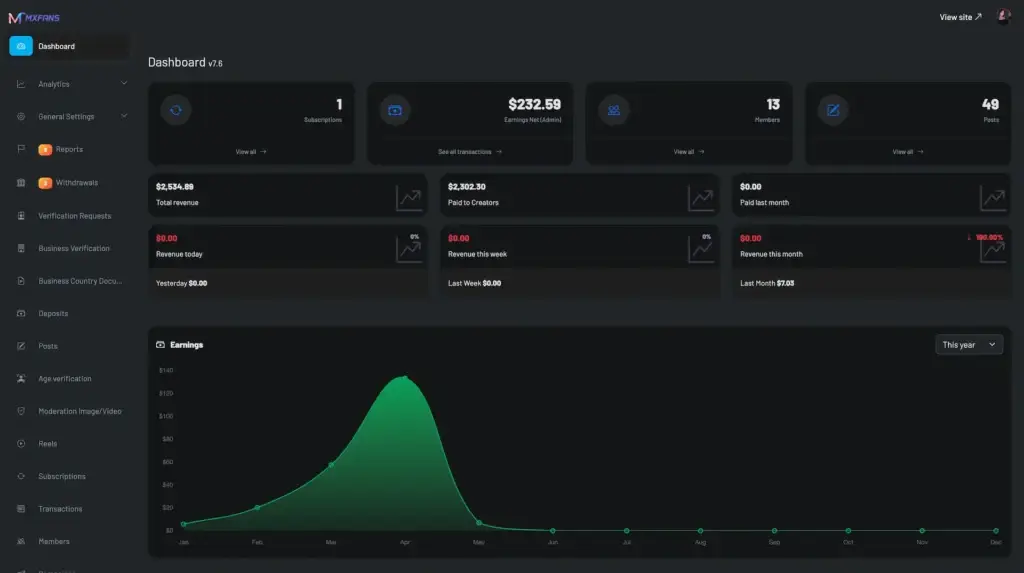
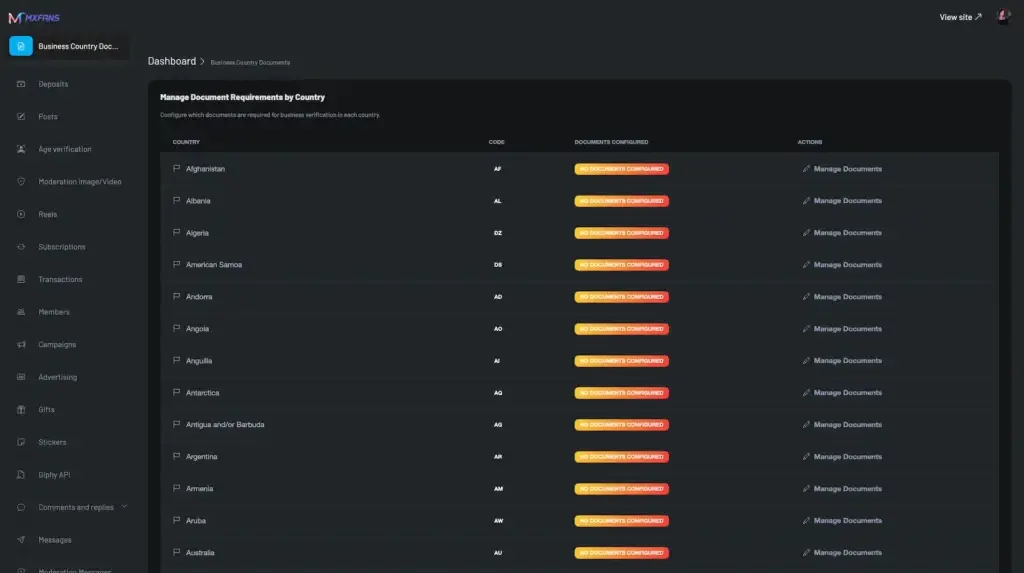
Web-Based Admin Panel
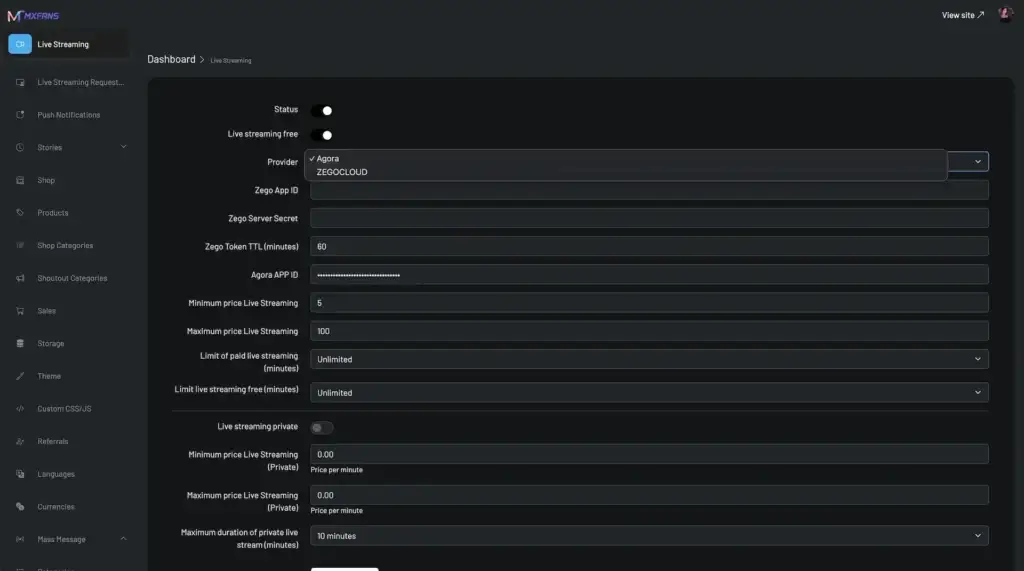
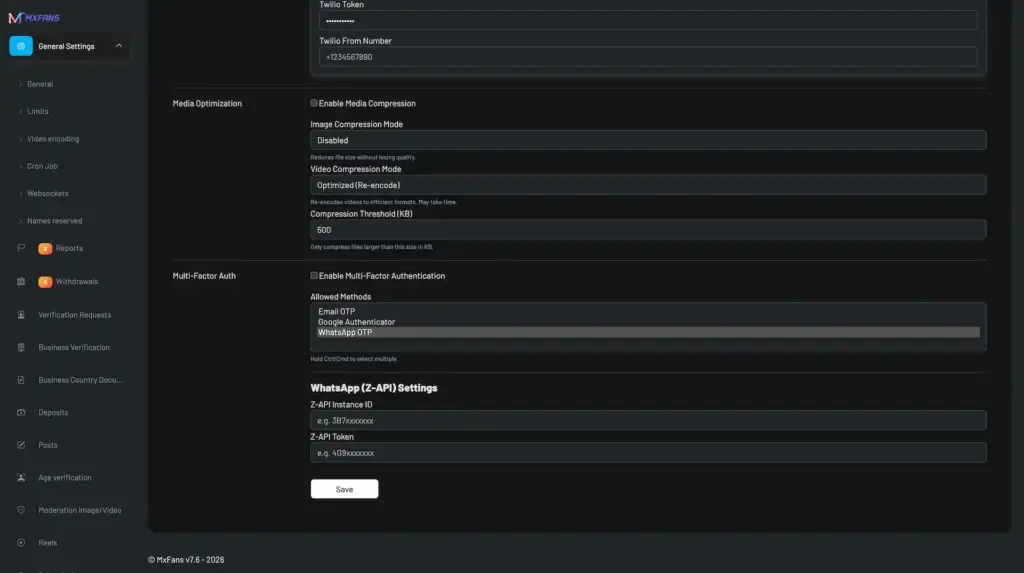
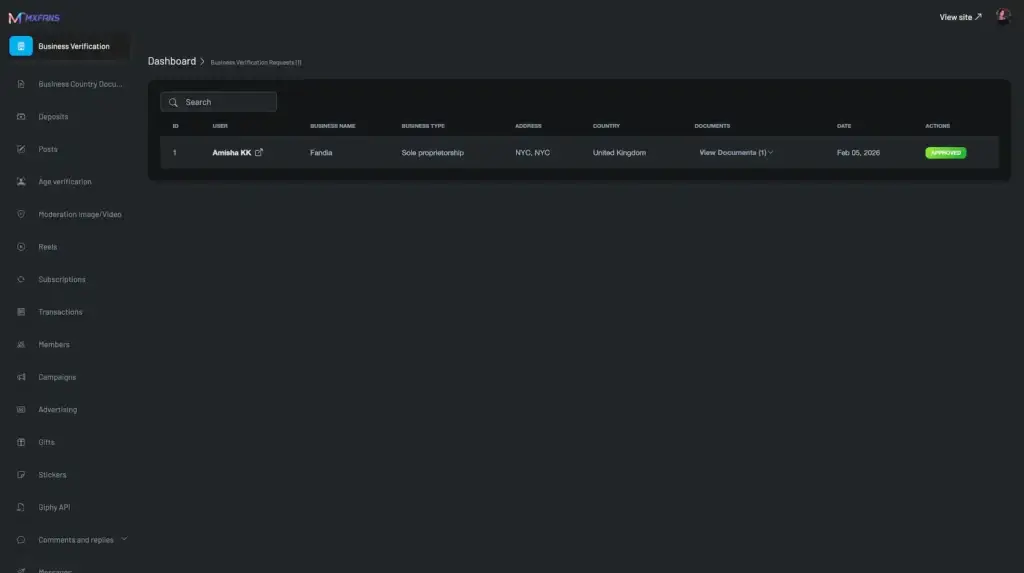
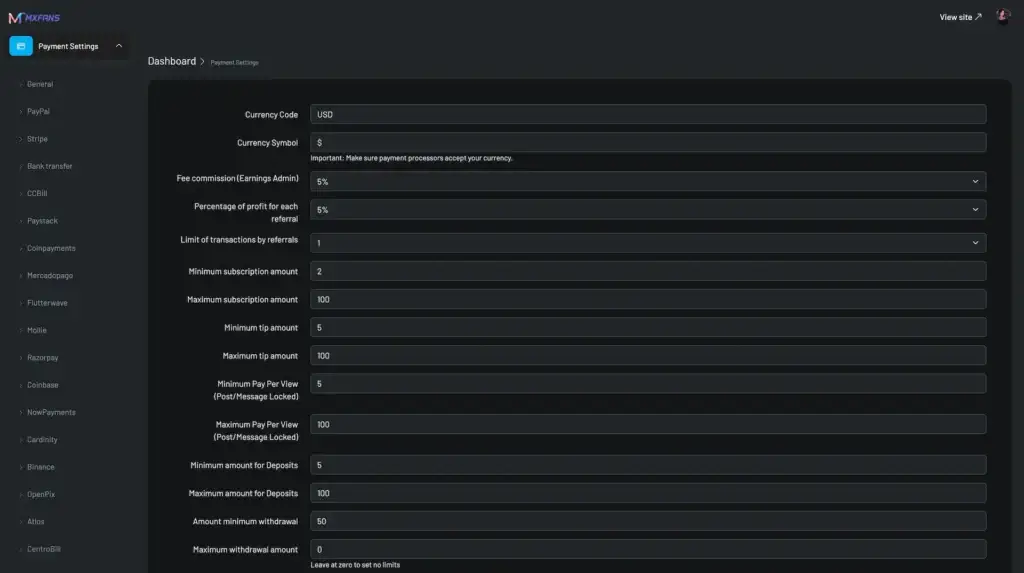
Complete backend control for platform operators, including user management, creator verification, payment settings, moderation queues, content reports, wallet and transaction visibility, platform branding, feature settings, and analytics.
- 1Users, creators, payments, verification, and reports
- 2Moderation, content takedowns, complaints, and policy workflows
- 3Revenue visibility, commission settings, gateway configuration, and platform settings
admin@demo.com | Admin_$321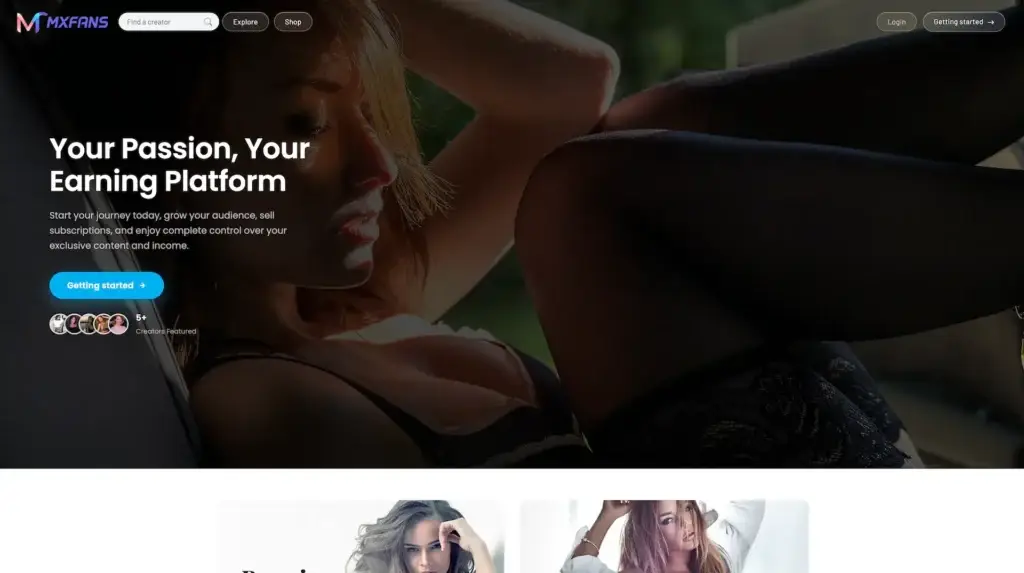
Browser-Based Creator Platform
A responsive web experience for creator profiles, premium content discovery, wallet access, subscriptions, messaging, public pages, and platform landing flows. The web app carries both fan and creator profiles behind the same login.
- 1Creator profile pages and content access
- 2Subscription and PPV purchase flows
- 3PWA-friendly web experience for mobile-first users
creator@demo.com | Creator_321Video Walkthrough
OnlyFans Clone Video Demo: Unified App, Creator Monetization, Admin Workflow & Code Overview
Want a guided tour? Book a 30-min call with our team & Brainstorm your launch plan.
Schedule a live walkthrough call.App Flows
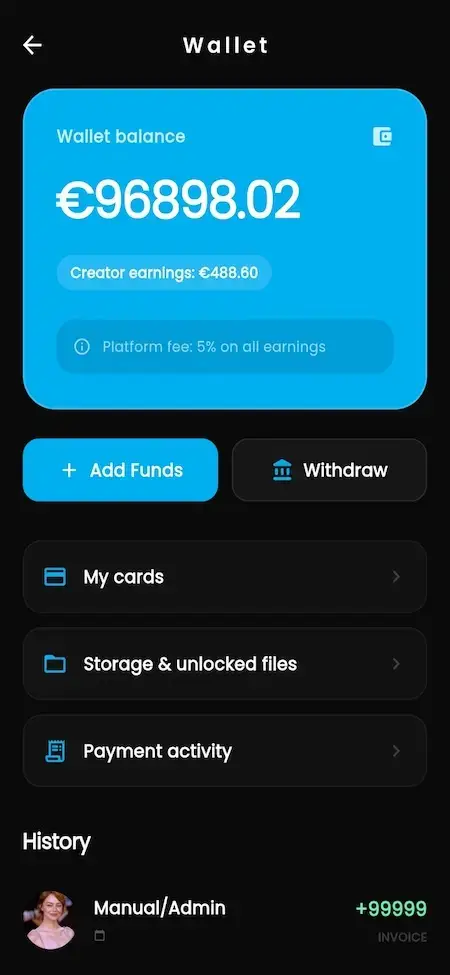
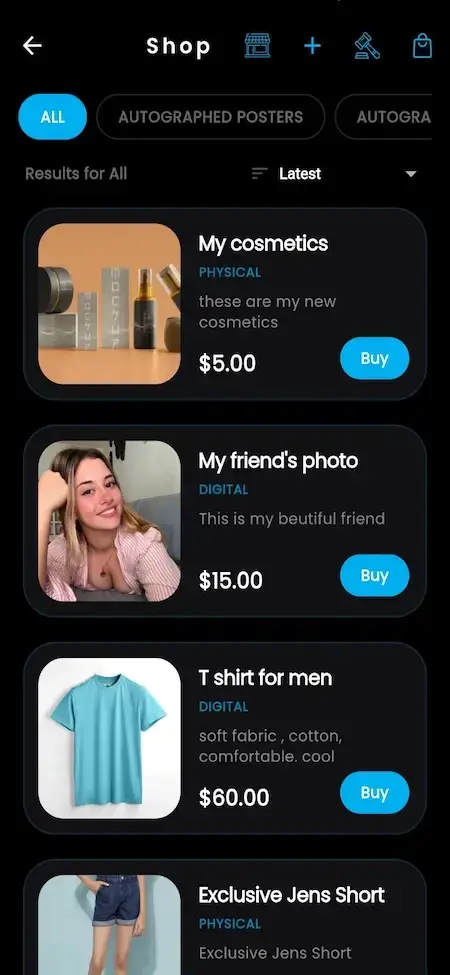
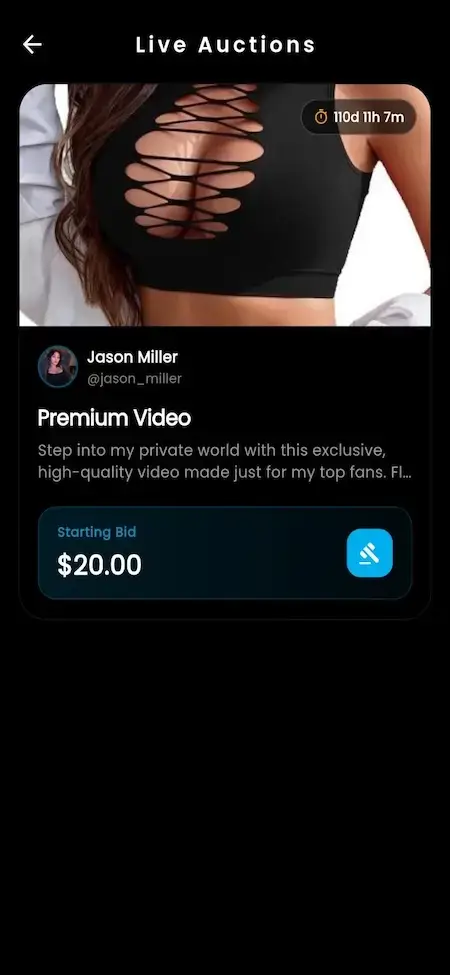
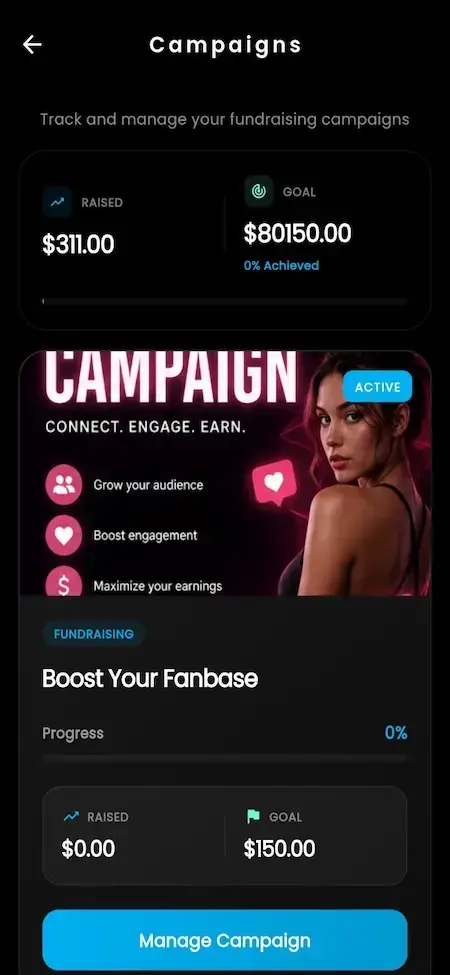
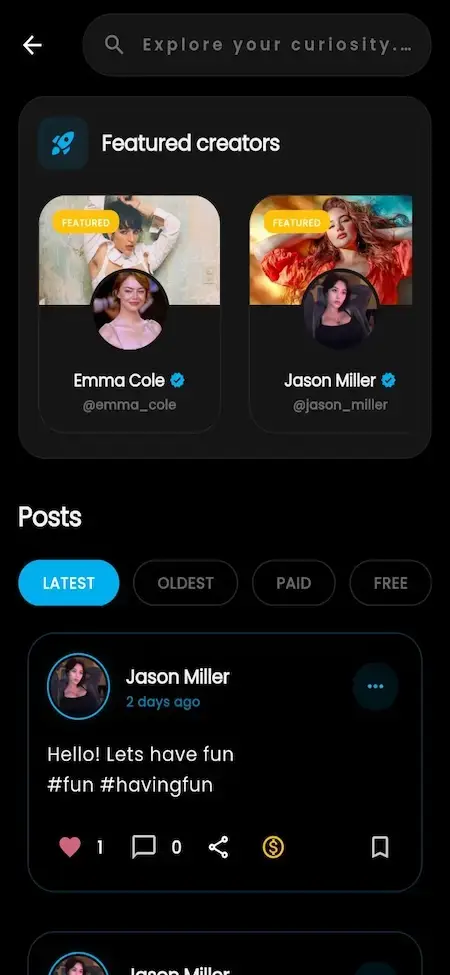
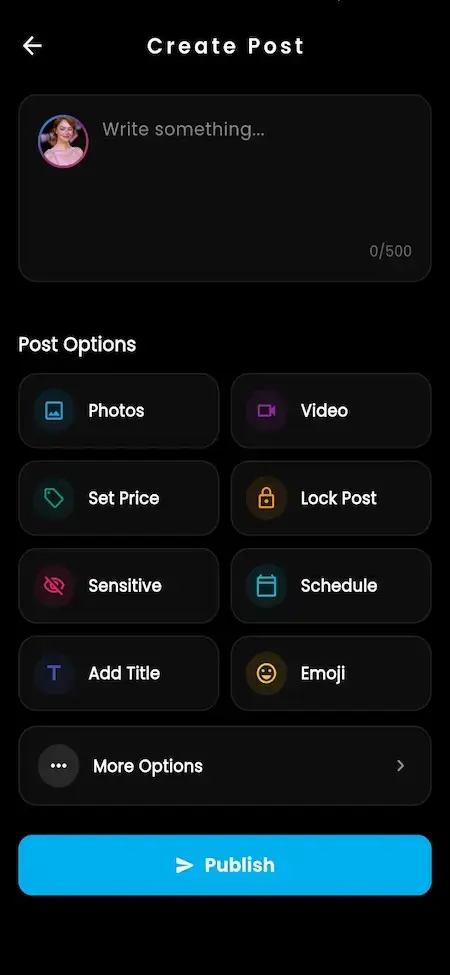
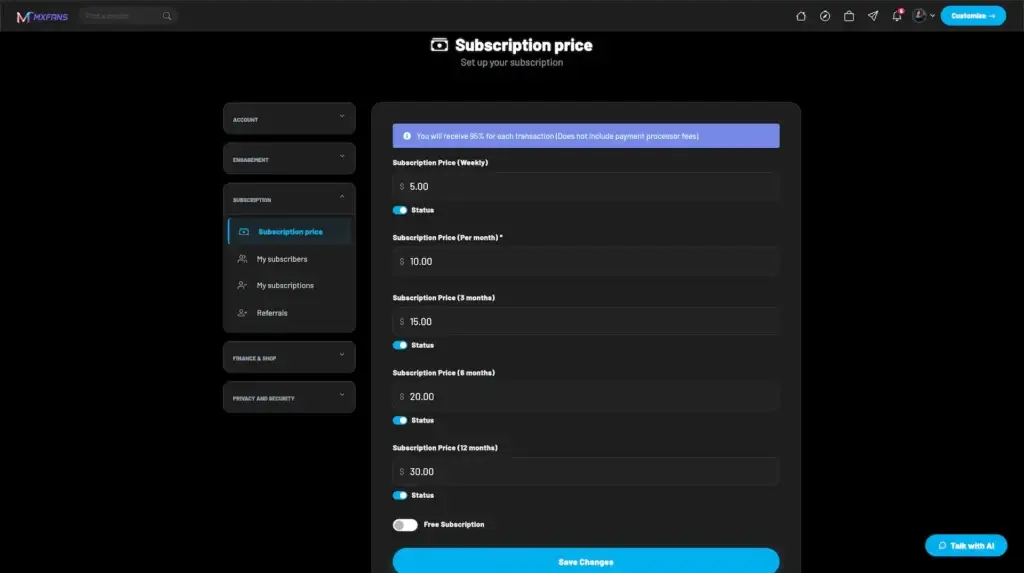
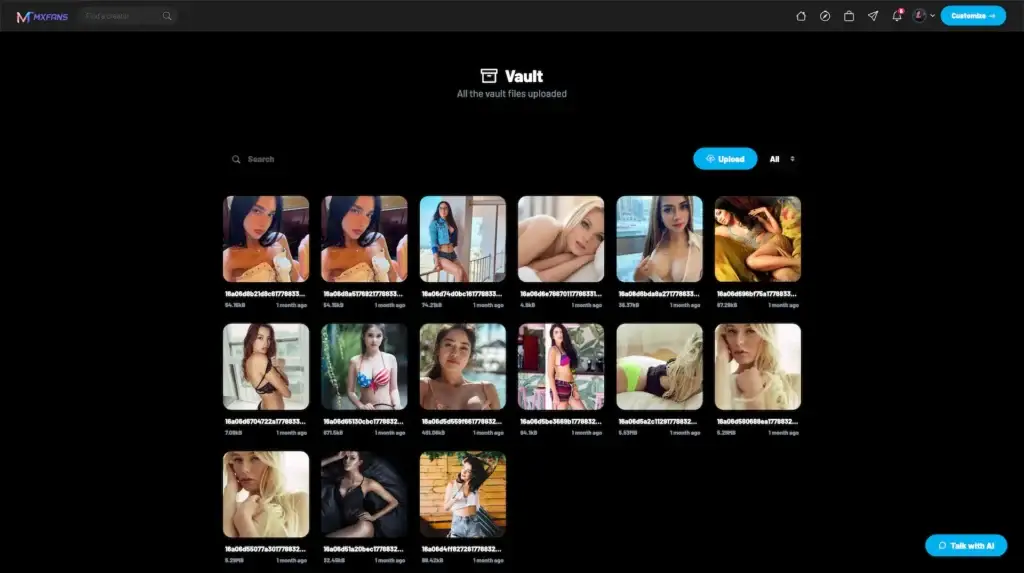
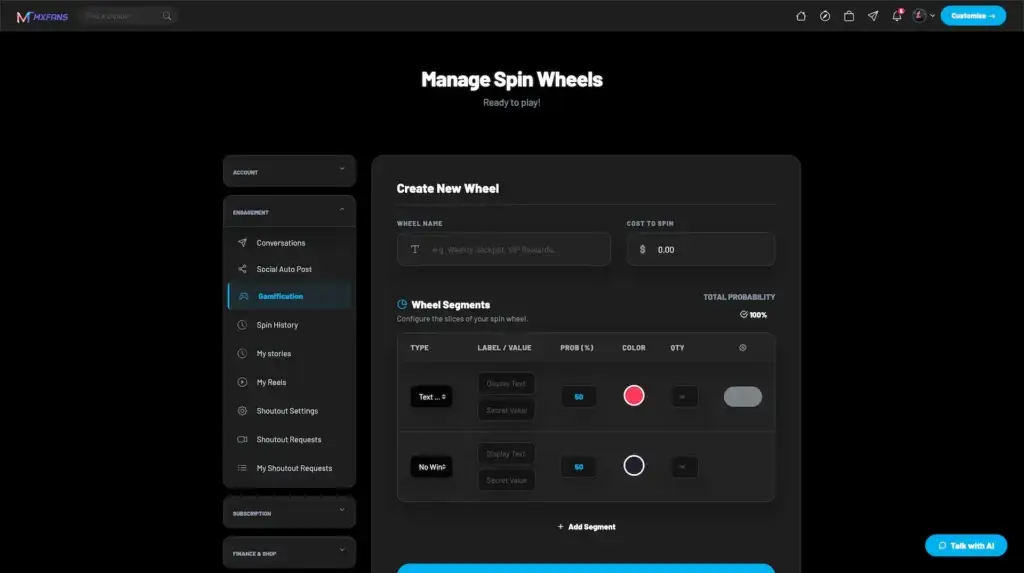
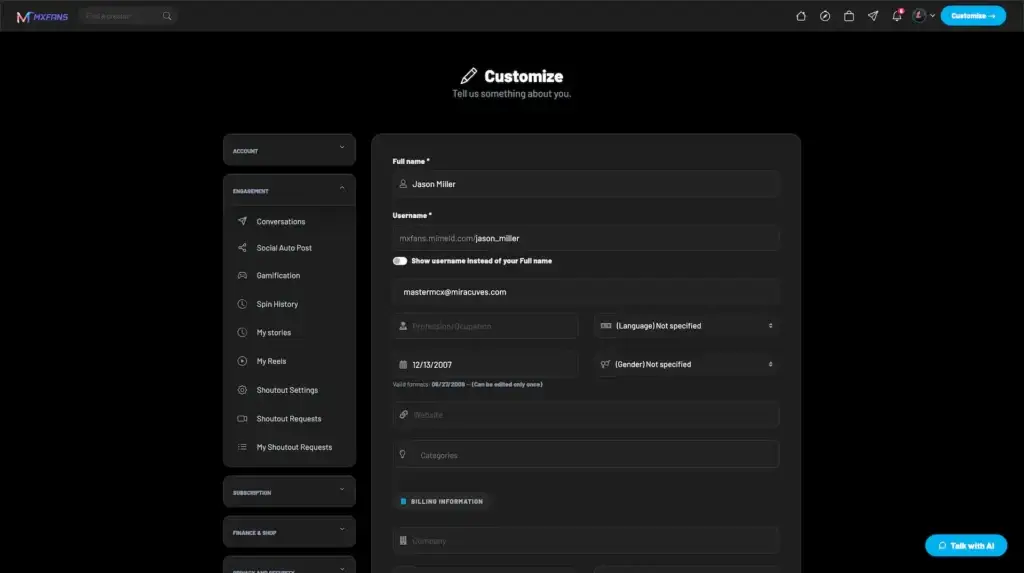
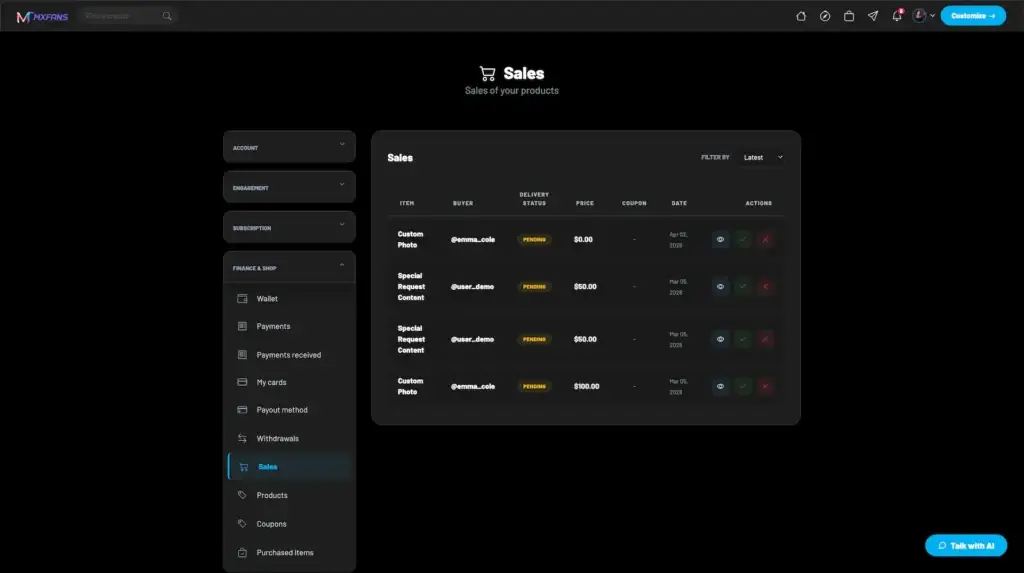
OnlyFans Clone App Flows - Unified Fan, Creator, Admin & Web Screens
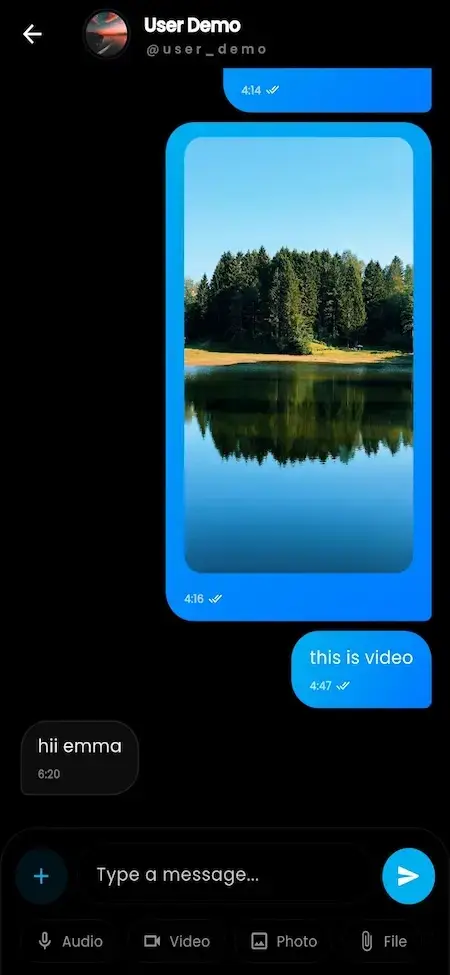
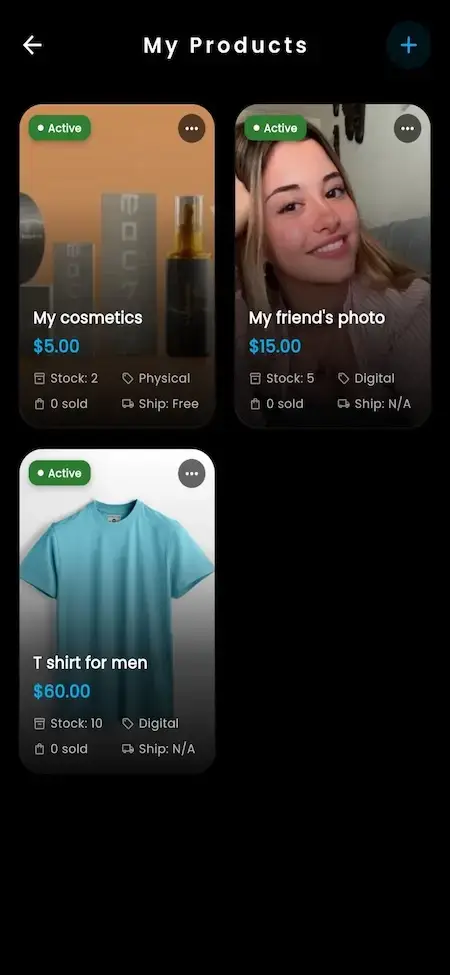
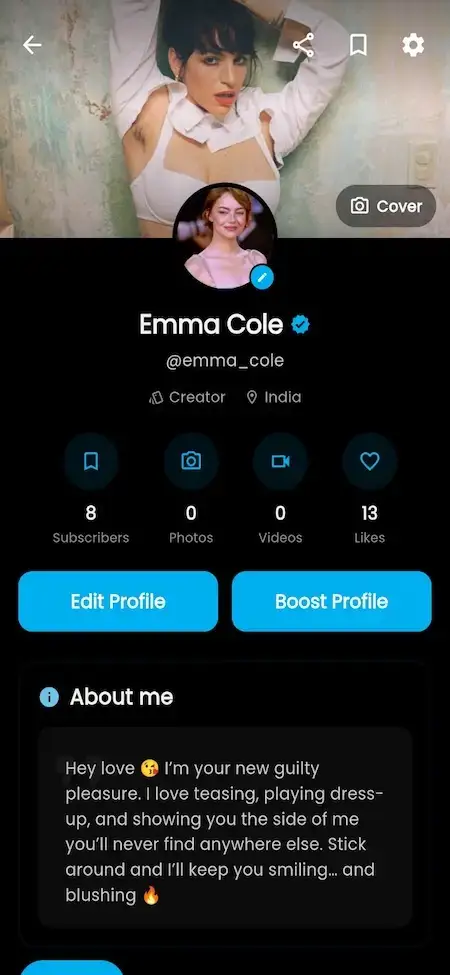
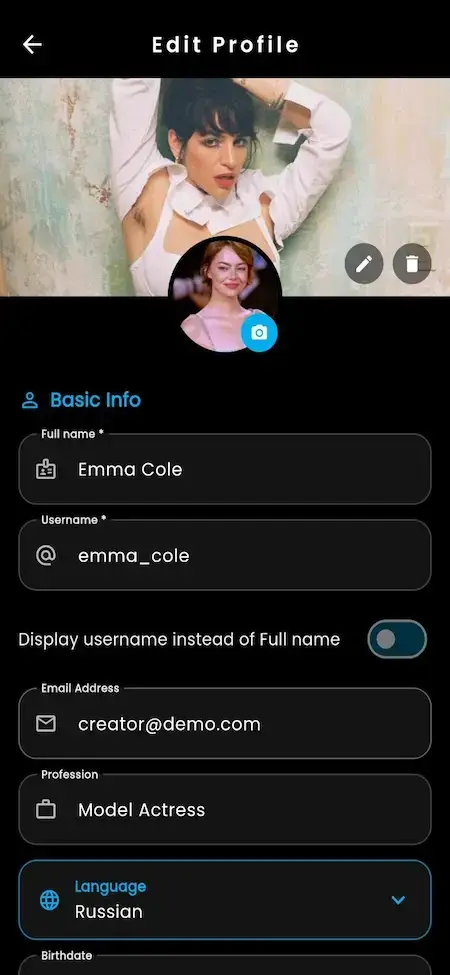
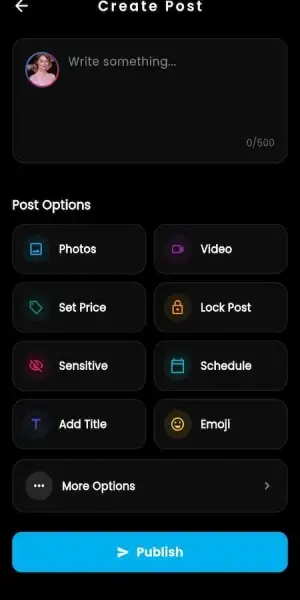
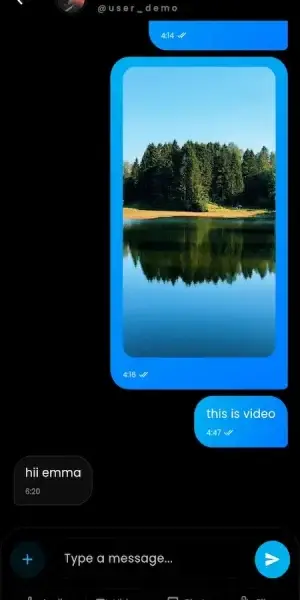
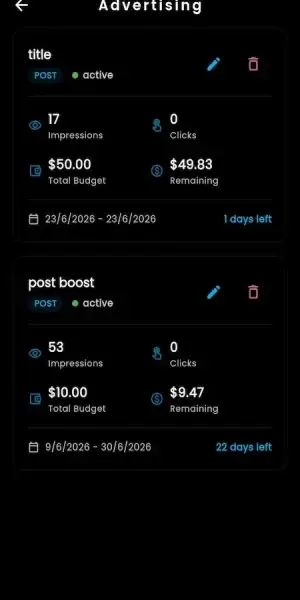
Understand exactly how each part of your OnlyFans clone platform works. Explore the step-by-step flows for Fans, Creators, Admins, and the Web App – so you can validate subscriptions, content access, earnings, chats, payouts, moderation, and the full user experience before launch.
02Proof
Client Reviews
What Our Clients Say About the OnlyFans Clone
Real feedback from international founders, creator economy operators, agencies, and digital media businesses evaluating or launching white-label creator monetization platforms with Miracuves.
 Ashley ManureCreator Platform Founder, United States
Building the Creator Economy
“We wanted a creator monetization platform without spending a year building subscriptions, PPV, wallet payments, and messaging from scratch.” Miracuves helped us start with a working white-label foundation and then shape the product around our creator category, branding, and payment requirements. The biggest validation for us was that we could review real app and admin flows before committing to deeper customization.
Flinch MacDMO, United KingdomTired of Paying Commissions
“Our goal was not to buy a simple clone script. We needed a platform that could support creators, fans, moderation, payments, and admin operations together.” The Miracuves team understood the difference between a content app and a creator economy business. The unified Fan and Creator App approach made sense for our rollout because users could consume content and creators could manage monetization from one connected experience.
 John AustenCAO, Australia
Local Creator Network
“For an agency model, the backend matters as much as the app. We needed creator controls, fan payments, reporting, moderation, and room to expand.” Miracuves gave us a solution that could be branded for our market and extended around our agency workflows. Instead of coordinating separate vendors for payments, media, live features, and admin tools, we had one product foundation to build from.
 Daniel GroganDirector of Operations, Bigr Impact Media LTD
A premium offering where moderation finally lived under the hood
OnlyAlphas is a creator platform for premium content - subscriptions, pay-per-view posts, DMs, and creator-side analytics. Building that with proper payment, DM, and content moderation, all on day one, is a serious effort. Miracuves’s MXFans base covered the subscription engine, the DM layer, the pay-per-view post flow, and the moderation tools. We added our branding, our local payment methods, and a custom creator-analytics dashboard. We launched in 6 weeks. Creator onboarding has been strong and the platform’s been stable through our traffic peaks.
Case Studies
OnlyFans Clone Case Studies - Pixxie & OnlyAlphas Creator Platforms
Discover how international founders and creator economy operators used the Miracuves OnlyFans Clone to launch and customize white-label creator monetization platforms with premium fan access, subscriptions, PPV messaging, creator vaults, moderation workflows, custom design, and scalable platform operations.
Miracuves OnlyFans Clone
Pixxie - Custom Creator Monetization Platform
A custom OnlyFans-style creator platform enhanced with creator vault, PPV messaging, regional blocking, rewards, staff access, consent forms, age verification, and AWS deployment.
- Create a creator-first experience with vault storage, PPV media, mass messaging, and subscription tiers
- Add stronger governance through age verification, release forms, geo-blocking, email confirmation, and bot protection
- Improve creator profile UX, feed behavior, dark mode, FYP video discovery, pinned posts, stories, and desktop navigation
- Support creator operations with rewards, staff access, statistics, referrals, bookmarks, lists, and archive workflows
- Launch Pixxie as a differentiated creator monetization platform with premium fan access
- Give creators stronger tools for content storage, paid distribution, messaging, ranking, and audience growth
- Build a policy-aware platform with consent, age verification, geo-blocking, and regional control
- Creator Vault with media naming, renaming, pricing, posting, and PPV messaging support
- Mass messaging with PPV vault content for creators and paid fan engagement
- Subscription tiers, pinned posts, archived posts, scheduled posts, polls, quizzes, and story refinements
- Granular geo-blocking by region, city, state, and country instead of country-only restriction
- Creator rewards program with Bronze, Silver, Gold, and Diamond tiers based on subscribers, videos, and referrals
- Staff access module for creators to grant limited access to selected account sections
- Release form workflow for tagged creators with age verification, consent, and revenue split support
- Ondato age verification, Google login, Twitter login, Google reCAPTCHA, email confirmation, and AWS deployment
“Pixxie needed more than a standard clone. We wanted creator vaults, PPV messaging, consent workflows, rewards, staff access, geo-blocking, and a custom user experience. Miracuves helped shape the platform around the way our creator business actually needed to operate.”Swazey · Founder, Pixxie
 Case Study
Miracuves OnlyFans Clone
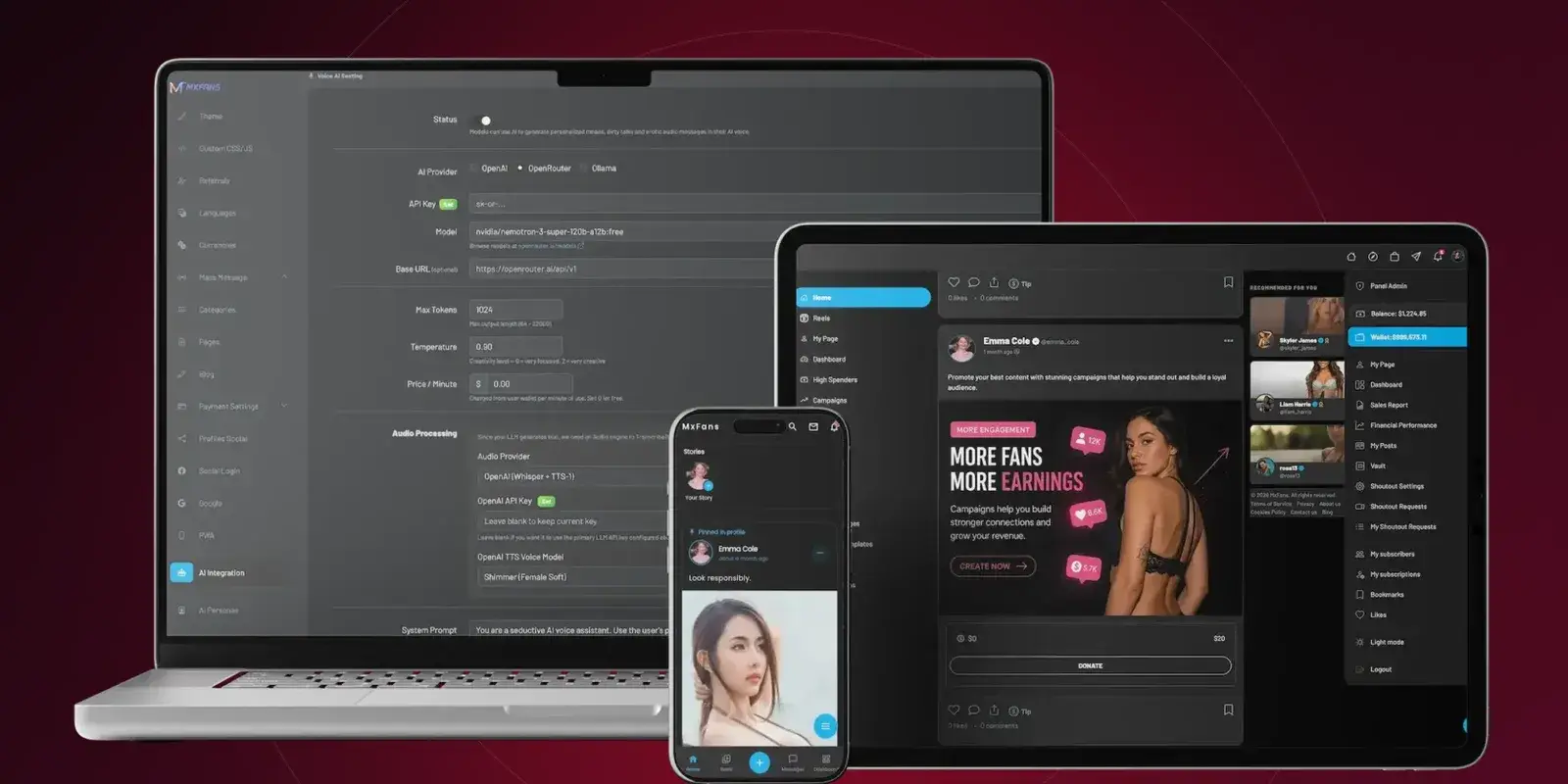
OnlyAlphas - Custom Creator Platform Design & Feature Build
A custom creator monetization platform delivered for an international buyer with a tailored design direction, premium fan experience, and multiple custom feature enhancements.
- Create a premium creator platform that did not feel like a generic clone script
- Support custom design expectations around brand identity, user flow, and premium presentation
- Adapt creator monetization features around the client’s platform concept and fan experience
- Prepare the platform for a differentiated launch with custom workflows instead of a fixed template
- Launch OnlyAlphas as a premium white-label creator monetization platform
- Build a custom design experience around the client’s brand and audience positioning
- Use the ready-made product foundation while extending features based on business needs
- Custom design adaptation for OnlyAlphas brand positioning and premium platform feel
- White-label creator monetization foundation configured around the client’s concept
- Creator profile, fan subscription, premium content, and paid engagement workflows
- Admin-controlled platform setup for users, creators, content, payments, and operations
- Multiple custom feature refinements based on Jason’s launch requirements
- Platform prepared for future expansion through additional modules and custom development
“We did not want a copy-paste creator platform. The goal was to create a premium branded experience with custom design and feature changes that matched the OnlyAlphas concept. Miracuves gave us a strong ready-made foundation and then customized it around our business direction.”Jason · Founder, OnlyAlphas
03The product
What Is It
What Is an OnlyFans Clone App?
An OnlyFans Clone App is a ready-made creator monetization platform that helps founders, creator agencies, influencer networks, media businesses, and regional operators launch their own branded fan subscription platform. It recreates the core business model of premium creator access, fan subscriptions, pay-per-view content, private messaging, tips, live engagement, creator storefronts, and admin-controlled operations.
With Miracuves, the platform is delivered as a white-label, source-code-owned product foundation that can be rebranded, configured, deployed, and extended around your own business model.
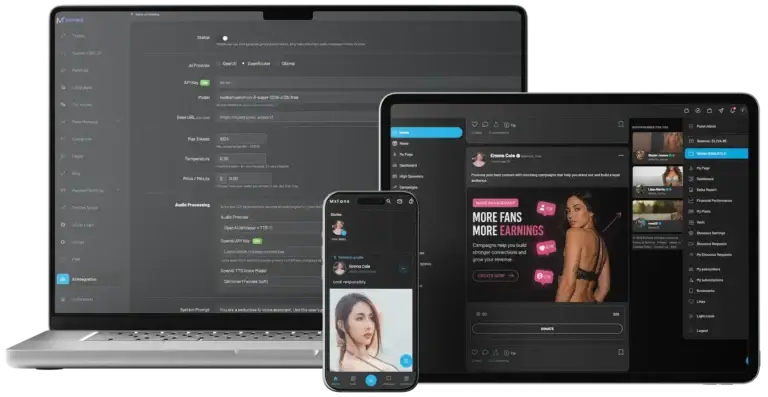
Built for Android, iOS & Web
One platform supports mobile apps, browser access, admin operations, and API-backed client experiences.
Rebrand Freely, Your Name
Your logo, colors, domain, branding, content policy, creator positioning, and market strategy take center stage.
Feature-Rich From Day One
No need to build subscriptions, PPV, messaging, wallet, live streaming, calls, shop, moderation, AI, payments, and admin operations from zero.
The Engine
What Is an OnlyFans Clone Script?
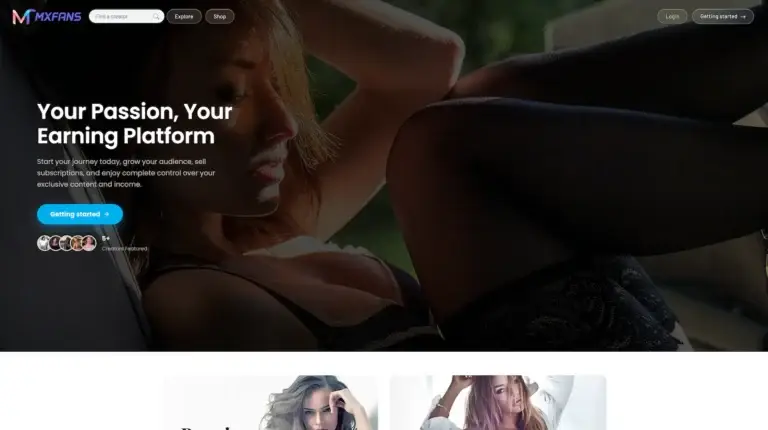
An OnlyFans Clone Script is the source code, backend architecture, database structure, APIs, admin dashboard, and user-facing product experience that powers your branded creator platform.
Instead of building every creator profile, subscription plan, PPV unlock, wallet flow, live session, messaging workflow, media upload, payment gateway, verification process, moderation queue, and admin control from scratch, you start with a production-ready platform foundation.
The product documentation describes a Laravel-based creator economy stack with mobile API parity, web app support, admin operations, broad payment coverage, real-time engagement, AI workflows, moderation, and provider-driven deployment options.
What Becomes Yours
- 01Complete source-code ownership
- 02Unified Fan and Creator App foundation
- 03Web app / PWA experience
- 04Admin panel and backend control
- 05API-ready platform architecture
- 06Rebrandable design and configuration
- 07Customizable monetization and platform rules
- 08Expansion-ready architecture for future modules
An OnlyFans clone app is your shortcut to launching an OnlyFans-style creator subscription platform with proven fan and creator flows, scalable backend, paid content access, subscriptions, chats, tips, payouts, moderation tools, and full source-code ownership – customized around your brand, market, and monetization model.
Control Center
OnlyFans Clone Admin Dashboard - Users, Creators, Content, Payments, Moderation & Settings
A creator monetization platform only becomes commercially useful when it is easy to manage behind the scenes. Miracuves gives you a web-based Admin Dashboard to control fans, creators, subscriptions, PPV content, wallet transactions, creator payouts, live sessions, paid messages, verification workflows, moderation queues, reports, platform commissions, and settings from one place.
This is one of the biggest strengths of the Miracuves OnlyFans Clone: it is not only a unified Fan and Creator App, but also a role-governed operational control center for running a serious creator economy business.
The creator platform integrations supported by our OnlyFans Clone can include payment gateways, wallet flows, live streaming providers, storage providers, AI providers, moderation tools, verification providers, SMS/OTP services, push notifications, and social automation integrations.
Admin Dashboard Features
- 01
User and Creator Management
Manage fan accounts, creator accounts, statuses, profiles, restrictions, verification, and account visibility.
- 02
Verification Review
Review identity verification, business verification, creator approval, age-related workflows, and provider callback status.
- 03
Content Moderation
Monitor posts, media, stories, reels, comments, reports, takedowns, and manual review queues.
- 04
Payment Gateway Configuration
Enable and manage payment providers, wallet funding, subscriptions, transactions, gateway settings, and provider credentials.
- 05
Wallet, Payout and Withdrawal Controls
Track creator balances, wallet movements, withdrawal requests, payout status, transaction records, and reconciliation workflows.
- 06
Subscription and PPV Management
Monitor subscriptions, locked content, PPV purchases, expired access, renewal status, and premium content entitlements.
- 07
Live, Calls and Real-Time Oversight
Review live sessions, private requests, audio/video call records, viewer activity, and engagement history.
- 08
Messaging and Audience Tools
Manage message templates, mass messages, custom lists, reports, blocked users, and abuse signals.
- 09
Branding and Platform Settings
Control logo, colors, domain settings, CMS pages, feature visibility, user limits, payment rules, and platform presentation.
- 10
Analytics and Reports
Track revenue, creator performance, engagement, content activity, withdrawals, reports, subscriptions, and operational health.
- 11
Commission, Revenue and Platform Fee
Manage creator subscriptions, PPV unlocks, tips, gifts, paid messages, live sessions, calls, shop orders, campaigns, and promotional placements.
- 12
Policy, Abuse and Account Governance
Control over reports, restrictions, blocked users, suspicious activity, account status, content flags, and creator/fan policy enforcement.
Web App / PWA Frontend
Support browser-based creator platform access, creator profiles, premium content discovery, subscriptions, wallet flows, paid messaging, PPV unlocks, and fan engagement workflows for both mobile-first users and desktop audiences.
- Browser-based creator profile and premium content access
- Subscription, PPV, wallet, tips, gifts, and checkout flows
- Messaging, notifications, creator discovery, and fan engagement views
- Lightweight web access for fans, creators, agencies, and support teams
Mobile Apps (Android & iOS)
Control mobile app version logic, update behavior, feature availability, creator monetization modules, and region-based app settings centrally.
- Version and update management for Android and iOS
- Mandatory vs optional updates for users
- Feature flags to enable or disable modules per platform
- Region-wise availability, content rules, and market-specific workflows
04Package scope and its price
Deliverables
What's Included - OnlyFans Clone Source Code, Mobile Apps & Rollout
When you choose the Miracuves OnlyFans Clone App, you don’t just get a single mobile app – you get a complete white-label creator monetization platform stack with the core components required to launch, manage, and scale a creator economy business across fan engagement, creator monetization, content operations, payments, moderation, and admin control.
The scope spans unified mobile apps, web app/PWA, APIs, admin dashboard, creator tools, fan workflows, payment integrations, media management, live engagement, AI workflows, and platform governance.
Android App
Branded Android app with unified Fan and Creator access for content discovery, subscriptions, PPV unlocks, wallet spending, creator posting, messaging, and live engagement.
- Fully branded Android app for your users
- Unified fan browsing and creator monetization journeys
- Play Store-ready build with icon, splash, and branding
iOS App
Feature-parity iOS app experience for Apple users with fan access, creator tools, premium content workflows, wallet actions, and real-time engagement.
- Same core fan and creator features as Android
- Subscription, PPV, messaging, wallet, and live engagement flows
- App Store-ready build with your brand assets
Web App / PWA
Browser-based creator platform access for users who prefer desktop, web, or shareable profile experiences.
- Web-based creator profiles, premium content, and fan access
- Subscription, PPV, wallet, tips, gifts, and checkout flows
- Optional browser-based install experience depending on deployment scope
Admin Panel
A central control layer for fans, creators, content, payments, verification, moderation, payouts, reports, platform commissions, and settings.
- Central command center for creator platform operations
- Manage fans, creators, subscriptions, PPV, wallet, and payouts
- Role-based access with operational visibility and governance
APIs & Integration Layer
Secure APIs and integration flexibility for mobile apps, web app, admin panel, payments, media, live streaming, AI, notifications, verification, and moderation providers.
- Secure APIs for mobile, web, creator, and admin layers
- Payment gateways, wallet, email, SMS, push, analytics, and storage integrations
- Live streaming, AI, verification, and moderation integration support
Theme & Brand Setup
Your app name, logo, colors, splash screens, visual identity, landing pages, creator marketplace positioning, and localized presentation.
- App name, logo, splash screens, and color theme
- Fonts, icons, banners, page assets, and marketing creatives
- Language, region, content category, and brand settings tuned to your market
Deployment & App Store Publishing Support
Cloud setup, launch configuration, provider setup support, mobile build preparation, app-store submission support, documentation, and handover.
- Server/cloud setup on your preferred provider
- Assistance with Play Store and App Store listings
- Technical docs, walkthrough, credentials handover, and deployment support
Help Once You Launch
Bug fixes, configuration assistance, update guidance, and options for extended maintenance after launch.
Use Cases
Real-World Use Cases for an OnlyFans-Style Creator Subscription Platform
An OnlyFans Clone App is not just another creator content app. It is a flexible creator monetization infrastructure layer that can support multiple business models, creator categories, audience segments, and market strategies across subscriptions, PPV content, private messaging, live engagement, creator commerce, and premium fan communities. Miracuves OnlyFans Clone specifically combines a unified Fan and Creator App, subscription access, paid content unlocks, creator profiles, wallet payments, messaging, live sessions, shop workflows, moderation, verification, and admin controls, which makes it useful far beyond a simple fan content platform.
Launch a branded platform where creators sell recurring access to exclusive content.
- Creator profiles and subscription plans
- Premium posts, media, and locked content
- Fan wallet and recurring billing flows
Build a platform where users unlock individual posts, messages, media, or premium experiences.
- PPV posts and locked media
- Paid messages and unlockable content
- Transaction records and admin monitoring
Run a business where managers operate creator accounts, messages, content, and monetization workflows.
- Manager access and permission scopes
- Creator analytics and fan segmentation
- Mass messaging, templates, and scheduled communication
Offer paid live streams, private sessions, audio calls, and video calls.
- Public and private live streaming
- Monetized audio/video calls
- Live comments, likes, and session history
Let creators sell digital products, physical products, custom services, or premium bundles.
- Shop and product modules
- Campaigns, gifts, coupons, and purchases
- Creator storefront and wallet flows
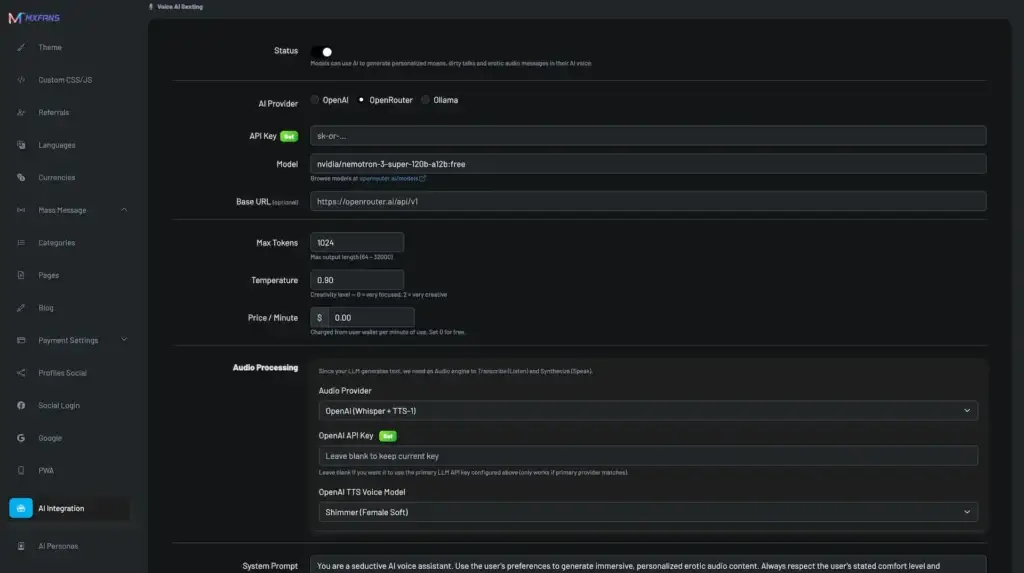
Use AI personas and AI-assisted workflows to create new creator-fan engagement models.
- AI personas and AI sessions
- Multi-provider AI integration options
- AI preferences and automation support
An OnlyFans-style platform can be adapted across creator subscriptions, fan memberships, influencer agency operations, PPV content businesses, live engagement platforms, creator commerce, and premium community use cases – giving operators a practical foundation to launch, validate, and scale faster.
Book a Free Strategy Call06Under the hood
Step-by-Step Process
How the OnlyFans Clone Works - Unified User Flow, Creator Monetization & Handling Payments
A modern creator monetization platform feels simple for fans and creators, but it operates on a structured system of user access, creator verification, premium content rules, subscriptions, PPV unlocks, wallet payments, messaging, live engagement, moderation checks, and backend control systems behind the scenes.
User Journey - From Sign-Up to First Creator Payment
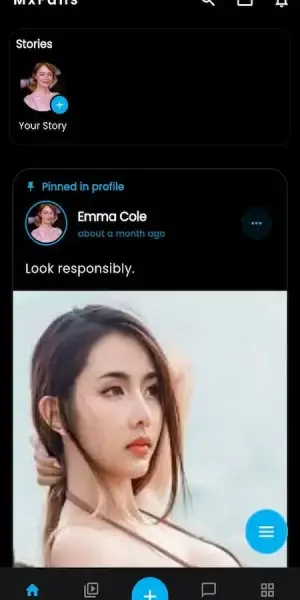
 1User Registers in the Unified App
A user creates an account through email, phone OTP, or social login.
- Profile and login records are created
- User starts as a fan by default
- Verification and creator settings can unlock creator capabilities
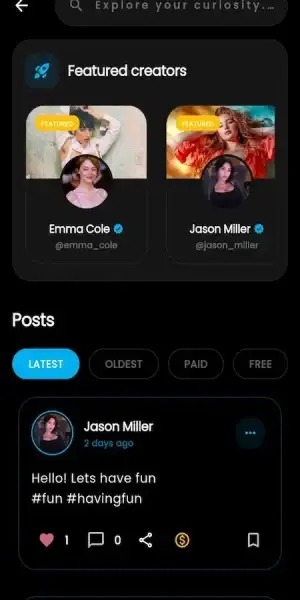
- 2Fan Discovers Creators
Fans browse creators, profiles, content previews, stories, reels, categories, and search results.
- Public creator profile pages
- Free and premium content previews
- Follow, bookmark, subscribe, or purchase actions
- 3Fan Pays for Access
Fans subscribe, unlock PPV posts, fund wallet, send tips, buy gifts, purchase products, or join premium sessions.
- Subscription and PPV entitlement checks
- Wallet and gateway-based payment flows
- Transaction records for audit and reporting
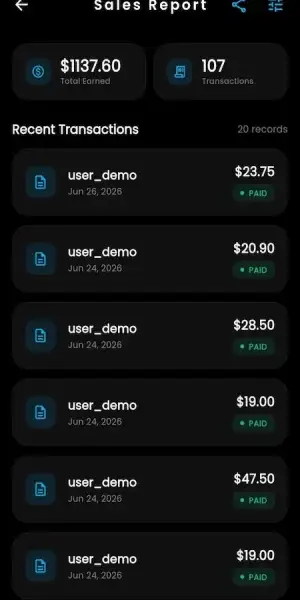
- 4Creator Publishes and Monetizes
A verified creator publishes posts, stories, reels, premium media, live sessions, products, or AI-driven engagement.
- Content upload and moderation workflows
- Pricing, subscription, PPV, tips, and shop controls
- Creator analytics and fan engagement tools
- 5Creator Engages Fans
Creators use messaging, live streaming, paid calls, custom lists, mass messages, templates, and campaigns.
- Direct fan communication
- Live and private session monetization
- Automated or scheduled audience outreach
- 6Admin Monitors Platform Operations
The operator manages verification, content reports, payments, withdrawals, settings, moderation, and analytics.
- Admin dashboard visibility
- Trust, safety, and financial oversight
- Platform configuration and reporting
Creator Flow
Admin Flow
Platform & Tech Flow
OnlyFans Clone Platform Architecture & Server Request Path
- Layer 01
Identity and Access Flow
The backend manages registration, login, social auth, phone OTP, 2FA, sessions, devices, roles, and permission-based access.
- Layer 02
Creator Enablement Flow
Creator tools are enabled through profile configuration, verification status, creator settings, business verification where needed, and operator-defined rules.
- Layer 03
Content and Media Flow
Posts, media, stories, reels, vault items, files, and premium assets are uploaded, validated, stored, moderated, and linked to access rules.
- Layer 04
Monetization Flow
Subscriptions, PPV, wallet credits, tips, gifts, products, campaigns, live access, calls, and AI billing generate transaction records and entitlement updates.
- Layer 05
Real-Time Engagement Flow
Messaging, live comments, stream states, call sessions, group chats, and notifications use real-time provider integrations and backend state tracking.
- Layer 06
Admin and Reporting Flow
Admin services monitor user state, content state, payment activity, withdrawal requests, reports, moderation, verification, provider settings, and analytics.
More Creator Platforms
Building in the Creator Economy? Our Lineup Covers Every Segment.
An OnlyFans clone is a creator monetization platform where fans subscribe for exclusive content, private interaction and premium media. If your roadmap runs past fan subscriptions, these are the neighbouring models we build.
 01
01A Patreon clone is a membership platform where fans back creators on recurring tiers, with posts, perks and community access behind each tier.
Explore Solution 02
02A Thrillz clone is a fan-request platform where audiences pay talent for personalised video shoutouts and one-to-one interactions.
Explore Solution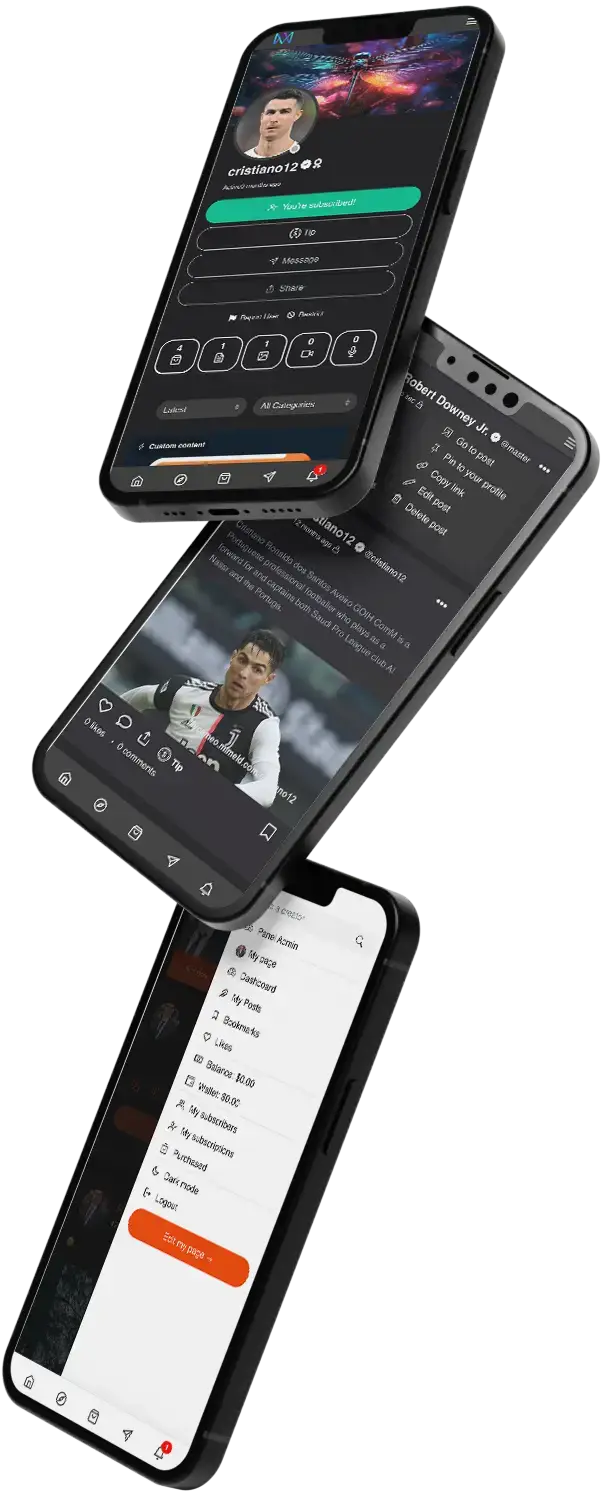 03
03A Cameo clone is a personalized celebrity video platform where users can request paid shoutouts from actors, creators, athletes, and influencers.
Explore Solution 04
04The same platform without the brand framing: subscriptions, pay-per-view, paid messaging and live sessions, delivered entirely under your own name.
Explore Solution11Learn more
Blog & Resources
OnlyFans Clone App - Latest Further Reading
Stay updated with the latest trends, guides, and case studies on creator economy platforms, fan monetization, subscription-based content apps, paid messaging, PPV content, live engagement, AI creator tools, and white-label OnlyFans Clone development.