


















Relied On by 6,000+ Companies Worldwide







01See it live
Live in Action
ChowNow Clone Demo - Ordering Site, Restaurant Panel, Console & Android
Each screen listed here is the finished build, running on live infrastructure. Act as a diner on the storefront and place an order, then switch over to the restaurant panel and see that same order show up there. None of it is a mockup, or a recording of one.
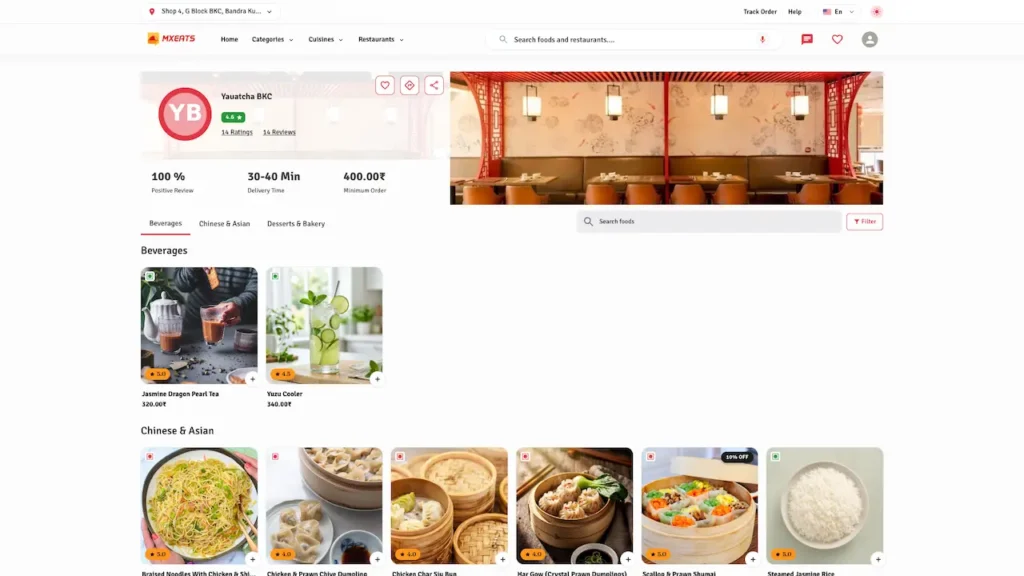
ChowNow Clone - Branded Ordering, Cart & Repeat Orders
What a restaurant customer sees. They land on an ordering site carrying the restaurant brand rather than a marketplace brand, build an order with sizes, extras and allergen notes, pay by card, wallet or cash, and choose to have it now or at a time that suits them. Regulars put a weekly order on autopilot.
- 1Browse to the web storefront
- 2Log in with the customer login shown below
- 3Explore: Cart, Checkout, Rewards, Repeat Orders
user@demo.com | User_321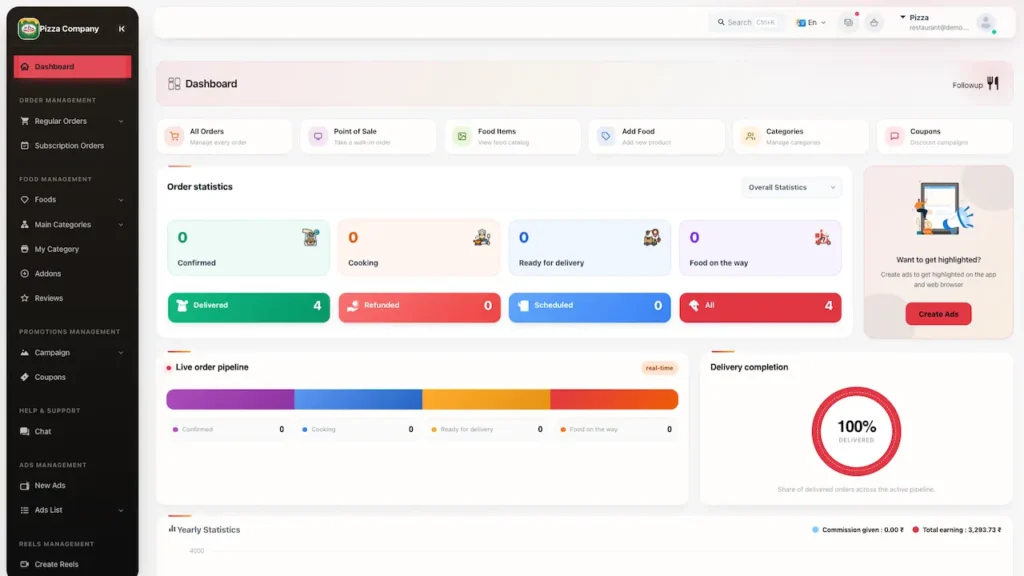
ChowNow Clone - Menus, Orders, Till & Statements
The side a restaurant owner actually lives in, and the one that decides whether they renew. They edit their own menu, set their own hours and holidays, accept and prepare orders, ring a counter sale through the built-in till, and can see precisely what they are owed and when it lands. No phone call to you to change a price.
- 1Go to the store panel in a browser
- 2Enter the store credentials listed below
- 3Explore: Orders, Menu, POS, Statements
restaurant@demo.com | Restaurant_$321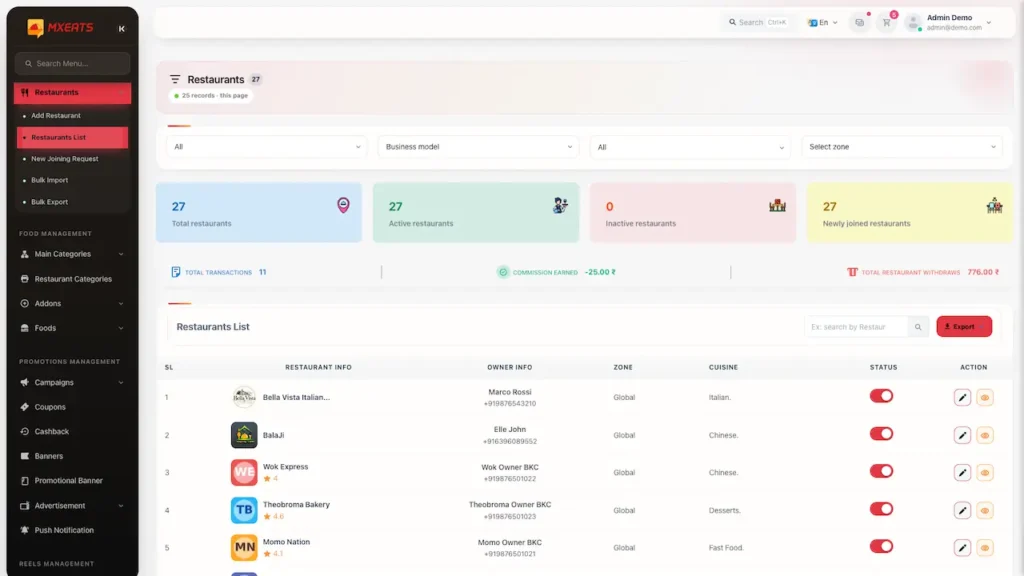
ChowNow Clone - Plans, Billing, Onboarding & Payouts
Your side of the business. Build the monthly packages you sell, decide what each one unlocks, onboard a restaurant and put it on a plan, and watch recurring billing run itself. Commission stays available for the partners who prefer it, with per-restaurant overrides.
- 1Visit the admin console in a browser
- 2Log in with the operator credentials shown below
- 3Explore: Plans, Billing, Onboarding, Payouts
admin@demo.com | Admin_$321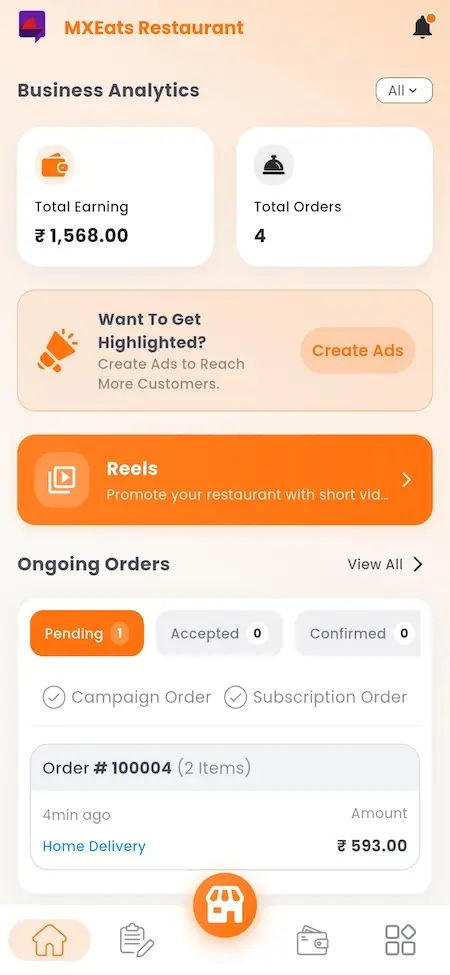
ChowNow Clone - Diner, Store & Delivery Apps
Android ships as three separate builds. Each is a standalone application with separate permissions and a separate release path. The delivery build is relevant only if you run riders; restaurants whose own staff carry the orders, or that take collection orders only, never open it.
- 1Grab the build you would like to test
- 2Load it onto an Android phone
- 3Sign in with the credentials listed here
delivery1@demo.com / +919876543201 | Delivery_$321Seen in Motion
ChowNow Clone Video Demo: Plans, Branded Ordering & the Restaurant Panel
This walkthrough covers the pieces that a restaurant-first platform depends on, not a reel of features. It opens in the console, where a monthly package is built, its unlocks are chosen and a restaurant is placed on it; commission stays available for partners who prefer it. From there it moves to the ordering surface that belongs to that restaurant, which carries their name instead of a marketplace name: a diner customizes dishes with sizes and extras, redeems a reward, then pays. The order shows up both in the restaurant panel and at its ticket printer, while a sale made at the counter through the built-in till sits beside it, so walk-in trade ends up in the same books. To close, the console is reopened on those same records, showing the plan charge being billed each cycle, a self-explanatory payout statement, and the customer record remaining exactly where it belongs. If one stretch of that sequence matters most to you, we can walk through it on a call, with real data loaded.
Book a Free Strategy CallAll Screens Laid Out
ChowNow Clone App Flows - Diner, Restaurant, Rider & Console
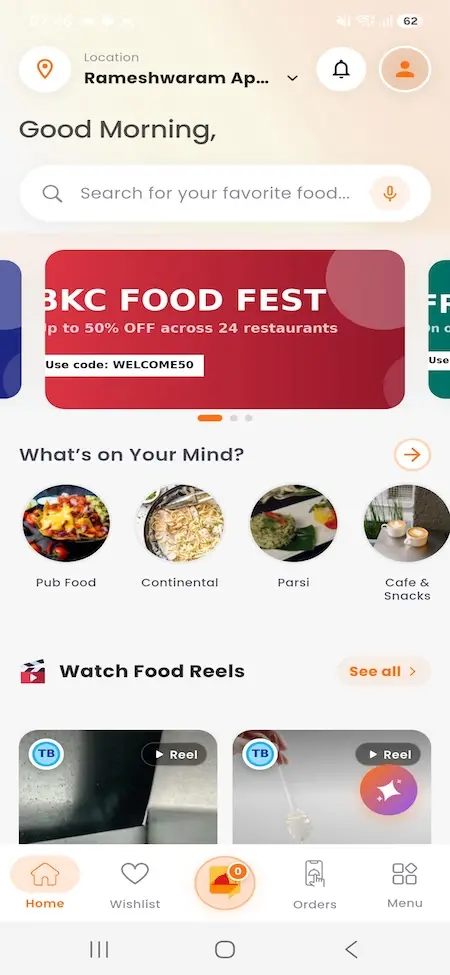
Below are all the screens that diners, restaurants and riders will really use. Most of the weight on this page sits with the restaurant side, which has an order board, a menu editor covering allergen notes, add-ons and variations, a till covering phone and counter orders, staff logins, opening hours and holidays, plus a payout history showing each charge and the date the money arrives. For diners there are dish pages and a branded ordering surface, and a checkout that supports a scheduled slot, collection or delivery, along with the wallet that backs rewards and coupons. Riders get screens only if you run riders: a running cash total, the delivery code and assigned jobs.
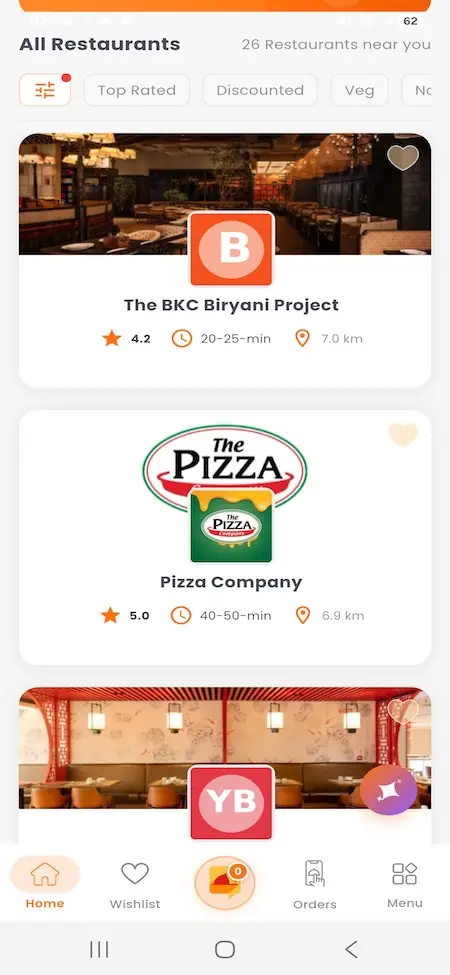
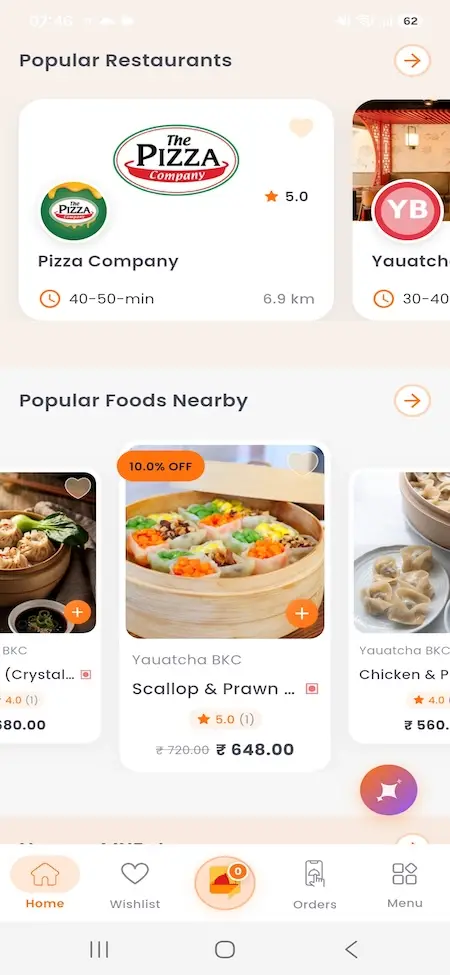
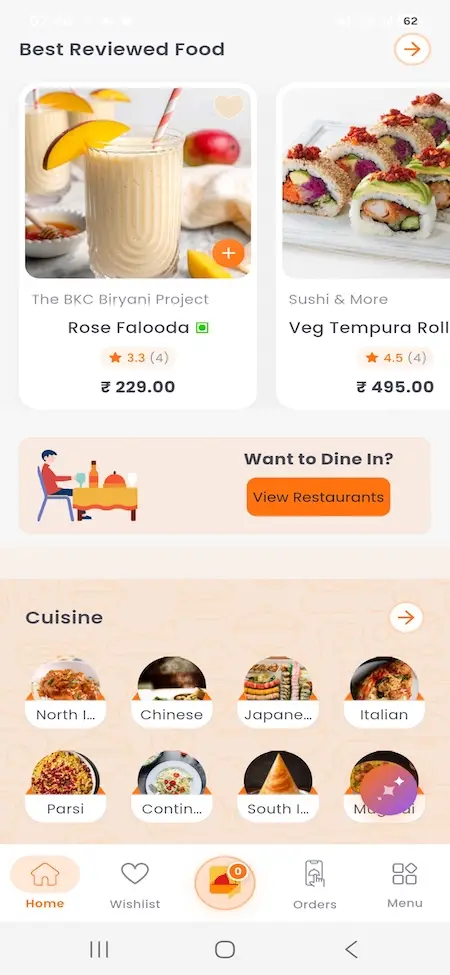
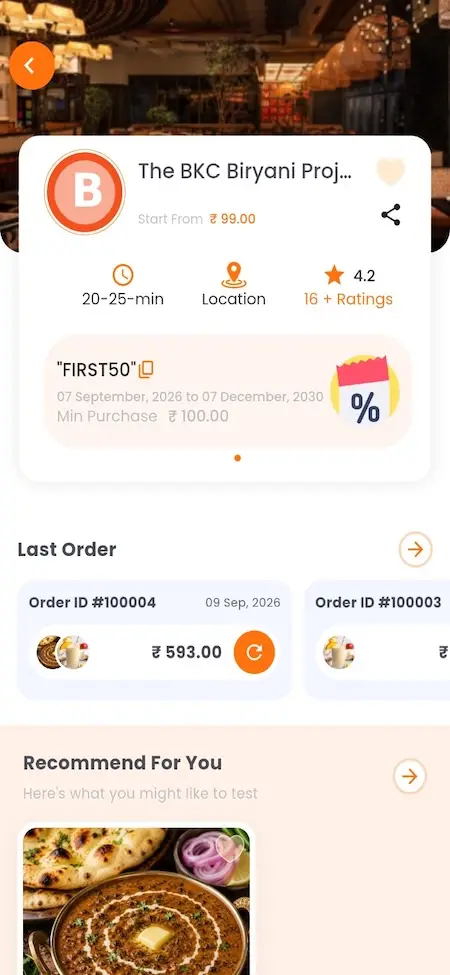
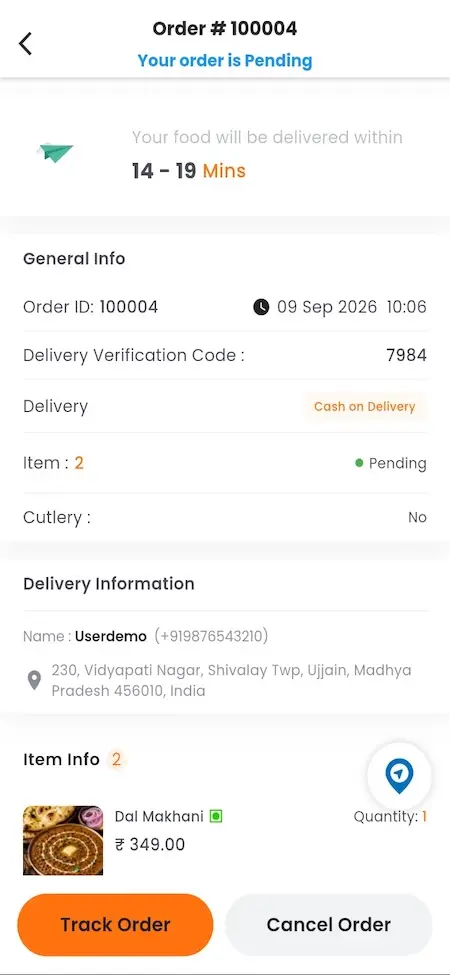
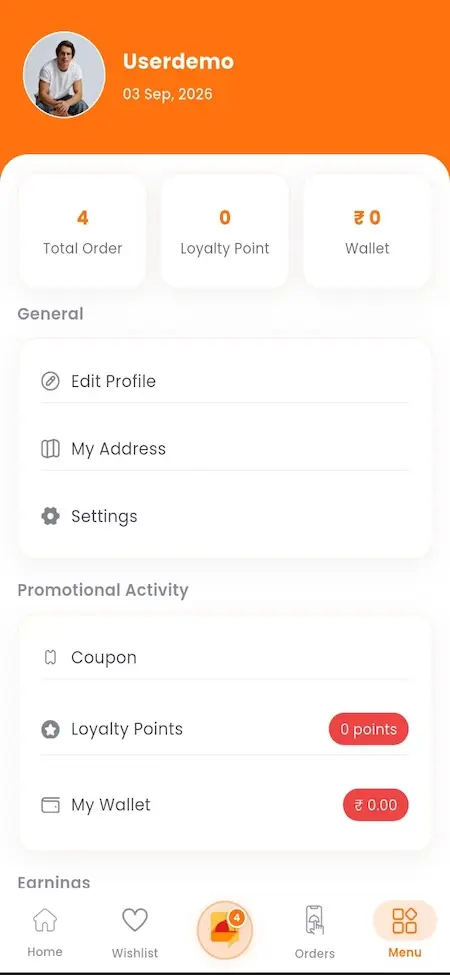
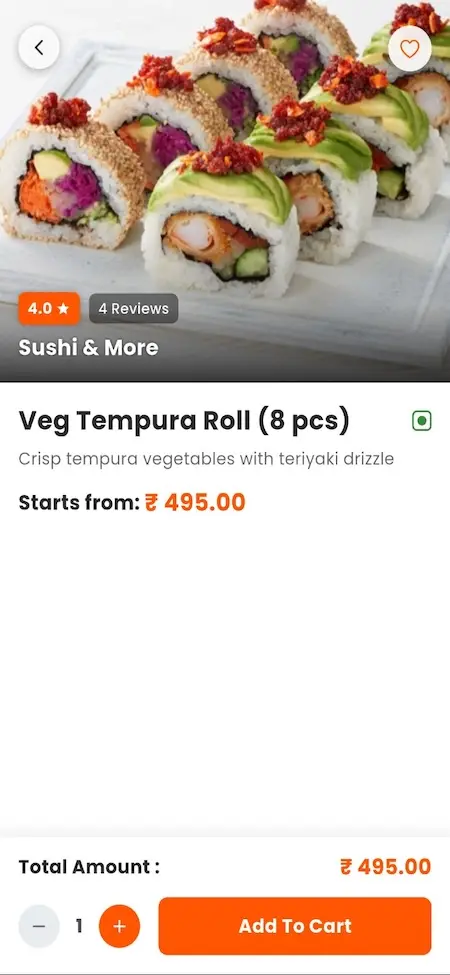
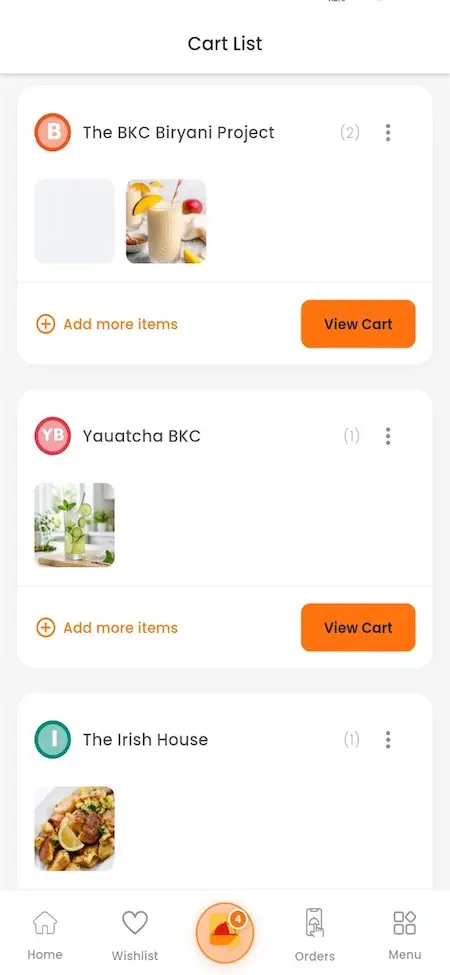
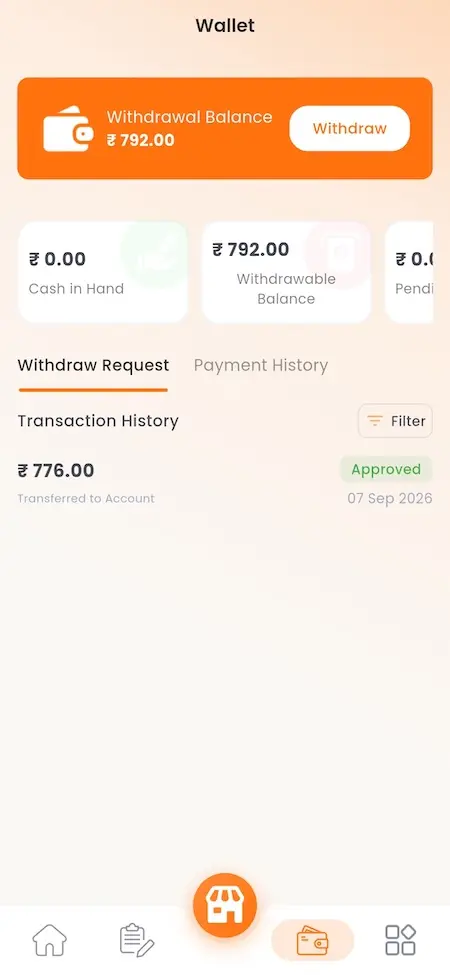
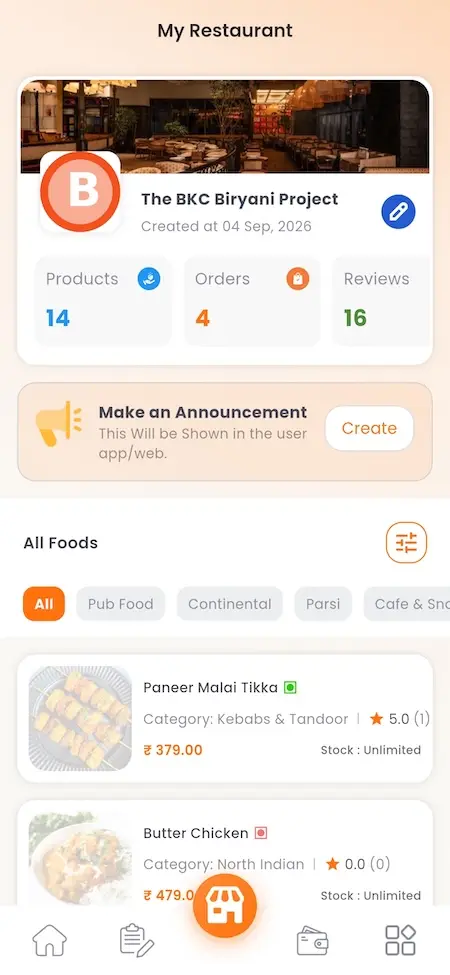
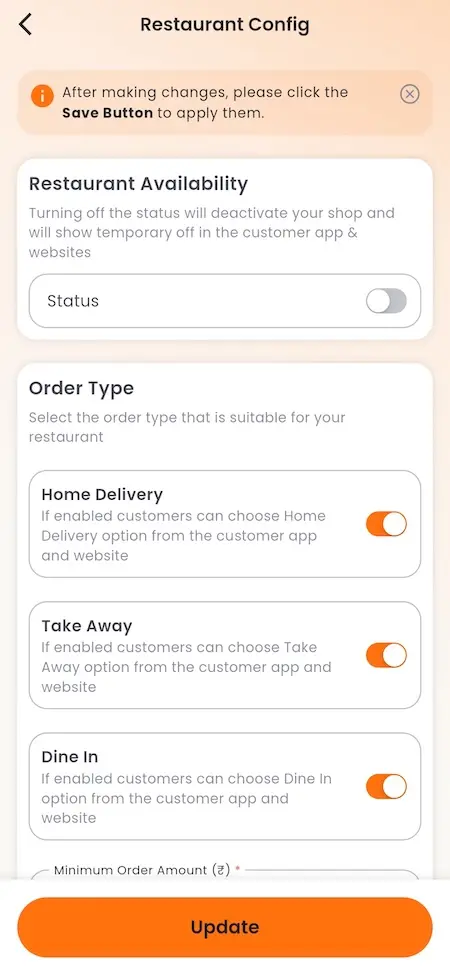
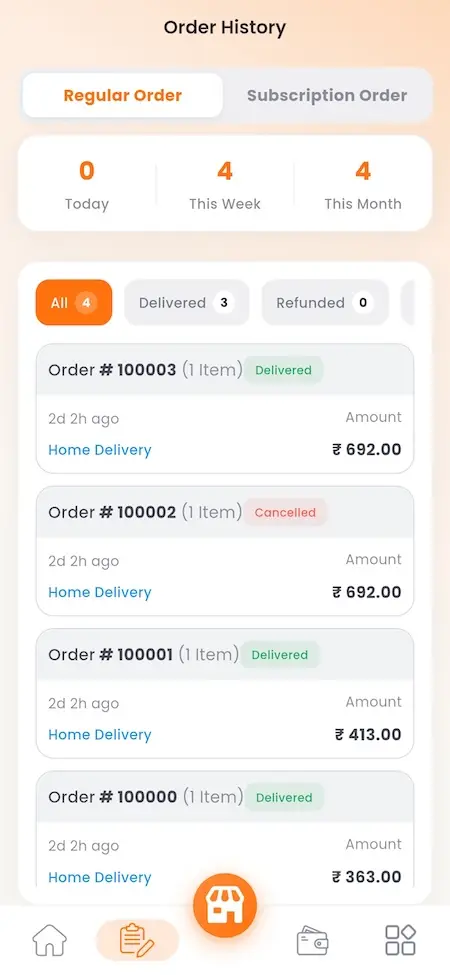
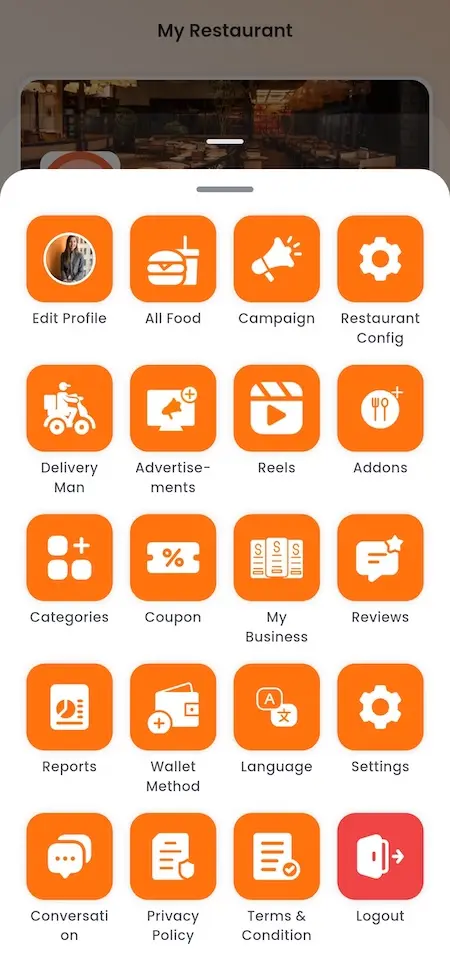
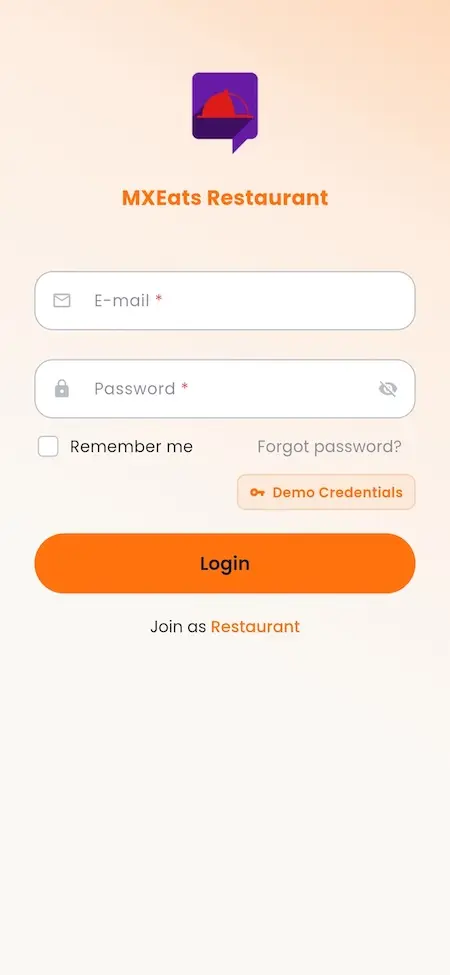
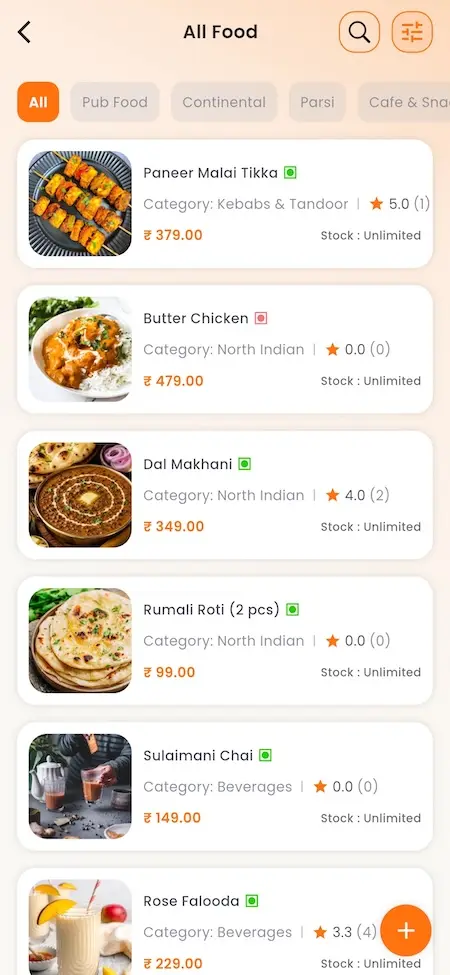
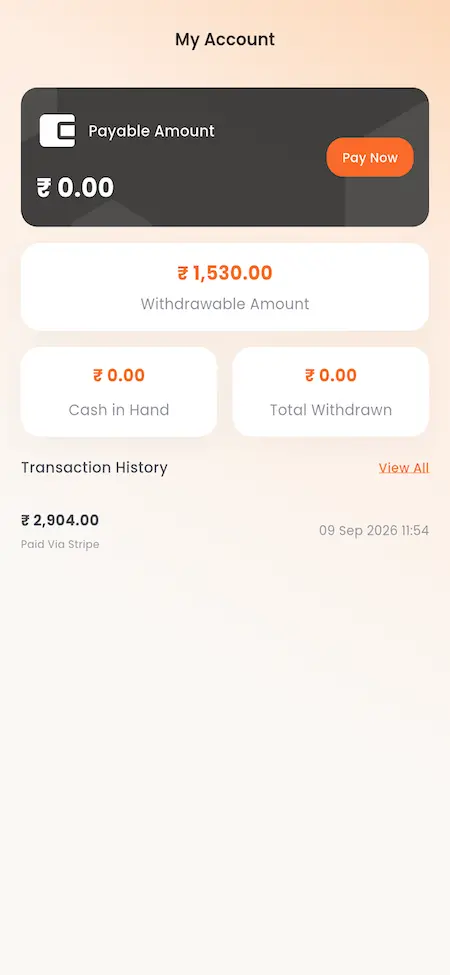
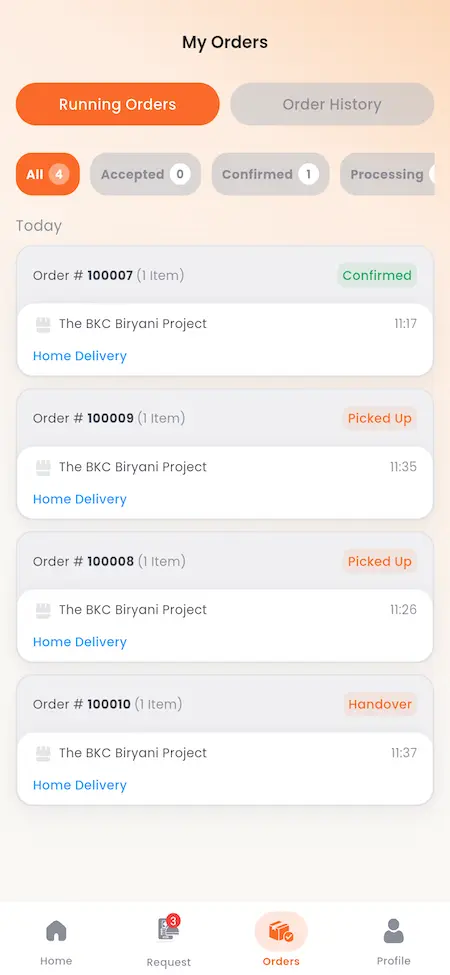
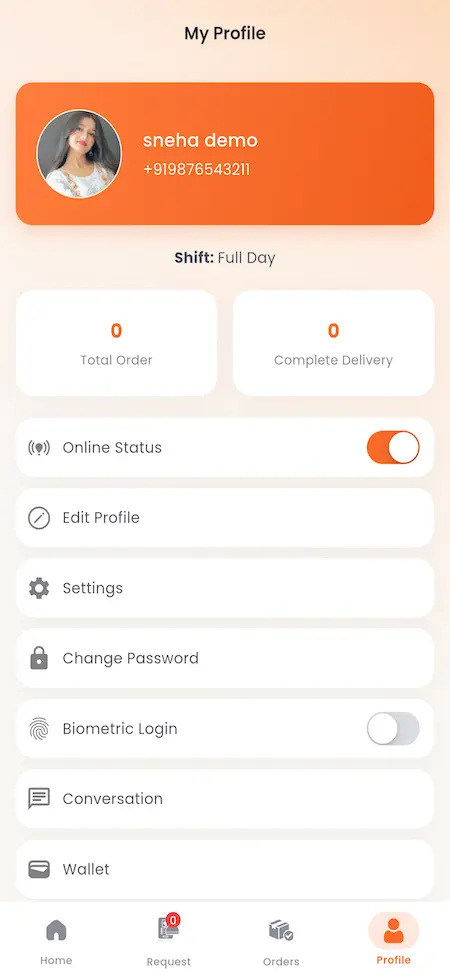
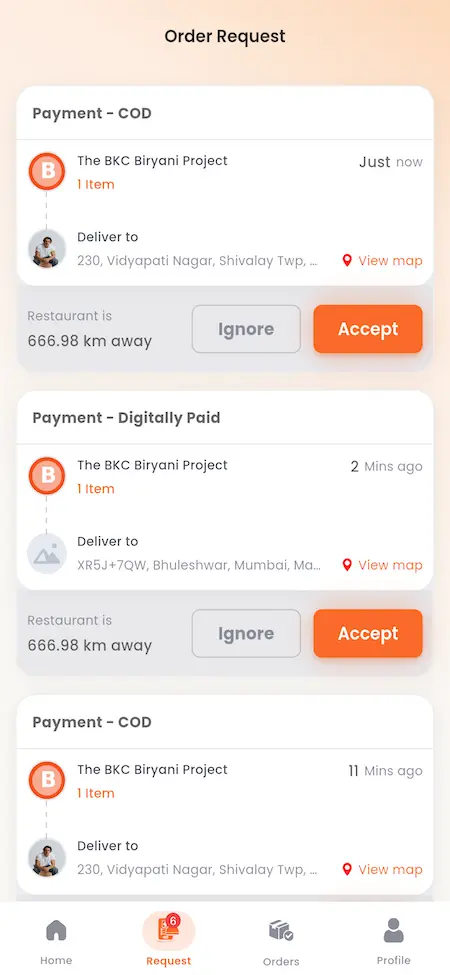
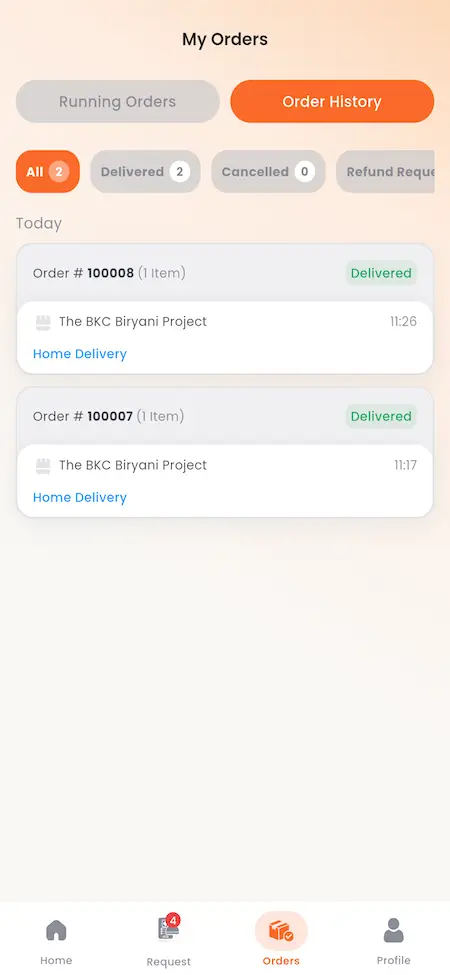
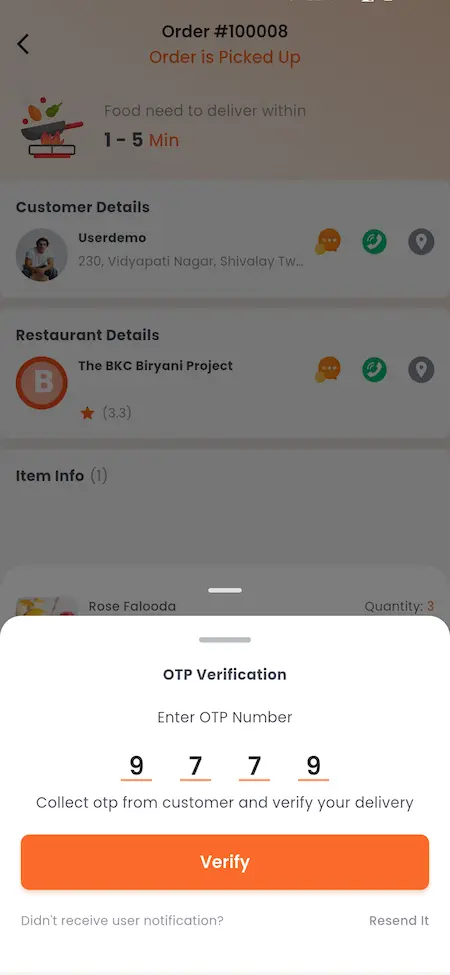
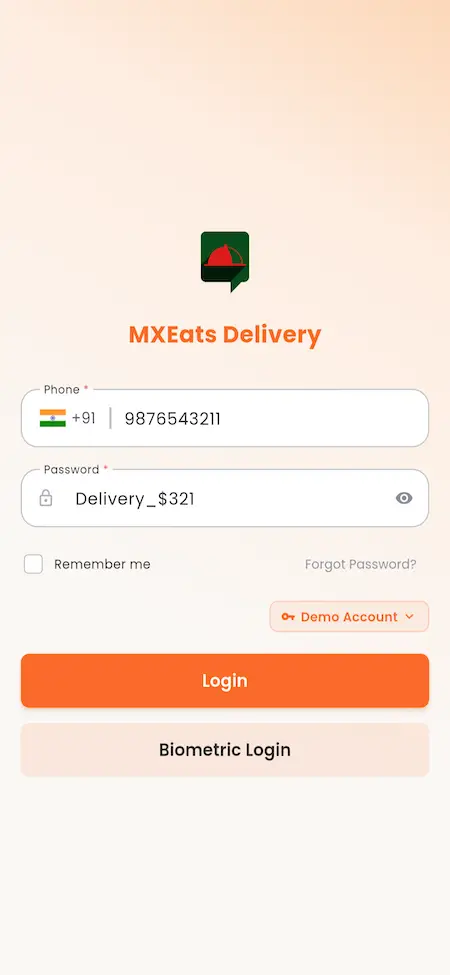
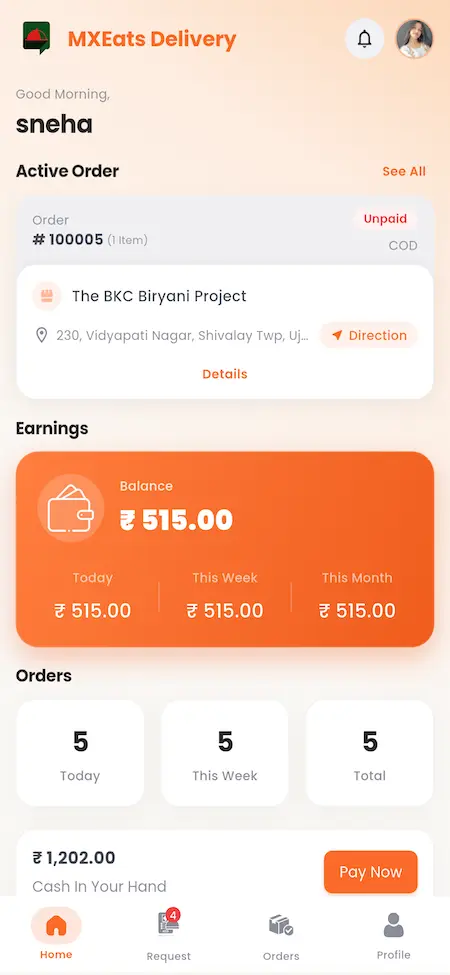
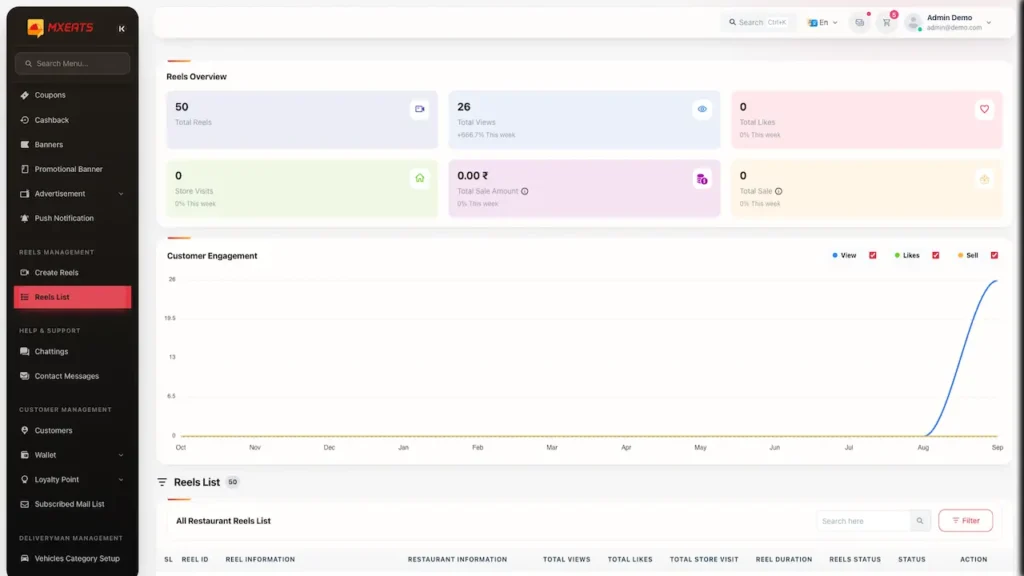
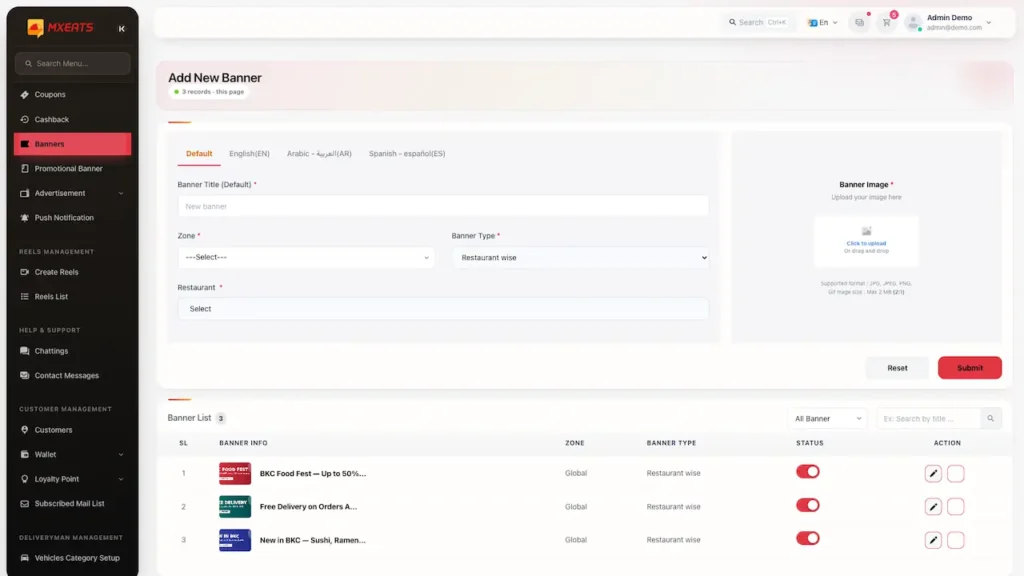
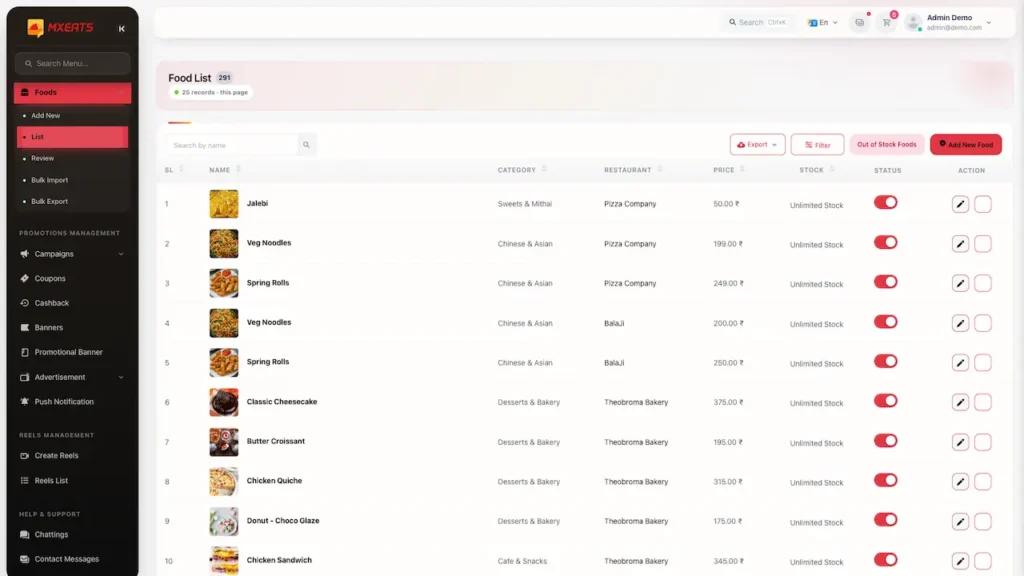
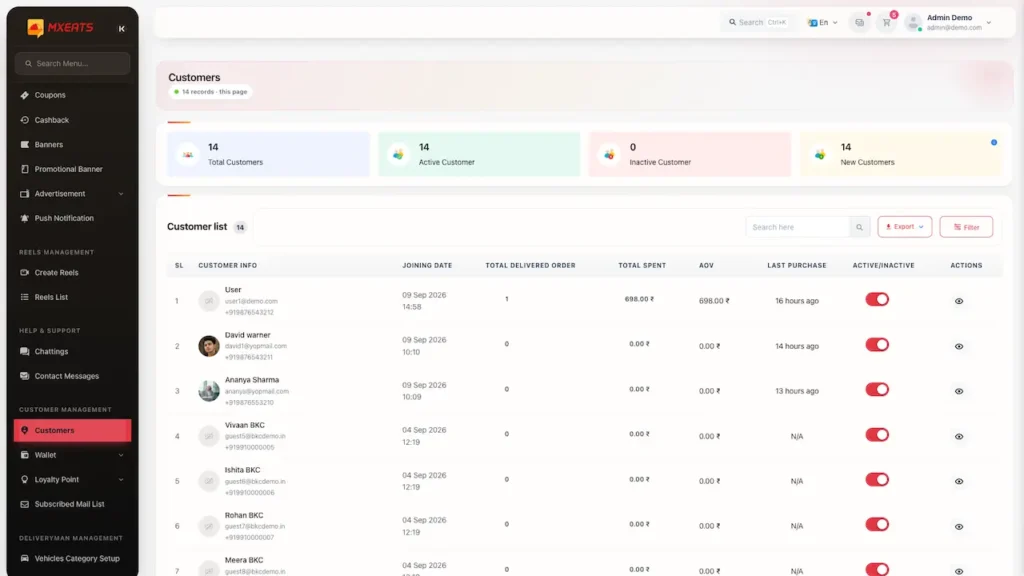
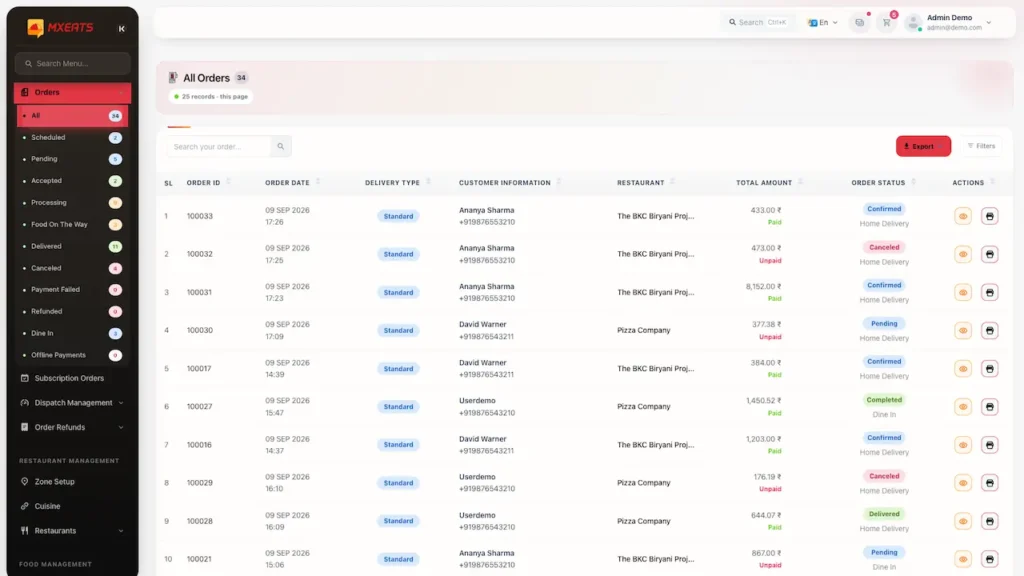
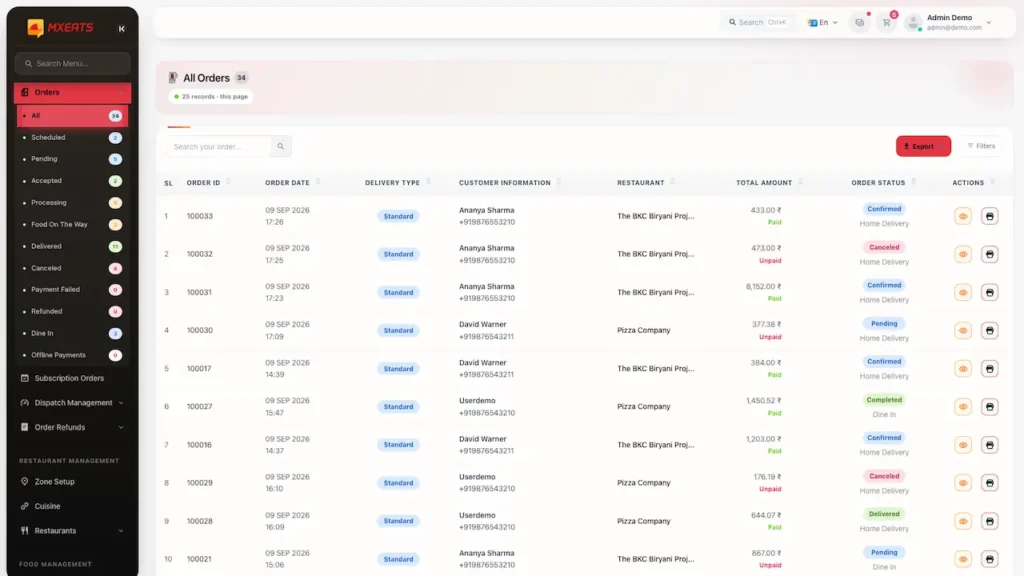
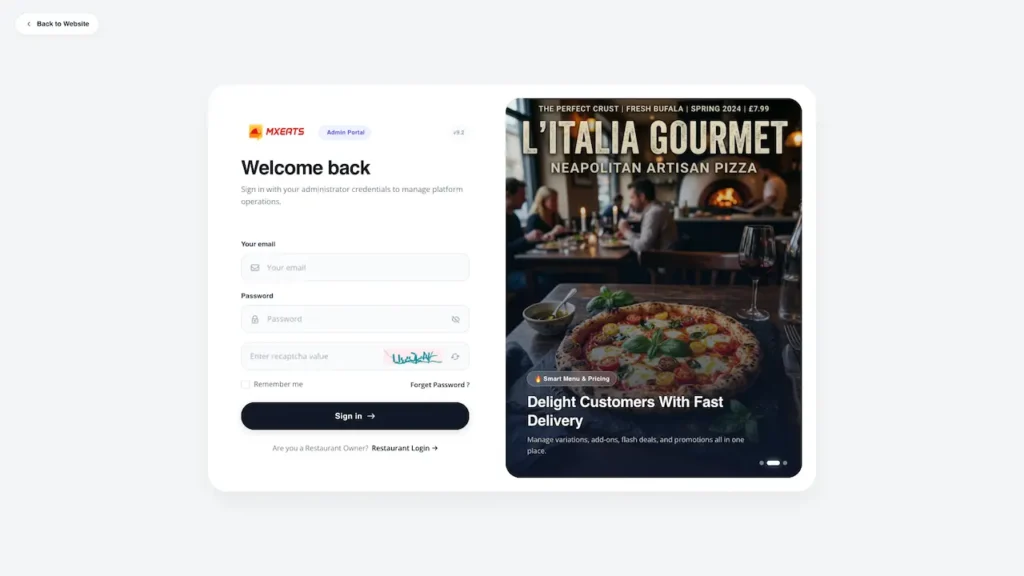
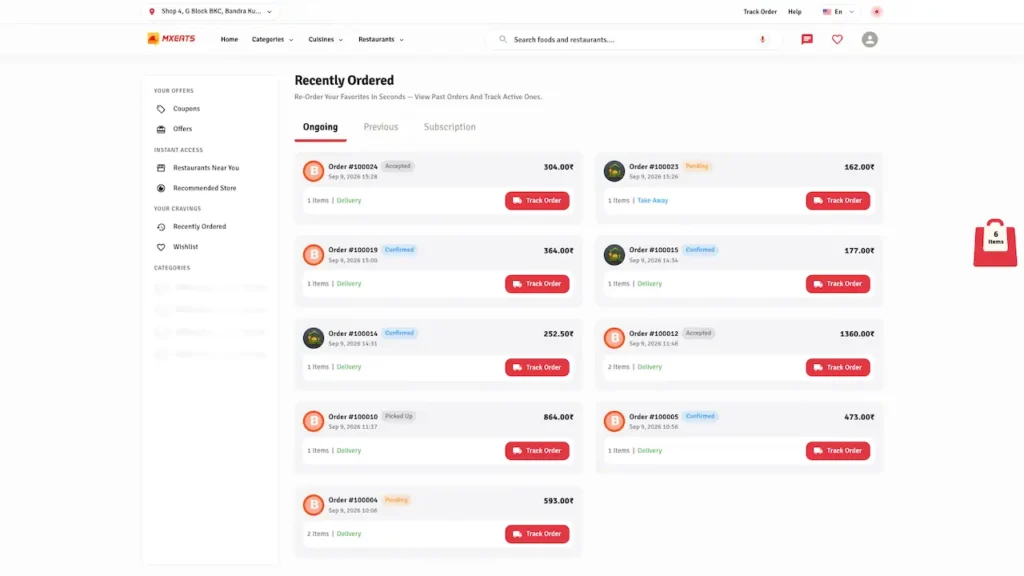
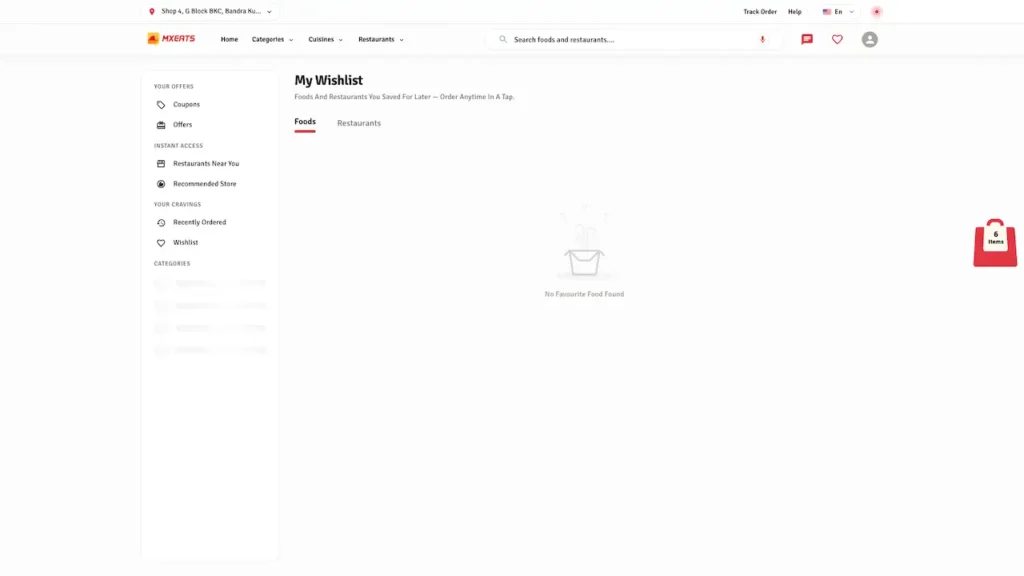
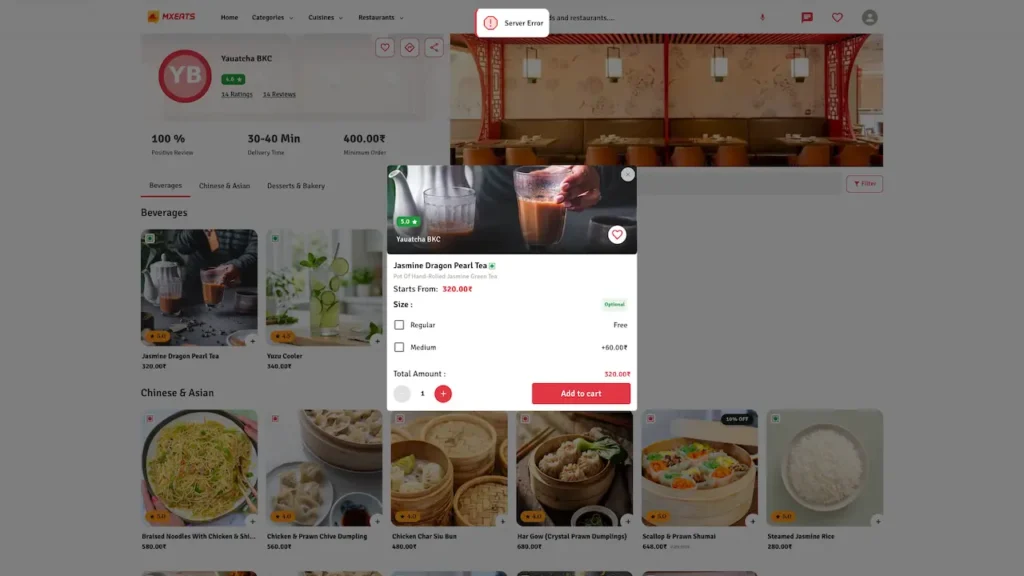
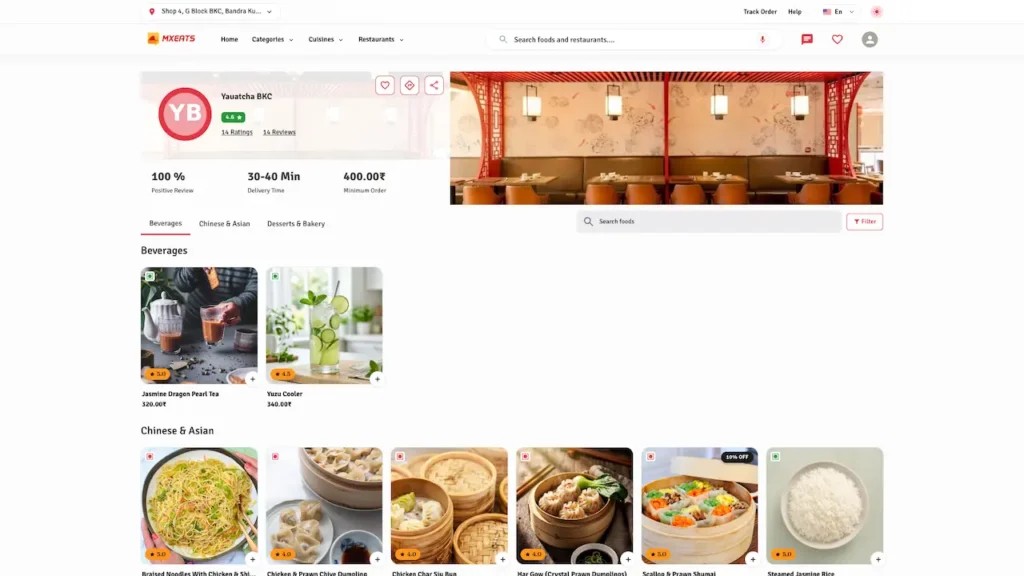
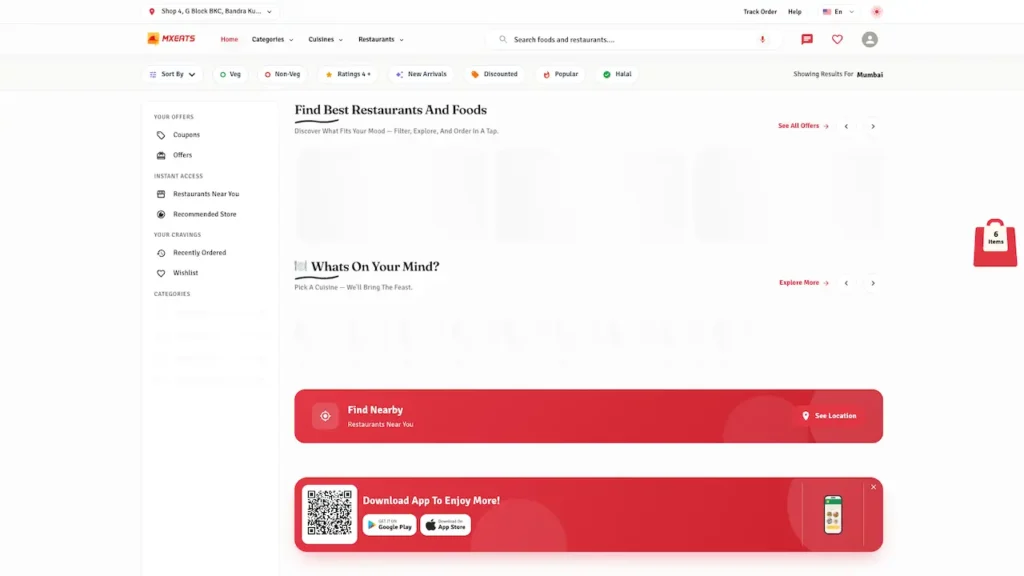
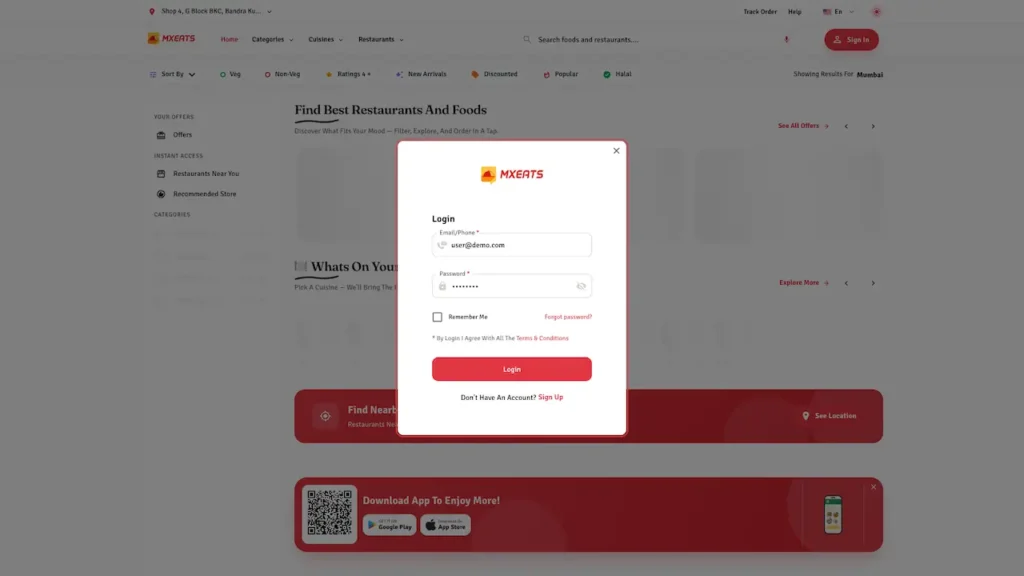
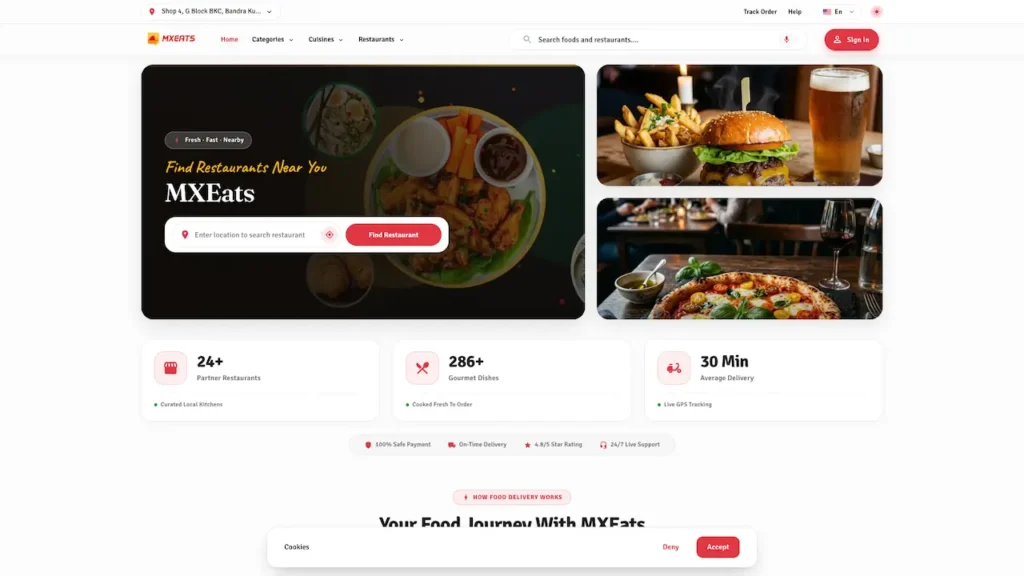
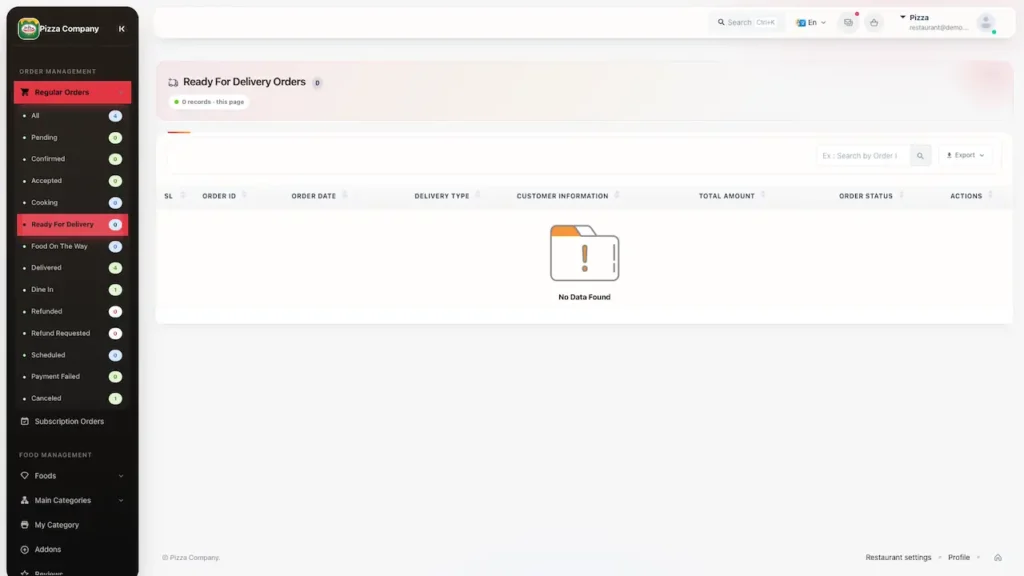
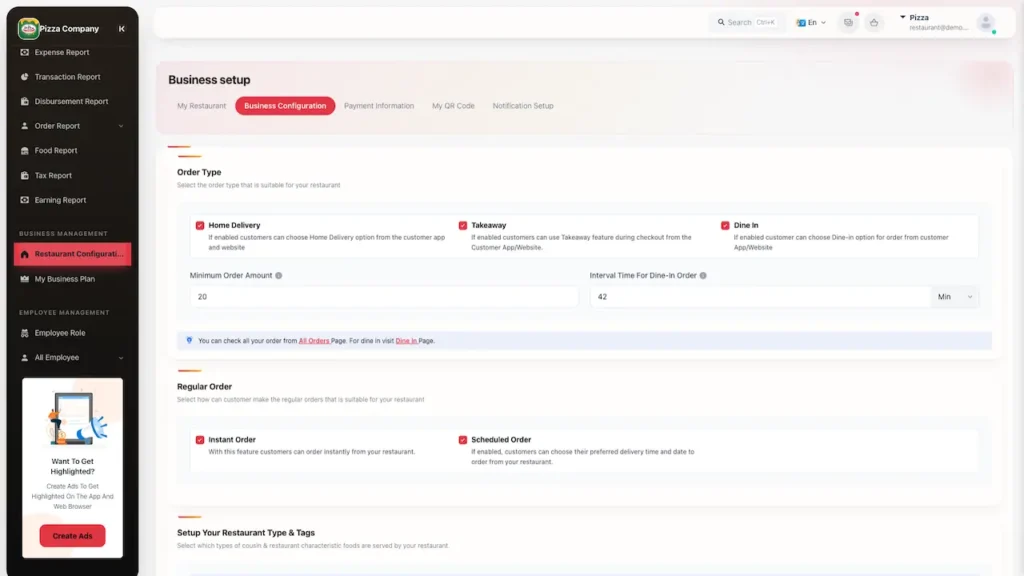
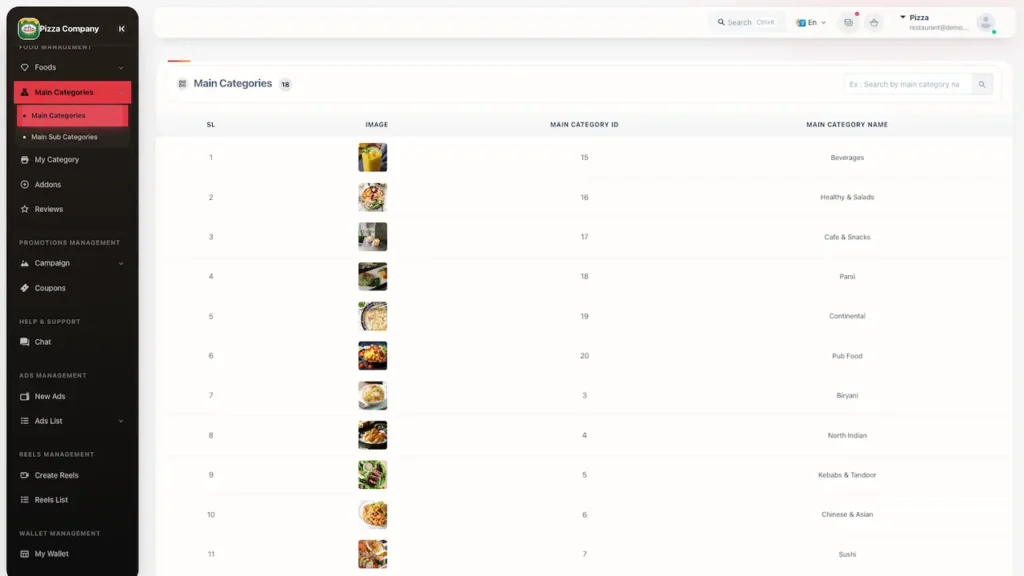
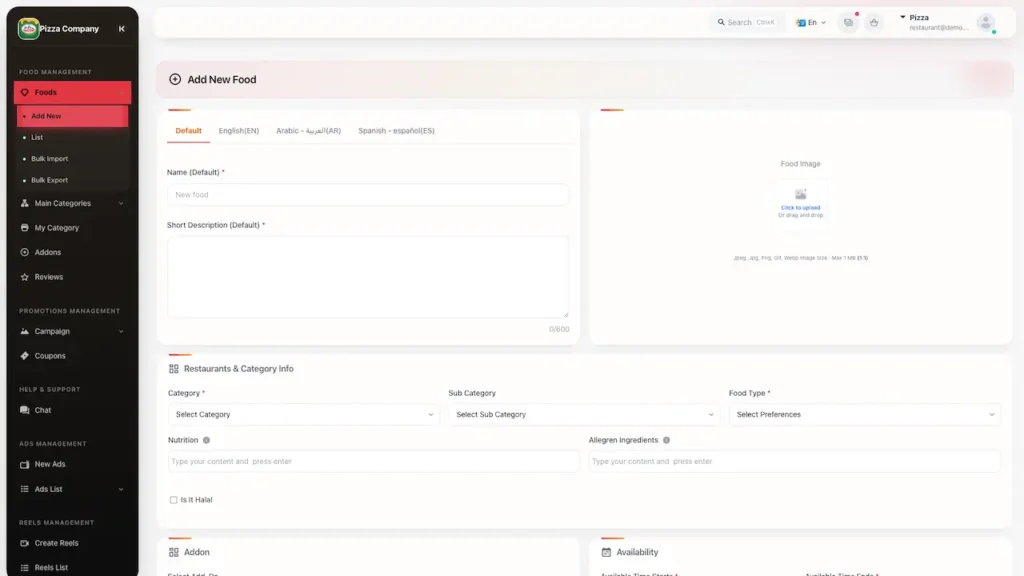
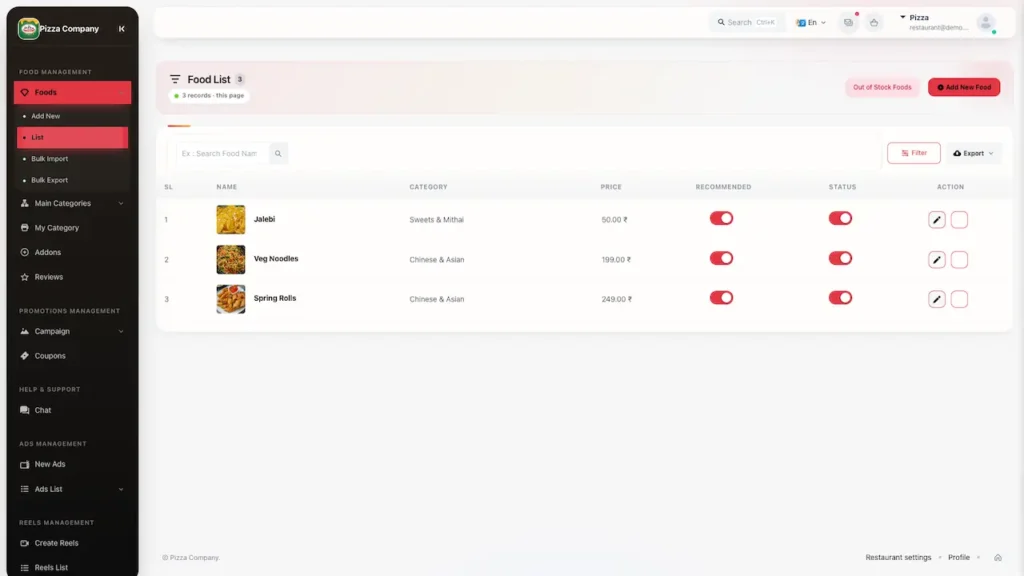
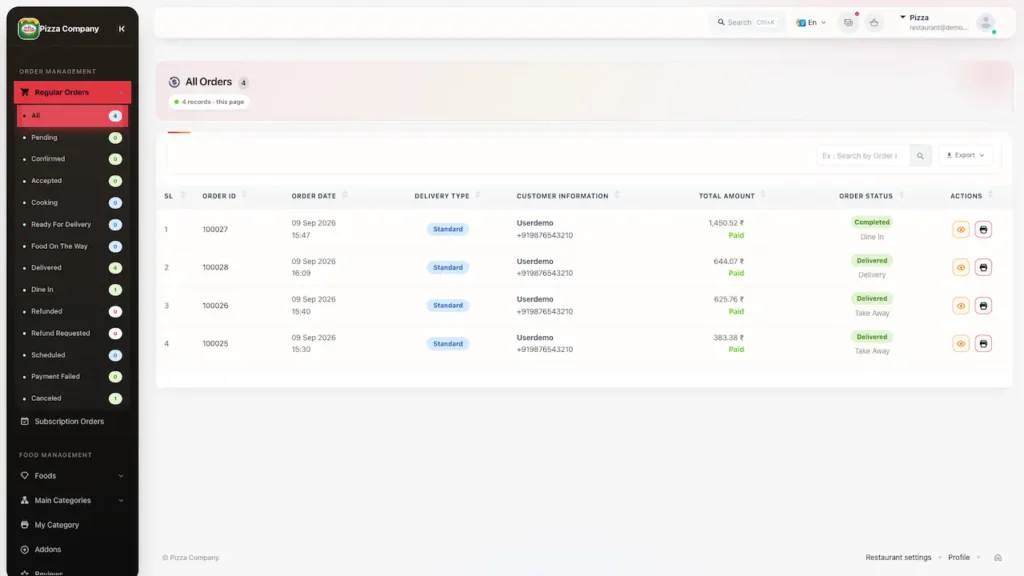
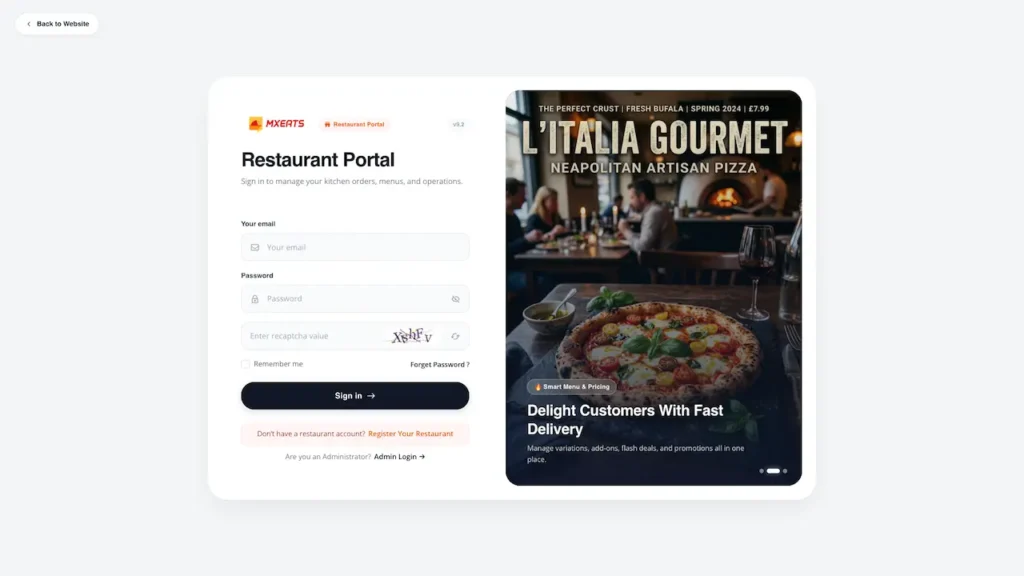
Trace a diner starting on the ordering page a restaurant owns, through a delivered order, to the reward that order earned. Trace a restaurant owner who accepts an order, edits a price personally, and finally receives the payout, never needing to phone you. Trace yourself from creating a plan through billing it to checking what it earned. As for the restaurant panel, it is no cut-down copy of your console but a separate application with its own permissions, built from 29 modules and 503 Dart files, so an owner can operate a shop without you behind them, and that is what settles whether a monthly-plan partner renews. Each of these is a real, distinct application rather than one set of screens reskinned four times, and every one is in the live demo today.
A Real Engagement
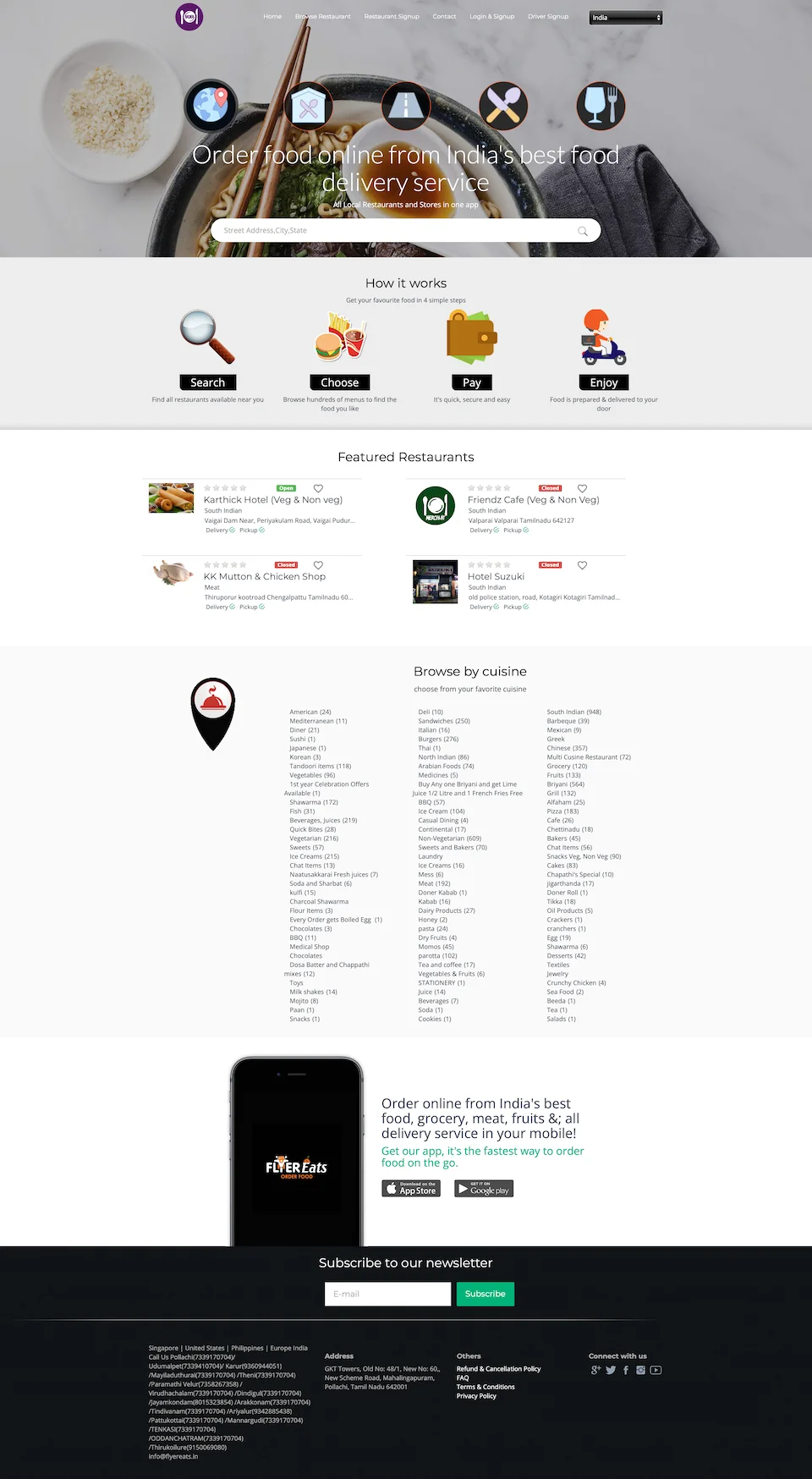
Flyereats - Our Delivered Build: a Food Ordering Platform for Multiple Vendors
This was a real client build and not a modeled scenario. Flyereats came to us on a platform the business had outgrown, and the engagement replaced it without a pause for rebuilding. Below are the results that engagement produced.
 Custom Build, Client Project
Multi-Vendor Platform for Food Ordering
Following a free feasibility review, we built a food ordering platform for multiple vendors to Flyereats specification.
- Confirmation of orders arriving later than customers expected
- Manual onboarding and management of vendors once the platform had outgrown itself
- No way for customers to check the real position of their order
- Replace the platform that was outgrown, with no stop for a rebuild
- Give vendor management a built-in process instead of leaving it on one person’s desk
- Let customers follow an order from confirmation until it arrives
- Shipped as three applications, every one with release path and permissions of its own
- Six integrations kept isolated from each other, so a failure in one cannot bring down the others
- Three environments: development, staging and production
- Four decisions made just for Flyereats, and seventeen platform modules carried over untouched
- Full source code moved into the client’s own account when the project was handed over
Every figure here comes from the engagement. Flyereats was built to order and was not a template deployment.Flyereats, 2025 delivery · a custom build that inherited nothing. The full case study explains the architecture and the decisions.
03The product
The Basics
What Exactly Is a ChowNow Clone App?
A ChowNow clone app is ordering software a restaurant uses under its own name, sold to that restaurant by an operator who charges for the software rather than for each transaction. The diner orders from a site and an app that carry the restaurant brand. The operator runs the platform, signs the restaurants and bills them on a plan.
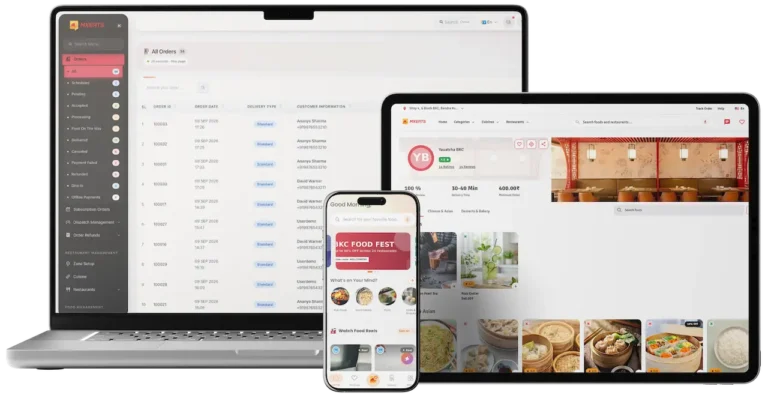
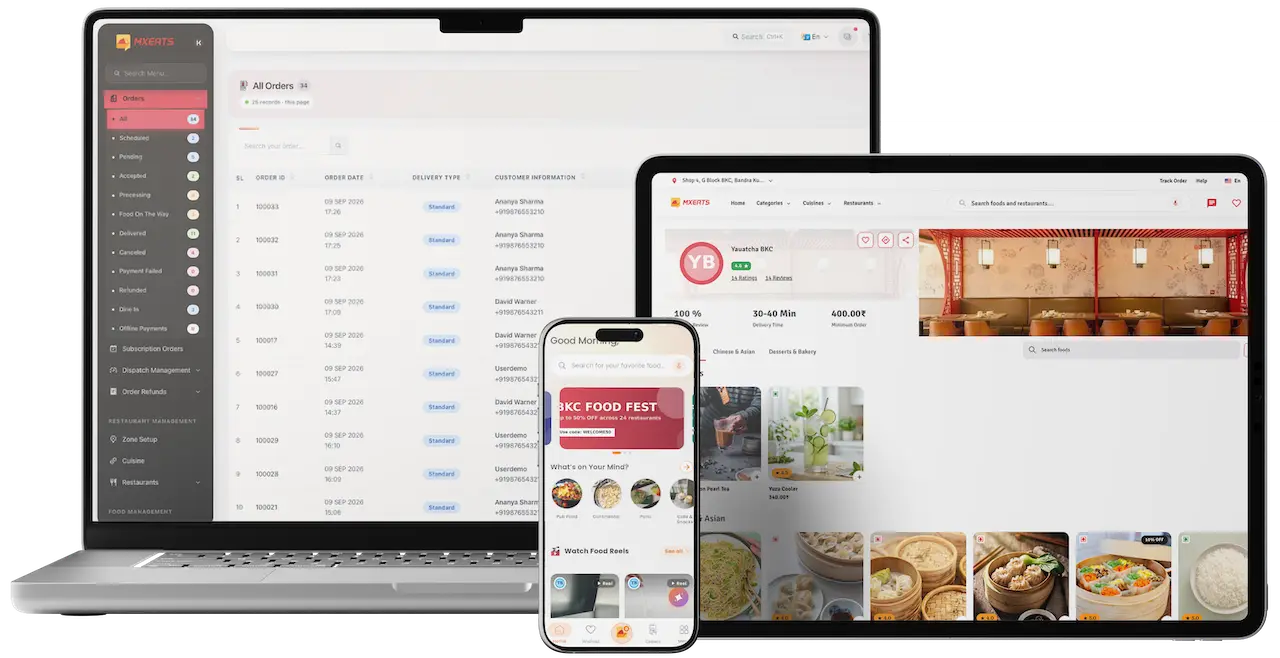
Runs on Android, iOS and Web
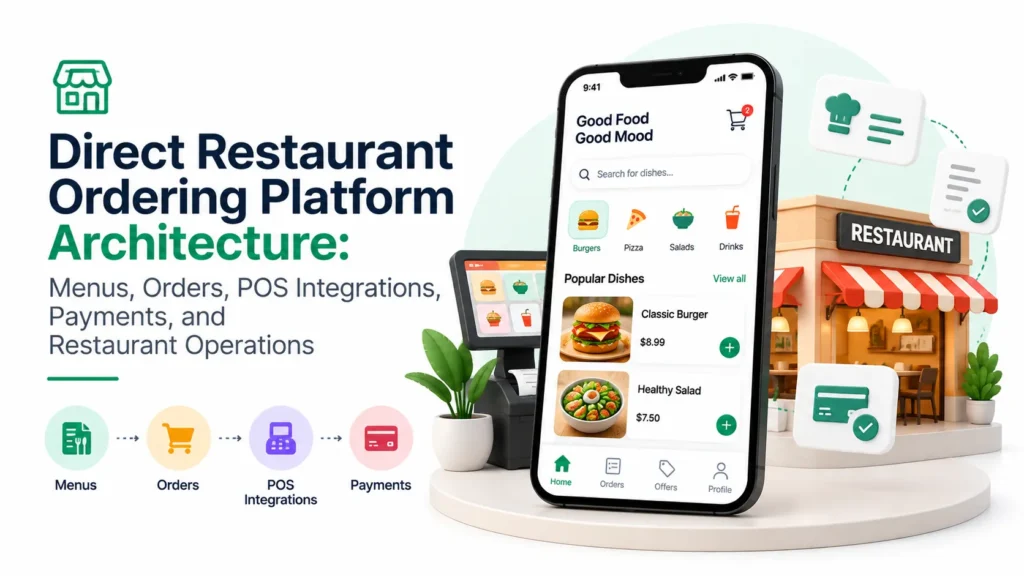
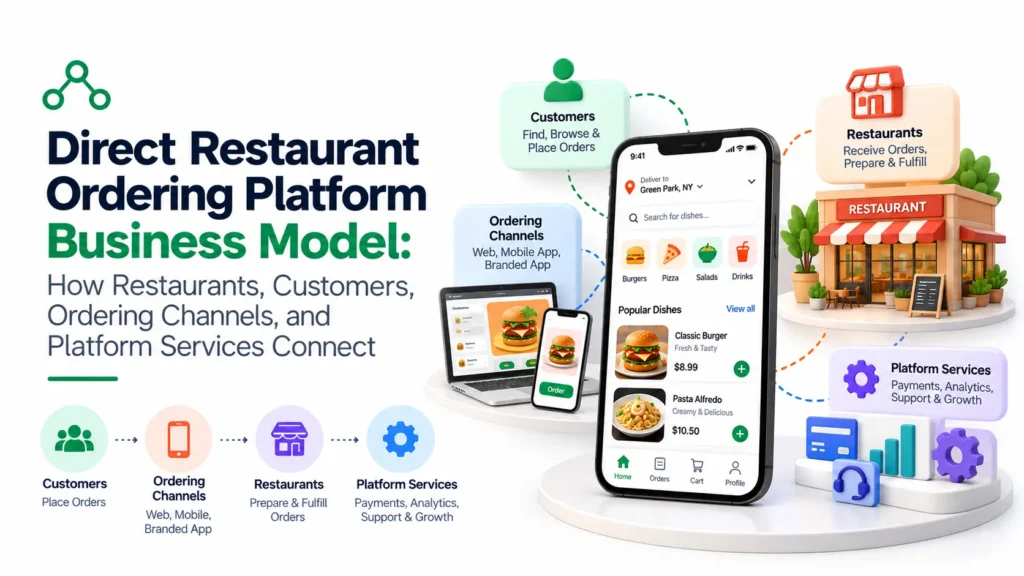
A single platform delivers a diner app, a restaurant-facing app, an app for delivery partners, an ordering website that search engines can index, and your operator console. Every side of the business runs on one system from the first day.
The Plan Is the Product
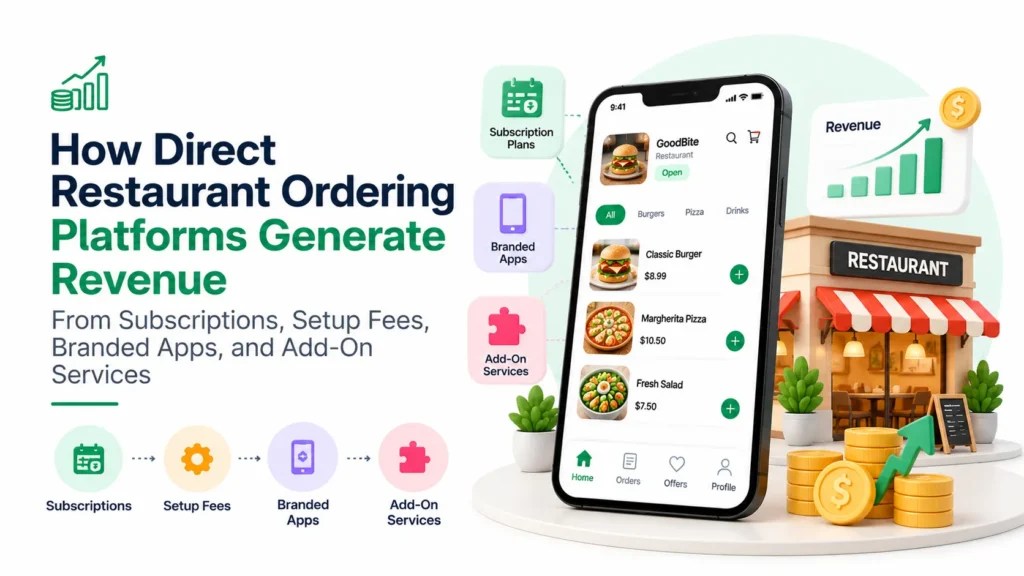
Subscription packages are objects you build: name them, price them, choose what each of them unlocks, and have billing run on a schedule. A restaurant on a plan is a predictable line of revenue rather than a share of somebody else’s volume.
Commission Stays Available
Some restaurants genuinely prefer a percentage, especially new ones with no volume to justify a fixed fee. Both models run at once, with per-restaurant overrides, and a guard refuses to disable both so store economics can never become undefined.
Restaurant-Owned Ordering
Where the Money Actually Goes
That is a different business from a public marketplace, and the difference is where the customer relationship sits. On a marketplace the platform owns the diner and rents access back to the restaurant, which is why commission rises with a restaurant’s success. Here the restaurant is the front of house, and the software is a cost it can forecast.
- 01Branded ordering site and apps per restaurant
- 02Monthly plans, per-order commission, or both
- 03Built-in till for counter and phone orders
- 04Rewards, coupons and repeat weekly orders
- 05Full source code, and no revenue share is due to us
The same build does both, because the economics are a setting rather than an architecture. Commission per order, a monthly package, or both together across different restaurants, all switchable from the console without a developer and without a fork.
Operate It Without Developers
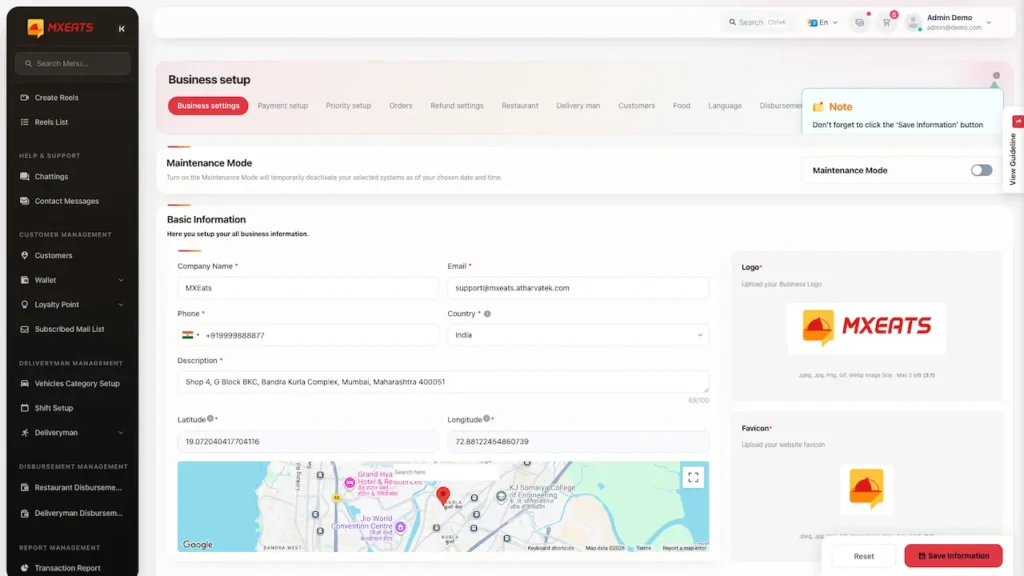
ChowNow Clone Admin Console - Plans, Billing, Onboarding & Settings
The console is where a commission-free platform is really run, because the work is signing restaurants, putting them on the right package, and making sure billing and payouts agree with what everybody was promised. All of it is admin data rather than code.
Your Daily Tasks
- 01
Settings Area
Roughly 120 named keys across eleven tabs. Business rules, order behavior, payment methods, mail content and third-party credentials are all operator data rather than a deployment.
- 02
Plan Builder and Billing
Create packages, set prices and billing cycles, decide what each unlocks, and let recurring billing run on a schedule with overlap locks, which stop a slow run from repeating itself.
- 03
Restaurant Onboarding
Applications, document checks, approval and plan assignment as a recorded workflow, so finding out who approved what and when is a database query, not a matter of memory.
- 04
Revenue Model Toggle
Commission, subscription or both is held as a setting, and a guard blocks switching both off together, so a store's economics are never left undefined.
- 05
Settlement Batches
Scheduled payouts computed from what was actually charged at the time, with statements, exports and locks that stop a slow run paying the same cycle twice.
- 06
Menu Oversight
Restaurants own their menus, but you keep visibility: category structure, item availability and pricing changes are all readable from the console when a partner needs help.
- 07
Service Zones
On a map, mark out every area you serve by delivery and attach separate charges, a cash ceiling and its own rules, for the restaurants where you carry rather than they do.
- 08
Reporting and Downloads
Sales, plan revenue, commission, payout and tax reports you can export, each showing what was charged at the time so a later rate change never rewrites your old numbers.
Alert Messaging
Push, mail and SMS messages use templates you edit yourself, set per message and user type, so changing tone or language is admin data entry, not a code change.
Staff Access Levels Set
Console and panel roles scoped so a support user can help a restaurant without reaching billing, and a restaurant can reach its own data and nobody else.
- Build plans and set their billing cycles
- Assign a restaurant to a plan or a rate
- Per-restaurant commission overrides
- A guard that refuses to disable both models
- Approve restaurants and check documents
- Jump into an order in progress and reassign it
- Approve or reject refund requests
- Export statements, and run disbursement
Staff accounts can be set up so everyone gets exactly the access they need. Orders are visible to support, billing to finance, and nobody sees more than they should.
04Scope of delivery and cost
The Full Package
Everything in the ChowNow Clone: Apps, Deployment & Source Code
One fixed price covers everything below, with no restriction on what you do with it afterward. None of it is a license, a fee per restaurant, or a percentage of your future earnings.
Every Source File
The Laravel backend, the Next.js ordering site, three Flutter applications and the console, transferred outright with no encrypted modules and no revenue share.
- You keep the full source code
- Rebrand it, change it or resell it freely
- No encrypted modules, no revenue share
- A different dev team could take it over
Four Apps in the Box
The diner app, the restaurant app and the delivery partner app come as Flutter source, alongside your operator console; all of them talk to a single versioned API.
- Diner app, 727 Dart files across 36 modules
- Store app: 29 modules and 503 files
- Delivery app: 17 modules, 234 files
- Your operator console over 764 admin routes
The Ordering Website
Thirty-three routed pages on Next.js 15 and React 18, indexable, with policies, registration funnels and tracking already in place.
- An ordering website customers can buy from
- 33 routed pages, built to be found on Google
- Policies, sign-up funnels and tracking
- Branded per restaurant rather than per marketplace
Schema and Migration Files
136 Eloquent models and roughly 300 tables, built up by 378 migrations applied in strict date order, which keeps the schema history readable instead of puzzling.
- Roughly 300 tables under 378 migrations
- 136 Eloquent models in strict date order
- Schema history legible rather than mysterious
- The database is yours, on your infrastructure
Charges and Settlements
Thirteen payment gateways, along with wallet, cash and offline methods; commission and plan billing are frozen at settlement, and disbursement runs cannot double-pay.
- 13 payment gateways available to plug in
- Wallet credit as well as cash on delivery
- Offline methods for markets that need them
- Orders paid across several methods reconcile on the order
- Billing and invoicing of monthly plans is handled for you
- Commission taken automatically where used
- Disbursement runs with statements and exports
- Tax is calculated on each order and can be reported
Branding Pass
Your name, palette, typography and assets applied across every surface before launch, so the platform reads as yours from the first order.
Deployment
Set up on your own infrastructure and domains, using your app store accounts, your payment credentials and your own Firebase project.
- Installed and configured with you
- Your branding applied everywhere
- Your domains, your app store accounts
- Your payment credentials, never ours
Delivery and Docs
The source, schema and operational runbook all come over in full, meaning another development team could take it on without contacting us.
- Documentation your developers can use
- A candid security report that includes the gaps
- The operational runbook at handover
- A branded platform in six working days
If anything above matters enough that you want to see it working before you commit, open the live demo and try it as a diner, as a restaurant and as the operator. The credentials are on this page.
Where It Applies Best
ChowNow Clone Use Cases - Ordering, Groups, Rewards & Multi-Outlet
The core business the platform is pitched at here. An operator signs restaurants onto monthly packages, each gets a branded ordering surface, and the operator earns from software rather than from a cut of every transaction.
Recurring billing is the spine of that model. Packages are objects you build and price, billing runs on a schedule with overlap locks, and statements explain what was charged so a renewal conversation starts from agreement rather than from a dispute.
A brand with several outlets runs under one account with per-outlet menus, hours, availability and reporting. Head office sees the whole estate; each outlet sees itself. This is the requirement franchise groups lead with.
The built-in till puts walk-in and phone orders into the same system as online ones. Counter business stops being invisible, and the restaurant’s reporting finally describes the whole shop rather than the part that came through an app.
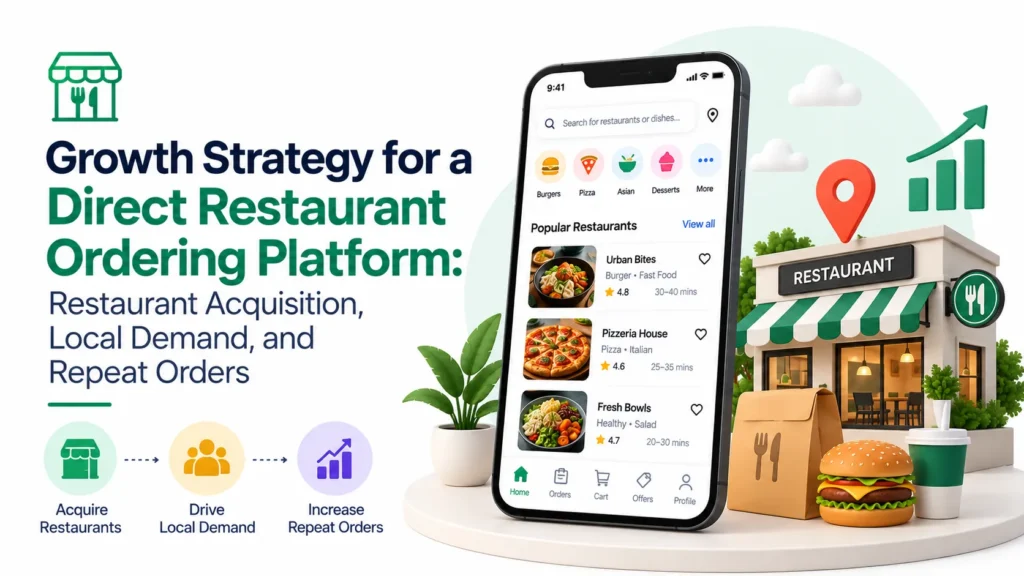
Rewards, wallet balances and coupons run at the diner level, and scheduled or standing weekly orders make repeat business a feature rather than a hope. On a restaurant’s own channel, retention is the entire economic case.
Delivery is a choice per restaurant. Run your own riders where it pays, let the restaurant use its own staff where it prefers, or offer collection only. The platform does not assume a fleet you may not want to own.
Because the ordering website is genuinely indexable rather than an app shell, a restaurant can be found through search rather than only reached through a link, which is the difference between a channel and a menu PDF.
And because the economics are a setting, an operator can start on commission to win a restaurant with no volume, then move it onto a plan once a flat fee suits both sides better, without a migration or a fork.
06Under the hood
Order to Delivery Flow
How the ChowNow Clone Works - Sign, Plan, Order & Settle
Six steps from signing a restaurant to money in the right account.
The Owner Cycle
Every step beneath corresponds to real routes and to records that actually get written, so the demo above is worth opening instead of being a picture of a concept.
- 1Sign the Restaurant
A restaurant applies or you add it. Documents are checked, the application is approved, and the record carries who approved it and when. Onboarding is a recorded workflow rather than a row appearing in a table.
- Application, documents and approval
- Menu built and branding applied
- Approval recorded with an operator and a timestamp
- 2Assign a Plan or a Rate
Assign a monthly package, or set a commission rate with a per-restaurant override, or both. The switch is a setting with a guard that refuses to leave a restaurant on neither, so economics are always defined.
- Packages you built and priced yourself
- Per-restaurant commission overrides
- A guard that refuses to disable both models
- 3Cart and Payment
A customer lands on the restaurant’s own ordering surface, builds an order with sizes and extras, applies a reward or a coupon, and pays by card, wallet or cash. They order now, schedule a slot, or set a standing weekly order.
- Branded ordering site and app
- Item options, extras and allergen notes
- Now, scheduled, or repeating weekly
- 4Restaurant Confirms and Cooks
The order lands in the restaurant panel and on its ticket printer. The owner accepts, prepares and marks it ready, and can ring a counter sale through the same till so walk-in business lands in the same reports.
- Accept, prepare and mark ready
- Printed tickets for the kitchen
- Built-in till for counter and phone orders
- 5Send Out and Deliver
Where you carry, the order goes into dispatch, a rider is picked from the zone, navigates to the address, and captures proof of delivery. Where the restaurant carries or the diner collects, this step simply does not apply.
- Zone-scoped assignment and navigation
- Proof of delivery and cash reconciliation
- Self-delivery and collection both supported
- 6Reconcile and Pay Out
Plan charges bill on their cycle and order-level amounts settle on the disbursement run, both computed from what was actually charged at the time. Statements explain themselves and exports feed your accounting.
- Recurring plan billing with overlap locks
- Payout cycles that never pay twice
- Snapshot columns, so history never rewrites
How It’s Built
ChowNow Clone Backend Architecture & Request Flow
- Layer 01
Single Backend, Five Clients
Every business rule lives in one Laravel monolith, and the five surfaces are thin presentation layers on a single versioned API. Because there is one deploy, one schema and one rule set, the restaurant panel and diner app have no room to drift apart.
- Layer 02
Plans and Commission in One Model
Both economics live in the same billing spine rather than as two subsystems bolted together. That is why a restaurant can move from a percentage to a package without a migration, and why the guard against disabling both is enforceable at all.
- Layer 03
Frozen Columns at Settlement
The transaction row freezes the commission percentage, plan price and discount split. Item revenue is taken from the order line, not from today's menu price. Changing a rate therefore never rewrites last quarter.
- Layer 04
Individual Sign-ins per App
Diner tokens cannot reach restaurant routes, restaurant and delivery tokens resolve against their own guards, and the console authenticates on a path of its own with the full web middleware group behind it.
- Layer 05
Config Drives Design
About 120 named settings keys are read at request time, so behavior changes are operator data rather than deployments. In the data model, this is the nearest thing to a tenant boundary.
- Layer 06
Work That Must Not Block Goes to Queues
Billing runs, disbursement, notification fan-out and export pipelines all execute away from the request path. A scheduler handles recurring work, and overlap locks stop a slow run repeating itself.
More Food Platforms
In Food Ordering? Every Segment of the Market Is Mapped.
A food platform can take several shapes, and ordering is only one. If your roadmap goes beyond commission-free ordering, the options below slot in cleanly, built on the same operational spine.
 01
01A food delivery marketplace offering multi-vendor ordering, automatic payouts and dispatch by zone.
Explore Solution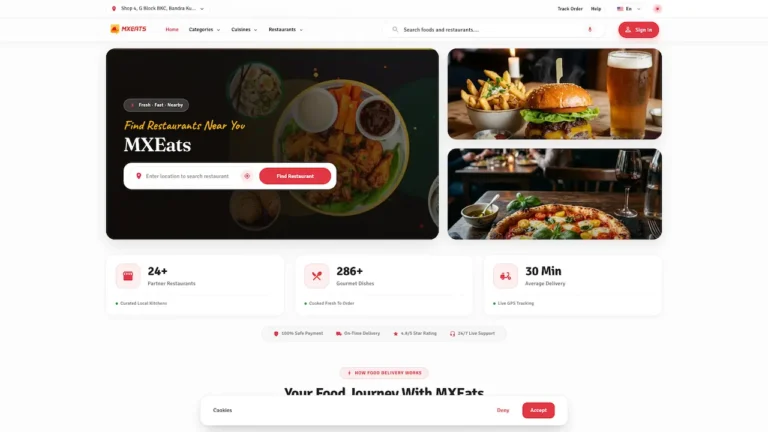 02
02Ordering driven by discovery: search by dish or cuisine, rating filters and a home feed under your control.
Explore Solution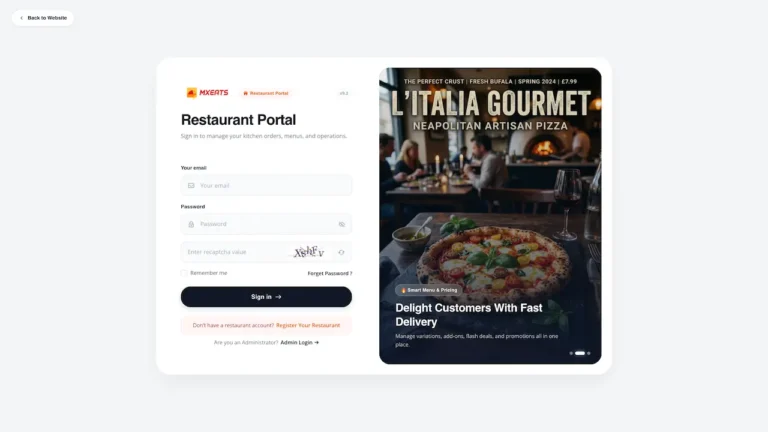 03
03Food delivery centered on dispatch, with its own rider app, delivery proof and assignment by zone.
Explore Solution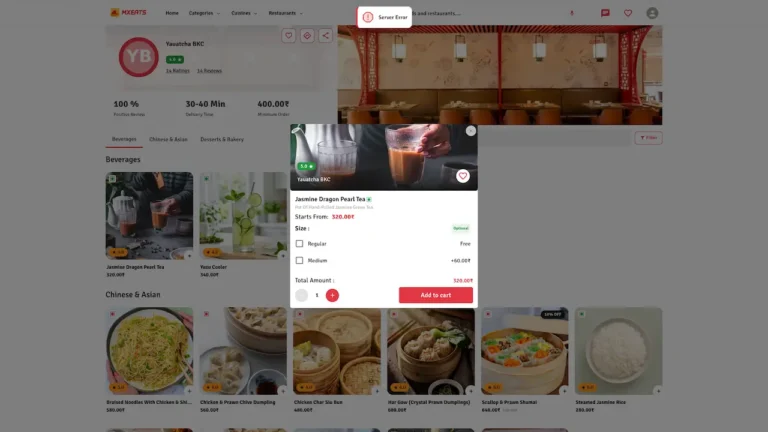 04
04Food delivery across several countries, with pricing set per market, cash-on-delivery rules and payment gateways.
Explore Solution11Learn more
Blog & Resources
ChowNow Clone App: Newest Articles & Tutorials
Here you will find research, build notes and commercial analysis about running a commission-free ordering platform, written for operators rather than for search engines. The material below covers how to price a monthly package against the commission a restaurant is already paying, what onboarding throughput actually costs in staff time, why churn rather than acquisition decides a plan-based business, and the operational detail of recurring billing, statements and payout runs. Where a piece takes a position we disagree with elsewhere on this page, it is left as written rather than quietly aligned.