

Key Takeaways
What You’ll Learn
- A white-label Newegg app should be built with security-first architecture, not just fast deployment.
- Data privacy, payment security, and API protection are core risk areas.
- Compliance matters for customer trust, legal safety, and long-term platform stability.
- Encryption, authentication, and regular audits are essential for secure operations.
- The right provider reduces long-term business risk through better security standards.
Stats That Matter
- The guide focuses on customer data, payment protection, backend security, and compliance as major security layers.
- ISO 27001, SOC 2 Type II, GDPR, PCI DSS, SSL/TLS, and 2FA are treated as important security standards.
- API security and secure authentication are highlighted as critical requirements for marketplace stability.
- Quarterly audits and continuous monitoring are recommended for ongoing protection.
- Provider transparency and security documentation are major trust signals before launch.
Real Insights
- Cheap white-label solutions often hide security gaps behind lower pricing.
- Missing certifications or poor documentation are major warning signs.
- Outdated tech stacks and weak code quality increase platform vulnerability.
- Security should continue after launch through updates, audits, and monitoring.
- The safest platforms are built with proactive security, not reactive fixes.
You’ve probably heard the horror stories about data breaches in online marketplaces. Millions of customer records exposed. Payment information leaked. Entire platforms taken offline by cyberattacks.
For businesses launching an e-commerce marketplace similar to Newegg, security is one of the biggest concerns.
Is a white-label Newegg app actually safe?
The honest answer is: it depends on how the platform is built, secured, and maintained.
In this guide, we’ll break down the real security risks, compliance standards, and protection strategies for white-label Newegg-style apps. You’ll also learn how security-first providers like Miracuves design marketplace apps that prioritize data protection and platform integrity from day one.
Understanding White-Label Newegg App Security Landscape

What White-Label Security Actually Means
A white-label Newegg app is a ready-built e-commerce marketplace platform that businesses customize and launch under their own brand. Instead of building the marketplace from scratch, companies deploy a pre-developed infrastructure designed for electronics and multi-vendor commerce.
Security in this context depends on three layers:
- Application security (code quality and architecture)
- Infrastructure security (servers, cloud environment)
- Data protection (user data, payment information)
If these layers are properly implemented, a white-label marketplace can be just as secure as a custom-built platform.
Common Security Myths vs Reality
Many businesses assume white-label apps are automatically less secure. This is not always true.
| Myth | Reality |
|---|---|
| White-label apps reuse code so they are unsafe | Mature platforms use audited and tested codebases |
| Custom apps are always more secure | Security depends on architecture and maintenance |
| Security is only about payment protection | Marketplace apps must secure user data, vendors, APIs, and infrastructure |
| Once launched, security is finished | Continuous monitoring and updates are required |
In fact, well-built white-label platforms often benefit from repeated security testing across multiple deployments, making vulnerabilities easier to detect and fix.
Why Businesses Worry About White-Label Apps
Security concerns usually come from a few key areas:
- Handling of payment information
- Storage of customer personal data
- Vendor onboarding and verification
- Integration with third-party logistics and payment gateways
- Protection against fake sellers and fraud
Since a Newegg-style platform manages both buyers and vendors, the attack surface becomes larger than a typical online store.
Read more : – Business Model of Newegg : Complete Strategy Breakdown 2026
Current Threat Landscape for Marketplace Platforms
Marketplace apps are a prime target for cybercriminals because they contain large datasets and financial transactions.
Common threats in 2026 include:
- Account takeover attacks
- Payment fraud and chargeback manipulation
- API exploitation
- Bot-based product scraping
- Vendor account hijacking
- Distributed denial-of-service (DDoS) attacks
E-commerce platforms that fail to secure APIs and authentication systems are especially vulnerable.
Security Standards Expected in 2026
Security expectations for marketplace apps have increased significantly.
Modern e-commerce platforms are expected to implement:
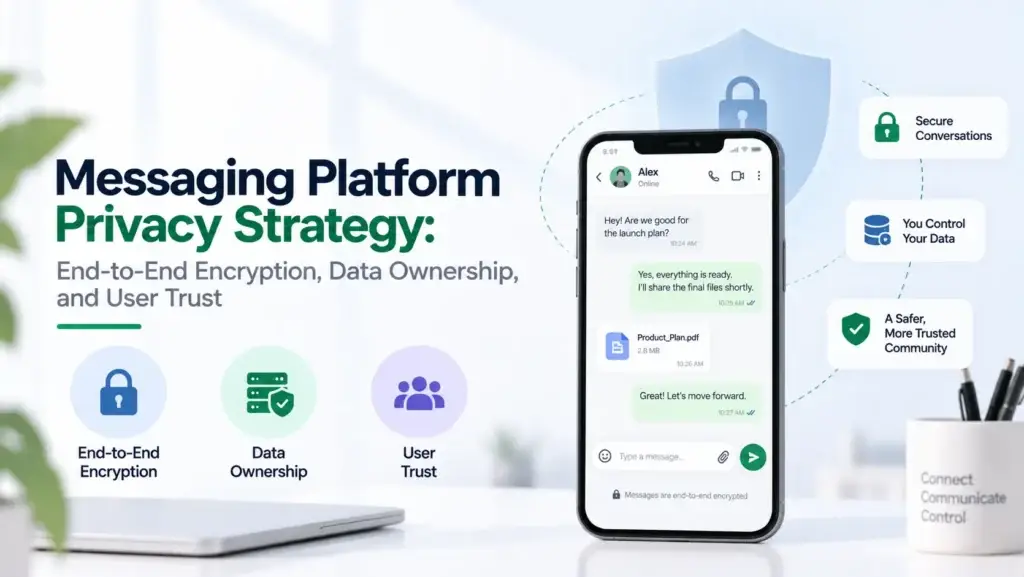
- End-to-end encryption
- Secure payment tokenization
- Zero-trust architecture
- Advanced identity verification
- AI-based fraud detection
- Secure vendor onboarding
Without these protections, an online marketplace can become a high-risk platform.
Real-World Statistics on App Security Incidents
Recent cybersecurity research shows how serious the problem has become.
- Over 43% of cyberattacks target small and medium-sized businesses
- E-commerce platforms account for nearly 32% of web application attacks
- The average cost of a data breach in 2026 exceeds $4.7 million globally
- Credential stuffing attacks increased by over 65% in marketplace platforms
These statistics show why security must be considered before launching a marketplace app, not after.
Businesses planning a Newegg-style platform should prioritize providers that build security-first architecture from the start, rather than treating security as an add-on.
Key Security Risks & How to Identify Them
Data Protection and Privacy Risks
Marketplace apps similar to Newegg handle large volumes of sensitive user data. This includes customer profiles, payment information, delivery addresses, and purchase histories. If this data is not properly secured, it becomes a major target for cybercriminals.
User Personal Information
Customer accounts typically store:
- Names and contact details
- Shipping addresses
- Purchase history
- Saved payment methods
If databases are poorly secured or encryption is missing, attackers can extract this information through database breaches or unauthorized access.
Payment Data Security
E-commerce platforms process thousands of financial transactions. Without strong payment security, risks include:
- Credit card data leaks
- Payment gateway exploitation
- Transaction manipulation
- Fraudulent refunds
Secure payment tokenization and PCI DSS compliant infrastructure are essential to reduce these risks.
Location Tracking Concerns
Delivery systems often collect location data from customers and logistics partners. Poor access control can expose:
- Customer delivery addresses
- Warehouse locations
- Delivery route information
This type of data exposure can create both privacy issues and operational risks.
GDPR and CCPA Compliance
Marketplace platforms operating internationally must follow data protection laws such as:
- GDPR in Europe
- CCPA in California
- Data Protection Acts in multiple regions
Non-compliance can result in severe penalties and legal actions. Businesses must ensure proper consent management and secure data storage.
Technical Vulnerabilities
Technical weaknesses are one of the most common causes of marketplace security breaches.
Code Quality Issues
Poorly written code can create vulnerabilities such as:
- SQL injection
- Cross-site scripting (XSS)
- Remote code execution
- Authentication bypass
Secure development practices and code reviews are critical to avoid these issues.
Server Security Gaps
If hosting infrastructure is not properly secured, attackers can exploit:
- Open server ports
- Misconfigured cloud storage
- Weak firewall rules
- Unpatched server software
Secure cloud infrastructure and regular vulnerability scans are necessary to protect backend systems.
API Vulnerabilities
Marketplace apps rely heavily on APIs to connect services such as:
- Payment gateways
- Shipping providers
- Vendor dashboards
- Mobile applications
Unsecured APIs can allow attackers to access or manipulate platform data.
Third-Party Integrations
Modern marketplace apps depend on multiple third-party services. These may include analytics tools, payment processors, and marketing integrations.
Each integration introduces potential risks if security checks are not properly performed.
Business Risks of Security Failures
Security problems do not only affect technology. They can damage the entire business.
Legal Liability
If user data is compromised, companies may face lawsuits and regulatory investigations.
Reputation Damage
Trust is critical for marketplace platforms. A single breach can drive users and vendors away permanently.
Financial Losses
Security incidents can result in:
- Refund claims
- Fraudulent transactions
- Platform downtime
- Customer compensation costs
Regulatory Penalties
Regulators around the world impose strict penalties for poor data protection. These fines can reach millions of dollars depending on the severity of the breach.
Security Risk Assessment Checklist
Before launching a white-label Newegg app, businesses should evaluate these critical security factors.
| Security Area | Key Questions to Ask |
|---|---|
| Data Protection | Is all user data encrypted at rest and in transit? |
| Payment Security | Is the platform PCI DSS compliant? |
| Authentication | Are multi-factor authentication systems implemented? |
| Infrastructure | Are servers protected by firewalls and monitoring systems? |
| API Security | Are APIs secured with authentication and rate limiting? |
| Compliance | Does the platform meet GDPR and other data protection regulations? |
Identifying these risks early helps businesses build a secure marketplace foundation before scaling their platform.
Security Standards Your White-Label Newegg App Must Meet
Launching a marketplace app without proper security standards is one of the biggest risks a business can take. In 2026, regulators, payment providers, and users expect strict compliance with global cybersecurity frameworks.
A secure white-label Newegg app must meet both certification standards and technical security requirements.
Essential Security Certifications
These certifications prove that a platform follows internationally accepted security practices.
ISO 27001 Compliance
ISO 27001 is one of the most recognized global standards for information security management.
It ensures that the platform has:
- Structured security policies
- Risk management processes
- Secure data handling procedures
- Continuous monitoring and improvement
Companies that follow ISO 27001 demonstrate that user and business data are protected with enterprise-grade controls.
SOC 2 Type II
SOC 2 Type II certification focuses on how organizations handle customer data.
It evaluates:
- System security
- Data availability
- Confidentiality
- Processing integrity
- Privacy protection
Marketplace platforms dealing with vendor and customer accounts must follow these controls to maintain trust.
GDPR Compliance
If your marketplace operates in Europe or handles EU customer data, GDPR compliance is mandatory.
Key requirements include:
- Transparent data collection policies
- User consent management
- Right-to-delete user data
- Secure data storage and transfer
Failure to comply can result in large regulatory penalties.
HIPAA Compliance (If Applicable)
Although Newegg-style platforms usually focus on electronics, some marketplaces may sell healthcare devices or regulated products.
In such cases, HIPAA compliance becomes important to protect health-related data.
PCI DSS for Payment Security
Payment Card Industry Data Security Standard (PCI DSS) is mandatory for platforms that process credit card transactions.
PCI DSS ensures:
- Secure payment processing
- Tokenized card data storage
- Encrypted financial transactions
- Strict access control to payment systems
Without PCI DSS compliance, payment gateways may refuse to integrate with the platform.
Technical Security Requirements
Beyond certifications, a secure marketplace app must also implement strong technical safeguards.
End-to-End Encryption
All sensitive data must be encrypted during transmission and storage.
Encryption protects:
- Login credentials
- Payment information
- User personal data
- Vendor account information
HTTPS with modern TLS protocols is a basic requirement.
Secure Authentication Systems
Strong authentication systems prevent unauthorized access.
Secure platforms implement:
- Two-factor authentication (2FA)
- OAuth-based login systems
- Secure password policies
- Login anomaly detection
These measures significantly reduce account takeover attacks.
Regular Security Audits
Security audits help identify vulnerabilities before attackers do.
Best practices include:
- Quarterly security audits
- Automated vulnerability scans
- Code security reviews
- Infrastructure testing
Audits ensure the platform remains secure as it evolves.
Penetration Testing
Penetration testing simulates real cyberattacks to find weaknesses in the system.
Professional security teams attempt to exploit vulnerabilities in:
- Web applications
- APIs
- Server infrastructure
- Authentication systems
This testing helps organizations fix vulnerabilities before they become real threats.
SSL Certificates
Secure Sockets Layer (SSL) certificates ensure encrypted communication between users and servers.
Benefits include:
- Secure browsing experience
- Protection against data interception
- Increased customer trust
- Improved search engine rankings
Secure API Architecture
Marketplace apps rely heavily on APIs to connect services.
Secure APIs must include:
- Authentication tokens
- Rate limiting
- Access control policies
- Input validation
- Activity logging
These protections prevent attackers from abusing system endpoints.
Security Standards Comparison
| Security Standard | Purpose | Why It Matters for Marketplace Apps |
|---|---|---|
| ISO 27001 | Information security management | Protects business and user data |
| SOC 2 Type II | Data protection and system controls | Builds trust with vendors and customers |
| GDPR | User privacy protection | Required for EU customers |
| PCI DSS | Payment security | Protects credit card transactions |
| SSL/TLS Encryption | Secure communication | Prevents data interception |
Meeting these standards ensures that a white-label Newegg app operates with the same level of security expected from large-scale e-commerce platforms.
Businesses should always verify that their platform provider follows these frameworks before launching a marketplace.
Red Flags: How to Spot Unsafe White-Label Providers
Choosing the wrong white-label marketplace provider can expose your platform to serious security risks. Many businesses focus only on cost and features, but ignore the security capabilities of the provider.
In 2026, this mistake can lead to data breaches, financial loss, and compliance violations.
Below are common warning signs that indicate a provider may not prioritize security.
Major Warning Signs
No Security Documentation
Reliable providers always share detailed security documentation.
If a provider cannot explain:
- How data is encrypted
- How servers are protected
- What compliance standards they follow
then their platform may lack proper security architecture.
Cheap Pricing Without Clear Explanation
Extremely low pricing often indicates shortcuts in development.
Security infrastructure such as encrypted databases, monitoring systems, and compliance frameworks requires investment. If a provider offers unusually cheap solutions, security may not be included.
No Compliance Certifications
Professional platforms usually follow recognized compliance standards such as:
- ISO 27001
- SOC 2
- GDPR
- PCI DSS
A provider that cannot demonstrate compliance may expose your business to regulatory risks.
Outdated Technology Stack
Old frameworks and unsupported technologies increase vulnerability.
Common risks include:
- Unpatched security flaws
- Unsupported libraries
- Weak authentication systems
- Compatibility issues with modern security tools
Secure platforms use regularly updated development frameworks and infrastructure.
Poor Code Quality
Code quality directly affects platform security.
Indicators of poor code quality include:
- Frequent system errors
- Slow performance
- Unstable APIs
- Lack of proper documentation
Secure development requires structured coding standards and internal code reviews.
No Security Update Policy
Cyber threats evolve constantly. Platforms must receive regular updates to stay secure.
If a provider does not offer:
- Security patches
- Platform updates
- Vulnerability fixes
then the system will become vulnerable over time.
Lack of Data Backup Systems
Secure marketplace apps always maintain reliable backup systems.
Without backups, businesses risk losing critical data such as:
- Customer records
- Vendor accounts
- Transaction histories
- Product catalogs
Backup systems should include automated recovery processes.
No Cybersecurity Insurance Coverage
Professional technology providers often maintain cybersecurity insurance. This helps protect both the provider and the client in case of a security incident.
The absence of such coverage may indicate poor risk management.
Evaluation Checklist for Businesses
Before selecting a white-label Newegg app provider, businesses should perform proper due diligence.
Important Questions to Ask Providers
- What security certifications does your platform follow?
- How is customer data encrypted?
- How often are security updates released?
- Do you conduct penetration testing?
- How do you protect APIs from attacks?
Documents You Should Request
Businesses should request these documents before signing an agreement:
- Security architecture overview
- Compliance certifications
- Data protection policies
- Infrastructure security details
- Incident response procedures
Testing Procedures to Perform
Before launching the platform, companies should conduct independent testing.
Recommended tests include:
- Vulnerability scanning
- Penetration testing
- API security testing
- Load and stress testing
These tests help identify potential weaknesses before real users interact with the platform.
Due Diligence Steps
A structured evaluation process can prevent long-term risks.
Key steps include:
- Review the provider’s security certifications
- Analyze the platform architecture
- Verify compliance with data protection laws
- Conduct security testing
- Evaluate support and update policies
Performing these checks ensures that your marketplace platform is built on a secure foundation.
Best Practices for Secure White-Label Newegg App Implementation
Launching a secure marketplace app requires planning both before launch and after launch. Security should be integrated into every stage of the platform lifecycle.
A Newegg-style marketplace handles vendors, customers, payments, and logistics. This makes security implementation more complex than a typical e-commerce store.
Following structured security practices helps reduce risks and maintain platform reliability.
Pre-Launch Security Preparation
Before releasing the marketplace to users, businesses should complete a full security preparation process.
Security Audit Process
A security audit helps identify vulnerabilities in the application, infrastructure, and integrations.
A professional audit typically reviews:
- Application code security
- Server configuration
- Database protection
- API security
- Authentication systems
Security audits should be conducted by internal teams or independent cybersecurity experts.
Code Review Requirements
Secure code development reduces the chances of exploitable vulnerabilities.
Code reviews should verify:
- Input validation
- Authentication logic
- Data encryption implementation
- Secure API endpoints
Automated code scanning tools can also detect security weaknesses early.
Infrastructure Hardening
Infrastructure hardening strengthens the cloud or server environment hosting the platform.
Key steps include:
- Configuring firewalls
- Restricting server access
- Enabling network monitoring
- Securing cloud storage systems
- Applying system patches
These measures protect the backend systems from unauthorized access.
Compliance Verification
Before launch, the platform must be checked for regulatory compliance.
Important checks include:
- Payment gateway compliance with PCI DSS
- Data protection compliance such as GDPR
- Vendor verification procedures
- Secure data storage policies
Compliance verification reduces legal risks after launch.
Staff Security Training
Human error is one of the most common causes of security incidents.
Staff training should cover:
- Password security policies
- Phishing attack awareness
- Data handling procedures
- Incident reporting protocols
Trained teams can respond quickly to suspicious activity.
Post-Launch Security Monitoring
Security responsibilities do not end after the platform goes live. Continuous monitoring is essential to maintain safety.
Continuous Security Monitoring
Monitoring tools help detect suspicious activity across the platform.
These tools track:
- Login anomalies
- Unusual transactions
- API request patterns
- Server activity
Early detection helps prevent large-scale breaches.
Regular Updates and Patches
Technology vulnerabilities appear regularly. Platforms must apply updates quickly.
Regular updates should include:
- Security patches
- Software upgrades
- Dependency updates
- Bug fixes
Keeping systems updated significantly reduces exposure to attacks.
Incident Response Planning
Every marketplace platform should have a defined incident response strategy.
A response plan usually includes:
- Threat detection procedures
- Containment strategies
- Communication protocols
- Recovery procedures
Prepared organizations can minimize damage during a security event.
User Data Management
User data must be managed responsibly throughout its lifecycle.
Best practices include:
- Encrypting stored data
- Limiting internal data access
- Automatically deleting unused records
- Maintaining secure user authentication systems
Proper data governance protects both customers and the business.
Backup and Disaster Recovery Systems
Reliable backup systems help businesses recover quickly from technical failures or cyberattacks.
Effective backup strategies include:
- Automated daily backups
- Encrypted backup storage
- Off-site backup locations
- Disaster recovery testing
Backup systems ensure business continuity even during unexpected incidents.
Security Implementation Timeline
| Stage | Security Actions |
|---|---|
| Planning Stage | Define security architecture and compliance requirements |
| Development Stage | Secure coding practices and vulnerability testing |
| Pre-Launch | Security audits, penetration testing, compliance verification |
| Launch Phase | Infrastructure monitoring and authentication controls |
| Post-Launch | Continuous monitoring, updates, and incident response planning |
Following this structured implementation process helps ensure that a white-label Newegg app remains secure throughout its lifecycle.
Legal and Compliance Considerations
Launching a marketplace app similar to Newegg involves more than technical security. Businesses must also comply with multiple legal and regulatory requirements that govern how user data, payments, and transactions are handled.
Ignoring compliance can lead to heavy financial penalties, lawsuits, and even platform shutdowns.
Regulatory Requirements
Different regions enforce strict regulations on digital platforms, especially those handling personal and financial information.
Data Protection Laws by Region
Marketplace apps operating globally must follow regional privacy laws.
Common regulations include:
| Region | Regulation | Key Requirement |
|---|---|---|
| European Union | GDPR | User data protection and consent management |
| United States | CCPA / CPRA | Consumer data privacy rights |
| United Kingdom | UK GDPR | Data protection and processing transparency |
| Canada | PIPEDA | Responsible data collection and storage |
| Asia-Pacific | PDPA (varies by country) | Personal data protection and user consent |
Businesses must ensure their app supports user data control, transparency, and secure storage.
Industry-Specific Regulations
Some marketplace categories involve additional compliance rules.
Examples include:
- Electronics marketplaces requiring product safety verification
- International sales requiring customs compliance
- Digital goods requiring tax reporting regulations
Failure to verify sellers and products can expose platforms to legal liability.
User Consent Management
Modern privacy laws require platforms to clearly obtain and record user consent.
Important consent mechanisms include:
- Cookie consent banners
- Data usage disclosures
- Marketing communication permissions
- Data collection notifications
Users must also be able to withdraw consent easily.
Privacy Policy Requirements
A marketplace platform must clearly explain how user data is handled.
A complete privacy policy should include:
- Types of data collected
- Purpose of data usage
- Third-party integrations
- Data retention policies
- User rights regarding data access or deletion
Clear privacy policies improve both compliance and user trust.
Terms of Service Essentials
Terms of service define the legal relationship between the platform, vendors, and users.
Important sections typically include:
- Platform usage rules
- Vendor responsibilities
- Dispute resolution procedures
- Payment and refund policies
- Account suspension conditions
These policies protect businesses from operational and legal disputes.
Liability Protection for Marketplace Platforms
Marketplace apps must prepare for potential legal and security incidents.
Insurance Requirements
Cybersecurity insurance helps protect businesses from financial damage caused by cyberattacks or data breaches.
Common coverage areas include:
- Data breach response costs
- Legal defense expenses
- Regulatory fines
- Customer notification costs
Insurance acts as an additional safety layer for businesses operating digital platforms.
Legal Disclaimers
Platforms should clearly define limitations of liability.
Legal disclaimers may cover:
- Third-party seller actions
- Product quality issues
- Vendor misconduct
- External service disruptions
These clauses help reduce legal exposure.
User Agreements
User agreements establish clear expectations for both buyers and sellers.
Important elements include:
- Acceptable use policies
- Fraud prevention policies
- Seller verification requirements
- Dispute management procedures
Well-structured agreements protect the platform from misuse.
Incident Reporting Protocols
Regulations in many regions require companies to report data breaches within a defined timeframe.
Examples include:
- GDPR breach reporting within 72 hours
- Mandatory consumer notifications in several U.S. states
Businesses must establish a clear reporting process to meet these legal obligations.
Regulatory Compliance Monitoring
Compliance is not a one-time process. Regulations evolve constantly.
Organizations should implement ongoing compliance monitoring through:
- Legal audits
- Privacy policy reviews
- Security compliance assessments
- Vendor verification checks
Regular reviews help ensure the platform remains compliant as laws change.
Compliance Checklist by Region
| Compliance Area | Required Action |
|---|---|
| Data Protection | Implement encryption and secure data storage |
| User Privacy | Provide clear consent and data control options |
| Payment Security | Follow PCI DSS payment standards |
| Vendor Regulation | Verify seller identity and product legitimacy |
| Legal Policies | Publish privacy policy and terms of service |
| Breach Reporting | Maintain incident notification procedures |
Businesses launching a white-label Newegg app must align their platform with these legal and regulatory standards to ensure long-term operational safety.
Why Miracuves White-Label Newegg App is Your Safest Choice
Security is one of the most important factors when launching a marketplace app. A Newegg-style platform handles thousands of user accounts, vendor data, financial transactions, and product listings. Without a strong security architecture, the entire platform can become vulnerable.
Miracuves focuses on building marketplace apps with security-first infrastructure, ensuring businesses can scale safely while protecting customer and vendor data.
Enterprise-Grade Security Architecture
Miracuves designs marketplace apps using modern security architecture standards. The platform infrastructure is built to protect both application data and backend systems.
Key architecture protections include:
- Secure cloud infrastructure
- Isolated database environments
- Role-based access control
- Advanced firewall configurations
- Protection against common web attacks
This architecture helps reduce the risk of unauthorized access and system exploitation.
Regular Security Audits and Certifications
Security audits are conducted regularly to detect vulnerabilities before they can be exploited.
Miracuves security practices include:
- Periodic vulnerability assessments
- Security compliance reviews
- Code security audits
- Infrastructure monitoring
Continuous auditing ensures the platform remains secure as it grows.
GDPR and CCPA Compliance by Default
Data privacy regulations are becoming stricter worldwide. Miracuves platforms are designed with privacy compliance in mind.
Built-in privacy protections include:
- Secure data storage practices
- User data consent management
- Data access and deletion controls
- Privacy-first architecture design
These protections help businesses operate globally while maintaining compliance.
24/7 Security Monitoring
Cyber threats can occur at any time. Continuous monitoring allows threats to be detected and mitigated quickly.
Monitoring systems track:
- Suspicious login attempts
- Unusual API activity
- Transaction anomalies
- Server performance indicators
Real-time monitoring reduces the chances of prolonged security incidents.
Encrypted Data Transmission
All sensitive data transmitted through the platform is encrypted using modern encryption standards.
This includes:
- User login credentials
- Customer personal information
- Payment transactions
- Vendor account data
Encryption protects information from interception during transmission.
Secure Payment Processing
Payment security is critical for marketplace apps. Miracuves integrates secure payment processing systems that follow recognized payment security practices.
Security measures include:
- Tokenized payment systems
- Secure payment gateway integration
- Encrypted financial transactions
- Fraud detection mechanisms
These safeguards help protect both customers and businesses.
Regular Security Updates
Cybersecurity threats evolve constantly. To address this, Miracuves maintains an ongoing update process.
Security updates include:
- Vulnerability patches
- Software framework updates
- API security improvements
- Infrastructure security enhancements
Regular updates ensure that the platform stays protected against new threats.
Cybersecurity Insurance Coverage
Miracuves also maintains cybersecurity risk coverage to provide additional protection for businesses operating on the platform.
This helps mitigate risks related to:
- Data breach incidents
- Legal expenses
- System recovery processes
Insurance-backed platforms demonstrate a higher level of risk preparedness.
Why Businesses Trust Miracuves
Over the years, Miracuves has delivered secure marketplace solutions across multiple industries.
Key trust indicators include:
- 9k+ successful technology projects
- Security-focused development practices
- Scalable infrastructure design
- Dedicated technical support
Final Thought
Businesses launching marketplace apps require a partner that prioritizes both innovation and protection. Do not compromise on platform security. With 9k+ successful projects and zero major security breaches, Miracuves provides marketplace platforms designed for safety, compliance, and scalability.
Businesses can Talk to our team to evaluate their marketplace requirements and understand how Miracuves delivers secure, compliant e-commerce platforms.
Launching a marketplace app similar to Newegg can open massive business opportunities. However, the success of the platform depends heavily on how well security, compliance, and risk management are handled.
Faqs
1. How secure is a white-label Newegg app compared to custom development?
A properly built white-label Newegg app can be as secure as custom development. Security depends on architecture, encryption, compliance standards, and regular security updates.
2. What happens if a security breach occurs?
A breach response plan should immediately isolate affected systems, notify users if required by law, investigate vulnerabilities, and apply security fixes.
3. Who is responsible for security updates?
Usually the platform provider manages core infrastructure updates, while the business operating the app manages policies, access control, and operational security.
4. How is user data protected in white-label apps?
User data is protected using encryption, secure databases, access control systems, and compliance frameworks like GDPR and SOC standards.
5. What compliance certifications should a marketplace app have?
Important certifications include ISO 27001, SOC 2 Type II, GDPR compliance, and PCI DSS for payment processing.
6. Can white-label marketplace apps meet enterprise security standards?
Yes. With proper infrastructure, encryption, and compliance frameworks, they can meet enterprise-level security requirements.
7. How often should security audits be conducted?
Security audits should be conducted at least once or twice per year, along with continuous vulnerability monitoring.
8. What security protections are included in Miracuves platforms?
Miracuves platforms include encrypted data transmission, secure infrastructure, compliance-ready architecture, and continuous monitoring systems.
9. How can marketplace apps handle security across different countries?
Platforms must follow regional regulations, implement data protection policies, and adapt compliance practices for each operating region.
10. What insurance is recommended for marketplace app security?
Cybersecurity insurance is recommended to cover risks related to data breaches, legal claims, and recovery costs.
Related Articles
Miracuves is an independent software development company. We are not affiliated with, connected to, sponsored by, or endorsed by any company or product named in this article.
Terms such as “X Clone” are used descriptively. It is how the software industry refers to building a platform with functionality comparable to a known service, and how clients search for it.
The entire design and codebase of our products is built by our own team. Our products contain no code, design, graphics, or content originating from any third-party website or applications.
All third-party names and marks referenced in this article are the property of their respective owners, referenced solely to identify the services discussed.