





9flats Clone App: White-Label Short-Stay Rental Marketplace
A launch-ready short-stay marketplace built around the part that decides whether a rental platform works: the host. Listing and onboarding, calendar and availability, pricing rules, booking rules and payouts are the spine, and guests search, book and pay against them.
Four surfaces, one Laravel API. A guest web app, a host console, an operator admin of more than twenty modules, and Android and iOS builds that consume the same contracts, so nothing drifts between them. Six more bookable service types ship switched off, ready when you want them.
Go Live in 6 Days with Short-Stay RentalsHost PayoutsCalendar & PricingSix GatewaysMulti-LanguageWhite-Label
⚡ Platform at a Glance
Host-First by Design
Onboarding, calendar and availability, pricing rules and payouts are first-class, because supply is what a short-stay marketplace is actually short of
6
Payment gateways pre-integrated, plus a wallet for host payouts
20+
Admin modules with granular permissions
6 days
Working days to a branded, deployed launch
7 Types, Yours to Switch On
Stays lead. Spaces, cars, tours, boats, events and flights sit on the same booking engine for the day you widen the catalogue
GDPR-Ready, Built to the Controls
OWASP-mapped and VAPT-ready, with data export and deletion flows
🚀 Ready to launch your own short-stay rental marketplace?









Live in Action
9flats Clone Demo: Guest App, Host Console, Admin and Android Build
Four live surfaces and three credential sets. Open the guest experience, sign in as a host to manage listings and payouts, then sign in as the operator to see the console that runs the marketplace. The Android build is the same platform on a phone.
GUEST WEB APP
9flats Clone: Search, Book and Pay
The guest experience: search across every service type you enable, filter by location, dates, guests and price, open a listing with gallery and map, check live availability, apply a coupon and pay through the gateway you configure.
-
Open the web app in your browser
-
Login with the guest credentials below
-
Explore: Search, Listing, Availability, Checkout
-
Try: user@demo.com | User_321
HOST CONSOLE
Listings, Calendar, Earnings and Payouts
The host side of the marketplace: create and manage listings, set seasonal and date-based pricing, control the availability calendar, answer enquiries, read booking analytics, request a payout and add team members with their own roles.
-
Open the same web app and sign in as a host
-
Login with the vendor credentials below
-
Explore: Listings, Calendar, Enquiries, Payouts
-
Try: vendor@demo.com | Vendor_321
OPERATOR ADMIN
The Console That Runs the Marketplace
Over twenty admin modules: users and roles, host approval and identity verification, listing moderation across every service type, bookings, payments and refunds, payout processing, commission, coupons, locations, languages, templates, media and system logs.
-
Open the admin console in your browser
-
Login with the admin credentials below
-
Explore: Users, Bookings, Payouts, Settings
-
Try: admin@demo.com | Admin_$321
ANDROID APP
The Same Platform on a Phone
The mobile build carries the guest and host experience through the same REST API the web app uses: search and book, manage bookings, message a host, submit a review, run the host dashboard, upload verification documents and request payouts.
-
Download the Android build
-
Sign in with the guest or host credentials
-
Explore: Search, Book, Messages, Host Tools
-
Same credentials as the web demo
Video Walkthrough
9flats Clone Video Demo: Booking Flow, Host Tools and Admin Walkthrough
A recorded walkthrough of the platform: a guest searching and booking, a host managing a calendar and requesting a payout, and the operator console sitting behind both.
App Flows
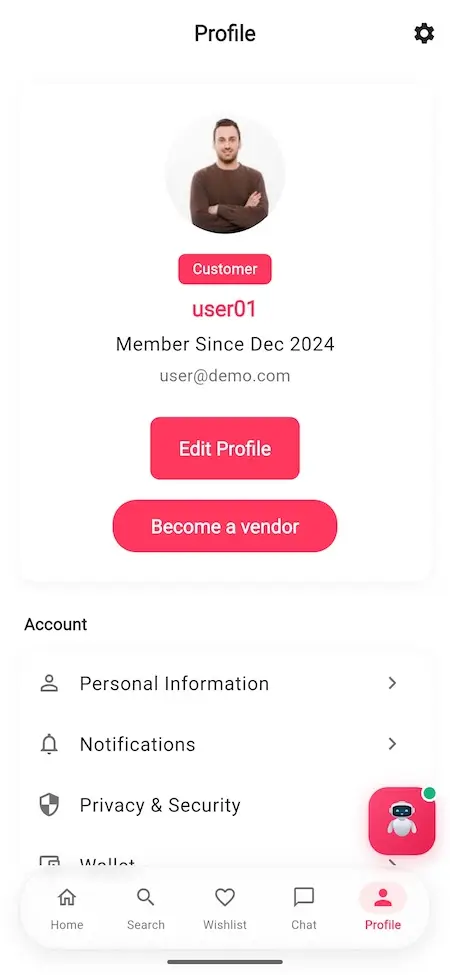
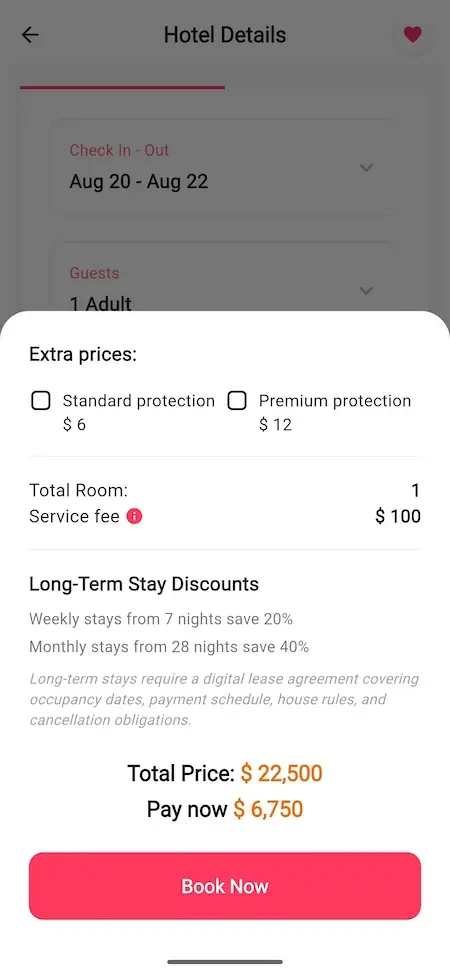
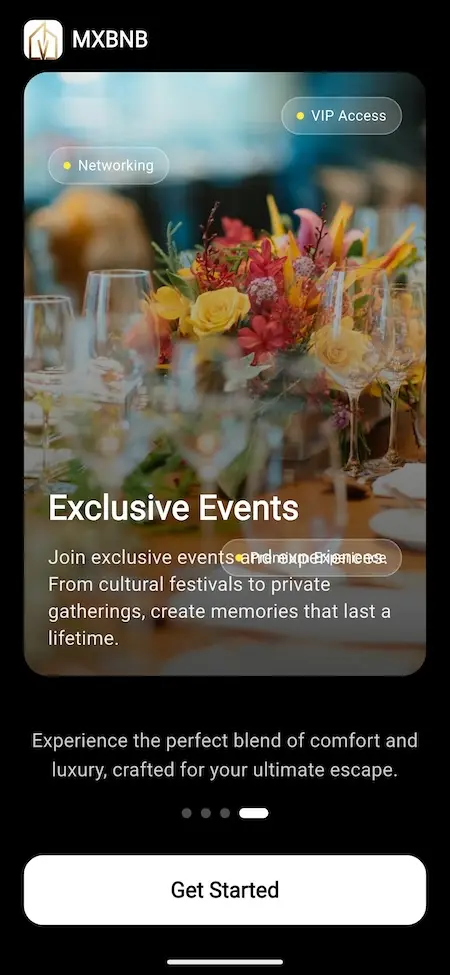
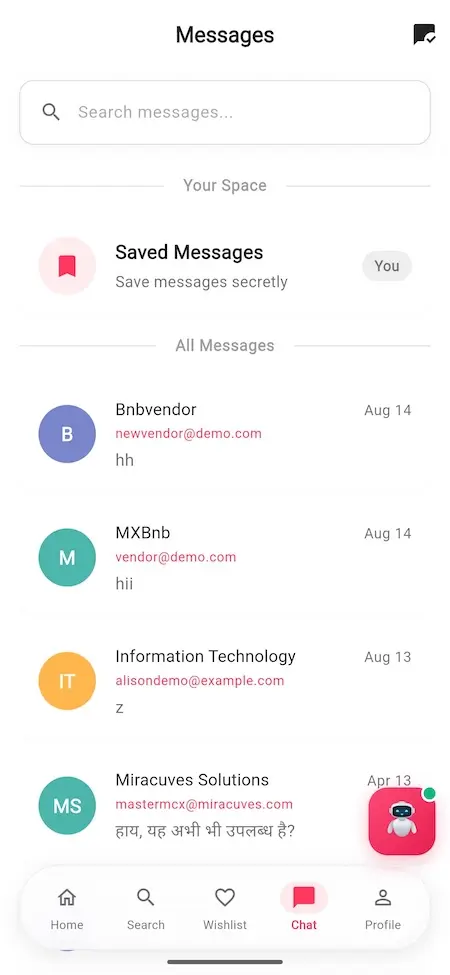
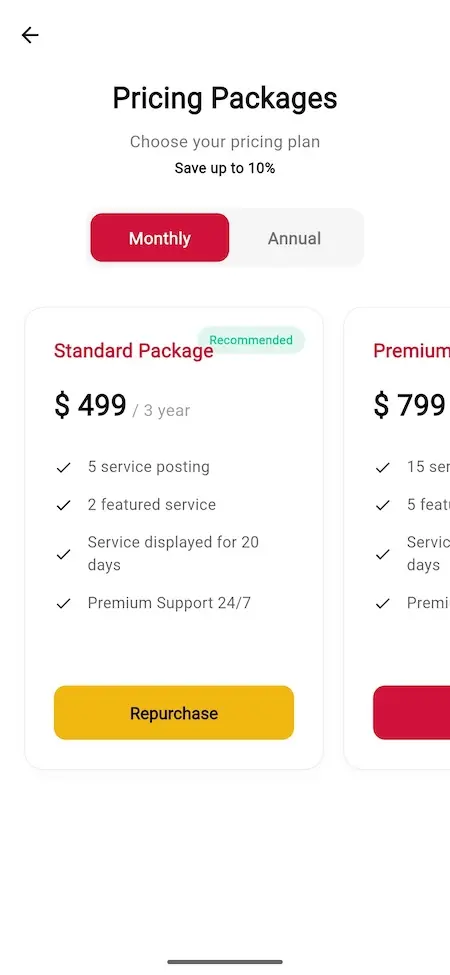
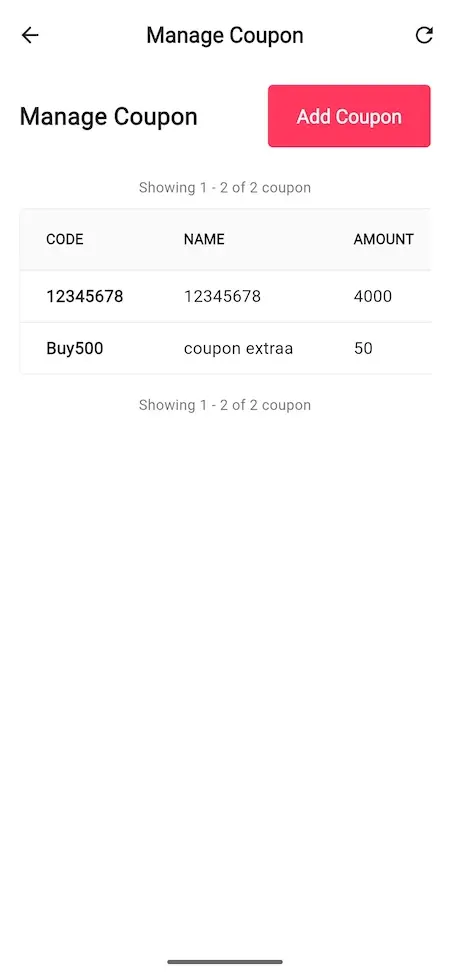
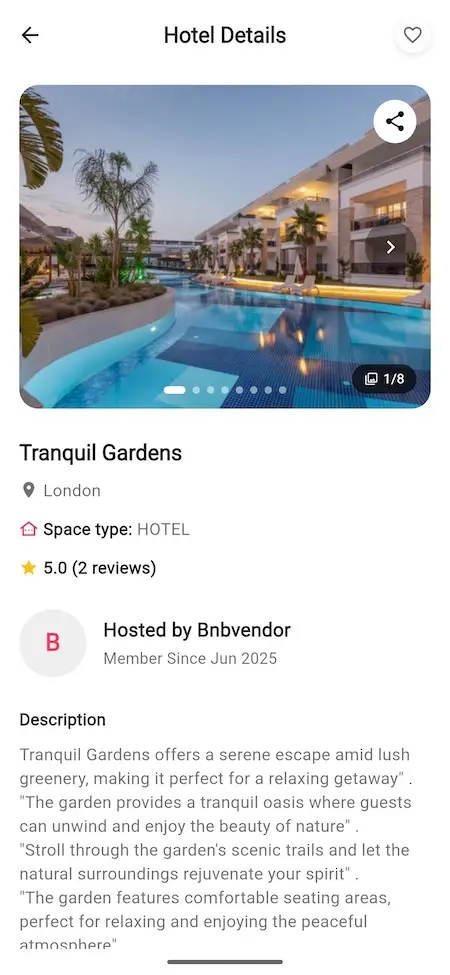
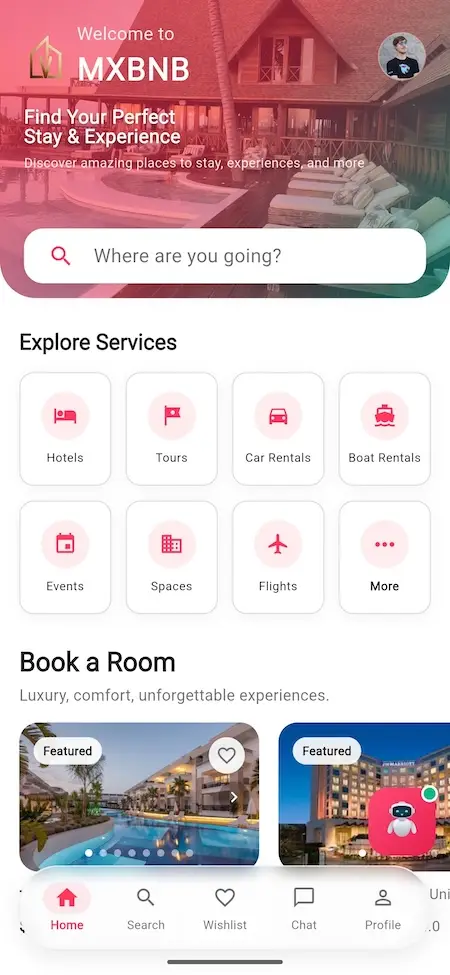
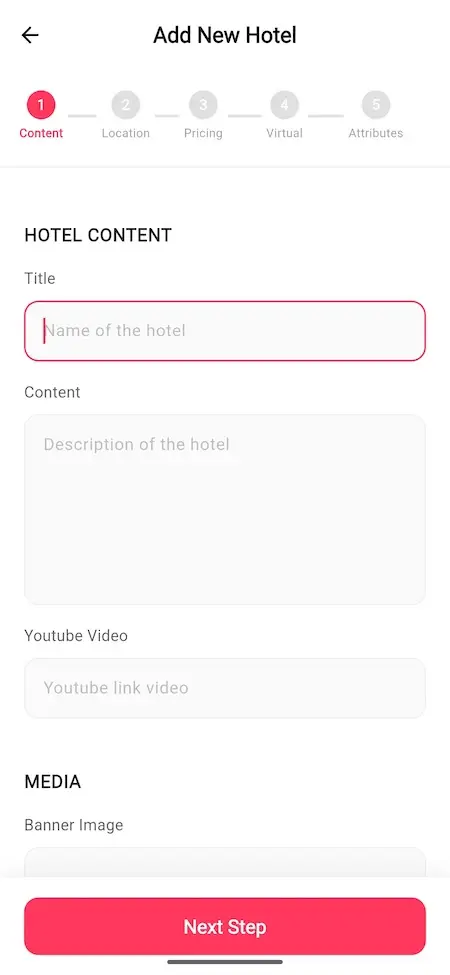
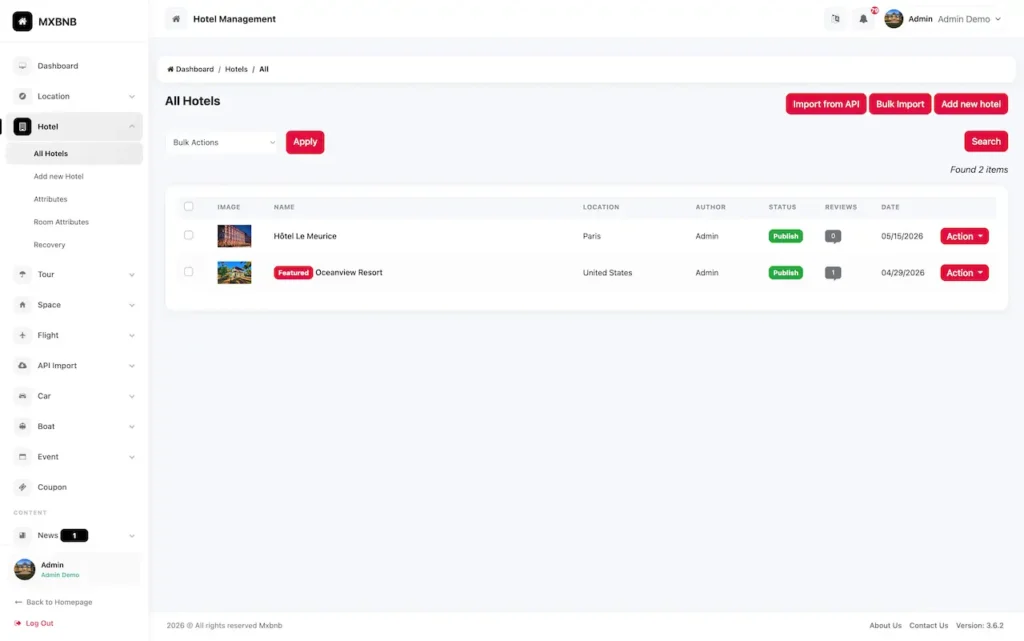
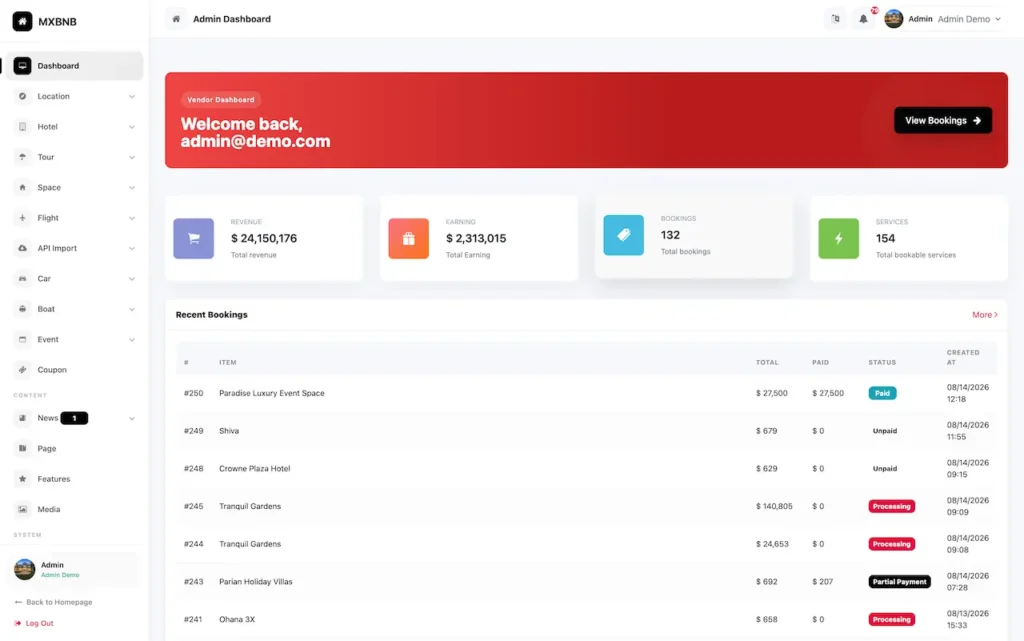
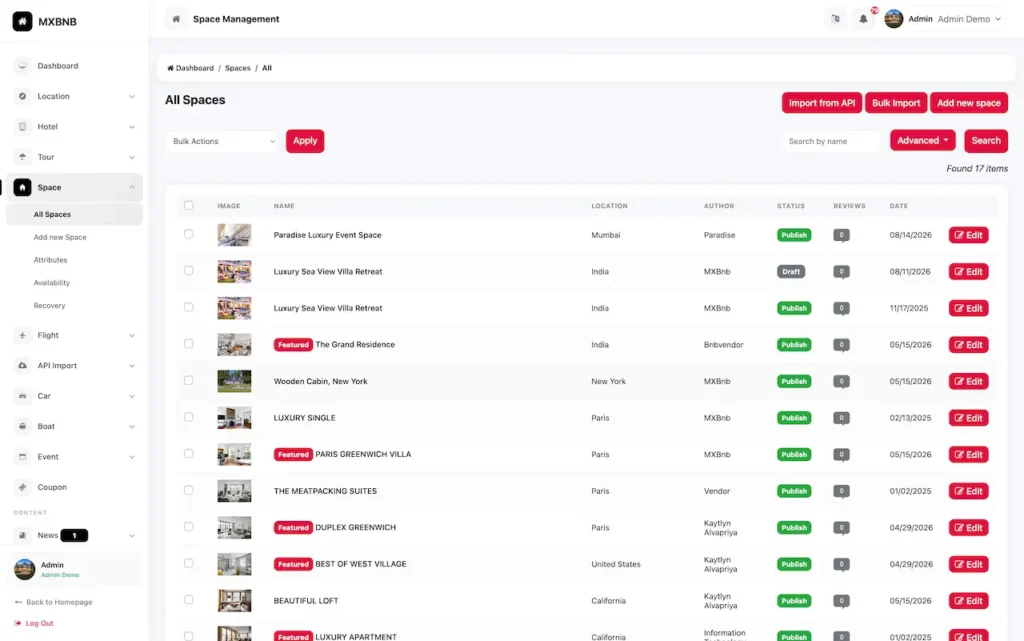
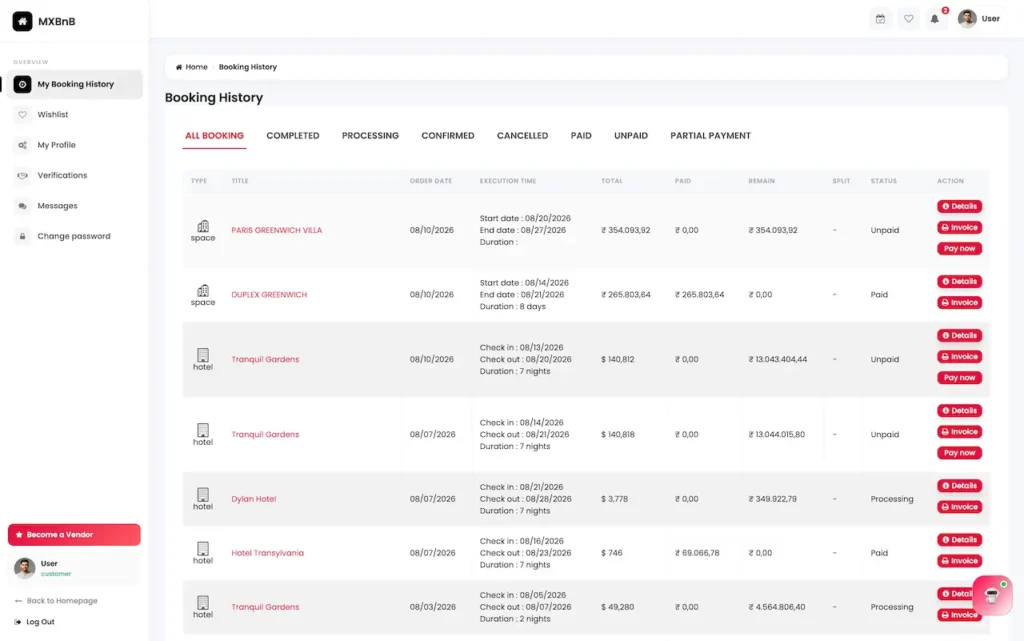
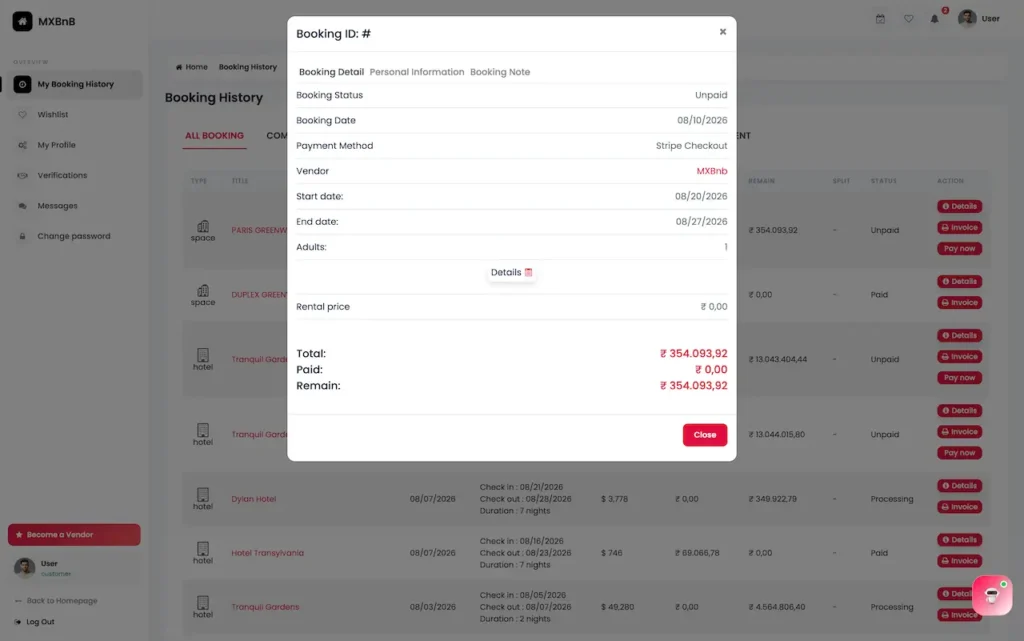
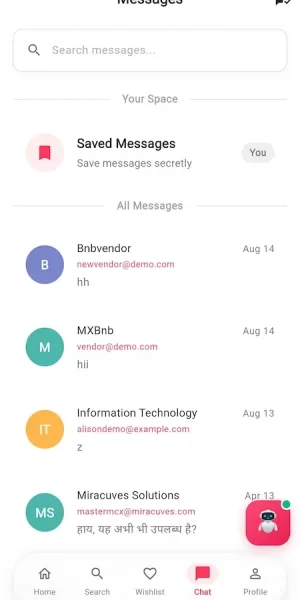
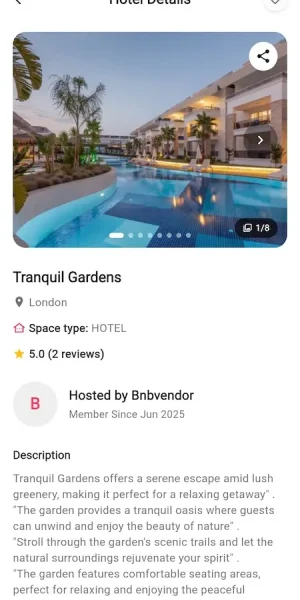
9flats Clone App Screens: Guest, Host and Operator Surfaces
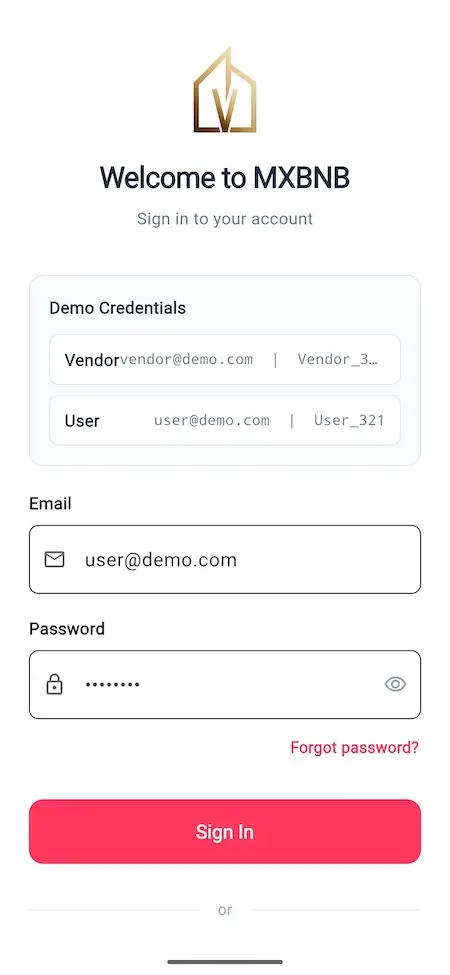
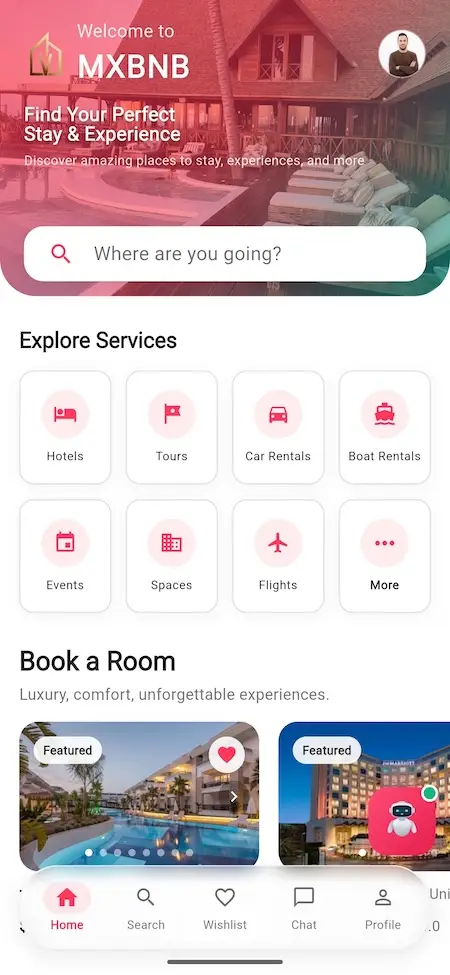
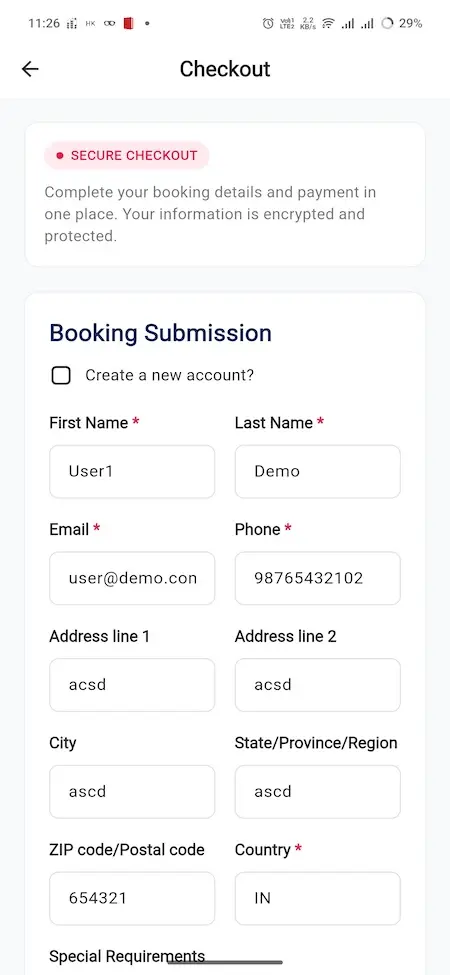
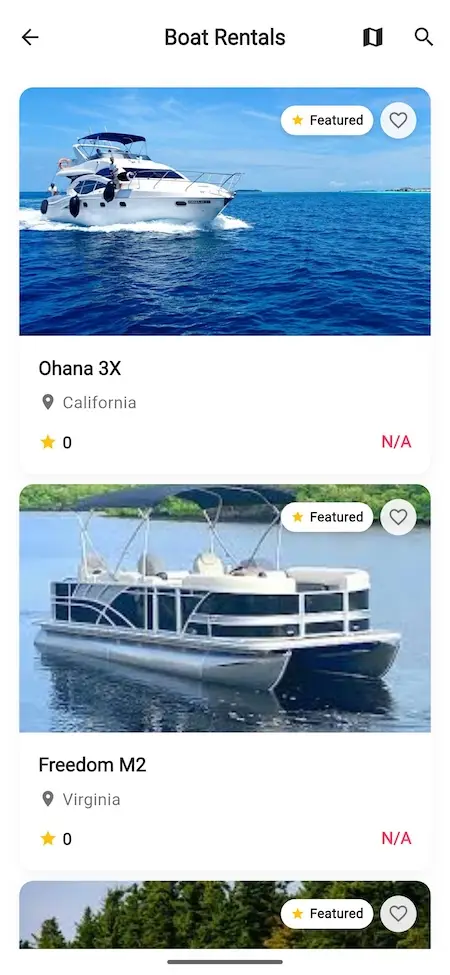
The interface across the surfaces that matter: discovery and search, the listing page with gallery and map, the availability and checkout flow, the host dashboard and calendar, and the operator console.

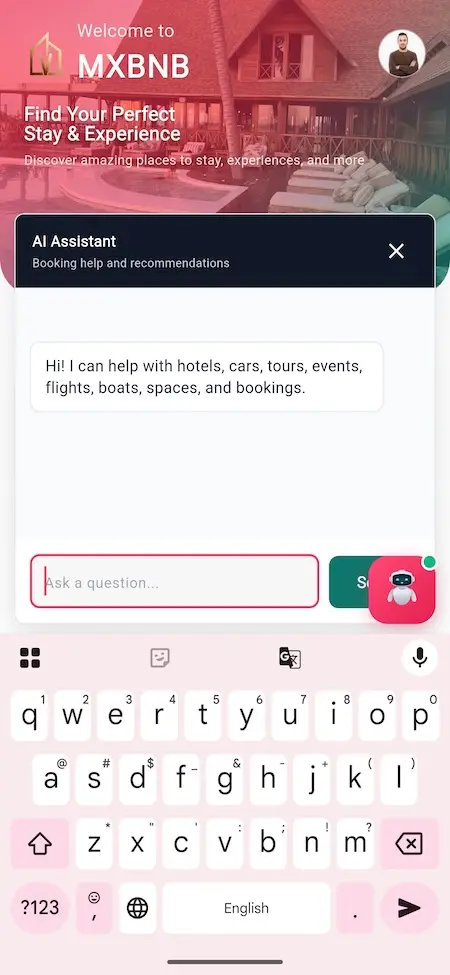

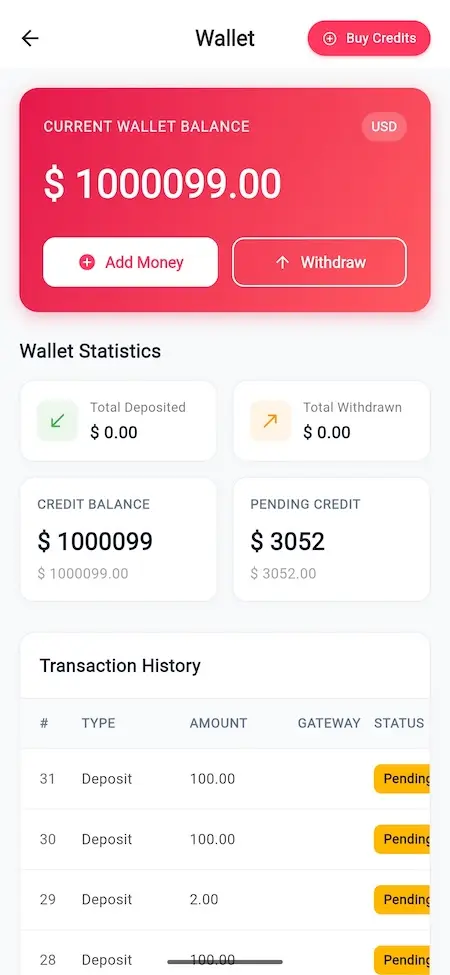
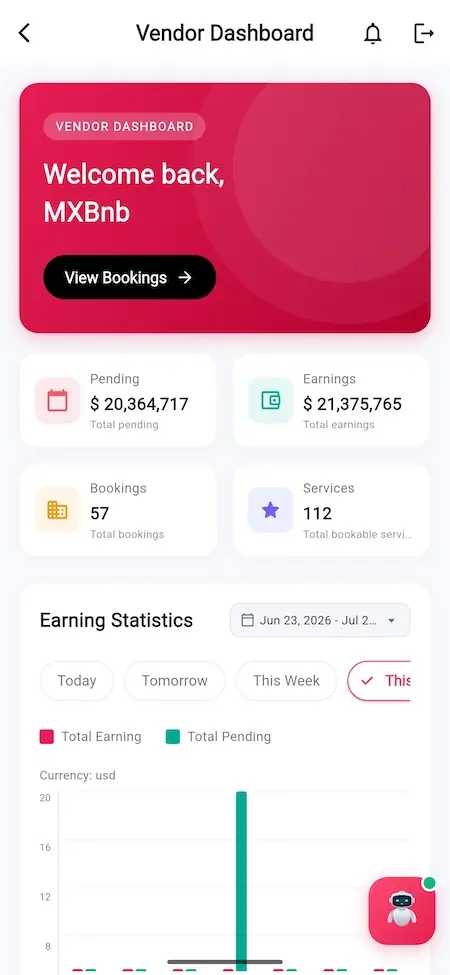
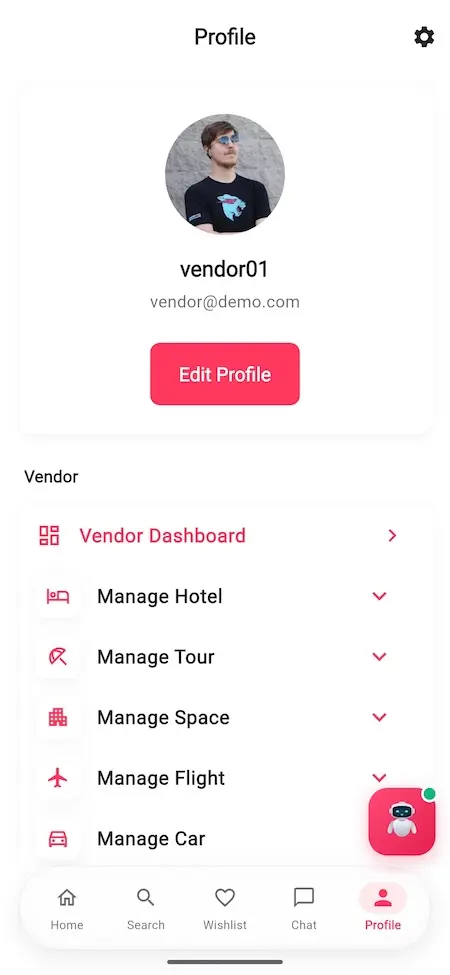
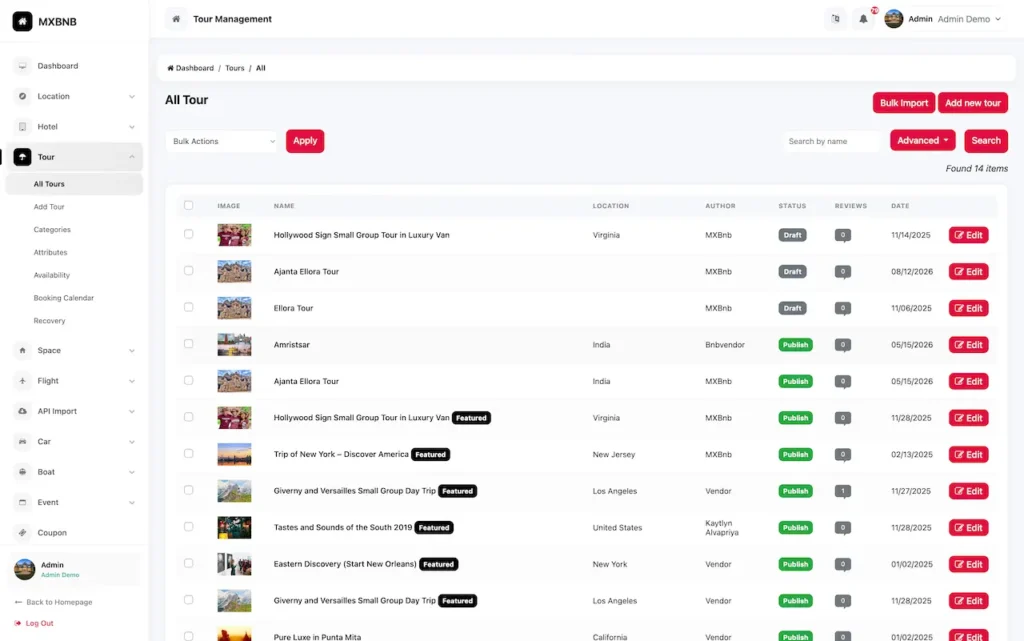
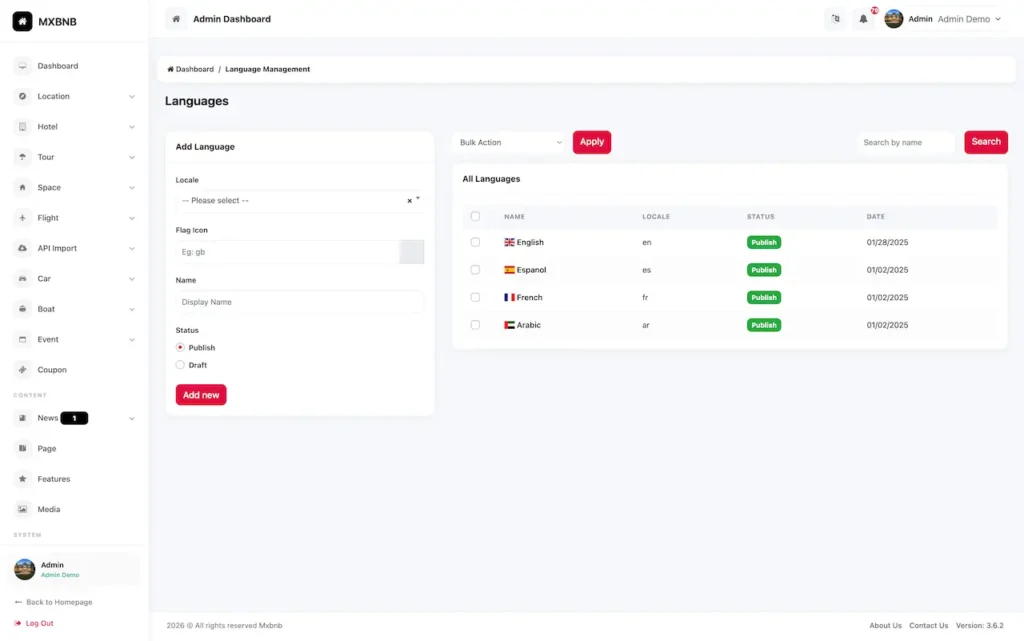
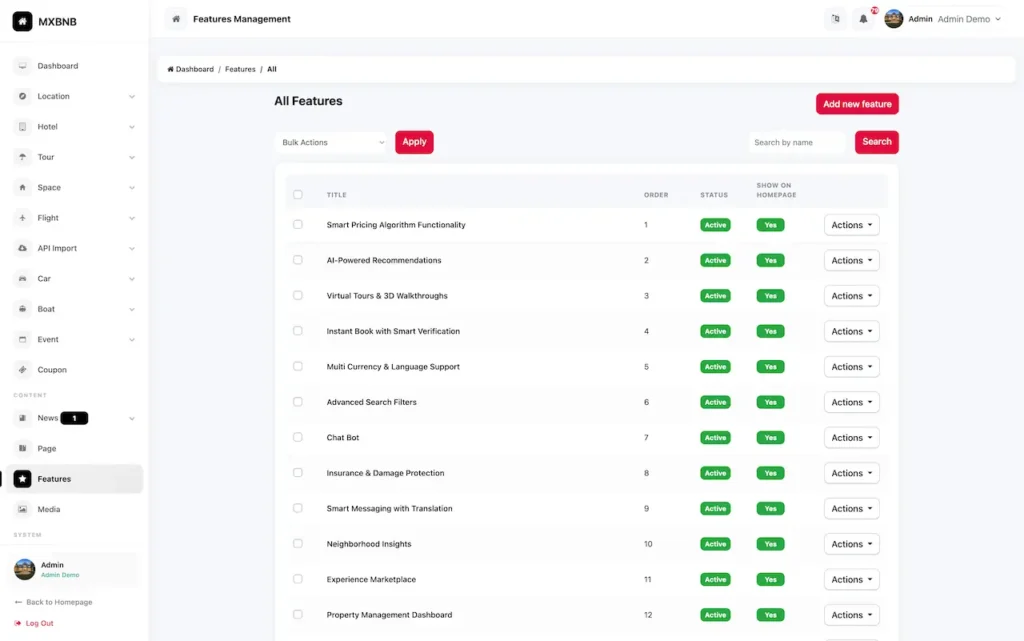
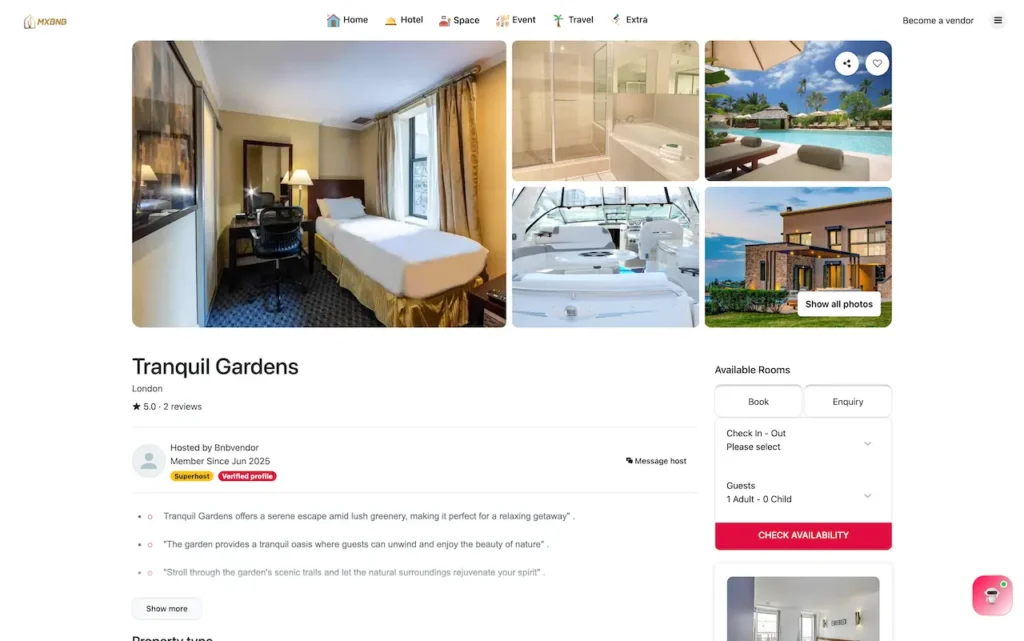
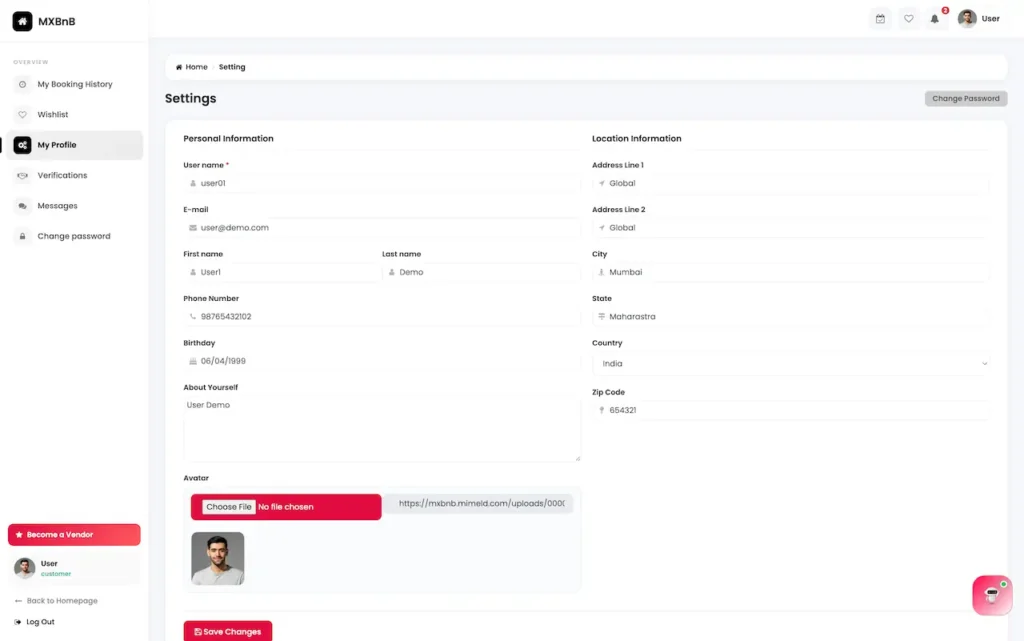
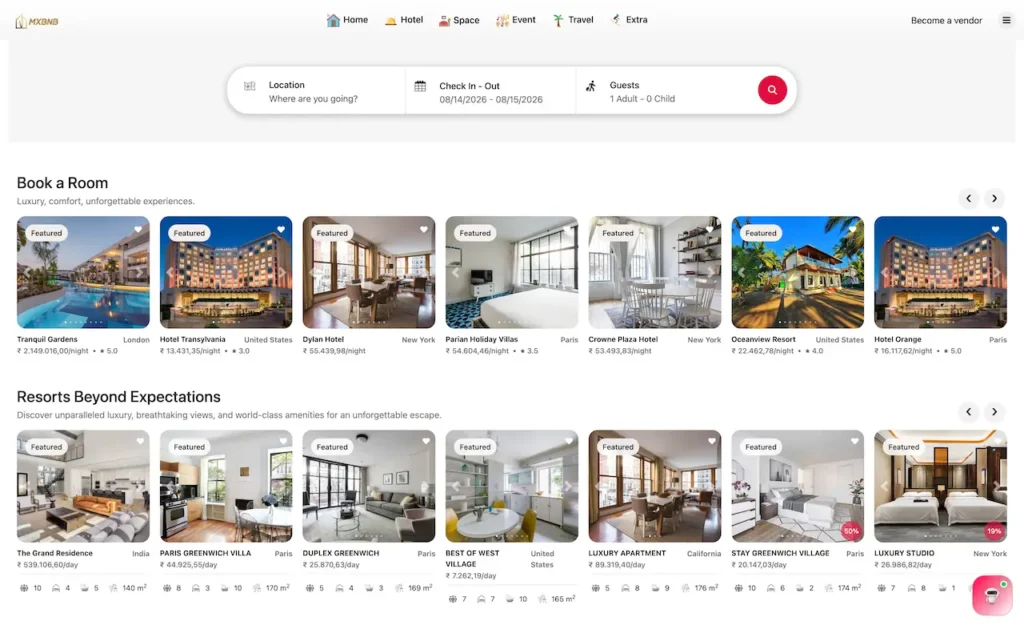
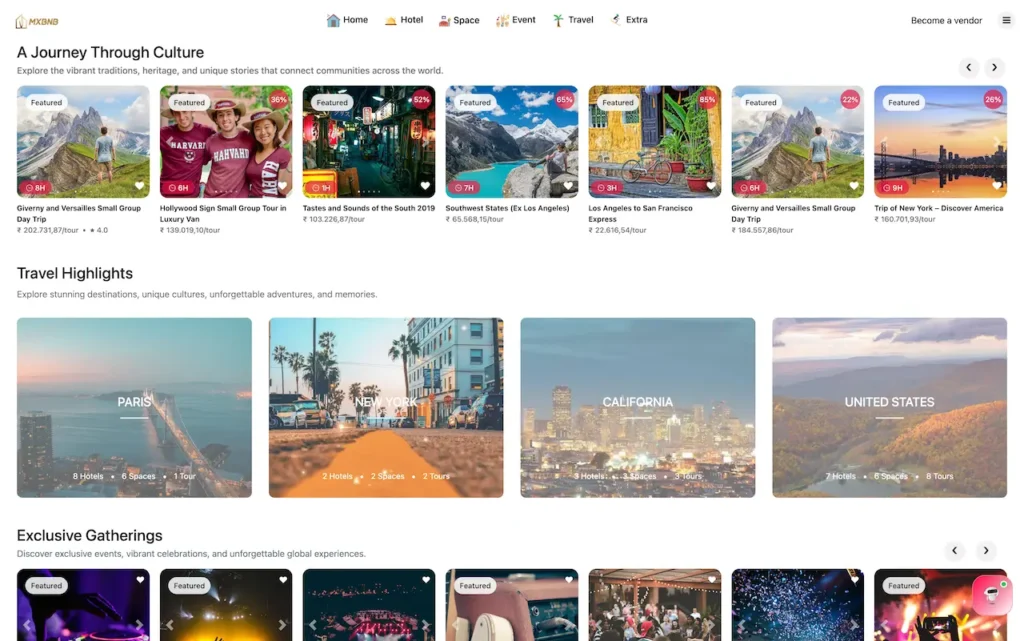
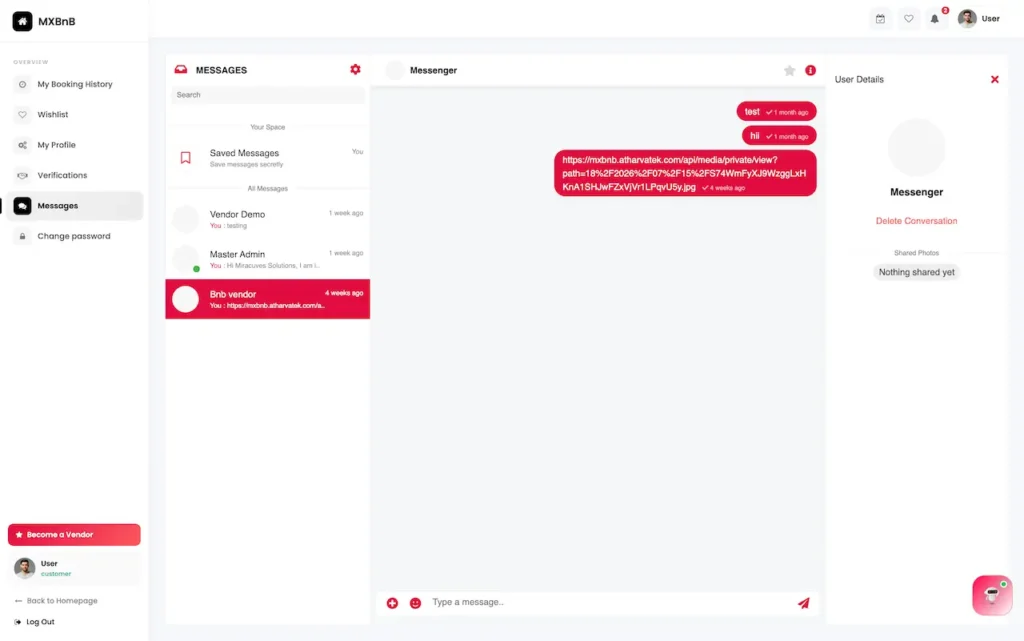
Want a guided walkthrough of a specific flow? Book a call and we will open the surface you care about with live data in it.
Client Voices
9flats Clone Client Reviews: Real Platforms, Real Results
Feedback from operators running rental marketplaces on this platform. Each is a named client with a published case study in our portfolio.
Case Studies
9flats Clone Case Study: A Short-Stay and Hotel Platform in Italy
Ischia Booking S.r.l runs short-stay rentals and hotel inventory on the island of Ischia. The mechanics of listings, calendars and payments already existed in this platform, so the engagement went into the parts that were specific to them. To be explicit about attribution: 9flats Clone and Airbnb Clone ship from the same MXBnb codebase, so Ischia Booking, BNBinGreece and GoToRawanda are live installations of that platform rather than separate clients of a separate product.
Ischia Booking
Short-Stay & Hotel Platform
A short-stay rental and hotel booking platform for the island of Ischia, replacing a static site, a shared inbox and a phone line with a live booking engine.
- A few dozen properties run from a static site, email and a phone
- Availability held in one place while OTAs sold the same rooms
- Guests arriving in several languages with no self-service portal
- Put the whole property list online behind a real booking engine
- Stop the operations team living inside an email inbox
- Keep calendars honest across every channel that sells the rooms
- Listings, calendar and booking flow taken from the base platform
- A channel manager wired to the OTAs they already sold through
- A multilingual guest portal for arrivals from several markets
- A property manager console for day to day operations
- Source code transferred to the client account on handover
"We were running a few dozen properties off a static site, email and a phone. Calendar, booking flow and the property manager came off the shelf. They added a channel manager for our OTAs, a guest portal and a multilingual interface. The operations team no longer lives in the inbox."
The Basics
What Is a 9flats Clone App?
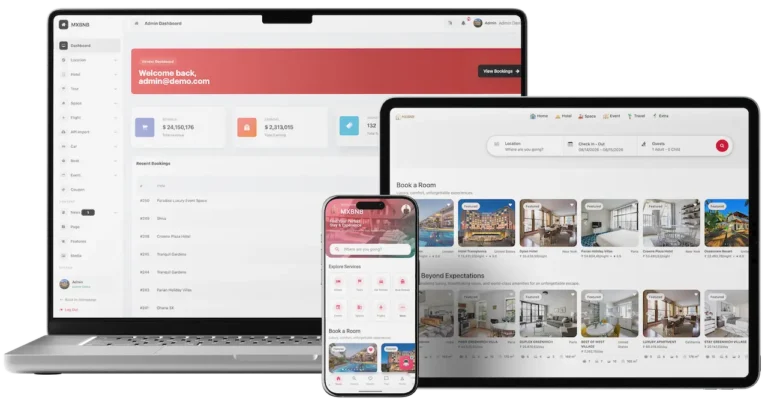
A 9flats Clone is a ready-made short-stay rental marketplace. Hosts list apartments and private rooms, guests reserve them by date, and you take a commission on each transaction. The host side is the spine of it: onboarding, a room-level calendar, rate rules and a payout queue.
A Transaction Engine, Not a Directory
Everything that matters happens after the guest presses book: availability revalidated on the server, the total recomputed instead of trusted from the browser, commission written onto the record, money queued to the host. A directory hands over a phone number and wishes you luck.
The Host Console Is the Product
Hosts run their own calendar, rates, minimum stays, fees and payout requests without routing anything through you. That surface decides whether they stay past their third month, so it ships complete rather than as a cut-down view of the admin.
One API Behind Every Screen
The Android and iOS builds read the same REST API as the web marketplace. A rate rule you change once takes effect on every surface at the same moment, and the store build never disagrees with the website about what a guest has actually reserved.
Built for Web, Android, iOS & API
What Is a 9flats Clone Script?
Listing pages are the easy half. What decides whether a short-stay platform survives its first busy weekend is narrower than that. Does availability hold when two guests reach the same room in the same minute? Does the total still add up once a coupon meets a seasonal rate? Is the host paid the amount they were quoted, at the rate that applied on the day they accepted? Those three answers are built into the booking path rather than bolted beside it.
-
Per-room calendars, so one property cannot double-sell a single room
-
Instant confirmation or enquiry-first booking, chosen per listing
-
Seasonal rates, length-of-stay discounts and host-set cleaning fees
-
A payout queue hosts can see, with request, review and completion states
-
Per-listing translation across fifteen languages, right-to-left included
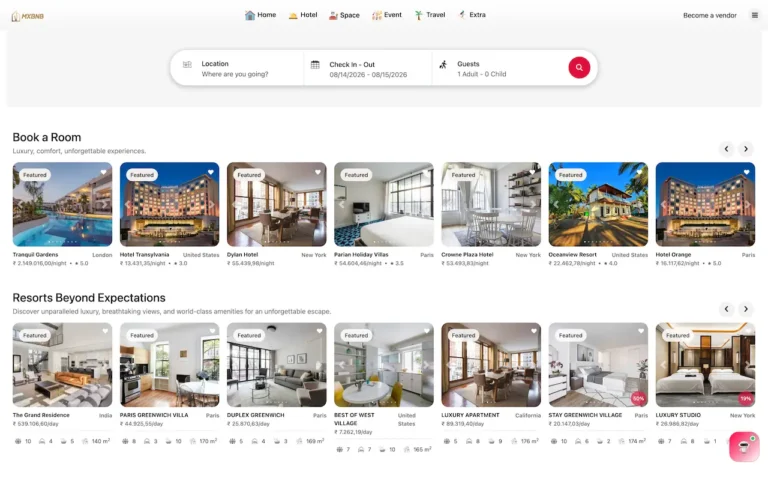
Underneath sits Laravel 10 on MySQL: more than forty tables, six payment gateways, over twenty admin modules and fifteen pre-configured languages with right-to-left layouts. Six further inventory types (spaces, cars, tours, boats, events and flights) live in the same codebase, switched off until a market asks for them.
Features
9flats Clone Features: Listings, Calendars, Pricing and Host Payouts
Everything below ships in the base platform and is demonstrable in the live demo. The order reflects where a short-stay operator actually spends their time, which is the host side.
Listings and Room Types
Apartments, private rooms and whole homes, with several room types under one property, each carrying its own rate, occupancy ceiling and bed configuration.
- Apartment, room and whole-home listings
- Several room types per property, each priced on its own
- Occupancy ceilings and bed configuration per room
- Check-in windows, house rules and minimum stay
Host Onboarding and Verification
Self-service signup with document upload, reviewed by you before anything publishes, with commission and listing allowance agreed at approval.
- Self-service onboarding with document upload
- Identity and business details captured before publishing
- Per-host commission agreed at approval
- Host roles carrying a listing allowance
Room-Level Calendar
Availability held per room rather than per property, with blocked dates, stay limits, booking windows and iCal export to keep outside calendars honest.
- Room-level calendar, not property-level
- Blocked dates, advance-booking window, min and max stay
- iCal export so external calendars stay in step
- Conflicts refused at request time, not after payment
Pricing Rules
Seasonal and date-range rates, weekly and monthly discounts, extra guest charges, and coupons bounded by usage limits and minimum totals.
- Seasonal and date-range rates
- Length-of-stay discounts for weekly and monthly guests
- Extra guest charges above a base occupancy
- Coupons bounded by usage limit, window and minimum total
Fees and Deposits
Host-set cleaning charges and security deposits running through the platform total, alongside your own service fee, all itemized on the record.
- Cleaning fees set by the host, not by you
- Security deposits held and released on platform
- Platform service fee carried into both sides of the total
- Every charge itemized on the booking record
Host Payouts
Earnings accrue net of commission, the host requests, you review and complete, and the history stays available for reconciliation and tax.
- Earnings accrue net of commission and fees
- Host requests payout, operator reviews and completes
- Bank transfer and PayPal supported out of the box
- Payout history retained for reconciliation and tax
Guest Search and Discovery
Location, dates, guests, price band, amenities and rating, with autocomplete, map view and distance sorting.
- Search by location, dates, guests, price and amenities
- Autocomplete on locations and listing names
- Map view with coordinates and distance sorting
- Listing pages with gallery, video, reviews and map
Booking Rules and States
Instant or enquiry-first per listing, availability revalidated before payment, and eight booking states with operator override.
- Instant confirmation or enquiry-first, set per listing
- Availability revalidated server side before payment
- Eight booking states from draft through to completed
- Manual operator intervention on any booking
Payments and Partial Payment
Six gateways plus the wallet, deposit models, balance reminders, invoicing and refunds from the admin.
- Six gateways plus the internal wallet
- Partial payment where a deposit model is used
- Balance reminders ahead of arrival
- Invoicing and refunds handled from the admin
Reviews, Messaging and Enquiries
Reviews limited to completed stays, a moderation queue with host replies, live messaging and structured enquiry threads.
- Reviews restricted to stays that actually completed
- Moderation queue with host right of reply
- Live guest to host messaging over Pusher
- Structured enquiry threads for quoted stays
Languages and White-Label
Per-listing content by locale, fifteen languages, right-to-left support, and full branding across every surface.
- Per-listing translation, not just interface strings
- Fifteen languages pre-configured
- Right-to-left layout for Arabic and Hebrew
- White-label branding across web, apps and email
Six More Types, Switched Off
Spaces, cars, tours, boats, events and flights already share the booking and payout path. Enable any of them from the admin when your market asks.
- Spaces, cars, tours, boats, events and flights
- Each shares the booking, payment and payout path
- Switched off in the admin until you want them
- Enabling one later needs no rebuild
Note for buyers: every capability above ships in the base platform and is white-label. Where something needs a third-party account, such as a channel manager or an additional payment rail, that is stated as an add-on rather than implied away.
Revenue Engine
9flats Clone Revenue Models: Commission, Plans, Fees and Promotion
Short-stay margin is thin per night, so it has to come from more than one place. Each lever below is modelled separately, which means you can raise one without quietly breaking another.
Commission, Frozen per Booking
Your cut of each stay, set platform-wide or overridden for an individual host, as a percentage or a flat amount. The rate in force on the booking date is stored on that record, so last quarter's reporting stays true after you reprice.
Host Plans With Listing Caps
Subscription tiers carrying their own price, duration and annual option. Each maps to a role with a listing allowance, so a host on the entry tier hits a ceiling and upgrades to publish more. This is the line that keeps paying in a quiet season.
Platform Service Fee
A fee on top of the stay total, set once and carried into both the figure the guest is shown and the figure the host is owed, so neither side meets a surprise at checkout.
Cleaning and Deposits, On Platform
Hosts attach their own cleaning charges and security deposits, and those run through the same total calculation as everything else instead of being collected in cash at the door where you can neither see nor insure them.
Featured Placement
Promotion sold as position rather than as a share of a booking. It earns whether or not the listing converts, which is the only line here that is indifferent to occupancy.
Wallet Float
Guest credit and accrued host earnings rest in the platform wallet between payout runs. The balance sits with you until it is withdrawn, and every movement against it is auditable per transaction.
Commission and host plans are the two that decide the shape of the business, because they price different things: what a booking is worth, and what being listed at all is worth. Commission is stamped onto each booking as it is created, so a rate change next quarter cannot reach backwards into what a host already earned.
Control Center
9flats Clone Admin Dashboard: Users, Hosts, Bookings, Payouts and Compliance
More than twenty modules, each sitting behind its own permission. On a stay platform the daily work is narrow: approve the hosts worth having, keep listings honest, and move money out on time. Everything else is periodic.
Operator Control
Operations Dashboard
Revenue, bookings and growth on one screen, with the two things needing a decision today, host applications and payout requests, raised as actions instead of buried in a list.
Host Approval and Verification
The upgrade workflow end to end: identity documents reviewed, business details captured, commission agreed, listing allowance set. A host is checked before anything they own reaches a guest.
Listing Moderation
A single queue with status filters, bulk approve and reject, featured placement control, and full editing rights over any listing when a host uploads something you cannot publish.
Payouts and Reconciliation
The payout queue with review, approval and completion tracking, per-gateway transaction monitoring, and retained history so month end and tax season are lookups rather than investigations.
Booking Oversight
Every stay on the platform with status filters, detail view, manual status change, payment state and refund processing for when a guest situation needs a human.
Commission and Coupons
Commission platform-wide or per host, percentage or fixed, plus a coupon engine bounded by usage limit, validity window, minimum total and per-user restriction.
Users and Roles
Search and filter accounts, assign roles, block or publish, override email verification, and compose custom roles by picking permissions module by module.
Locations and Languages
A nested tree from country through state and city to neighbourhood, and a translation surface covering both interface strings and per-listing content.
Content and Templates
CMS pages, a news engine, email and page templates, a menu builder, and a media library whose watermark module protects host photography.
- Pending host applications waiting on your decision
- The payout queue, with review and completion states
- Occupancy, revenue and booking volume on one screen
- Payment state and refunds per individual booking
System and Extensibility
Module and plugin management to switch capability on or off per deployment, cache and optimization tools, and a log viewer behind its own permission.
- Location tree from country down to neighbourhood
- Translation for interface strings and listing content
- Email and page templates under your branding
- Media library with watermarking for host photography
Governance beyond this, territory-scoped administrators or a scheduled export into your finance system, attaches through the module and hook system rather than requiring anyone to rebuild the admin.
Transparent Pricing
How Much Does It Cost to Build a Rental Marketplace Like 9flats in 2026?
A launch-ready white-label 9flats Clone is $2,499 as a one-time purchase, deployed in 6 working days with your branding on your own hosting. That figure is fixed rather than a starting point. What is quoted separately is work beyond the base: additional payment rails, a channel manager, housekeeping, extra languages, or publishing scope on the stores.
Not sure which option
is right for you?
Talk to us - we'll understand your goals, timeline, and budget, and point you to exactly what you need. No upselling, just honest advice.
Deliverables
What's Included: 9flats Clone Source Code, Apps and Deployment
You are handed the system itself, not permission to operate someone else’s copy of it.
Guest Marketplace and Host Console
The public site guests book through, plus the surface hosts actually live in: calendar, rates, enquiries, earnings and payout requests.
- Guest marketplace with full search and listing pages
- Host console for calendar, rates, enquiries and earnings
- Listing pages built to be indexed
- Responsive from desktop down to phone
Android App
A branded build on the same REST API, carrying both the guest journey and the host dashboard so an owner can clear a calendar conflict from a phone.
- Branded Android build for guests and hosts
- Book, message and review from the phone
- Hosts manage calendar and request payouts on mobile
- Push notifications and document upload
iOS App
The same feature set from the shared API, with App Store submission handled as part of publishing support.
- iOS build against the same shared API
- Parity with the Android feature set
- Your icon, splash screen and colour scheme
- App Store submission handled for you
Operator Admin Panel
More than twenty modules spanning users, hosts, listings, bookings, payments, payouts, content and system logs.
- More than twenty admin modules
- Granular per-module permissions
- Host approval and listing moderation
- Commission, coupons and payout processing
Full Laravel 10 Source Code
The entire backend, admin and public site with no encrypted files, yours to change, rebrand and redeploy without asking us.
- Complete Laravel 10 source, nothing encrypted
- The REST API every client is built on
- Database schema with migrations
- Upgrade scripts between versions
APIs and Integration Layer
Six gateways behind one common interface, plus mail drivers, Pusher realtime, Google Maps and social login.
- Six payment gateways pre-integrated
- Mail drivers for SMTP, Mailgun, Postmark and SES
- Pusher for live chat and notifications
- Google Maps and social login
Branding and Re-Skinning
Name, logo, splash screens, colour theme, fonts and transactional email, with nothing of ours left visible anywhere.
- App name, logo, splash screen and colour theme
- Transactional email under your branding
- Custom domain configuration
- White-label on every surface, with no vendor mark
Deployment and Post-Launch Support
Server setup with SSL, mail and gateways, then 60 days of guidance, 6 months of priority bug fixes and 12 months of updates.
- Server setup on the provider you choose
- SSL, mail and gateway configuration
- 60 days of launch guidance
- 6 months of priority bug fixes, 12 months of updates
Want to see exactly what you get? book a walkthrough and we will open the guest app, the host console and the operator admin with live data, then show you the repository structure you would be taking ownership of.
Explore Every Angle of the 9flats Clone
Four focused guides covering features, cost, how to choose a builder, and how the business model makes money, each going deeper than this overview can.
Features
Every feature by role across the host spine: listing and onboarding, room-level availability, pricing rules and payouts, plus what the base package leaves out.
See the full breakdown →Development Cost
Our fixed $2,499 price against agency and custom-build ranges, plus the 6-day path to live and why the number is fixed rather than "starting at".
See exact pricing →Development Company
Agency vs. freelancer vs. Miracuves compared, plus the territorial-rights and money-safety checks to run before you hire anyone.
Compare options →Business Model
Six revenue lines on one ledger covering commission, host plans, fees and featured placement, and why a host-first marketplace changes the maths.
See the playbook →Who It's For
Who Is Our 9flats Clone App Built For?
What separates these operators is not the software, it is which host problem they are solving first. One is replacing a shared inbox. One is trying to keep a hundred owners from drifting to an OTA. One needs a second brand that does not touch the first. All configuration, none of it a fork.
Vacation Rental Operators
Tourism Boards & Destination Platforms
Multi-Service Travel Brands
Hotel Groups & Property Managers
Marine & Specialist Rental Businesses
White-Label & Multi-Brand Operators
The common thread: you have rooms or apartments sold by the night, people who own them and expect to be paid on time, and no interest in renting your guest list from somebody else.
Where It Fits
9flats Clone Use Cases: Stays, Experiences, Mobility & Multi-Service Hubs
One platform underneath all six. What changes is which host problem leads and which rules get tightened.
City Apartment Marketplace
Apartments and private rooms in a single city, with host onboarding, a room-level calendar, guest payment and a payout queue under your own brand. BNBinGreece and GoToRawanda both launched on this shape, and in each case the base carried listings, calendars and payments while the effort went into local payment methods, guest languages and the property types those markets actually list.
Owner Portfolio Going Direct
A manager with owners who can see exactly what the OTAs deduct. Going direct only holds if the owner-facing side is better than what they left, which means a calendar that cannot double-sell, commission fixed at the moment of booking, and a payout they can watch move through review to completion without asking anyone.
Hotel Rooms Beside Private Apartments
Room-type inventory gives each category its own rate, occupancy ceiling and minimum stay, while a whole-apartment listing beside it behaves like a private rental. Ischia Booking runs precisely this mix, with a channel manager holding the OTAs selling the same rooms in step.
Serviced and Corporate Stays
Longer bookings, recurring billing and turnaround states that matter more than review scores. Length-of-stay discounts do the pricing work, and housekeeping tracking is available as an add-on when room status becomes the daily operational question.
Seasonal Coastal and Mountain Markets
Markets where the year is decided by twelve weeks. Seasonal rate tables carry the peak, minimum-stay rules protect the weekends worth having, and advance-booking windows stop next summer being sold at this summer’s prices.
White-Label Marketplace for Clients
Agencies and networks running a branded marketplace per client or per territory, each its own deployment, sharing an operating model while data and branding stay completely separate.
Common thread: the calendar, the wallet, the review system and the payout pipeline are identical in all six. What differs is which rules you tighten, and every one of those is an admin setting.
Market Timing
Why Launch a Rental Marketplace in 2026?
Two things decide whether owning the platform beats listing on one. The commission is the obvious one: the large platforms take a double-digit percentage of every night sold, and an operator running their own marketplace simply does not pay it. The second is quieter and worth more over time. On a third-party platform the guest is not yours. You cannot email them, you cannot bring them back, and if your ranking slips one season you discover how little of that audience you ever held.
The Commission Stays With You
Every night booked pays your rate instead of somebody else's. On a portfolio already turning real volume, that single line usually pays for the platform inside the first season.
The Guest List Is Yours
Email addresses, stay history and who came back last year sit in a database you control. Repeat guests are the cheapest occupancy there is, and they are impossible to build on rented ground.
You Already Have the Hard Part
Short-stay platforms fail for want of supply, not software. Whoever already manages the apartments has solved the expensive half and is only missing the machinery.
Where the Incumbents Are Weak
A local payment rail, a guest language, a property type or a regulatory requirement the global platforms treat as an edge case is a durable opening. All four are configuration here rather than development.
Depth Where Hosts Actually Leave
Hosts churn over calendar conflicts, unclear payouts and pricing they cannot control. Room-level availability, per-booking commission frozen at booking time, and a payout queue they can see are the retention levers, and they are the whole product here.
A Build That Does Not Take a Year
The unglamorous parts, availability, pricing, payouts, permissions and a console, are what consume a custom build. They are done here, which is what makes 6 working days to launch realistic.
Platform by the Numbers
8
Booking Statuses
6
Payment Gateways
20+
Admin Modules
15
Languages Ready
The honest counter-argument: the incumbents supply demand and you will not. Owning a platform makes sense when you already hold the supply, when you have an audience of your own, or when your market runs on a payment method or a language the global platforms handle badly. If none of those is true of you, listing on an existing platform is the better answer and we would rather say so now.
Technology
9flats Clone Tech Stack: Laravel 10, MySQL, Vue.js & Flutter
Nothing here is fashionable, which is the entire argument. You can hire a Laravel developer in any city on earth, and the day you decide to stop working with us the platform keeps running without a single call.
API & Business Logic
PHP 8.1+ · LARAVEL 10
- Modular monolith, 20+ domain modules
- Eloquent throughout, parameters always bound
- Sanctum tokens and JWT on the API
- Hook and plugin system for your own code
Bookings, Listings & Transactions
MYSQL 8 / MARIADB
- 40+ tables covering every domain
- One bookings table serving all inventory types
- Composite indexes on the object type and id pair
- Full-text indexes where guests actually search
Guest & Operator Interfaces
VUE.JS · BLADE · BOOTSTRAP
- Blade rendering the public marketplace
- Vue components inside the admin surfaces
- Responsive from desktop down to phone
- Theme system with template overrides
Mobile Applications
FLUTTER
- One codebase producing Android and iOS
- Same REST API as the web marketplace
- Push notifications and camera upload
- Guest journey and host console both present
Realtime & Messaging
PUSHER · CHATIFY
- Guest to host messaging
- Notifications delivered live in app
- Unseen counts and read receipts
- Images and files shared in thread
Infrastructure & Scaling
REDIS · S3 / GCS · NGINX
- Cache, session and queue behind drivers
- Queue workers supervised
- Galleries on S3 or Google Cloud via CDN
- Read replicas available for reporting
Note for tech buyers: this is a modular monolith and not microservices, deliberately. Twenty-odd modules each own their models, controllers, views, routes and migrations inside one deployable application, which gives you the separation without paying to operate a distributed system a stay marketplace does not yet need. When it does need one, cache, queue, mail and storage are already behind drivers, so the change is configuration rather than architecture.
How It Works
How the 9flats Clone Works: Search, Book, Host, Settle
Six stages between a guest arriving and a host being paid. Every decision in the chain is made on the server, which is the whole difference between a booking engine and a form that sends you an email.
End to End
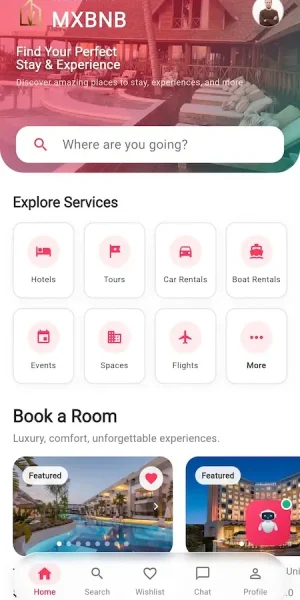
Discover and Select
A guest lands, filters down to somewhere they would actually stay, and opens the listing.
- Location, date range, guest count, price band, amenities and rating
- Autocomplete on place names and listing titles
- Map view with coordinates and sorting by price, rating or distance
- Listing page carrying gallery, video, amenities, house rules and reviews
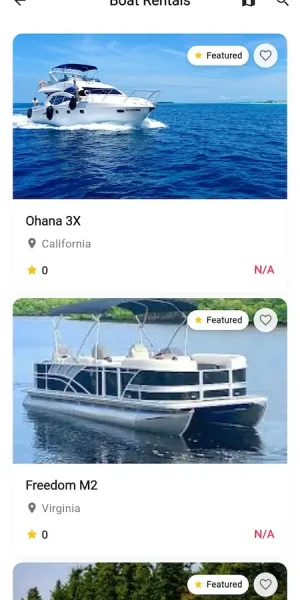
Check Availability
Before a single field about payment appears, the request is tested against real inventory.
- Checked against the date tables and every booking already held
- Minimum stay, maximum stay and advance-booking window enforced
- Clashes refused at source rather than reconciled afterwards
- Room-level, so two rooms in one property never collide
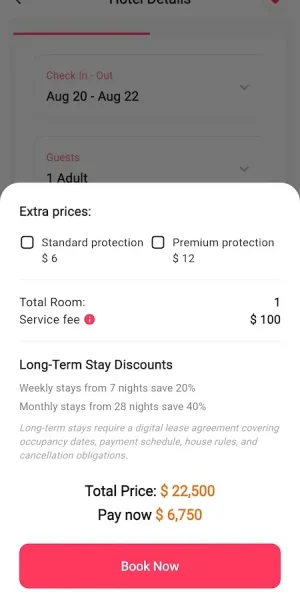
Price and Apply Discounts
The total is rebuilt on the server. Whatever the browser believes the price to be is irrelevant.
- Seasonal and date-range rates applied over the base nightly rate
- Length-of-stay discount, extra guest charges, cleaning fee, deposit
- Coupon tested against usage limit, validity window and minimum total
- Your service fee and the host's own fees folded into one figure
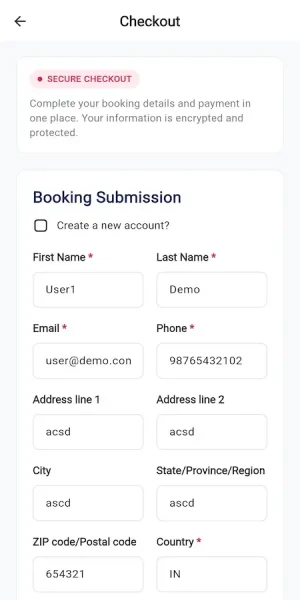
Book and Pay
Guest details are captured, the record is written, and payment runs through whichever gateway you enabled.
- Booking created with a unique code, opening in draft state
- Stripe, PayPal, PayStack, Payrexx, offline transfer or platform wallet
- Partial payment where you run a deposit model
- Gateway webhook verified by signature before anything advances
Confirm and Notify
Confirmation is the moment inventory is committed and everyone involved is told.
- Dates blocked and pushed out to any iCal consumer
- Confirmation to the guest, booking alert to the host
- Live in-app notification through Pusher
- Commission calculated and frozen onto the booking record
Complete, Review and Settle
The stay ends, the loop closes, and the money moves.
- Booking flips to completed once the end date passes
- Review invitation sent, and only a completed stay can leave one
- Host earnings become available net of commission and fees
- Host requests payout, you review it, you mark it complete
Visual Flow Diagram
Search → Availability → Pricing → Payment → Confirmation → Stay → Review → Host Payout
Behind The Scenes
9flats Clone Platform Architecture & Backend Flow
Availability Is Computed, Never Cached
Every request is checked against the date tables and the bookings that already exist, rather than trusting a flag someone set earlier. It costs a query and it is the single control standing between you and selling the same room twice on a bank holiday.
Commission Frozen on the Record
The rate and its type are written onto the booking as it is created. Repricing the platform next quarter cannot reach back and change what a host earned last quarter, which is what makes historical payout reporting defensible.
One API Behind Every Client
Guest web, host console and both mobile builds speak to the same REST API against the same booking contracts, so the app and the website can never disagree about what a guest has reserved.
One Bookings Table, Any Inventory
Bookings attach to inventory through an object type and id pair, so payments, reviews, reporting and payouts were written once and already work for the six types you have switched off.
Drivers, Not Rewrites
Cache, queue, session, mail and storage all sit behind driver interfaces. File to Redis, or local disk to S3, is a line of configuration rather than a migration with a project plan attached.
Hooks Instead of Forks
Action and filter hooks plus a plugin directory let your own logic attach to booking creation or price calculation without touching core files, so the next platform update does not quietly delete your customization.
Build to Scale
Built to Scale: Caching, Queues and Storage That Move
Short-stay traffic is spiky in a specific way: a city fills up on the same fortnight every year, and search gets hammered long before anything is booked. The scaling path here is deliberately unremarkable, because unremarkable is what survives that.
Search Load Versus Booking Load
Browsing outnumbers booking heavily, so the two are kept apart. Read and write splitting sends reporting and heavy search to a replica while the booking path keeps the primary to itself. The consequence that matters is that a slow analytics query cannot delay a confirmation.
Photography Is the Heavy Asset
A short-stay listing carries thirty images and a rental platform carries thousands of listings. Galleries move to S3 or Google Cloud behind a CDN by switching the storage driver, thumbnails are cut on upload rather than on request, and a watermark module protects host photography from being lifted onto a competing listing.
Slow Work Leaves the Request
Mail, image processing, exports and report generation run as queued jobs under Supervisor, with failed jobs captured and retried on a backoff. A booking surge cannot stall a page render, and a mail provider having a bad afternoon degrades delivery instead of checkout.
Indexing for the Queries Actually Run
Date ranges on bookings, composite indexes on the object type and id pair, full text on searchable content. Related models are eager loaded so the busiest listing and calendar views never fall onto the N+1 path, and every list endpoint paginates rather than returning an unbounded set.
Replicas Keep Reporting Away From Booking
Read and write splitting means a heavy occupancy report cannot slow down a guest trying to confirm a stay.
Redis for Session, Cache and Queue
Three drivers, one configuration change, and the single highest-value move when you outgrow one box.
Galleries on a CDN
Listing photography served from S3 or Google Cloud, thumbnails generated at upload, watermarking available.
Queues Under Supervisor
Mail, exports and image work run off the request, with failed jobs captured and retried.
Indexed on Dates and Types
Date-range indexes on bookings, composite indexes on the polymorphic pair, full text on content.
Eager Loaded, Always Paginated
The calendar and listing views stay off the N+1 path, and no endpoint returns an unbounded set.
Past One Server
Once session and cache sit on Redis the application is stateless, so a second app server behind a load balancer is an infrastructure decision rather than a development project. Because each module is self-contained, whichever one gets hot can be tuned without disturbing the rest.
Note for founders and CTOs: starting on one modest instance costs you nothing later. Every step above is a driver or a server, not a rewrite, so the code you launch with is the code you scale with.
Built to Be Audited
9flats Clone Security: OWASP-Mapped, GDPR-Ready and Candidly Documented
A short-stay platform holds two things worth stealing: money owed to hosts, and the home addresses of people who are demonstrably away from home. Those two paths are the ones documented hardest in the OWASP-mapped VAPT reference that ships with the platform, and the ones any penetration test you commission should be pointed at first.
Rate Limiting Is Configuration, Not Default
HTTPS and Security Headers Belong to the Server
CAPTCHA Is an Integration, Not a Bundled Feature
Security Logging Ships at Baseline
Dependency Risk Is a Maintenance Job
Gateway SSL Verification Must Be Switched On
Card Numbers Never Reach You
The gateway captures and tokenizes, so no primary account number is written to your MySQL instance at any point. That is what keeps the deployment assessed under PCI DSS SAQ A instead of the far heavier SAQ D. Payment webhooks are checked by HMAC signature before a booking is allowed to change state, so a forged callback cannot confirm a stay nobody paid for.
Host Documents Checked by Content
Host verification means identity documents on your disk. Each upload is read with finfo and judged on its magic bytes rather than its filename, so a renamed executable is refused before the controller sees it. What survives is rewritten to a random forty character name, stored at 0600, and resolved through realpath so no traversal sequence walks out of the uploads directory.
Injection Closed at the ORM
Queries run through Eloquent with bound parameters, which removes the string concatenation SQL injection needs to exist. Host and guest rich text passes HTML Purifier against a per-field tag allow-list, and Blade escapes on output by default, so a stored payload has to defeat three independent layers before it renders to anyone.
Layered Account Security
Bcrypt password hashing, expiring signed URLs for email verification, and TOTP two-factor through Laravel Fortify with single-use backup codes. API access uses Sanctum tokens with explicit abilities that can be revoked individually, and a password reset is a signed link good for sixty minutes rather than a guessable string.
One Host Cannot Read Another
Host accounts are scoped to their own records, which is the control that stops someone incrementing an id in the URL and reading a competitor's bookings and payouts. Operator permissions are granular per module, so a finance clerk settles payouts without reaching user management, and every admin route sits behind middleware rather than obscurity.
Guest Privacy in the Schema
A GDPR export returns profile, stays, reviews and payment history as a structured file. Deletion anonymizes instead of orphaning: financial records you are legally obliged to keep retain their totals while the personal data is stripped out. Soft deletes hold a thirty day recovery window and retention is configurable per data class.
That document is unusual mainly for what it refuses to do. It keeps controls enforced in code separate from controls that are deployment work, and it labels the second group as outstanding rather than blending both into a single reassuring table. The cards here are the first group. The list below them is the second, named rather than implied. We build to what the common frameworks require, we say which parts are configuration, and we neither hold nor claim an ISO 27001 certificate.
Go Further
9flats Clone Add-Ons: Channel Manager, Dynamic Pricing & Custom Integrations
The platform is complete and demonstrable before any of this. What follows is what operators come back for once they have real hosts and a real season behind them, usually because it needs a third-party account or because their volume finally justifies it. Each is scoped and priced on its own.
Channel Manager and OTA Sync
Two-way sync with the OTAs your hosts already sell through, so rates and availability agree and the same room is never sold twice in two places. Ischia Booking runs exactly this.
Dynamic Pricing
Rate suggestions from demand, competitor movement and your own occupancy history, written into the seasonal rate tables that already exist rather than parked in a second system beside them.
Housekeeping and Turnaround
Room states across clean, dirty, inspected and out of service, with staff assignment and turnaround scheduling. The module that matters most once same-day changeovers start.
Identity Verification and KYC
Automated document checking for hosts or guests where your jurisdiction demands it, in place of the manual admin review that ships as standard.
Additional Payment Rails
Local gateways and mobile money beyond the six included. Gateways sit behind one interface, so a new rail is a class implementing it, not surgery on the booking flow.
Accounting and Finance Export
Scheduled export of bookings, payouts and commission into QuickBooks, Xero or your own ledger, so month end stops being someone reconciling by hand.
iOS Store Publishing
App Store submission handled end to end: account setup, build signing, review responses and the metadata reviewers always ask for.
Multi-Brand and Multi-Region
Several branded marketplaces on separate deployments sharing one operating model, for agencies and networks running more than a single territory.
Building in the Travel and Rental Space? We Have the Whole Category Covered.
The platforms below are siblings of this one, built on the same delivery model with the same source-code handover.

GetMyBoat Clone
Boat and yacht charter marketplace with vessel types, duration tiers, deposits and captain options.

Turo Clone
Peer-to-peer car rental with host fleets, trip flow, insurance handling and driver verification.

Expedia Clone
Online travel agency covering flights, hotels and packages with supplier inventory and booking management.

Airbnb Clone
The same rental platform positioned for breadth, running all seven bookable service types (stays, spaces, cars, tours, boats, events and flights) on one engine.
The Commercial Case
Marketability, Revenue Potential & Business Prospects
The durable part of this model is that the lines do not rise and fall together. Commission tracks occupancy, host plans bill whether or not a room sells, and featured placement charges for position rather than for a transaction. A soft quarter therefore dents one line rather than all three.
Lines That Do Not Move Together
Commission follows occupancy, host plans bill regardless, placement charges for position. A quiet season costs you one of the three rather than all of them.
Hosts Are the Scarce Side
Short-stay platforms die on supply long before demand. Whoever already manages the apartments starts with the expensive half of the problem behind them.
Retention Beats Acquisition by Year Two
A host who leaves takes their calendar, their photography and their repeat guests. Payout clarity and calendar reliability are what stop that, and both are core here.
You Own the Asset
Source code, guest data and the commission rate all sit with you. That is the difference between building a business and renting a shopfront on someone else's.
- Commission per stay, platform-wide or set for an individual host
- Host subscription tiers with listing allowances
- A platform service fee carried into guest total and host payout
- Cleaning charges and deposits kept on platform, not taken at the door
- Featured placement sold as position rather than as a cut
- Wallet float resting with you between payout runs
- A booking channel you own instead of a listing you rent
- Guest emails and stay history sitting in your own database
- A host roster that is itself the hardest asset to replace
- A commission rate you set rather than one set for you
- Source code you can extend, license or sell with the business
Example Revenue Scenarios
The figures below are illustrative operating scenarios for modelling your own numbers, not results we are reporting. The client outcomes on this page are the named case studies, and those are the figures we stand behind.
Single-City Stay Platform
Listings, One Market
Commission-led, one city, direct supply.
Nearly every operator starts here, usually by moving inventory they already manage. Supply is the constraint, not demand: an empty marketplace converts nothing no matter how much traffic you buy, so the first year is won on host acquisition.
Regional Network
Listings, Several Cities
Commission plus host plans and fees.
Enough hosts that subscription tiers begin to matter and the plan line starts covering fixed costs on its own. Retention overtakes acquisition as the number to watch, because a host lost in year two took their calendar and their repeat guests with them.
Multi-Brand Operator
Listings, Multi-Region
Recurring plan revenue alongside commission.
Separate branded deployments per territory or per client, with plan revenue and placement income arriving regardless of season. Revenue stops being purely transactional, which is the point at which the business gets valued on a different multiple.
Why Miracuves
Miracuves vs Other 9flats Clone Developers
There are many ways to get a rental marketplace: generic scripts, freelancers, agencies, or owning the infrastructure outright.
Why Founders Choose Miracuves
Six Days, Not Six Months
A branded, deployed marketplace inside 6 working days against 6 to 9 months of custom build. The parts nobody enjoys quoting, availability logic, pricing rules, payout workflow and permissions, are the parts already finished.
Source Code You Actually Own
The whole Laravel codebase, nothing encrypted, transferred into your account. Most script vendors hand over partial or obfuscated source, which quietly means every future change has to come back through them.
Depth on the Side That Churns
Generic scripts give you a listing page and stop. Hosts leave over calendar conflicts, opaque payouts and rates they cannot control, so room-level availability, a visible payout queue and full pricing rules are the product rather than the roadmap.
Security You Can Hand to a Reviewer
OWASP-mapped controls, a VAPT reference that separates what ships from what needs configuring, and working GDPR export and deletion. We build to what the frameworks require and claim no certificate we do not hold.
Named Deployments, Not Testimonial Stock
Ischia Booking, BNBinGreece and GoToRawanda are published, named case studies. Each owns their code and launched on a date agreed in writing beforehand.
A Priced Next Step
Channel manager, dynamic pricing, extra payment rails and multi-brand deployments are scoped add-ons with numbers attached, so you know the cost of your second year before committing to your first.
Compare & Discover Why Operators Choose Us for Ready-Made Rental Marketplaces
| Criteria | Miracuves 9flats Clone | Generic Clone Script | Custom Dev Agency |
|---|---|---|---|
| Time to Launch | 6 days (Production) | Unknown / DIY | 6-9+ months |
| Source-Code Ownership | ✔ Full | Often limited / encrypted | Usually yes |
| Feature Depth (short-stay marketplace) | High (host tools, calendars, payouts) | Basic (one listing type only) | Depends on budget |
| Security & Compliance | Strong (built to the controls, GDPR-ready) | Minimal | Varies widely |
| Scalability & Performance | Cloud & CDN-optimized | Rarely considered | Depends on architecture |
| Monetization Options | Multiple (commission, plans, fees) | Usually commission only | Custom (more time & cost) |
| Admin & Analytics | Full-fledged dashboard | Very basic or missing | Custom build (extra cost) |
| Cost vs Speed vs Quality | Balanced | Cheap but risky | High cost, slow |
| Ongoing Support & Updates | Available with clear plans | Usually none | Depends on contract |
Most routes to a stay marketplace look fine until the first real booking weekend. What actually separates them is narrow: what you own when it is finished, how long you waited, and whether anyone can still change it twelve months later.
Industries
Industries We Serve
The 9flats Clone fits anyone renting space by the night and paying somebody else a share of it. Apartment managers lean on room types, seasonal rates and the payout queue. Hotel groups lean on per-category inventory and channel sync. Serviced and corporate providers run longer cycles with recurring billing and housekeeping states. Student and co-living operators price by month rather than by night. Property managers going direct care most about what their owners can see. Agencies launch one branded marketplace per client or territory.
- 🏠 Vacation Rentals
- 🏨 Hotels & Resorts
- 🌍 Tourism Boards
- 🚗 Car Rental
- ⛵ Marine & Charter
- 🎟️ Events & Ticketing
- 🧭 Tours & Experiences
- 🏢 Corporate Housing
- 🏝️ Destination Platforms
- 🗝️ Property Management
- ✈️ Travel Agencies
- 🛠️ Agencies & Builders
Underneath every one of them it is the same thing: inventory sold by date, priced by rules you set, under a brand that is entirely yours.
Changelog
9flats Clone Release Log: Version History & Updates
| Version | Date | What's New |
|---|---|---|
| v4.0 | Aug 2026 | VR gallery for stays and spaces. Features module added. Room-level availability and seasonal pricing extended. |
| v3.6 | 2023 | Wallet integration with transaction tracking and admin balance management. |
| v3.5 | 2023 | Plan payment integration and subscription billing for host tiers. |
| v3.0 | 2023 | Wallet system introduced and the booking workflow extended with partial payment. |
Blog & Resources
9flats Clone App: Latest Insights & Guides
Writing on short-stay platforms: winning hosts, keeping them, pricing a seasonal market, and what going direct actually costs.
How Safe Is a White-Label 9flats App? Security Guide 2026
Last Updated on August 20, 2026 by Ashish Khan Key Takeaways What You’ll Learn 9flats…
9flats Revenue Model: How 9flats Makes Money in 2026
Last Updated on August 20, 2026 by Ashish Khan Key Takeaways What You’ll Learn 9flats…

How to Build an App Like 9flats: Full Developer Guide Using JavaScript & PHP Stacks
Last Updated on August 20, 2026 by Ashish Khan In today’s booming travel and short-term…

Revenue Model of 9flats: How It Monetizes Short-Term Rentals
Last Updated on August 20, 2026 by Ashish Khan Key Takeaways What You’ll Learn 9flats…

9flats App Marketing Strategy | Turn Rooms into Revenue
Last Updated on August 20, 2026 by Ashish Khan You’ve got a spare room, a…
FAQ
9flats Clone FAQ: Pricing, Service Types, Payments & Deployment
Everything you need to know about the Miracuves 9flats Clone.
The same platform, presented for a different first year. The Airbnb Clone page argues breadth: seven bookable inventory types live on one engine from day one. This page argues depth in one of them. Host onboarding, room-level calendars, rate rules and the payout queue are treated as the spine, and the other six types ship switched off until you want them. If your opening year is apartments and nothing else, start here. The delivered system and the price are identical either way.
A ready-made short-stay rental marketplace. Hosts list apartments and private rooms, guests reserve by date, and you take commission on each stay. The weight sits on the host side: onboarding with document review, a calendar held per room rather than per property, seasonal and length-of-stay pricing, and a payout queue hosts can watch. You receive a guest web marketplace, a host console, an operator admin of more than twenty modules, and Android and iOS builds against the same REST API. Six further inventory types (spaces, cars, tours, boats, events and flights) sit in the codebase, switched off until a market asks for them.
The white-label platform is $2,499 as a one-time purchase, deployed in 6 working days with your branding on your own hosting. Custom work beyond the base is quoted at 2 to 8 weeks depending on scope, and anything larger is scoped and quoted in writing before it starts.
Yes, and most operators do. Every other inventory module switches off in the admin, which removes it from search, navigation and the host console entirely. Turning one on later needs no rebuild, because spaces, cars, tours, boats, events and flights already share the same booking, payment and payout path as your apartments.
Their own console, on web and on mobile. They create and edit listings, manage a calendar held per room, set seasonal rates, length-of-stay discounts, cleaning fees and deposits, answer enquiries and guest messages, watch earnings accrue net of your commission, and request a payout they can then see move through review to completion. The point of the detail is retention: hosts leave over calendar conflicts and payouts they cannot see, so both are built rather than promised.
Yes. The complete Laravel 10 codebase with nothing encrypted, plus the mobile source, the database schema with migrations and the upgrade scripts, transferred to your own account at handover. No per-booking fee, and no dependency on us to keep it running afterwards.
Six ship ready: Stripe, PayPal, PayStack for African markets, Payrexx for European methods, an offline bank transfer flow with manual confirmation in the admin, and the platform wallet. Extra local rails are a customization, and because every gateway sits behind one common interface, adding another does not disturb the booking flow.
Earnings accumulate net of commission and fees, each booking calculated at the rate stored on that booking. The host requests payment from their dashboard, you review the request in the payout queue, and you mark it complete once the transfer is made. Bank transfer and PayPal work out of the box, and the full history stays available for reconciliation and tax.
Availability is recomputed at request time against the date tables and existing bookings rather than read from a cached flag, and it is held per room, so two rooms inside one property cannot collide. If your hosts also sell through OTAs, iCal export keeps those calendars aligned, and a two-way channel manager is available as an add-on.
Yes, at listing level rather than interface strings alone. Each listing, page and category carries its own content per locale, fifteen languages are pre-configured, and right-to-left layout is supported for Arabic and Hebrew. Adding a language is an admin action, not a deployment.
Yes, platform-wide or for one host, as a percentage or a fixed amount. The rate is written onto each booking as it is created, so a change applies to future stays only and can never rewrite what a host has already earned. That is precisely what keeps your historical reporting and payout records defensible.
It ships with bcrypt hashing, two-factor authentication, role-based access control, Sanctum API tokens, HTML Purifier on rich content, bound parameters on every query, magic-byte validation on uploads and signature-verified payment webhooks. Card numbers never reach your database, which keeps PCI scope at SAQ A. We build to what the common frameworks require, and we neither hold nor claim an ISO 27001 certificate. The VAPT reference also names what is deployment configuration rather than shipped, including rate limiting and security headers.
Yes. Both builds carry your name, icon, splash screen and colour scheme, and submission is handled as part of publishing support, including review responses and the metadata store reviewers ask for.
Sixty days of launch guidance, six months of priority bug fixes and twelve months of product evolution updates. First response is under two hours, Monday to Saturday, 10:00 to 19:00 IST.
Let's turn your idea into
a live platform.
Get a free consultation, a clear timeline, and honest answers. We'd rather earn your trust than rush a sale.