
















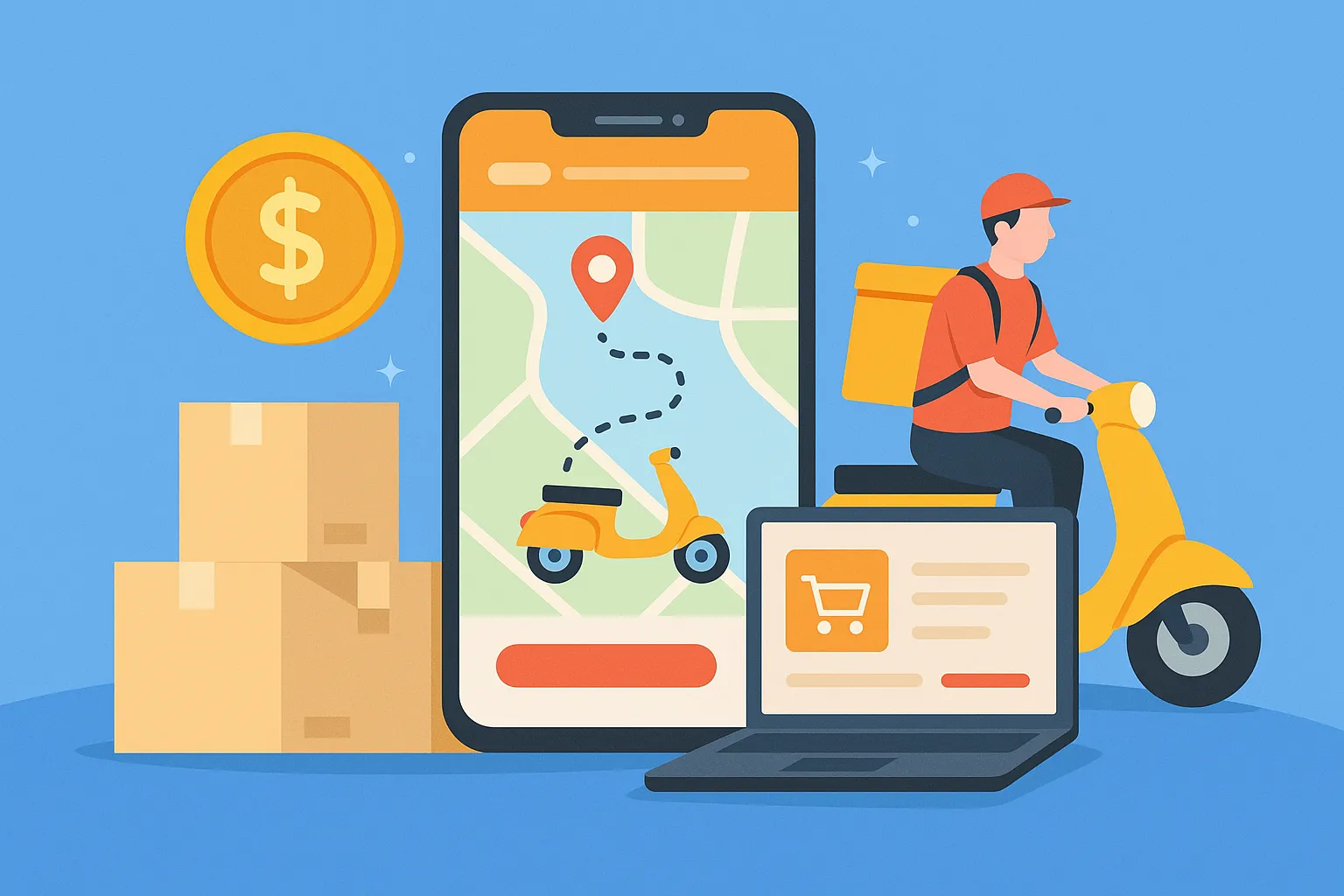
Back in 2019, a friend of mine tried to set up a hyperlocal delivery business with nothing more than a clunky app and some serious hustle. It fizzled out within six months — not for lack of effort, but because he didn’t realize that running a multi-vendor delivery platform isn’t about coding an app. It’s about building a system. A system that juggles multiple sellers, customers, logistics, payments, and real-time tracking — all without crashing during lunch rush hour.
Now that delivery apps have become a sort of modern-day necessity — from groceries to gadgets — many entrepreneurs are sniffing around the idea of launching one. The billion-dollar club is getting crowded, and everyone wants in. But here’s the kicker: while the demand’s booming, the real question that keeps people up at night isn’t “can I do it?” — it’s “how much will it actually cost me?”
That’s where most startup dreams start feeling like a coin toss. So let’s ditch the fluffy pitches and break it down. What does it really take — in terms of dollars, strategy, and caffeine — to launch a fully functional, scalable multi-vendor delivery platform? At Miracuves, we’ve helped dozens of founders turn their bold ideas into tangible platforms, and we’re laying it all out right here.
What Is a Multi-Vendor Delivery Platform, Really?
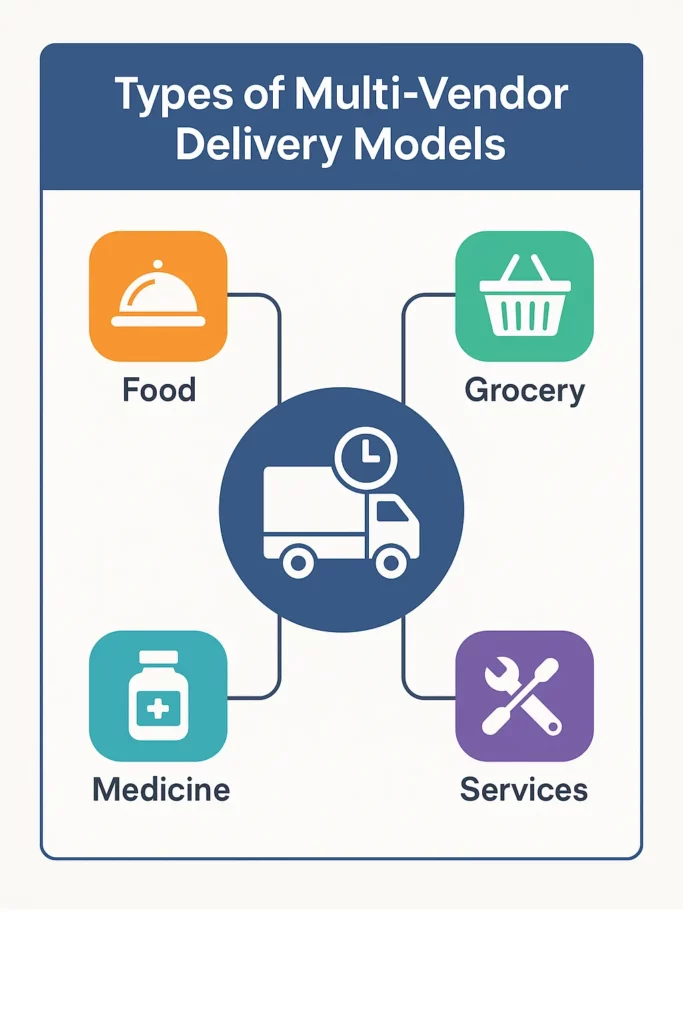
Think of it as the UberEats or Dunzo of… well, anything. It’s not just about food. Multi-vendor delivery platforms now cater to:
- Groceries
- Medicine
- Pet supplies
- Laundry & home services
- Package & courier delivery
These platforms don’t just connect customers to businesses — they orchestrate an entire value chain. Multiple sellers, multiple categories, real-time updates, scheduled deliveries, and payment reconciliation — it’s a lot more than just a glorified shopping cart.
Read more: What is Glovo App and How Does It Work?
The Startup’s Dilemma: Custom vs Clone
Here’s the first fork in the road: Do you build from scratch or start with a clone solution?
Custom development is like building your own house — personalized, but time-consuming and expensive. You’ll need:
- Backend developers
- Frontend engineers
- UI/UX designers
- QA testers
- Project managers
- DevOps
Clone solutions, like the ones we offer at Miracuves, act more like a pre-fab villa — fast, customizable, and optimized for budget-conscious founders.
If you’re early-stage, a clone solution saves you months of development time and at least 40–60% of the cost — without compromising on scalability.
Cost Breakdown: What You’ll Actually Be Paying For
Let’s talk numbers. The cost to launch your platform depends on how lean or lavish you want to go. But here’s a grounded breakdown:
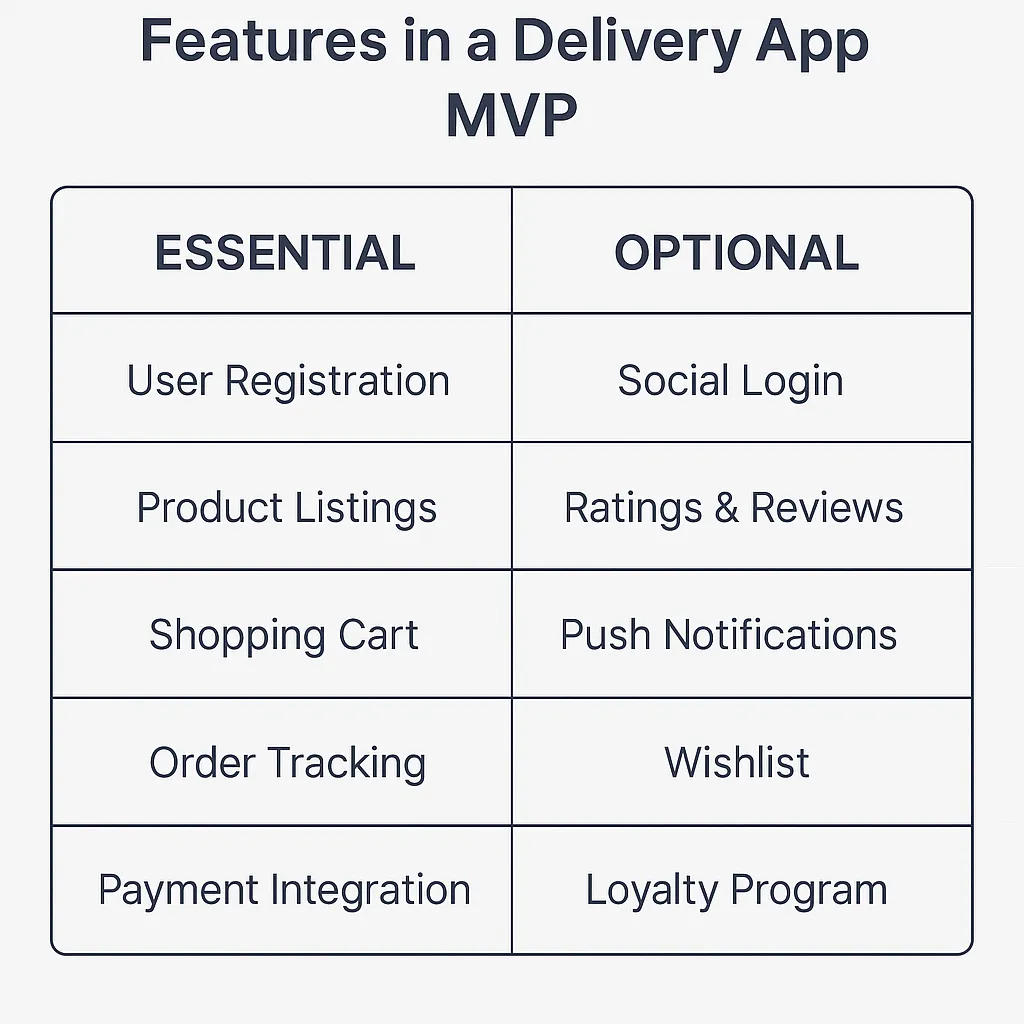
1. Core Features You Can’t Skip
| Feature | Estimated Cost (USD) |
| User App (iOS + Android) | $5,000 – $10,000 |
| Vendor App | $3,000 – $7,000 |
| Delivery Agent App | $3,000 – $5,000 |
| Admin Dashboard | $2,000 – $6,000 |
| Real-Time Tracking & Chat | $2,000 – $4,000 |
| Payment Gateway Integration | $1,000 – $3,000 |
Total for MVP: Roughly $16,000 – $35,000
2. Optional (But Smart) Add-Ons
Want to stand out? These bells and whistles will cost more — but they help:
- Loyalty programs
- Subscription models
- Advanced analytics
- Scheduled deliveries
- Multi-currency or language support
Expect to add another $5,000–$10,000 if you go down this route.
3. Backend Infrastructure & Cloud Hosting
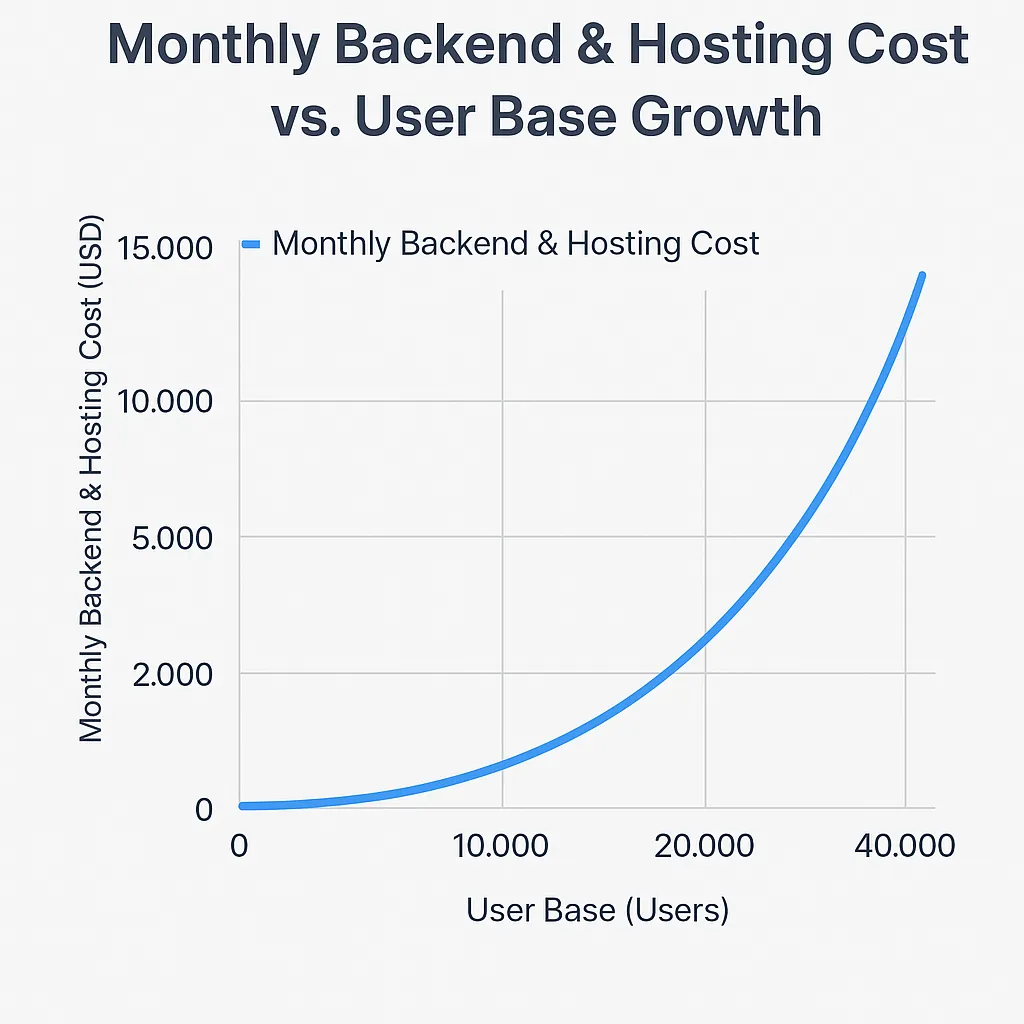
Even the slickest app fails if your server chokes at peak hours. Hosting and cloud services (AWS, Firebase, DigitalOcean) will run you anywhere from $300–$1,000/month, depending on traffic.
Don’t ignore DevOps either — automation, CI/CD, and backup systems are crucial for scaling.
4. UX/UI Design
Think design is just icing? Think again. Clean UX is what separates a successful app from a ghost town. Expect to spend:
- $2,000 – $6,000 for a decent UI/UX strategy
- More if you’re designing animations, onboarding flows, and high-end user personalization
5. Maintenance and Ongoing Updates
Let’s say you launch. Congrats! But here comes the maintenance goblin.
- Monthly bug fixes
- Security patches
- Vendor onboarding tweaks
- Performance optimization
Budget 15–20% of your total development cost annually for upkeep.
Read more: Best Glovo Clone Scripts in 2025: Features & Pricing Compared
How Geography Affects Development Cost
Where your developers sit can tilt your cost significantly:
- US/UK-based agencies: $80–$200/hour
- Eastern Europe: $30–$60/hour
- India & Southeast Asia: $15–$45/hour
At Miracuves, we leverage global developer talent — especially in India — which allows us to deliver world-class solutions at startup-friendly costs.
Is It Cheaper to Buy or Build?
Short answer? Buying a clone solution and customizing it is almost always more affordable and faster to market.
Custom builds can stretch up to $80,000–$150,000.
Meanwhile, a white-labeled, scalable clone from Miracuves can be launched for as low as $15,000–$25,000, fully functional and battle-tested.
Conclusion
Launching a multi-vendor delivery platform isn’t about tech alone — it’s a business play. And like all businesses, the best ones win by being smart with their resources.
The good news? You don’t need a VC-backed runway to get started. With the right partner and a sharp focus on essentials, your investment can turn into a revenue machine in months, not years.
At Miracuves, we help innovators launch high-performance app clones that are fast, scalable, and monetization-ready. Ready to turn your idea into reality? Let’s build together.
FAQs
Q:1 How much does it cost to launch a basic delivery platform?
A basic MVP with core features can cost between $16,000 to $35,000, depending on customization and feature depth.
Q:2 Can I start with just one vendor and scale later?
Absolutely. Many successful platforms start lean with a single vendor and expand as they validate demand.
Q:3 How long does development take?
Using a clone solution, your app can be ready in as little as 4–6 weeks. Custom builds may take 6–9 months.
Q:4 What about compliance and legal aspects?
You’ll need proper licenses, tax setups, and data privacy measures depending on your region. Miracuves can guide you on that during onboarding.
Q:5 Will I own the code?
Yes — with Miracuves, you get full source code ownership and control over your platform’s roadmap.
Q:6 Is white-labeling the same as cloning?
Not quite. Cloning means replicating core mechanics and features. White-labeling adds your branding and allows you to customize the platform to your niche.
Related Articles:
Miracuves is an independent software development company. We are not affiliated with, connected to, sponsored by, or endorsed by any company or product named in this article.
Terms such as “X Clone” are used descriptively. It is how the software industry refers to building a platform with functionality comparable to a known service, and how clients search for it.
The entire design and codebase of our products is built by our own team. Our products contain no code, design, graphics, or content originating from any third-party website or applications.
All third-party names and marks referenced in this article are the property of their respective owners, referenced solely to identify the services discussed.