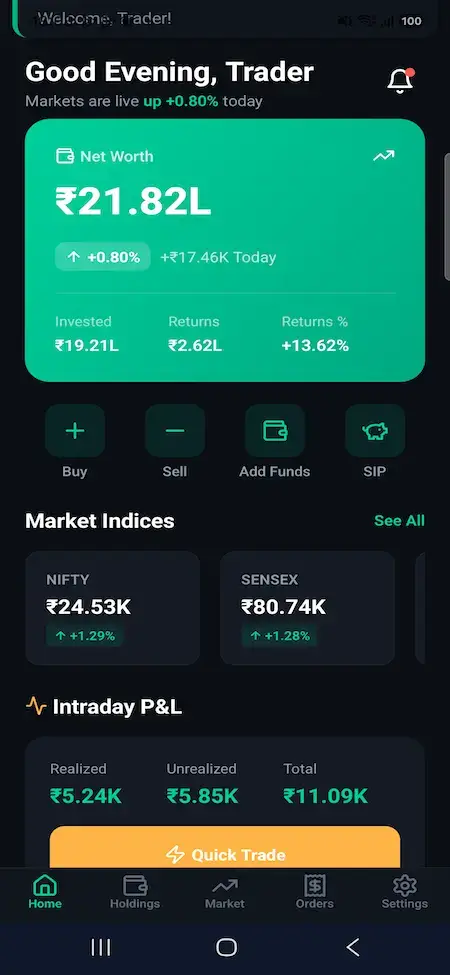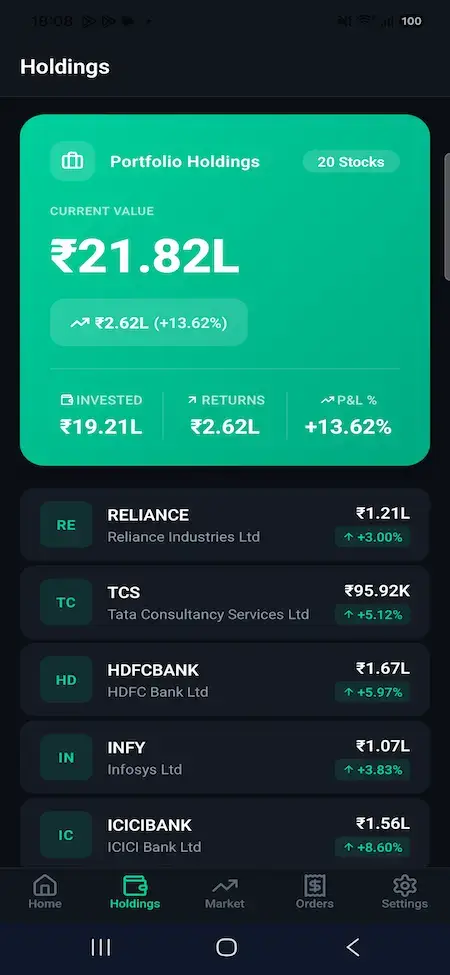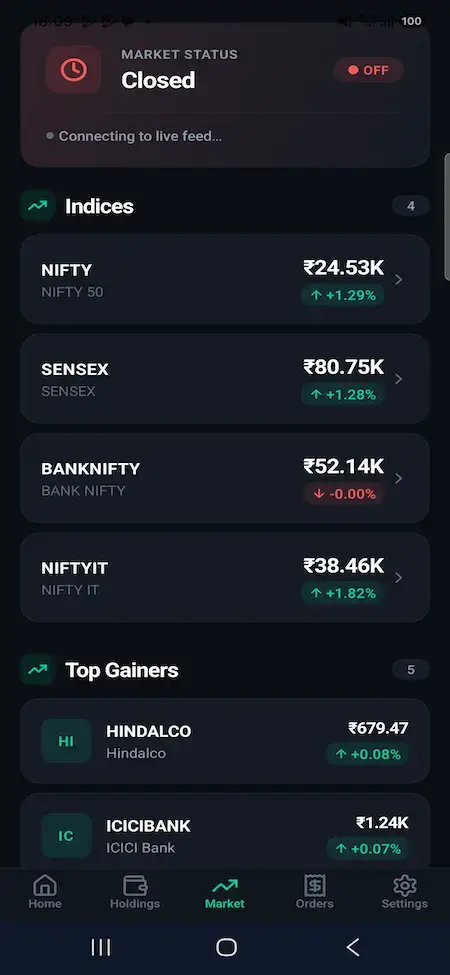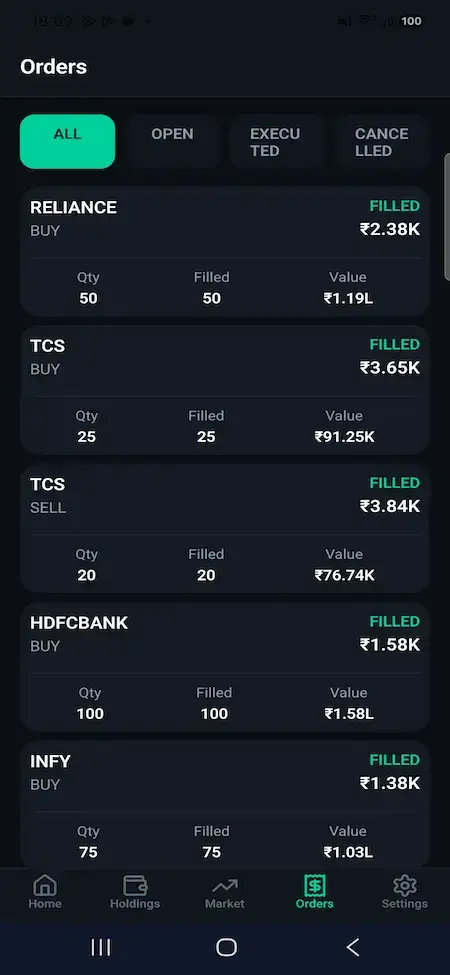































Groww Clone · Business Model

Groww Clone Business Model: Consolidation Beats Acquisition

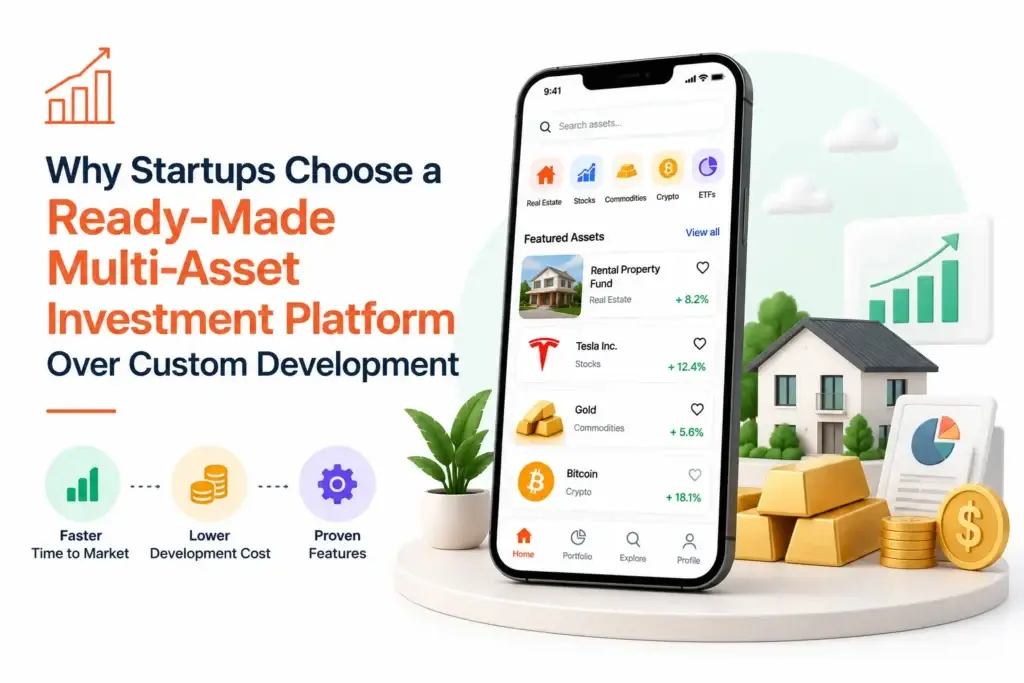
Retail investing is a scale business with a long payback, and the number that decides whether an operator survives is not acquisition cost on its own. It is how much of a customer's financial life the platform can hold before a competitor offers the part that is missing. A user who trades equities with you and buys funds elsewhere has already told you which product they will consolidate onto.

Design My Revenue Model →See Pricing
6 revenue lines
15 asset classes
0% taken by Miracuves
The switching cost
Grows with every class
Where the Money Comes From
01Brokerage on executed orders
02Subscription tiers, five plans
03Systematic plan AUM
04Float on idle wallet balances
05Alternatives and IPO surface
06Multi-brand licensing
6
Revenue Lines Available
5
Plans, Four Billing Cycles
0%
Taken by Miracuves
$7,299
One-Time, Fixed
The Model

Why Breadth Is the Commercial Argument

The asymmetry that makes a multi-asset platform worth more than the sum of its surfaces.

A trading app earns when a user trades. That is transactional, it is cyclical, and in a flat market it falls to almost nothing. A platform holding fifteen asset classes earns from more places at once, and crucially the lines behave differently: brokerage moves with the market, subscriptions are recurring regardless of it, and systematic plan AUM compounds through it.

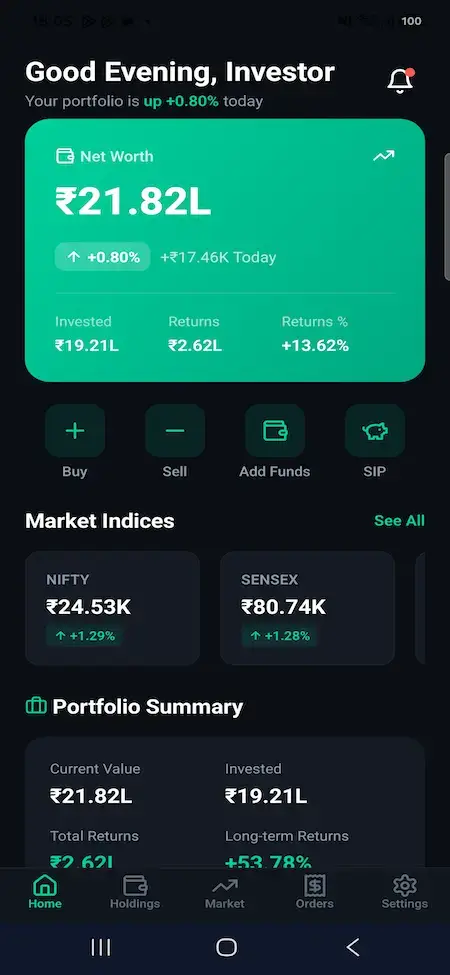
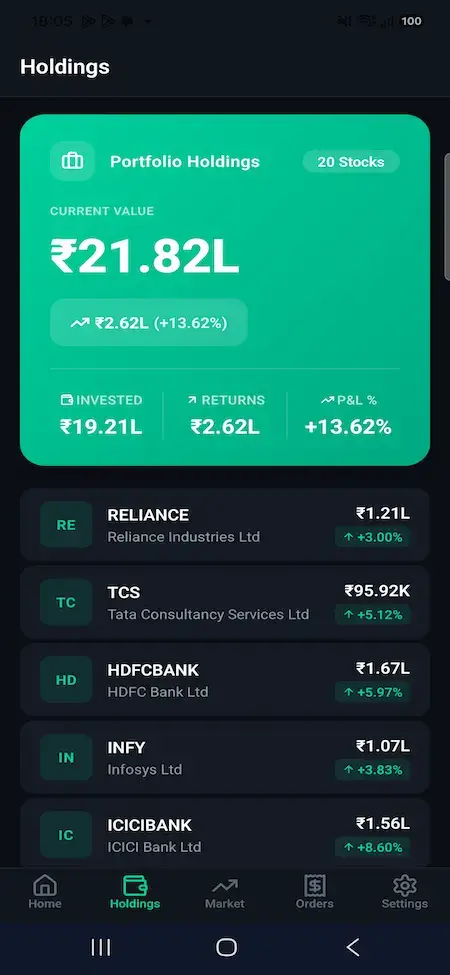
The asymmetry worth understanding is that the wealth layer costs nothing extra to run once it is shipped. A SIP created in month one keeps settling for years without further acquisition spend, which is precisely why the highest-LTV segment in retail investing is the one most platforms reach last. Defensibility follows the same logic. A user whose equities, funds, US positions, SIPs and goals all sit in one portfolio faces a real switching cost, and that cost grows with every asset class you add rather than with every interface improvement you ship.

The platform's contribution is making breadth cheap to extend. A new asset class is a new entity and a seeder rather than a parallel stack, and packaging it is per-plan JSON rather than a release.

Revenue

Six Revenue Lines, One Platform

What the platform can charge for, and which of them survive a flat market.

Brokerage on executed orders

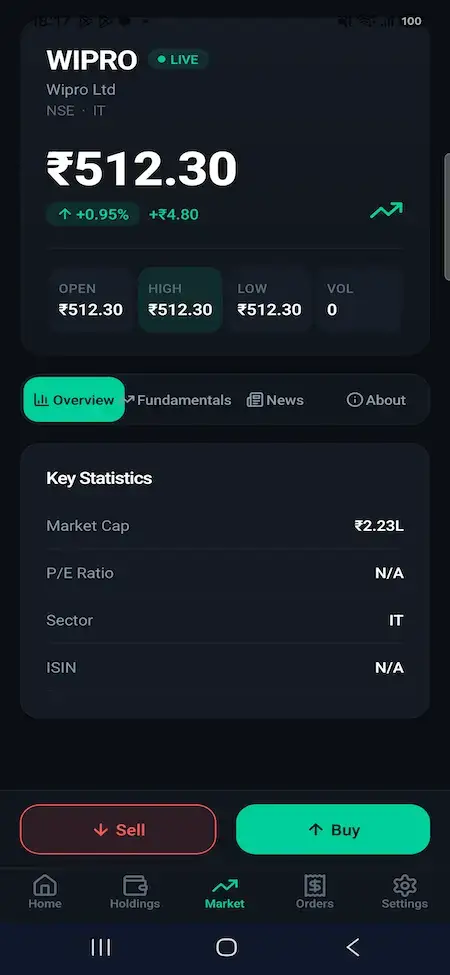
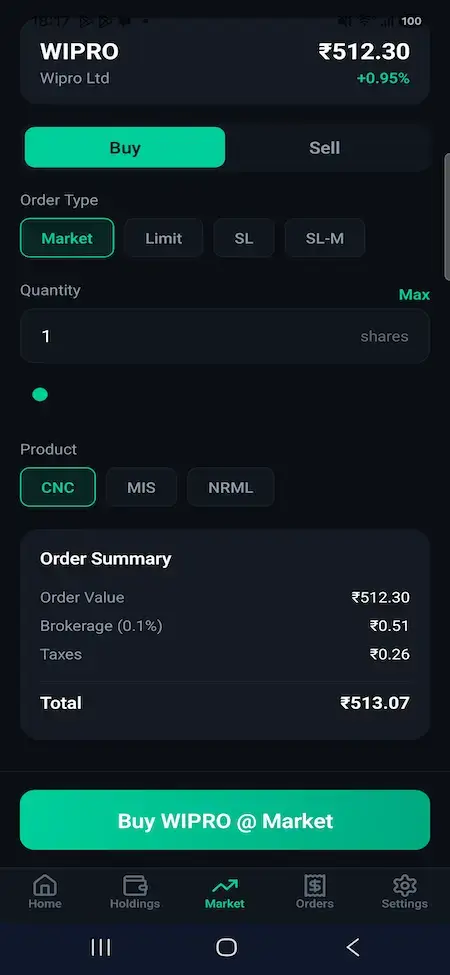
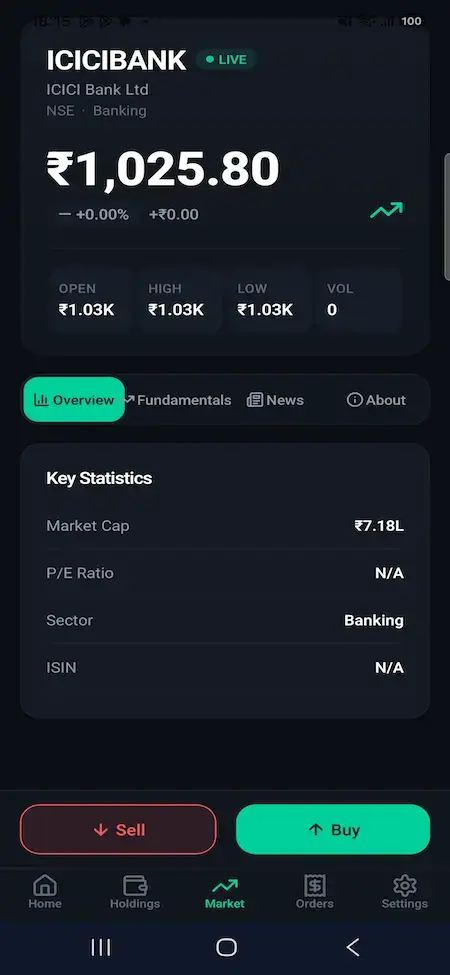
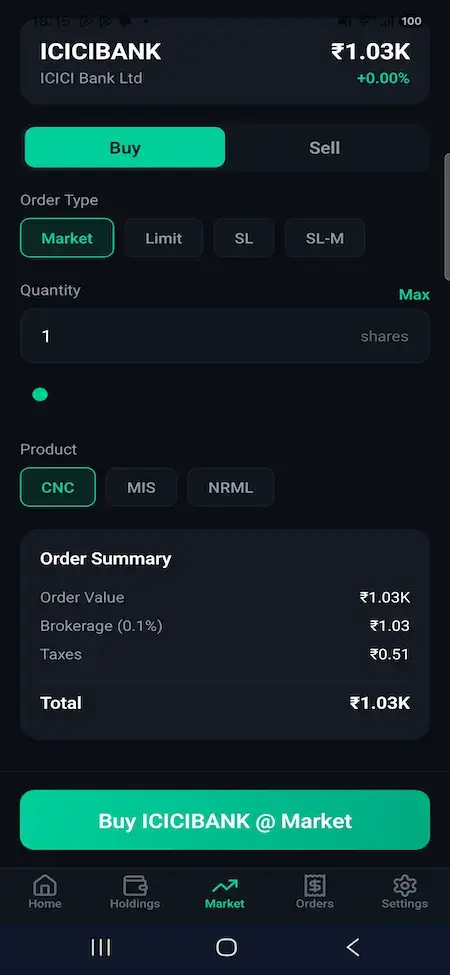
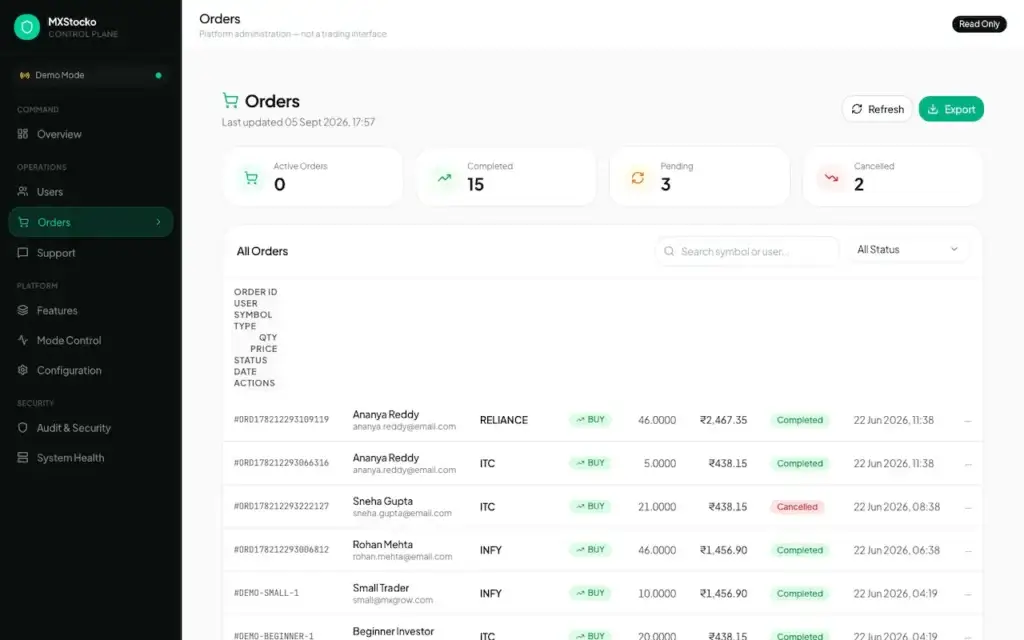
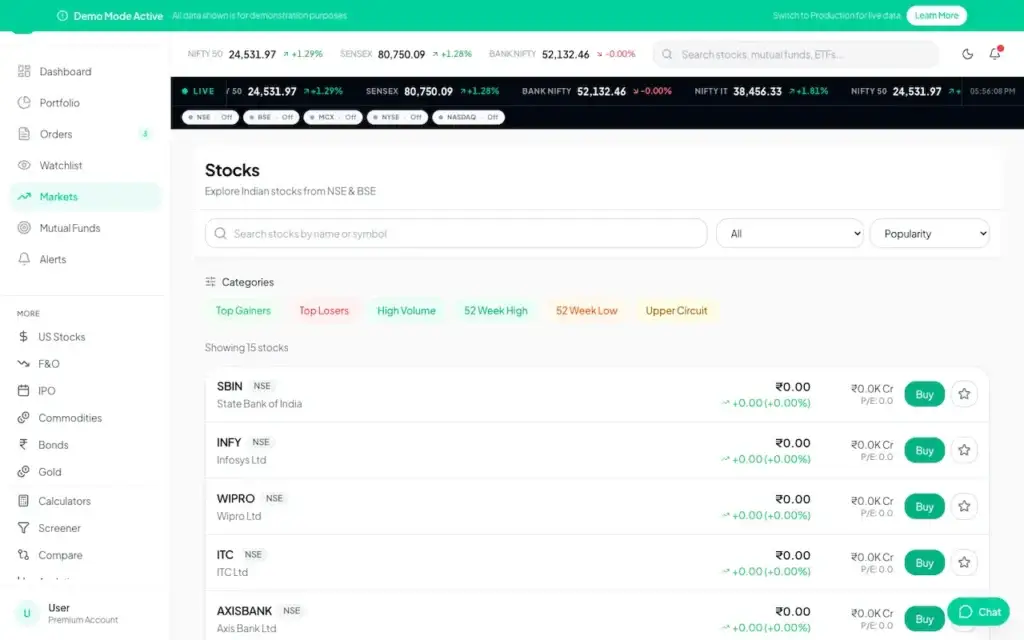
Charges for brokerage, STT, GST and transaction fees computed server-side across four order types and five product types. This is the line everyone starts with, and it is transactional and cyclical, which is exactly why it should not be the only one.

Subscription tiers

Five plans across four billing cycles with trials and auto-renew, gated by a features and limits JSON. Because the gating is JSON rather than code, moving derivatives or tax harvesting between tiers is a configuration change you can test without an engineering release.

Systematic plan AUM

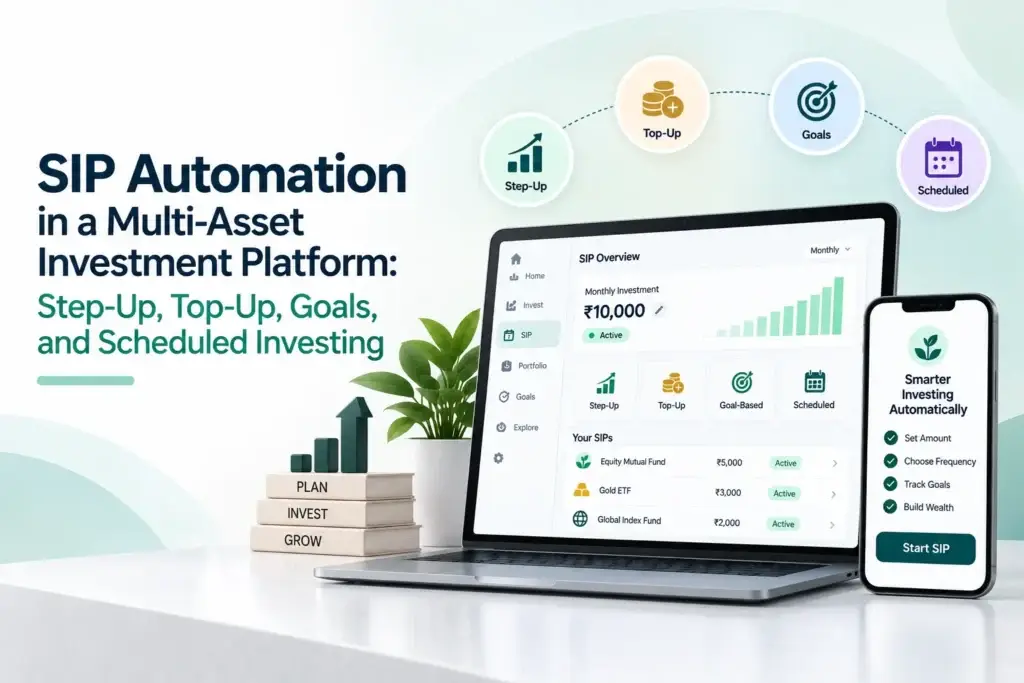
SIP, STP and SWP with step-up and top-up, settling through the queue path on their own schedule. This is the slow line and the valuable one: it compounds from whenever you switch it on and it does not churn with the market the way brokerage does.

Float on idle balances

Four wallet types carrying blocked and available balances, with server-side verification before any credit. Whether float is a revenue line at all depends entirely on your jurisdiction and your licence, so treat it as a question for your compliance counsel rather than an assumption.

Alternatives and IPO surface

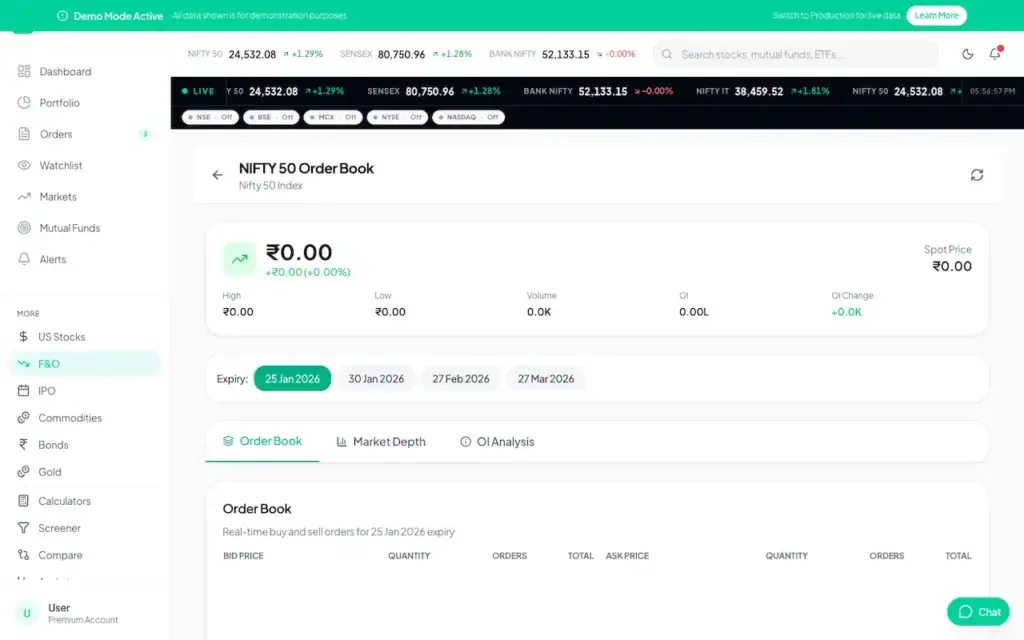
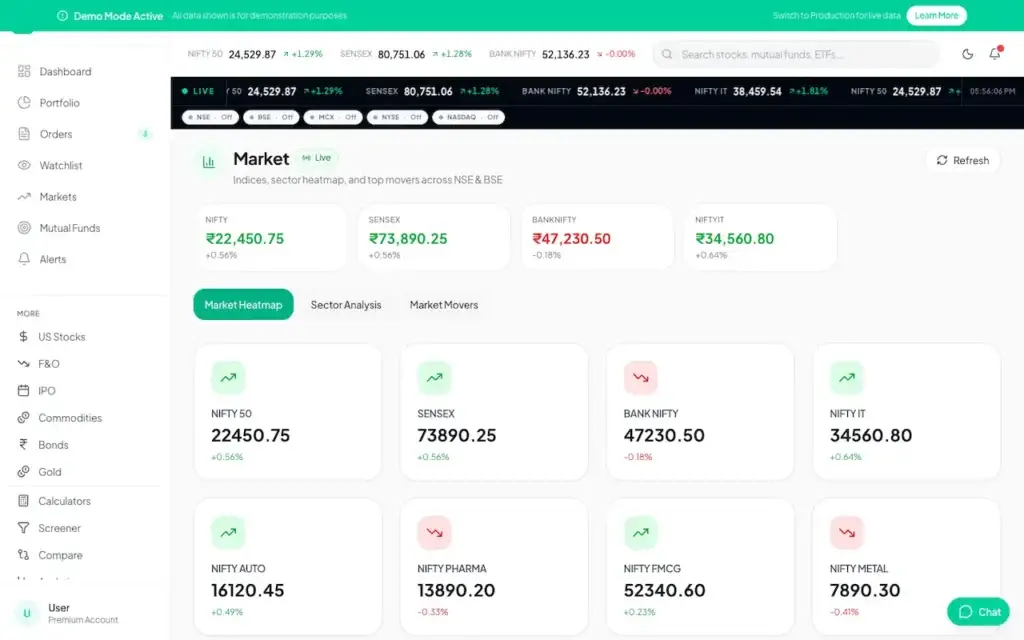
IPO application, bidding and allotment tracking, bonds with ISIN, coupon and yield, fixed deposits with bank booking, digital gold, SGBs, REITs and P2P. Each is a distribution surface with its own economics, and all of them are built rather than promised.

Multi-brand licensing

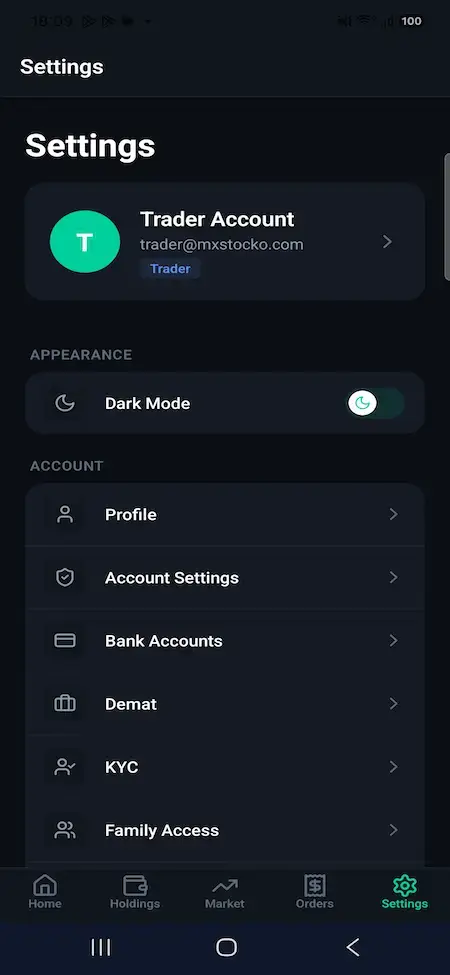
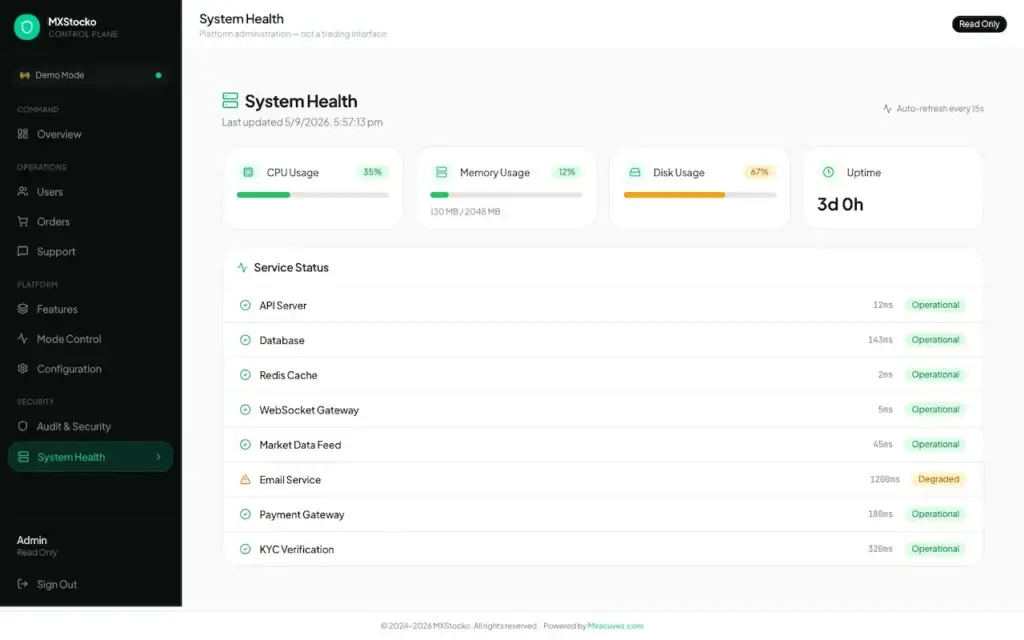
Theme tokens, app naming, feature flags, plan JSON and jsonb metadata columns absorb tenant-specific fields, so several brands run as configurations of one deployment rather than as forks. That makes licensing a commercial exercise rather than a second codebase to maintain.

Miracuves takes no percentage of any of these and there is no per-member fee. Your gateways, your data vendors, your infrastructure, one-time licence.

Category

How the Category Itself Makes Money

The shapes that recur across retail investing platforms, and where each one breaks.

ApproachHow it earnsWhere it breaks
Flat-fee brokerageA fixed charge per executed orderCollapses in a flat market, and races to zero
Subscription tiersRecurring fee gating features and limitsNeeds a base worth segmenting before it works
Systematic plan AUMA book that settles monthly for yearsSlow to build, and useless if shipped late
Distribution commissionsFees from funds, bonds and deposit productsRegulator-dependent, and shrinking in several markets
Float on balancesYield on customer money held between tradesLicence-dependent and frequently prohibited outright
Payment for order flowSelling routing rights to a market makerBanned or restricted in most jurisdictions, including India

The last two rows are the reason this page keeps deferring to your licence. The platform gives you the mechanism for several of these; which ones you are permitted to run is a regulatory question we are not qualified to answer for you.

Sequence

Monetization Ranked by Asset Classes Live

The sequencing constraint is almost never the software, since all of it is already in the schema.

StageWhat starts earningWhat unblocks it
Two classes liveBrokerage on the first executed ordersKYC approvals clearing and wallets funded
Base worth segmentingSubscription tiers, gated by plan JSONConfiguration, with no release required
Wealth layer switched onSystematic plan AUM begins compoundingQueue workers enabled so installments settle
Alternatives enabledIPO, bonds, deposits and gold distributionFeature flags plus the licence for each
Derivatives enabledHigher-value brokerage and a tier to gate itVenue connector and the relevant permissions
Full catalog liveMulti-brand licensing on one deploymentTheme tokens and per-tenant metadata columns

Notice that only two rows in the third column are software at all. The rest are licences, credentials and configuration, which is why we raise them on the first call rather than in week three.

The Alternative

What the Alternative Actually Costs

Six costs of shipping equities first and quoting the rest as phase two. None of them appear on an invoice.

The user who consolidates elsewhereSomeone trading equities with you and buying funds on another app is not an incomplete customer, they are a customer in the middle of choosing. Whichever platform offers the missing piece first inherits the whole relationship, and it is usually not the one that got there first with equities.
A second stack to reconcileAdding an asset class without a polymorphic order model means a parallel set of tables, a second holdings view and a reconciliation job nobody owns. The cost is not the build, it is that every subsequent feature now has to be written twice.
The wealth layer that never shipsSystematic plans are quoted as phase two on almost every new platform and reached on very few. The revenue lost is not one month of SIP fees, it is the compounding book that would have started in month one and still been settling in year four.
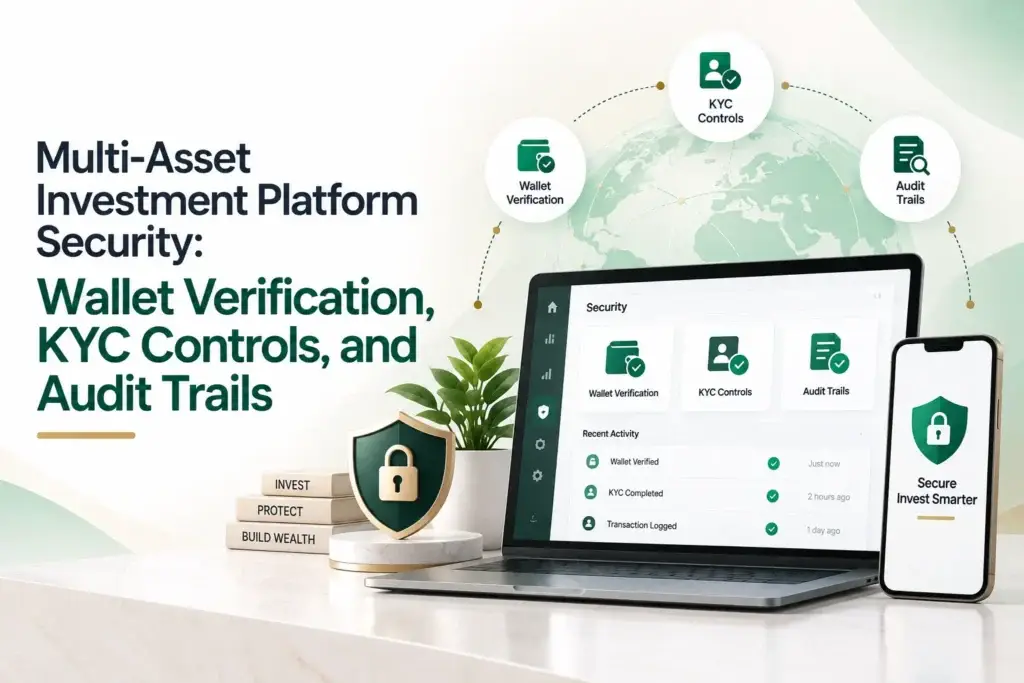
Compliance retrofitted under pressureIdentity proofing, audit trails and retention are asked about first now, not last. Retrofitting them into a schema that was not designed for them is expensive, and it happens on the reviewer's timeline rather than yours.
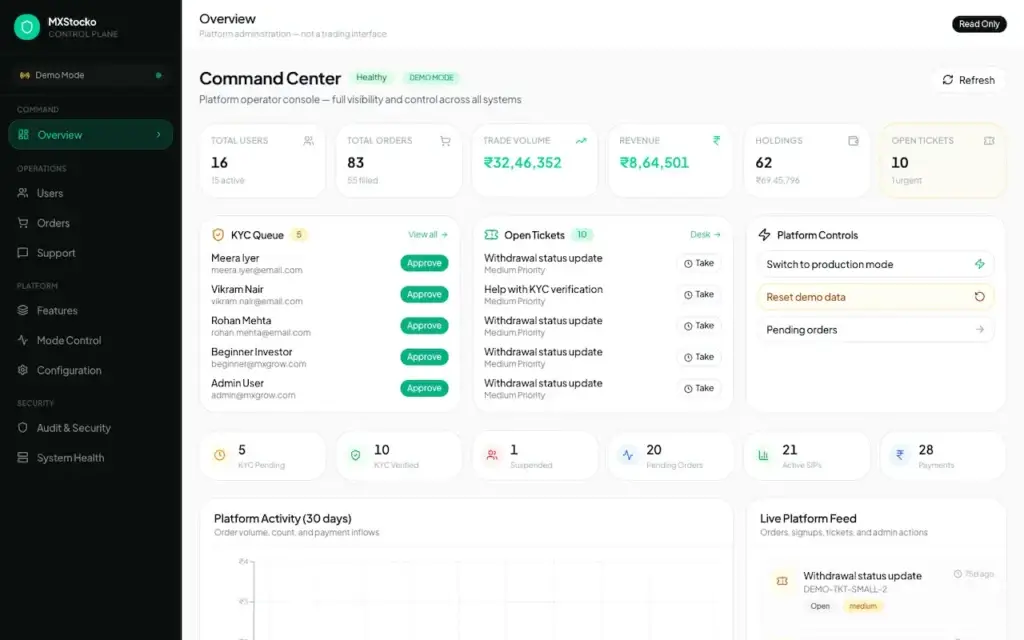
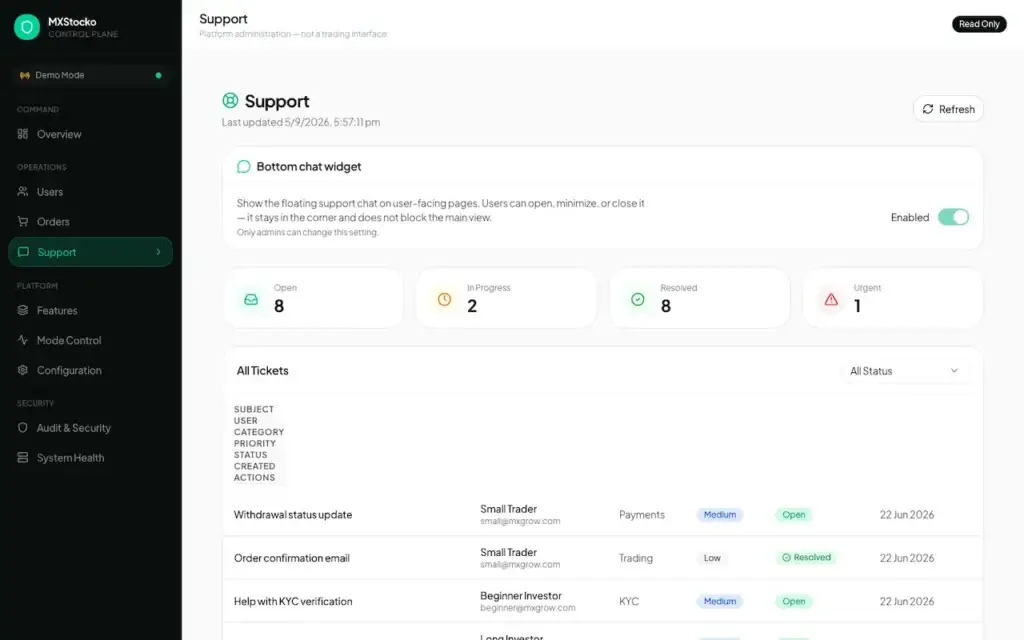
Operations queued behind engineeringWithout a console, every KYC approval, order investigation and packaging change is a developer ticket. That is a permanent tax on the team you can least afford to interrupt, and it scales with your user count rather than with your roadmap.
Packaging you cannot testIf moving a feature between subscription tiers requires a release, you will change your pricing roughly never. Per-plan JSON is what turns packaging into an experiment rather than a quarterly negotiation with the engineering team.

None of these are line items, which is exactly why they persist. They are also the six reasons breadth is cheaper to have at the start than to add at any point afterwards.

Priority

Which Lever to Switch On First

A launch order that assumes one licence, one gateway and a user base you do not have yet.

StageTurn onLeave off
Launch weekEquities and mutual funds, one gateway, brokerageSubscriptions, derivatives, the US catalog
Weeks two to sixThe wealth layer, with queue workers enabledAny price change, until the KYC queue is clearing
A base worth segmentingSubscription tiers gating the premium surfaceFloat, unless your licence explicitly permits it
Licences widenAlternatives, IPO, then derivatives behind a tierAnything needing a venue you have not certified
Cross-market demandThe US catalog, once execution is integratedPromising US execution before the connector exists
Several brandsMulti-brand configurations on one deploymentForking the codebase, ever

Every entry in the middle column is a feature flag, a plan JSON edit or a credential, rather than a development task. That is what makes this a sequence you decide instead of a roadmap you wait for.

Operators

Three Ways Operators Run This Platform

The same deployment with different switches thrown, not three different builds.

A

Focused launch, two classes live

Equities and mutual funds running against a single licence, with alternatives and derivatives hidden behind feature flags. The wealth layer activates as the systematic plan book starts to form, which is usually the first sign the platform is working.

  • Brokerage first, subscriptions once there is a base to segment
  • Everything else already in the schema, waiting on a flag
  • One gateway, one data vendor, one compliance conversation
B

Full retail platform, eight classes live

A broker running the majority of the catalog, with derivatives, IPOs and alternatives switched on and subscription tiers gating futures and options and tax harvesting. The systematic plan book has become the predictable half of revenue by this point.

  • Tiers do real work: they gate the expensive surfaces
  • Venue connectors and data licensing are the live constraints
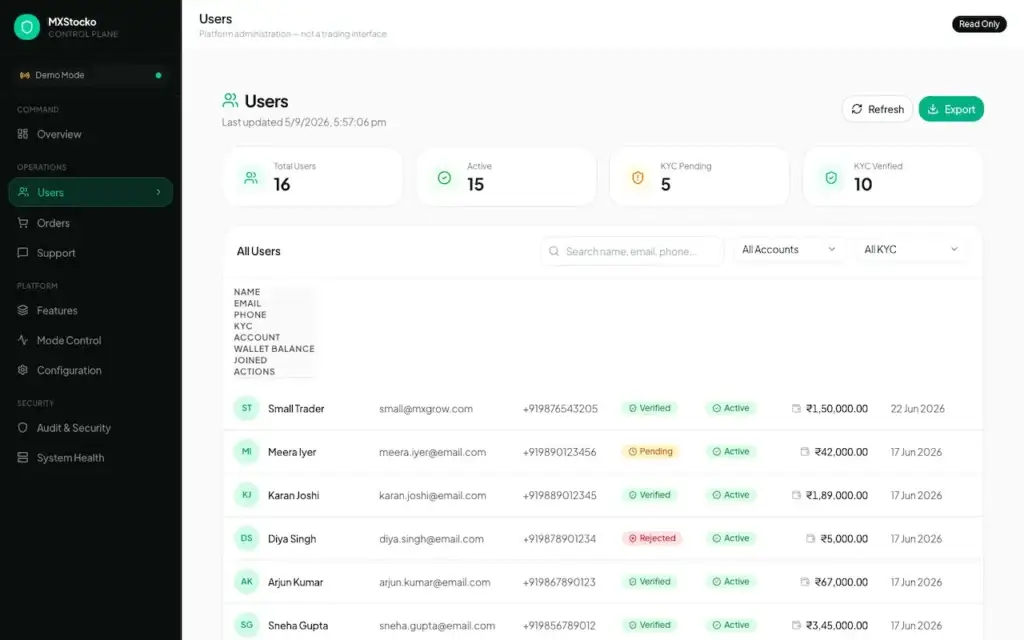
  • The console carries the KYC and support load without engineering
C

Cross-market wealth, fifteen classes live

A wealth platform running the whole surface including US equities and the fixed-income and gold stack, with several brands as configurations of one deployment rather than as forks. Consolidation is the entire product thesis at this point.

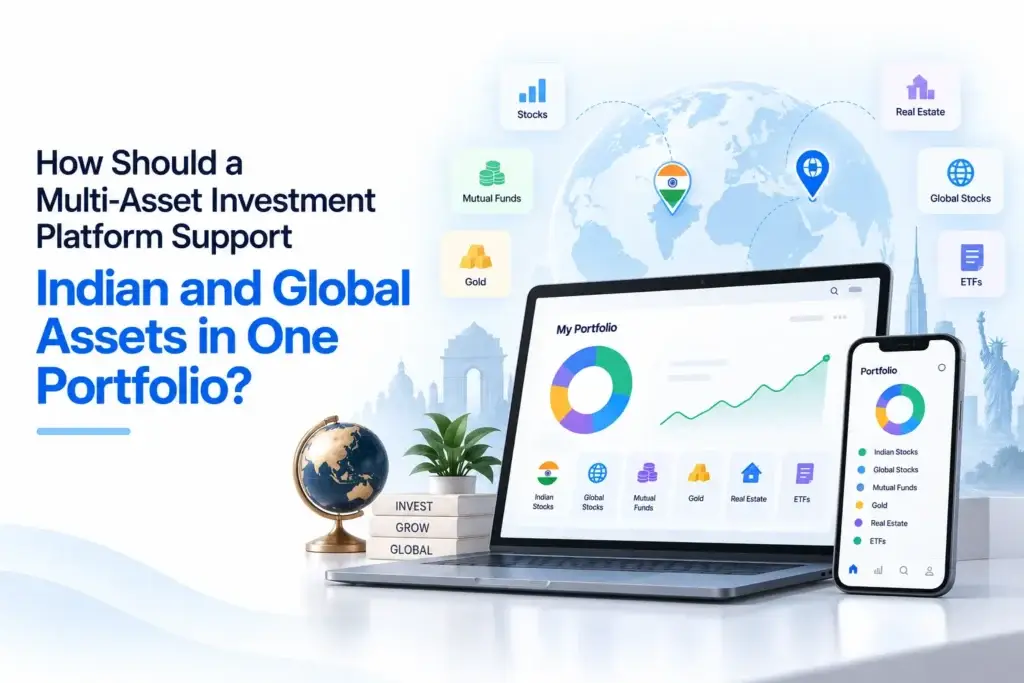
  • One allocation view spanning Indian and US positions
  • Multi-brand through theme tokens and metadata columns
  • Licensing outward becomes a revenue line rather than a cost

These are illustrative operator shapes rather than forecasts or observed results. The asset-class counts describe the configuration; every price and fee in the model is one you set yourself.

Mistakes

Common Investing Platform Monetization Mistakes

Five that are expensive to undo

Competing on brokerage alone. It is transactional, cyclical and structurally racing toward zero. If it is your only line, a flat quarter is an existential quarter rather than an inconvenient one.

Shipping the wealth layer last. Systematic plans compound from the day you switch them on, so every month they are not live is a month of compounding you never get back. This is the single most common and most expensive sequencing error in the category.

Charging before there is a base to segment. Subscription tiers need enough users that gating something is a meaningful choice. Introduced too early they suppress the growth that would have made them work.

Assuming float is available. Yield on customer balances is licence-dependent and prohibited outright in several jurisdictions. Modelling it before your counsel has confirmed it is how a revenue plan becomes a compliance finding.

Promising execution you have not integrated. The order engine being complete is not the same as a venue being connected. Marketing live trading before the connector exists is the fastest way to lose the trust the whole product depends on.

Four of these are decisions you can reverse. The second one you cannot, because the compounding you skipped does not come back when you eventually ship it.

Development Company

See the modelled deployment and the security items

A modelled reference deployment for an operator launching equities and funds first, the six-step build process, and the security gaps named in writing rather than buried - on the Development Company page.

See the deployment →
FAQ

Frequently Asked Questions

What is the realistic path to first revenue?
Most operators launch with equities and mutual funds, the alternatives and derivatives behind feature flags, and a single payment gateway wired. Revenue starts as brokerage on the first orders, which arrives as soon as KYC approvals clear and wallets are funded. Subscription tiers usually switch on once there is a base worth segmenting, because the gating is JSON rather than code. The systematic plan book is the slower and more valuable line, and it compounds from whenever you turn it on.
How defensible is a multi-asset investing platform?
Defensibility comes from consolidation rather than from features. A user whose equities, funds, US positions, SIPs and goals all live in one portfolio faces a real switching cost, and that cost grows with every asset class you add rather than with every interface improvement you ship. Owning the deployment also means the KYC record, the wallet ledger and the audit trail are yours, which matters most at exactly the moment the business becomes worth acquiring.
Are the operator scenarios real customer numbers?
No, and we will not present them as such. They are illustrative configurations showing which levers move together at different catalog sizes. Miracuves publishes real engagements in the portfolio with their own reported figures, and the reference deployment on the Development Company page is explicitly labelled modelled because it is authored rather than reported.
Can we earn float on customer balances?
That is a question for your compliance counsel rather than for us. The platform models four wallet types with blocked and available balances and verifies payments server-side before any credit, so the mechanism exists. Whether yield on those balances is permitted, and under what licence, varies by jurisdiction and is prohibited outright in several. We would rather flag it than let it sit unexamined in a revenue model.
Does Miracuves take a percentage of anything?
No. The licence is one-time at $7,299 with no revenue share, no per-member fee and no per-transaction cut. Brokerage, subscriptions, systematic plan AUM, distribution and any licensing you run are yours in full, and your gateways, data vendors and infrastructure are connected with credentials you hold.
When should we switch on subscription tiers?
Once you have enough users that gating something is a real choice rather than a barrier to your own growth. Five plans across four billing cycles ship with trials and auto-renew, and because the features and limits sit in JSON you can move a capability between tiers and test the result without an engineering release. That makes pricing something you iterate rather than something you set once and defend.

Model it against your own licence

Bring the asset classes your licence permits today and the ones you are applying for. We will map the revenue lines against them rather than hand you a projection we invented.

Six revenue lines. No cut taken.

Brokerage, subscription tiers, systematic plan AUM, the alternatives surface and multi-brand licensing, all operator-set on source you own outright with no revenue share and no per-member fee.

Talk to Us →
Miracuves · Groww Clone Solution Revenue lines cross-verified against the hub, 2026-09-07
Disclaimer

Miracuves is an independent software development company. We are not affiliated with, connected to, sponsored by, or endorsed by Groww.

Why this name

Groww Clone” is used descriptively. It is how the software industry refers to building a platform with functionality similar to Groww, and how clients search for it.

Who built this

The entire design and codebase is built by our own team. The product contains no code, design, graphics, or content originating from the Groww website or applications.

Trademarks

Groww and all other third-party names and marks are the property of their respective owners, referenced here solely to describe the category of software offered.