



























Groww Clone Development Cost: $7,299, Fixed
One number, agreed before work starts, for the launch-ready white-label platform deployed in six working days on your own infrastructure. The honest complication on an investing product is that the software is rarely what holds up a launch. Below is what the price covers, and the five external things that decide whether you go live in week one or week nine.
Get a Fixed Quote →See FeaturesWhat a Multi-Asset Platform Costs Each Way
Four routes to the same platform, and what each one costs you in money, time and ownership.
| Route | Typical cost | What you end up owning |
|---|---|---|
| Generic investing script | $2,000 - $12,000 | Onboarding and a price feed. The wealth layer and the operator console are what is missing |
| Freelance team | $45,000 - $140,000 | The asset classes you specified, as separate stacks, and a KYC desk improvised in scripts |
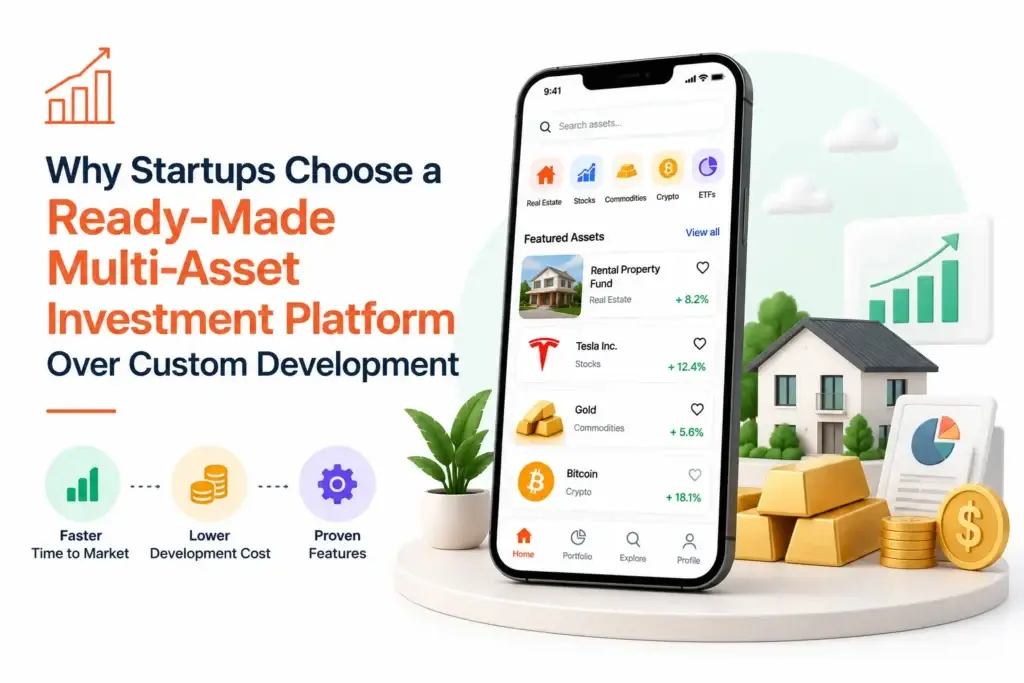
| Miracuves ready-made | $7,299 fixed | Fifteen asset classes on one schema, source included, deployed in six working days |
| Custom agency build | $180,000 - $500,000 | A bespoke platform, and a timeline measured in quarters before the first KYC is approved |
| Enterprise programme | Six figures and up | A senior team over eighteen to thirty months, which is the honest figure for this depth from nothing |
The ranges above are market observations for comparable scope, not quotes from us. Our number is the one in the highlighted row and it does not move after scoping. The enterprise route exists for established brokerages, banks, AMCs and regulated wealth managers, and is quoted against the final scope rather than listed here.
What the Price Includes
Ownership transfers in full, which matters more here than on a narrower product because breadth is exactly the thing operators extend.
No runtime licence, nothing counted per seat, and no revenue share. We will walk the repository, the schema and the documentation set with your technical lead before anything is signed.
What Moves the Number
The base price is fixed. On an investing platform the variables are almost all external rather than technical.
Broker venue connectors
The order engine is complete and expects fills from a connector, so live execution is an integration per venue. One venue is a bounded piece of work; four venues is four times that, and each one has its own certification process on the broker's side.
Market data licensing
Provider adapters ship against a service interface, but exchange and vendor data licensing is a commercial arrangement between you and the vendor. This is a recurring cost of yours rather than a one-time cost of ours, and it is frequently the largest ongoing line.
How much surface you switch on
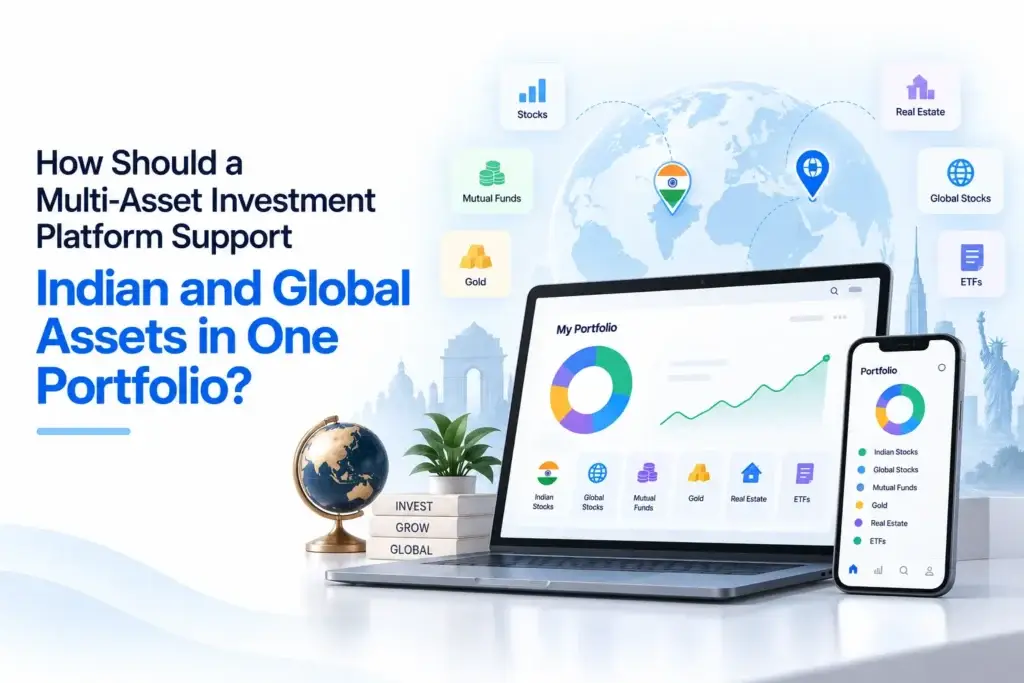
Launching with equities and mutual funds behind two licences is a different deployment from switching on derivatives, commodities, the US catalog and the full alternatives stack. The schema carries all fifteen either way; what varies is configuration, catalog seeding and testing.
Security hardening before go-live
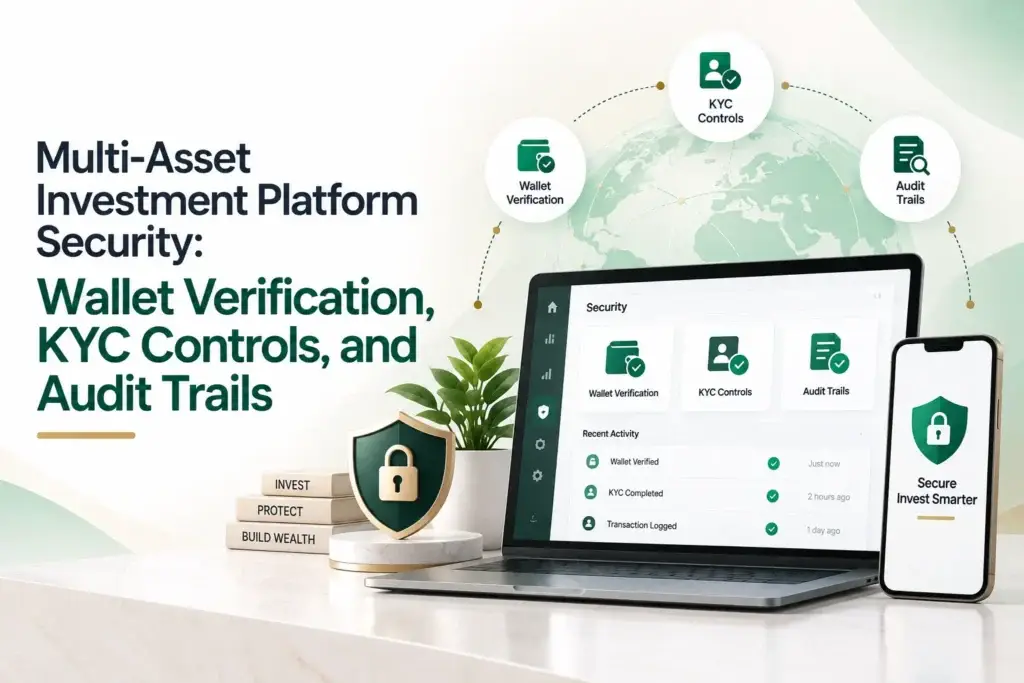
Two-factor is not enabled although the TOTP libraries ship, and enforced multi-factor for admin roles, SIEM integration and hard row-level multi-tenancy are scoped rather than shipped. If your compliance review asks for them, they are quoted before work starts.
Alert conditions beyond above and below
Price alerts evaluate above and below only. Volume spikes, RSI, moving-average crossovers and news keywords exist in the schema as a capability but not as a shipped evaluator, so building that engine is separate work rather than a setting.
Store publishing
EAS build profiles are included for both platforms, but Apple and Google developer accounts, signing and review are yours, and publishing is quoted separately. On a financial application the review itself is usually the longer half.
Anything beyond the base is quoted after scoping. You approve a number before work starts rather than watching one accumulate.
The Six-Day Path to Live
What happens in the six working days, in the order it happens.
Scope the catalog and the plans
We confirm which of the fifteen asset classes are live on day one and which stay behind feature flags until licensing allows them, then the subscription tiers with their features and limits JSON. On a breadth product those two decisions are the product, so they come first.
Branding and locales
Name, logo, colour scheme and theme tokens across the web application, the operator console and the React Native build, with your locales configured and both light and dark themes checked, since a financial product gets used in both far more than a content product does.
Deploy and connect your accounts
The stack goes onto infrastructure you control through Docker Compose behind nginx, or PM2 if you prefer a process manager. Your payment gateway keys, SMTP, market data provider credentials and Firebase project are connected, and the queue workers are enabled so systematic plans actually settle.
Seed the catalogs and set the desk up
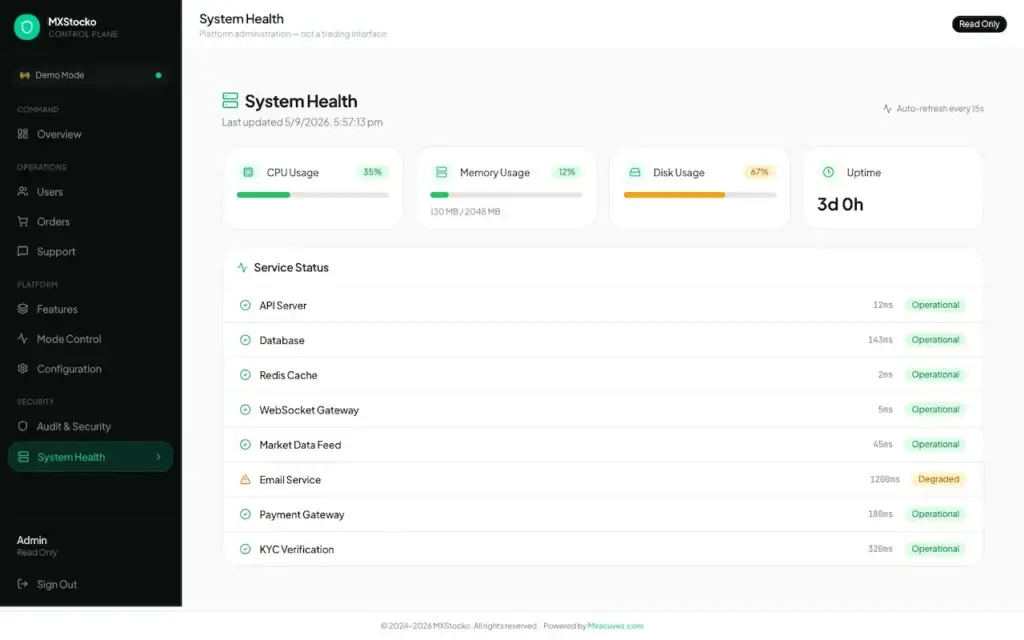
The 15 seeders populate the instrument catalogs for the asset classes you are launching, operator accounts are created against the RBAC roles, the KYC review desk is configured, and the platform mode subsystem is set so demo and production stay separate from the first day rather than the first incident.
Walkthrough and handover
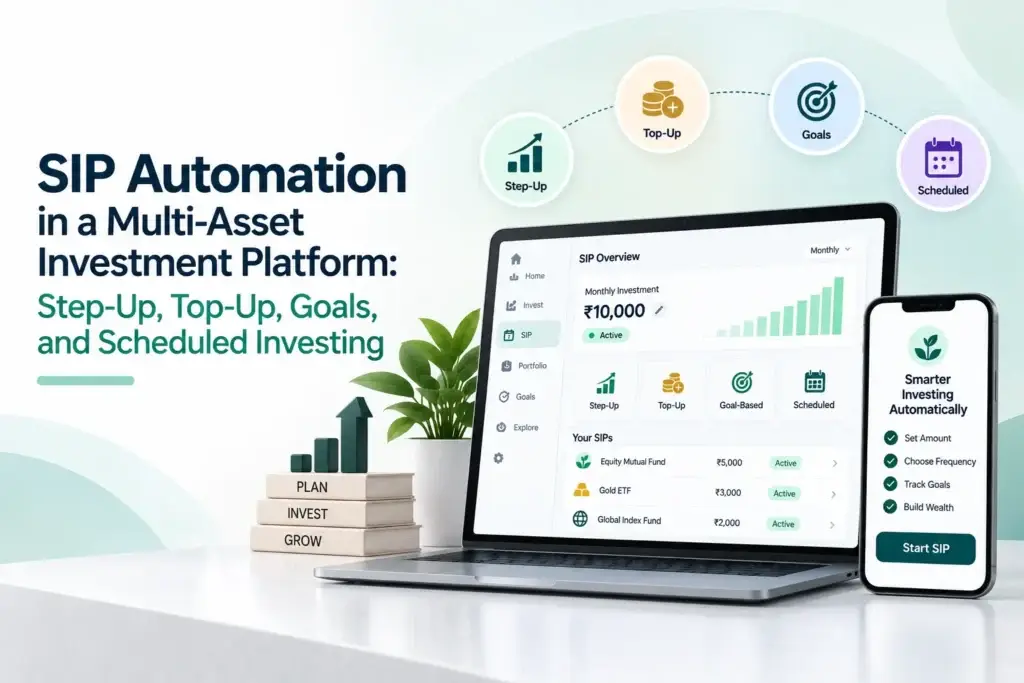
We run one investor end to end in front of your team: register, submit KYC, approve it in the console and read the audit row, fund a wallet, place an order with the charges visible, watch the position land in the portfolio, then create a SIP with a step-up and link a goal to it. Source, schema and documentation transfer.
The support window
Sixty days of launch guidance, six months of priority bug fixes and twelve months of updates. Broker venue connectors, security hardening and store publishing usually run inside this window on their own scoped schedule.
Six working days covers our part. What lengthens a launch on an investing platform is almost always external: broker registration and the venue connection, market data licensing, merchant accounts per gateway, and a Firebase project if push must work on day one.
Regional Development Rates
We do not publish a dollar figure for a from-scratch build, because the honest measure is time: an eighteen to thirty month programme with a senior team. Here are the rates that let you size that yourself.
| Region | Senior engineer, blended hourly | What an 18-30 month programme implies |
|---|---|---|
| North America | $120 - $220 | The high end of any build-versus-buy comparison, and the reason most operators in this bracket buy |
| Western Europe | $90 - $170 | Comparable to North America once employer costs and notice periods are included |
| Gulf and Middle East | $60 - $130 | Often the market being sold into, which makes local hiring attractive and the timeline no shorter |
| Eastern Europe | $45 - $95 | The common outsourcing choice, where the risk shifts from cost to specification quality |
| Latin America | $40 - $85 | Time-zone overlap with North America is the usual reason, not the rate |
| South and Southeast Asia | $25 - $60 | The lowest rate, and where most Indian market and regulatory domain knowledge actually sits |
Why we give you the rate instead of the total
A from-scratch total depends on your team size, your region, and how much of the compliance and wealth layer you scope correctly at the start rather than retrofit after the first review. The equities screen is the easy part. Fifteen typed instrument entities reaching one order model, a seven state KYC lifecycle with checksummed documents, an audit fabric recording before and after values, and systematic plans that settle on a schedule are each unglamorous, mandatory and slow. Publishing one number would mean inventing four assumptions and presenting them back to you as a finding.
Rates are indicative blended figures for fintech platform engineering, not quotes. They exist so you can do the arithmetic rather than take ours on trust.
Why the Price Is Fixed, Not "Starting At"
What a fixed number commits us to
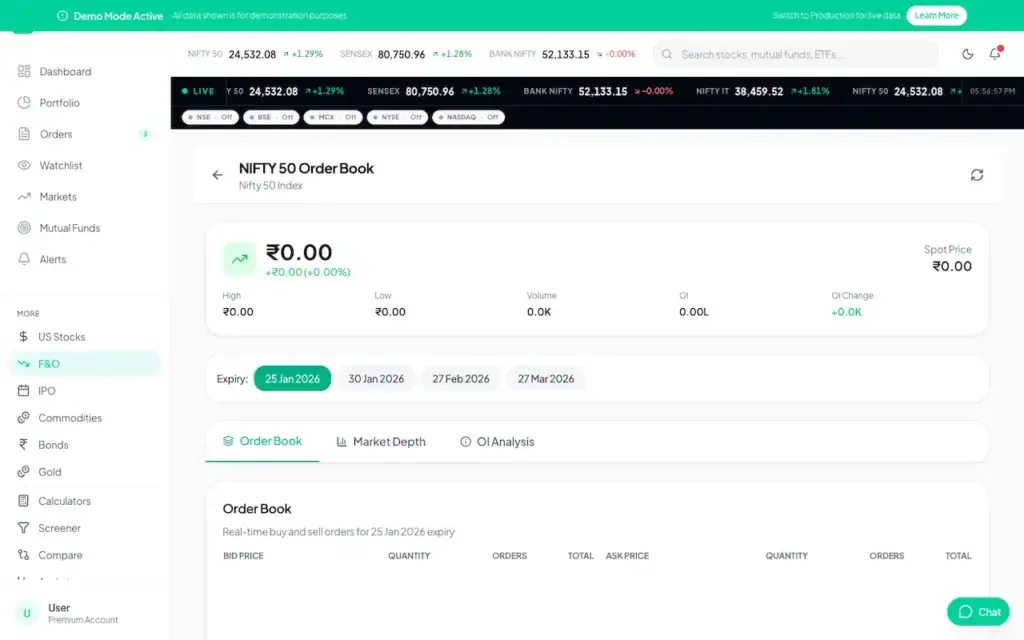
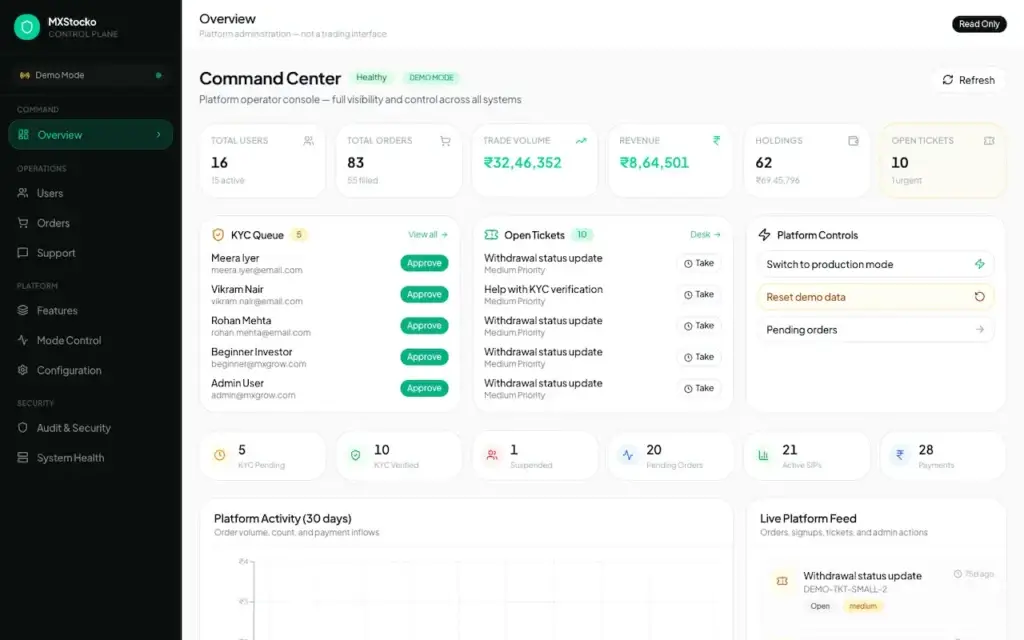
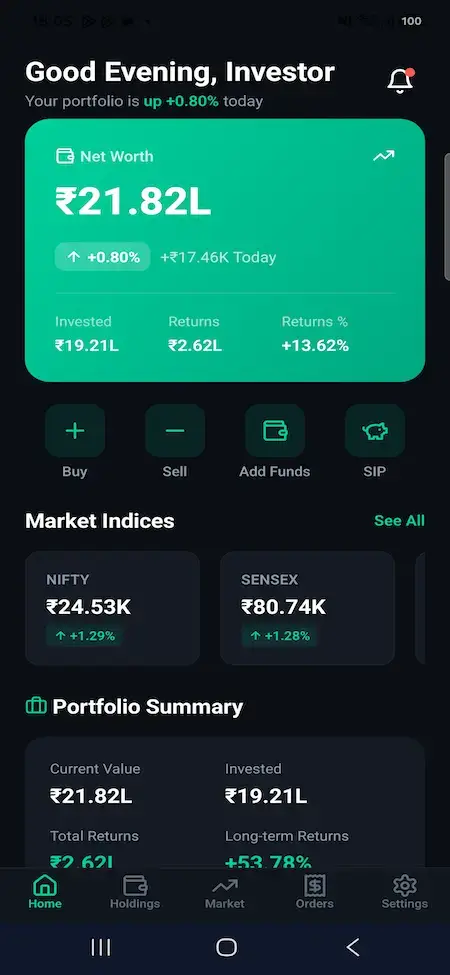
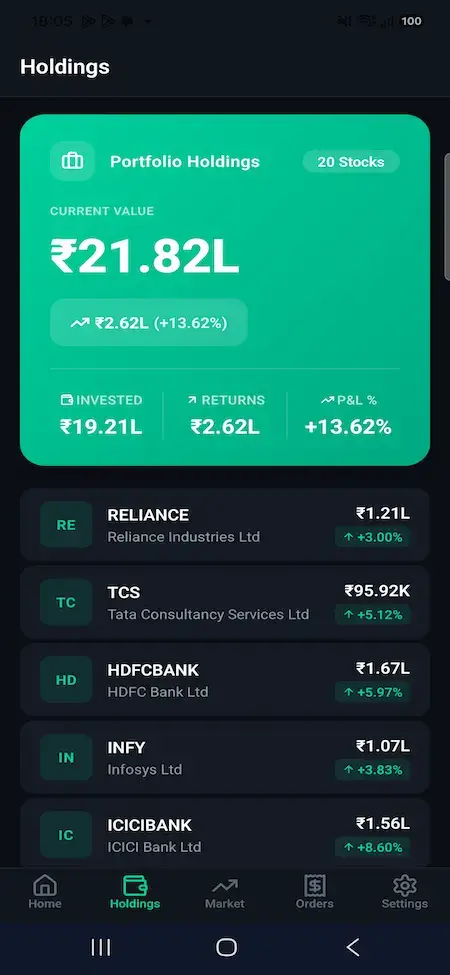
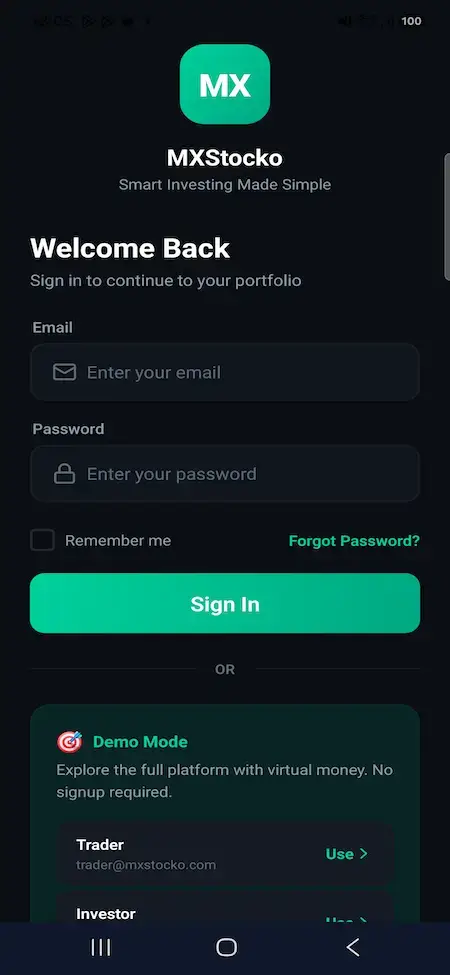
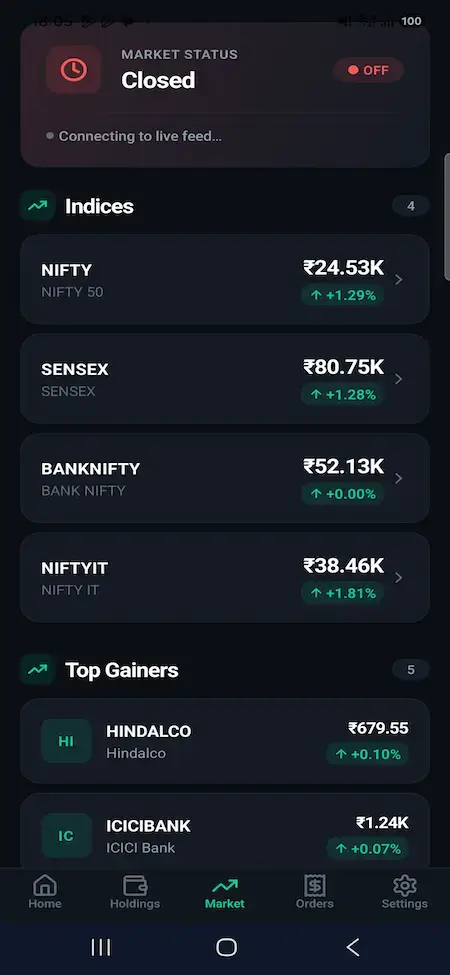
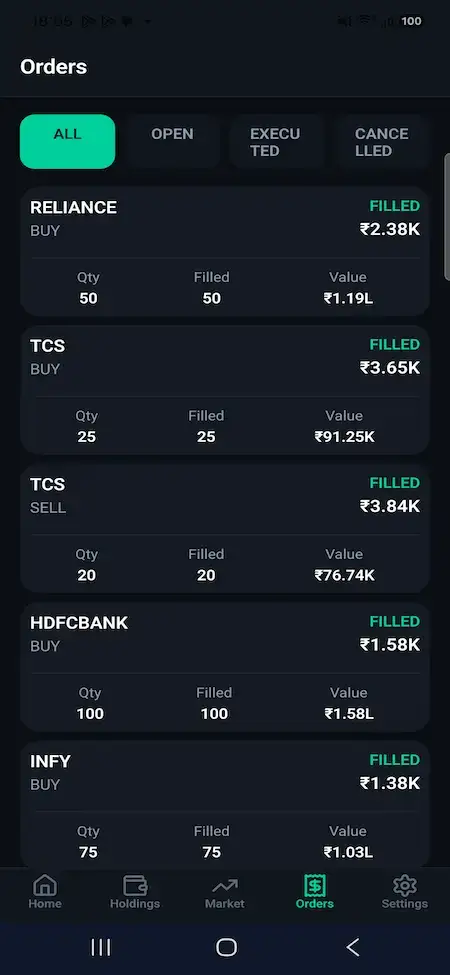
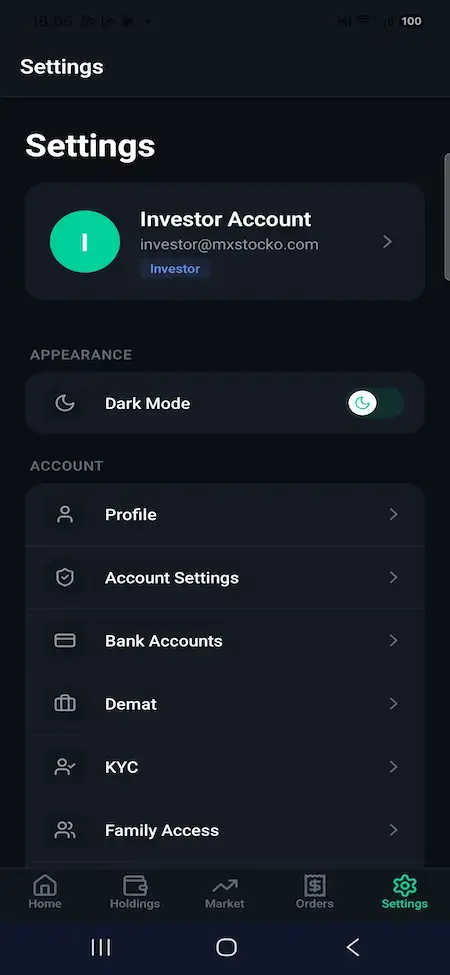
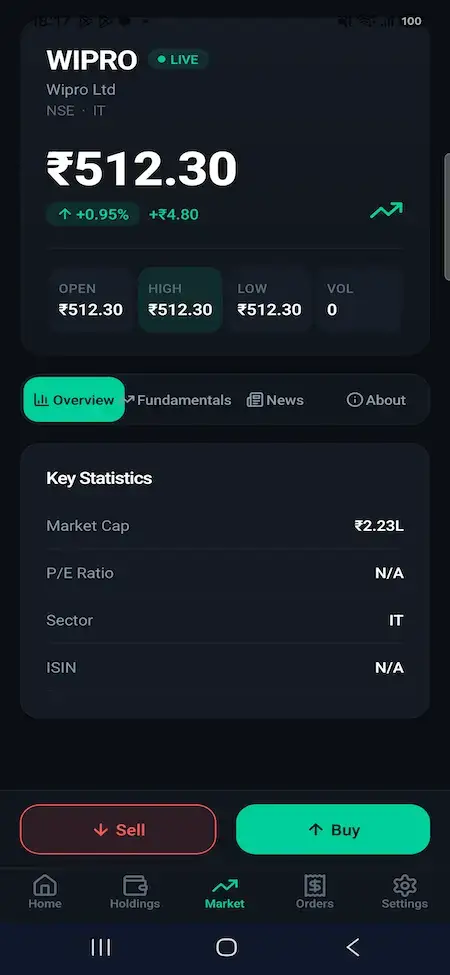
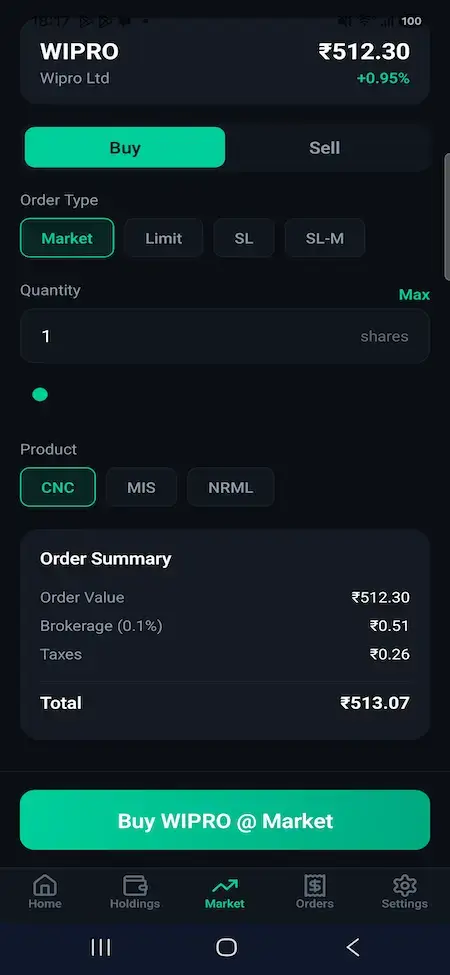
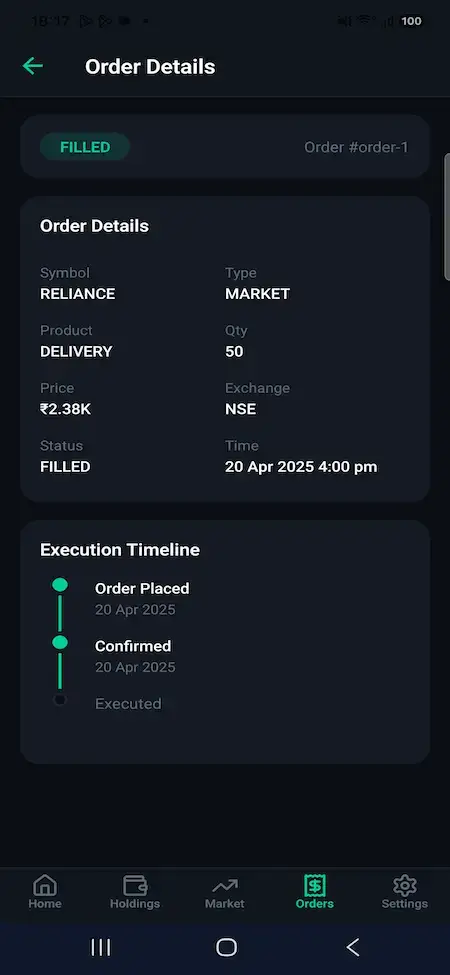
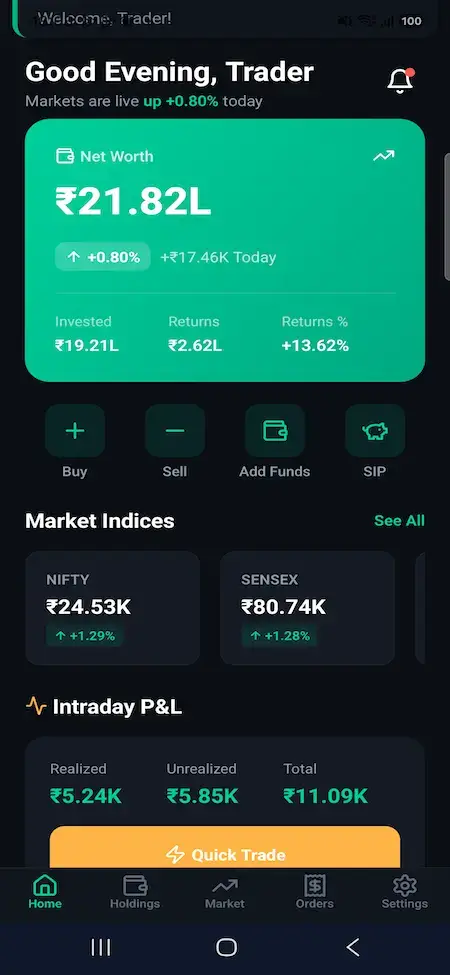
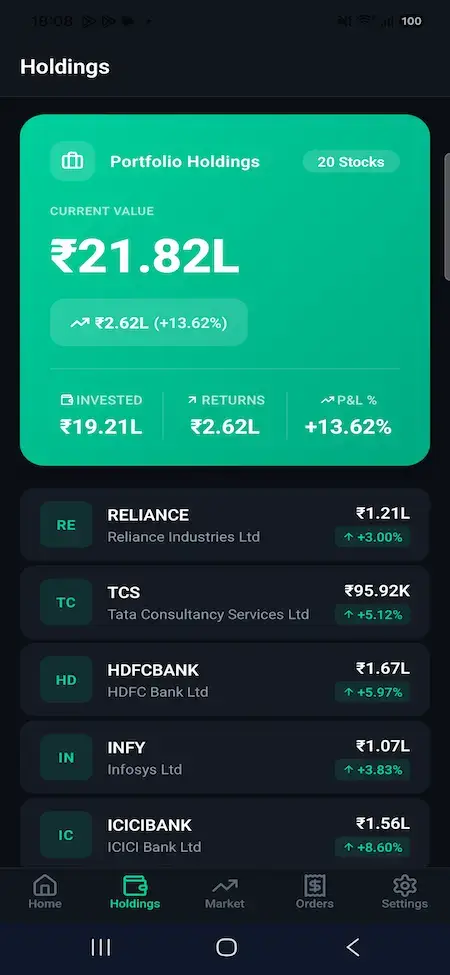
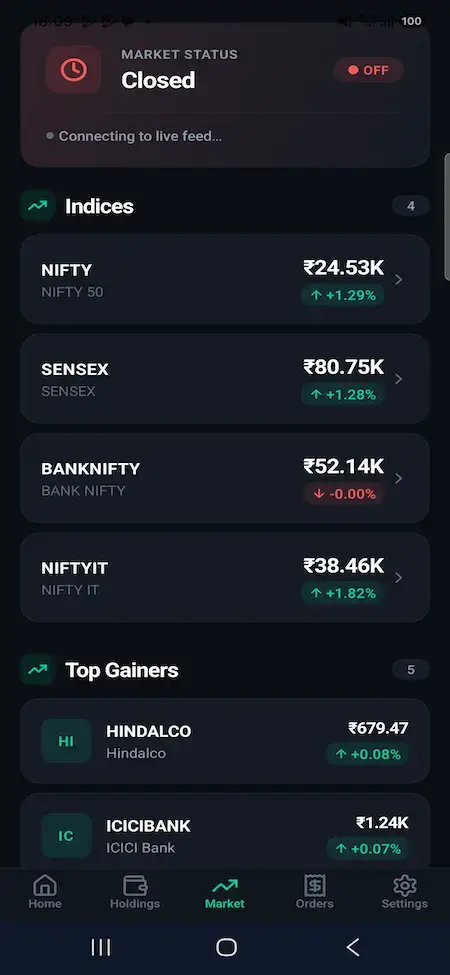
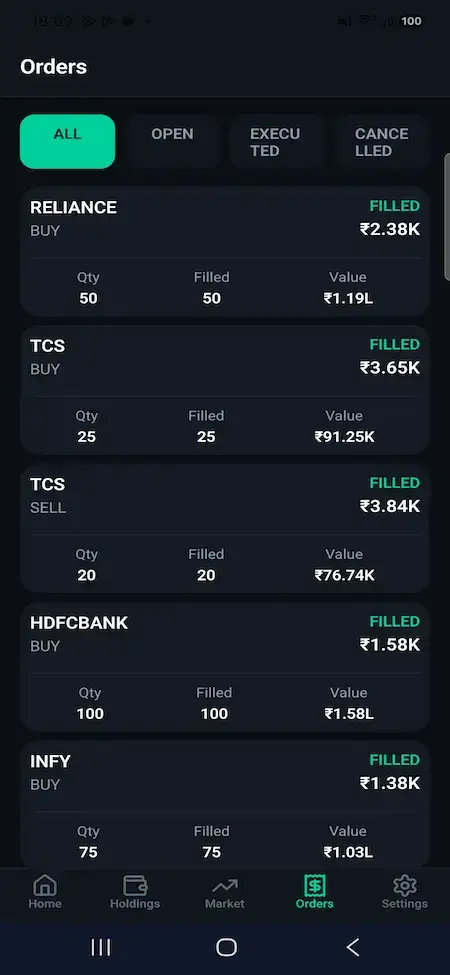
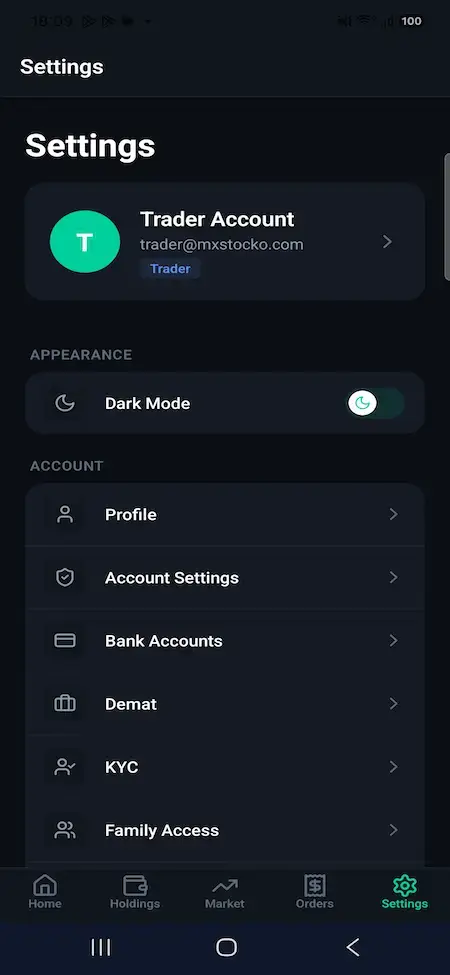
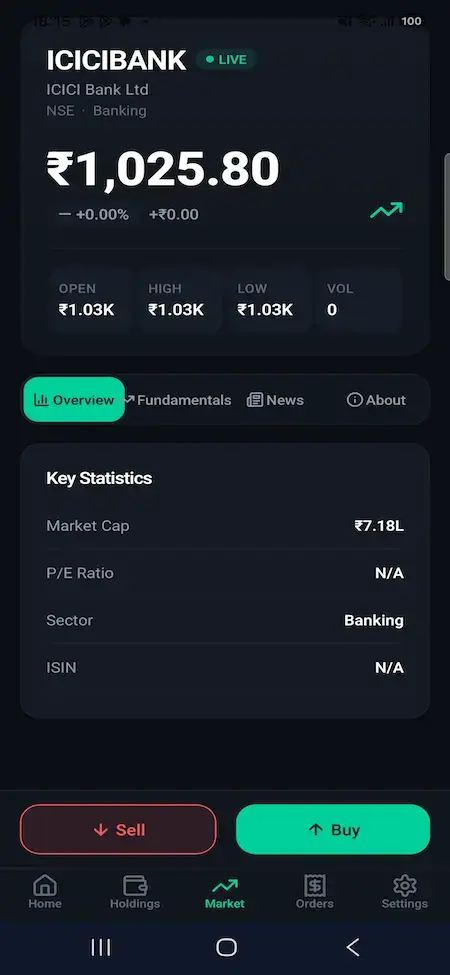
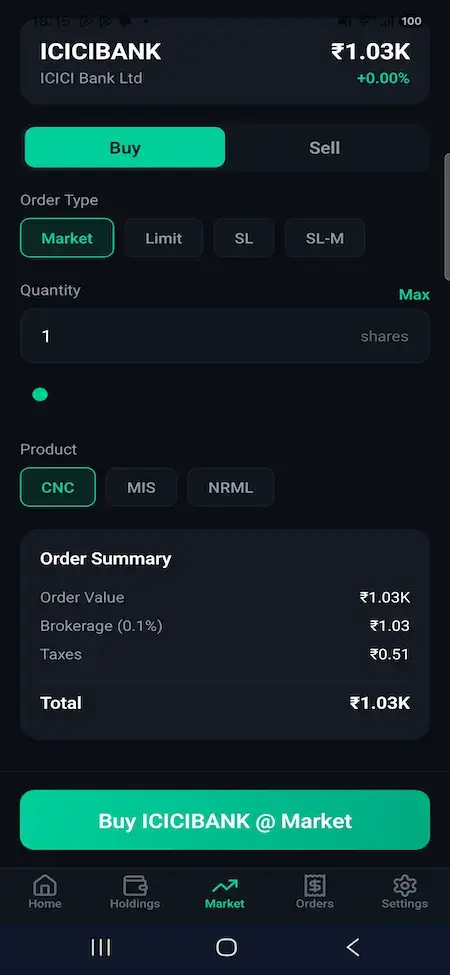
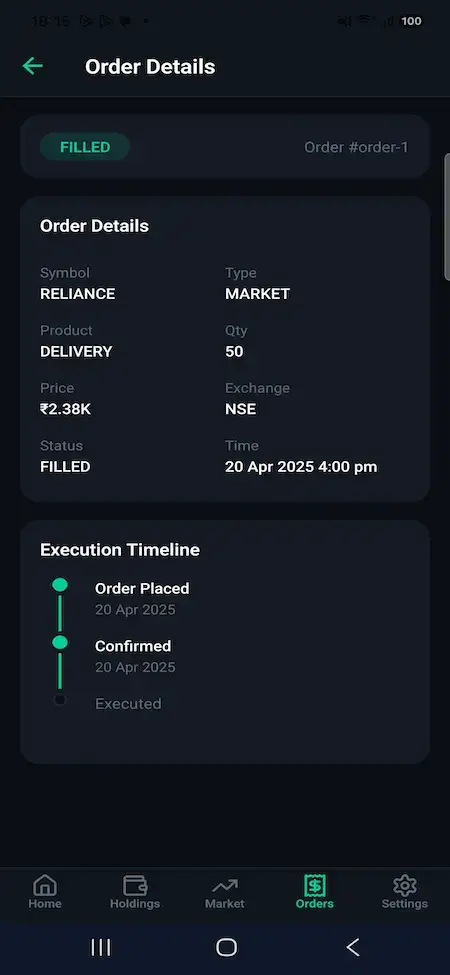
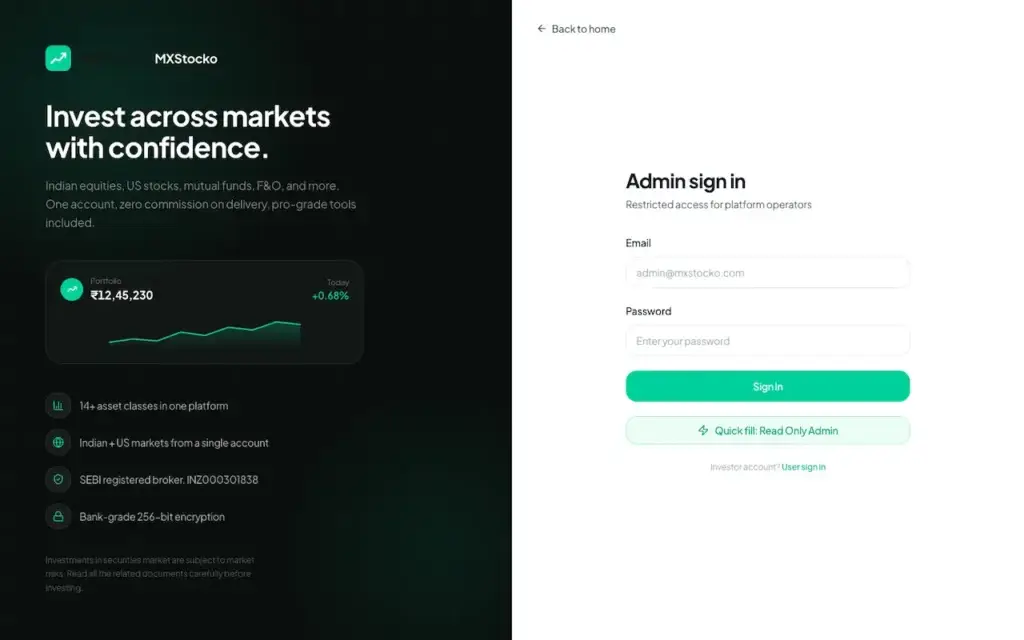
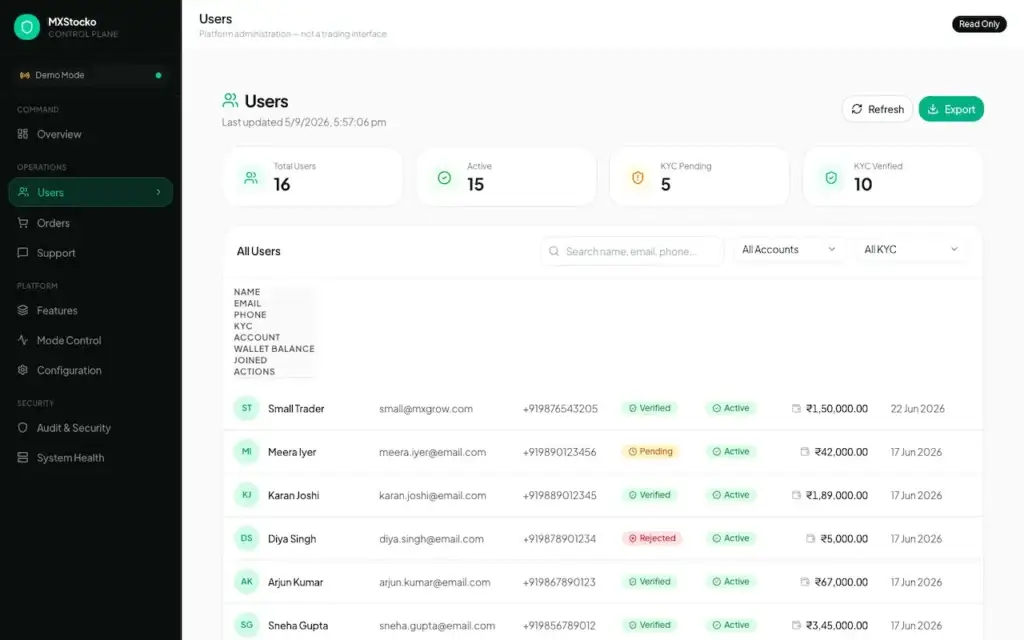
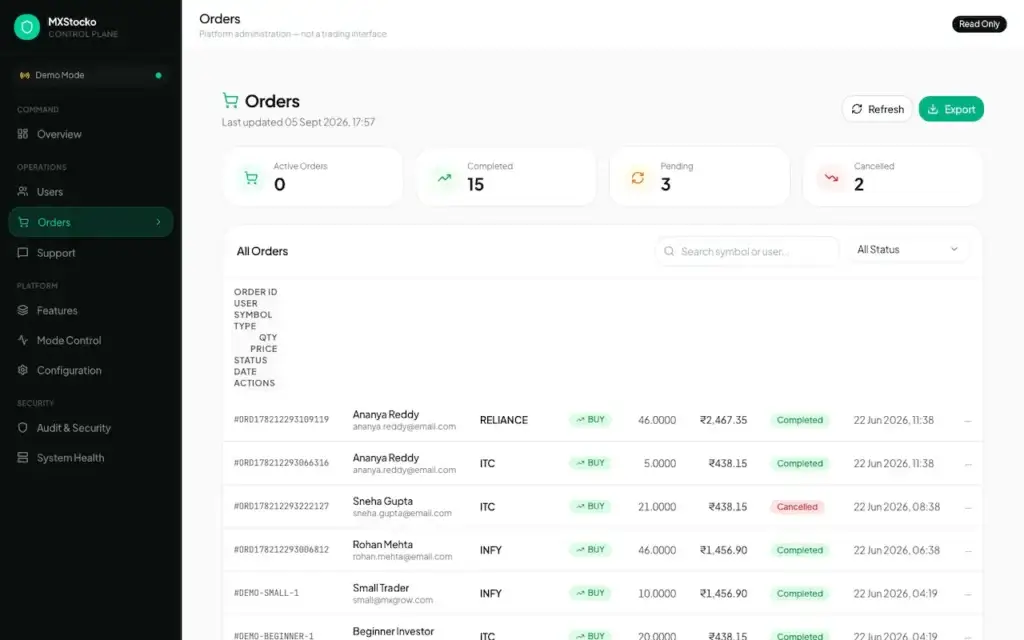
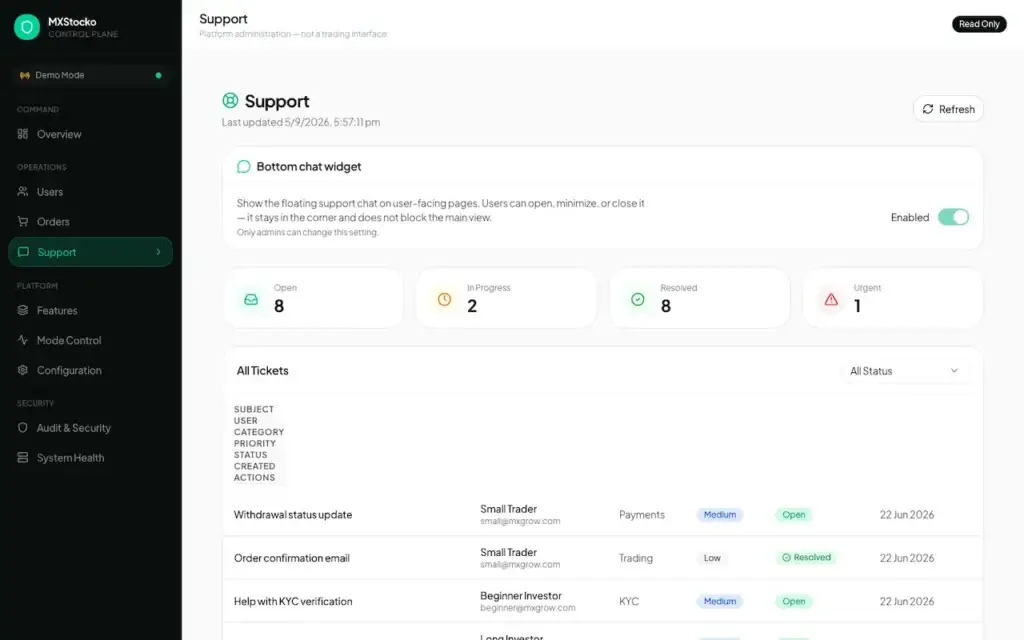
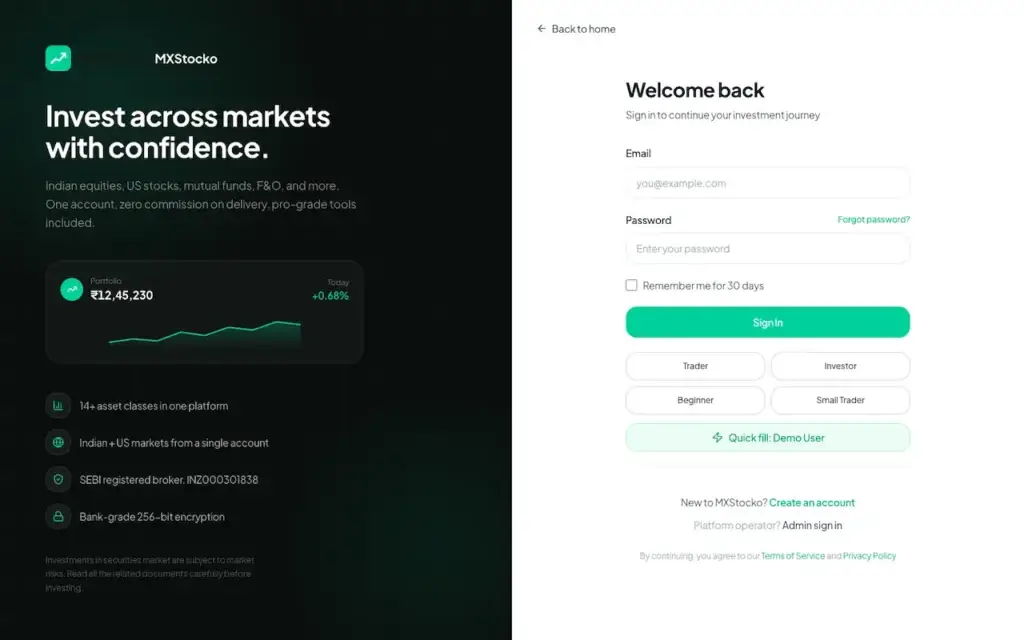
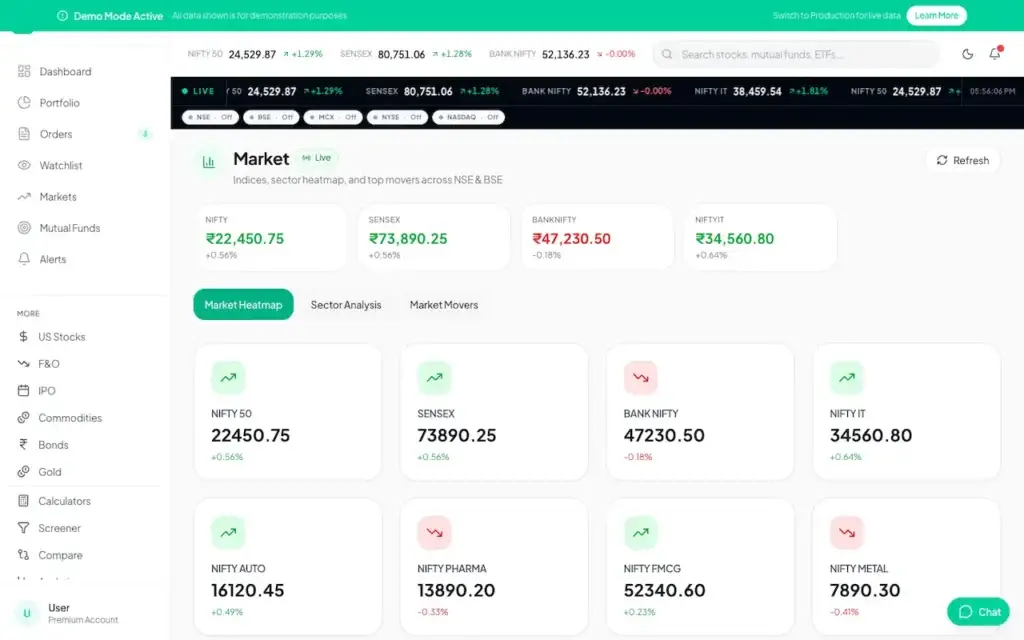
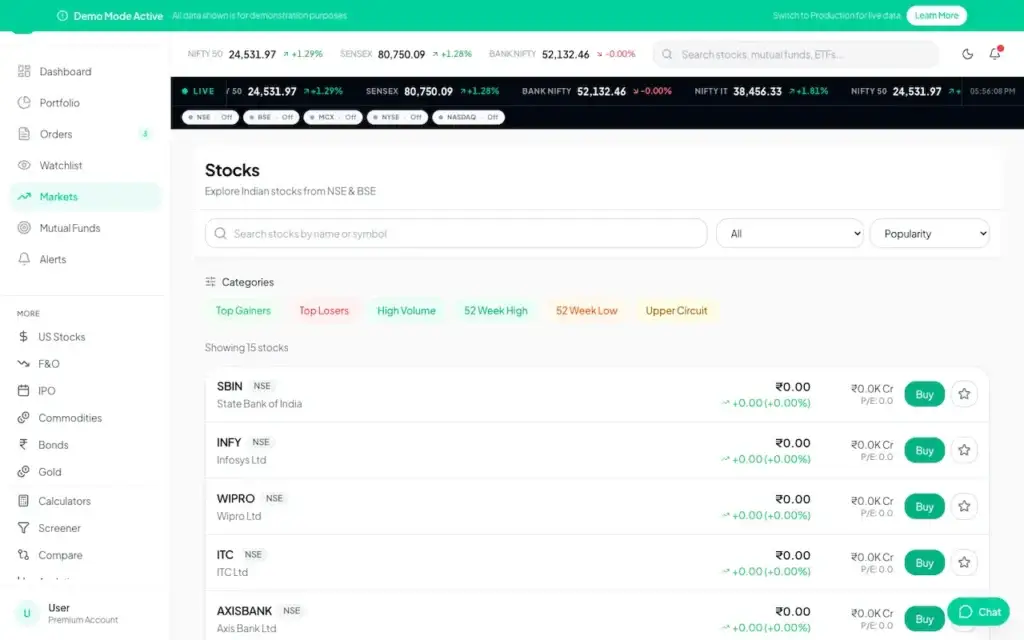
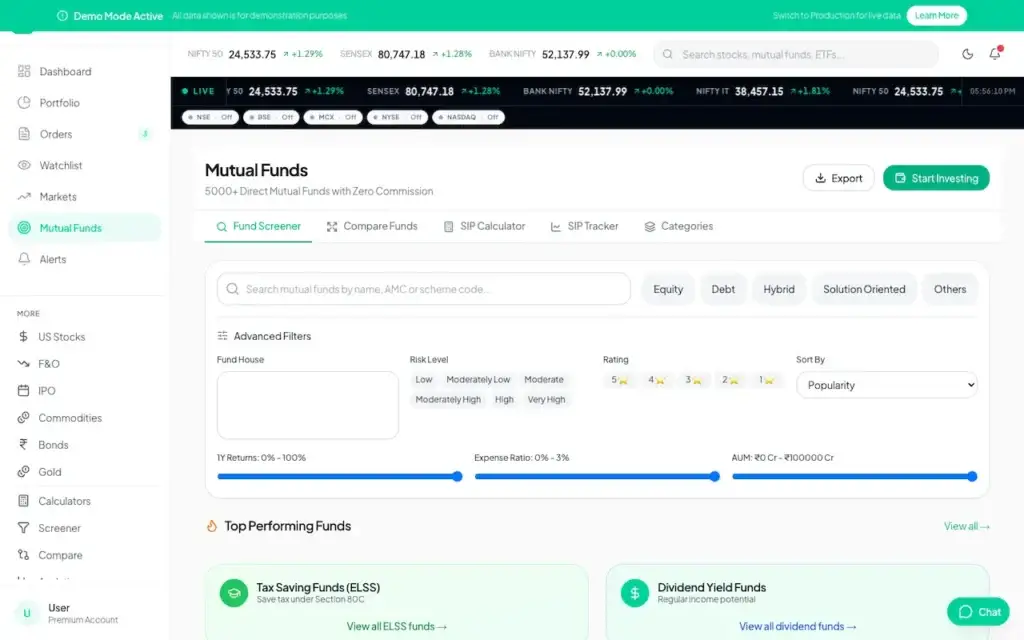
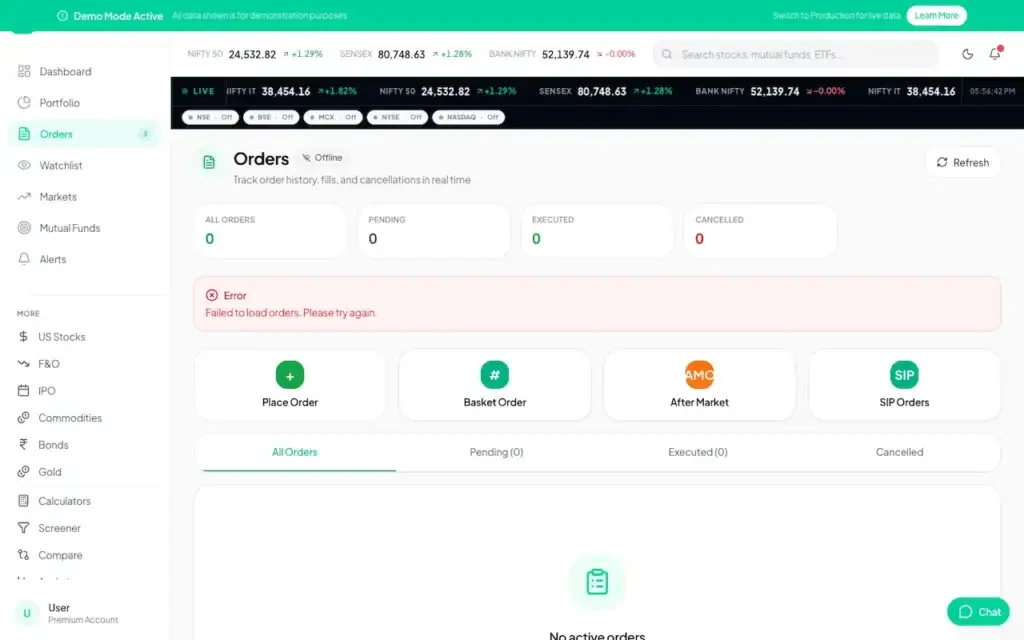
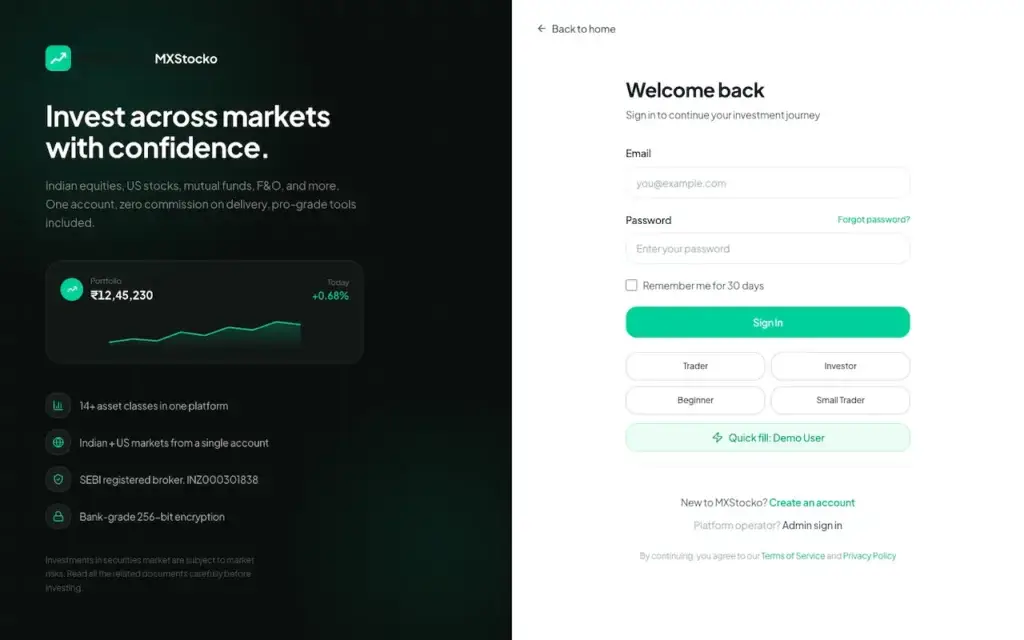
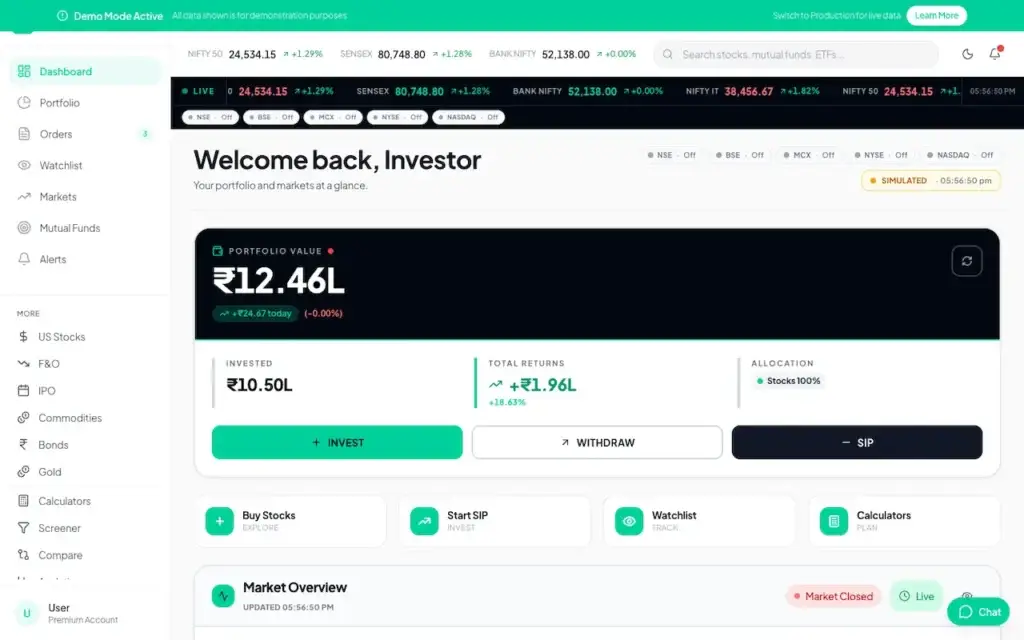
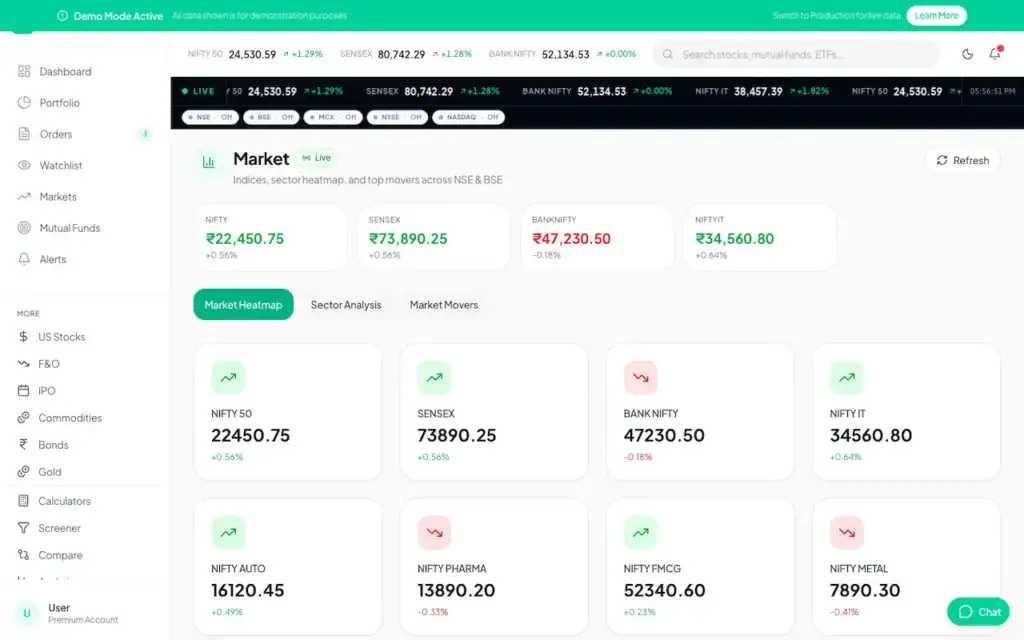
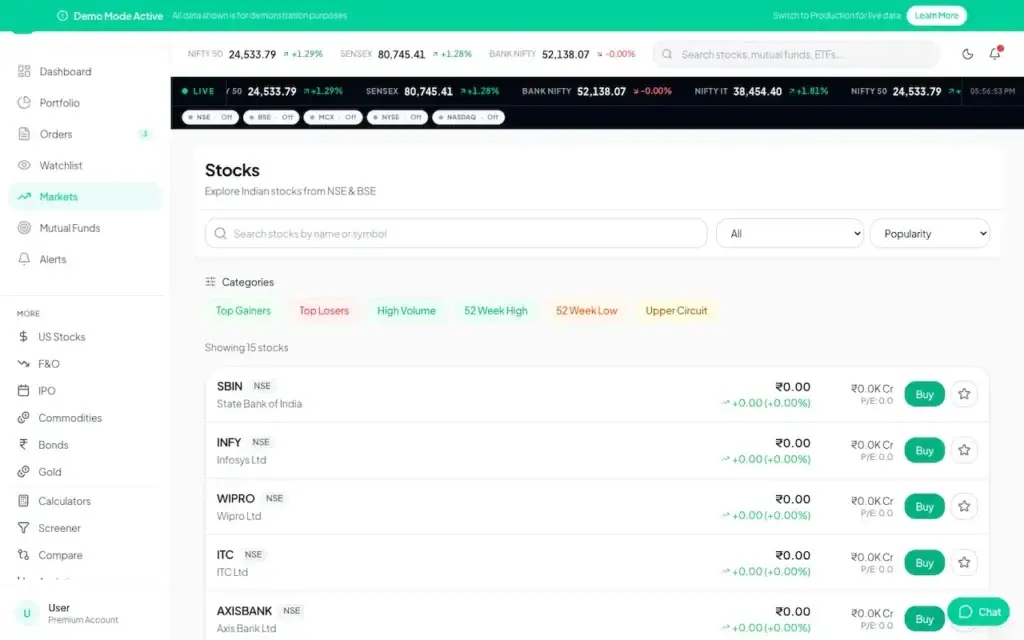
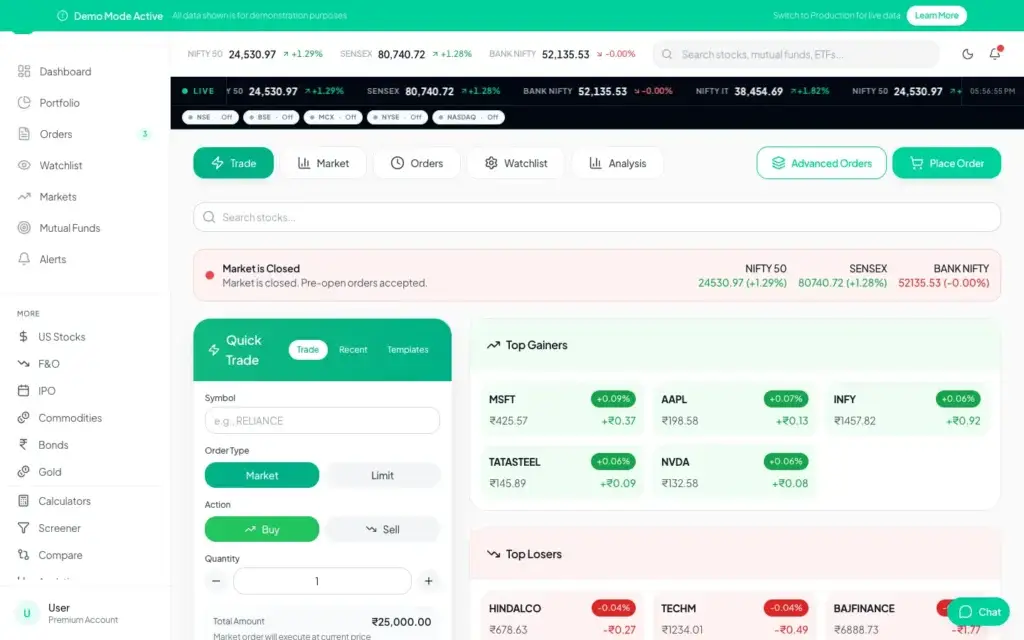
The scope is the demo. What you see across the investor experience, the trader surface, the operator console and the Android build is what ships. There is no discovery phase that discovers the price was optimistic, because the platform already exists and is already running.
No cut of your revenue. We take nothing from brokerage, subscriptions, systematic plan AUM or float. Every commercial lever in the platform is yours to set and yours to keep.
No per-member fee. Your hundred thousandth investor costs you nothing extra from us, which on a platform whose whole thesis is consolidating more of a customer's financial life is exactly the wrong thing to be charged for.
The limitations are named before purchase. The absent venue connector, market data licensing, the two-condition alert evaluator, the unimplemented two-factor endpoint and the scoped admin hardening are all stated here and on the hub, and each is quoted before work starts.
The enterprise route exists for established brokerages, banks, AMCs and regulated wealth managers, and is quoted against the final scope rather than listed here.
Hidden Costs Most Quotes Leave Out
None of these are ours to charge. They are yours to budget, and on an investing platform they dwarf the licence.
Market data, monthly
Exchange and vendor licensing is recurring and scales with your user count and your depth of data. For most operators this becomes the largest ongoing technology line within a year, and it is worth pricing before you set subscription tiers rather than after.
Broker and exchange licensing
Exchange membership, broker registration and your KYC and AML obligations are regulatory rather than technical. They carry their own capital, audit and reporting requirements, and they set the real earliest date you can accept a live order.
The compliance function
The platform gives operations a review desk rather than a database client, but somebody still has to staff the KYC queue, investigate the flagged records and answer the auditor. That is a headcount line, and it starts before your first thousand users.
Payment gateway fees
Razorpay and Stripe adapters ship, but merchant accounts, per-transaction fees and settlement timelines are yours. On a platform funding wallets rather than selling a product, settlement timing affects working capital as much as the fee rate does.
Infrastructure at market open
Traffic runs roughly nine reads to every write and the bursts land on the bell rather than spread through the day. Redis, replicas and headroom you only need for two windows a day are still capacity you pay for around the clock.
Seven years of retention
Orders, transactions and payments are held seven years by design, and audit logs archive on the same horizon. Storage is cheap; the backup, restore testing and retrieval process a regulator will actually ask you to demonstrate is not.
The first two are the ones that decide your launch date. Neither is a software problem, which is exactly why we would rather raise them on the first call than let a six-day deployment imply a six-day launch.
Who you hire decides what the number means
The six-step process, a modelled reference deployment for a multi-asset launch, the security items named for closing before go-live, and the red flags worth walking away from - on the Development Company page.
Frequently Asked Questions
Is $7,299 really the whole price?
Why is there no from-scratch dollar figure here?
How long does it take to launch, honestly?
What does a broker venue connector actually cost?
Do you take a percentage of brokerage or subscriptions?
Should we budget the security hardening before launch?
One fixed price, no cut of your revenue
Bring the asset classes you intend to launch with, the venues you hold and your data vendor. We will confirm the number in writing before you commit to anything.
Explore the Groww Clone
$7,299 fixed. Six days. Full source code.
The web application, the React Native app and the operator console deployed on your infrastructure under your branding, with no revenue share and no per-member fee.
Talk to Us →Miracuves is an independent software development company. We are not affiliated with, connected to, sponsored by, or endorsed by Groww.
“Groww Clone” is used descriptively. It is how the software industry refers to building a platform with functionality similar to Groww, and how clients search for it.
The entire design and codebase is built by our own team. The product contains no code, design, graphics, or content originating from the Groww website or applications.
Groww and all other third-party names and marks are the property of their respective owners, referenced here solely to describe the category of software offered.