
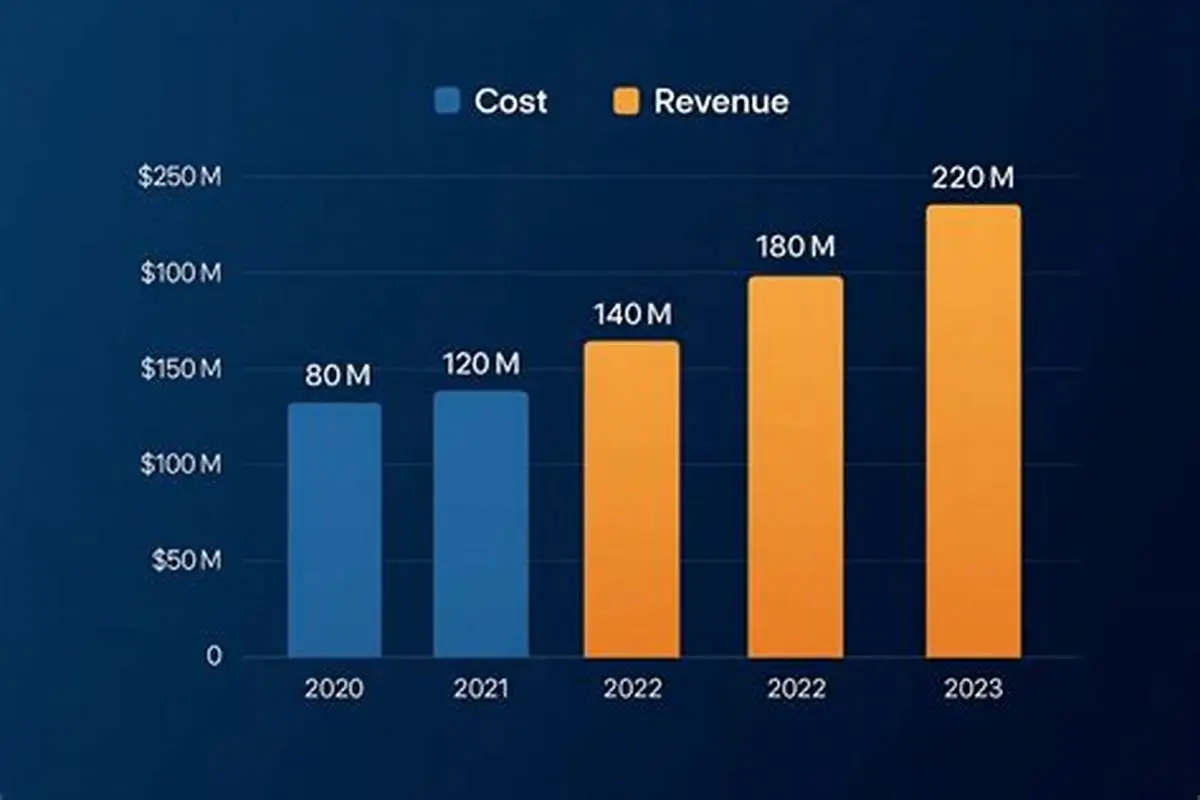
Habyt, the global co-living and flexible housing pioneer, surpassed $420 million in revenue in 2025, redefining modern urban living. By combining technology, flexible lease options, and global network management, Habyt has evolved into one of the most profitable housing-as-a-service companies in the world.
For entrepreneurs, Habyt’s revenue model offers a masterclass in subscription-driven housing monetization, blending real estate and SaaS strategies to maximize user retention and recurring income.
Habyt Revenue Overview – The Big Picture
As of 2025, Habyt’s valuation stands at approximately $2.8 billion, fueled by rapid expansion across Europe, Asia, and North America. The company recorded a 32% year-over-year growth rate, primarily from its hybrid revenue streams combining rent, membership, and digital service layers.
- Europe: 55% of total revenue
- Asia: 25%
- Americas: 20%
With EBITDA margins averaging 17–20%, Habyt leads the flexible housing segment against rivals like The Collective, Common, and Outsite.
Read More: Habyt App Explained – Features, Benefits & How It Works.

Primary Revenue Streams Deep Dive
| Revenue Stream | % of Total Revenue | Description |
|---|---|---|
| Subscription Rent | 50% | Fixed monthly fees from tenants for fully managed living spaces |
| Property Management Services | 20% | Commissions from landlords and developers for managing properties |
| Technology Licensing | 15% | SaaS platform for third-party housing operators |
| Ancillary Services | 10% | Premium add-ons like cleaning, utilities, and workspace access |
| Partnerships & Referrals | 5% | Revenue from relocation partners, utilities, and brands |
Revenue Stream #1: Subscription Rent
Habyt’s subscription-based rent model offers flexible leases (1 month to 12 months) with bundled utilities, internet, and maintenance. In 2025, average ARPU (Average Revenue Per Unit) hit $1,250/month, accounting for 50% of total revenue.
Revenue Stream #2: Property Management Services
Habyt partners with landlords, charging 10–15% of monthly rent as management fees. This B2B segment provides stable, recurring income.
Revenue Stream #3: Technology Licensing
Habyt licenses its property management platform to local co-living startups for a monthly SaaS fee of $100–$300 per property.
Revenue Stream #4: Ancillary Services
Additional income comes from premium offerings like laundry, coworking access, and event memberships, contributing over $40 million annually.
Revenue Stream #5: Partnerships & Referrals
Habyt monetizes brand tie-ups with relocation companies and furniture providers — earning referral fees and commissions.
Read More: Business Model of Habyt: Complete Strategy Breakdown 2025
The Fee Structure Explained
| User Type | Fee Category | Typical Range | Description |
|---|---|---|---|
| Tenants | Monthly Subscription | $800–$2,000 | Based on location, room type, and amenities |
| Landlords | Management Fee | 10–15% | Charged on gross rent for property management |
| Operators | Software License | $100–$300/property | SaaS platform access fee |
| Partners | Referral Commission | 5–10% | Share from partner-based deals |
| Tenants | Premium Add-Ons | $50–$200/month | For workspace, laundry, or events |
Habyt’s hybrid pricing system enables both B2C (tenants) and B2B (property partners) monetization. Regional variations in 2025 show higher margins in Asia due to operational scalability.
How Habyt Maximizes Revenue Per User
Habyt has mastered the art of increasing revenue without increasing churn:
- User Segmentation: Students, professionals, and digital nomads have tailored pricing tiers.
- Upselling: Add-ons like co-working memberships and community events.
- Cross-Selling: Combining housing with flexible workspace packages.
- Dynamic Pricing: Algorithmic rent adjustments based on season and demand.
- Loyalty & Retention: Members staying beyond 6 months receive discounted rates but increased lifetime value.
Example: In 2025, retention-focused bundles boosted average tenant LTV from $7,200 to $10,800 per year.
Cost Structure & Profit Margins
Habyt’s lean operational model keeps scalability high:
- Technology Infrastructure: 12% of total cost
- Marketing & CAC: 15%
- Property Operations: 50%
- Community & Support: 8%
- R&D: 5%
- Miscellaneous: 10%
The result: Net profit margin of 18% in 2025 — a major improvement from 12% in 2023.
Read More: Best Habyt Clone Script 2025 – Launch Your Co-Living Platform
Future Revenue Opportunities & Innovations
Habyt’s future roadmap highlights:
- AI-driven Pricing Engines – automating occupancy optimization
- Blockchain-based Lease Agreements – secure and transparent contracts
- Habyt Workspace Integration – bundling coworking subscriptions with housing
- Expansion in Tier-2 Cities – targeting affordable housing markets
- Sustainability Monetization – offering eco-premium rooms and green-certified living spaces
Projected 2026–2027 growth: +40% with AI-enabled smart leasing models.
For startups, this means a golden window to enter the co-living tech market using clone frameworks.
Lessons for Entrepreneurs & Your Opportunity
Habyt’s success lies in its recurring subscription-based rental model, powered by community engagement and global scalability. Entrepreneurs can replicate this by:
- Launching co-living platforms that combine SaaS management with direct rentals
- Offering dynamic pricing features for flexibility
- Building subscription-first real estate apps for modern renters
Final Thought
Habyt proves that real estate monetization in 2025 isn’t just about ownership — it’s about flexibility and recurring digital revenue.
With Miracuves’ ready-made Habyt Clone, entrepreneurs can quickly enter the co-living market and capitalize on one of the fastest-growing housing trends worldwide.
FAQs
How much does Habyt make per tenant?
On average, $1,250 per month in subscription revenue.
What’s Habyt’s most profitable segment?
Technology licensing and property management, thanks to high margins.
What percentage does Habyt charge landlords?
10–15% of total monthly rent.
How has Habyt’s revenue model evolved?
From a rental platform to a hybrid SaaS + co-living subscription business.
Can small startups replicate this?
Yes, with scalable clone solutions integrating management and tenant tools.
What is Habyt’s main innovation?
Combining housing-as-a-service with tech-driven management.
What’s the minimum scale for profitability?
Around 150–200 units managed or 1,000 active members.
Related Articles:
Miracuves is an independent software development company. We are not affiliated with, connected to, sponsored by, or endorsed by any company or product named in this article.
Terms such as “X Clone” are used descriptively. It is how the software industry refers to building a platform with functionality comparable to a known service, and how clients search for it.
The entire design and codebase of our products is built by our own team. Our products contain no code, design, graphics, or content originating from any third-party website or applications.
All third-party names and marks referenced in this article are the property of their respective owners, referenced solely to identify the services discussed.