
A few years back, a friend of mine who ran a small indie fashion label vented over coffee, “We’re killing it on Insta but drowning on Shopify.” She needed a platform — not just a website — where indie brands, streetwear creators, and thrift stylists could sell under one roof, like their own fashion version of Amazon. Fast forward to today: multi-vendor fashion marketplaces are popping up like viral TikToks — and investors are swiping right hard.
In a world where fashion influencers wield more power than traditional ads and Gen Z is shopping straight from Instagram Stories, the idea of owning a platform that hosts vendors rather than being one is a total game-changer. But let’s be real: launching a multi-vendor fashion marketplace isn’t cheap. There’s tech, design, scalability, marketing integrations, and that never-ending list of “Oh, we’ll just add this later” features.
So, how much does it actually cost to build one? That’s exactly what we’ll unpack — from the core features and must-have integrations to the real dollar figures you’ll want to budget for. And yes, we’ll also show you how Miracuves helps startups and digital hustlers launch these platforms faster, smarter, and more affordably.
What Is a Multi-Vendor Fashion Marketplace, Really?
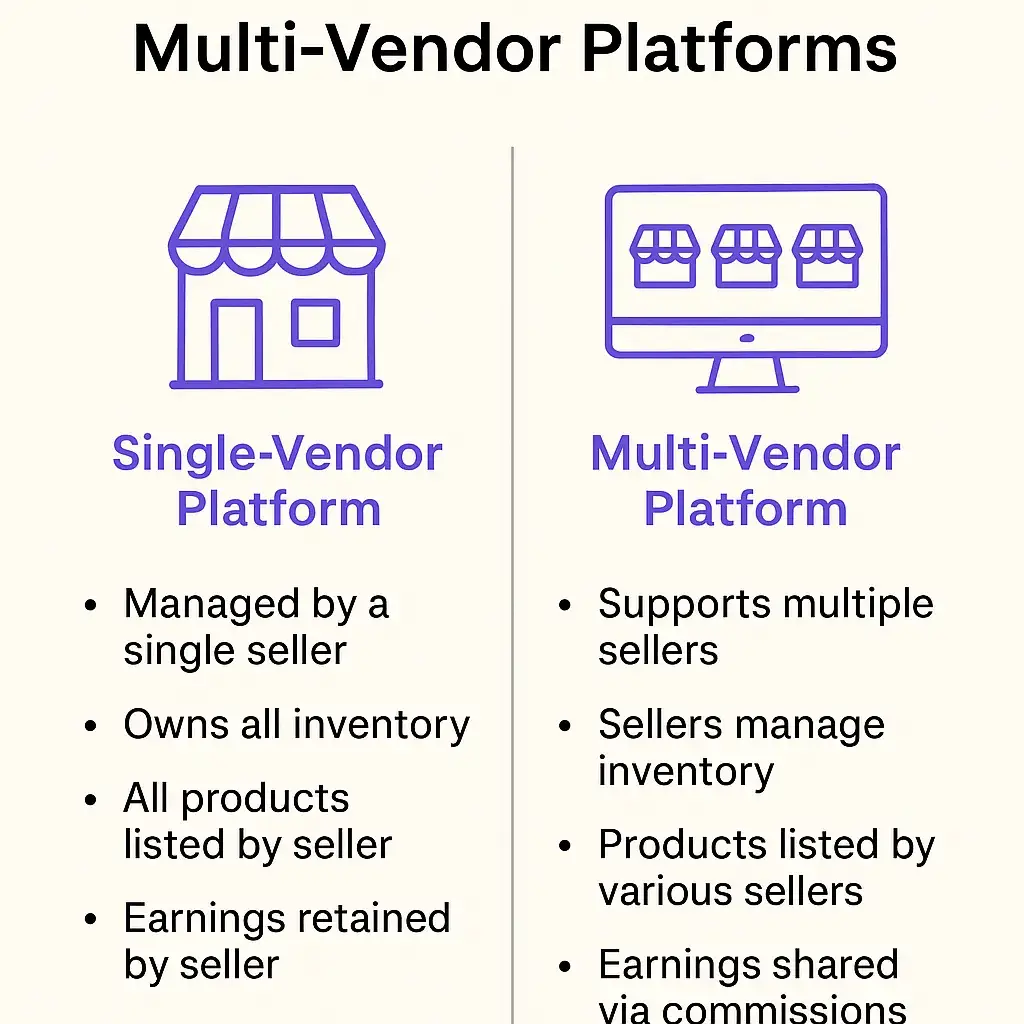
Think of it as the Etsy of apparel or the Amazon for boutique brands. In a nutshell, a multi-vendor fashion marketplace allows multiple independent sellers to create their own storefronts, upload inventory, manage orders, and interact with customers — all under one centralized platform. Buyers, on the other hand, get access to a wide range of styles, price points, and brands in one place.
Fashion-focused marketplaces have some specific twists:
- Seasonal drops, style tagging, lookbooks
- Influencer collabs and shoppable videos
- Size guides, visual try-ons, style filters
- Lightning-fast checkout for impulse buys
These platforms are not just websites — they’re ecosystems. And building them? Well, it’s a whole different catwalk.
Core Features That Drive Development Costs
1. User & Vendor Management
You’ll need separate onboarding workflows, dashboards, and permissions for:
- Shoppers
- Vendors
- Admins
Expect features like:
- Profile setup (with images, bios, shop URLs)
- Vendor analytics
- Custom commission settings
- Reviews & rating systems
2. Product Listings with Style
Unlike electronics or groceries, fashion listings are highly visual and detail-rich. Think:
- Multiple product images (front, back, zoom)
- Size & color variations
- Inventory sync per variant
- Category tags like “boho,” “athleisure,” or “gender-neutral”
Throw in a few AI-based auto-tagging tools or 3D product previews, and the dev bill stacks up fast.
Tech Stack Choices = Cost Multipliers
Here’s where things can swing dramatically. Are you going full custom or leveraging prebuilt frameworks?
| Stack Type | Cost Estimate | Pros | Cons |
| Open-source CMS + Plugins | $5,000–$15,000 | Quick to launch, cheap | Limited scalability |
| White-label clone solution (like Miracuves) | $15,000–$40,000 | Fast, scalable, feature-rich | Customization needed |
| Full custom build | $60,000–$150,000+ | 100% tailored | Long dev time, $$$ |
Want a jumpstart with faster time-to-market? Explore our multi-vendor marketplace clone solutions
Hidden Costs That Bite Later
1. Payment Gateway Integration
Fashion platforms need:
- Multi-currency support
- Split payments to vendors
- Refund flows
- Tax compliance
Stripe Connect, PayPal Adaptive, Razorpay — they all cost extra to integrate well.
2. Mobile App Development
According to Statista, 63% of online shoppers prefer mobile. Your web platform’s great, but without an app? You’re leaving conversions on the table. Expect:
- $15K–$40K for iOS & Android
- Extra if you want native AR try-ons or push-based restocks
:
3. Real-Time Notifications & Chat
Customers want updates. Vendors want questions answered. Both want real-time chat and alerts for:
- Order status
- Discounts
- Restock pings
Socket-based chat APIs and Firebase-like integrations come with monthly bills and initial dev work.
Development Team: In-House vs Agency vs Clone Experts
| Team Type | Pros | Cons | Avg Monthly Cost |
| In-house | Full control | High burn, hiring delays | $25K+ |
| Traditional agency | All-in-one | Slow iterations | $35K+ |
| Clone development experts (Miracuves) | Fast, scalable, cost-effective | Lower risk, high customization | $7K–$20K |
Want to go from idea to MVP in record time? Miracuves delivers end-to-end solutions, tailored for fashion tech entrepreneurs.
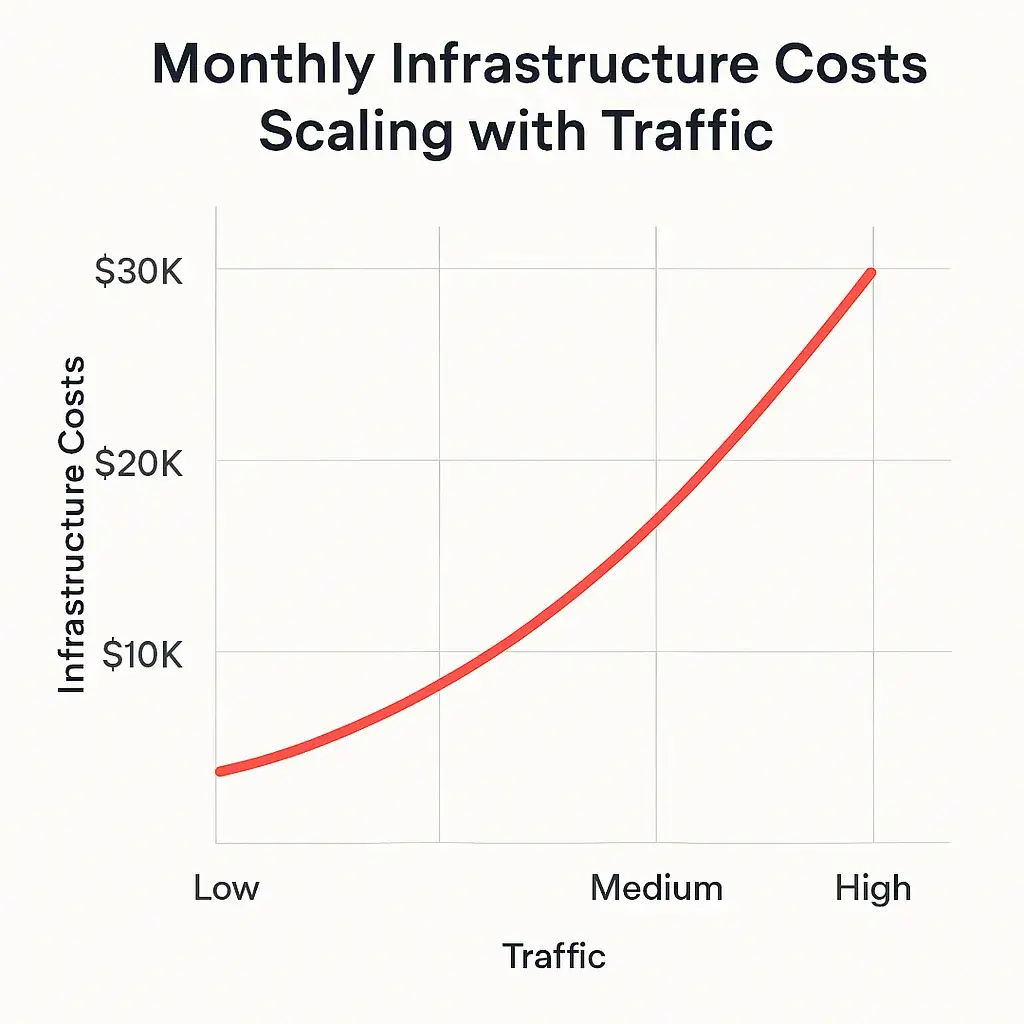
Maintenance & Scaling: The Cost That Keeps on Charging
Don’t forget post-launch costs:
- Cloud hosting (AWS, GCP): $100–$1,000/month
- API subscriptions (email, payment, analytics): $300–$800/month
- DevOps & updates: $2,000+/month
You’ll also need to prepare for sudden surges — like a collab drop or influencer campaign going viral. Lagging pages or downtime during a peak moment? That’s money out the window.
The Grand Total: So, How Much Are We Talking?
Let’s break it down in typical startup-friendly terms:
| Phase | Estimated Cost |
| Discovery & UI/UX | $3,000–$8,000 |
| MVP Development | $15,000–$40,000 |
| Mobile Apps | $15,000–$30,000 |
| Third-Party Integrations | $3,000–$10,000 |
| Testing & QA | $2,000–$5,000 |
| Post-Launch Maintenance | $1,500–$5,000/month |
Total ballpark: $35,000 to $100,000+ depending on ambition and timeline.
Conclusion
Fashion never sleeps — and neither should your platform. Building a multi-vendor fashion marketplace takes more than just good taste. It’s a tech-heavy, cost-sensitive sprint that demands smart choices from day one.
If you’re planning to disrupt the fashion eCommerce scene — whether it’s thrift finds, luxury drops, or influencer merch — don’t go it alone.
At Miracuves, we help innovators launch high-performance app clones that are fast, scalable, and monetization-ready. Ready to turn your idea into reality? Let’s build together.
FAQs
Q:1 How long does it take to build a fashion marketplace platform?
Typically, 3–6 months for an MVP. Add more time for apps, third-party integrations, or highly custom features.
Q:2 Can I start small and scale features later?
Absolutely. Many startups launch lean, then add features like AR try-ons, influencer collabs, or AI styling tools over time.
Q:3 What’s the difference between a fashion marketplace and a regular eCommerce site?
Marketplaces host multiple sellers, each managing their own inventory. eCommerce stores typically have a single seller — meaning fewer complexities.
Q:4 Do I really need a mobile app at launch?
Not strictly, but highly recommended. Mobile commerce dominates in fashion. Launching without an app can kill conversion rates.
Q:5 How can I monetize my platform beyond sales commissions?
You can offer premium vendor plans, ad placements, influencer partnerships, or even subscription boxes.
Q:6 Why choose Miracuves over hiring a freelance developer?
Miracuves delivers time-tested clone architectures, faster go-to-market, lower risk, and full-stack support — everything freelancers can’t guarantee.
Miracuves is an independent software development company. We are not affiliated with, connected to, sponsored by, or endorsed by any company or product named in this article.
Terms such as “X Clone” are used descriptively. It is how the software industry refers to building a platform with functionality comparable to a known service, and how clients search for it.
The entire design and codebase of our products is built by our own team. Our products contain no code, design, graphics, or content originating from any third-party website or applications.
All third-party names and marks referenced in this article are the property of their respective owners, referenced solely to identify the services discussed.