

Let’s be honest—owning boats isn’t cheap. But building a platform that connects boat owners with eager renters? That’s a smart way to ride the digital tide. In 2025, the sharing economy has anchored itself firmly in the travel and leisure space. People aren’t buying boats—they’re booking them by the hour, the day, or the weekend. That’s where boat rental apps come in.
If you’ve ever used Airbnb or Uber, you already get the playbook. You create a marketplace, bring two groups together (in this case, boat owners and renters), and make revenue off every successful transaction. And the potential here? Massive. With boating tourism growing globally—especially in coastal hotspots like Goa, Dubai, Bali, and Miami—now’s the time to build your own platform or scale the one you’ve got.
But building an app is only one part of the puzzle. To actually make money, you need a smart, flexible, and scalable revenue model. That’s exactly what this guide is about. We’ll break down the best ways to monetize your boat rental app—from commissions to premium features, subscriptions, and more.
Let’s dive into how your boat rental platform can start making serious revenue—no matter where you’re launching.
Why Revenue Strategy Matters in 2025
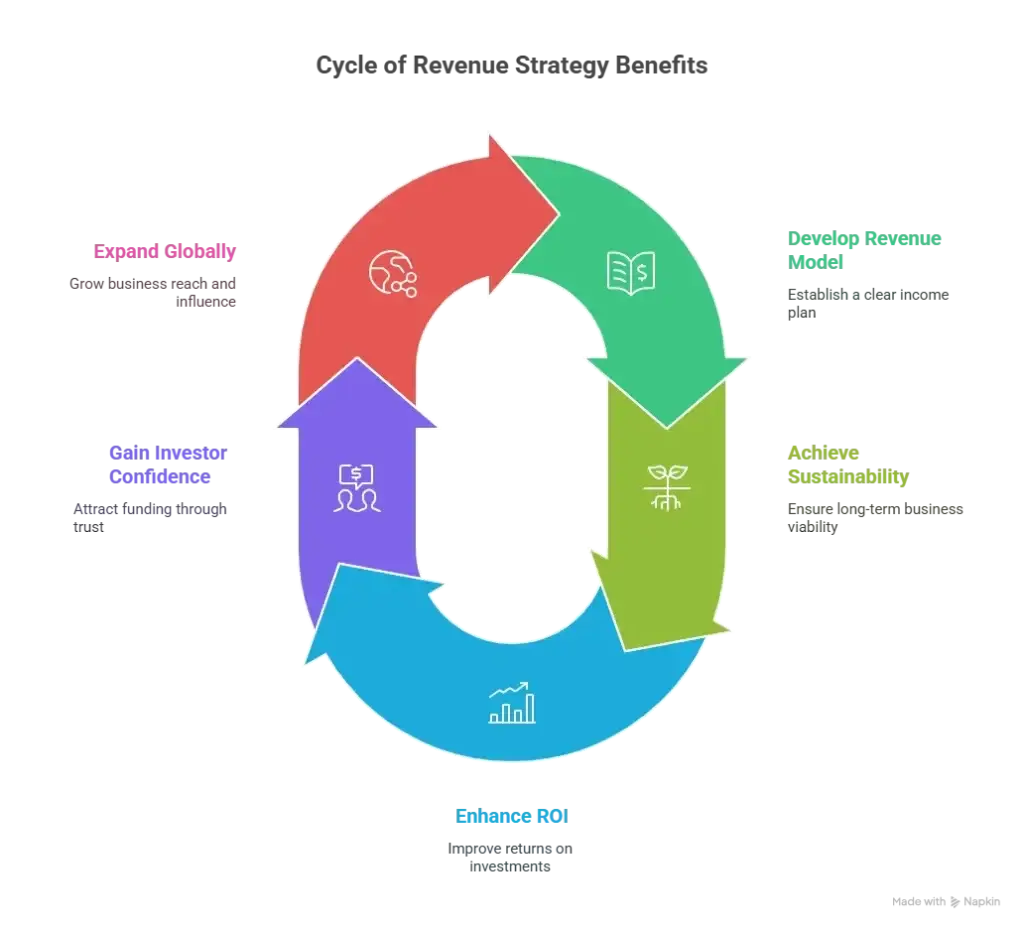
The travel-tech space is crowded. To stay afloat (pun intended), you need more than a flashy app—you need recurring, predictable income. A well-structured revenue model gives you:
- A sustainable business, not just a cool idea
- Better ROI on development and marketing
- Investor confidence for future funding
- Flexibility to grow globally or locally
Whether you’re bootstrapping or planning for VC funding, knowing exactly how your platform will earn is step one.
Primary Revenue Models for Boat Rental Apps
1. Commission-Based Model
This is the classic approach—and for good reason. You take a cut from every successful booking.
- How It Works:
If a user books a yacht for $400, and you charge a 15% commission, you earn $60 from that booking. - Why It Works:
It aligns with your users’ success. The more bookings, the more you earn. Simple and scalable. - Tip:
Offer tiered commissions—lower rates for top-performing hosts to incentivize loyalty.
2. Listing Fees
Charge boat owners a fixed monthly or annual fee to list their vessels on your app.
- Pros:
Immediate, recurring revenue even if bookings are slow. - Cons:
May deter new or small-scale hosts without upfront guarantees. - When to Use:
In mature markets where demand is already high.
3. Freemium + Premium Listings
Let hosts list boats for free but pay for better visibility.
- Example:
“Featured” boats appear at the top of search results or on the homepage. Charge $10–$50/month. - Upsell Idea:
Offer bundled promotions—visibility boost + social ads.
4. User Subscriptions
Offer perks to renters who subscribe monthly or annually.
- Benefits for Users:
Early access to new listings, discounts, VIP support, loyalty points. - Pricing Tip:
Keep it affordable (e.g., $5/month) but valuable. - Bonus:
This brings in revenue during low travel seasons.
Additional Revenue Channels
5. In-App Add-Ons and Upsells
Let users customize their experience and pay for it.
- Examples include:
- Snorkeling gear rental
- Onboard meals or drinks
- Music systems
- Professional photography
- Insurance upgrades
- Snorkeling gear rental
- Why It Works:
Travelers love personalization. This can increase average order value by 20–40%.
6. Dynamic Pricing Tools
Offer boat owners access to a smart pricing engine—for a fee.
- Value Prop:
Like Uber surge pricing, help owners optimize for demand, seasonality, and competitor rates. - Monetization Model:
Charge a flat monthly fee or take a small extra cut on bookings powered by dynamic pricing.
7. Corporate or B2B Deals
Don’t just target individual users—target businesses too.
- Examples:
- Resort chains wanting bundled marine services
- Event planners booking in bulk
- Travel agents reselling your inventory
- Resort chains wanting bundled marine services
- Revenue:
Charge a higher commission or a platform integration fee.
8. White-Label or Franchise Licensing
Let others use your tech to launch boat rental platforms in different regions.
- How It Works:
You build the tech. They rebrand and use it locally. You earn via license fees or revenue sharing. - Great For:
Expanding to non-English markets or niche verticals (e.g., fishing boats in Southeast Asia).
Which Revenue Model is Right for You?

| Business Stage | Best Revenue Model(s) |
| MVP/Startup Phase | Commission + Add-Ons |
| Growing Platform | Add Subscriptions + Premium Listings |
| Mature Business | Licensing + B2B + Smart Pricing Engine |
Pro Tip: Mix and match. Most successful platforms use 2–3 models together.
How Much Can You Earn?
Let’s say you launch in one coastal city and attract:
- 100 active boats
- Each boat gets 3 bookings/month
- Average booking: $250
- Your commission: 15%
Monthly Revenue = 100 x 3 x $250 x 0.15 = $11,250
And that’s without subscriptions, premium listings, or add-ons.
Scale that to multiple cities or countries, and you’re looking at a serious business.
Challenges to Plan For
- Price Sensitivity: Users compare platforms. Keep your cut reasonable or justify it with perks.
- Host Churn: High fees = angry hosts. Keep them happy with tools, support, and insights.
- Fraud & Fake Listings: Protect your marketplace integrity with KYC and content moderation.
- Regulations: Maritime laws vary. Ensure you’re not violating regional compliance rules.
Conclusion
A boat rental app isn’t just a fun idea—it’s a real, scalable business model. But the app alone won’t make money. Your revenue model will. The key is to balance user value with business sustainability. Offer flexibility, reward loyalty, and innovate with monetization.
As the world embraces water-based leisure like never before, your platform can be the go-to solution for hassle-free marine bookings. Choose the right revenue mix, keep listening to your users, and your business will sail smoothly—even in stormy markets.
FAQs
How do boat rental apps make money?
Through commissions, listing fees, premium placements, subscriptions, and in-app add-ons.
What’s the most profitable revenue model?
Commission is the most consistent. Pairing it with upsells and B2B deals increases total revenue.
Do users mind paying extra on bookings?
Not if you provide clear value—like better service, verified listings, or unique add-ons.
Can I use multiple revenue models together?
Absolutely. Most platforms do. Just make sure it doesn’t overwhelm your users or hosts.
Can I build a revenue model without a mobile app?
Yes, web-first models work too—but mobile usage is much higher in this niche.
Miracuves is an independent software development company. We are not affiliated with, connected to, sponsored by, or endorsed by any company or product named in this article.
Terms such as “X Clone” are used descriptively. It is how the software industry refers to building a platform with functionality comparable to a known service, and how clients search for it.
The entire design and codebase of our products is built by our own team. Our products contain no code, design, graphics, or content originating from any third-party website or applications.
All third-party names and marks referenced in this article are the property of their respective owners, referenced solely to identify the services discussed.