
Ever caught yourself fantasizing about running your own online shop? Maybe it happened during a midnight scroll through Instagram, watching someone turn handmade candles into a cult brand. Or maybe it was the moment a glitchy checkout page ruined your shopping vibe and you thought, “I could build an app that actually works.” Yep — that itch to create something better? Totally valid.
In a world where TikTok trends become brands and shipping happens faster than your pizza order, launching an e-commerce app business isn’t just smart — it’s downright strategic. Whether you’re a creator, solopreneur, or someone just sick of 9-to-5 monotony, having your own app opens doors to passive income, brand ownership, and maybe even a shot at your first million. The only catch? It’s gotta be done right.
This guide is your compass. We’ll walk you through the step-by-step of turning your app idea into a live, monetizable business — with insights only Miracuves, a leading clone app development company, can bring to the table.
Why an E-commerce App in 2025? (Spoiler: Timing’s Perfect)
Global Market Is on Fire
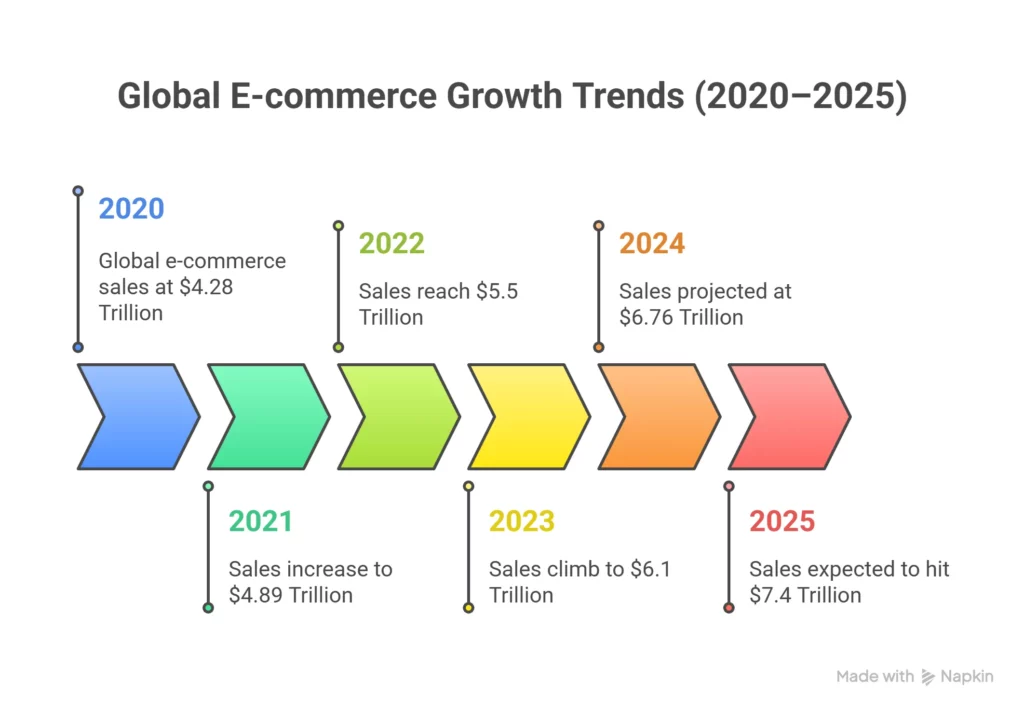
E-commerce sales are expected to hit $7.4 trillion by 2025, with mobile commerce leading the charge. That’s your green light.
Mobile-First Consumers
With over 6.9 billion smartphone users worldwide, having an app isn’t optional anymore — it’s the front door to your business. Desktop? That’s so 2010.
Creators Are Turning into Founders
From YouTube unboxers to Instagram artists — creators are launching product lines via e-commerce apps, often powered by clones of successful models like Amazon, Etsy, or Shopify.
Step-by-Step Blueprint to Launching Your E-commerce App Business
Step 1: Find a Niche That’s Hot (but Not Overcrowded)
Don’t sell “everything to everyone.” Focus on:
- Micro-niches like eco-friendly baby products
- Culture-based goods (think: K-pop merch)
- Subscription models (pet food, skincare, coffee)
Step 2: Choose the Right Business Model
Here are a few e-commerce flavors:
| Model Type | Description | Examples |
| Single Brand | You sell your own products | Glossier, Gymshark |
| Marketplace | Others list their items on your platform | Amazon, Etsy |
| Dropshipping | No inventory; suppliers ship for you | Oberlo, Spocket users |
| Subscription Box | Curated goods shipped regularly | FabFitFun, BarkBox |
Step 3: Decide — Custom Build or Clone App?
Here’s where Miracuves steps in. Building from scratch can burn time, money, and your patience. A clone app (like our customizable Amazon Clone or Shopify Clone) gets you a fully-functioning, branded e-commerce solution — fast.
Why Clone Apps Rock:
- Tested UI/UX
- Built-in features like cart, payment gateway, order tracking
- Quicker launch = faster profits
Step 4: Features That Make or Break Your App
Your app’s not just a store — it’s an experience. Don’t skimp on:
💳 Seamless Payments
Apple Pay, Google Wallet, Stripe. Friction = abandoned carts.
🔍 Smart Search & Filters
Help users find products quickly, with auto-suggestions and category filtering.
🔔 Push Notifications
For deals, cart reminders, restocks — pure gold for conversions.
📦 Order Tracking
Don’t make them guess. Let users see every step.
🧾 In-app Reviews
Social proof = more sales.
Step 5: Design That Converts
Good design isn’t just pretty — it sells. Keep in mind:
- CTA buttons should pop (and not hide behind menus)
- Minimal screens, max value
- Use brand colors and consistent typography
Step 6: App Monetization Tactics
E-commerce sales are expected to hit $7.4 trillion by 2025, with mobile commerce accounting for over 70% of total digital sales. That’s not a gut feeling — that’s backed by Statista’s global retail forecasts, which highlight how app-based buying has become the new normal.
Time to make bank. Here’s how:
- Markup on products (duh)
- Freemium features like faster shipping or premium listings
- In-app ads from related brands
- Memberships or loyalty programs
Step 7: Marketing Like a Pro
Even the slickest app will flop without eyeballs. Hit the gas on:
- Influencer marketing (creator shoutouts = trust fast)
- Email flows — cart reminders, offers, new arrivals
- SEO — yes, even app stores need keywords
- Referral Programs — reward people for spreading the word
Step 8: Scaling & Evolving
Once you’re live, optimize:
- Study heatmaps and in-app behavior
- Track retention vs. bounce
- Launch loyalty tiers or premium subscriptions
- Expand categories or cross-sell related products
Remember: Great apps iterate.
Conclusion
There’s never been a better time to ride the e-commerce wave. Whether you’re selling plant pots or protein bars, having your own app means you own the platform, data, and brand experience.we help innovators launch high-performance app clones that are fast, scalable, and monetization-ready. Ready to turn your idea into reality? Let’s build together.
FAQs
Q1. What’s the cost of launching an e-commerce app?
Depends on complexity. Clone apps start as low as a few thousand dollars — way cheaper than building from scratch.
Q2. How long does it take to go live?
With Miracuves’ ready-made clone solutions, your platform can go live in just 6 days, even with standard setup and deployment. Additional customizations may extend this slightly.
Q3. Do I need to know how to code?
Nope. Our team handles the tech — you handle the vision.
Q4. Is it better to go web-first or app-first?
Mobile-first is ideal today, but having both is the sweet spot. We offer progressive web app options too.
Q5. Can I start small and scale later?
Absolutely. Start lean, track metrics, and scale with features and product categories over time.
Q6. What if I want to run a multi-vendor marketplace?
We’ve got ready-made solutions for that too — just say the word.
Miracuves is an independent software development company. We are not affiliated with, connected to, sponsored by, or endorsed by any company or product named in this article.
Terms such as “X Clone” are used descriptively. It is how the software industry refers to building a platform with functionality comparable to a known service, and how clients search for it.
The entire design and codebase of our products is built by our own team. Our products contain no code, design, graphics, or content originating from any third-party website or applications.
All third-party names and marks referenced in this article are the property of their respective owners, referenced solely to identify the services discussed.