Key Takeaways
What You’ll Learn
- Noom is more than a calorie tracker because it focuses on behavior change, mindset, and sustainable wellness habits.
- The app uses psychology-based coaching to help users understand food triggers, cravings, and daily choices.
- Personalized onboarding shapes the journey through questions about goals, lifestyle, food habits, and health preferences.
- Daily lessons keep users engaged with short content on nutrition, habit building, cravings, and goal setting.
- The main lesson for founders is to build wellness apps around transformation, not just tracking tools.
Stats That Matter
- Noom is positioned as a psychology-based wellness app that combines nutrition tracking, daily lessons, and coaching support.
- The article explains Noom’s CBT-based approach where behavior patterns matter as much as diet and exercise.
- Core app flows include onboarding, lessons, food logging, coaching, progress tracking, and habit insights.
- The food system uses green, yellow, and red categories to guide smarter choices without banning foods.
- Noom’s full access is subscription-based, while the app remains focused on coaching, accountability, and long-term engagement.
Real Insights
- Noom works because it targets habits instead of only asking users to count calories or follow strict diet rules.
- Coaching adds accountability through chat support, check-ins, group guidance, and behavioral strategy tips.
- Progress visualization improves motivation by turning meals, weight, steps, water, and exercise into clear habit insights.
- Its non-restrictive approach supports retention because users can improve choices without feeling punished.
- For founders, build a Noom-style wellness app around behavioral science, personalized coaching, food tracking, progress insights, and sustainable user engagement.
If you’ve ever tried to lose weight, eat healthier, or just feel like a better version of yourself, chances are you’ve heard of Noom. Maybe it was that friend who dropped 15 pounds and now swears by “psych tricks” over protein bars. Or maybe you stumbled across one of their quirky ads while scrolling Instagram at midnight with a slice of cake in hand (we’ve all been there).
In a digital world bursting with fitness trackers, calorie counters, and meal planners, Noom stands out for one simple reason: it doesn’t just count your steps—it gets inside your head. Yep, we’re talking behavior change, cognitive science, and a little friendly nudging from an AI-powered coach. If that sounds like your kind of jam, keep reading.
Now, whether you’re a startup founder or a digital product creator itching to build your own Noom-style app, or just a curious reader wondering what the fuss is about, we’ve broken it all down. And hey—if you get inspired to launch your own wellness app clone, Miracuves is your launchpad. Let’s dig in.
What is the Noom App Exactly?
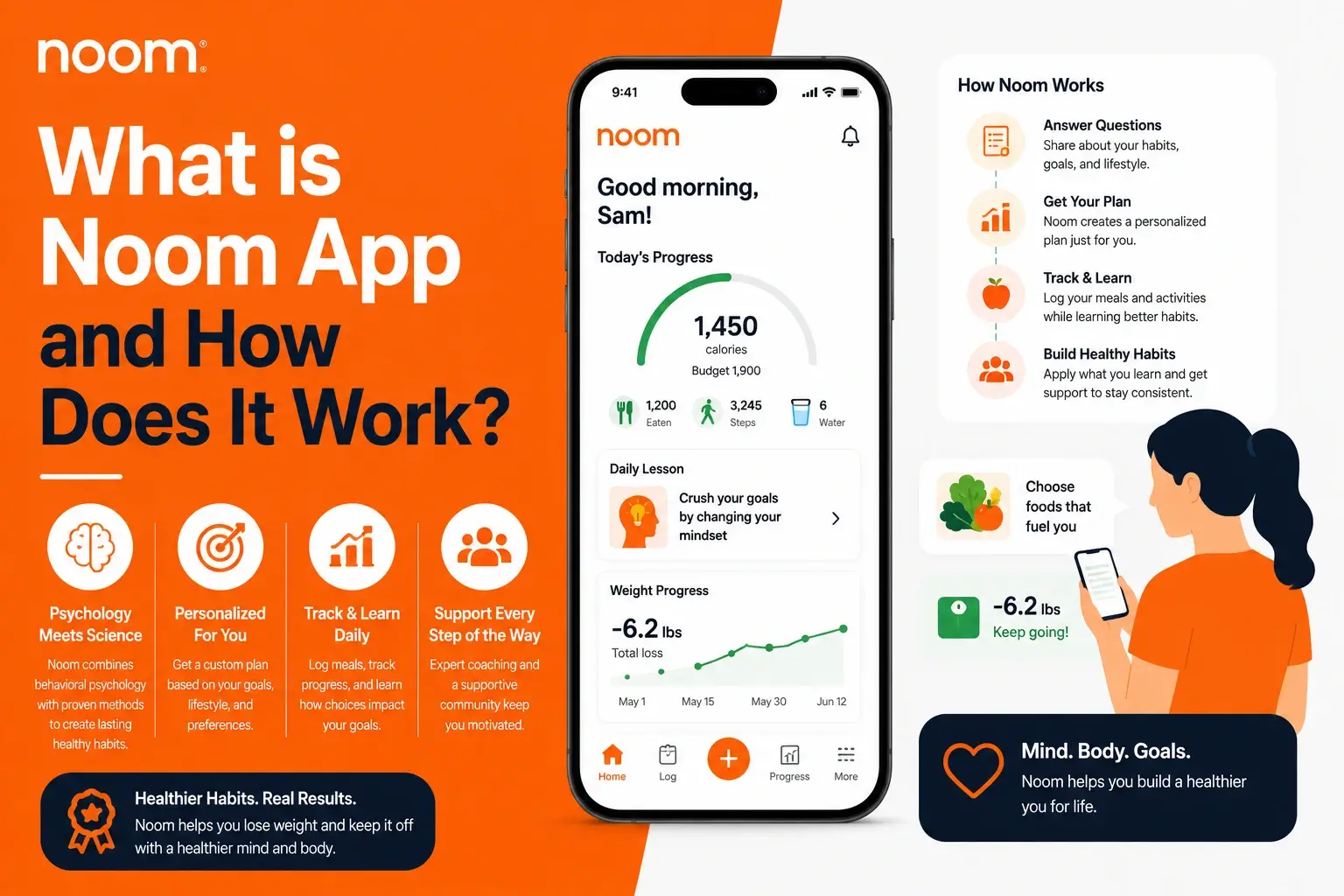
Noom is a psychology-based weight loss and wellness app that combines nutrition tracking, daily lessons, and coaching support to help users build sustainable habits. Think of it as a brainy personal trainer who lives in your smartphone.
Founded in 2008, Noom didn’t start out as the behavior-change guru we know today. It evolved from a humble fitness and calorie tracking tool into a full-blown health coaching platform based on Cognitive Behavioral Therapy (CBT).
- Core Goal: Help users lose weight by changing their relationship with food and exercise
- USP: Focuses on the mental triggers behind eating patterns rather than just diet and exercise
- Device Compatibility: Available on iOS, Android, and wearable tech (like Apple Watch)
Also Read :-Top 10 Ideas for Online Therapy and Wellness Coaching Business Startups
How Does Noom Actually Work?
Noom is not a “do this, eat that” kind of app. It’s a digital behavior change program designed to empower users with knowledge, accountability, and motivation.
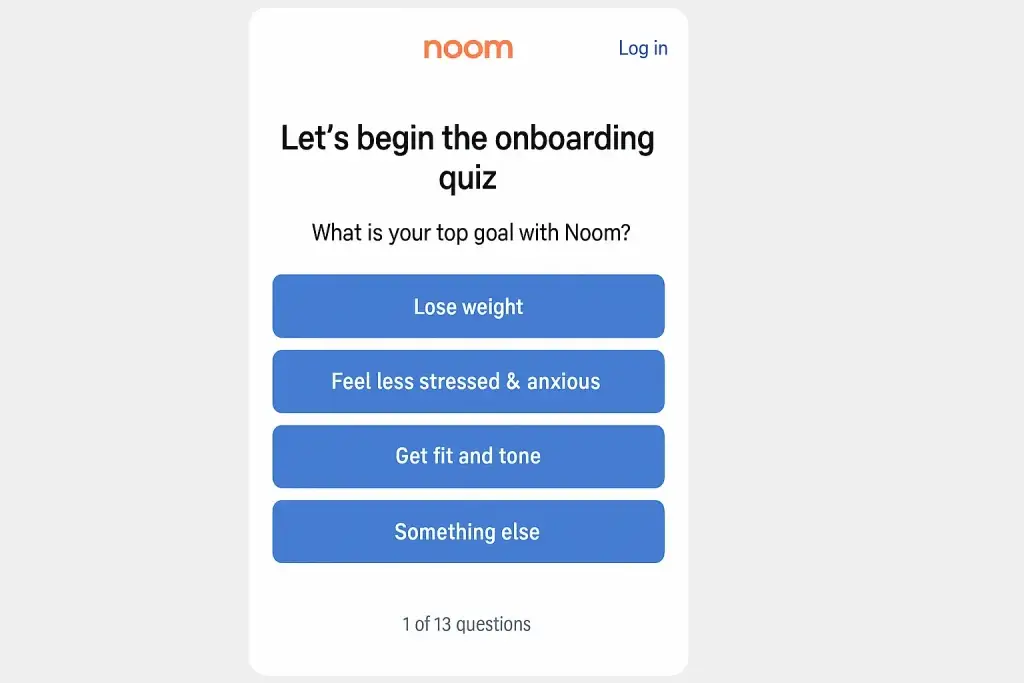
1. Personalized Onboarding
The journey kicks off with a detailed quiz about your goals, eating habits, lifestyle, and even your attitude toward food. It’s like being psychoanalyzed by your phone—in a good way.
- Age, weight, target weight, medical conditions
- Personality insights: “Do you eat when bored?”
- Fitness and food preferences
2. Daily Lessons
Each day, users get bite-sized lessons (usually 5–10 minutes) that blend behavioral psychology, nutrition tips, and wellness hacks. Topics range from:
- Triggers and cravings
- Calorie density (green, yellow, red food system)
- Goal setting and habit stacking
3. Food Logging and Color System
Noom categorizes foods into three buckets:
- Green (low-calorie-dense: fruits, veggies)
- Yellow (moderate: lean meats, grains)
- Red (high-calorie-dense: pizza, desserts)
The goal? Encourage smarter choices without banning entire food groups.
4. Virtual Coaching
Each user gets access to a goal specialist and a group coach (yes, humans!). These coaches offer guidance, check-ins, and moral support.
- Chat-based interaction
- Weekly check-ins
- Behavioral strategy tips
5. Tracking & Progress Visualization
Users track meals, exercise, weight, water intake, and steps. Noom then turns the data into pretty graphs and habit insights.
Why Noom Works ?
Noom’s magic is behavioral psychology meets gamification. It taps into why people eat, not just what they eat. Here’s why it actually sticks:
- Habit Loop Disruption: It teaches you to recognize cues, change routines, and rewire rewards.
- Micro-goal Setting: Progress feels achievable.
- Social Accountability: Group chats and coach pings keep users engaged.
- Non-restrictive: Nothing is “off-limits,” making it sustainable long term.
And for creators? It’s proof that people want emotional, intelligent apps that offer transformation, not just tools.
Turn your passion for fitness into profit — explore our top 10 business ideas for fitness and personal training startups ready to make an impact.
Miracuves Noom-Like Wellness & Weight Loss App Solution Cost and Tech Stack
Miracuves Pricing for a Noom-Like Wellness and Weight Loss App developed using Node.js / React.js Architecture starts at $3,999. Contact Miracuves for custom pricing based on health coaching workflows, habit tracking modules, nutrition features, user engagement tools, subscription models, and deployment scope. Estimated delivery timeline: 15-30 days, extending to 45-60 days for larger scope.
Build a scalable wellness and behavior-change platform designed for weight management, calorie tracking, personal coaching, habit formation, meal logging, progress tracking, and long-term user retention.
Core Workflows: User onboarding, health goals, calorie tracking, food logging, weight tracking, habit monitoring, coaching sessions, progress reports, and user accounts.
Built-in Wellness Features: Subscription billing, health plans, meal insights, activity tracking, reminder systems, behavior-based recommendations, and user engagement tools.
Management Hub: Admin dashboard, user management, coach management, subscription analytics, wellness content control, progress tracking, and campaign tools.
Enterprise-Ready: Fully customizable architecture prepared for large user bases, personalized wellness journeys, AI-based recommendations, coaching expansion, and long-term health-tech growth.
Why does a Noom-Like App require Node.js / React.js architecture?
A Noom-like app is more than a basic fitness tracker. It needs personalized onboarding, food logging, behavior tracking, coaching workflows, subscription management, user engagement, and progress-based recommendations.
We recommend a modern JavaScript-based architecture because:
Built for Scalable Wellness Operations: Node.js handles user activity, goal tracking, food logs, subscriptions, coach interactions, and high-volume app usage smoothly.
Advanced User Experience: React.js supports fast onboarding, clean dashboards, progress visuals, food tracking flows, coaching screens, and smooth mobile-friendly wellness journeys.
Subscription & Engagement Ready: This architecture supports paid plans, habit reminders, streaks, wellness challenges, coaching programs, retention campaigns, and personalized health journeys.
Flexible Integration Layer: Easily integrates with payment gateways, wearable devices, nutrition APIs, analytics tools, CRM systems, AI recommendation engines, and telehealth add-ons.
You get a scalable, health-tech-ready wellness app foundation designed for modern digital weight loss and habit-building platforms.
Note: Final pricing depends on coaching features, calorie tracking depth, subscription plans, nutrition database requirements, wearable integrations, AI personalization, admin controls, and custom development requirements.
Compare the best Noom clone scripts of 2026 — explore feature sets, customization options, and pricing to kickstart your own AI-powered wellness app
Conclusion
Noom isn’t just another weight loss app. It’s a psychological buddy in your pocket. For entrepreneurs, it’s a prime example of how behavioral science + mobile UX can drive serious engagement and retention.
If you’re dreaming of launching a health-tech or lifestyle transformation app, the demand is hot, and the tech is within reach.
At Miracuves, we help innovators launch high-performance app clones that are fast, scalable, and monetization-ready. Ready to turn your idea into reality? Let’s build together.
FAQs
Is Noom free?
Noom offers a free trial, but full access to its coaching and program features is subscription-based.
What makes Noom different from MyFitnessPal?
While MyFitnessPal focuses more on tracking, Noom emphasizes behavioral change through lessons and coaching.
Can I use Noom without a coach?
You can, but coaching is part of its core value. The real transformation happens with that support system.
Does Noom have a desktop version?
No, Noom is currently mobile-only for iOS and Android.
How accurate is Noom’s calorie and food database?
It’s fairly comprehensive and constantly updated, though like any app, occasional inaccuracies happen.
Is Noom worth the price?
For users who want mindset change over quick fixes, most say yes. Results vary, but the engagement and insights are strong.
Related Articles :-
Miracuves is an independent software development company. We are not affiliated with, connected to, sponsored by, or endorsed by any company or product named in this article.
Terms such as “X Clone” are used descriptively. It is how the software industry refers to building a platform with functionality comparable to a known service, and how clients search for it.
The entire design and codebase of our products is built by our own team. Our products contain no code, design, graphics, or content originating from any third-party website or applications.
All third-party names and marks referenced in this article are the property of their respective owners, referenced solely to identify the services discussed.