In today’s fast-paced world, access to convenient and immediate healthcare has never been more essential. Telehealth apps like Lemonaid Health have revolutionized the way people manage their health, providing online medical consultations, prescription services, and health advice right at their fingertips. As demand for digital healthcare solutions grows, developing a similar app has become a promising venture for businesses looking to enter the telemedicine space.
Miracuves Solutions is at the forefront of this digital transformation, offering ready-made telehealth app solutions that are not only cost-effective but also significantly reduce development time. A Miracuves ready-made doctor consultation platform starts at $4,299, a fixed one-time price. It is our own white-label product, not a copy of Lemonaid Health. The ready-made platform is delivered in 6 days, with app store approval handled separately. This guide will walk you through the step-by-step process of creating an app like Lemonaid Health, from understanding core features to launching and scaling your app efficiently.
What is Lemonaid Health and What Does It Do?
Lemonaid Health is a leading telehealth app designed to make healthcare accessible, affordable, and convenient for everyone. By connecting users with certified healthcare professionals, Lemonaid Health offers on-demand medical consultations and prescription services—all from the comfort of a smartphone or computer. This app has become a trusted resource for patients seeking timely support for a variety of health concerns, including mental health, skin care, general wellness, and sexual health.
Through simple steps, users can consult with a licensed practitioner, receive a diagnosis, and even get prescriptions delivered to their door or local pharmacy. With features like secure video calls, symptom checkers, and a seamless e-prescription service, Lemonaid Health exemplifies the potential of telehealth to streamline medical care. By building an app with similar core functions, businesses can tap into the ever-growing telehealth market, meeting the needs of today’s digital-first users while providing a convenient solution for accessing quality healthcare.
| Feature | Lemonaid Health | Teladoc | Amwell | MDLIVE |
|---|---|---|---|---|
| Video Consultations | Yes | Yes | Yes | Yes |
| Prescription Delivery | Yes | Yes | Yes | Yes |
| Symptom Checker | Yes | No | No | Yes |
| Mental Health Services | Yes | Yes | Yes | Yes |
| General Health Consultations | Yes | Yes | Yes | Yes |
| Insurance Compatibility | No | Yes | Yes | Yes |
| 24/7 Availability | No (limited hours) | Yes | Yes | Yes |
| Cost Transparency | High | Moderate | Moderate | High |
Why Build This App?
Building an app like Lemonaid Health is a strong opportunity because more patients now prefer quick, remote, and affordable healthcare access. A telehealth app helps users consult doctors online, receive digital prescriptions, manage health concerns, and access care without visiting a clinic physically.
For businesses, this model offers strong growth potential through multiple revenue streams such as online consultation fees, subscription plans, medicine orders, corporate wellness programs, and healthcare partnerships. It also helps clinics, hospitals, and startups serve more patients with lower operational effort.
A ready-made telehealth solution can make the launch process faster and more practical. Instead of building everything from scratch, businesses can start with a customizable platform that includes patient management, doctor consultation, prescription handling, payments, notifications, and admin control.
This makes it easier to enter the telemedicine market with a secure, scalable, and user-friendly healthcare app designed for modern digital patients.
How to Differentiate Your App from Others
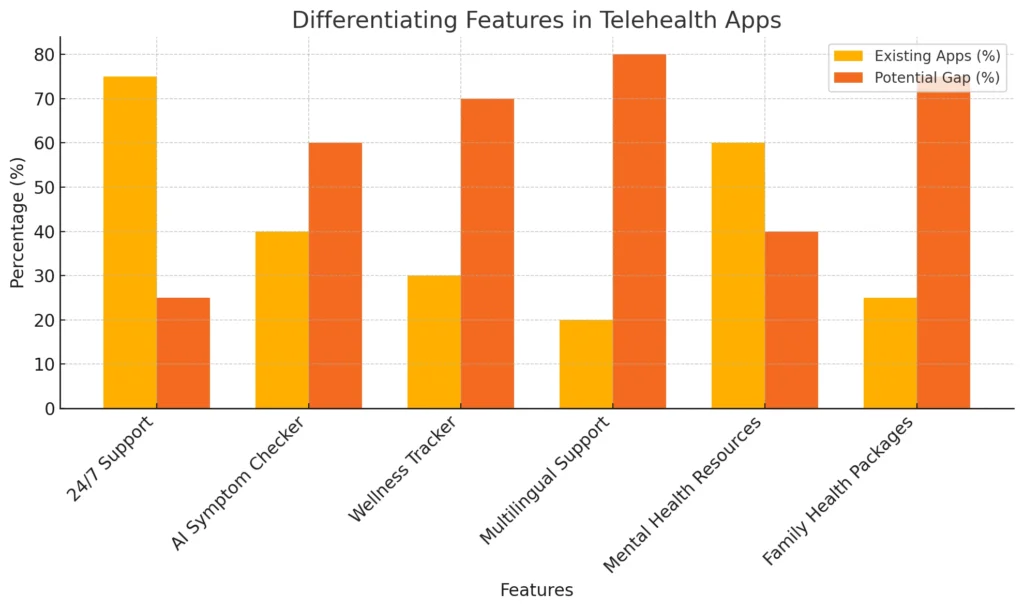
Building an app like Lemonaid Health is a great start, but standing out in the telehealth market requires unique touches that enhance the user experience and bring added value. Offering features that improve access, convenience, and personalization can give your app a competitive edge. Think about including an AI-driven symptom checker, a user-friendly interface with language options, or even a wellness tracker that helps users monitor their progress. Adding specialized services, such as family health packages or integrated mental health resources, can also create a distinct identity in the crowded telehealth space.
To truly differentiate, consider an intuitive design that makes the experience easy even for non-tech-savvy users. Adding 24/7 support, allowing flexible payment options, or offering additional features like a pharmacy locator can boost user satisfaction. Emphasizing data security and a seamless, personalized journey from consultation to prescription will make the app more attractive and trustworthy for users.
Market Size, Growth, Revenue, and Business Model
The telehealth market is growing rapidly as more patients prefer online consultations, digital prescriptions, and remote healthcare access. With rising demand after 2020, telehealth has become a strong business opportunity for startups, clinics, and healthcare providers.
| Factor | Insight |
|---|---|
| Projected Market Size | $559 billion by 2027 |
| Annual Growth Rate | 25% CAGR |
| Top Revenue Models | Pay-per-consultation, subscriptions, corporate wellness, white-label services, ads |
| Primary Users | Remote patients, busy professionals, people with limited healthcare access |
| Main Drivers | Convenient healthcare, digital adoption, remote consultation demand |
A telehealth app like Lemonaid Health can generate revenue through consultation fees, monthly plans, medicine delivery, corporate healthcare programs, and white-label partnerships. By combining multiple revenue models, businesses can build a scalable healthcare platform with long-term growth potential.
The business model of a telehealth app can be as versatile as its offerings. Options include pay-per-consultation, monthly subscriptions for regular users, corporate wellness programs, and white-label services for healthcare providers. By blending these models, app owners can maximize profitability while catering to diverse user needs. As a high-potential market, telehealth offers endless possibilities for businesses to capture value, reach more users, and establish long-term customer loyalty.
Features of a Telehealth App Like Lemonaid Health
To successfully replicate the functionality of a telehealth app like Lemonaid Health, it’s essential to integrate core features that ensure a seamless, secure, and accessible healthcare experience for users. Key features should prioritize accessibility, personalization, and user engagement.
- Video Consultations: Allow users to consult healthcare providers via secure video calls, enabling face-to-face interactions that foster trust and improve diagnosis accuracy.
- Symptom Checker: An AI-driven symptom checker can help users assess their symptoms before scheduling a consultation, offering guidance and managing expectations.
- E-prescription and Medication Delivery: Enable healthcare providers to prescribe medication electronically, with options for users to have prescriptions delivered to their homes or a local pharmacy.
- Secure Payment Gateway: Provide a range of payment options through a secure payment gateway, ensuring user data protection and seamless transactions.
- Medical Records Management: Allow users to access their health records securely within the app, fostering better communication between users and providers and making follow-up care easier.
- Multi-lingual Support: Catering to a diverse user base with language options makes the app more inclusive, improving accessibility for non-native speakers.
By focusing on these features, telehealth apps can offer a comprehensive healthcare experience, ensuring that users feel supported and have access to quality care when they need it most.
Technical Requirements for Building an App Like Lemonaid Health
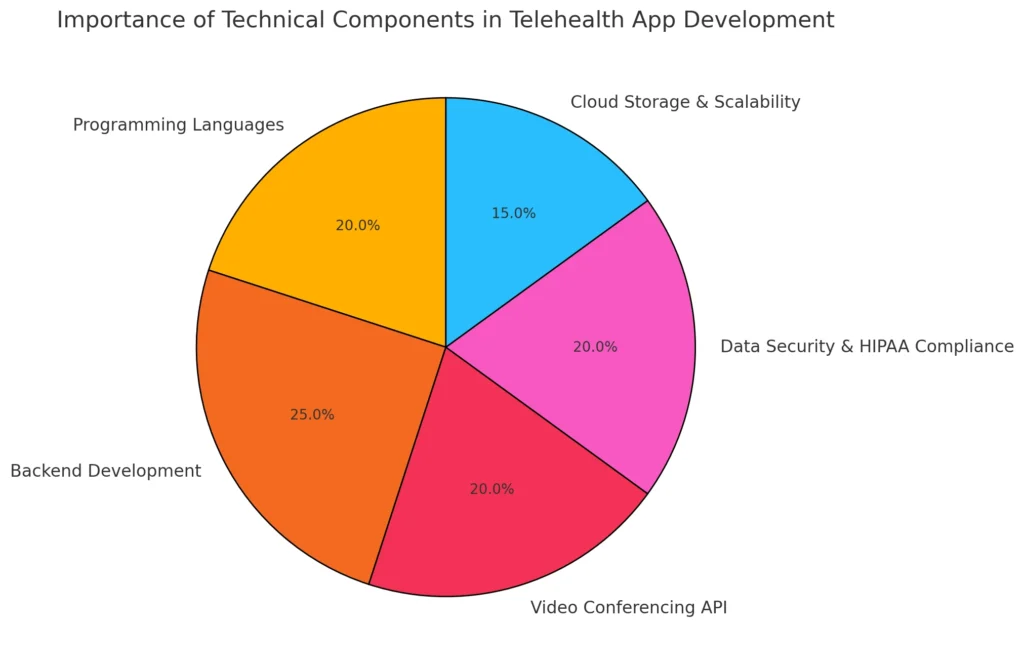
Building an app like Lemonaid Health needs a secure and scalable tech foundation because it manages patient data, online consultations, prescriptions, payments, and doctor communication.
Key technical components include:
- Mobile Framework: Swift and Kotlin for native apps, or Flutter/React Native for faster cross-platform development.
- Backend: PHP/Laravel, Node.js, or Python to manage users, doctors, appointments, prescriptions, payments, and admin controls.
- Video Consultation API: Twilio, Agora, or Zoom SDK for secure audio and video consultations.
- Data Security: HIPAA/GDPR-ready practices, encrypted storage, secure login, OAuth 2.0, and role-based access control.
- Cloud Infrastructure: AWS, Google Cloud, or Azure for secure data storage, scalability, and smooth app performance.
- Payment Integration: Secure payment gateways for consultation fees, subscriptions, and medicine orders.
- Admin Dashboard: A central panel to manage patients, doctors, consultations, prescriptions, reports, and revenue.
With the right tech stack, a Lemonaid Health-like app can offer secure healthcare access, smooth consultations, and reliable digital prescription management.
Design and User Interface (UI/UX)
| UI/UX Element | User Satisfaction Score (%) |
|---|---|
| Simple and Intuitive Navigation | 92% |
| Personalized User Interface | 88% |
| Accessible Design | 85% |
| Quick Access to Key Features | 90% |
| Visual Consistency and Branding | 87% |
For a telehealth app like Lemonaid Health, design and user experience are critical to ensure that users can navigate the app effortlessly and access healthcare services with ease. A well-designed app doesn’t just look good; it fosters trust, reduces friction, and supports users who may be unfamiliar with technology.
- Simple and Intuitive Navigation: A clear, minimalistic design with easy-to-understand icons and buttons helps users find what they need without hassle. Organize core features—like scheduling, consultations, and records—prominently on the main screen.
- Personalized User Interface: Including features like user profiles, past consultations, and tailored health tips can add a layer of personalization, making each user feel valued and catered to.
- Accessible Design: Ensure that the app is user-friendly for individuals with disabilities or limited digital skills. Options like adjustable text size, audio prompts, and color contrast adjustments can make the app more inclusive.
- Quick Access to Key Features: Features such as “Consult Now,” “Symptom Checker,” and “Order Medication” should be just a tap away, allowing users to navigate seamlessly without multiple steps.
- Visual Consistency and Branding: Maintaining consistent colors, fonts, and style across the app creates a professional look and helps users build familiarity with the interface.
An engaging and accessible UI/UX can be a deciding factor for users in choosing your app over competitors. Prioritizing ease of use and personalized interaction will set a high standard for user experience.
Development Process
Creating a telehealth app requires a structured development process to ensure that every feature is carefully implemented and tested for a seamless user experience. Here’s a step-by-step look at the development journey for an app like Lemonaid Health:
- Research and Planning: Start by defining your target audience, understanding their needs, and researching competitors. This stage helps you outline must-have features and set clear development goals.
- Wireframing and Prototyping: Build wireframes and prototypes to visualize the app’s layout and flow. This allows you to design a user-friendly structure that guides users naturally through the app’s features.
- Front-End and Back-End Development: Develop the front end with user interactions in mind, ensuring the UI is intuitive and responsive. The back end handles data storage, video consultations, and other critical services, ensuring everything runs smoothly.
- API Integration: Integrate APIs for features like video calls (e.g., Twilio, Agora), payment processing, and secure data exchange to enhance the app’s functionality without building everything from scratch.
- Testing and Quality Assurance: Test every feature thoroughly to identify bugs or glitches. User testing at this stage can help pinpoint any areas of confusion and ensure the app is ready for real-world use.
- Deployment and Launch: Deploy the app to app stores and ensure it meets all compliance and security requirements. A soft launch can help gather user feedback before a full-scale launch.
- Ongoing Maintenance: After launch, focus on regular updates to keep the app secure and in line with user expectations. Adding new features based on user feedback can also increase engagement over time.
With these steps, developers can create a reliable, user-friendly telehealth app that not only serves patient needs but also supports sustainable growth.
Monetization Strategies
A telehealth app like Lemonaid Health offers multiple monetization opportunities, making it financially viable while also providing value to users. Here are some of the most effective strategies:
- Pay-Per-Consultation: Charging users a fee for each medical consultation is a straightforward revenue model. This method works well with one-time users who need quick access to medical advice without committing to a subscription.
- Subscription Plans: Offer monthly or annual subscriptions for regular users who want unlimited access to consultations, personalized health tracking, or mental health resources. Subscription models encourage long-term engagement and provide a steady revenue stream.
- Corporate Partnerships: Collaborating with companies to offer telehealth services as part of corporate wellness programs can be highly profitable. Businesses gain access to employee health data insights (anonymized) while offering their teams an additional health benefit.
- In-App Advertising: Ads related to health products and services, like fitness equipment or wellness apps, can be an additional income source. Targeted ads, when done thoughtfully, can enhance user experience rather than disrupt it.
- Affiliate Marketing and Partnerships: Partnering with pharmacies or labs for medication and diagnostic services can yield affiliate revenue. For instance, referring users for lab tests or medication orders directly through the app.
These monetization strategies provide flexible options to cater to different user needs and drive revenue from various channels, creating a sustainable financial foundation for your telehealth app.
Launching and Marketing the App
Bringing a telehealth app to market requires a strategic approach to reach the right audience and establish a strong brand presence. Here’s how to effectively launch and promote an app like Lemonaid Health:
- App Store Optimization (ASO): Ensure that the app listing is fully optimized for both the Google Play Store and Apple App Store. Use relevant keywords like “telehealth,” “online doctor,” and “virtual healthcare” in the title, description, and tags. High-quality screenshots and a promotional video showcasing the app’s key features can significantly enhance visibility.
- Leverage Social Media: Social media platforms, especially Facebook, Instagram, and LinkedIn, are valuable for reaching target demographics. Sharing informative content about telehealth, healthcare tips, and app benefits can engage potential users. Partnering with health influencers can also boost credibility and reach.
- Paid Advertising: Invest in Google Ads and social media ads to reach people actively searching for telehealth solutions. Targeting ads to users interested in healthcare, fitness, and wellness is an effective way to increase downloads and awareness.
- Collaborate with Healthcare Providers: Partner with clinics, hospitals, and doctors to promote the app as a virtual extension of their services. By partnering with trusted healthcare providers, you can build user confidence and reach a built-in audience.
- Referral Programs: Implement a referral program where users can invite friends and family to the app for a discount or free consultation. This organic strategy can drive word-of-mouth marketing and rapidly grow the user base.
Launching and marketing a telehealth app effectively requires a blend of digital marketing, partnerships, and app store strategies. With the right mix, you can position your app as a trusted telehealth solution and attract a loyal user base from day one.
Legal and Regulatory Considerations
Creating a telehealth app involves strict compliance with legal and regulatory standards to protect user data and meet healthcare industry requirements. Here are key considerations to ensure your app operates smoothly and maintains user trust:
- HIPAA Compliance: For apps serving users in the United States, adherence to the Health Insurance Portability and Accountability Act (HIPAA) is essential. HIPAA mandates secure handling of patient data, including encryption and restricted access, ensuring that user privacy is protected.
- GDPR Compliance: If your app serves users in the European Union, it must comply with the General Data Protection Regulation (GDPR). GDPR emphasizes transparency, requiring clear data collection practices and options for users to control their personal information.
- User Consent for Data Collection: Telehealth apps collect sensitive data, such as medical history and personal health information. It’s crucial to obtain clear consent from users before gathering or storing any data, and to provide a transparent privacy policy detailing how data will be used.
- App Store Guidelines: Both the Apple App Store and Google Play Store have guidelines for healthcare apps, particularly regarding data privacy, in-app payments, and accurate health information. Adhering to these guidelines ensures your app isn’t delayed or removed after launch.
- Liability and Medical Disclaimers: Since telehealth involves medical advice, including disclaimers that clarify the app’s limitations in replacing in-person visits can protect the business from liability. Partnering with certified healthcare professionals and following medical protocols also helps mitigate risks.
Navigating these regulations requires attention to detail and the right technology, as non-compliance can lead to costly penalties. Following these standards will allow your app to operate legally and build trust with users who rely on it for sensitive health matters.
For apps serving users in the United States, adherence to HIPAA compliance is essential to protect patient data and privacy.
Future Growth of the App
To ensure long-term success, a telehealth app like Lemonaid Health should be adaptable, scalable, and responsive to changing user needs and technological advancements. Here are some strategies for future growth:
- Feature Expansion: Adding new features like health trackers, wearable integrations, or AI-driven health insights can enhance user engagement and broaden the app’s functionality. As digital health advances, offering personalized services can make the app indispensable.
- Geographic Expansion: Expanding into new regions, both nationally and internationally, can significantly increase the user base. Ensure that the app complies with local regulations as you grow into new markets.
- Integration with Wearables: Connecting with devices like smartwatches or fitness trackers allows users to monitor their health in real time. These insights can be shared with healthcare providers, making consultations more informative and personalized.
- Data Analytics for Better Service: Using data analytics to understand user behavior and health trends can improve service quality. For example, identifying common health issues among users can guide the app’s feature development and service offerings.
- Continuous Optimization: Regular updates to enhance speed, security, and user experience are essential. Gathering feedback and using analytics to make informed improvements will keep users satisfied and loyal.
Growth strategies like these ensure the app remains competitive and responsive to evolving healthcare demands, building a loyal user base over time.
Integrating with devices like smartwatches or fitness trackers allows users to monitor their health in real time. Wearable integrations can provide valuable insights to healthcare providers.
Why Do You Trust Miracuves Solutions for Your Next Project?
Choosing a development partner is a pivotal decision, especially for a project as critical as a telehealth app. Miracuves Solutions stands out as a trusted partner for several reasons, blending affordability, quality, and expertise in a way few providers can match.
- Cost-Effective Development: Because the platform is already built, the price is fixed up front rather than estimated.
- Rapid Turnaround: While typical development timelines can stretch over a month, Miracuves Solutions accelerates the process, delivering a fully functional, customizable telehealth app within 6 days. This speed means you can enter the market faster, responding to user demand with agility.
- Ready-Made yet Customizable Solutions: Miracuves offers ready-made solutions tailored to the telehealth market. These apps are not only feature-rich but also customizable, allowing businesses to make modifications that align with their unique brand and operational needs.
- Ongoing Support and Maintenance: Launching an app is just the beginning. Miracuves Solutions ensures your app remains up-to-date, secure, and fully operational post-launch, with continuous support that evolves with your needs.
- Expertise in Telehealth Compliance: With deep industry knowledge, Miracuves understands the regulatory landscape, building HIPAA and GDPR-compliant solutions to safeguard user data and meet legal standards.
Trusting Miracuves Solutions means relying on a partner who values quality, speed, and compliance, ensuring your telehealth app meets market demands while staying within budget and timeframe constraints.
Conclusion
Building a telehealth app like Lemonaid Health presents an incredible opportunity to enter the fast-growing digital healthcare market. With Miracuves Solutions, this journey becomes not only more affordable but also significantly quicker. Their ready-made, customizable app solutions allow businesses to launch feature-rich telehealth services within just 6 days, at a fraction of traditional development costs.
By partnering with Miracuves Solutions, businesses gain a competitive edge, accessing expert support, secure infrastructure, and compliance with industry standards. Whether your goal is to improve healthcare accessibility, introduce innovative features, or scale rapidly, Miracuves Solutions offers a reliable path to achieving it.
FAQs
What is a Lemonaid Health-like app?
A Lemonaid Health-like app is a telehealth platform that allows patients to consult doctors online, receive digital prescriptions, manage health records, and access healthcare services through a mobile or web app.
How much does it cost to build an app like Lemonaid Health?
The cost depends on features, platform complexity, integrations, and scalability requirements. With Miracuves, businesses can launch a ready-made telehealth app solution built on PHP/Laravel and Flutter at a significantly lower cost and faster deployment timeline compared to traditional custom development.
What features should a Lemonaid Health-like app include?
It should include patient registration, doctor profiles, online consultation, video calls, chat support, appointment booking, e-prescriptions, payment integration, notifications, medical records, and an admin dashboard.
Is HIPAA compliance necessary for telehealth apps?
Yes. Healthcare apps handling patient data must follow security and privacy regulations like HIPAA, GDPR, or regional healthcare compliance standards to protect sensitive medical information.
Which technologies are commonly used for telehealth app development?
Popular technologies include Flutter for mobile apps, PHP/Laravel or Node.js for backend development, MySQL/PostgreSQL databases, cloud hosting, video APIs, payment gateways, and secure authentication systems.
Miracuves is an independent software development company. We are not affiliated with, connected to, sponsored by, or endorsed by any company or product named in this article.
Terms such as “X Clone” are used descriptively. It is how the software industry refers to building a platform with functionality comparable to a known service, and how clients search for it.
The entire design and codebase of our products is built by our own team. Our products contain no code, design, graphics, or content originating from any third-party website or applications.
All third-party names and marks referenced in this article are the property of their respective owners, referenced solely to identify the services discussed.