Key Takeaways
What You’ll Learn
- Drizly operates as an alcohol delivery marketplace connecting users with nearby liquor stores.
- Customers browse and order beer, wine, and spirits through a simple, location-based app.
- Retailers handle fulfillment while Drizly manages the platform and customer experience.
- Age verification and compliance are critical parts of the delivery workflow.
- Local partnerships help Drizly scale without managing its own inventory.
Stats That Matter
- Alcohol delivery demand surged with on-demand convenience trends in urban markets.
- Thousands of retail partners power Drizly’s marketplace across the U.S.
- The global alcohol eCommerce market is projected to grow beyond $40+ billion in the coming years.
- Mobile ordering is becoming the primary channel for alcohol purchases.
- Fast delivery and availability drive repeat customer behavior.
Real Insights
- Marketplace models reduce operational complexity by leveraging existing retailers.
- Strong platforms focus on compliance, logistics, and user trust.
- Real-time inventory visibility improves conversion and customer satisfaction.
- Speed and convenience are the biggest drivers of growth in alcohol delivery.
- Scaling depends on local availability, partnerships, and regulatory adaptability.
If you’ve ever wished for alcohol delivery to feel as easy as ordering takeout, you’re not alone. Once upon a time, running out of wine at a dinner party meant someone had to make the dreaded booze run. But today? You just pull out your phone, tap-tap-boom—Drizly to the rescue.
In a world where attention spans are shorter than the lifespan of a TikTok trend, Drizly managed to cut through the noise. According to Statista – Online Alcohol Sales Trends. This alcohol-on-demand app transformed from a clever startup idea into a dominant player in the liquor e-commerce space. Whether it’s a birthday bash, football night, or a “just survived Monday” celebration, Drizly became the go-to booze buddy for millions.
So how did Drizly turn casual sips into serious downloads? What’s the secret sauce behind their marketing cocktail? And more importantly—how can you, as a founder, startup junkie, or digital dreamer, use this blueprint to launch your own delivery empire? Let’s pour into it (pun intended). And hey, if you’re already thinking clone app, Miracuves is your bartender behind the bar of innovation.
The Buzz Behind the Brand: What is Drizly Anyway?
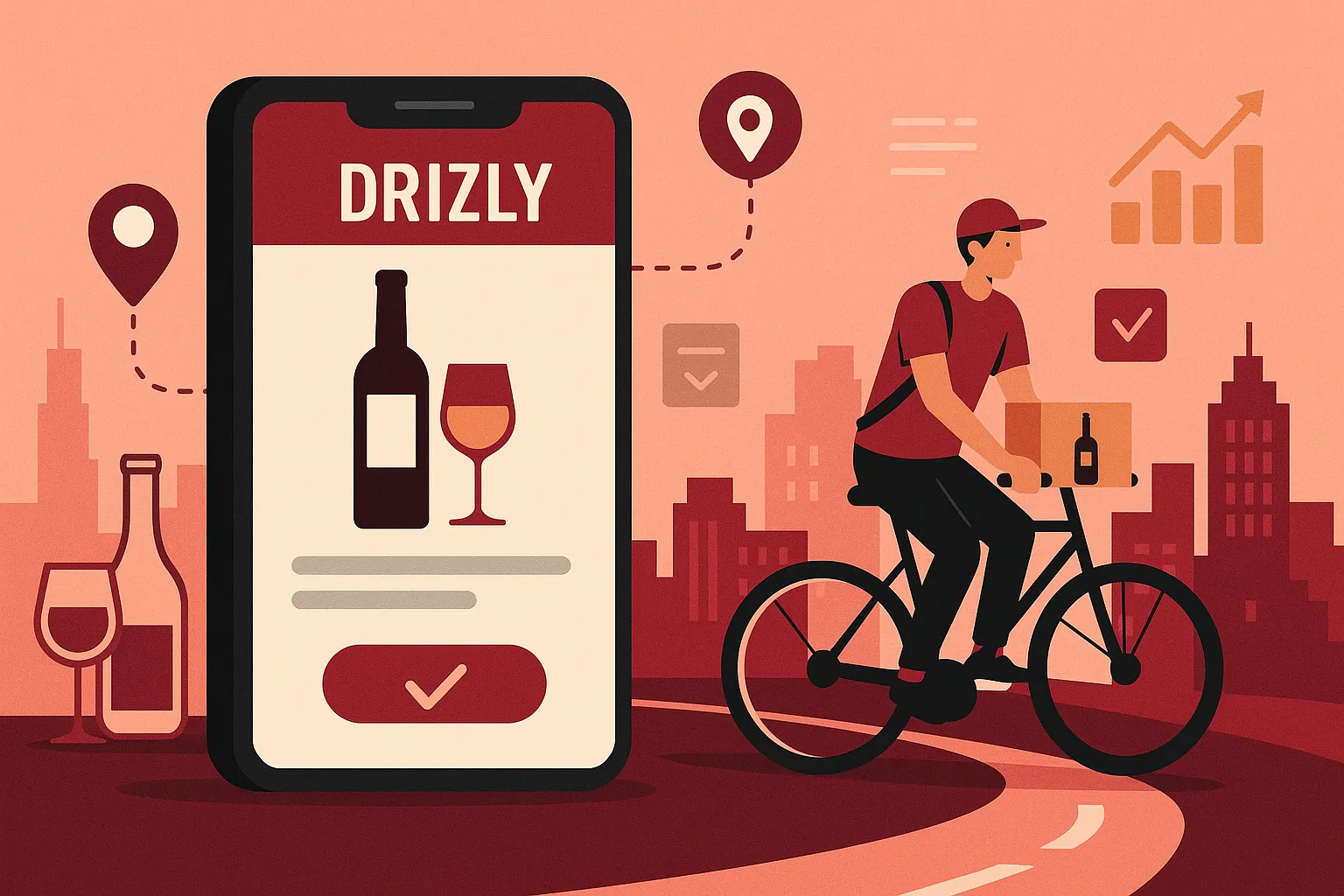
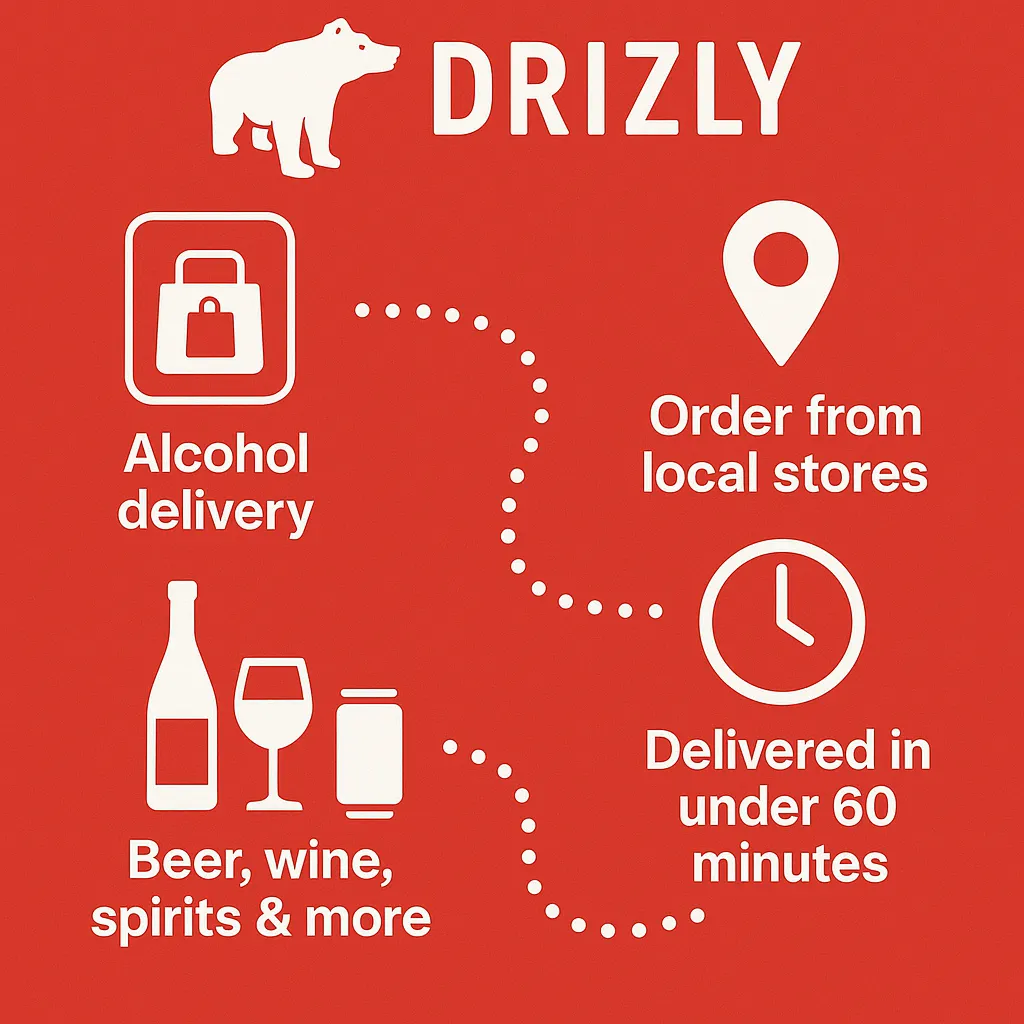
Drizly is essentially the Uber Eats of alcohol. The platform connects users with local liquor stores, enabling fast, legal delivery of beer, wine, and spirits. What makes it different? It’s not a liquor retailer—it’s a tech-powered facilitator, which keeps things legally clean and logistically lean.
Key stats to note:
- Founded: 2012
- Acquired by Uber: $1.1 billion in 2021
- Availability: 100+ cities across North America
- Revenue Model: Commission + SaaS fees from liquor stores
What Makes Drizly’s Marketing Work? Let’s Break Down the Strategy
1. Hyperlocal Targeting (Because One Size Never Fits All in Booze)
Instead of going all “Mad Men” national at first, Drizly focused on local-first launches. This meant partnering with liquor stores in specific ZIP codes and tailoring digital ads to match.
- Geo-fenced ads on Facebook and Google targeting local neighborhoods
- Promotions timed with local events—e.g., New York Wine Week or Boston’s game day
- “Get your favorite craft beers in under 60 minutes”—because specificity converts
2. Content That Doesn’t Suck (Or Sound Like a Corporate PSA)
Drizly got snarky, funny, and—most importantly—human. Their emails didn’t read like “Hey valued customer,” but more like “We noticed it’s Friday. Coincidence? We think not.”
- Pun-heavy product descriptions (“Whiskey me away!”)
- Engaging, share-worthy blog content (“Which wine matches your personality?”)
- Witty push notifications and in-app copywriting
Marketing Tip: Use humor to build relatability. Alcohol already has emotional connotations—play into that. People aren’t buying vodka; they’re buying a Friday night mood.
3. Referral Engine That Pays (Literally)
Drizly’s referral program did wonders. Give $5, get $5. Simple, effective, and mobile-friendly.
- Embedded referral links in app, email, and SMS
- Integration with phone contacts for easy sharing
- Gamified referral milestones (“Refer 5 friends and get a $20 Drizly credit!”)
4. Strategic Partnerships: The Real MVP
Drizly didn’t just rely on ads—they leveraged who they knew.
- Partnered with Diageo, MillerCoors, and Bacardi for exclusive promotions
- Worked with local influencers to demo the delivery experience
- Collaborated with food delivery apps to cross-promote (think “pair your pizza with this Merlot”)
5. SEO That Hits Where It Hurts (Competitors)
Drizly ranked for high-converting keywords like “alcohol delivery near me,” “buy wine online,” and even niche ones like “last-minute gin delivery NYC.” They optimized location pages, ran a blog with how-tos, and chased long-tail queries.
- 1000s of location landing pages
- Blogs optimized for moments: “Best wine for a Zoom date” during COVID
- On-page SEO + local schema markup
Statista – Online Alcohol Sales Trends.
What Startups Can Learn from Drizly
- Focus beats frenzy: Don’t try to launch in 50 cities at once. Own one.
- Copy that sells is copy that sounds human: Skip the jargon.
- Product-led growth works: If your app is slick, fast, and rewarding—users bring users.
- Partnerships are your cheat code: Cross-promotion reduces CAC (Customer Acquisition Cost).
If you’re dreaming of your own Drizly clone, remember—alcohol is just a vertical. The same tactics apply to pharmacy delivery, flower delivery, or even pet food drop-offs. It’s about logistics + localization + lovable UX.
Learn More: Build an App Like Drizly – Full Developer Guide Node.js & Laravel
Drizly Marketing in 2026 & Beyond Features: What’s Next?
With Uber now in the mix, Drizly’s future includes:
- AI-powered recommendations (“We noticed you ordered tequila—how about margarita mix?”)
- Faster deliveries via Uber drivers
- Subscription models (“Monthly wine clubs” curated by your taste)
Learn More: Drizly App Features Every Startup Should Know
Startups must adapt. Customers expect speed, personalization, and zero-friction payments. If your app doesn’t tick those boxes, you’ll be yesterday’s hangover.
If you want to build your own alcohol delivery app like Drizly Clone with Miracuves?
Related reading: the single-chain model for alcohol delivery.
Conclusion
Drizly wasn’t just a fluke—it was a masterclass in niche-first marketing done right. If you’re looking to build your own delivery brand, this playbook is pure gold (or liquid courage, if we stay on theme).
At Miracuves, we help innovators launch high-performance app clones that are fast, scalable, and monetization-ready. Ready to turn your idea into reality? Let’s build together.
FAQs
What made Drizly stand out from other delivery apps?
Drizly nailed hyperlocal targeting and witty content while staying legally compliant by acting as a facilitator—not a seller.
How did Drizly acquire its early customers?
Through geo-targeted ads, local partnerships, and a generous referral program that encouraged viral growth.
Can I build a Drizly-like app in a different niche?
Absolutely! The same model works for pharmacy, groceries, pet supplies—you name it. It’s about delivering convenience, not just alcohol.
What’s the best marketing channel for an alcohol delivery app?
Start with local Facebook/Instagram ads, then build organic SEO and loyalty via referral programs and influencer partnerships.
Is the Drizly model legal in every region?
Not quite. Alcohol laws vary, so always research regional compliance and license partnerships in advance.
Related Articles:
Miracuves is an independent software development company. We are not affiliated with, connected to, sponsored by, or endorsed by any company or product named in this article.
Terms such as “X Clone” are used descriptively. It is how the software industry refers to building a platform with functionality comparable to a known service, and how clients search for it.
The entire design and codebase of our products is built by our own team. Our products contain no code, design, graphics, or content originating from any third-party website or applications.
All third-party names and marks referenced in this article are the property of their respective owners, referenced solely to identify the services discussed.