Key Takeaways
What You’ll Learn
- Gojek is a super app built around transport, delivery, and daily-use digital services.
- Users access multiple services from one platform with simple booking and tracking.
- Driver and merchant tools help manage operations inside one connected ecosystem.
- Payments integration improves convenience and supports repeat platform usage.
- Service variety is one of the biggest reasons super apps grow faster.
Stats That Matter
- Super apps continue to grow through ride-hailing, delivery, and payment adoption.
- The on-demand economy may reach $335 billion by 2027.
- Food and mobility services remain key demand drivers in urban markets.
- Integrated payment systems help increase retention and transaction frequency.
- Multi-service apps are becoming a strong model for digital convenience.
Real Insights
- Simple service access is what makes super apps useful in daily life.
- Strong platforms connect users, drivers, merchants, and payments smoothly.
- Fast booking and live tracking improve trust and repeat engagement.
- Operational flow matters more than adding too many features early.
- Growth comes from service reliability, not interface complexity.
Let’s be honest—who hasn’t dreamt of building a single app that does everything? You know, the kind where users can order food, book a ride, send a package, pay bills, and maybe even fix their leaky faucet—all before breakfast. Welcome to the world of super apps, and no name shines brighter in this universe than Gojek… or its trendier twin in the clone space, Gojek.
Now, if you’re a startup founder or digital business owner, you’ve probably flirted with the idea of launching a multi-service app. Maybe even stared at your whiteboard thinking, “What if I could combine Uber, DoorDash, Paytm, and TaskRabbit into one mega app?” Spoiler alert: That’s pretty much what Gojek is built for.
In this post, we’ll unpack every essential feature your Gojek clone should have to wow users, attract investors, and keep your competition up at night. And if you’re wondering who can help you pull this off? Miracuves has your back—more on that in a bit.
What is Gojek and Why It Matters
A Super App for the Super Ambitious
Gojek, modeled after the Indonesian unicorn Gojek, isn’t just a clone—it’s a command center for digital services. Whether it’s commuting, grocery runs, beauty treatments, or digital payments, it unifies it all under one slick interface. For founders, this means more stickiness, higher engagement, and cross-sell galore.
Think of it like this: You’re not building an app; you’re creating a digital lifestyle ecosystem.
Read more: What is Gojek App and How Does It Work?
Core Features That Make a Gojek App Irresistible
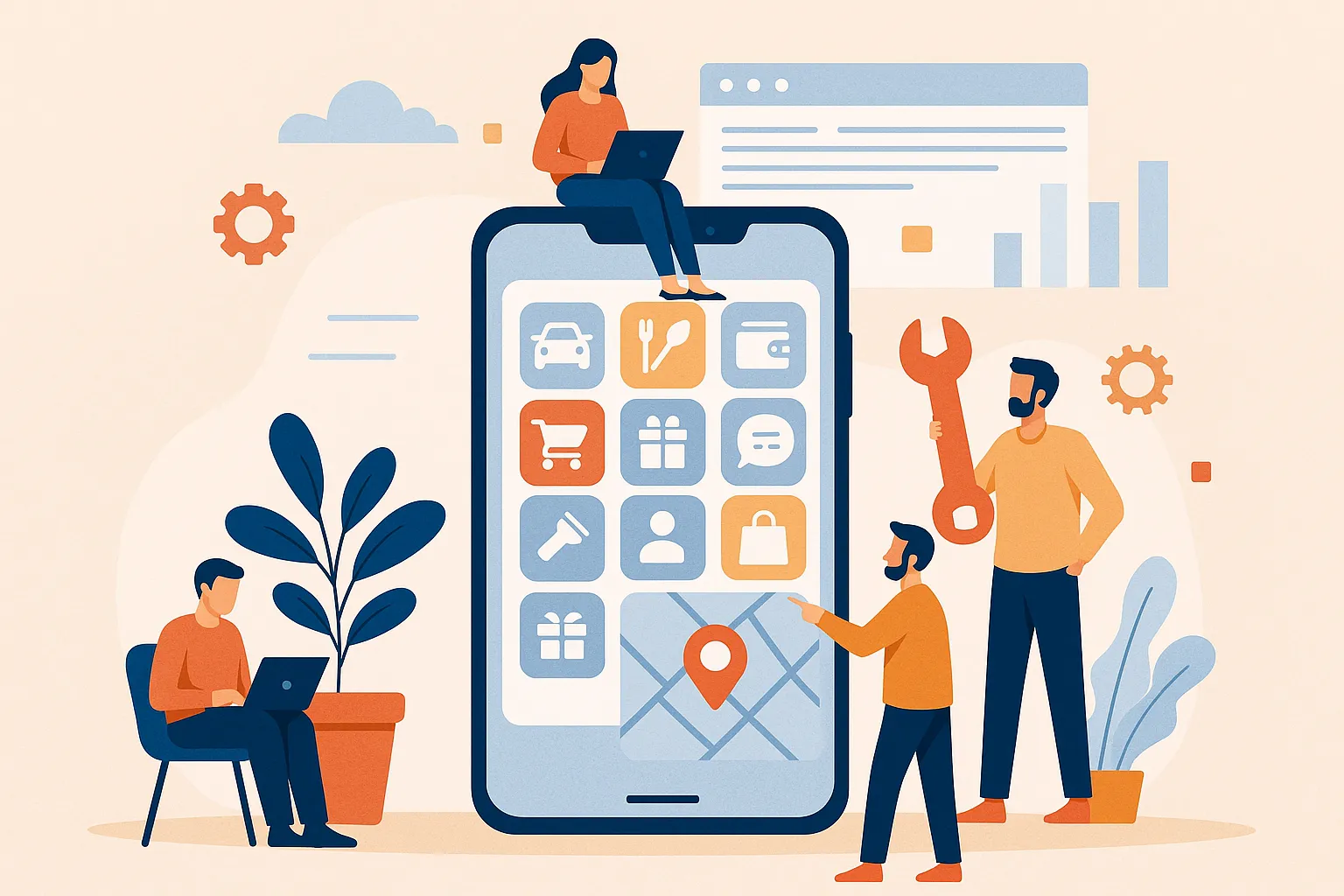
1. Multi-Service Dashboard
A clean, intuitive hub where users can toggle between ride-hailing, food delivery, on-demand services, and more.
- Dynamic icons
- Real-time status updates
- Deep links to mini modules
Why it matters: Users don’t want to scroll endlessly or switch apps. One tap, one place, everything they need.
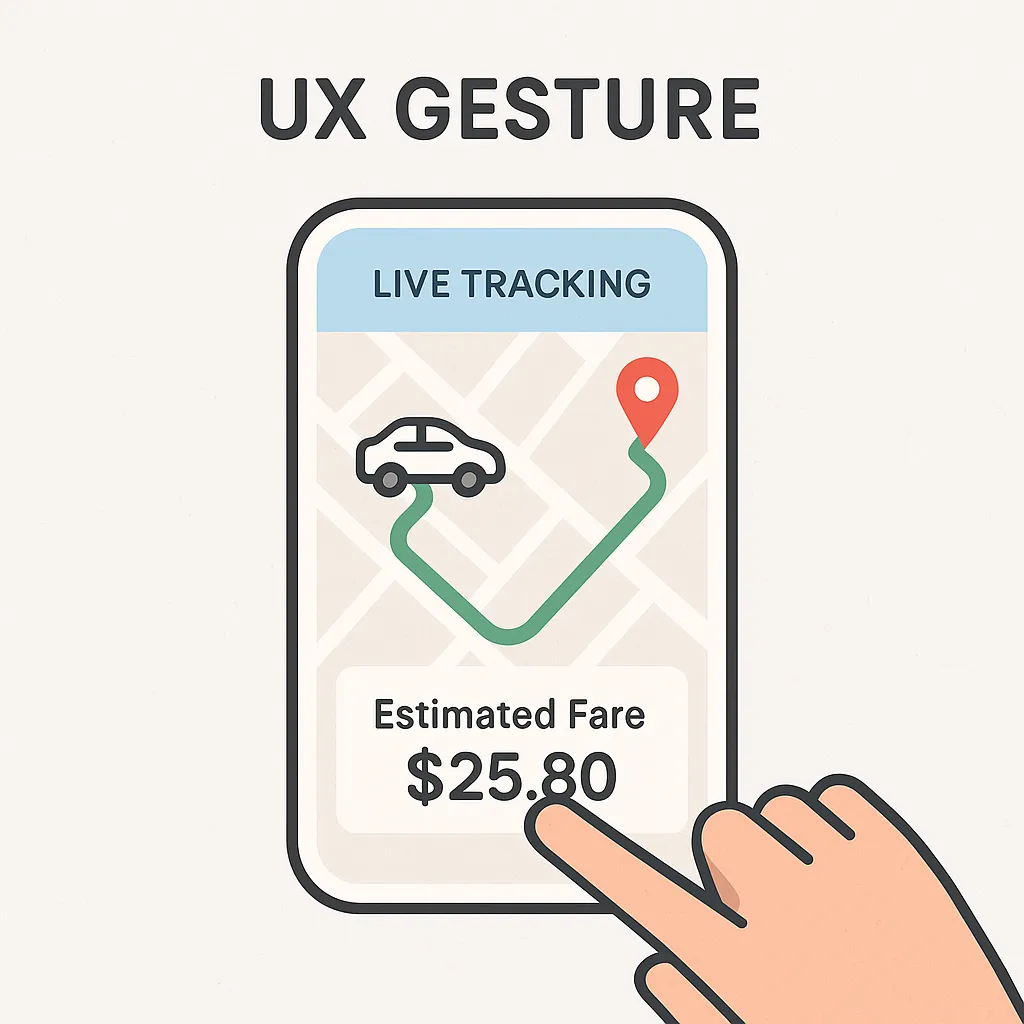
2. Real-Time Ride Booking & Tracking
Arguably the bread and butter of the Gojek model.
- Route optimization with GPS
- Driver ETA & live map tracking
- In-app calling/chat with drivers
Integrate traffic APIs for city-based surge pricing.
3. On-Demand Delivery (Food, Groceries, Packages)
From a midnight biryani craving to sending your roommate’s charger across town, this module covers it all.
- Restaurant & store listings
- Cart, order history, and repeat ordering
- Integrated fleet management
According to Statista, the global food delivery market is expected to surpass $466 billion by 2027. You don’t want to miss this boat.
4. In-App Wallet & Payments
Think Gopay, but yours.
- Rechargeable wallets
- Peer-to-peer (P2P) transfers
- Utility bill payments & QR code scanning
The faster users can pay, the more often they’ll return. Speed = retention.
5. Service Marketplace (Handyman, Beautician, Car Wash)
The hidden hero of super apps. Users book local pros at their convenience.
- Time-slot booking system
- Verified service providers
- Ratings, reviews, and rebook options
A Gojek clone in Dubai allowed local electricians to offer same-day service and saw a 3x increase in bookings within 2 months.
6. Loyalty Programs & Referrals
Reward users for staying in your ecosystem.
- Points-based rewards
- Tiered membership (Silver, Gold, Platinum)
- Friend referral bonuses with unique codes
Why it works: Everyone loves free stuff. Period.
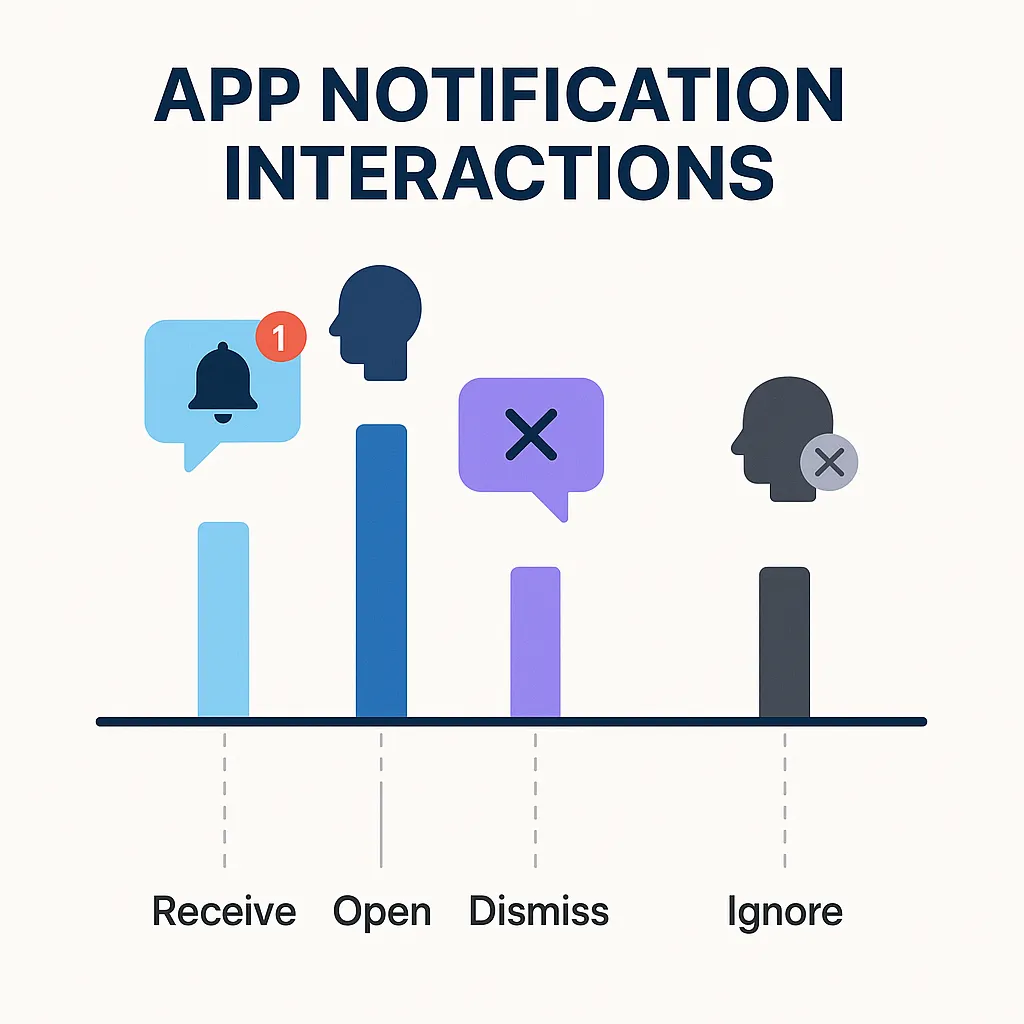
7. Smart Notifications Engine
Push alerts, SMS, email—targeted by behavior, geolocation, and service preference.
- Cart abandonment nudges
- Ride delay alerts
- Limited-time offers and flash sales
8. Admin & Vendor Dashboards
Let’s not forget who’s steering the ship—you.
- Analytics on revenue, bookings, service usage
- Manage commissions, payout cycles
- Vendor performance scores
Vendor Portal Perks:
- Inventory management
- Order acceptance toggles
- Earnings breakdown
Advanced Gojek Features That Set You Apart
1. AI-Based Recommendations
Use machine learning to personalize everything—food, rides, services. The smarter your app gets, the harder it is to leave.
Suggesting a spa appointment after a user books a hair stylist.
2. Multi-Language & Multi-Currency Support
Want to go global or hyperlocal? Language toggles and currency converters make scaling easier than ever.
- RTL support (for Arabic, Hebrew)
- Currency auto-switch based on IP/location
3. Driver & Service Provider Ratings Engine
Your trust layer. Includes:
- Dual rating (users rate providers, and vice versa)
- Review moderation panel
- Gamified badges (e.g., “Super Driver”)
4. Cross-Service Bundling
Allow users to combo services—for instance, schedule a food delivery right after their ride ends.
Think Amazon’s “Buy Together” button—but for services.
Read more: Best Gojek Clone Scripts in 2025: Features & Pricing Compared
Gojek Use Case Scenarios
- Urban Millennial in Mumbai: Books a ride, orders lunch, gets their AC serviced—all on lunch break.
- Busy Mom in Manila: Schedules a home tutor, gets groceries, and pays school fees from one app.
- Startup Bro in Bangalore: Uses loyalty points from ride bookings to get free salon sessions.
Conclusion
Super apps aren’t just a trend—they’re a transformation. Gojek takes the Gojek model and makes it accessible to founders like you who dare to think big. Whether you want to disrupt a niche or take over a region, having the right feature set is half the battle. The rest? Execution.
At Miracuves, we help innovators launch high-performance app clones that are fast, scalable, and monetization-ready. Ready to turn your idea into reality? Let’s build together.
FAQs
Q:1 What makes Gojek different from Gojek?
Gojek is a clone or custom-inspired version. While Gojek is the original Indonesian super app, Gojek offers similar features but can be tailored for your region or niche market.
Q:2 How many services can I add to a Gojek clone?
As many as you like! Most MVPs start with 3–5 services (like rides, food, and payments), but the architecture supports scalable modular integration.
Q:3 Do I need separate apps for users, drivers, and vendors?
Yes, for the best experience. Typically, you’d have three interfaces: one for users, one for service providers (drivers/vendors), and one admin panel.
Q:4 How does monetization work in Gojek?
You can earn through commission on transactions, delivery charges, surge pricing, featured listings, ads, and even subscription plans.
Q:5 Can I integrate local payment gateways?
Absolutely. Gojek clones can support regional payment processors along with major ones like Stripe, Razorpay, and PayPal.
Q:6 Is it expensive to launch a Gojek-like app?
Cost varies based on features, geography, and customization. But with platforms like Miracuves, you can drastically cut development time and expenses.
Related Articles:
Miracuves is an independent software development company. We are not affiliated with, connected to, sponsored by, or endorsed by any company or product named in this article.
Terms such as “X Clone” are used descriptively. It is how the software industry refers to building a platform with functionality comparable to a known service, and how clients search for it.
The entire design and codebase of our products is built by our own team. Our products contain no code, design, graphics, or content originating from any third-party website or applications.
All third-party names and marks referenced in this article are the property of their respective owners, referenced solely to identify the services discussed.