
Key Takeaways
What You’ll Learn
- Weedmaps clone revenue model is built on multiple marketplace-driven income streams rather than a single source.
- Featured listings and vendor subscriptions generate consistent recurring revenue from dispensaries and delivery partners.
- Advertising and sponsored placements allow vendors to increase visibility while the platform earns through pay-per-click and promotions.
- Ordering and delivery commissions create transaction-based revenue whenever users place orders through the platform.
- The model becomes stronger by combining subscriptions, ads, delivery fees, and data monetization into one scalable system.
Stats That Matter
- Featured listings and ads contribute a major share of marketplace revenue in Weedmaps-style platforms.
- Subscription-based vendor plans provide predictable monthly income and improve platform stability.
- Ordering and delivery commissions typically range between 10%–25% depending on agreements.
- Well-structured marketplace platforms can achieve strong profit margins once recurring revenue streams scale.
Real Insights
- Marketplace platforms earn more from visibility than transactions, especially through ads and premium listings.
- B2B monetization is the strongest revenue driver since vendors pay regularly for exposure and tools.
- Recurring subscription income improves long-term sustainability compared to one-time transaction fees.
- Data insights and analytics are emerging as additional revenue streams in advanced platforms.
- The most successful Weedmaps-style apps combine discovery, ordering, and monetization into a unified marketplace ecosystem.
Weedmaps became a category-defining platform by centralizing dispensaries, delivery services, product menus, promotions, and user reviews into one powerful discovery engine. Its ability to streamline compliance-heavy operations while connecting millions of users to verified vendors reshaped how regulated marketplaces function online. This model proves that even in tightly regulated or niche industries, the right digital infrastructure can unlock massive commercial potential.
For entrepreneurs, studying the Weedmaps revenue model reveals how transparency, vendor visibility, and real-time ordering can be transformed into reliable, recurring revenue streams. A well-built Weedmaps clone doesn’t just list vendors — it becomes the core digital ecosystem for an entire market, enabling subscription income, advertising revenue, delivery fees, and premium vendor services. With modern legalization trends and rising consumer demand, the opportunity to launch a high-value marketplace has never been stronger.
Miracuves empowers founders to tap into this opportunity with a Weedmaps clone engineered for scalability, compliance, and monetization — delivered ready-to-launch in just 6 days.
Weedmaps Clone Revenue Overview – The Big Picture
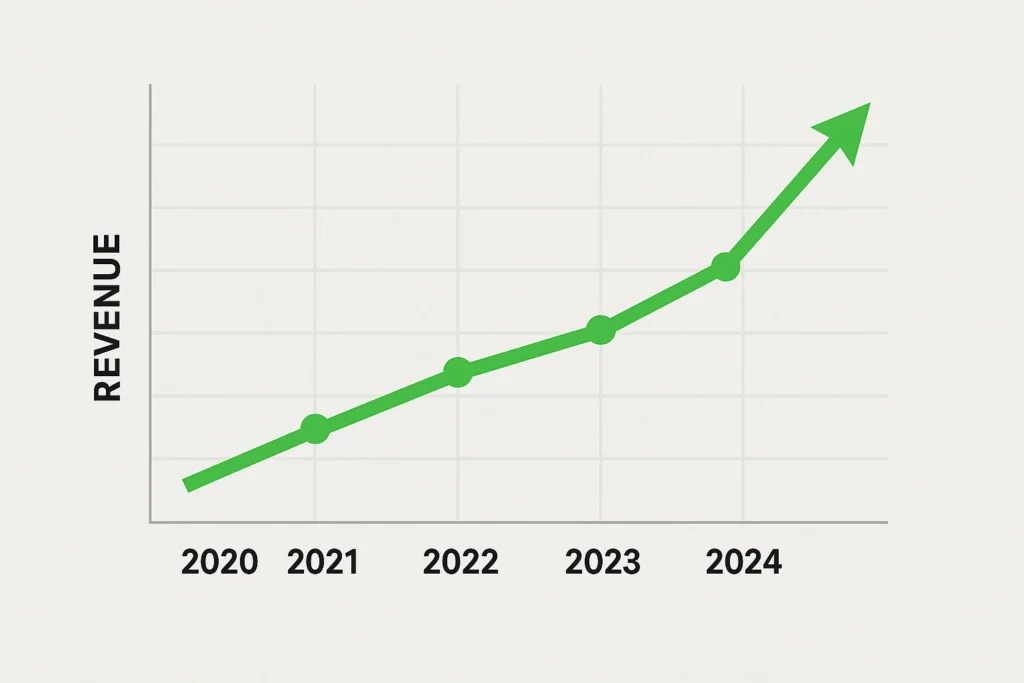
In 2026,Weedmaps-style platforms benefit from rising legal markets, increasing digital ordering and strong B2B demand for marketplace visibility. Industry revenue crossed hundreds of billions globally, and marketplace apps captured a significant share through listing fees, ads and ordering services.
Estimated 2026 platform insights:
• High adoption of digital ordering and delivery
• 15–22% YoY growth in marketplace revenue
• Higher ARPU due to regulated-market pricing
• Strong B2B monetization from local vendors
Regional revenue split (potential for a Weedmaps clone):
• North America — highest marketplace revenue
• Europe — growing due to expanding legalization
• LATAM — emerging market sectors
• Asia-Pacific — regulation-dependent, but high engagement where legal
Profit margins:
Well-structured marketplace platforms achieve 28–42% margins once scaled due to recurring subscription income and advertising revenue.
Read More: Weedmaps App Features That Drive User Growth
Global Cost Factors & Pricing Breakdown
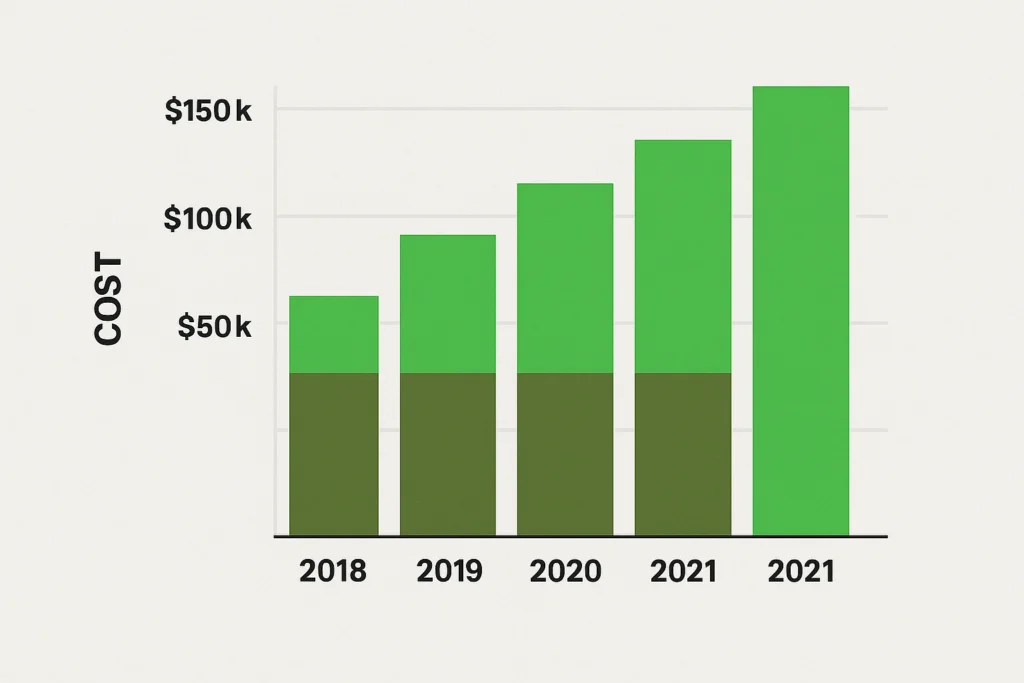
These values reflect global development cost estimates for a Weedmaps-like marketplace platform. The Miracuves row shows our own custom-build pricing.
Miracuves Weedmaps-Like App Solution Cost and Tech Stack
Miracuves Pricing for a 1mg-Like Pharmacy Delivery App developed in PHP/Laravel with Flutter Apps for $2,799 USD (One-Time Price) in just 6 days
Get a fully developed, deployment-ready platform modeled after Weedmaps. Built on a reliable PHP/Laravel backend with Flutter mobile apps, this complete solution helps you launch and scale a location-based cannabis marketplace quickly and efficiently.
- Core Workflows: Dispensary listings, product catalog browsing, location-based search, cart system, order placement, and customer-vendor communication.
- Built-in Operations: Pricing logic, commission setup, inventory management, compliance workflows, and secure payment handling.
- Management Hub: Centralized admin panel to manage customers, vendors/dispensaries, product listings, orders, transactions, and overall platform activity.
- Launch-Ready: Fully prepared for your branding, configuration, and immediate go-to-market execution.
Why is it so affordable?
Most modern marketplace platforms are built using complex architectures like Node.js or microservices. While powerful, these approaches require large engineering teams, longer timelines, and significantly higher development costs.
We took a smarter and more practical approach:
- You Aren’t Paying for Ground-Up Development: Our marketplace engine is already developed, tested, and ready to deploy. You skip months of development time and avoid the high costs of building from scratch.
- The Power of PHP / Laravel: Built on one of the most trusted and widely used frameworks globally, this solution keeps upfront costs low while ensuring long-term flexibility. With a large developer ecosystem, it becomes easier and more cost-effective to maintain, scale, and customize your platform.
- Built for Practical Growth: You get a strong, market-ready cannabis marketplace with essential features like vendor discovery, location-based search, and order workflows—without the complexity and expense of enterprise-level builds.
You get a scalable, production-ready platform without paying inflated development costs.
Note: This cost is for the solution, re-branding, deployment, and source code only.
Primary Revenue Streams Deep Dive
Revenue Stream #1: Featured Listings (25–35%)
Dispensaries and delivery partners pay monthly to appear at the top of search results. These recurring subscription fees deliver predictable revenue.
Revenue Stream #2: Pay-Per-Click & Display Ads (25–30%)
Vendors pay for sponsored placements, banner ads and promoted product spots. Higher demand areas lead to higher CPC rates.
Revenue Stream #3: Ordering & Delivery Fees (15–25%)
When integrated with ordering systems, the platform earns through:
• Service fees
• Delivery partner commissions
• Per-order transaction charges
Revenue Stream #4: Vendor Subscription Plans (10–20%)
Premium dashboards, analytics, POS integrations and product catalog tools generate monthly recurring revenue.
Revenue Stream #5: Data Insights & API Access (5–10%)
Market data, trend reports and API integrations for enterprise vendors add additional revenue layers.
Revenue Stream Breakdown Table
| Revenue Stream | Approx. Share |
|---|---|
| Featured Listings | 25–35% |
| Ads & Sponsored Results | 25–30% |
| Ordering & Delivery Fees | 15–25% |
| Vendor Subscriptions | 10–20% |
| Data/API Monetization | 5–10% |
The Fee Structure Explained
User-Side Fees
• Free to browse
• Fees apply only when ordering, depending on region and partner pricing
Vendor-Side Fees
• Monthly listing fees
• Premium visibility fees
• Per-order commissions
• Lead-generation fees
Hidden Revenue Layers
• Seasonal promotional placements
• Geo-targeted advertising
• Top-rank bidding systems
Regional Pricing Differences
Regulated markets often require compliance operations, increasing vendor subscription value and ad pricing.
Fee Structure Table
| User Type | Fees |
|---|---|
| Users | Free browsing, optional order fees |
| Vendors | Listings, subscriptions, ads, commissions |
| Delivery Partners | Commission or per-order charges |
How Weedmaps Clone Apps Maximize Revenue Per User
Segmentation
Users segmented by location, product interest, and buyer history increase ad relevancy.
Upselling
Vendors encouraged to upgrade to premium visibility or sponsored placements.
Cross-Selling
Users shown related products, deals or partner delivery services.
Dynamic Pricing
Ad rates and listing fees vary by city, demand, and competition.
Retention Monetization
Frequent buyers increase ARPU through recurring orders.
LTV Optimization Strategies
• Personalized recommendations
• Loyalty rewards
• Verified reviews
Real Examples
• Featured vendors earn up to 3x more impressions
• Sponsored products increase conversion by 18–30%
• Delivery integration boosts session value significantly
Cost Structure & Profit Margins
Tech Infrastructure
• Listing database
• Search engine
• Real-time delivery tracking (if integrated)
Marketing & CAC
Vendor acquisition is the primary growth cost.
Operations
• Vendor verification
• Compliance checks
• Customer support
R&D
• Better recommendation engines
• POS system integration
• Advanced vendor dashboards
Unit Economics
High vendor retention + recurring subscription income = strong long-term margins.
Profitability Path
Profitability increases after sustaining stable vendor subscriptions in targeted regions.
Read More: Best Weedmaps Clone Scripts in 2025: Features & Pricing Compared
Future Revenue Opportunities & Innovations
• AI-driven product recommendations
• Vendor CRM tools
• Subscription boxes and delivery memberships
• Compliance automation tools
• Global expansion in legalizing regions
Threats/Risks: Regulation changes, competitive platforms, compliance costs
Opportunities: Niche marketplaces, subscription loyalty models, regional discovery apps
Lessons for Entrepreneurs & Your Opportunity
What works:
• Recurring vendor subscriptions
• High-volume search traffic
• Local marketplace visibility
What to replicate:
• Multi-layer monetization
• Strong vendor dashboard tools
Market gaps:
• Compliance automation
• Hyperlocal discovery apps
Final Thought
A Weedmaps clone can scale quickly with the right mix of vendor subscriptions, ads, premium listings, and integrated ordering features. But true long-term success depends on building a platform that not only connects users and vendors but maximizes revenue efficiency through automation, intelligent discovery, and seamless marketplace operations. That’s where Miracuves delivers a competitive advantage. Our Weedmaps clone solutions come pre-built with advanced monetization modules, vendor dashboards, compliance-ready architecture, and scalable infrastructure — empowering entrepreneurs to launch faster, grow smarter, and achieve profitability sooner. With Miracuves’ 6-day delivery guarantee and fully customizable feature sets, you can enter the market confidently and build a high-earning marketplace positioned for future expansion.
FAQs
1. How much does a Weedmaps-style app make per vendor?
Typically through monthly listing fees and ad spending.
2. What’s the most profitable revenue stream?
Featured listings and ads generate the highest margins.
3. How does pricing compare to competitors?
Dynamic pricing varies by region, competition, and demand, with Miracuves solutions starting at just $2,799.
4. What percentage does the platform earn per order?
Commonly 10–25% depending on partner agreements.
5. How has this revenue model evolved?
Shift toward subscription analytics and delivery integration.
6. Can small platforms use this model?
Yes — especially in niche or localized markets.
7. What scale is required for profitability?
A strong base of recurring vendor subscriptions.
8. How to implement similar models?
Use vendor listings, ads, subscriptions and per-order fees.
9. Alternatives to this model?
Flat-fee vendor plans or pure subscription ecosystems.
Related Articles:
Miracuves is an independent software development company. We are not affiliated with, connected to, sponsored by, or endorsed by any company or product named in this article.
Terms such as “X Clone” are used descriptively. It is how the software industry refers to building a platform with functionality comparable to a known service, and how clients search for it.
The entire design and codebase of our products is built by our own team. Our products contain no code, design, graphics, or content originating from any third-party website or applications.
All third-party names and marks referenced in this article are the property of their respective owners, referenced solely to identify the services discussed.