


Back in 2017, a buddy of mine poured his life savings into launching a crypto project. It had a slick website, flashy whitepaper, and wild hype on Telegram. But guess what tripped him up? The launchpad. Or rather, the lack of a proper one. He went cheap, cut corners, and ended up paying twice the cost to rebuild from scratch. If you’re planning to build a blockchain launchpad app in 2025, don’t make that mistake.
Blockchain is no longer some fringe experiment. It’s powering crowdfunding platforms, real estate tokens, NFT marketplaces—even coffee supply chains. But the engine behind many of these success stories? A rock-solid, scalable, and secure launchpad. That’s where a BSCpad clone script comes into play—think of it as the backstage manager of your project’s big debut. If that curtain doesn’t rise smoothly, the whole show flops.
Whether you’re a solo founder with a whiteboard or a startup juggling investors and roadmaps, budgeting for your launchpad app is non-negotiable. And yeah, Miracuves has helped plenty of businesses like yours avoid the usual pitfalls, especially when it comes to clone development. Let’s break it down.
Read more: What is BSCPad App and How Does It Work?
Understanding the Core: What Exactly Is a Blockchain Launchpad App?
Before you go allocating funds, you need to know what you’re building. A blockchain launchpad app is essentially a platform that helps crypto and Web3 projects raise capital and build community early on. Think of it like Kickstarter—but instead of pledging dollars, users invest tokens.
These platforms often include:
- Project listings and dashboards
- Token sale infrastructure
- Investor onboarding (KYC/AML)
- Smart contract integrations
- Vesting schedules and tokenomics management
- Wallet and multi-chain support
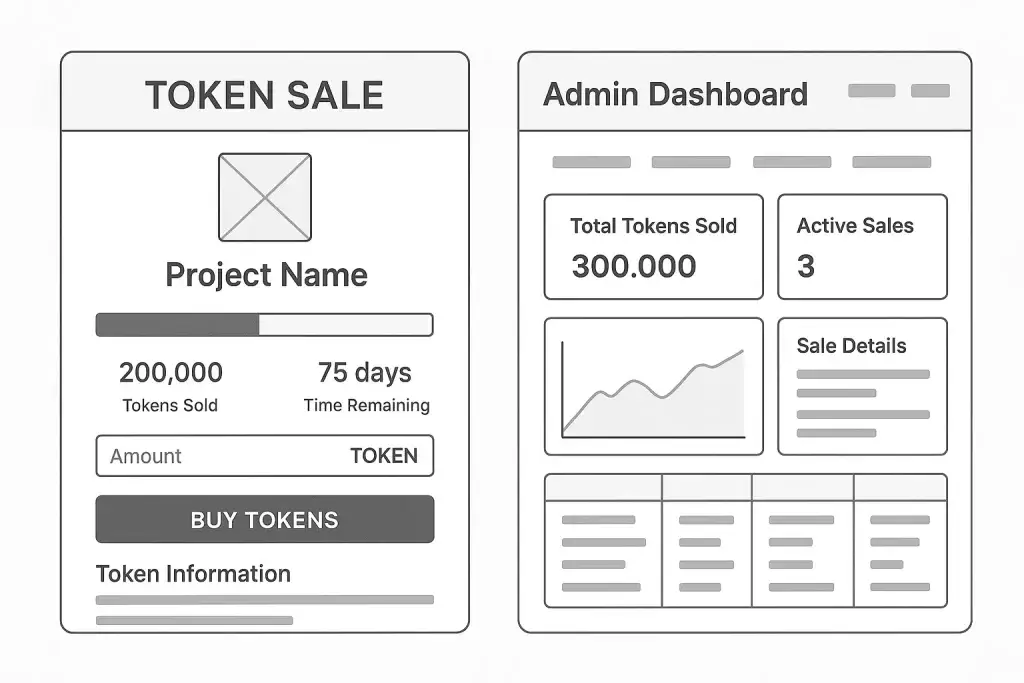
Projects like DAO Maker, Polkastarter, and TrustSwap have paved the way, showing that the real value isn’t just in fundraising—it’s in trust, transparency, and automation.
Core Features That Impact Budget (And Can’t Be Skimped On)
Let’s face it—you can’t build Rome in a day, and you definitely can’t build a blockchain app on pocket change. These are the budget drivers you absolutely need to prioritize:
a. Smart Contract Development & Audits
Security here is everything. Your smart contracts handle millions in value, and one exploit can tank your brand. Budget for development AND third-party audits. Don’t wing it.
b. Multi-Chain Support
Ethereum? Solana? Binance Smart Chain? If your audience is global and diverse, your app should be too. This adds dev complexity, but massively expands your project pool.
c. KYC/AML Compliance
You can’t skip legal. Period. Expect to integrate APIs like Jumio or ShuftiPro for verifying identities.
d. Token Vesting Modules
Founders, advisors, community investors—they all need tailored token release schedules. Automate it.
e. Admin Panel + Analytics
You’ll want real-time dashboards showing user engagement, token metrics, and project health.
Budgeting Breakdown: Where the Money Goes
Let’s put some realistic numbers on the table. While actual figures can vary based on your app’s scope, here’s a ballpark:
| Component | Estimated Cost (USD) |
| UI/UX Design | $5,000 – $10,000 |
| Backend + Blockchain Dev | $25,000 – $60,000 |
| Smart Contract Audits | $5,000 – $15,000 |
| KYC/AML Integration | $3,000 – $7,000 annually |
| Hosting & Security | $2,000 – $5,000 per year |
| Testing & QA | $3,000 – $7,000 |
| Post-launch Maintenance | $2,000+ monthly |
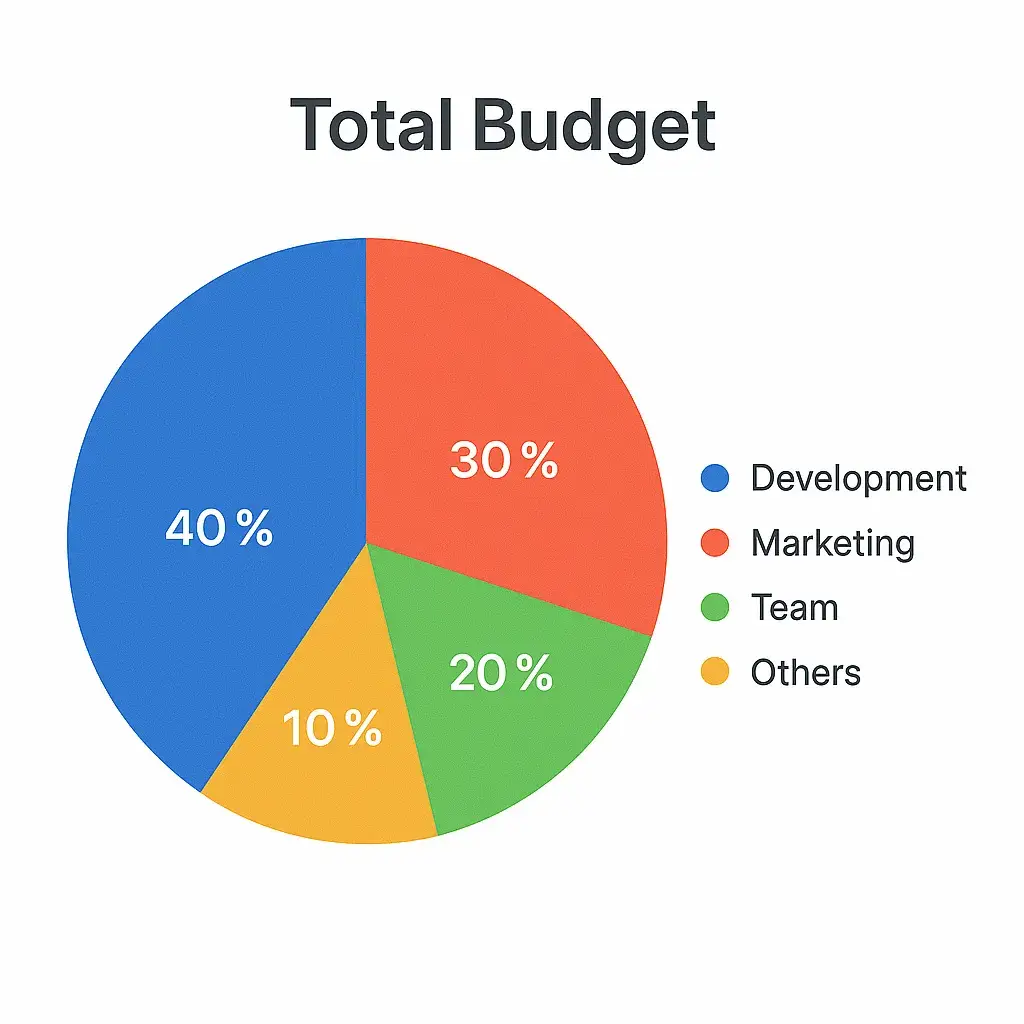
And don’t forget marketing. A launchpad without buzz is like a rocket with no fuel.
Read more: Best BSCPad Clone Scripts in 2025: Features & Pricing Compared
Hidden Costs You Probably Didn’t Think About
Now for the curveballs most founders overlook:
- Gas Fees: Especially if you’re interacting heavily with Ethereum.
- Legal Consultations: One-size-fits-all advice doesn’t work in crypto.
- Community Management Tools: Telegram bots, Discord mods, airdrop automation.
- Bug Bounty Programs: Paying whitehats is way cheaper than getting hacked.
- Localization: Want users in Japan or Brazil? Translation and currency formatting adds up.
Scalability Planning: Build Once, Scale Forever
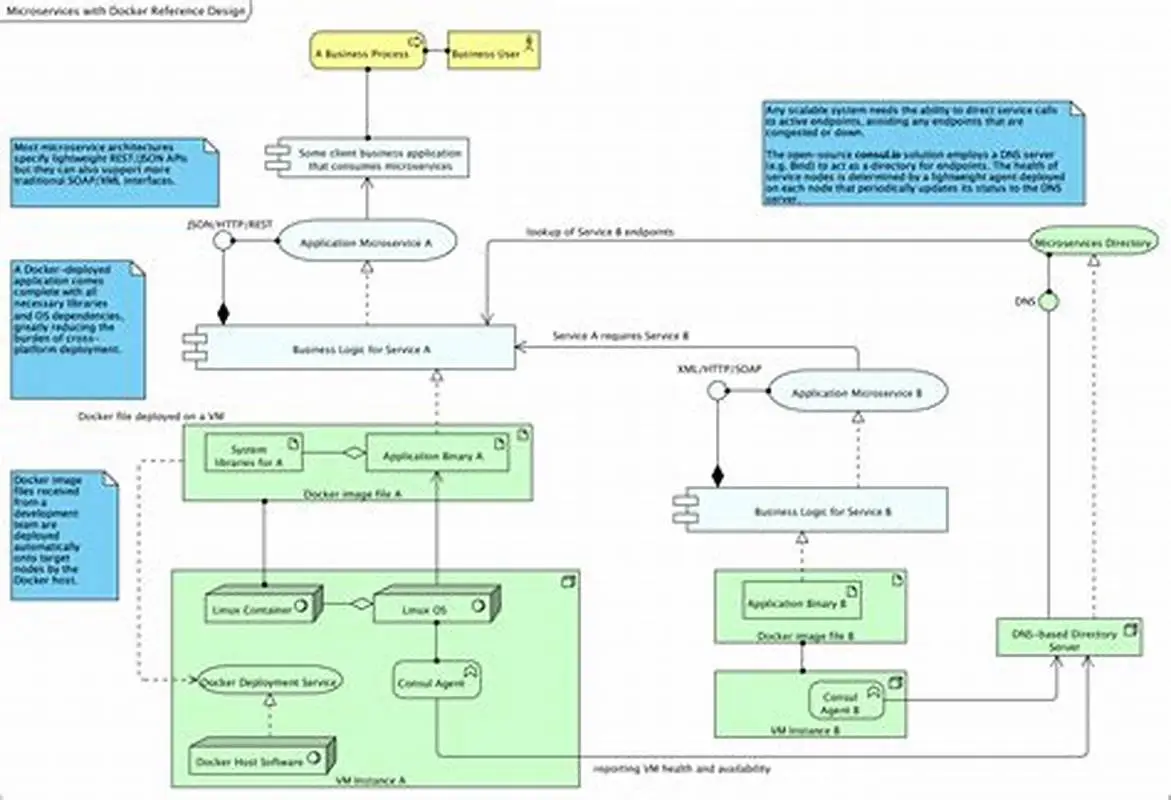
Here’s the truth—scaling an app AFTER launch is 5x more expensive. Plan for load balancing, modular architecture, and API limits before you get your first 10K users.
Invest in:
- Microservices instead of monoliths
- Containerization (think Docker + Kubernetes)
- CDNs to handle global load
- Versioned smart contracts for upgrade flexibility
The Security Blueprint: Better Safe Than Sorry
If your launchpad isn’t secure, your project’s basically dead on arrival. Security isn’t just a feature—it’s a foundation.
Must-haves:
- End-to-end encryption
- Two-factor authentication (2FA)
- Rate limiting + DDoS protection
- Penetration testing before every major release
Explore scalable and secure blockchain development solutions tailored for DeFi, NFTs, and crypto platforms with our expert team at Miracuves Blockchain Solutions.
Conlcuison
Launching a blockchain launchpad app isn’t just about code. It’s about foresight, planning, and smart budgeting. The best founders don’t just build—they prepare. And they don’t skimp where it counts.
At Miracuves, we help innovators launch high-performance app clones that are fast, scalable, and monetization-ready. Ready to turn your idea into reality? Let’s build together.
FAQs
Q:1 How much does it cost to launch a basic blockchain launchpad?
Expect anywhere between $35,000 to $70,000 depending on features, chain compatibility, and security needs.
Q:2 Can I launch on just one blockchain to cut costs?
Yes, starting with one chain (like BSC or Polygon) can help reduce initial costs. You can always scale to multi-chain later.
Q:3 Are there any ready-made solutions I can customize?
Absolutely. Clone development services (like those from Miracuves) can reduce dev time and costs by 40-60%.
Q:4 What are some ways to save money without compromising quality?
Go modular, use open-source tools where safe, and prioritize essential features first.
Q:5 Do I need to budget for audits even if I trust my developers?
100% yes. External audits catch blind spots and add legitimacy for investors.
Q:6 What happens if I go over budget mid-project?
Plan a contingency fund (~15% of your total budget) and adopt an agile dev approach so you can pivot without panic.
Related Articles:
Miracuves is an independent software development company. We are not affiliated with, connected to, sponsored by, or endorsed by any company or product named in this article.
Terms such as “X Clone” are used descriptively. It is how the software industry refers to building a platform with functionality comparable to a known service, and how clients search for it.
The entire design and codebase of our products is built by our own team. Our products contain no code, design, graphics, or content originating from any third-party website or applications.
All third-party names and marks referenced in this article are the property of their respective owners, referenced solely to identify the services discussed.