
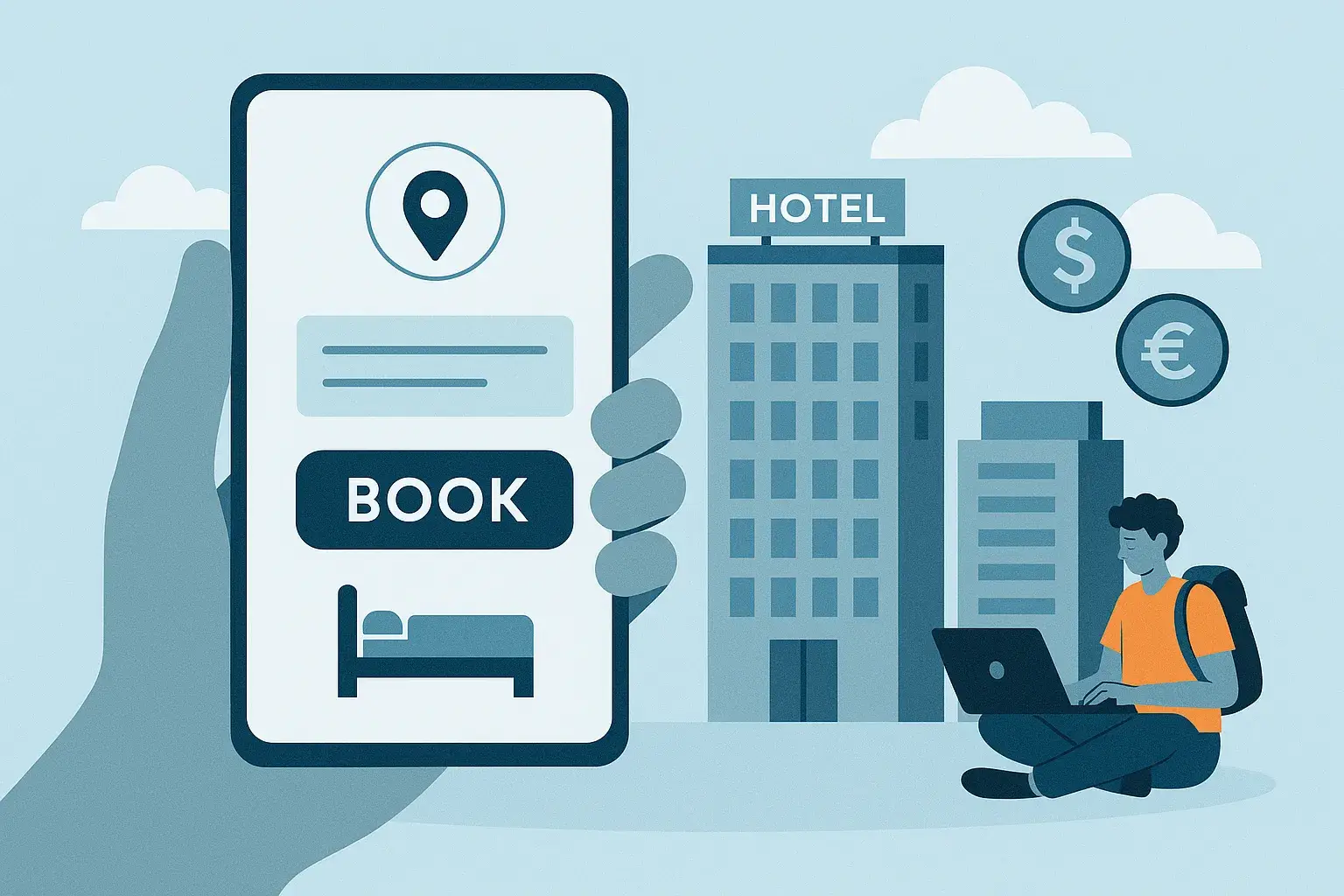
Let’s face it—travel planning has gone from a binder full of brochures to a few swipes on a screen. Remember those days when your parents would spend hours in a local travel agency, flipping through catalogs for the perfect holiday? Fast forward to today, where digital-first travelers demand instant bookings, transparent pricing, and hyper-personalized experiences. The rise of online travel agency (OTA) platforms like Booking.com, Expedia, and Airbnb didn’t just disrupt the industry—they flipped the script entirely, redefining the business model for online travel agency platform success in the digital era.
But here’s the kicker: while big players dominate, there’s still plenty of untapped market for savvy entrepreneurs. Gen Z travelers want curated, budget-friendly options. Remote workers crave “workations.” And local explorers are hunting for unique, offbeat stays. That’s where an opportunity to build your own OTA platform with a smart business model can shine—if you know the ropes.
At Miracuves, we’ve helped many creators and digital pioneers build scalable app clones and platforms—whether it’s a TikTok Clone App or the next big thing in travel tech. Let’s dive into what makes an OTA business model tick, and how you can turn clicks into bookings (and revenue).
What is an Online Travel Agency (OTA) Platform?
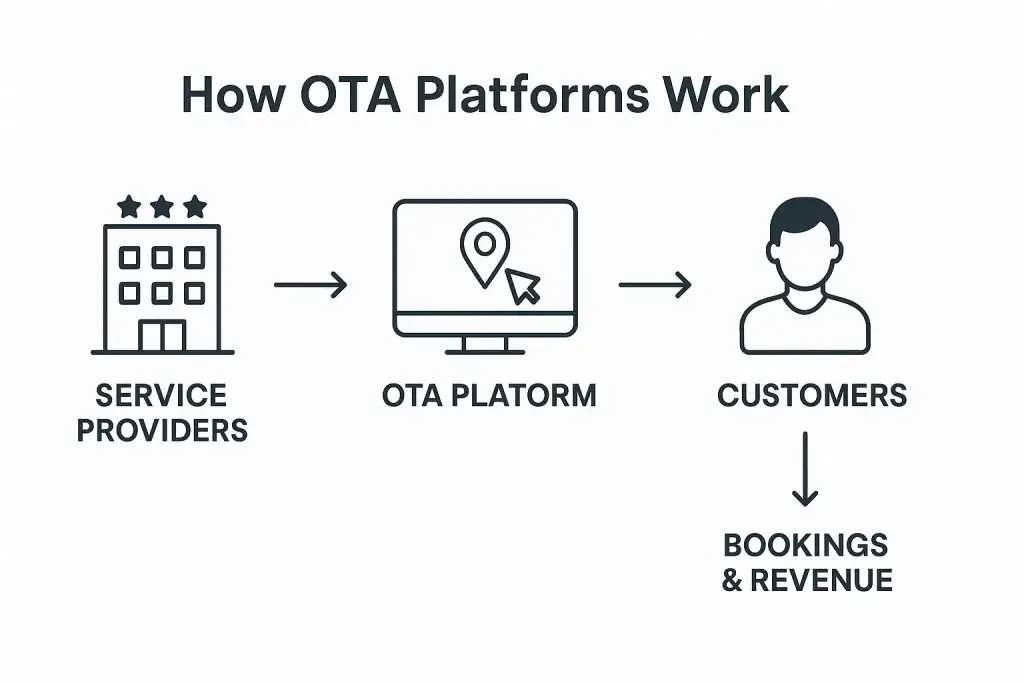
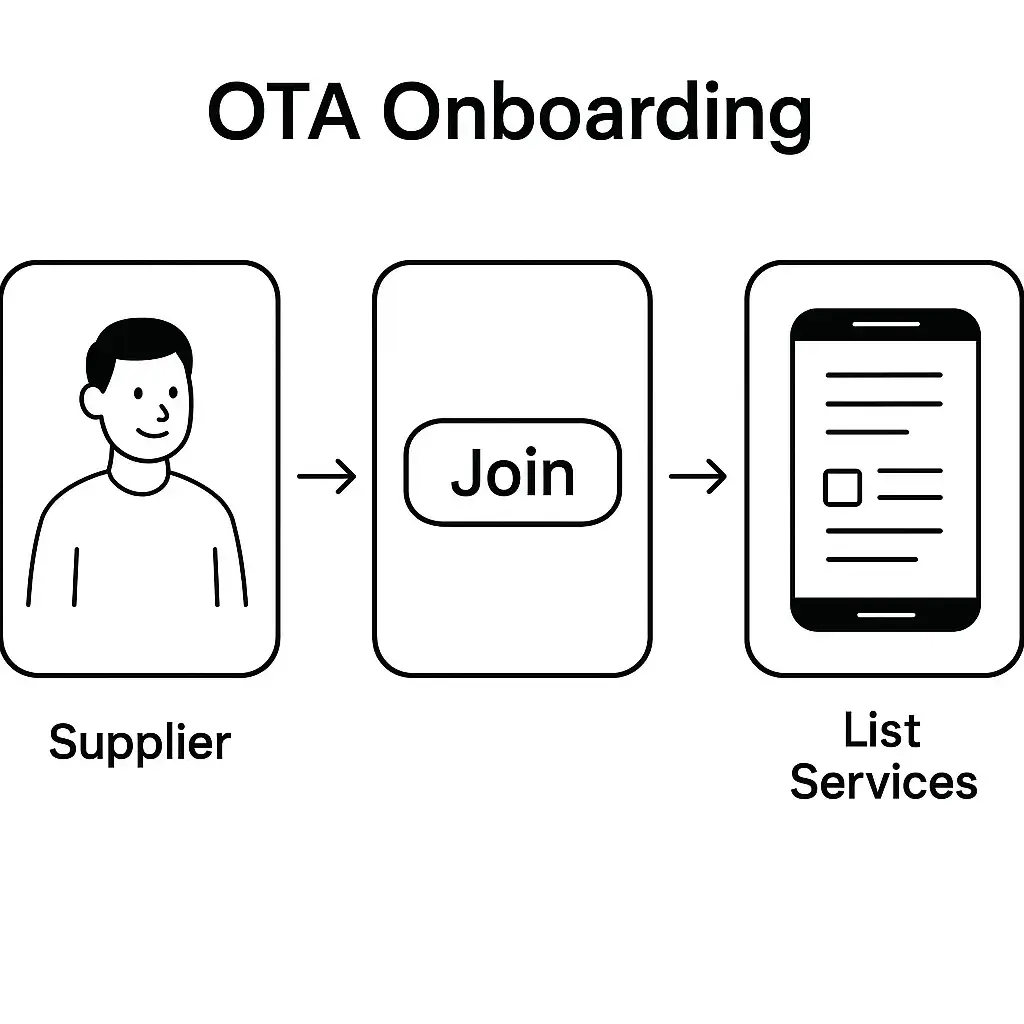
An Online Travel Agency (OTA) is a digital platform that lets users book flights, hotels, activities, and more, all in one place. Think of it as a marketplace connecting service providers (hotels, airlines, tour guides) with travelers seeking convenience and variety. The platform acts as an intermediary—handling listings, bookings, and often payments—while taking a cut in return.
Popular examples include Booking.com, Expedia, Airbnb, and Agoda. They’ve become the go-to choice for travelers because they offer side-by-side comparisons, user reviews, and seamless UX—all from a smartphone app or web browser. And with global tourism expected to reach $15.5 trillion by 2030 (Statista), the potential is massive.
Core Revenue Streams in OTA Platforms
Let’s break down how OTAs actually make money. It’s not just about marking up hotel rooms—there’s a layered cake of revenue streams here:
Commission Fees
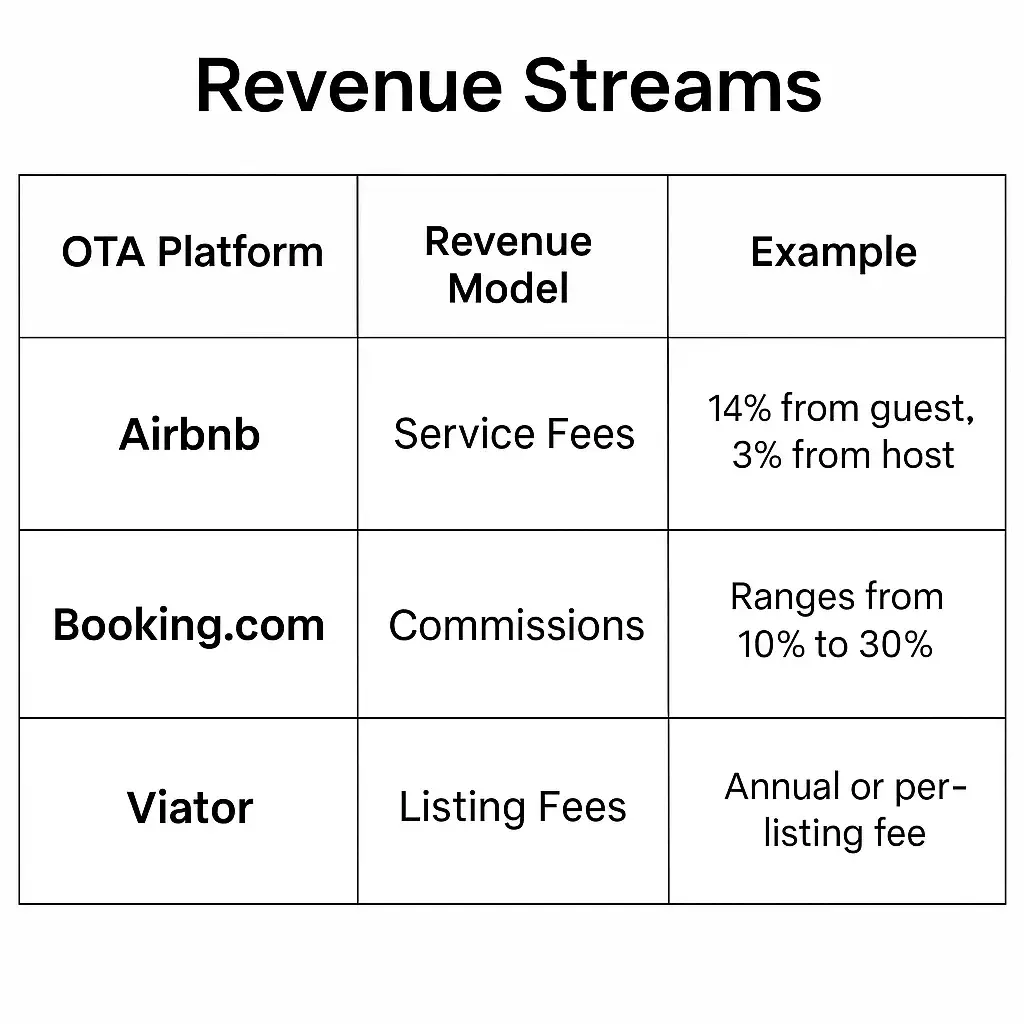
The bread and butter for most OTAs. Platforms typically charge suppliers a 10–25% commission per booking. For instance, a hotel might pay Booking.com a 15% fee for each room booked through the platform. High-volume bookings = high returns.
Service/Convenience Fees
Some OTAs add a fee for handling the transaction or providing customer support. Airbnb, for example, charges both hosts and guests, depending on the booking model.
Featured Listings & Ads
Just like social media platforms, OTAs monetize visibility. Hotels and service providers pay for premium placement in search results or homepage features, increasing exposure to potential customers.
Affiliate Partnerships
Many OTAs partner with airlines, insurance companies, or car rental services—earning a cut from each referred sale. This creates an interconnected ecosystem of travel services.
Subscription Models
Emerging trend alert: Some OTAs offer members-only deals via paid subscriptions, targeting loyal customers seeking exclusive rates. Think Expedia+ or Booking.com’s Genius program.
Key Features of a Successful OTA Platform
Let’s get practical. To thrive in the hyper-competitive OTA landscape, your platform must deliver on these fronts:
Seamless User Experience
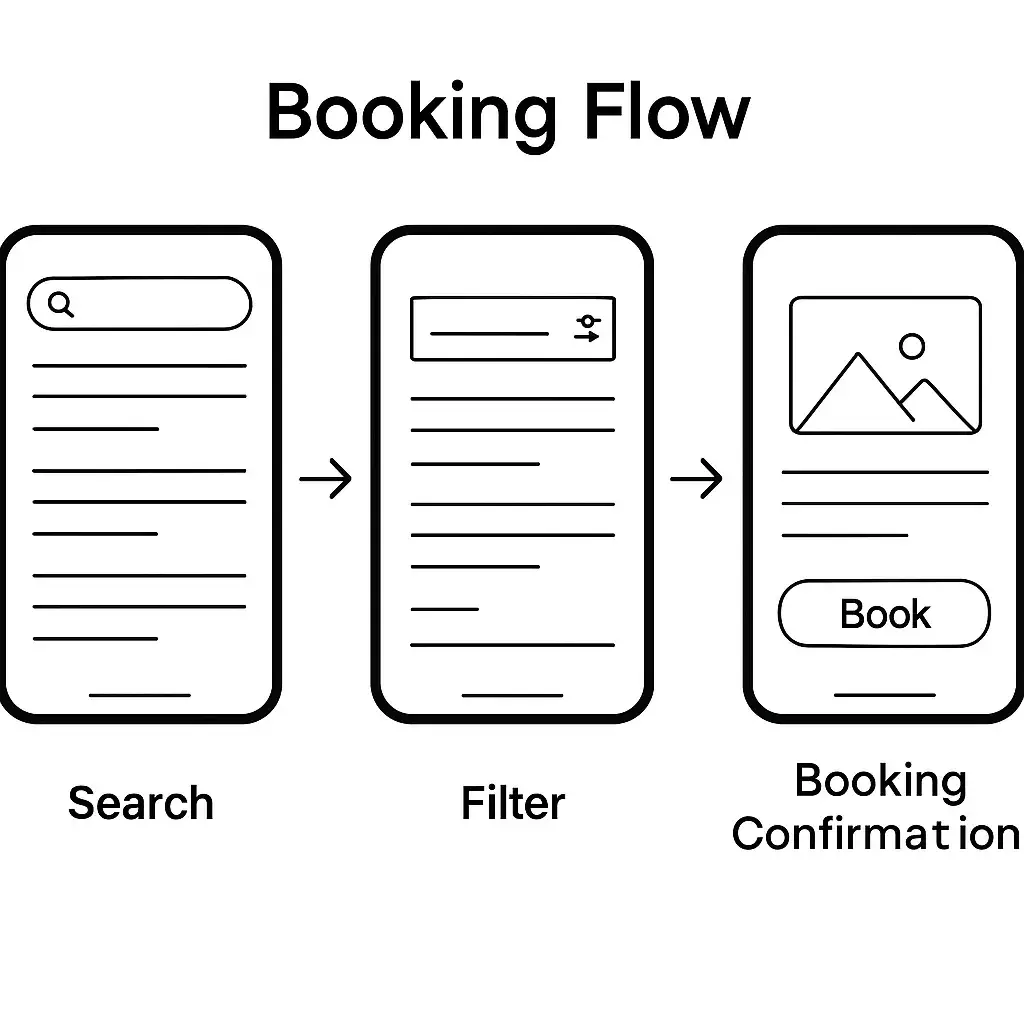
From intuitive search filters (price, location, amenities) to a fast checkout flow, frictionless design is non-negotiable. Remember, Gen Z travelers won’t wait more than a few seconds before bouncing.
Multi-Channel Access
Your platform must shine across smartphones, tablets, and desktops. Whether it’s a TikTok-inspired short-form video showcasing destinations or a voice-enabled search for “best hotels in Bali,” flexibility is key.
Robust Backend & Integrations
APIs are the lifeblood of OTAs. Integrations with payment gateways, inventory management systems, and even CRM tools ensure scalability and reliability.
Trust Signals & Social Proof
User reviews, ratings, and verified listings build trust—especially when customers are booking pricey stays. Features like wishlist saving, notifications for price drops, and AI-driven recommendations keep users engaged.
Read more: Business Model of MakeMyTrip and Key Strategies
Challenges & How to Tackle Them
It’s not all sunshine and sand dunes—OTA platforms face hurdles too. Let’s call them out:
High Competition & Marketing Burn
Big players can afford billion-dollar ad campaigns. How do you compete? Focus on niche audiences—like solo travelers, wellness retreats, or eco-tourism. Offer unique value that generalist OTAs can’t match.
Supplier Relationships
Hotels and tour providers might resist high commissions. Building win-win partnerships—offering better exposure, analytics, or dynamic pricing tools—can sweeten the deal.
Customer Support & Refund Handling
Travel is unpredictable. Cancellations, delays, and complaints are part of the game. Investing in a solid support infrastructure is crucial, whether via chatbots, self-help FAQs, or a dedicated team.
Data Security & Compliance
Handling payments and personal data? You’ll need airtight GDPR and PCI-DSS compliance to avoid legal nightmares.
The Future of OTA Platforms: Trends to Watch
The OTA space is buzzing with innovation. Here’s what’s brewing:
- AI-Powered Personalization: Recommending trips based on past behavior, mood, or even social media trends (like TikTok’s “travel hacks”).
- Voice & Chat Interfaces: Booking a flight via voice search or WhatsApp? Totally happening.
- AR/VR Travel Previews: Virtual tours of hotels or destinations before you book—next-level trust building.
- Decentralized Travel Booking: Blockchain-based platforms are emerging, offering transparency and lower fees.
Explore our complete range of online travel agency solutions designed to help you launch and scale your OTA platform effortlessly
Conclusion
The OTA business model isn’t just about bookings—it’s about connecting dreams to reality. With a smart revenue strategy, a user-first design, and the right tech stack, your platform can stand out in the crowded travel space.
At Miracuves, we help innovators launch high-performance app clones that are fast, scalable, and monetization-ready. Ready to turn your idea into reality? “Ready to unlock success? Let’s connect and build something extraordinary—reach out to us today!”
FAQs
Q1: What is the main revenue model of an OTA platform?
Most OTAs make money through commissions from service providers like hotels or airlines. They may also earn through ads, subscriptions, and affiliate sales.
Q2: How much commission do OTAs typically charge?
It varies, but usually between 10–25% per booking, depending on the platform and service type.
Q3: Can small startups compete with giants like Booking.com?
Absolutely! By targeting niche audiences, offering unique value, and optimizing for mobile, even small players can carve out market share.
Q4: What features are must-haves for an OTA platform?
Seamless UX, multi-channel access, integrations with payment systems, trust signals like reviews, and strong customer support are essential.
Q5: Are OTA platforms risky to run?
Like any business, there are challenges—competition, customer support, compliance—but with the right strategy, the rewards can outweigh the risks.
Q6: How can Miracuves help me build an OTA platform?
Miracuves specializes in app clone development, helping entrepreneurs launch travel platforms with cutting-edge features, scalability, and a focus on monetization.
Realted Articles:
Miracuves is an independent software development company. We are not affiliated with, connected to, sponsored by, or endorsed by any company or product named in this article.
Terms such as “X Clone” are used descriptively. It is how the software industry refers to building a platform with functionality comparable to a known service, and how clients search for it.
The entire design and codebase of our products is built by our own team. Our products contain no code, design, graphics, or content originating from any third-party website or applications.
All third-party names and marks referenced in this article are the property of their respective owners, referenced solely to identify the services discussed.