Picture this: you’re an ambitious entrepreneur sipping your third cup of coffee at 2 AM, scrolling through your phone, and you see it—yet another e-pharmacy startup making headlines. You can’t help but wonder, “What if I could launch something like this? How much would it really cost me?” We’ve all been there, caught between the excitement of an idea and the fear of draining your bank account.
Here’s the thing—launching an e-pharmacy platform isn’t just a trendy startup idea; it’s a genuine game-changer. From easing medicine access in remote towns to catering to the growing digital-first generation, the potential is massive. But the million-dollar question (sometimes literally) is: how much do you need to invest to get your e-pharmacy idea off the ground?
That’s exactly what we’ll unpack here. We’ll cut through the vague estimates and fancy jargon, giving you a realistic, no-fluff breakdown of costs—from development and design to compliance headaches and marketing dollars. And if you’re looking for a team that knows their stuff when it comes to clone app development, Miracuves is here to make that happen. Let’s dive in.
Read more: What is a 1mg App and How Does It Work?
Why E-Pharmacy Apps Are Booming: The Market Reality
If you’ve been watching trends on platforms like Statista or App Annie, you’d know that the e-pharmacy market is on fire. According to Statista, the global e-pharmacy market is expected to hit $177.8 billion by 2026. That’s not just a number; it’s a sign of a digital shift happening in healthcare.
From India’s 1mg to the US-based PillPack (now owned by Amazon), e-pharmacy platforms are becoming household names. They’re solving real problems: long pharmacy queues, limited drug availability, and the sheer inconvenience of getting prescriptions filled. But here’s the catch—these apps aren’t built overnight. They’re a complex mix of mobile app development, regulatory compliance, and user trust building.

The Core Features That Shape Your E-Pharmacy App’s Cost
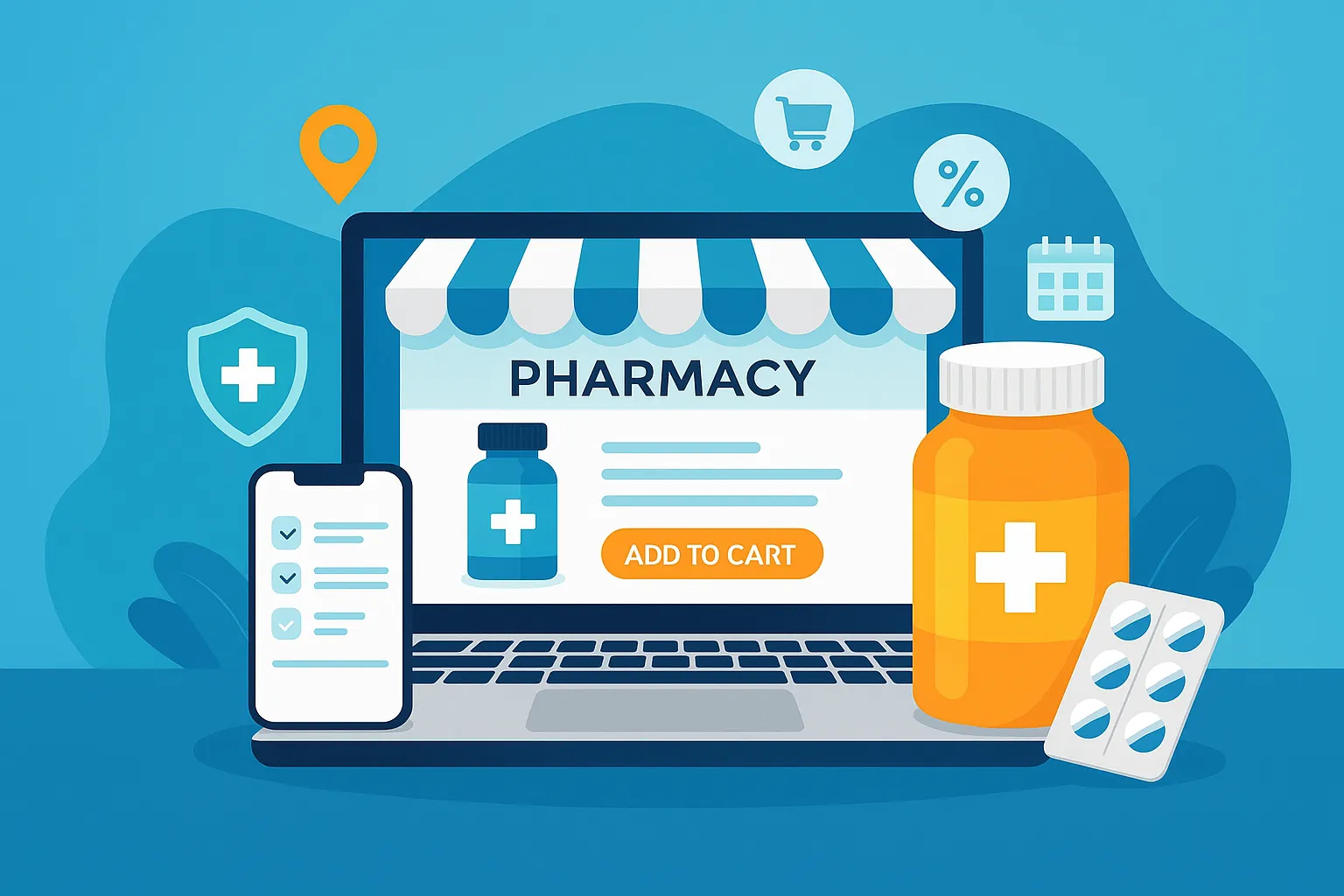
Let’s get one thing straight: an e-pharmacy app isn’t just an online shop for pills. It’s a healthcare ecosystem. And every feature you add? Yep, it comes with a price tag.
1. User-Facing Features
- User Registration & Authentication
Think OTP verification, social login, and account management. Basic? Maybe. Essential? Absolutely. - Prescription Upload & Verification
Your app needs the ability to handle image uploads, AI-based text recognition, and manual pharmacist review. - Product Browsing & Search
Advanced filters, category tags (like “OTC” or “Ayurvedic”), and a robust search algorithm. Don’t forget UX—clean interfaces build trust. - Order Placement & Payment Integration
Multiple payment gateways (UPI, credit cards, wallets), real-time order tracking, and smooth checkout flows. - Notifications & Reminders
Push notifications, email updates, SMS alerts—engagement tools that keep your users coming back.
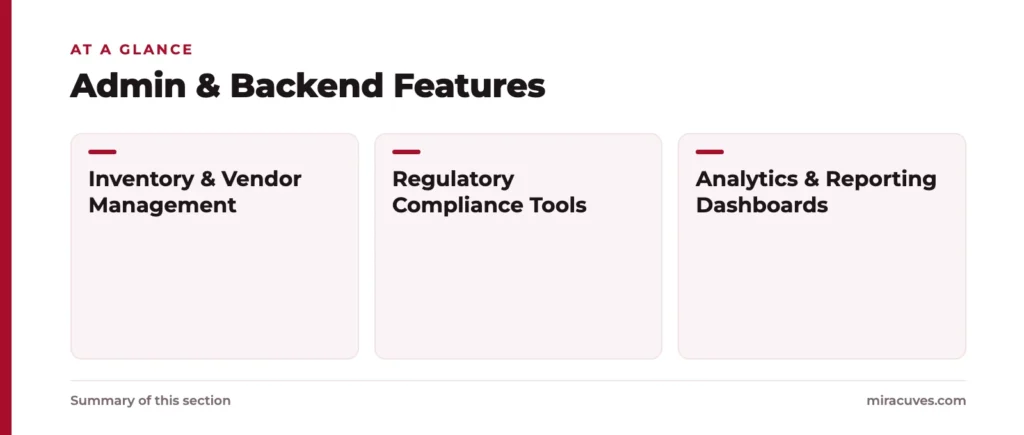
2. Admin & Backend Features
- Inventory & Vendor Management
Manage suppliers, batches, expiry dates, and stock levels. - Regulatory Compliance Tools
GDPR, HIPAA (for US), CDSCO (for India)—the list goes on. Compliance costs are real and non-negotiable. - Analytics & Reporting Dashboards
You’ll want to track sales, user behavior, popular products, and even conversion funnels.
Read more: Best 1mg Clone Scripts in 2025: Features & Pricing Compared
The Cost Breakdown: Where Your Money Actually Goes
Let’s talk numbers—because that’s what you’re really here for. While every project is unique, here’s a realistic ballpark estimate for a mid-level e-pharmacy platform. If you’re looking for a deeper breakdown, check out the full guide on the Cost to Build an Online Pharmacy App.
| Feature | Estimated Cost (USD) |
| UI/UX Design | $5,000 – $8,000 |
| Frontend & Backend Development | $20,000 – $35,000 |
| API Integration (Payments, Maps) | $3,000 – $7,000 |
| Compliance & Legal (Docs, Certs) | $7,000 – $12,000 |
| QA & Testing | $4,000 – $6,000 |
| Launch & Marketing | $5,000 – $15,000 |
| Total Ballpark | $44,000 – $83,000 |
You can reduce costs by going with a clone app development approach—leveraging pre-built frameworks instead of starting from scratch. That’s exactly what we do at Miracuves—cutting down time-to-market and cost, without sacrificing quality.
Hidden Costs You Can’t Ignore
1. Regulatory & Licensing Fees
Depending on your target market, you might need licenses like Drug License Number (India) or NABP accreditation (US). These aren’t optional, and they come with recurring costs.
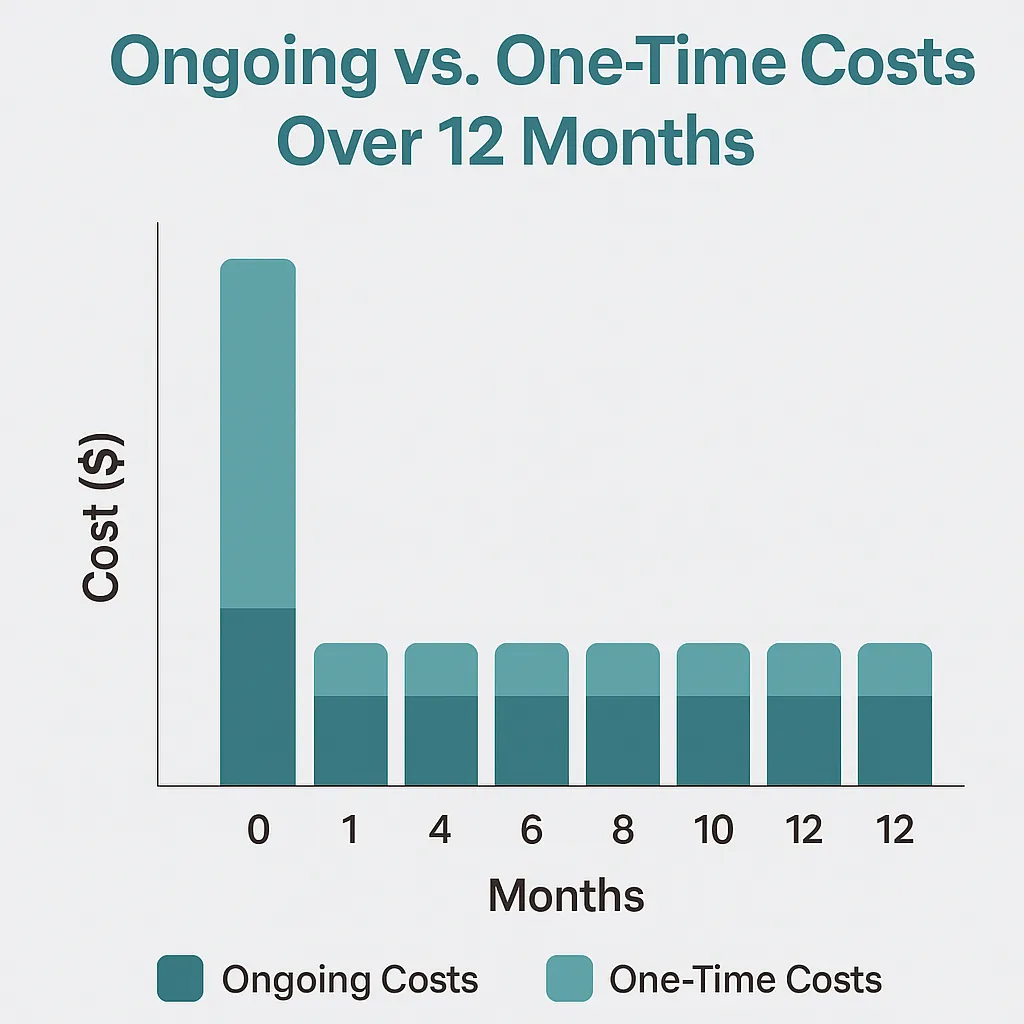
2. Ongoing Maintenance & Updates
Think bug fixes, feature rollouts, and OS compatibility. Budget at least 15-20% of your initial development cost annually for this.
3. Customer Support Infrastructure
Live chat, IVR systems, email support—your users will expect quick help, and setting up the backend costs money.
4. Marketing Burn
Initial traction can be a money pit. Paid ads, influencer partnerships, SEO optimization (wink!), and content marketing all add up.
Is It Worth It? (Spoiler: Yes, If You Play It Smart)
Let’s not sugarcoat it: building an e-pharmacy app isn’t cheap. But consider this—a solid app with the right features and smart marketing has the potential for recurring revenue, brand equity, and even acquisition by giants like Amazon or Tata 1mg. That’s the long game.
Miracuves helps startups like yours build e-pharmacy platforms that don’t just work but win. Whether you’re eyeing a niche market (like pet meds) or going full-scale, we bring the tech expertise and clone app agility you need to launch fast and scale smart.
Explore how a custom-built platform can streamline doorstep medicine delivery—check out our pharmacy delivery app solution
Related reading: healthcare app security guide.
Conclusion
So, how much does it cost to build an e-pharmacy platform? It depends—on features, compliance, team expertise, and how smartly you manage your budget. But one thing’s clear: the potential is worth the price.
If you’re serious about tapping into the booming e-pharmacy space, now’s the time to act. Don’t wait until the market’s saturated. At Miracuves, we help innovators launch high-performance app clones that are fast, scalable, and monetization-ready. Ready to turn your idea into reality? Let’s build together.
FAQs
Q:1 How long does it take to develop an e-pharmacy app?
Timelines vary based on customization and functionality. Using clone or pre-built solutions helps accelerate development and allows quicker deployment.
Q:2 Do I need special licenses to operate an e-pharmacy?
Yes! You’ll need a drug license, a business license, and compliance certifications based on your country’s regulations.
Q:3 Can I start small and scale later?
Absolutely! Many successful e-pharmacy apps begin with a core feature set and add advanced functionality as they grow.
Q:4 What are the must-have features for an e-pharmacy platform?
Prescription uploads, secure payments, inventory management, and compliance tools are non-negotiables.
Q:5 How much should I budget for marketing?
Plan for at least 20% of your total development cost for marketing and user acquisition in the first year.
Q:6 Why choose a clone development approach?
Clone development saves time and money by leveraging proven frameworks—without reinventing the wheel. That’s where Miracuves shines.
Related Articles:
Miracuves is an independent software development company. We are not affiliated with, connected to, sponsored by, or endorsed by any company or product named in this article.
Terms such as “X Clone” are used descriptively. It is how the software industry refers to building a platform with functionality comparable to a known service, and how clients search for it.
The entire design and codebase of our products is built by our own team. Our products contain no code, design, graphics, or content originating from any third-party website or applications.
All third-party names and marks referenced in this article are the property of their respective owners, referenced solely to identify the services discussed.