



Remember when getting into Clubhouse felt like scoring a VIP backstage pass? That golden audio-only app exploded onto the scene during lockdown life—when folks craved connection minus the camera pressure. Suddenly, everyone from Silicon Valley investors to stand-up comics was talking, literally, in virtual rooms.
But here’s the thing: According to Statista, Clubhouse wasn’t just another tech novelty—it rewrote the social script. It ditched the “look at me” aesthetic for “listen to me” intimacy. And it did it with style, scarcity, and serious buzz. Startups and creators sat up and took notes—because this was a masterclass in community-led virality.
If you’re dreaming of building your own Clubhouse-style app, or just hungry to crack the audio engagement code, keep reading. We’ll dissect the genius behind Clubhouse’s marketing strategy—and how you can replicate it. And hey, if you’re ready to build something similar, that’s where Miracuves steps in to make it real.
What Made Clubhouse So Viral in the First Place?
The Invite-Only Gold Rush
Scarcity sells. Clubhouse’s early invite-only model wasn’t an accident—it was the engine. Limited access turned early users into evangelists. Celebrities, techies, and creators wanted in, and so did their fans. It was FOMO marketing at its finest.
iOS-First = Prestige Play
Clubhouse launched exclusively on iPhones, tapping into the Apple halo. The message? “This isn’t just for anyone—it’s for you.” Android users had to wait, building even more anticipation.
Celebrity Fuel
From Elon Musk to Oprah, Clubhouse nailed influencer alignment. But it wasn’t just celebrity vanity—these were raw, unscripted convos, creating watercooler buzz on Twitter, Reddit, and YouTube.
Learn More: What Is Clubhouse App? How It Works & Why It’s Still Relevant
Clubhouse’s Core Marketing Strategy: Audio is Intimacy
1. Community-Led Growth > Paid Ads
Clubhouse didn’t pour money into billboards or PPC. It banked on community—and the gamble paid off. Rooms became self-sustaining ecosystems. Moderators were stars. Listeners became hosts. Word-of-mouth became wildfire.
2. Exclusivity + Urgency = Virality
Users had limited invites to share. This wasn’t just growth—it was gamified evangelism. Your access became a social flex.
3. Twitter as an Amplifier
Clubhouse piggybacked on Twitter’s audience. Live room recaps, trending quotes, and viral screenshots exploded across timelines—without Clubhouse lifting a finger.
How Clubhouse Nurtures User Engagement
Creator-first Features
- Hosts can moderate rooms
- Tools for scheduled events & notifications
- Replays, pinned links, and tipping options
Each tool doubled as both retention and promotion. The more you hosted, the more your voice became a brand.
Gamified Participation
Rising follower counts, real-time interactions, and quick mentions in the speaker panel made listeners feel seen. That’s dopamine on demand.
Learn More: Best Clubhouse Clone Scripts in 2025 | Audio-Based Social Network
Lessons Startups Can Steal from Clubhouse
1. Build Exclusivity, Not Just Access
Instead of a generic launch, try:
- Beta signups with waitlists
- Limited daily invites per user
- VIP early access for influencers or micro-communities
2. Let the Product Market Itself
Your best marketers are your users. Bake in:
- Shareable moments (recorded snippets or pull quotes)
- Built-in referral rewards
- Customizable room titles for SEO
3. Niche > Mass Appeal
Clubhouse didn’t try to be everything to everyone. It let niches thrive—tech bros, book clubs, language learners. Your app should too.
Example niches:
- Spirituality talks
- Language exchange rooms
- Startup AMA series
Monetization Strategies That Don’t Kill the Vibe
Tipping & Subscriptions
Let hosts earn. Clubhouse added tipping features and allowed creators to charge for private rooms or series. It kept things creator-centric while skimming a small commission.
Sponsorships Without Disruption
Brands started hosting their own rooms—content as engagement, not interruption. Think: “Nike x Mindfulness Mondays” rather than banner ads.
How to Market a Clubhouse-Style App Today
A. Use Hype + Purpose in Launch
Start with an invite-only model targeting a passionate niche (e.g., fintech pros or indie musicians). Layer on a cause or identity-driven mission.
B. Get Founders in the Rooms
Let your team host daily convos. Show your face (or voice) and build authenticity. People join products with people behind them.
C. Partner with Micro-Influencers
Don’t chase celebrities. Focus on engaged hosts who can fill a room and create buzz.
D. Content > Ads
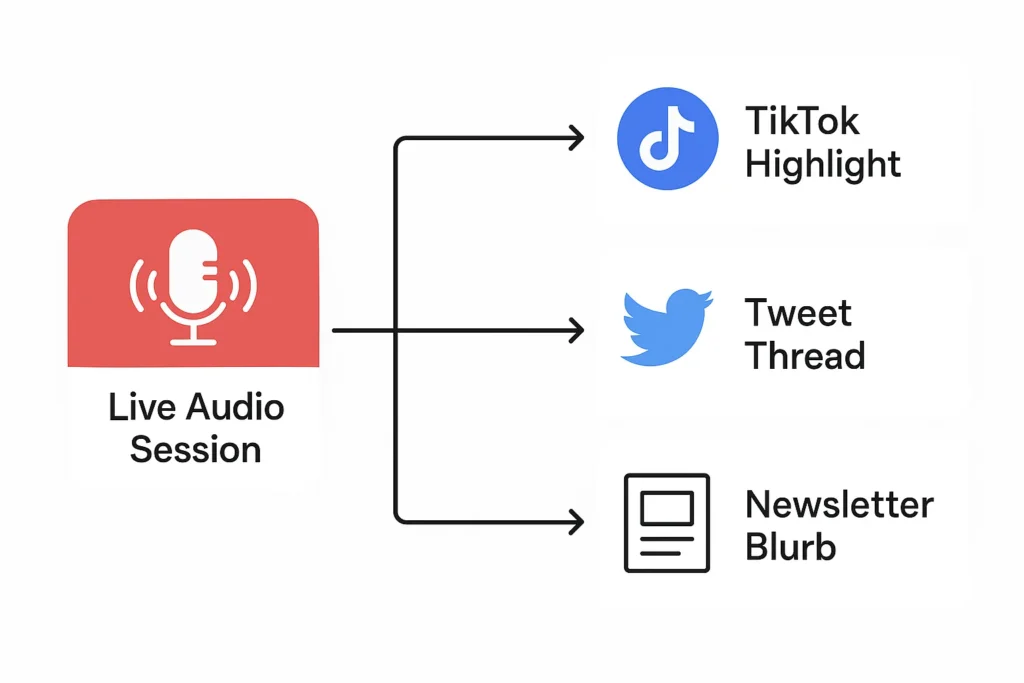
Turn live moments into content for YouTube, TikTok, and Twitter. One viral soundbite can drive 10k new users.
Why Clubhouse Lost Momentum—and What You Can Learn
Even legends slip. Clubhouse hit saturation fast—and didn’t adapt to the Android demand quickly enough. Twitter Spaces and Spotify Greenroom swooped in.
The Lesson?
Stay agile. Keep releasing features. Don’t rely on exclusivity forever—evolve into utility.
At Miracuves, we help you plan for launch and longevity with scalable app clones that support rapid upgrades and real-time performance.
Conclusion
Clubhouse cracked open the door for voice-first interaction—and while the hype cooled, the format stuck. From learning communities to networking hubs, audio is still a powerful, intimate, low-barrier channel for engagement.
At Miracuves, we help innovators launch high-performance app clones that are fast, scalable, and monetization-ready. Ready to turn your idea into reality? Let’s build together.
FAQs
What can startups learn from IsMyGirl’s early success—and where did it stumble during scaling?
Yes—but it’s no longer the only player. Startups can learn from its early wins and avoid its scaling mistakes.
Can I build a Clubhouse clone for a specific niche?
Absolutely. Niche social audio apps tend to have higher retention and community depth. Think fitness, music, or startup pitching.
What’s the best way to attract creators early on?
Offer them co-hosting opportunities, growth tools, and visibility. Turn them into the face of your brand.
Should I launch with Android and iOS together?
Yes, unless your strategy hinges on exclusivity. Delaying one platform can slow momentum.
What metrics matter most in audio platforms?
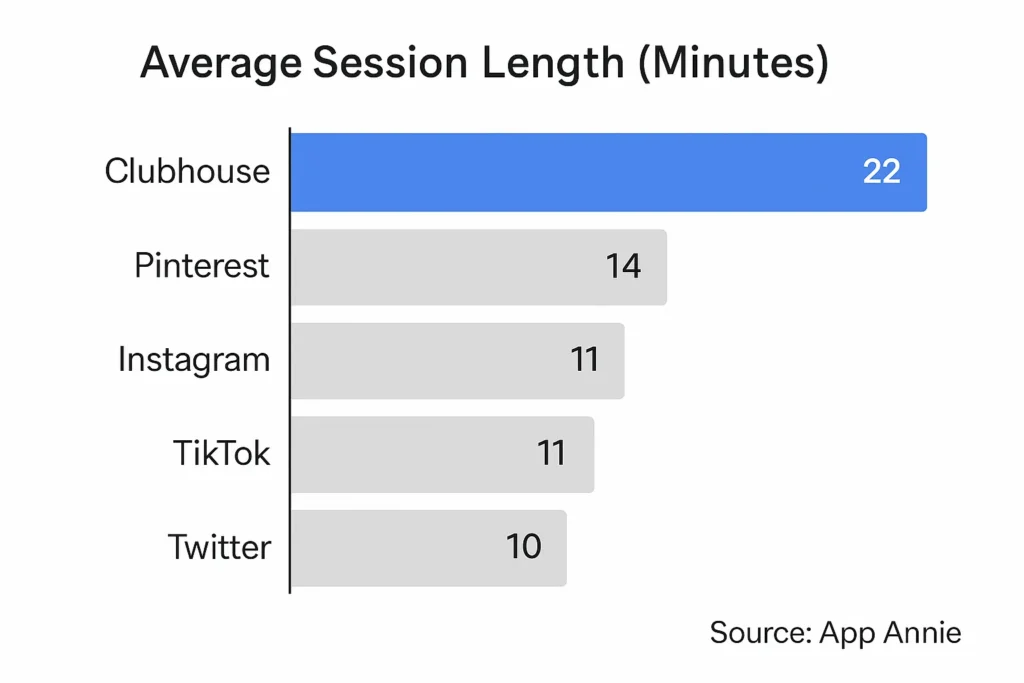
Session length, room creation rate, speaker-to-listener ratio, and retention are key indicators.
How can Miracuves help me launch?
We provide fully customizable Clubhouse-style app clones with features like audio rooms, tipping, scheduling, and scalable backend—all ready to launch.
Related Articles:
Miracuves is an independent software development company. We are not affiliated with, connected to, sponsored by, or endorsed by any company or product named in this article.
Terms such as “X Clone” are used descriptively. It is how the software industry refers to building a platform with functionality comparable to a known service, and how clients search for it.
The entire design and codebase of our products is built by our own team. Our products contain no code, design, graphics, or content originating from any third-party website or applications.
All third-party names and marks referenced in this article are the property of their respective owners, referenced solely to identify the services discussed.