

You’ve launched your e-commerce platform. The checkout works. The design’s slick. Your product listings are live. But traffic’s low, sales are sluggish, and those “cha-ching” notifications? Nowhere in sight.
Building the store is one thing. Turning it into a revenue-generating machine? That takes a whole different kind of hustle.
Whether you’ve launched a Flipkart clone, a hyperlocal marketplace, or a niche fashion e-store, the post-launch marketing landscape is make-or-break. In a world where users have Amazon in their pocket and Instagram pushing impulse buys every few swipes, your platform needs more than just products—it needs persuasion, personality, and a plan.
At Miracuves, we help entrepreneurs and digital businesses build high-performance shopping app clones and back them up with marketing strategies that actually move products—not just pixels.
Nail Down a Clear Value Proposition
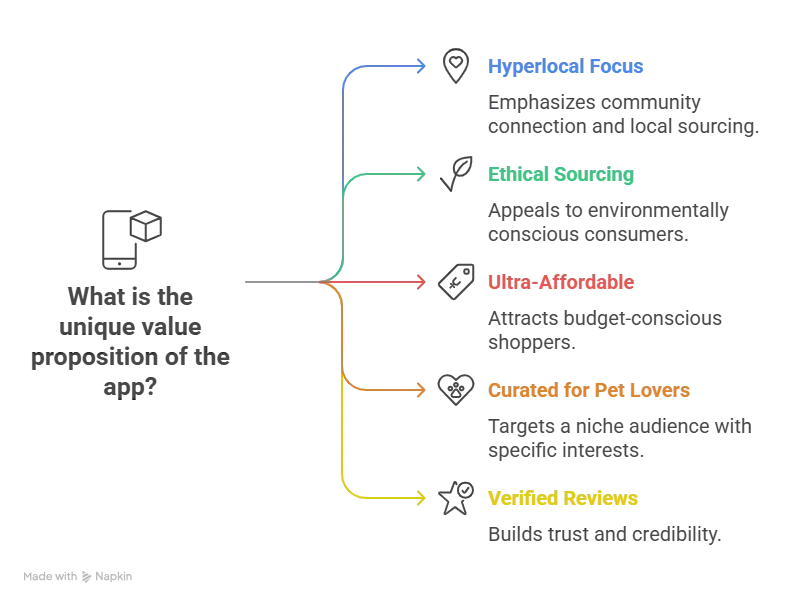
Why should someone buy from your app instead of Amazon, Flipkart, or their favorite Instagram boutique?
That’s your first big marketing challenge—and if you can’t answer it in one sentence, your users won’t either.
Are you hyperlocal? Ethically sourced? Ultra-affordable? Curated for pet lovers? Backed by verified reviews? Focus your messaging on what makes your store uniquely valuable. “Better than Flipkart” isn’t a hook. “Affordable indie crafts under ₹500 with next-day delivery” is.
Once your value prop is locked, thread it through your website copy, social media bios, email headers, and ad campaigns. Consistency converts.
Read More : Building an Ecommerce App: A Comparative Guide for Startups and Enterprises
Build Hype Before the Product Drops
Just because your app is live doesn’t mean it’s too late to create launch buzz. In fact, for e-commerce, hype sells better than announcements.
Use social media teasers like “coming soon” posts, behind-the-scenes shots, unboxing reels, or countdown stories. Build FOMO with phrases like “First 100 users get free shipping for life” or “Limited drops every Thursday.”
Consider launching with a small, high-quality product line that reflects your brand. Let users experience excellence from day one. It’s easier to market 10 great products than 100 average ones.
Leverage UGC and Influencer Content Early
User-generated content (UGC) is your secret weapon—and not just for social proof. It’s real, relatable, and converts better than polished ads.
Encourage early users to share unboxings, selfies, reviews, or tutorials using your products. Feature them on your site and socials. Build a brand that feels community-powered, not top-down.
Can’t afford big influencers? No problem. Nano- and micro-influencers often outperform their celebrity counterparts in engagement and trust. Partner with local bloggers, lifestyle creators, or even enthusiastic customers who genuinely love your products.
Master the E-commerce Funnel: Awareness to Advocacy
Marketing doesn’t end with an install. It doesn’t even end with a sale. You need to build a full funnel—from discovery to loyalty.
- Awareness: Instagram reels, influencer collabs, Google Shopping Ads
- Consideration: Product comparison blogs, email sequences, user reviews
- Purchase: Flash sales, first-time buyer discounts, retargeting
- Retention: Loyalty programs, birthday offers, reorder reminders
- Advocacy: Referral programs, affiliate links, social shoutouts
Each step needs tailored messaging. A cold Instagram user doesn’t want your cart reminder—yet. Map your comms accordingly.
Read More : The Metaverse Revolution: How It’s Shaping the Future of eCommerce
Don’t Sleep on Email Marketing
It’s not sexy, but email converts. Period.
Capture emails as soon as possible—with exit-intent popups, discount offers, or gated guides. Then build flows:
- Welcome series
- Abandoned cart recovery
- Order confirmations with upsells
- Win-back campaigns for inactive users
Personalize subject lines. Segment your list. Don’t just shout “SALE” every week—deliver value. Think style guides, how-tos, buyer testimonials, and restock alerts.
Tools like Klaviyo or Mailchimp can help you automate and A/B test effortlessly.
Optimize for Mobile Experience (and Speed)
Your app might be beautiful on desktop. But if it loads slowly on mobile or the buttons don’t fit fingers, say goodbye to conversions.
Most e-commerce users browse on their smartphones. Test your UX ruthlessly: Are buttons easy to tap? Is checkout smooth? Are product images crisp? Is the load time under 3 seconds?
Add features like one-tap checkout, mobile wallets (Google Pay, PhonePe), and progress indicators during the buying process. Every second saved is a sale earned.
Retarget Like a Pro
People rarely buy on first exposure. Retargeting bridges the gap between interest and action.
Use Facebook Pixel, Google Ads, or in-app notifications to retarget:
- Visitors who viewed a product but didn’t buy
- Users who added to cart but abandoned
- Past buyers with related items
Create urgency with limited-time offers: “Still thinking about that dress? Only 2 left in stock!” or “Complete your set—your mug’s looking lonely without the coaster.”
Just don’t overdo it. Three reminders over a week = helpful. Ten in one day = spam.
Read More : Most Profitable E-commerce Apps to Launch in 2025
Offer a Frictionless Return Policy
Here’s the truth: people don’t trust new shopping platforms easily.
One of the fastest ways to build trust? Hassle-free returns. Make it visible. Mention it in your product pages. Repeat it in your checkout. Reinforce it post-purchase.
Returns are not losses—they’re customer acquisition costs. A generous return policy often turns fence-sitters into first-time buyers.
Bonus: use returns as a feedback loop. Why did they return? Fit? Quality? Use this data to improve listings and reduce future churn.
Push Reviews and Social Proof at Checkout

People trust people. Especially when money’s on the line.
Use pop-ups like “1,000+ customers loved this product” or “9 people bought this in the last hour.” Display ratings prominently. Show verified user photos under each item.
And don’t wait until post-delivery. Ask for reviews immediately after a successful order experience or during unboxing. Timing is everything.
Read More : Revenue Model for E-commerce, Online Shopping Platform
Final Thoughts
Marketing an e-commerce platform after launch isn’t about shouting the loudest. It’s about creating desire, trust, and delight across every step of the buying journey.
Focus on your niche. Empower your early fans. Make every click count.
At Miracuves, we help innovators launch high-performance app clones that are fast, scalable, and monetization-ready. Ready to turn your idea into reality? Let’s build together.
FAQ
Still have questions about marketing a shopping app? Let’s clear them up.
What’s the best channel to market an e-commerce app post-launch?
Instagram and Google Shopping work great for most consumer categories. But niche products may thrive on Pinterest, YouTube, or Reddit—test and see.
How soon can I run paid ads?
You can start small post-launch if you’ve got product-market fit and some social proof. Begin with retargeting, then scale.
Should I launch on web first or app?
Both matter, but start where your target users shop most. For mobile-first markets like India, a shopping app has a strong edge.
How do I avoid high cart abandonment?
Simplify your checkout, offer guest login, show shipping costs upfront, and send timely reminders with a small discount.
What if I have no budget for influencers?
Use your own customers. Feature their content, offer rewards for shoutouts, and create a brand people want to rep.
Does Miracuves build custom shopping platforms too?
Yes, we specialize in Flipkart clone app development and tailor each build for performance, growth, and monetization.
Related Articles
Miracuves is an independent software development company. We are not affiliated with, connected to, sponsored by, or endorsed by any company or product named in this article.
Terms such as “X Clone” are used descriptively. It is how the software industry refers to building a platform with functionality comparable to a known service, and how clients search for it.
The entire design and codebase of our products is built by our own team. Our products contain no code, design, graphics, or content originating from any third-party website or applications.
All third-party names and marks referenced in this article are the property of their respective owners, referenced solely to identify the services discussed.