
If you’ve ever scrambled to find a pharmacy open at 11 PM, you already understand the appeal of online healthcare. Now imagine being the one behind that life-saving app — delivering medicine, advice, and even video consultations right to people’s screens. Sounds powerful? That’s because it is. And it’s not just a good deed — it’s a great business.
Startups and creators are tapping into the digital healthcare wave, not just to “Uber-ize” medicine delivery but to build sticky ecosystems that do way more: recurring prescriptions, real-time diagnostics, wellness products, telehealth — all wrapped in a few clicks. And in a post-pandemic world where convenience is king, pharmacy apps have gone from “nice to have” to “how did I live without this?”
If you’re eyeing this booming space, you’re not too late. With the right model and execution, there’s massive room for disruption. At Miracuves, we help forward-thinkers build online pharmacy & healthcare platforms that are fast, secure, and cash-flow positive from the get-go.
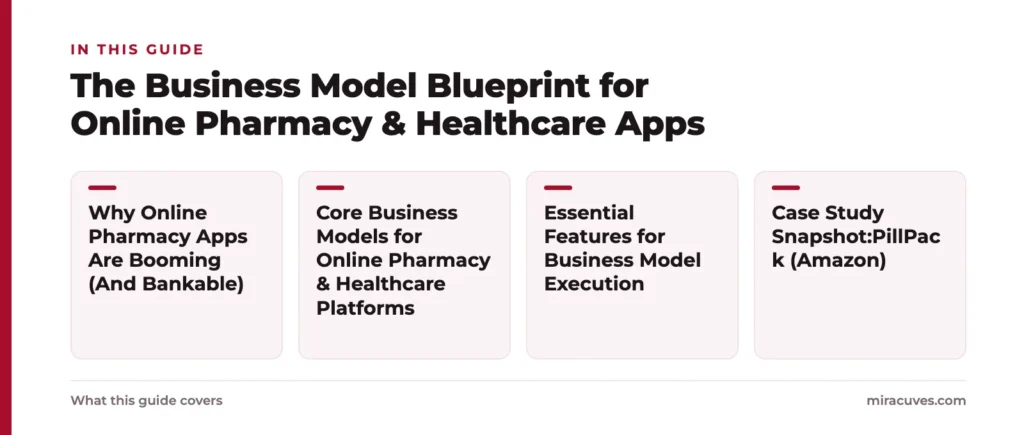
Why Online Pharmacy Apps Are Booming (And Bankable)
Gone are the days of plastic pillboxes and paper prescriptions. The global online pharmacy market is racing toward $177 billion by 2026, according to Statista. That’s not hype — that’s demand backed by demographics, chronic illnesses, and smartphone addiction.
From Tier-2 towns in India using apps like 1mg or NetMeds, to U.S. seniors relying on PillPack (Amazon-owned), healthcare has moved into handheld territory. Users love the transparency, price comparisons, auto-refills, and — let’s be honest — not having to put on pants to get medicine.
Also Read :-How to Start an Online Pharmacy & Medicine Delivery Platform Business
Core Business Models for Online Pharmacy & Healthcare Platforms
Let’s break down the key monetization strategies and business setups that actually work.
1. E-commerce for Medicines & Wellness Products
Think Amazon, but for Aspirin. You list inventory — either your own or via dropshipping — and let users browse, add to cart, and check out. Revenue comes from:
- Product markups
- Delivery fees
- Subscription refills (hello, predictable revenue!)
Real-world inspiration: PharmEasy, NetMeds
2. Prescription Management & Auto Refill Subscriptions
This is where things get sticky (in a good way). Users upload their prescriptions, get them validated via integrated doctors or AI OCR, and opt-in for monthly deliveries. You can charge:
- A recurring subscription
- Priority delivery fees
- Discounted bundle packs
Fun fact: Chronic care management = highest LTV users
3. Telemedicine Integration
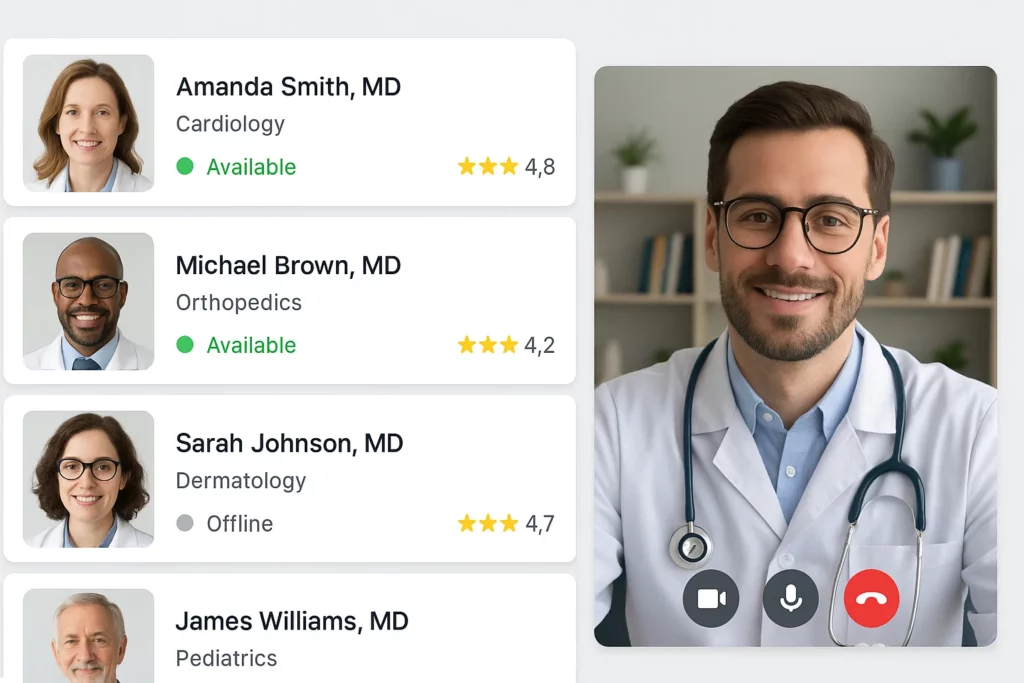
Now we’re cooking with code. Add a teleconsultation module (video/audio/text chat) and you instantly multiply your value.
Monetization includes:
- Pay-per-consultation fees
- Monthly/annual doctor access subscriptions
- Marketplace commission cuts from specialists
Examples: Practo, Teladoc, Zocdoc
4. Diagnostics & Lab Test Bookings
Users book at-home tests or lab appointments through your app. Your platform earns via:
- Commission per booking (flat or %)
- Featured placement for labs
- Add-on upsells (vitamin panels, faster reports)
Offer curated health packages like “Full Body Checkup” or “Diabetes Monitor Kit”
Learn More :-How Much Does It Cost to Build an Online Pharmacy App from Scratch?
5. B2B Sales to Clinics, Hospitals & Pharmacies
Who says you have to go D2C? Hospitals, nursing homes, and clinics often need bulk medicines or white-label versions of your tech stack.
Revenue streams:
- Bulk B2B orders
- SaaS model for pharmacy inventory software
- White-label app licensing
6. Affiliate Partnerships & Sponsored Listings
Once you hit scale, brands will want to be listed on your platform.
Revenue flows in through:
- Sponsored products (top of search)
- Affiliate links for fitness gear, supplements, insurance
- Content marketing partnerships with wellness creators
Examples: 1mg wellness blogs, Amazon Associates-style links
7. Freemium Health Tools & Upsells
Free BMI calculators, pill reminders, or menstrual trackers attract users. Then, smart nudges drive them toward:
- Paid diet plans
- Personalized supplements
- Premium AI-based symptom checkers
Essential Features for Business Model Execution
To support these monetization strategies, your platform should include:
- AI-based prescription scanner (OCR)
- Secure chat & video modules (HIPAA/GDPR compliant)
- Role-based dashboards (admin, doctor, pharmacy, user)
- Multi-language & multi-currency support
- In-app wallet or UPI/payment gateway
- Inventory, delivery & CRM integration
Case Study Snapshot:PillPack (Amazon)
PillPack turned the “auto-refill” model into a billion-dollar acquisition. With pre-sorted meds and insurance compatibility, they captured the recurring needs of chronic users. The kicker? They simplified what others overcomplicated — and that’s your startup’s biggest opportunity.
Read More :-How to Market an Online Pharmacy & Healthcare App Successfully After Launch
Conclusion
Online pharmacy and healthcare platforms aren’t just timely — they’re timeless. If you build smart and lean with monetization baked in, you’re not just solving real problems — you’re building a future-proof business.
At Miracuves, we help innovators launch high-performance app clones that are fast, scalable, and monetization-ready. Ready to turn your idea into reality? Let’s build together.
FAQs
Can I launch an online pharmacy app without owning a physical pharmacy?
Yes — you can operate via partner pharmacies or dropshipping models, depending on your country’s regulations.
How do I handle prescriptions and legal compliance?
Use AI-based scanners for upload validation and partner with certified doctors for approval. Always comply with local pharma laws.
What’s the best way to earn recurring revenue?
Auto-refill subscriptions for chronic care meds, plus teleconsultation memberships, are gold mines for LTV
Do I need a full-time medical team?
Not always. Many platforms operate using partner doctors or on-demand consultations from registered networks.
Is the market saturated?
Not at all. There’s room for hyperlocal, niche-specific, or multilingual platforms — especially in emerging regions.
Can Miracuves help me build a full-stack healthcare app?
Absolutely. From e-commerce to telemedicine and lab bookings — we build clone-ready platforms tailored for monetization.
Related Articles :-
Miracuves is an independent software development company. We are not affiliated with, connected to, sponsored by, or endorsed by any company or product named in this article.
Terms such as “X Clone” are used descriptively. It is how the software industry refers to building a platform with functionality comparable to a known service, and how clients search for it.
The entire design and codebase of our products is built by our own team. Our products contain no code, design, graphics, or content originating from any third-party website or applications.
All third-party names and marks referenced in this article are the property of their respective owners, referenced solely to identify the services discussed.