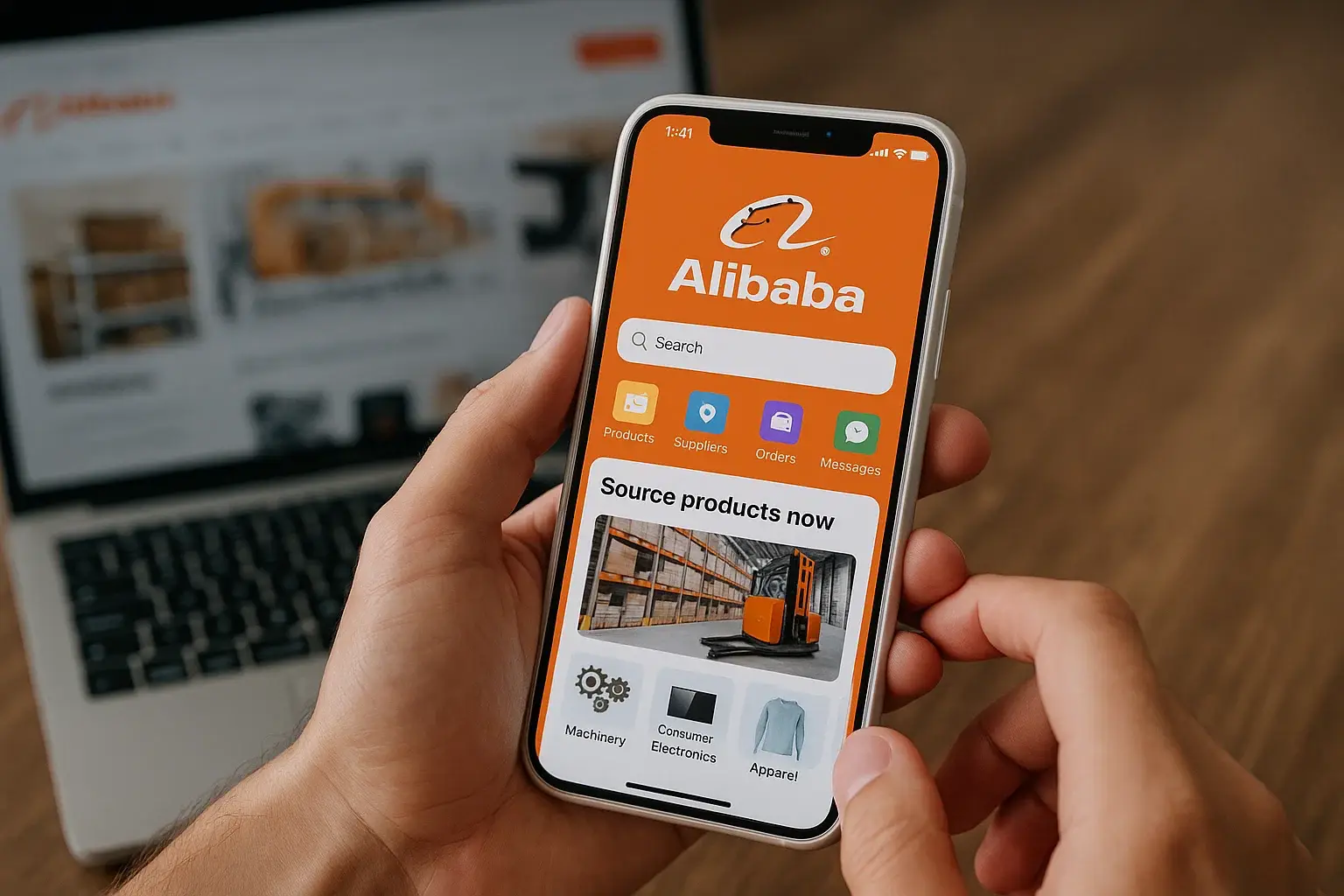
Ever tried finding a unique product idea only to realize someone in Shenzhen already makes it—and 10x cheaper? You’re not alone. In the ever-shrinking digital world, Alibaba has become the starting point for startups, hustlers, and digital dreamers looking to turn ideas into inventory.
I remember chatting with a friend who was knee-deep in launching a bamboo toothbrush brand. Guess what helped her source thousands of eco-friendly units at factory prices? Yup—Alibaba. She didn’t fly to China. She didn’t speak Mandarin. She used the Alibaba app, tapped a few buttons, and boom—global supplier at her fingertips.
Whether you’re an eCommerce explorer, a D2C daredevil, or a curious creator, understanding how the Alibaba app works isn’t just useful—it’s a growth hack. And if you ever dream of building a platform like this, Miracuves has just the cloning blueprint you’d want in your pocket.
What Is the Alibaba App?
Alibaba isn’t just another shopping app—it’s the OG of wholesale eCommerce.
It connects global buyers (from solopreneurs to big businesses) with manufacturers, wholesalers, and exporters primarily from China, India, and Southeast Asia. Unlike Amazon, where you buy one, Alibaba helps you buy 1,000—at factory rates.
Partner with a trusted eCommerce app development company to create scalable, feature-rich online store apps tailored to your business needs.
A Few Core Things to Know:
- B2B Focused: It’s not for personal retail—it’s for bulk purchases.
- Supplier Directory: Think Tinder meets trade fairs. Swipe through vendors, check certifications, and chat directly.
- Manufacturing Customization: Most suppliers allow white labeling, product customization, and even OEM production.
How Does the Alibaba App Work?
1. Seamless Onboarding & Search
Once you install the app, onboarding is clean and intuitive. Users choose if they’re a buyer or a supplier. This distinction shapes the user interface—kind of like how TikTok tailors content for creators vs. consumers.
Key Features:
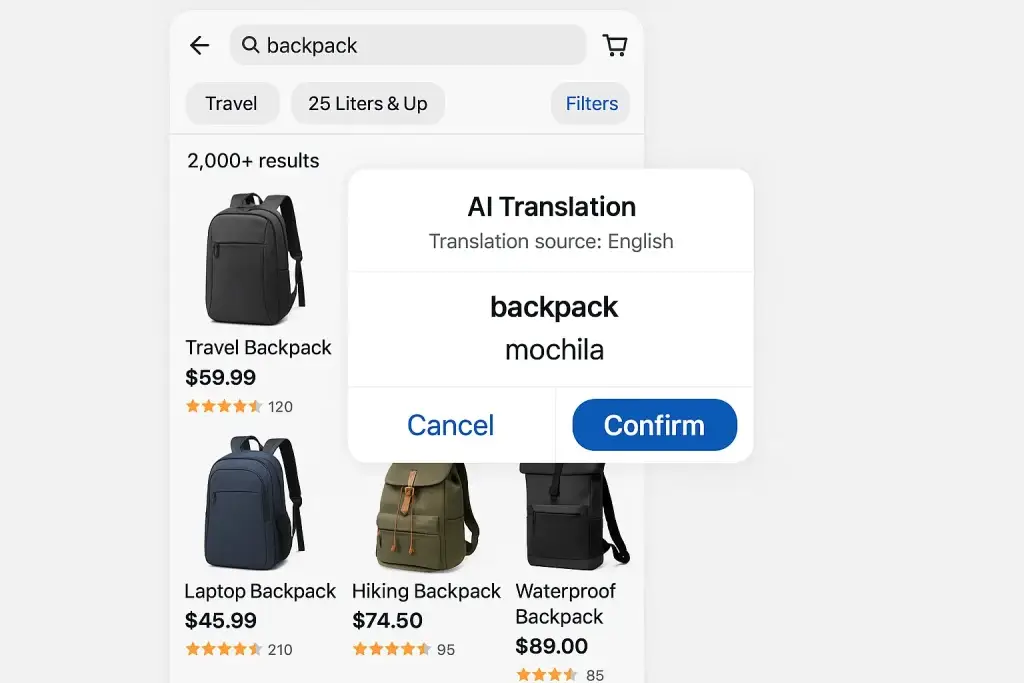
- Smart search bar with filters by MOQ (minimum order quantity), price, supplier country, and certifications
- Auto-language translation (a godsend when chatting with a Guangzhou factory rep at 2 AM)
- “Request for Quotation” (RFQ) tool for buyers in a hurry
2. Buyer–Supplier Interaction (Like Business Matchmaking)
Here’s where Alibaba shines. You can chat in-app, send product requirements, negotiate prices, and even request video factory tours.
In-built Features:
- Trade Assurance: Protects buyers with refund guarantees
- Verified Supplier Badges: Think of them like Twitter blue checks, but for factory reliability
- Live Video Chats: Real-time factory walk-throughs

3. Product Listing & Quote Requests (Supplier Side)
On the flip side, suppliers list products like a mix of Shopify and Excel sheets. They add specs, pricing tiers, available colors, and shipping methods. It’s bulk cataloging at its finest.
4. Secure Payments & Logistics
Alibaba uses Alipay Secure Escrow, meaning your funds stay protected until you confirm delivery. It’s safer than sending bank wires into the void.
Shipping options include:
- Sea Freight
- Air Cargo
- Alibaba’s own logistics arm
Tracking is real-time, and invoices are auto-generated for customs.
5. AI Tools & Personalization
The Alibaba app recently integrated AI sourcing tools that recommend suppliers based on your browsing and RFQ patterns.
Think “You might also like…”—but for aluminum water bottles and neon dog collars.
Plus, chatbots help with timezone gaps and simple queries.
Explore the key features of Alibaba every startup founder must know, and uncover the marketing strategies that helped Alibaba dominate global eCommerce.
Why Is Alibaba So Popular Among Entrepreneurs?
Let’s break it down:
| Feature | Benefit |
|---|---|
| Low MOQs | Launch lean with small batches |
| OEM Services | Build your own brand, not resell someone else’s |
| Global Supplier Pool | Access factories from over 190 countries |
| Mobile Efficiency | Source products while waiting in line for coffee |
Clone It or Compete With It?
Feeling inspired to build your own Alibaba-like app?
Well, don’t reinvent the wheel. At Miracuves, we offer ready-to-launch Alibaba Clone App Development that packs all the core modules—multi-vendor support, real-time chat, secure payment gateways, and even smart logistics.
Want a twist? Let’s niche it down:
- B2B fashion wholesale?
- Eco-friendly product sourcing?
- Local farm-to-restaurant bulk trade?
Our custom solutions are scalable, monetization-ready, and designed for global play.
Cost Factors & Pricing Breakdown
Alibaba–Like Marketplace Development — Market Price
| Development Level | Inclusions | Estimated Market Price (USD) |
|---|---|---|
| 1. Basic B2B Marketplace MVP | Supplier onboarding, product listings, basic search & filters, product detail pages, buyer inquiry/lead form, basic admin panel, basic analytics | $50,000–$100,000 |
| 2. Mid-Level B2B Wholesale Marketplace | RFQ/lead routing, supplier profiles, listing verification workflows, advanced filters, messaging, notifications, saved searches, richer analytics, mobile-responsive experience | $100,000–$180,000 |
| 3. Advanced Alibaba-Style Ecosystem | Multi-region scaling, advanced workflows for trust/verification, enterprise analytics, deeper integrations, cloud-native scalable architecture | $180,000–$500,000+ |
Alibaba-Style B2B Wholesale Platform Development
The prices above reflect the global market cost of developing an Alibaba-like B2B wholesale marketplace—typically ranging from $50,000 to $500,000+, with delivery timelines commonly spanning multiple months for a full, from-scratch build. The final cost is influenced by vendor onboarding & verification, RFQ/lead routing, messaging, admin controls, integrations, security, and scalability.
Miracuves Pricing for an Alibaba–Like Marketplace
Miracuves Price: Starts at $3,099
This is positioned for a ready-to-deploy Alibaba-style B2B wholesale marketplace solution that can include:
- Supplier/vendor onboarding and product listing management
- Marketplace browsing with search, filters, and product detail pages
- Buyer inquiry / lead capture workflows for suppliers
- Admin panel configuration for managing listings, users, and platform settings
- A scalable foundation that can be extended into RFQ modules, verification workflows, messaging, analytics, and integrations as your marketplace grows
This solution is built with robust frameworks — Web using PHP, MySQL & Apps using Flutter, optimized for performance, stability, and easy maintenance.
Note: This includes full non-encrypted source code, complete deployment support, backend setup, admin panel configuration, and publishing on the Google Play Store and Apple App Store—ensuring you receive a fully operational ecosystem ready for launch and future expansion.
Delivery Timeline for an Alibaba–Like Platform with Miracuves
Miracuves development timeline including setup, configuration, admin deployments, API integrations, and platform handover in 6 Days, depending on customization and additional functional layers requested. This ensures a stable, market-ready system with predictable delivery and no hidden engineering delays.
Tech Stack
This solution is built with robust frameworks — Web using PHP, MySQL & Apps using Flutter, optimized for performance, stability, and easy maintenance. Other tech stacks can be discussed upon request — Contact us
Unpack the business model of Alibaba — explore its diverse revenue streams and strategy, understand the cost to build an Alibaba-style marketplace, and compare the best clone scripts in 2025.
Conclusion
The Alibaba app isn’t just a marketplace—it’s a movement. A digital Silk Road for creators, founders, and small businesses to scale without borders.
As supply chains evolve and digital trade heats up, there’s room for more platforms that do what Alibaba does—but faster, smarter, or localized.
At Miracuves, we help innovators launch high-performance app clones that are fast, scalable, and monetization-ready.
Ready to turn your idea into reality? Let’s build together.
FAQs
Is Alibaba only for businesses?
Yes, it’s primarily a B2B platform for bulk purchases. Individuals can browse, but most suppliers have MOQs (minimum order quantities).
Is it safe to buy from Alibaba?
Absolutely—as long as you stick to Verified Suppliers and use Trade Assurance. These offer built-in fraud protection.
Can I create my own branded products through Alibaba?
Yup! Most suppliers offer OEM or private labeling, which means your own logos, packaging, and even custom specs.
What’s the difference between Alibaba and AliExpress?
AliExpress is for retail consumers buying single units. Alibaba is for wholesale buyers purchasing in bulk.
How does Alibaba handle payments?
Alibaba uses secure payment methods including Alipay Escrow, credit cards, bank transfers, and local payment gateways in some countries.
Can I build my own Alibaba-like app?
Yes! With companies like Miracuves, you can launch a powerful B2B trading app tailored to your niche, region, or vertical.
Related Articles:-
Miracuves is an independent software development company. We are not affiliated with, connected to, sponsored by, or endorsed by any company or product named in this article.
Terms such as “X Clone” are used descriptively. It is how the software industry refers to building a platform with functionality comparable to a known service, and how clients search for it.
The entire design and codebase of our products is built by our own team. Our products contain no code, design, graphics, or content originating from any third-party website or applications.
All third-party names and marks referenced in this article are the property of their respective owners, referenced solely to identify the services discussed.