




















Let’s be honest—nobody dreams of being stuck on hold with a travel agent in 2025. Whether you’re a digital nomad booking a last-minute beach getaway or a startup founder hunting for hidden gems to inspire your next offsite, we’ve all come to expect instant, personalized, and hassle-free travel bookings. That’s exactly why online travel marketplaces are booming—because convenience sells, and it sells fast.
Now imagine this: You’re an entrepreneur with a travel startup idea. You’ve spotted a gap—maybe an app that combines Airbnb-like stays with curated local experiences, or a platform that helps solo travelers find same-day trips. You’re excited, fired up, and… a little stuck. You’re wondering, “What’s this going to cost me?” If you’re looking to develop your own OTA business, the investment isn’t just in dev hours—but in dollars, months, decisions, and maybe a few gray hairs.
We get it. Building a robust travel platform is no beach walk. But that’s where we come in. At Miracuves, we’ve helped dozens of founders turn ideas into slick, scalable online travel marketplaces. So, let’s break down the real costs—and hidden traps—you’ll face along the way.
Why Online Travel Marketplaces Are a Hot Ticket
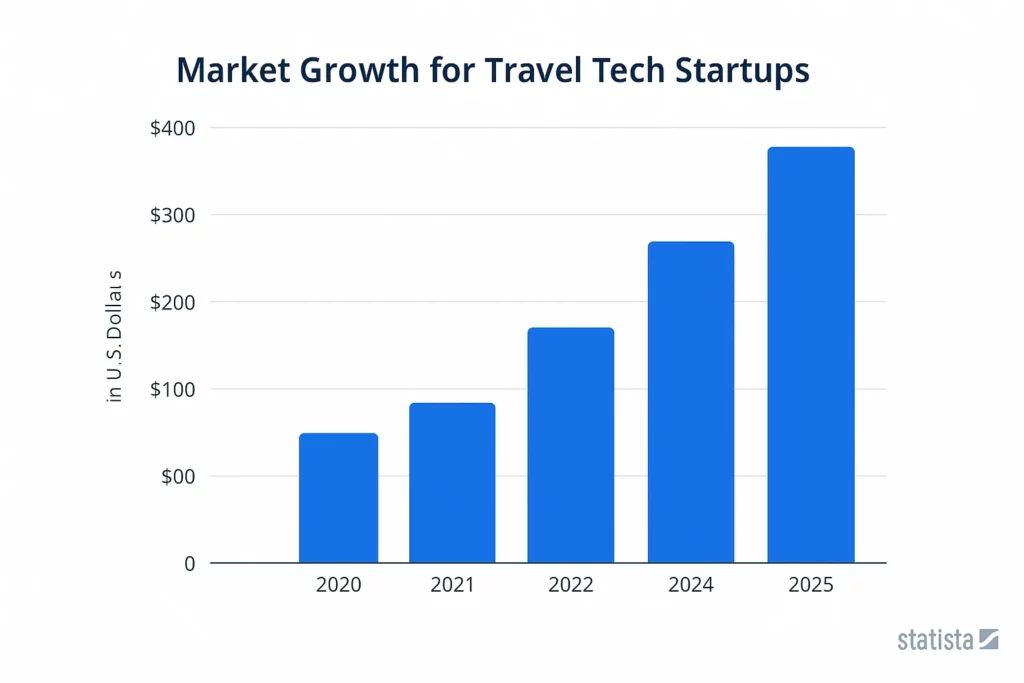
The travel industry has been quietly reinventing itself since the pandemic. According to Statista, the global online travel booking market is projected to hit over $1 trillion by 2030. But it’s not just Expedia and MakeMyTrip riding this wave. Niche players like Culture Trip, Atlas Obscura, and TrovaTrip are proving there’s room for innovation—and big wins.
With Gen Z and millennials prioritizing experiences over possessions, there’s been a huge shift toward apps that offer hyper-personalized itineraries, on-demand bookings, and seamless mobile-first UX. These platforms aren’t just websites—they’re ecosystems, integrating payments, ratings, AI-driven suggestions, and even AR-based travel previews.
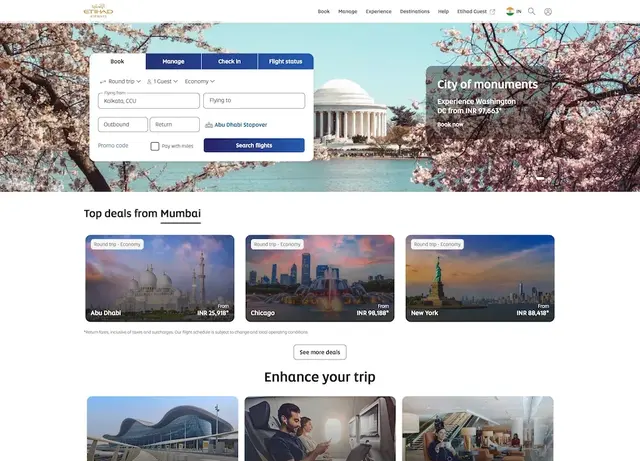
And if you’re thinking of building your own MakeMyTrip clone or a fresh twist on TripAdvisor, understanding the entire cost landscape is your golden compass.
Read more: How to Start an Online Travel Booking and Agency Business
Core Components That Drive Development Cost
Let’s unpack the layers of a typical travel marketplace app so you know where your money’s going.
1. User Panel (Travelers)
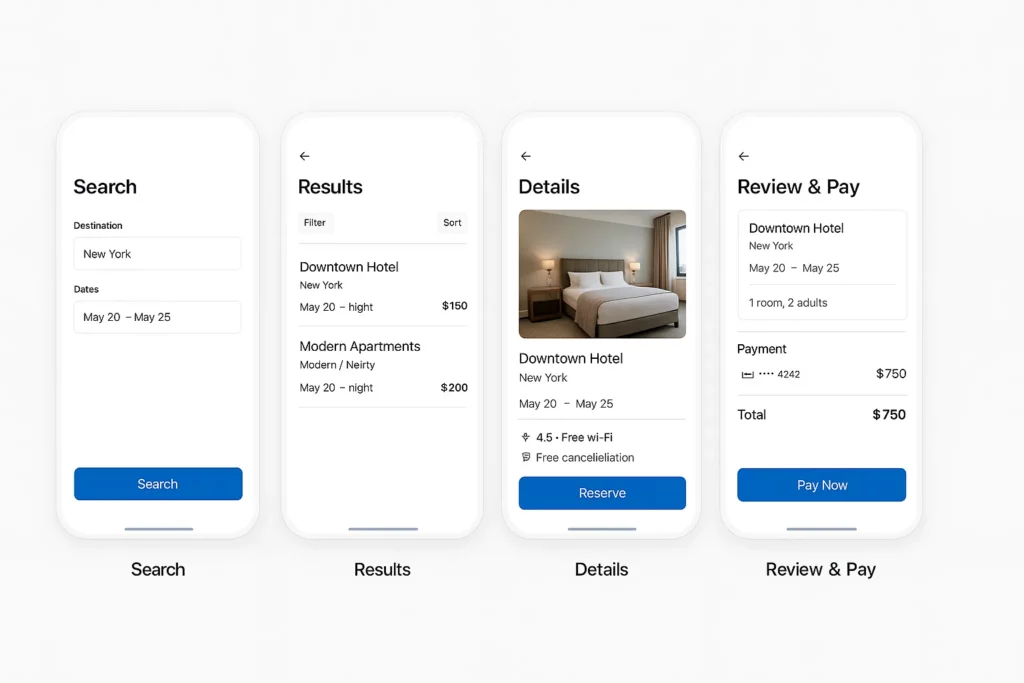
This is where the magic begins—where users explore destinations, search, filter, and book. Must-haves include:
- Account creation (email/social login)
- Real-time search & filters
- Wishlist & booking history
- Maps integration
- Secure payments
Estimated Cost: $8,000 – $20,000
Why the range? Custom filters, language options, and complex geo-search functions hike up the price.
2. Vendor Panel (Hotels, Hosts, Agents)
Your platform’s other half. Hosts or agencies list packages, manage inventory, and receive payments.
Key features:
- Profile & KYC verification
- Listing creation (media uploads, calendars)
- Booking management
- Dashboard analytics
Estimated Cost: $6,000 – $15,000
Pro tip: Don’t skimp on this. A clunky vendor panel = fewer listings = low traction.
3. Admin Dashboard
This is mission control. From here, you manage users, listings, earnings, disputes, and promotions.
Include:
- CMS for static pages
- Fraud detection tools
- Commission settings
- Reports & analytics
Estimated Cost: $10,000 – $18,000
Adding AI/ML-based reporting? Expect a 20–30% bump.
Tech Stack & Architecture Costs
Here’s where decisions get nerdy—and expensive (if done wrong).
- Frontend: React, Flutter, Vue (for PWA or mobile)
- Backend: Node.js, Django, or Laravel
- Database: PostgreSQL, MongoDB
- Hosting: AWS, GCP, or DigitalOcean
Estimated Cost: $5,000 – $10,000
But wait—serverless or microservices? Do you want it monolithic or modular? These choices affect not just cost, but long-term flexibility and scaling potential.
UX/UI Design Costs
Don’t overlook this! Bad UI is the quickest way to lose bookings.
You’ll need:
- Wireframes
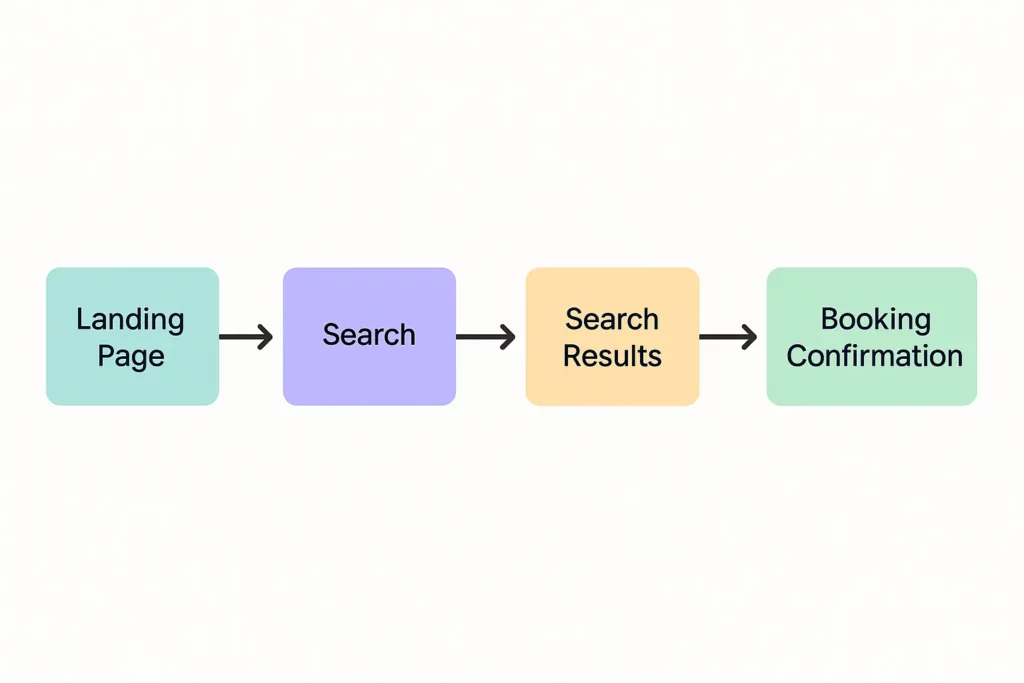
- User flow charts
- Responsive UI designs
- Micro-interactions (swipe, pinch, hold)
Estimated Cost: $4,000 – $8,000
Third-Party API Integrations
Think Google Maps, Stripe, Twilio, Amadeus, or Sabre. These aren’t freebies.
- Maps & Location: $0–$200/mo (volume-based)
- Payment gateways: 2.9% + fixed fee per transaction
- Booking engines: Commission-based or fixed tier
Integration Cost: $3,000 – $6,000+
API errors are budget sinkholes—make sure your dev team has experience here.
Timeframe Breakdown
Let’s get realistic with time. A typical MVP takes 3 to 5 months, while a full-featured launch can stretch to 6–9 months.
| Phase | Timeline |
| Planning & Wireframes | 2–3 weeks |
| Frontend + Backend | 10–14 weeks |
| APIs + QA | 3–5 weeks |
| Beta Launch & Feedback | 2–4 weeks |
Marketing, Maintenance & Hidden Costs
You’re not done after launch. Ongoing costs to plan for:
- App Store Optimization (ASO) & SEO: $500–$2,000/mo
- Bug fixes/feature updates: 15–20% of dev cost annually
- Customer support tools: Intercom/Zendesk: $79+/agent/mo
- Cloud scaling: $300–$2,000/mo based on traffic
Want to go viral like Booking.com? Budget for growth from day one.
Read more: Best MakeMyTrip Clone Scripts in 2025: Features & Pricing Compared
The Final Price Tag: What’s the Total Cost?
So what does it all add up to?
| Type | Estimated Cost |
| MVP (basic version) | $25,000 – $40,000 |
| Full-featured Marketplace | $50,000 – $90,000 |
| Enterprise-grade Ecosystem | $100,000+ |
Explore our MakeMyTrip Clone Development to see a ready-to-launch travel marketplace model.
Conclusion
Online travel marketplaces are a goldmine—if you build them smart. From user experience to tech stack to post-launch upkeep, there’s a lot riding on each decision. But with the right partner, the process doesn’t have to feel like hiking Everest.
And remember, trends like AI travel agents, immersive AR tours, and blockchain-powered bookings are already shifting the game. Future-proofing your platform means building lean but scalable.
At Miracuves, we help innovators launch high-performance app clones that are fast, scalable, and monetization-ready. Ready to turn your idea into reality? Let’s build together.
FAQs
Q:1 What’s the minimum cost to launch an MVP?
You can launch a lean, functional MVP for around $25,000–$35,000 if you limit features and avoid custom design.
Q:2 Do I need a mobile app or just a responsive website?
Mobile apps boost engagement and retention—but if you’re tight on budget, a responsive PWA can get you started.
Q:3 How long does it take to develop a full-featured marketplace?
Expect 6–9 months from planning to full launch, depending on complexity and feature depth.
Q:4 What’s the biggest hidden cost?
Maintenance and scaling costs! Things like server fees, support tools, and third-party integrations can sneak up fast.
Q:5 Can I use prebuilt clone solutions to cut costs?
Absolutely. Clone-based architectures (like Miracuves’ solutions) save time and money without compromising on flexibility.
Q:6 How do I monetize my platform?
Commission fees, featured listings, premium accounts, ad placements—there are many ways to rake in revenue.
Realted Articles:
Miracuves is an independent software development company. We are not affiliated with, connected to, sponsored by, or endorsed by any company or product named in this article.
Terms such as “X Clone” are used descriptively. It is how the software industry refers to building a platform with functionality comparable to a known service, and how clients search for it.
The entire design and codebase of our products is built by our own team. Our products contain no code, design, graphics, or content originating from any third-party website or applications.
All third-party names and marks referenced in this article are the property of their respective owners, referenced solely to identify the services discussed.