v2026 - Shop Pack Included

RedNote Clone App - White-Label Social Commerce Platform

The catalog, the cart and the seller payout arrive with the feed.

A shop and a short-video feed on one Laravel backend: products with stock and approval, cart and coupon checkout, orders, reviews, seller shops, registered businesses, wallets, withdrawals and refunds. The buyer never leaves for a second app, and the source code is yours.

Be live in 6 Days, backed by

  • 60 Days Platform Guidance
  • Complete Source Codes
  • Complete Rebranding
  • Complete Whitelabeling
  • App Publishing Support
  • 6 Months of bug fixes, 12 Months of product updates
MXTok admin · Shop and ordersLive
Shop API endpoints17
Ledger entry types4
Revenue streams documented11

Shop and order activity

  • Order placed, address attachedplaceOrder
  • Product queued for approvalShop admin
  • Coupon applied at checkoutDiscount
  • Cancellation request openedRefund queue
  • Seller marked an order shippedMy sales
  • Product tagged on a reelShop pack
  • Review added after purchaseRatings
  • Business withdrawal requestedBusiness wallet
Shop in the app
Commission on every lineeach order item stores the platform cut and the seller earning

Commerce Build Overview

7
Roles in the build

viewer, creator, seller, business, manager, moderator and admin

12
Buyer shop actions

browse, product page, reviews, cart, coupon, payment, orders, addresses

19
Shop controls in admin

categories, product approval, orders, business requests, withdrawals, refunds

10
Commerce tables

products, orders, order items, cancellations, reviews, business ledger

Security Review and Hardening List

The build ships with a written security and VAPT readiness document, including the hardening items to close before you launch. It is not an audit, and no certification is held for you.

9,000+ Projects Delivered

Serving 6,000+ clients in that time, from 2010 onward

Want the shop sitting beside the video your buyer just watched?Talk to Product Expert

Chosen by 6,000+ companies across the world

MediaCube is the best managed IT service provider in New York City by Expertise.comMiraQs as an official member of Forbes Business Council Miracuves is a verified agency with design rush. MiraQs is ranked as a trustworthy service provider with Trustpilot. Miracuves is one of the top managed service providers, companies by themanifest. Miracuves ranked as a top software development company by Design Rush. Miracuves is recognized as top software developed company by goodfirms. Miracuves Ranked among top 1000 companies globally by ClutchMiracuves is a top-minus service provider in the United States by Clutch

01See it live

Shop It Yourself

Try the RedNote Clone: Shop, Checkout and Admin Queues

Put a product in a cart rather than read about one. Three live demos follow: the buyer app, the admin panel where products and refunds are cleared, and the browser shop. Credentials are printed next to each.

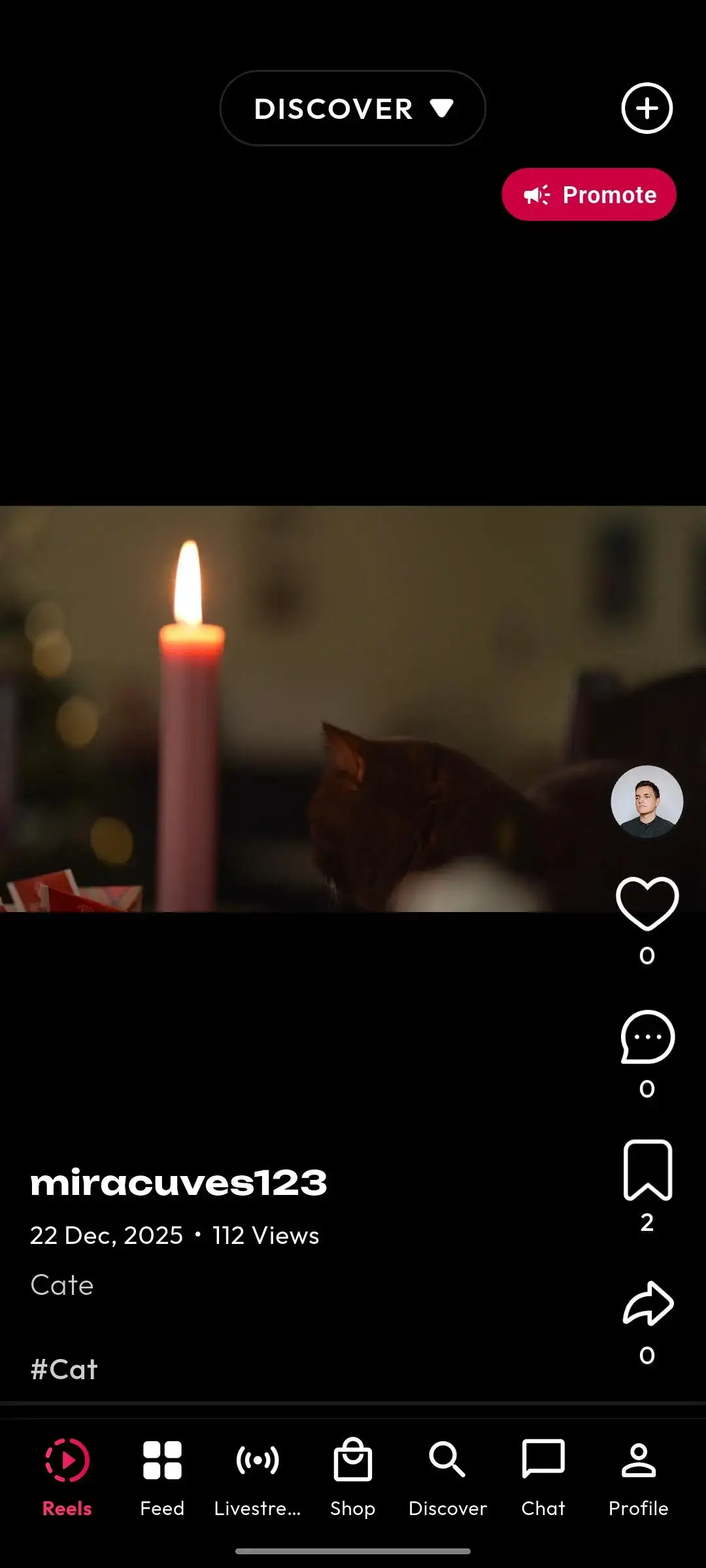
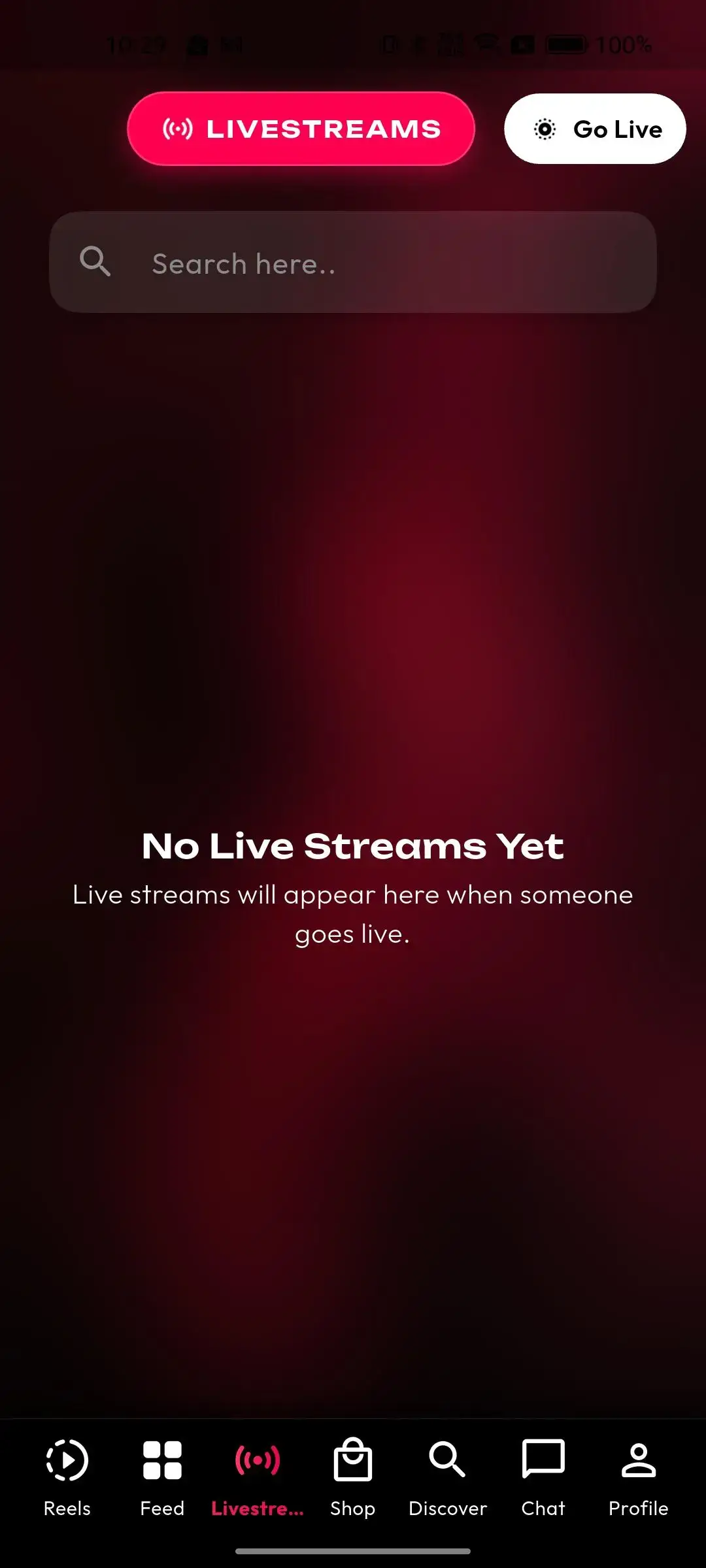
Mobile vertical-video feed with creator details, caption, engagement actions, discovery mode, and content navigationMobile live-video hub with livestream discovery, go-live controls, search, and current broadcast availability
Live demo
Buyer-Facing App

RedNote Clone - Buyer App

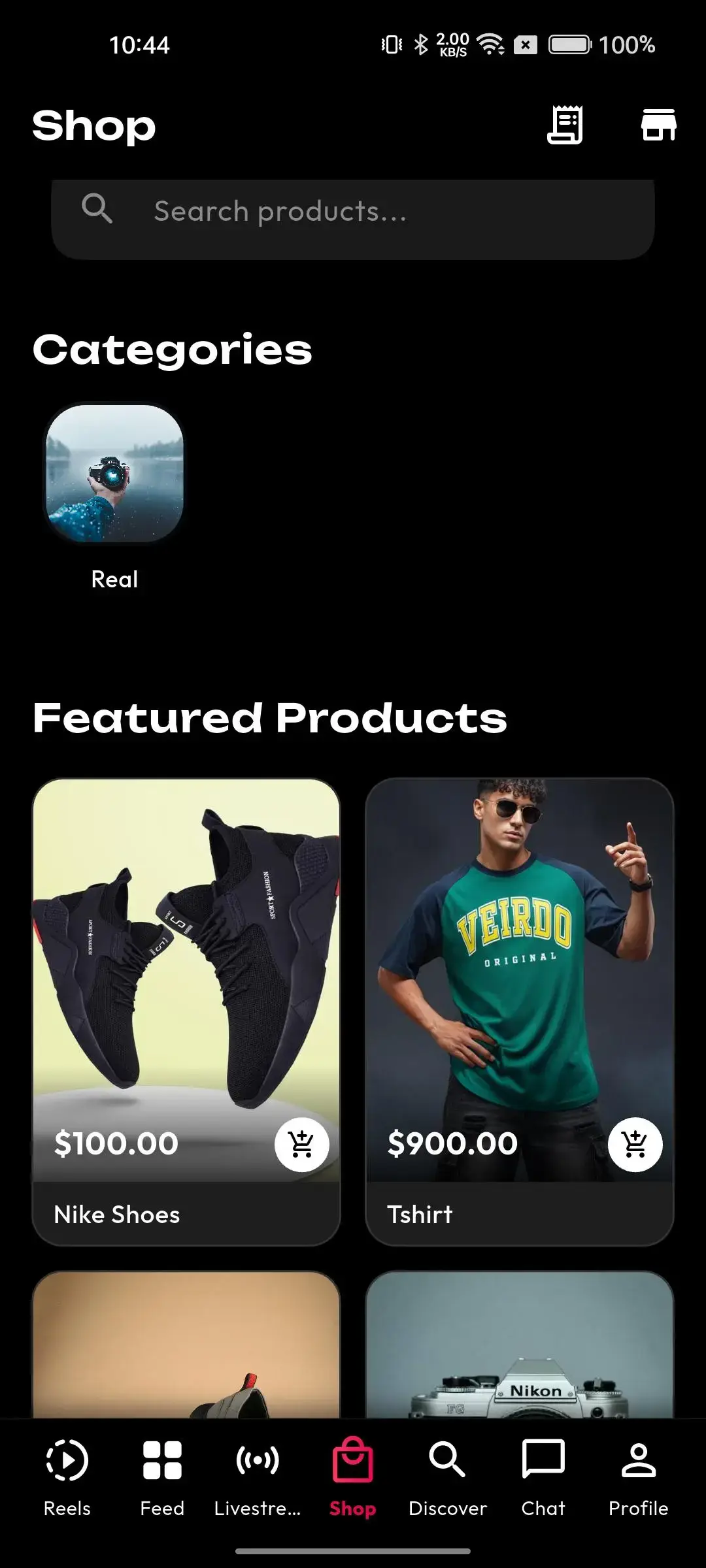
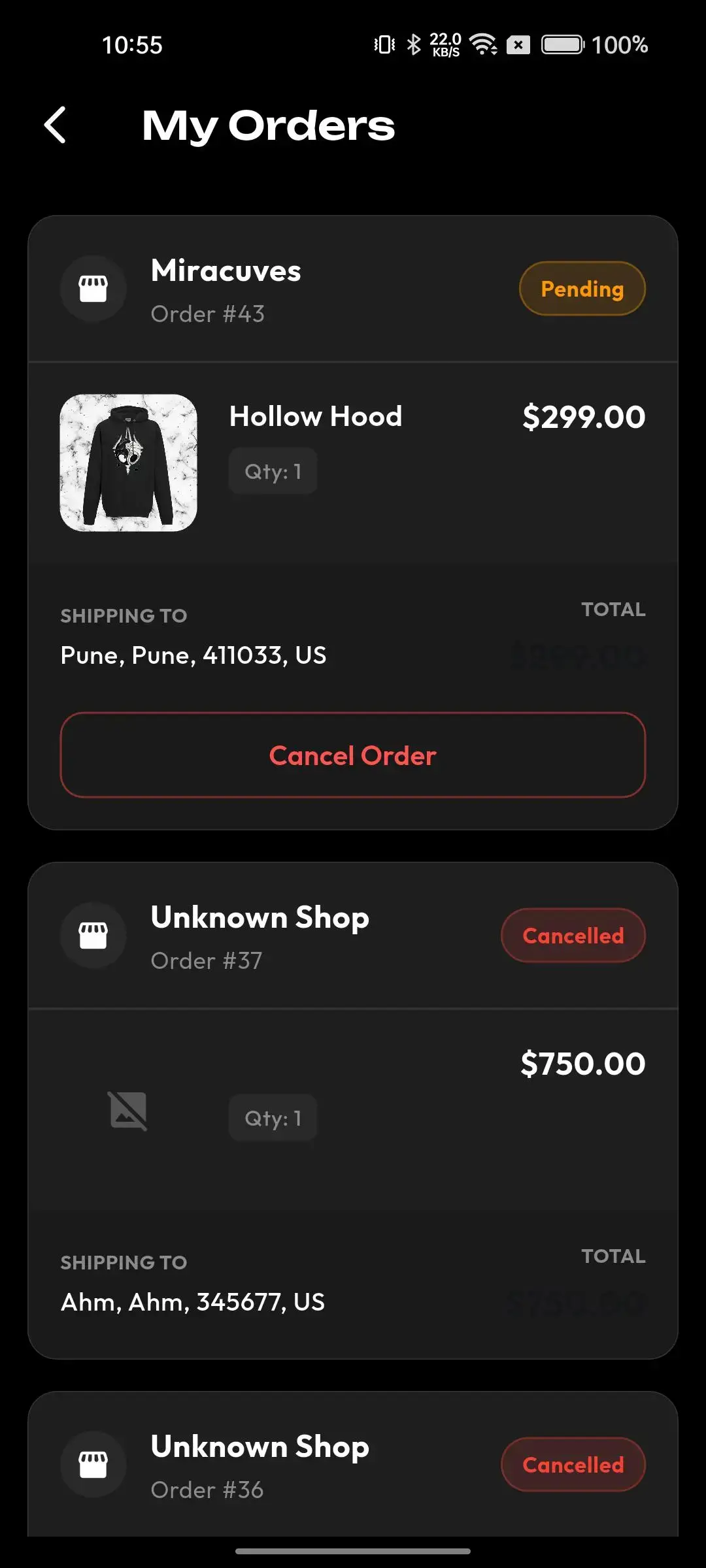
The shop as a buyer meets it: categories and product search, a product page with price, stock and reviews, cart and coupon checkout, saved shipping addresses, and My orders with cancellation.

Try:miracuves@yopmail.com | User_321
  1. 1Get the APK onto your Android device
  2. 2Sign in using the demo credentials listed above
  3. 3Open Shop, a product page, the cart and My orders
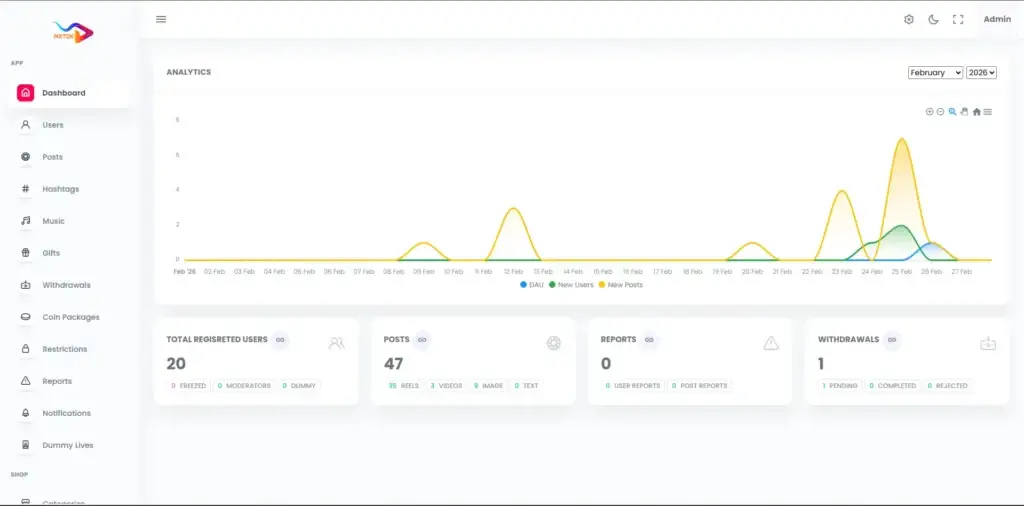
mxtok.mimeld.com/adminAdministrator analytics dashboard with user and post trends, registered-user totals, content totals, reports, withdrawals, and moderation status
Live demo
Shop and Order Back Office

Admin Panel in the Browser

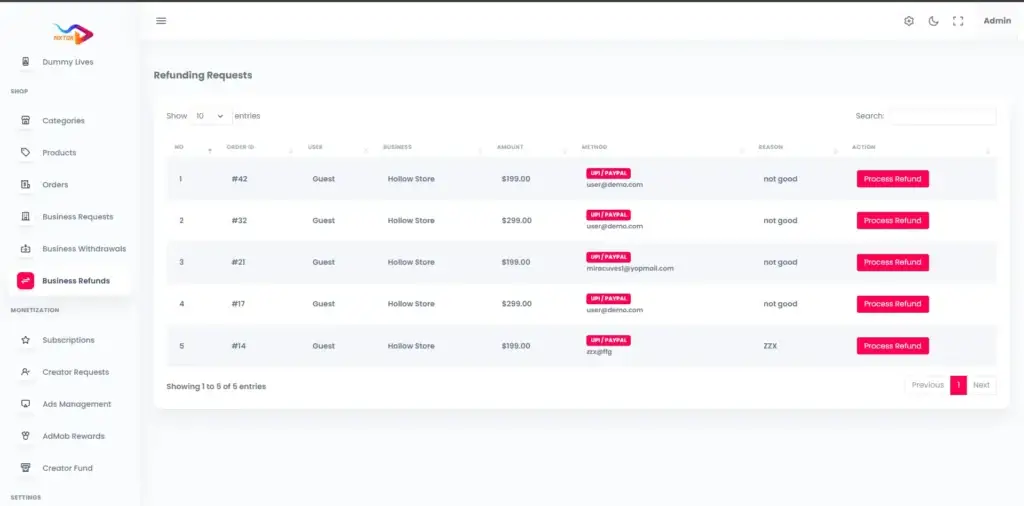
Where the operator works: shop categories, product approval and rejection, the order list, business registration requests, business withdrawals and the refund queue, beside user and content moderation.

Try:admin | Admin_$321
  1. 1Launch the admin panel in a browser
  2. 2Open Products, Orders, Business requests, Refunds
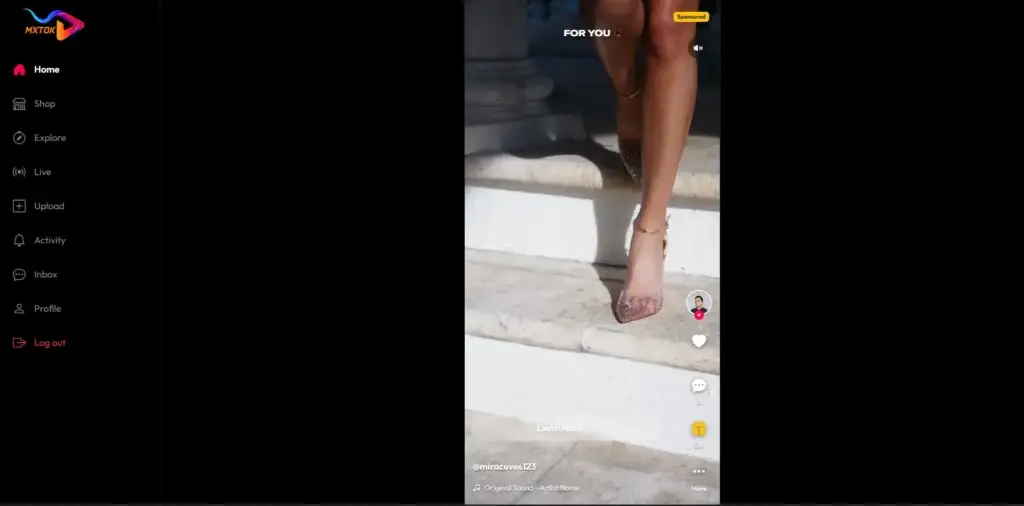
mxtok.mimeld.comDesktop short-video feed with For You content, sponsored labels, engagement controls, and platform navigation
Live demo
Shop on the Web

Web Shop and Feed

The same catalog in a browser: marketplace listing, product detail with gallery and buy action, the shop bag on the reel sidebar when the shop pack is on, and public business profiles.

  1. 1Load the web app in a browser.
  2. 2Open the marketplace, a product page and a seller profile

Demo Video Tour

RedNote Clone Video Demo: Catalog, Checkout and Payout

Prefer a walkthrough with questions? Take 30 minutes with our team and we will trace one order from the product page to the seller payout on your own numbers.

Walk through an order with us.

Screen by Screen

Every RedNote Clone Screen for Buyers, Sellers, Businesses & Admins

These are real screens from the running build, grouped by who uses them: the buyer browsing and ordering, the seller or business listing stock and watching a balance, the admin clearing products and refunds, and the browser shop. Check them before you commit.

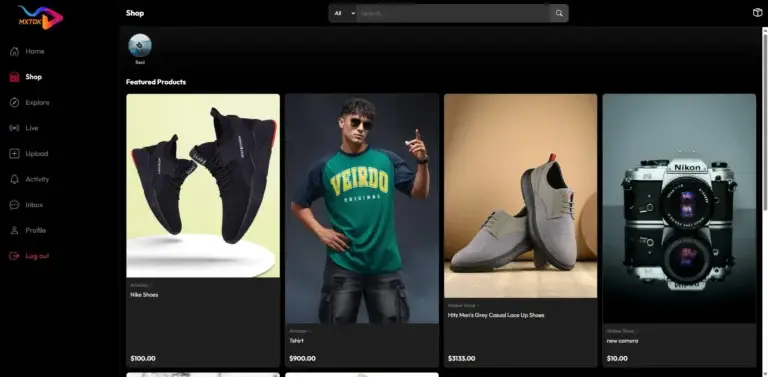
Mobile social-commerce shop with category search, featured products, images, prices, and marketplace navigation
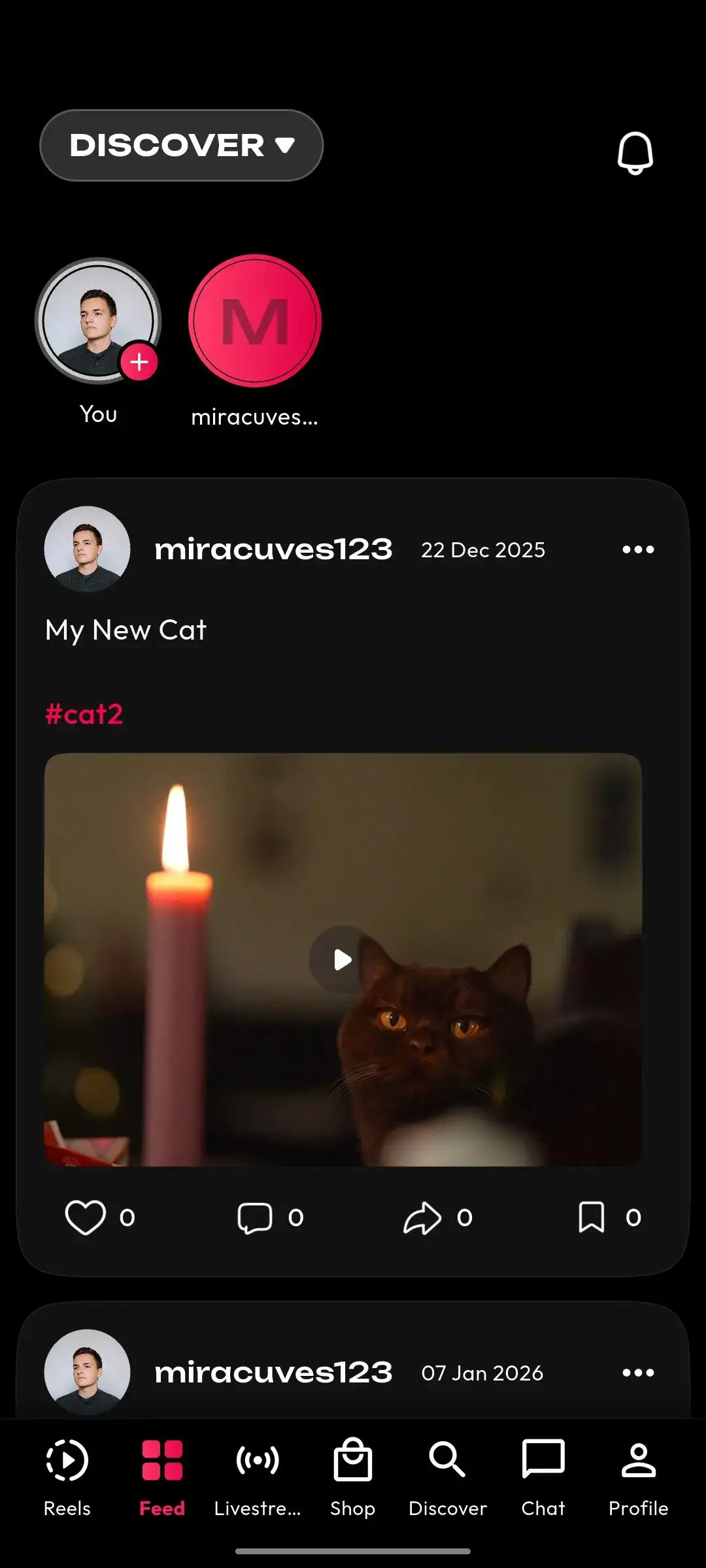
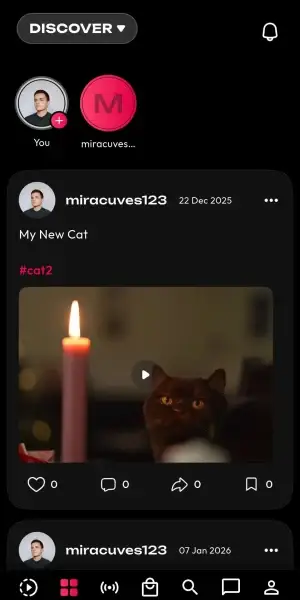
Mobile discovery feed with creator stories, user posts, hashtags, video engagement, and account navigation
Mobile product page displaying footwear imagery, shopping details, price, seller information, and purchase actions
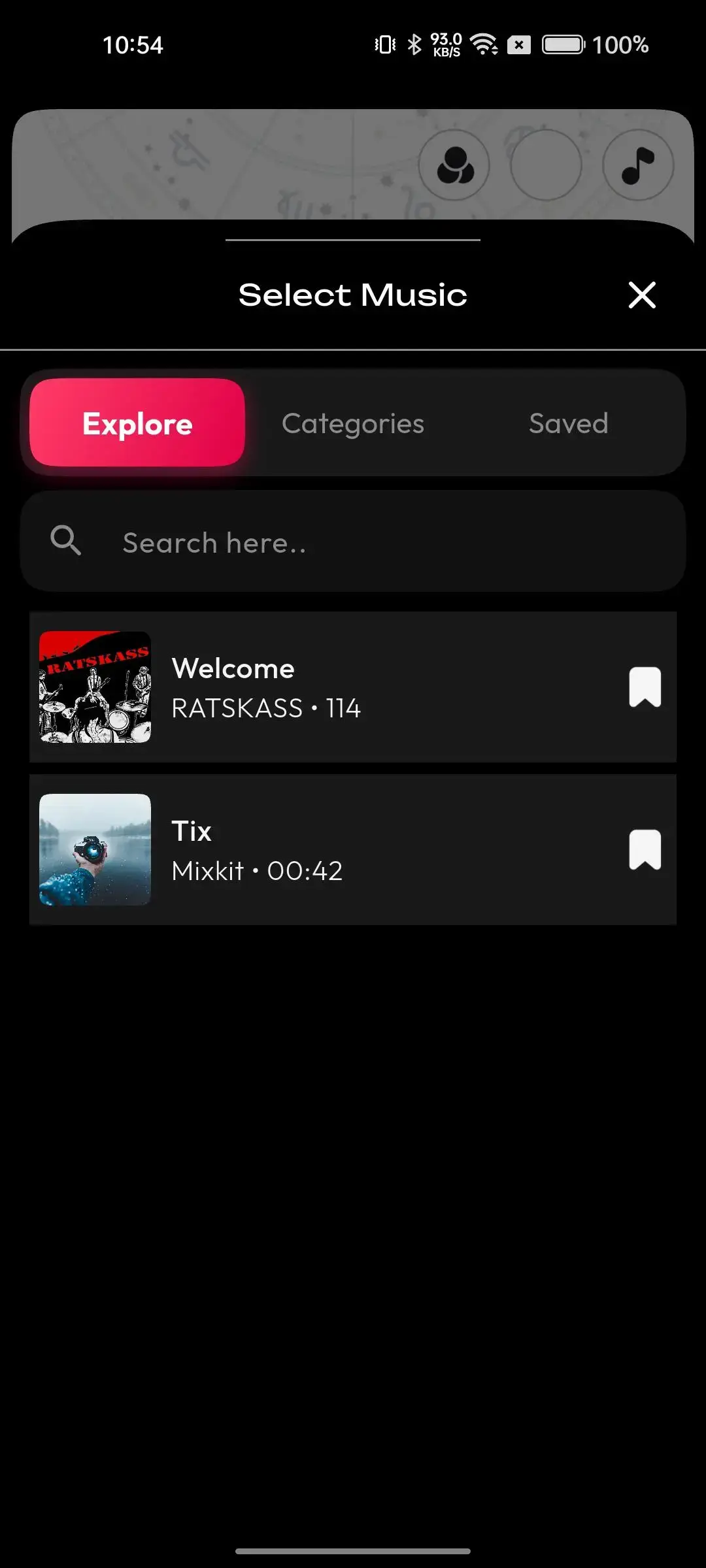
Mobile music picker with explore, category, and saved tabs plus track search, preview, duration, bookmarking, and selection
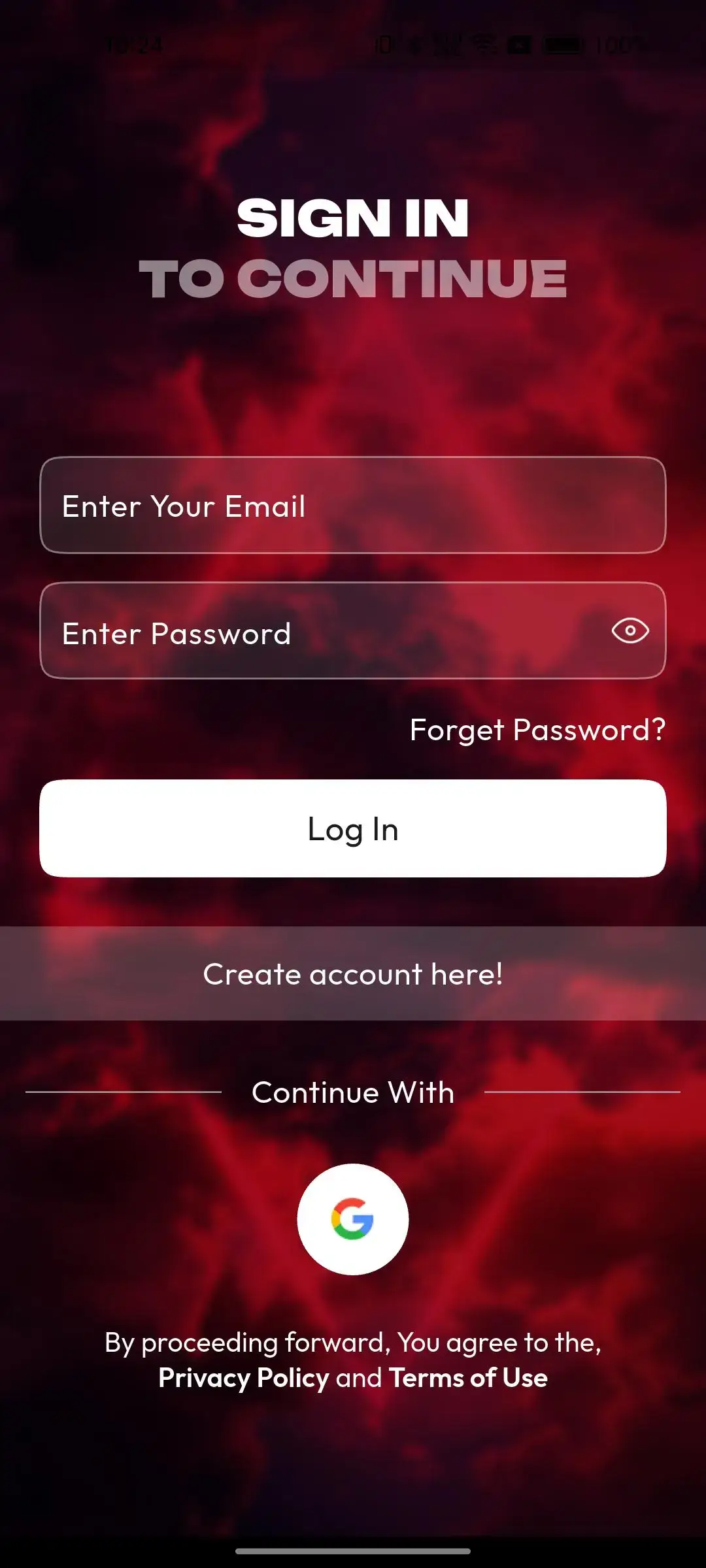
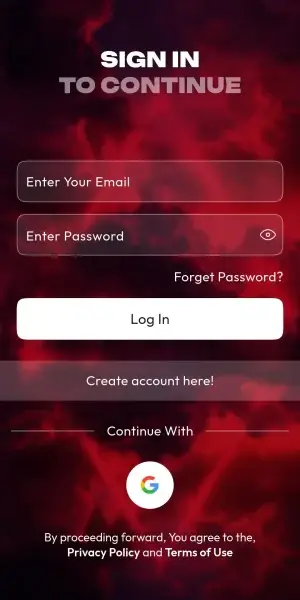
Mobile sign-in screen with email, password, recovery, account registration, and alternative authentication options
Mobile live-video hub with livestream discovery, go-live controls, search, and current broadcast availability
Mobile vertical-video feed with creator details, caption, engagement actions, discovery mode, and content navigation
Mobile create menu providing quick access to feed posts, stories, reels, camera capture, and other publishing formats
Mobile campaign builder with deal selection, budget and launch stages, creative previews, and promotional assets
9 screens · scroll →
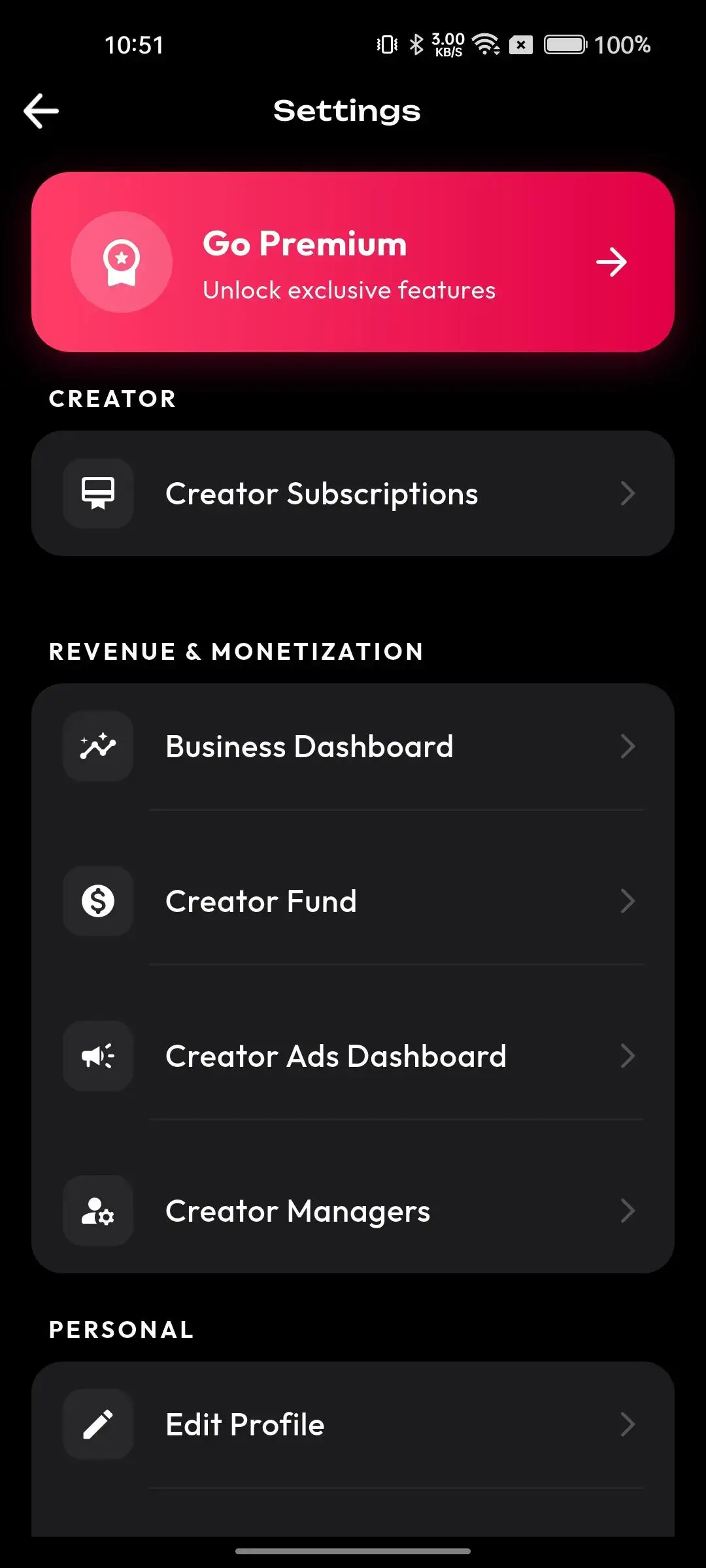
Mobile settings screen linking premium access, creator subscriptions, business dashboard, creator fund, and creator advertising tools
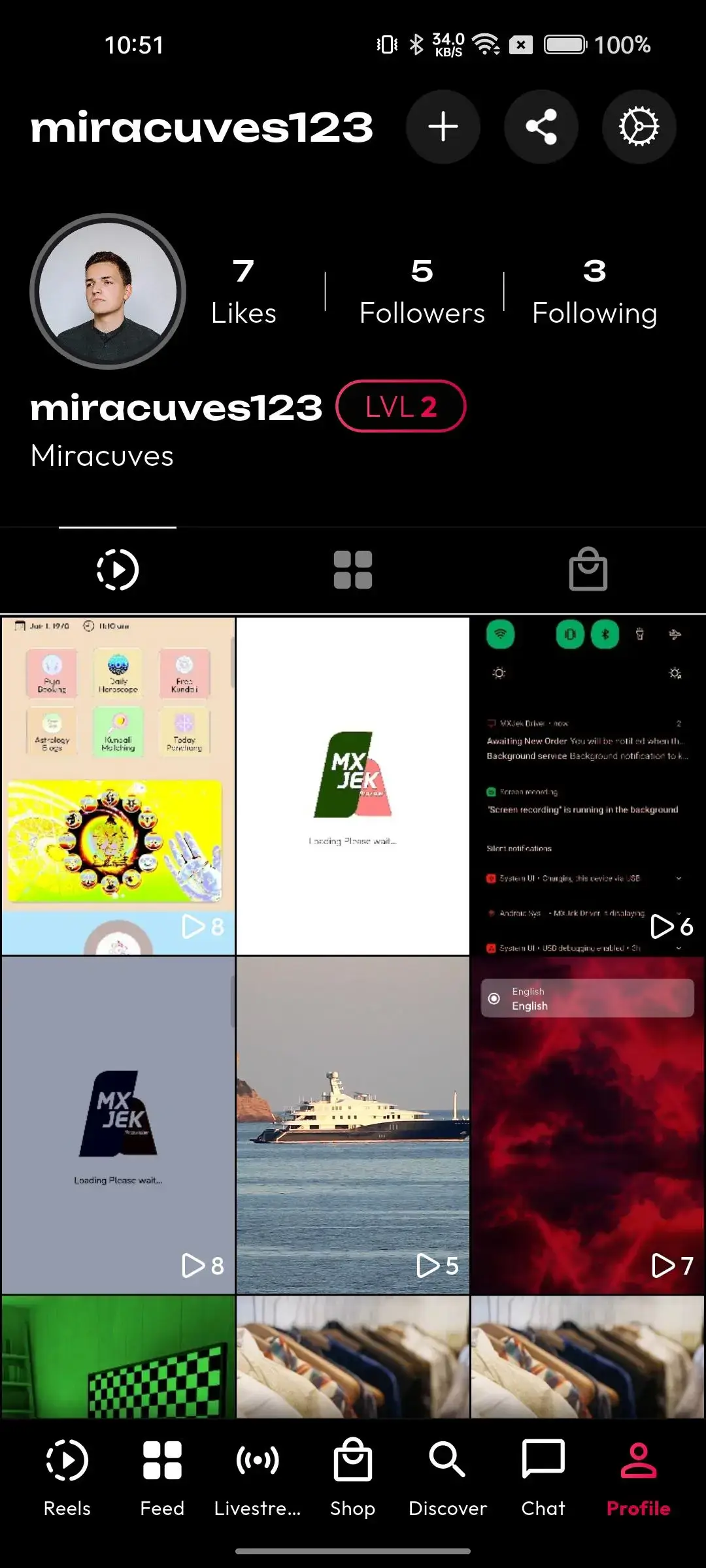
Mobile user profile showing biography, account level, likes, followers, following, videos, saved content, and profile actions
Mobile order-tracking screen showing purchased product, quantity, price, delivery address, total, and cancellation control
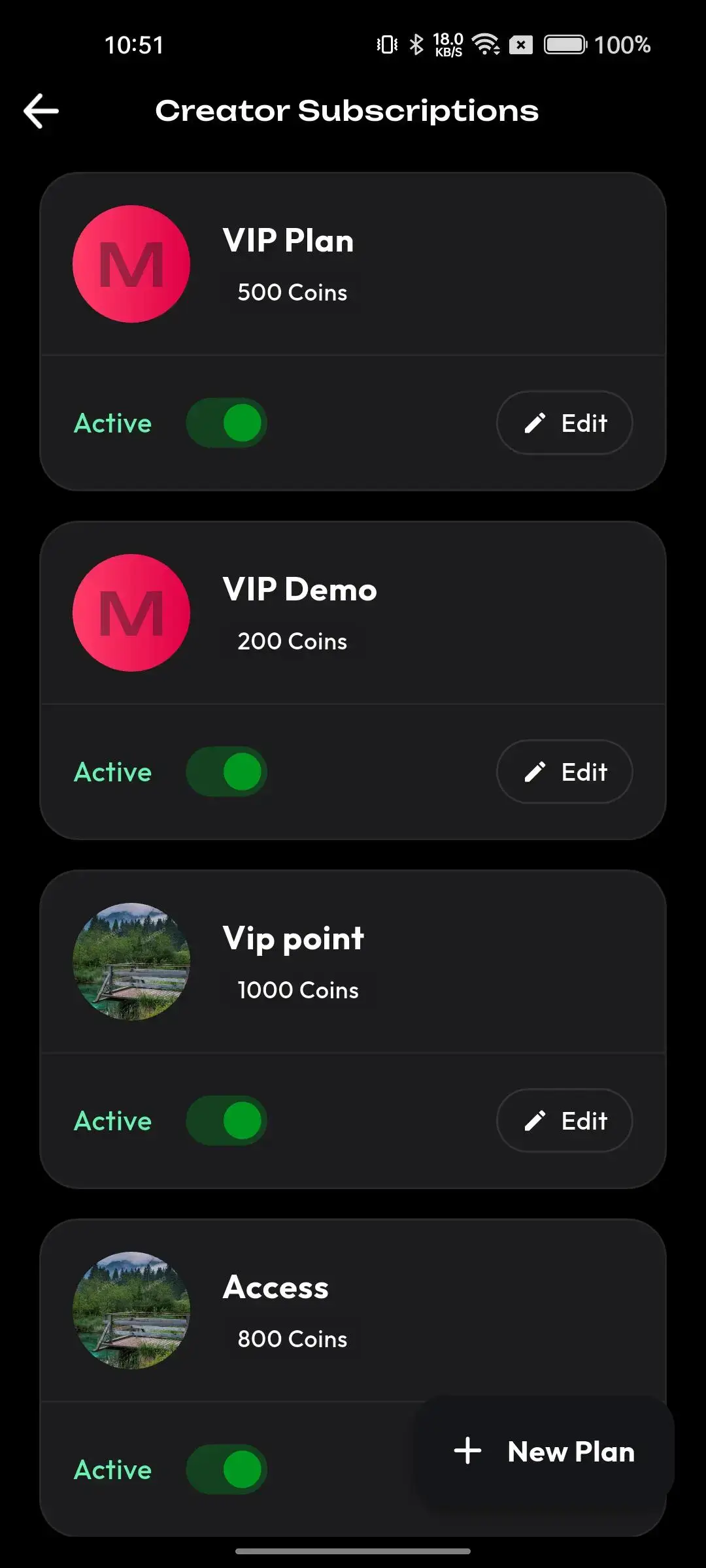
Mobile creator subscriptions screen with active VIP plans, coin pricing, promotion, and plan-editing controls
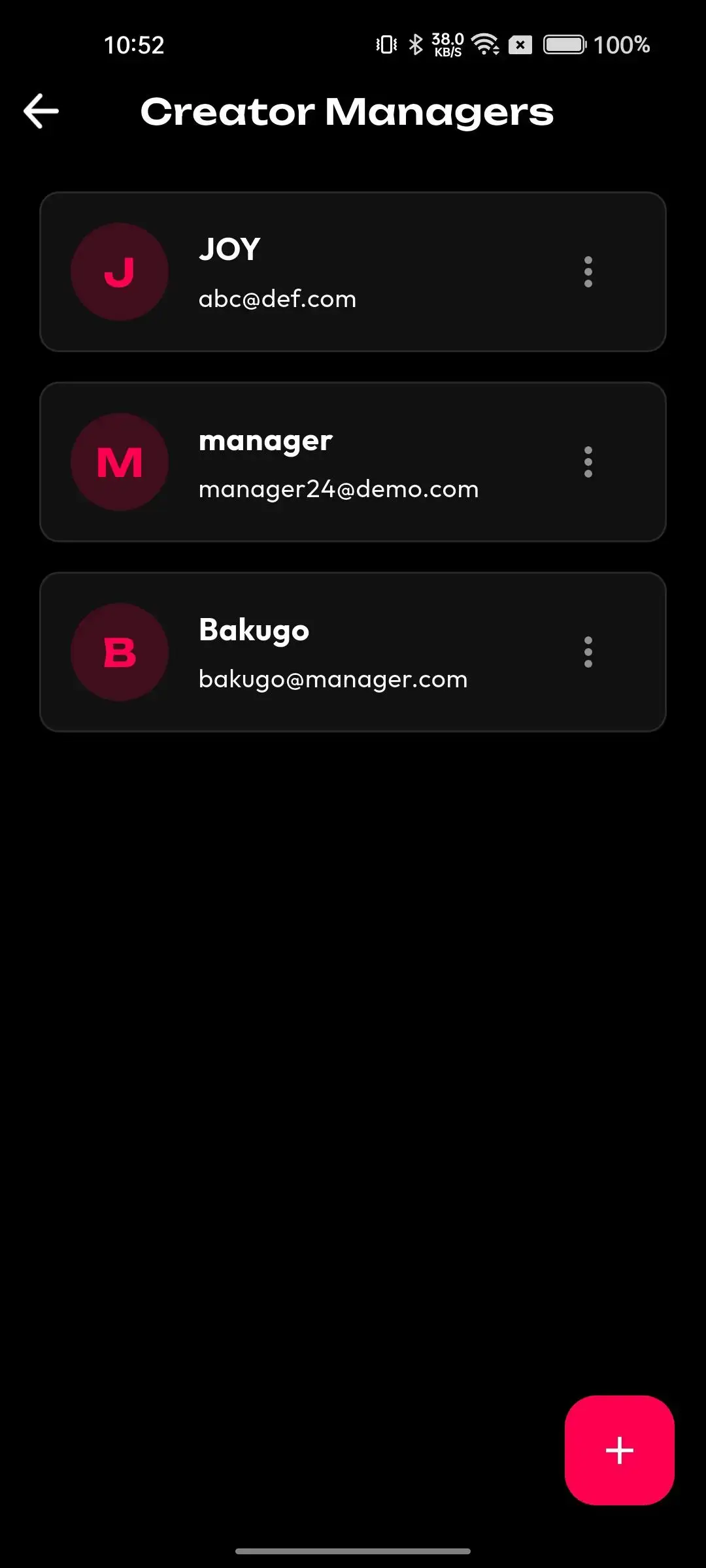
Mobile creator manager listing managed accounts with identities, email addresses, and account actions
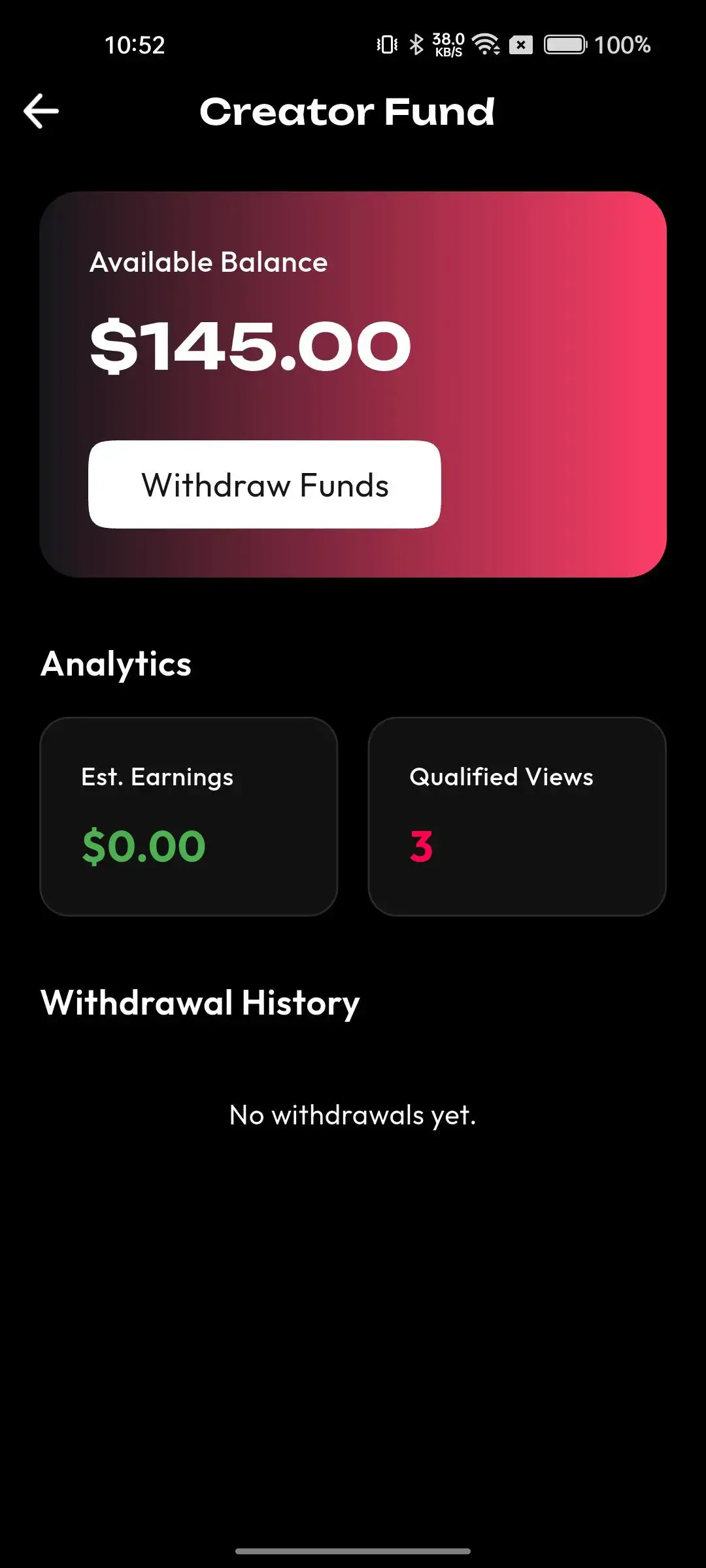
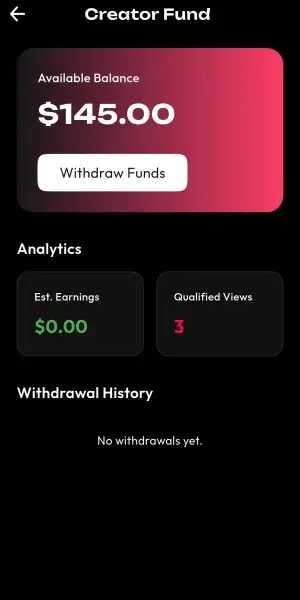
Mobile creator-fund dashboard showing available balance, withdrawals, estimated earnings, qualified views, and performance analytics
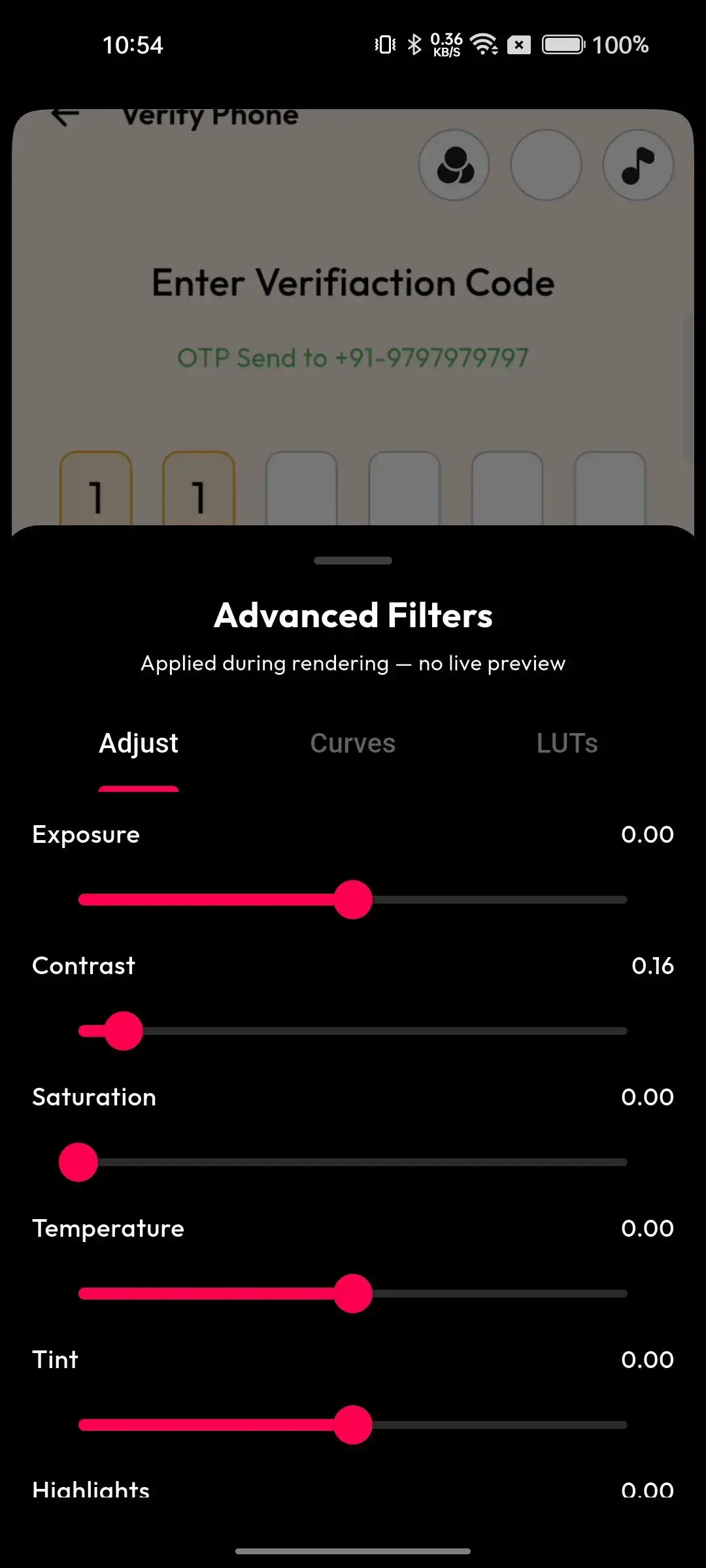
Mobile video editor with adjustment, curves, LUT presets, exposure, contrast, saturation, and live preview controls
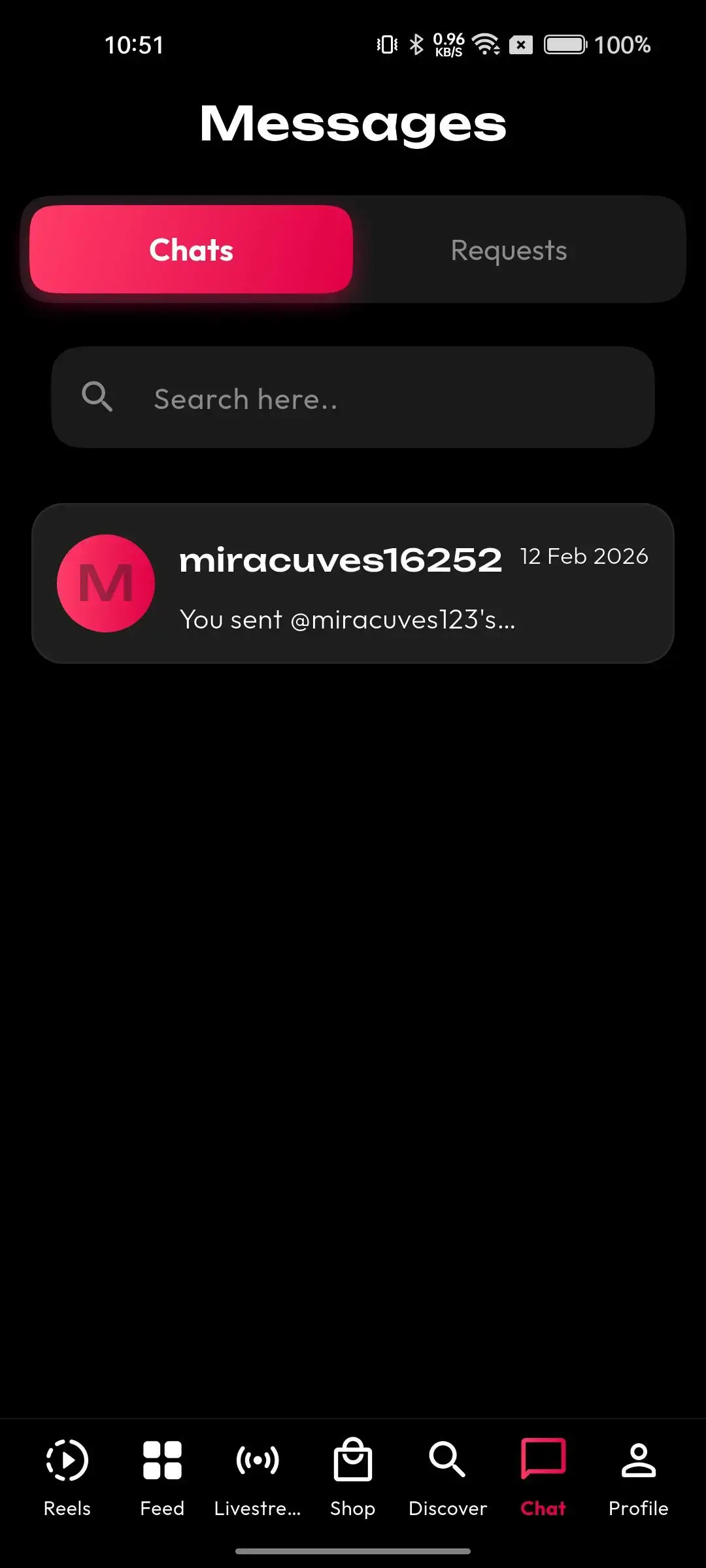
Mobile messaging inbox with chat and request tabs, conversation search, user threads, and recent-message details
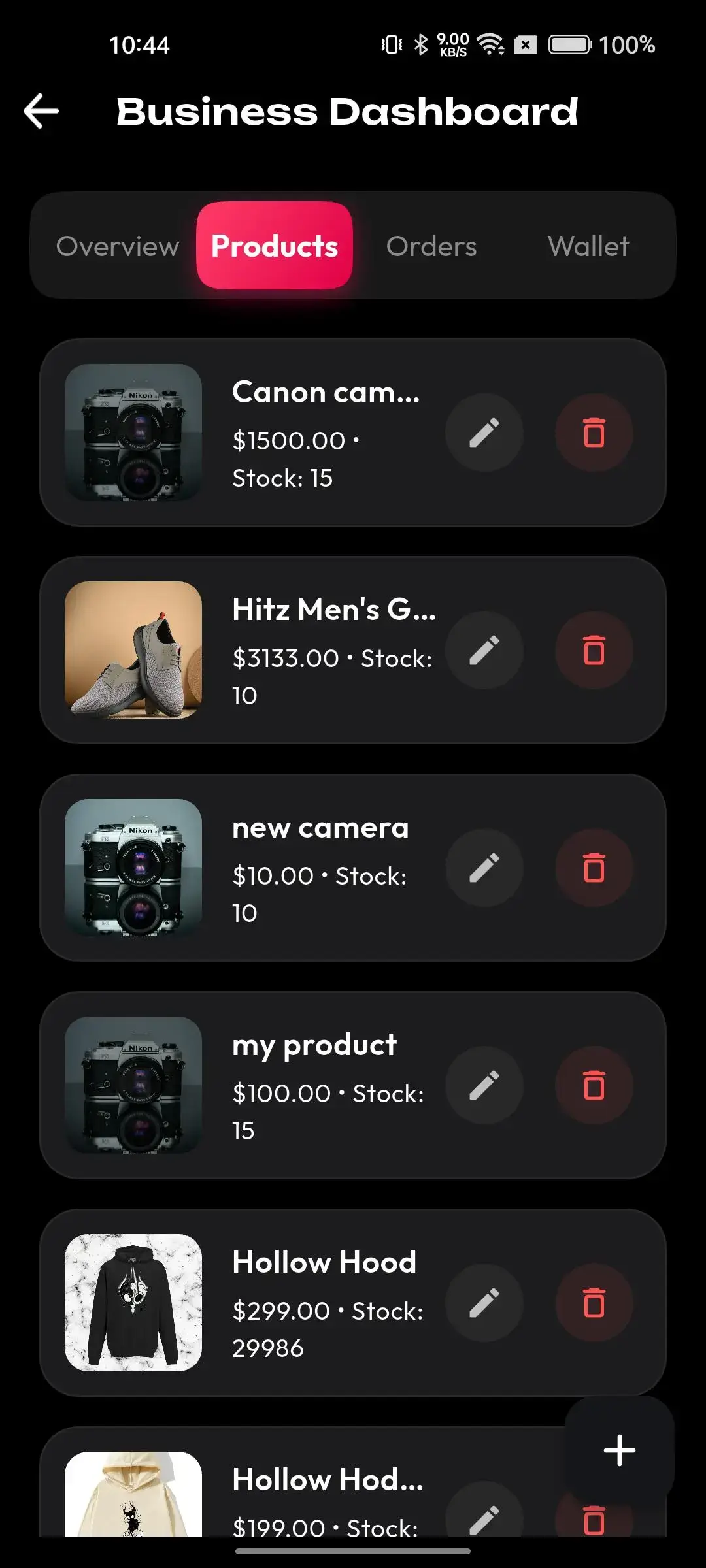
Mobile business dashboard listing products, prices, inventory, images, editing, and deletion controls
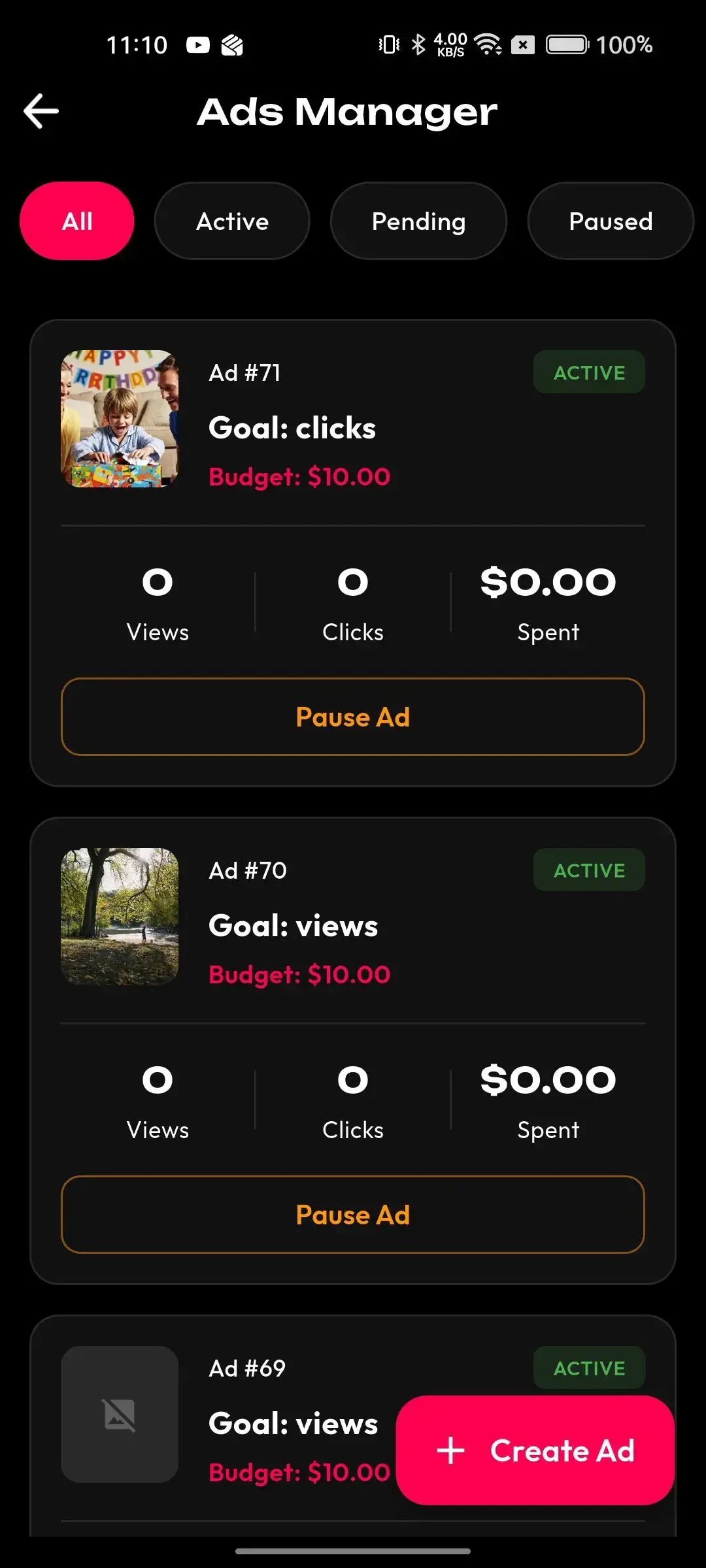
Mobile creator advertising dashboard showing active campaigns, goals, budget, views, clicks, spend, and pause controls
10 screens · scroll →
Administrator refund queue showing orders, customers, stores, amounts, payment methods, reasons, and refund-processing actions
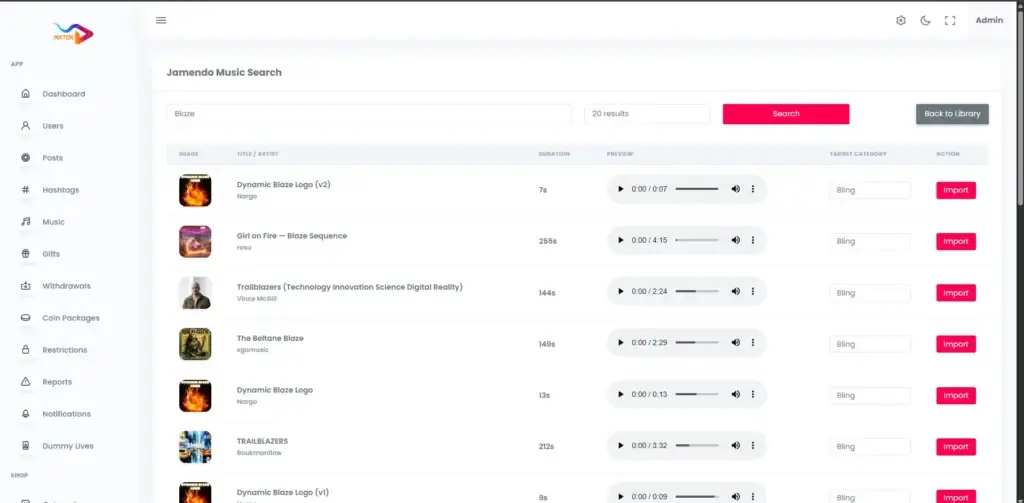
Administrator Jamendo music search with track artwork, artist, duration, audio preview, category assignment, and import actions
Administrator analytics dashboard with user and post trends, registered-user totals, content totals, reports, withdrawals, and moderation status
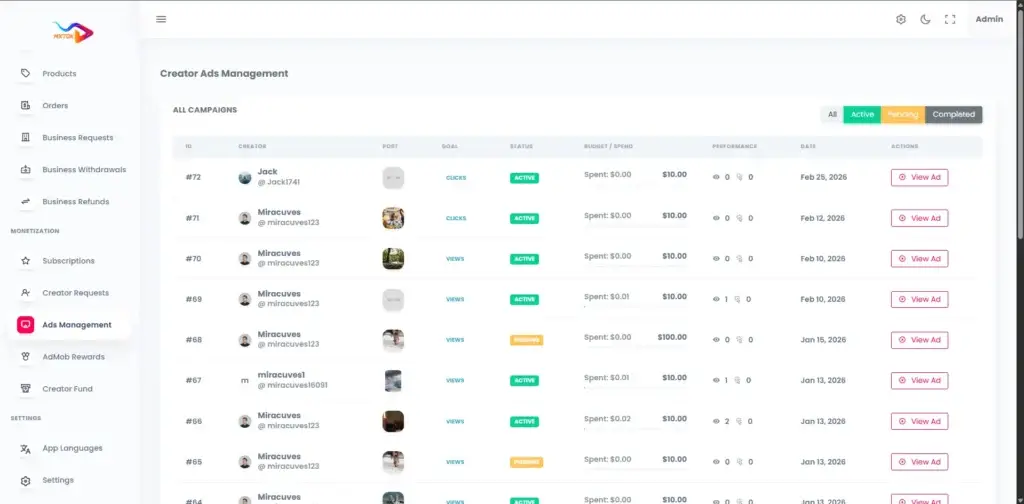
Administrator creator-ad campaign table showing creators, post goals, status, budget, spend, performance, dates, and ad review
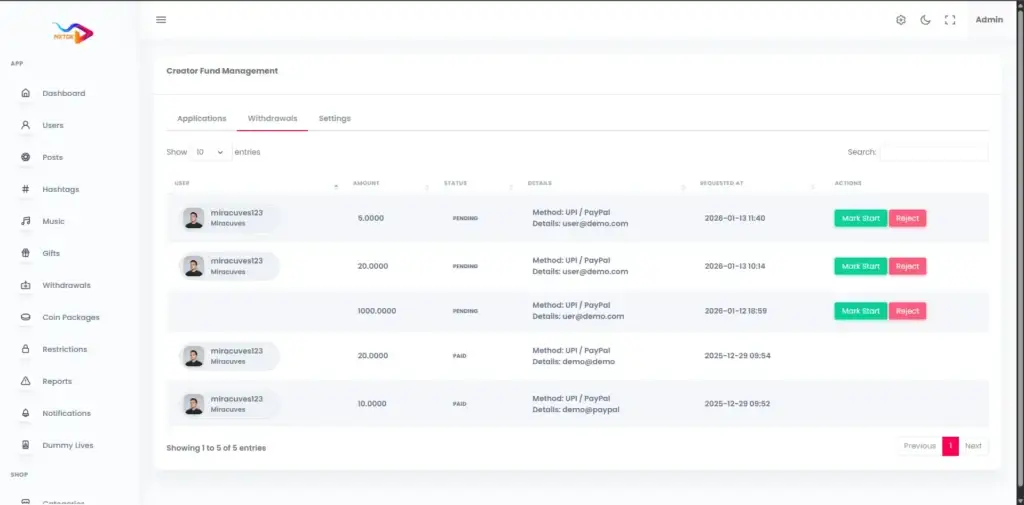
Administrator creator-fund payout queue listing users, amounts, payment methods, request dates, statuses, and approval or rejection actions
Administrator AdMob rewards dashboard charting claims, reward totals, reporting periods, and reward history
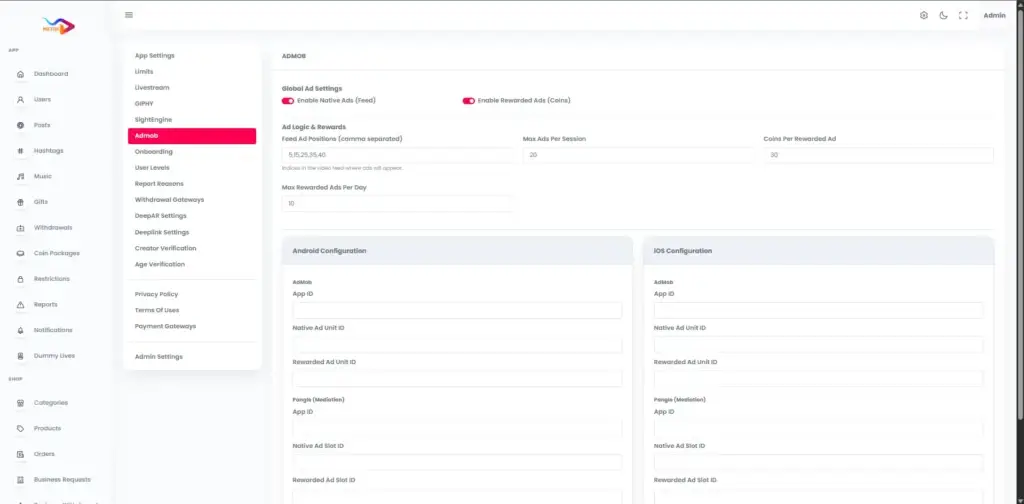
Administrator mobile-ad settings for feed and rewarded ads, ad frequency, rewards, Android identifiers, and iOS identifiers
7 screens · scroll →
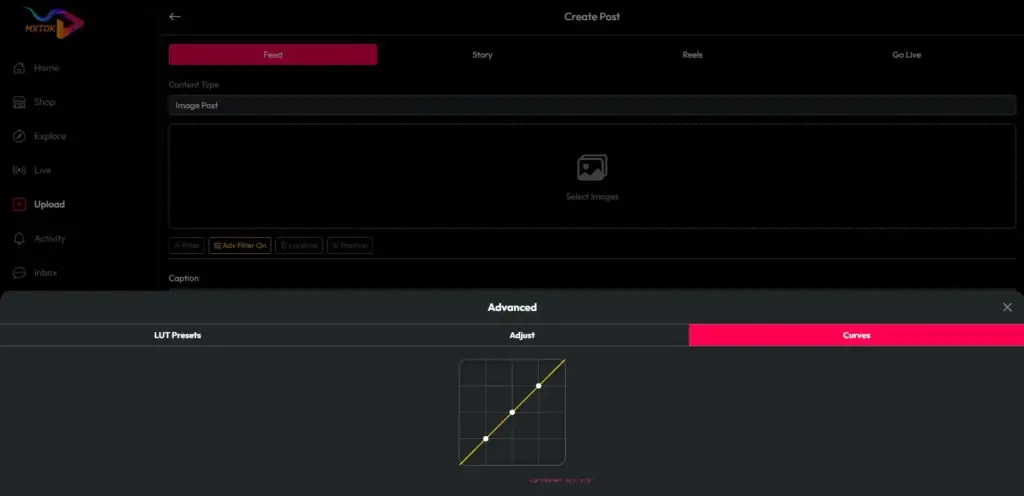
Desktop upload composer with feed, story, reel, and live formats plus media selection, captioning, effects, location, mentions, and color curves
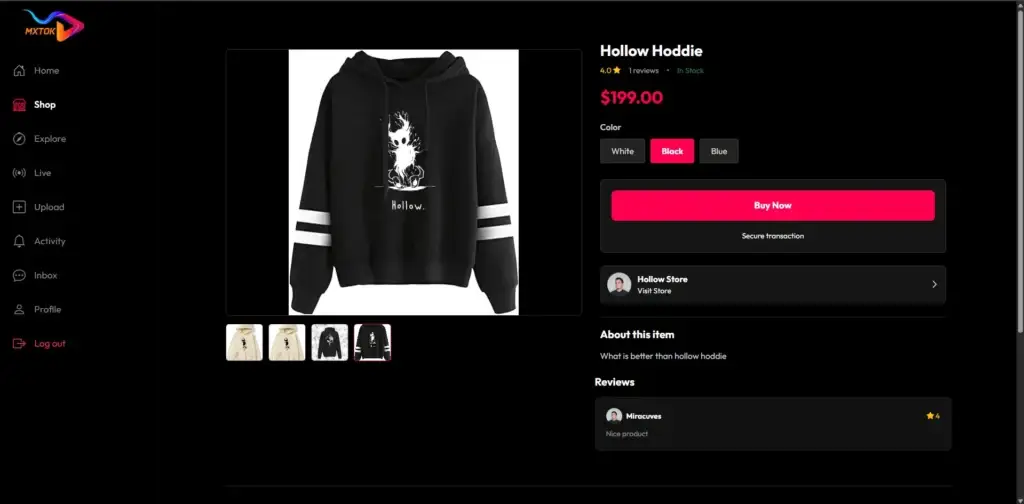
Desktop product-detail page with item gallery, color selection, price, stock, reviews, seller storefront, and secure buy-now action
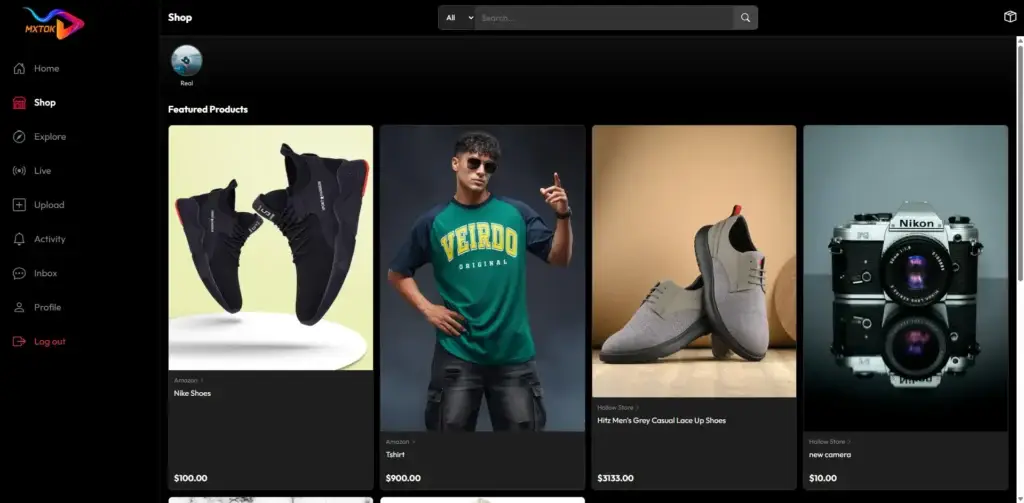
Desktop social-commerce marketplace featuring footwear, apparel, cameras, categories, prices, and product browsing
Desktop short-video feed with For You content, sponsored labels, engagement controls, and platform navigation
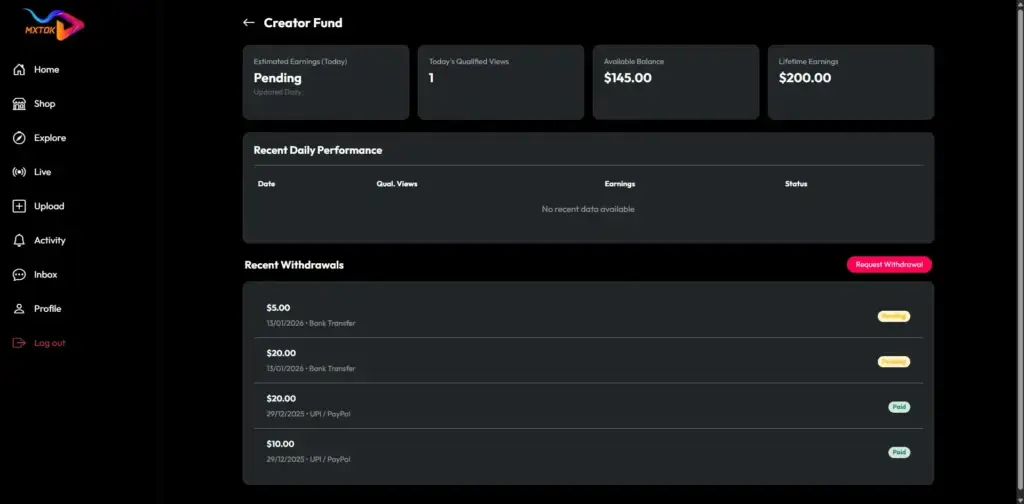
Desktop creator-fund dashboard with daily earnings, qualified views, available balance, lifetime earnings, performance records, and withdrawal history
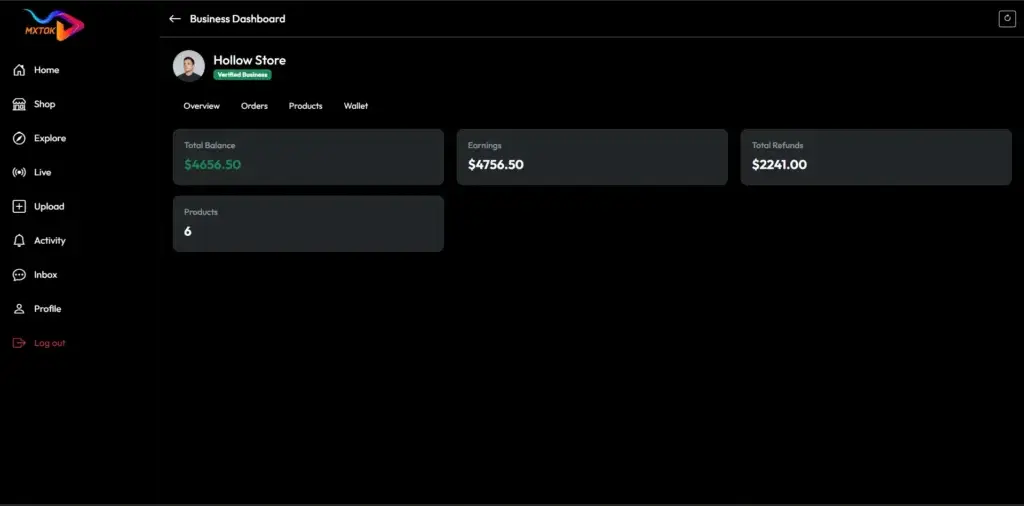
Desktop business dashboard showing store balance, earnings, refunds, product count, orders, products, wallet, and merchant performance
6 screens · scroll →
Want to see one of these screens against your own catalog?See the Full Catalog

02Proof

Client Reviews

Client Reviews - Platforms That Shipped

Real feedback from founders and brands who launched their short-video platforms with Miracuves.

AAnanya KapoorProduct Head, VibeStream Technologies
“Miracuves didn’t just build an app, they helped us shape a product. The short video platform they delivered was incredibly stable from day one, which is rare. Features like reels, filters, and real-time engagement worked seamlessly. Their team was responsive, detail-oriented, and actually cared about long-term scalability - not just delivery.”
DDavid FernandesCo-founder, LoopShorts
“We were initially skeptical about building a TikTok clone, but Miracuves exceeded expectations. The UI/UX feels premium, and users immediately connected with the platform. What stood out was their backend architecture - it handled traffic spikes effortlessly during our launch campaign. They clearly understand both tech and business.”
AAnton GruelaCEO, TrendFlix App
“Working with Miracuves was smooth from start to finish. They delivered exactly what we envisioned - a scalable, feature-rich short video app with strong performance. The customization flexibility they offered helped us differentiate in a competitive market. Even post-launch, their support team has been proactive and reliable.”
RRajesh MehtaFounder, SocialSpark Media
“We evaluated multiple vendors before choosing Miracuves, and honestly, it turned out to be the best decision. Their TikTok-style app was not just visually polished but technically solid - smooth video playback, fast uploads, and a clean admin panel. What impressed me most was how quickly they adapted to our custom monetization needs. Within 3 months, we had a fully functional platform with real user engagement.”
Read More Client TestimonialsFounders, CTOs and operator teams on our testimonials page

Case Studies

Short-Video Platform Case Studies - Creator Platforms & Social Commerce Apps

See how founders and brands have used the Miracuves short-video platform to build real, revenue-generating short-video platforms across industries and regions.

Case Study
QifQif - Regional Short Video Platform

A scalable short-video app built for multi-language audiences and low-bandwidth regional markets.

QifQif Media Pvt. Ltd.Client
UAERegion
Short Video & Creator EconomyIndustry
250K+Downloads in 90 days
+38%Session time increase
4 moTo early monetization
Desktop short-video feed with For You content, sponsored labels, engagement controls, and platform navigation
Challenges
  • Low-bandwidth video performance in regional markets
  • Multi-language UI support from launch
  • Rapid and reliable scalability post-launch
Goal
  • Launch a scalable regional short-video platform
  • Drive strong market entry and real engagement
  • Enable sustainable creator monetization
Delivered by the Miracuves Team
  • Optimized video streaming for low-bandwidth
  • Ad-based & creator incentive monetization
  • Full multi-language UI support
  • Engagement features: likes, comments & shares
  • Cloud auto-scaling backend infrastructure
“Fast, scalable, and built for real users - Miracuves gave us a strong market entry.”Omar Yassa · Co-founder, QifQif Media Pvt. Ltd.
See QifQif liveExplore the platform built for regional short video audiences.

03The product

What Is It

What Is a RedNote Clone App?

A RedNote Clone App is a ready-made lifestyle and shopping app: a short-video feed with a real shop behind it, the arrangement RedNote is known for and the one TikTok adopted later with its own storefront. Buying happens where discovery happens, so a viewer who likes what a creator is holding opens a product page instead of a search engine.

Our build carries the whole commerce half as shipped code, not a roadmap: products, cart, orders, reviews and a seller dashboard, plus registered businesses with their own wallet, withdrawals and refunds.

With Miracuves, your RedNote clone arrives:

  • running on Android, iOS, web and an admin panel
  • wearing your brand, with ours nowhere in it
  • with the shop switched on, not sold separately
  • wired for seller payouts and refund handling from the first order
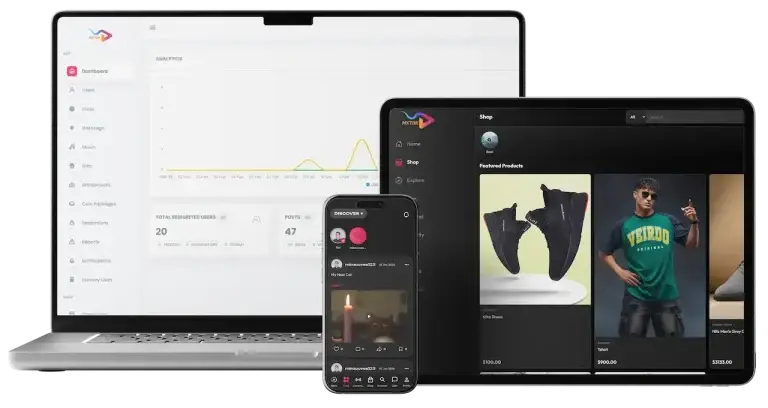
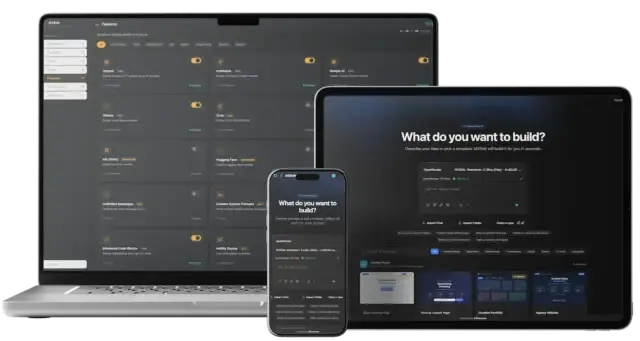
TikTok clone shown across desktop, tablet, and mobile with platform analytics, social commerce, creator video feeds, products, and business tools

One Laravel API Behind Four Surfaces

A single Laravel API and one MySQL database serve the Flutter apps, the web shop and the admin panel.

Your Brand on Every Surface

Name, logo, palette, splash screens and language belong to you. Nothing of ours remains visible in what ships.

Commerce Is Not Bolted On

Ten commerce tables, seventeen shop endpoints and nineteen admin controls are part of the same build as the feed.

The Engine

What Is a RedNote Clone Script?

The script is the code itself: the Laravel API, the MySQL schema, the Flutter app and the admin panel that the product runs on. Our TikTok Clone Script guide covers how one of these is priced; what you receive here is the same thing for the commerce build, with the orders, order items, cancellation and business ledger tables already in place for your team to extend.

Desktop social-commerce marketplace featuring footwear, apparel, cameras, categories, prices, and product browsing

Taking the Miracuves commerce build means:

  1. 01The source code is yours outright
  2. 02Six working days to a live store
  3. 03No revenue share, no per-seat fee, no lock-in
  4. 04Variants, tax rules and shipping logic can be scoped on top

Put plainly: a RedNote clone app saves you from building a feed and a storefront as two projects. They are one codebase here, which is also why this page, the conversation-led hub and the sound-led hub are the same product with different arguments, never two separate clients.

Features

RedNote Clone Features - Catalog, Checkout & Seller Payouts

The twelve panels below follow one purchase from end to end: a product tagged on a reel, a catalog, a product page, a cart, an address, a payment, an order, a seller marking it shipped, a business balance, a withdrawal and, when it goes wrong, a refund. Each one is a surface in the running build, and the readiness of anything pack-gated is stated on its own panel.

Feature 01 / 12

Shop Bag Beside the Reel

A bag icon on the reel sidebar and in live, opening the products attached to what is playing.

  • Bag on the reel sidebar, and in live for every viewer
  • The host pins products mid-stream and the audience opens them
  • Gated by the shop feature pack and fail-closed: pack off, nothing shows
Feature 02 / 12

Product Tags on Publish

A creator picks products while posting a reel, and the tags are written once the post exists.

  • A Tag product row on the reel composer with a multi-select picker
  • Tags are written against the new post id, or against a live host
  • Web surfaces are deployed with the pack on; the app-side gate fix lands with the next app build
Feature 03 / 12

Catalog, Categories and Search

Categories you define, filtered listings, product search and suggestions as a buyer types.

  • Shop categories created and edited in the admin panel
  • Product listings with filters and pagination
  • Product search plus suggestions while the buyer types
Feature 04 / 12

Product Page, Stock and Reviews

Price, sale price, stock, gallery and the ratings left by people who already bought.

  • Name, description, price, sale price, stock, category and gallery
  • Paginated reviews carrying a rating, a comment and a file
  • Reviews are added after the purchase, not before it
Feature 05 / 12

Cart, Coupon and Payment

One call carries the cart, the chosen address, an optional coupon and the payment method.

  • Cart items, the shipping address and a payment method in one order
  • A coupon is applied at checkout where you have configured one
  • Stripe or cash on delivery, with the gateway and payment status kept on the order
Feature 06 / 12

Shipping Addresses

A buyer keeps several addresses, marks one default, and the order stores the one used.

  • Add, edit, delete and set a default address
  • A country list the address form reads without a session
  • The address used is copied onto the order, so later edits never rewrite history
Feature 07 / 12

Orders, Status and Cancellation

Both sides of the same order: the buyer tracking it, the seller moving it along.

  • My orders, with pending, processing and shipped states
  • The buyer requests a cancellation and gives a reason
  • The seller updates status and watches My sales for incoming orders
Feature 08 / 12

The Seller Shop

Any approved account runs a storefront: listings, stock and the sales that come from them.

  • Add, edit and delete listings with images, category and stock
  • New products wait as pending until you approve or reject them
  • Each order line stores its quantity, price, platform commission and seller earning
Feature 09 / 12

Business Registration

A seller becomes a registered business, reviewed by you before it trades.

  • Registration takes a name, license id, address, phone, website and logo
  • Status runs through pending, approved, suspended or rejected
  • Your remarks travel back with the decision, and products link to the business
Feature 10 / 12

Business Wallet and Ledger

Sales, commission, withdrawals and refunds land in one auditable running balance.

  • Balance with total earnings, commission paid, withdrawn and refunded
  • Every entry is a credit sale, a debit withdrawal, a debit refund or an adjustment
  • The balance after each entry is stored on the row, so the ledger reconciles
Feature 11 / 12

Withdrawals

A business asks to be paid out; you approve, reject or mark it paid.

  • A withdrawal request names an amount, a method and account details
  • You approve, reject with remarks, or mark it paid
  • Request history stays visible to the business, and the gateways on offer are yours to define
Feature 12 / 12

Refunds and Cancellation Review

A cancellation passes through the seller and then you, and the ledger records the money going back.

  • The business approves or rejects the cancellation first
  • You process the refund, and the ledger takes a debit refund
  • Four states are tracked: pending approval, approved by business, rejected by business, refunded by admin
Before you ask:

Commerce sits behind a feature pack, so the shop can be switched off for one market and on for another without a second build. Switched off, the bag and the tag row simply are not there.

Need product variants, tax tables or a shipping-rate engine? Those are scoped as separate modules.

Request Custom features

Operator Queues

RedNote Clone Admin Panel - Product Approval, Orders & Refunds

A marketplace lives or dies on its queues. Nineteen of the admin controls in this build exist purely for shop and business work: clearing products, opening orders, approving a business, releasing a withdrawal and processing a refund, each with a remarks field that travels back to the seller.

Administrator analytics dashboard with user and post trends, registered-user totals, content totals, reports, withdrawals, and moderation status
Administrator creator-fund payout queue listing users, amounts, payment methods, request dates, statuses, and approval or rejection actions

What You Clear Each Morning

  • 01

    Products Awaiting Approval

    New listings arrive pending. Approve, reject or delete them before a buyer ever sees them.

  • 02

    Orders and Order Detail

    The full order list with a detail view showing line items, totals, gateway and payment status.

  • 03

    Business Registration Requests

    Read the submitted name, license id and address, then approve, reject or suspend the account.

  • 04

    Business Withdrawals

    Three outcomes per request: approve it, reject it with remarks, or mark it paid once the money has moved.

  • 05

    Refund Requests

    Cancellations the seller has already passed on reach you here, and processing one writes a debit refund to that business.

  • 06

    Shop Categories

    The taxonomy buyers browse by is yours: add, rename or remove a category whenever the catalog shifts.

  • 07

    Commission, Currency and Limits

    Set the platform share on creator product sales, the display currency, the coin value and the global limits, without touching code.

  • 08

    Withdrawal Gateways

    The payout methods a seller may pick from are a list you maintain, so a local rail can be added or retired without a release.

Web Shop and Business Dashboard

Sellers and businesses do not need the app; the browser carries the same storefront, orders and balance.

  • Marketplace listing and product detail pages in the browser
  • A public business profile page per registered seller
  • Business settings with balance, transactions and withdrawal requests
  • The shop bag on the reel sidebar once the shop pack is on

Mobile Apps (Android & iOS)

One Flutter codebase, with the commerce surfaces switched on or off from the panel rather than by shipping a new binary.

  • Feature packs decide whether the shop appears at all
  • A missing pack reads as off, so nothing leaks into a market by accident
  • Onboarding slides, languages and limits are edited centrally
  • Display currency and coin value are set once for both apps
Want to see a refund cleared end to end before you decide?Discuss Your Compliance & Control Requirements

04Inclusions and what you pay

Deliverables

What Arrives - Apps, Admin Panel & the Commerce Codebase

Eight deliverables, not a download. Two apps, a browser shop, the admin panel where orders and refunds are worked, the API layer, your branding applied throughout, help getting on both stores, and the support window after launch.

01

Android App

Your branded Android build with the feed, the shop, the cart and My orders in it.

  • Built from the Flutter codebase, carrying your name and icon
  • Shop, product detail, cart, addresses and orders included
  • Prepared for Play Store submission with your store assets
Mobile vertical-video feed with creator details, caption, engagement actions, discovery mode, and content navigation
02

iOS App

The same build on iPhone, with the identical shop and checkout path.

  • One Flutter project produces both app binaries
  • Nothing about commerce differs between the two platforms
  • Readied for App Store review using your own assets
Mobile user profile showing biography, account level, likes, followers, following, videos, saved content, and profile actions
Desktop short-video feed with For You content, sponsored labels, engagement controls, and platform navigation
03

Web Shop and Feed

The browser edition where the marketplace, product pages and business dashboards live.

  • Marketplace, product detail and a buy action in the browser
  • Public business profiles and seller storefront pages
  • Installable as a PWA on mobile web if you want it
Administrator analytics dashboard with user and post trends, registered-user totals, content totals, reports, withdrawals, and moderation status
04

Operator Admin Panel

The queues: products, orders, business requests, withdrawals, refunds, reports and global settings.

  • Nineteen shop and business controls in one panel
  • Approve a product, open an order, clear a refund
  • Separate admin and moderator powers, with a dashboard on top
05

API and Integration Layer

The Laravel API every surface talks to, with the payment, auth, streaming and storage integrations already wired.

  • Seventeen shop endpoints plus business, address and payment routes
  • Stripe and PayPal for payments, Firebase for auth and chat, Zego for live
  • File storage set to local disk, Amazon S3 or DigitalOcean Spaces
06

Rebranding and Re-Skinning

Name, logo, palette, splash screens and language, applied across apps, web and panel.

  • App name, icon, splash screen and color theme set to your brand
  • Type, icons and store creatives prepared alongside
  • Default language and currency set for the market you sell into
07

Deployment and Store Submission

Your cloud account, your domain, your developer accounts, with us alongside through both submissions.

  • Deployed to the cloud account you nominate, not ours
  • Help preparing both store listings and the review submissions
  • Documentation, a walkthrough and every credential handed over
08

After-Launch Support

Guidance while you configure the shop, then fixes and updates on a fixed window.

Platform guidance on a dedicated basis, lasting 60 days
Bug fixes at priority for 6 months
Product updates for the next 12 months
Want to see your own catalog and branding in the build before you commit?Ask for a Branded Shop Demo

Pricing

What Does a Social Shopping App Cost to Launch in 2026?

A launch-ready white-label RedNote Clone starts from around $3,999, feed and shop together, and moves with the integrations, the payment rails and the scale you need.

What moves the number: payment gateways per market · product variants and tax rules · shipping logic · hosting and storage · branding depth · surfaces you publish · support window.

Our Bestseller Tier

Professional

Pre-Built Launch Package
$3,999/-one-time full payment
Go-live: 6 days

Right choice for: D2C brands, creator merch shops and regional marketplaces

You receive exactly the build the demo runs, rebranded and deployed on your own infrastructure.

Get Started

Enterprise

Custom, Compliant & Large-Scale
Customquote
Go-live: Based on final scope

Right choice for: Retail groups, multi-country sellers and agencies running several storefronts

Or have the commerce layer reshaped around your fulfillment, tax and payout reality.

Request a Quote

05Who it is for

Who It’s For

Who Should Run a RedNote Clone?

This build suits anyone whose revenue depends on someone buying what they just watched: brands, creators with products, retailers and the agencies that launch for them.

What separates these six from a plain video app is that each needs an order record, a seller balance and a refund path on day one, not in a later phase.

Audience 01 / 06D2C Brands Selling Through Video

Stop paying to reach your own customers on a platform you do not own. Run the catalog and the content in one place you control.

  • List your range with stock, sale prices and category structure you set
  • Attach products to the reels your team and your creators publish
  • Keep the order, the address and the review inside your own database
Audience 02 / 06Creators With Merchandise

A creator who already sells drops, prints or kit gets a storefront attached to the audience instead of a link in a bio.

  • Each creator runs their own listings, stock and sales screen
  • Register as a business to separate shop earnings from gift earnings
  • Withdraw a business balance on the schedule you approve
Audience 03 / 06Multi-Seller Marketplaces

Many sellers, one checkout, and a platform share taken on every line without chasing anyone for it.

  • Business registration captures a license id and address before trading
  • Commission and seller earning are recorded per order line
  • Refunds route through the seller, then through you, then into the ledger
Audience 04 / 06Agencies Launching Shop Apps

Deliver a working storefront app to a client in days, then bill for the catalog work, the launch and the growth.

  • One familiar codebase behind each client build
  • Charge for seller onboarding, merchandising and campaign work
  • Note that each client needs its own deployment; this version runs one instance per install
Audience 05 / 06Live Selling and Flash-Sale Operators

Run the sale inside the stream: the host pins stock, the audience opens the bag, and the order lands in the same panel.

  • Host pins and unpins products while live
  • Viewers open a product bag during the broadcast and buy from it
  • Everything here is gated by the shop pack, so it switches off cleanly
Audience 06 / 06Local Retailers and Regional Catalogs

A city-sized catalog with cash on delivery, local language and a short list of categories beats a global marketplace nobody browses.

  • Cash on delivery sits beside card payment at checkout
  • Address forms read a country list, and the default currency is yours to set
  • Shop categories stay short enough that browsing actually works

If a sale is the point and video is how you get there, owning both halves beats renting a feed and paying a marketplace separately.

Book a Free Strategy Call

Six Ways It Gets Used

RedNote Clone Use Cases - Brand Shops, Marketplaces & Live Selling

The same build serves a single brand with one catalog and a marketplace with hundreds of sellers. What changes is how many business accounts you approve and who keeps the commission.

D2CRetailMediaBrand Storefront Inside the Feed

One brand, one catalog, one audience. The reel and the product page belong to the same app, so a campaign ends in an order rather than an outbound click.

  • Your full range with categories, stock and sale prices
  • Products attached to the reels your team publishes
  • Orders, addresses and reviews stay in your database
01
Desktop short-video feed with For You content, sponsored labels, engagement controls, and platform navigation
CreatorsFan ShopsCreator Merchandise Drops

Give every creator a storefront instead of a link in a bio, with their own listings, their own sales screen and a balance they can withdraw.

  • Per-creator listings with stock and images
  • A business account keeps shop money apart from gift money
  • You set the platform share on every creator sale
02
Mobile discovery feed with creator stories, user posts, hashtags, video engagement, and account navigation
BeautyReviewsReview-Led Product Discovery

In categories where people read reviews before buying, the rating on the product page is the whole conversion story, and only buyers can write one.

  • Paginated reviews with a rating, a comment and a file
  • Reviews are written after purchase, never before
  • Search and suggestions bring buyers back to the same product
03
Mobile vertical-video feed with creator details, caption, engagement actions, discovery mode, and content navigation
MarketplaceBusinessesPayoutsMulti-Seller Marketplace

Hundreds of sellers, one checkout. Each registered business carries its own balance, ledger and withdrawal history, and your share comes off each line automatically.

  • Business registration with name, license id and address
  • Commission and seller earning stored per order item
  • Withdrawals you approve, reject or mark paid
04
Desktop product-detail page with item gallery, color selection, price, stock, reviews, seller storefront, and secure buy-now action
LiveRetailEventsLive Selling and Flash Sales

The host pins stock while broadcasting and the audience opens a bag without leaving the stream. Both sides of that are gated by the shop pack.

  • Host pins and unpins products during the broadcast
  • Viewers open the pinned list and buy from it
  • Live runs on Zego with tokens issued by your backend
05
Mobile live-video hub with livestream discovery, go-live controls, search, and current broadcast availability
Local RetailGroceryPickupLocal Catalog With Cash on Delivery

For a city-sized catalog, cash on delivery and a short category list matter more than a global marketplace. Both are configuration, not custom work.

  • Cash on delivery offered beside card payment
  • Currency, language and limits set per deployment
  • Address forms backed by a country list from your backend
06
Mobile creator subscriptions screen with active VIP plans, coin pricing, promotion, and plan-editing controls

Whichever of the six you recognize, the gap is never the video. It is the order record, the seller balance and the refund path, and those are already written here.

Book a Free Strategy Call

Industries

Industries We Serve

The same shop and feed is configured differently for each of these twelve sectors.

  1. 01Entertainment & Media
  2. 02EdTech & E-Learning
  3. 03Fitness & Health
  4. 04E-Commerce & D2C
  5. 05Marketplaces & Resale
  6. 06Sports & Gaming
  7. 07Regional & Vernacular
  8. 08Events & Festivals
  9. 09Food & Lifestyle
  10. 10Travel & Tourism
  11. 11Retail & Wholesale
  12. 12Healthcare & Wellness

The Miracuves RedNote clone is a social commerce build: a short-video feed sitting on the same Laravel API as a shop with products, carts, orders, reviews and seller storefronts. Discovery feeds are served per request, with following, hashtag, location and nearby variants beside the main discover feed.

Commerce covers the full round trip. A buyer saves shipping addresses, applies a coupon, pays by card or on delivery and tracks the order. A seller lists stock, sees incoming sales and marks them shipped. A registered business holds a balance, a transaction ledger and withdrawal requests, and a cancellation can be refunded back through the same ledger.

Underneath sit Flutter 3.10 and later for the apps, Laravel 10 on PHP 8.1 and later for the API and web, and one MySQL database. Adaptive renditions are generated with FFmpeg behind a feature pack, never upscaling past the source height, and file storage points at a local disk, Amazon S3 or DigitalOcean Spaces. This version runs a single instance per deployment.

On the governance side there are report reasons you define, report queues for posts and users, moderator powers to freeze an account or delete a post, optional automated screening through Sight Engine, an optional age gate, and account deletion with configurable retention. Products and businesses pass your approval before they trade. Payment cards are handled by Stripe or PayPal and are not stored by the platform. Every part of it arrives as source you own.

06Under the hood

One Order, End to End

How the RedNote Clone Works - Browse, Checkout & Seller Payout

Six steps take a buyer from signup to a delivered order and a seller from a listing to money in a bank account. Every one of them is an existing screen and an existing endpoint.

From First Launch to First Payout

  1. Mobile sign-in screen with email, password, recovery, account registration, and alternative authentication options
    1Sign Up, Then Save an Address

    A buyer registers by email, Google or Apple and adds the shipping address the checkout will use.

    • Email, Google or Apple sign-in, with an optional age gate
    • Language picked from the list your backend serves
    • Addresses added, edited and one marked default
  2. Mobile vertical-video feed with creator details, caption, engagement actions, discovery mode, and content navigation
    2Watch the Feed, Open the Bag

    The discover feed plays, and where a reel carries product tags a shop bag appears on the sidebar.

    • Discover, following, hashtag, location and nearby feeds
    • The bag lists the products tagged on that post
    • Buy opens the product page; a seller sees their own listing instead
  3. Mobile create menu providing quick access to feed posts, stories, reels, camera capture, and other publishing formats
    3A Seller Posts and Tags

    On the reel composer a seller picks from their own products with a multi-select picker.

    • Record or pick a clip and trim it in the composer
    • Choose products on the Tag product row before publishing
    • Tags are written once the post id comes back
  4. Mobile discovery feed with creator stories, user posts, hashtags, video engagement, and account navigation
    4Browse the Shop Properly

    Outside the feed sits the catalog itself, with categories, search and full product pages.

    • Categories you defined, plus filtered and paginated listings
    • Product search with suggestions as the buyer types
    • Price, sale price, stock, gallery and buyer reviews on the page
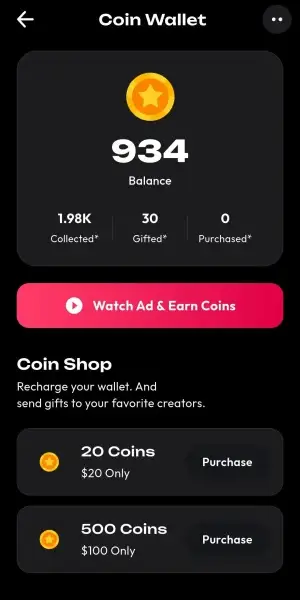
  5. Mobile coin wallet showing balance, collected and gifted coins, purchase activity, and rewarded-ad earning access
    5Pay and Place the Order

    One call carries the cart, the address, the coupon and the payment method, and the order is written.
    • Card through Stripe, or cash on delivery
    • Gateway and payment status recorded on the order
    • Line items store quantity, price, commission and seller earning
  6. Mobile creator-fund dashboard showing available balance, withdrawals, estimated earnings, qualified views, and performance analytics
    6Ship It, Then Get Paid

    The seller moves the order along and the business balance carries the sale, ready to withdraw.

    • My sales lists incoming orders; status moves to shipped
    • A credit sale entry lands on the business ledger
    • A withdrawal request waits for you to approve or mark it paid
The Order, Stage by StageSign UpAddress SavedShop BrowseCart & CouponOrder PlacedShippedPayout or Refund

Behind The Scenes

Behind the RedNote Clone - The Commerce Data Model

Book a Live Walkthrough
  1. Layer 01

    Products, Stock and Approval

    A listing carries seller, category, optional business, price, sale price, stock and gallery, and waits as pending until an admin approves it

  2. Layer 02

    Cart Becomes an Order

    Placing an order writes the order and its line items together, copying the shipping address onto the order and storing commission and seller earning per line

  3. Layer 03

    Tags Join Content to Catalog

    A tag row links a product to a post or to a live host, which is what lets the bag on a reel list exactly the right items

  4. Layer 04

    Payment and Payment Status

    Stripe and PayPal are initiated and verified server-side with keys held in the backend; the order keeps its gateway and paid state, and no card data is stored

  5. Layer 05

    Business Balance and Ledger

    Each business holds a balance with total earnings, commission paid, withdrawn and refunded, and every movement is a ledger row storing the balance that followed it

  6. Layer 06

    Cancellation and Refund

    A cancellation row keeps the reason, the refund method and a state that moves from pending approval through the seller decision to refunded by admin

Technology

RedNote Clone Tech Stack - Flutter, Laravel 10 & One MySQL Database

This is the stack the running demos are built on, not an aspirational one. One Laravel API, one MySQL database and a single Flutter project serve the apps, the web shop and the admin panel.

Frontend

Apps and Browser

Flutter 3.10+ · Laravel Blade + JS
  • Android and iOS from a single Flutter project
  • Web shop and admin panel rendered with Blade and Axios
  • Product, cart and order screens identical across platforms
Backend

API and Business Rules

Laravel 10 on PHP 8.1+
  • One API serving the apps, the web shop and the panel
  • Seventeen shop routes, plus business, address and payment routes
  • Requests carry an Api-Key and a per-session AuthToken
Database

Catalog and Order Data

MYSQL / MariaDB
  • Ten tables carry the shop and business side alone
  • Orders, line items and cancellations are separate records
  • Business balances reconcile against a typed transaction ledger
Media

Live, Renditions and Chat

Zego · FFmpeg · Firebase · HLS
  • Live streaming through Zego, with tokens issued by your backend
  • FFmpeg builds a rendition ladder, capped at the source height
  • Firebase handles auth and direct messages; HLS is preferred on web
Cloud & Operations

Your Cloud, Your Storage

AWS / GCP / DigitalOcean
  • Deployed to the cloud account you nominate, self-hosted throughout
  • File storage switches between local disk, S3 and DigitalOcean Spaces
  • Scheduled commands handle cleanup and daily counts; this version uses no queue workers
Payments & Keys

Money and Credentials

Stripe · PayPal
  • Payments initiated and verified server-side, keys held in the backend
  • Card data never stored by the platform; the provider holds it
  • Stripe, Zego, PayPal and messaging credentials live in settings or the environment file
For the engineer reading this:

The commerce schema is plain relational MySQL, so your team can add variant tables, a tax engine or a shipping-rate service without unpicking a layer of borrowed abstraction. Nothing about the stack ties you to a single cloud.

Request A Technical Architecture Call

How It Runs

How It Actually Runs - One API, One Database & Pack-Gated Surfaces

This section states the shape of the deployment plainly, including what the current version does not do. A buyer deserves the architecture, not an adjective.

A commerce platform carries a second kind of load that a plain feed never does: money that must reconcile. Orders, line items, commissions, balances and refunds are separate records precisely so a disputed figure can be traced rather than argued about.

Everything below is from the product documentation handed over with the code, including the items marked as out of scope in this version so you can plan around them instead of discovering them.

01

One API, One Database

A single Laravel API serves the mobile apps, the web shop and the admin panel, against one MySQL database. There is no second service to keep in step.

  • The same endpoints back the app and the browser, so behavior cannot drift between them
  • Commerce adds ten tables to that database: products, categories, reviews, orders, line items, cancellations, businesses, balances, transactions and withdrawals
  • Money records are normalized rather than summarized, so a balance can always be rebuilt from its ledger rows
02

Your Cloud, Your Sizing

The build is self-hosted on the account you nominate, so how it scales and what it costs are decisions your team keeps.

  • Deploy to Amazon Web Services, Google Cloud or DigitalOcean as you prefer
  • A standard PHP 8.1 and MySQL footprint, nothing exotic to provision
  • Credentials stay in your environment file and settings table, never in ours
03
Nearest edgeLess bufferingSmoother playback

Adaptive Renditions Behind a Pack

With the ABR pack enabled, publishing a reel seeds a rendition job and a scheduled worker expands the ladder with FFmpeg.

  • The ladder never exceeds the source height, so nothing is upscaled
  • With the pack off, publishing is unchanged and no rendition work is queued
04
Multiple bitratesAdaptive streamingEfficient compression

Storage You Point Wherever You Want

Uploads, product images and business logos go to whichever disk you configure, with the storage location set in one place.

  • Local disk, Amazon S3 or DigitalOcean Spaces, selected by a single setting
  • Upload paths are validated and stored files are never served as executable code
05

Scheduled Work, Not Queue Workers

Background jobs run as scheduled commands. This version deliberately ships without Laravel queue workers, and the documentation says so.

  • Expired stories, old notifications and daily active counts are handled on a schedule
  • The rendition worker runs on the same scheduler rather than a queue daemon
  • If you need true queued processing, that is a change your team or ours can make on owned code
06

One Instance per Deployment

Stated plainly because it changes how you plan: multi-tenant white-label is out of scope in this version, so each brand is its own install.

  • A second brand means a second deployment, not a tenant switch
  • Per-market behavior is handled by settings, feature packs, language and currency inside one install
  • Shared-core multi-brand is available as a scoped module, quoted before any work starts

Read this before you budget

Nothing here is load-tested on your behalf and no uptime figure is promised. What you get is owned code on your own infrastructure, which is what makes sizing, caching and queueing decisions yours to take when the numbers demand them.

Discuss Your Scale & Infrastructure Plan

07Security and trust

Security

RedNote Clone Security - Payments, Payouts & the Hardening List

A shop raises the stakes: you hold addresses, orders, payout details and money that belongs to other people. What follows is taken from the security document that ships with the build, including the items it lists as recommendations rather than as shipped behavior.

  1. 01 · Practices
    A Written Security Review Comes With It

    The handover includes a security and penetration-testing readiness document covering authentication, authorization, the API surface, file upload, payments and the admin panel. It is explicit that it does not replace a third-party test or a compliance audit, which is exactly why it is useful to your own reviewer.

    • Each area is written up with its risks and the mitigation expected
    • Scope for a real test is named: API, web, panel, uploads and payment flows
    • Your own tester starts from a map rather than from scratch
    • What it is not: no certification, no completed audit and no penetration test result is held or claimed on your behalf. Commission your own against the scope the document sets out.
  2. 02 · Privacy
    Personal Data, Including Addresses

    Commerce widens what you hold: identity and contact details, shipping addresses, order history and the payout details a seller submits. Account deletion is implemented, privacy policy and terms are served from settings, and retention is yours to define.

    • Shipping addresses are separate records, and the one used is copied onto the order
    • Account deletion is available to the user; cascades and anonymization are set during your build
    • Retention for logs and backups is a decision you record, not a default we impose
    • Still yours to arrange: processing agreements with the services you switch on, such as the payment providers and the authentication service, plus the consent wording your market requires.
  3. 03 · APIs
    Api-Key, AuthToken and the Key You Must Rotate

    Every API call carries a deployment Api-Key plus a per-session AuthToken stored server-side. The documentation states the shipped Api-Key is a shared default and must be changed per deployment and kept off the client.

    • Session tokens are held in a token table and validated on each request
    • Transport must be HTTPS with TLS in production; this is a requirement, not an option
    • Rotate the Api-Key before launch and keep it out of any client bundle
    • Where secrets sit: payment, live-streaming and messaging credentials stay in the backend settings table or the environment file, and the admin password is stored encrypted by the framework.
  4. 04 · Access
    Seven Roles, and Who Can Touch Money

    Viewer, creator, seller, business, manager, moderator and admin are distinct. A moderator can freeze an account and remove content but does not approve payouts; a manager acts for a creator only within the permissions granted.

    • Product approval, business approval and withdrawal release sit with the admin
    • Manager permissions are stored per account and enforced per action
    • The panel sits behind its own session login, separate from the user API
    • Worth hardening further: the security document recommends two-factor authentication for the admin and tighter session settings. Treat those as pre-launch work, not as something already switched on.
  5. 05 · Abuse
    The Hardening List You Close Before Launch

    The security document ends with a checklist to complete before going live, and it is worth reading as a to-do rather than a feature list. Rate limiting on login and sensitive routes is on that list, which means it is not configured for you.

    • Add throttling on login, upload and payment routes before you open the doors
    • Restrict cross-origin access and turn debug output off in production
    • Limit the scheduled-task endpoints by address or secret, and give the database a least-privilege user
    • Said plainly: an edge service, a web application firewall and volumetric protection are yours to put in front of the origin. We will tell you where they belong; we do not pretend they are bundled.
  6. 06 · Moderation
    Payments, Payouts and Double Spending

    Card payments are initiated and verified on the server with keys held in the backend, and cards are never stored by the platform. Coin spending and balance debits are the places to insist on atomic updates, and withdrawals require an admin decision.

    • Stripe and PayPal hold card data, which keeps your payment scope narrow
    • Verify provider callbacks and make payment completion idempotent
    • Every payout passes an admin approval step, and payout details deserve restricted access
    • On the content side: report reasons you define, report queues for posts and users, moderator powers to freeze or delete, and optional automated screening through Sight Engine if you enable it.

How to use this section: hand it to whoever signs off your launch. It separates what the code does from what your team must still configure, which is the only honest way to read any vendor security page.

Send Us Your Security Questionnaire

Marketplace Duties

Running a Shop and a Feed - What the Code Handles, and What Stays Yours

Selling adds a second set of obligations on top of the content ones: returns, refunds, seller identity, tax and consumer protection. The software gives you queues and records for all of it. The policies, the people working those queues and the legal position in each market remain yours. Miracuves gives no legal advice.

The controls are in the code; a marketplace policy is what turns them into a program you can stand behind.

In concrete terms that means: products arrive pending and need your approval; a business submits a name, license id and address and waits for a decision that carries your remarks; cancellations move through four recorded states before money goes back; every balance movement is a typed ledger row; reports on posts and users reach a queue; a moderator can freeze an account or remove content; optional screening through Sight Engine and an optional age gate exist; and account deletion is implemented. None of that is a certification. Miracuves holds no audit, no certification and no app-store approval for you.

What the Code Covers

Approval gates on products and on businesses, a refund path with a state per step, a ledger that explains every balance, order records that keep the address and gateway used, report queues on posts and users, moderator powers to freeze or delete, blocking, an optional age gate and account deletion. It arrives as source code you own, so you can tighten any of it.

What You Still Run

Your returns and refund policy and the window it promises, the people deciding cancellations, delivery and fulfillment, listing rules for what may be sold, dispute handling, and your privacy policy, seller terms and community guidelines. The code can route a refund request; it cannot decide whether the buyer is owed one.

Sellers, Licenses and Payouts

Registration captures a business name, license id and address, and the status field lets you suspend an account later. Whether that is sufficient identity checking, what tax you must collect and remit, and what you owe a seller and by when are decisions for your counsel and your accountant, not for a schema.

Local Law Sets the Duties

Two sets apply at once here. On content: the EU Digital Services Act with GDPR, the UK Online Safety Act, India IT Rules 2021 and US COPPA where children use the service. On selling: consumer protection, distance-selling and returns rules, trader information duties and tax in each market you take orders from. Have counsel review both lists. Miracuves offers no legal or regulatory opinion.

08Grow the platform

Standard package contentsMXTok
  • Shop, cart and orders
  • Seller and business accounts
  • Short-video feed and live
  • Coins, gifts & wallet

How add-ons work

  1. 1
    Pick what the catalog needs

    Take a module at launch or once real orders show you the gap. The core is not rebuilt either way.

  2. 2
    Each module priced on its own

    Every item below gets a written scope and a figure before any work begins.

  3. 3
    Merged into code you own

    A module lands in your repository on the same terms as the rest of the build.

Ask About Custom Modules

Advance Add-Ons

RedNote Clone Modules - Variants, Tax Rules & Multi-Brand

These eight are not in the base build, and several are listed in the product documentation as gaps rather than features. They are here so you can price them honestly instead of discovering them after launch.

  • Catalog & checkout

    Product Variants and Attributes

    Size, color and option sets as first-class records. The base schema leaves an attributes field for simple cases only.

    Fashion · Footwear · Grocery
  • Fulfillment & tax

    Shipping Rates and Tax Rules

    Zone-based rates, weight bands and tax tables at checkout. The base build prices an order from its line items alone.

    Cross-Border · Retail
  • Fulfillment & tax

    Courier Tracking and Pickup

    Carrier integration, tracking numbers surfaced to the buyer and in-store pickup as a delivery option.

    Local Retail · Grocery
  • Creation & tagging

    Timeline Reorder in the Editor

    The ordered-concat helper exists in the app, but the drag-to-reorder strip on the edit screen does not. This module builds that interface.

    Creator Tools
  • Growth & referrals

    Affiliate Links on Products

    Trackable codes that attribute a sale to the creator who tagged it, with its own payout rule.

    Creator Commerce
  • Creation & tagging

    Animated Stickers on Reels

    The build bakes static images today. Animated overlays are named as a remaining gap in the editor documentation.

    Upon request
  • Reporting

    Seller and Catalog Reporting

    Sales by seller, by category and by period. The documentation marks reporting beyond the fund dashboard and ad stats as out of scope.

    Marketplaces · Finance Teams
  • Expansion & multi-brand

    Multi-Tenant / Multi-Brand Support

    One core serving several brands. The current version is explicitly single-instance, so this is engineering work and is quoted as such.

    Agencies · Retail Groups

Neighbouring Products

If the Shop Is Not the Point, One of These Will Fit Better.

This build earns its keep when a viewer buys something. When the money comes from subscriptions, a back catalog or paid requests instead, one of these four is the honest recommendation.

Youtube Clone, Video Sharing by Miracuves, Video Sharing Platform01
Pick it if: Watch time on long uploads is what you sellYoutube Clone

A YouTube clone is a video-sharing platform built for uploading, managing, streaming, and discovering content across channels and categories.

Explore Solution
Netflix Clone, OTT by Miracuves, Netflix Clone Script02
Pick it if: A licensed catalog behind one monthly fee is the modelNetflix Clone

A Netflix clone is a subscription-based streaming platform designed for watching movies, series, and premium video content on demand.

Explore Solution
Cameo Clone Celebrity shoutouts.03
Pick it if: The product is a video made to order, not a parcelCameo Clone

A Cameo clone is a platform for personalized celebrity video, on which users pay to request shoutouts from influencers, athletes, creators and actors.

Explore Solution
Onlyfans clone04
Pick it if: Access to a creator is the thing being boughtOnlyfans Clone

An OnlyFans clone is a creator monetization platform where fans subscribe to access exclusive content, private interactions, and premium media.

Explore Solution
CatalogAll 90+ solutions

09The business case

Where the Money Comes From

RedNote Clone Revenue Models - Order Commission, Business Sales & Gifting

Eleven revenue streams are documented for this platform, and the two that matter most here are the commission on a shop sale and the commission on a registered business sale. Both rates are set by you in the admin panel.

The difference from an advertising model is that your cut is recorded on the order line itself, next to the seller earning, at the moment the order is written.

  1. 01

    Commission on Every Order Line

    Each order item stores the platform commission and the seller earning, at a rate you configure.

  2. 02

    Business Sales and the Business Wallet

    Orders tied to a registered business credit its balance as a sale, net of your share.

  3. 03

    Creator Product Commission

    A separate percentage applies when a creator rather than a business is the seller, tunable by region or category.

  4. 04

    Coins, Gifts and Tips Alongside

    The gifting economy does not disappear because a shop exists; coins, gifts and tips still run with their own commission.

  5. 05

    Subscriptions, Pay-Per-View and Ads

    Creator plans, unlockable posts, creator-funded promotion and rewarded ads are all documented streams you can switch on.

  6. 06

    Payout Controls in Your Hands

    Minimum redemption, which gateways exist and whether withdrawals are open at all are settings, so you can pause payouts during an audit.

Published store, creator-split and payout benchmarks for the coin, fan-club, brand, live and wallet lines of a short-video platform.
Revenue streamHow it is chargedTake rateTypical rangeWhat sets the ceiling
In-App Coins & Virtual GiftsViewers buy coin packs through the store, and its commission is settled before revenue reaches you.Apple: 15% up to $1M proceeds, else 30%. Instagram pays creators $0.01 per Star.Apple publishes 30% as standard and 15% for developers under $1M in proceeds. Crossing the threshold mid-year applies the standard rate to later sales, and requalifying waits until the following year.
Subscriptions & Fan ClubsA monthly fee gives fans premium access, and the creator and platform divide what the store leaves.YouTube pays creators 70% of net membership revenue.Net basis. YouTube's 70% applies to revenue after taxes and fees, and Apple's own cut on an iOS subscription is 30% in year one and 15% from year two.
Sponsored Content & Brand CollaborationsBrand deals are priced between brand and creator, and a platform takes a published share only on ads it serves.No published rate for private deals. YouTube pays 45% on Shorts feed ads.Negotiation. For platform-served ads, YouTube lists 55% of net revenue on watch-page ads and 45% of allocated revenue on Shorts, a published split to price a rival program against.
Live & Premium EventsViewers pay to pin messages or join a live session, and the platform keeps its share of each payment.YouTube pays 70% of the Super Chat revenue Google confirms.Tax and iOS fees. YouTube computes its 70% after local sales tax and App Store fees on iOS and absorbs card costs, so a creator's cut of a viewer's gross payment is lower.
Creator Wallet & EarningsA fee can apply when a creator moves a balance out to a bank or PayPal account.PayPal Payouts: 2% of the payment, capped at $1.00 on US sends.Rail cost. PayPal also offers a 0.25 USD flat fee through its API and caps international sends at 20.00 USD, so payout fees stay small against typical balances.

How to read this. App-store rates are Apple's own published policy: the Small Business Program page and subscription terms, with the 30% standard rate in its newsroom release. Creator splits come from YouTube's earnings overview and its Super Chat page, the gift payout from Instagram Help, and the withdrawal fee from PayPal's fee table. Everything cited is a published rate. Brand-deal pricing has no public benchmark, so it is described rather than quoted. Keep these numbers as modeling inputs only, never as a quote or a statement of expected earnings.

Want the commission math run against your own basket size?Talk to Us About Monetization

Market Benchmarks

Short-Video App Market Benchmarks - Independent 2025-2026 Data

Our own revenue models appear earlier; the statistics below have other origins. YouTube, Meta, DataReportal and Pew Research released them, and we show them unaltered. From these, operators can gauge how much attention short-form video already commands, the advertising volume it supports at scale and how many users it has, which lets you check the business case against sources anyone can verify.

YouTube01

200bn Daily Views on YouTube Shorts

YouTube CEO Neal Mohan announced on 18 June 2025 that YouTube Shorts were averaging over 200 billion daily views, and YouTube's 2026 CEO letter, published on 21 January 2026, repeats that Shorts now averages 200 billion daily views. It is a publisher-reported measure of how much of a major platform's viewing now happens in the short-form vertical feed.

Meta02

Reels at an Annual Run Rate Over $50bn

On its third-quarter 2025 earnings call on 29 October 2025, Meta said Reels now has an annual run rate of over US$50 billion. In the same remarks it reported that video time spent on Instagram was up more than 30 percent year on year. A run rate is Meta's own extrapolation of current revenue, not realized annual revenue.

DataReportal03

1h 37m a Day: Time per TikTok User

DataReportal's Digital 2026 Global Overview Report, published in October 2025, uses Similarweb App Intelligence data for August 2025 to report that the typical TikTok user spends 1 hour and 37 minutes per day using the platform's Android app. That is the highest daily average among the leading social apps the report compares, and it is for Android usage only.

Pew Research04

37% of US Adults Use TikTok

Pew Research Center reports in a short read published on 2 March 2026 that about four-in-ten US adults (37 percent) say they use TikTok, up from 21 percent in 2021, based on a survey of US adults conducted from 5 February to 18 June 2025. About six-in-ten adults under 30 (63 percent) are on the platform, and 68 percent of teens aged 13 to 17 use it.

Cited sources, as published.

YouTube Blog, Neal Mohan at Cannes Lions 2025: What 20 years of YouTube reveals about creativity’s future, 18 June 2025 - blog.youtube

YouTube Blog, YouTube CEO Neal Mohan’s 2026 Letter: The Future of YouTube, 21 January 2026 - blog.youtube

Meta Platforms, Inc., Third Quarter 2025 Results Conference Call transcript, 29 October 2025 - s21.q4cdn.com

DataReportal (Kepios), Digital 2026 Global Overview Report, October 2025, citing Similarweb App Intelligence data for August 2025 - datareportal.com

Pew Research Center, 8 facts about Americans and TikTok, 2 March 2026 - pewresearch.org

Every figure is a publisher’s own estimate, survey result or company statement, shown unaltered. Meta defines the Reels figure as a run rate rather than reported annual revenue. The TikTok time figure covers only the Android app. These describe the market and say nothing about how any Miracuves-built platform performs; none of it projects revenue for your business.

Why Now

Why Put the Shop Inside the Feed in 2026?

The benchmarks above describe attention. The argument on this page is narrower: when the product page is one tap from the video, you stop paying twice, once to be discovered and again to be bought from.

Owning both halves also means the order, the address and the review are records in your database rather than a report you download from someone else.

01

The Checkout Belongs to You

No marketplace fee schedule, no third-party storefront rules, and no intermediary standing between a buyer and the order record.

02

Sellers Onboard Themselves

A creator or a shop registers as a business, submits a license id and an address, and waits for your approval, with no spreadsheet in the middle.

03

Six Days Beats Six Months of Integration

Stitching a video app onto a separate commerce platform is the slow, fragile path. Here both halves already share one database.

04

Reviews Come Only From Buyers

A rating is written after a purchase, which is a quieter but real advantage over a feed where anyone can praise anything.

05

Cash on Delivery Where Cards Fall Short

In plenty of markets a card-only checkout kills the order outright. Cash on delivery sits beside card payment as a configured option.

06

One Commission, Set by You

The platform share on a sale is a number in your own settings, not a rate negotiated with a vendor who can revise it later.

What the Commerce Half Actually Contains

17

Shop endpoints in the API, from category listing to order cancellation

11

Revenue streams documented for the platform, two of them commerce

6

Address endpoints, so a buyer keeps a real address book

4

States a cancellation passes through before money goes back

Those are counts from the documentation handed over with the code, not market forecasts. The figures above them come from their publishers; these come from the build itself.

The Commercial Case

Who Buys This, Why It Sells & What Drives the Margin

A social shopping app has a simpler economic story than a pure content app: every sale is a measurable event with a commission on it. Growth comes from more sellers, bigger baskets and fewer abandoned carts, all of which you can see in your own tables.

  1. 01

    Revenue Per Order, Not Per Impression

    Income is tied to a completed order rather than to attention you have to sell on again.

  2. 02

    Sellers Bring Their Own Catalog

    Each approved business adds listings and buyers you did not have to acquire yourself.

  3. 03

    Discovery and Purchase in One Place

    The bag opens on the reel that caused the interest, so the journey has one fewer place to leak.

  4. 04

    Repeat Purchase Beats Repeat Reach

    A saved address, an order history and a review habit make the second purchase cheaper than the first.

What Moves the Number
  • order volume
  • average basket size
  • commission rate you set
  • approved seller count
  • refund and cancellation rate
  • gifting and subscription income beside the shop
How It Compounds

Run properly, the same install tends to become:

  1. 01a catalog people browse
  2. 02a seller roster that grows itself
  3. 03a payments and payout ledger
  4. 04first-party demand data nobody can revoke
Three Stages, No Revenue Promises

We will not print an earnings figure we cannot source. What follows is only how the platform is usually configured at three audience sizes, and which revenue lines tend to be switched on at each. Your own basket size and commission decide the rest.

Stage A - Single CatalogOne sellerShop on, business accounts off

You are the only seller. Products, cart, coupon and orders are enough, with the commission setting irrelevant because the margin is simply yours.

Typical for a D2C brand or a single creator running merchandise, where the work is merchandising and content rather than seller operations.

Stage B - Invited SellersTens of sellersBusiness accounts and payouts on

Business registration, the approval queue, per-line commission and withdrawal handling all come into use, and someone now owns the refund queue as a daily job.

Typical for a curated marketplace or a creator network, where seller quality is the product and your commission rate becomes a real lever.

Stage C - Open MarketplaceHundreds of sellersModules usually needed

This is where variants, tax tables, shipping rates and seller reporting stop being optional, and where gifting, subscriptions and rewarded ads usually run alongside the shop.

Typical for retail groups and regional marketplaces. Plan the modules into the budget rather than discovering them at this stage.

10Why Miracuves

Why Miracuves

How This Compares With the Alternatives

For a social shopping build there are really three routes: a ready-made product like this one, a cheap script that stops at a feed, or a custom agency project. The honest difference is where the commerce half comes from.

Six Reasons Buyers Pick Us

  • 01

    Six Working Days to a Live Store

    Branding, deployment and store submission inside one week.

  • 02

    The Schema Is Yours to Extend

    Plain relational tables for orders and ledgers, with no obfuscated layer in the way.

  • 03

    We Name What Is Missing

    Variants, tax, shipping and multi-tenancy are listed as modules on this page rather than implied as included.

  • 04

    Commerce Is Already Written

    Ten tables, seventeen shop endpoints and nineteen admin controls, not a plugin bolted to a video app.

  • 05

    Every Module Quoted in Writing

    Scope and price per module before work starts, so the budget does not drift mid-build.

  • 06

    A Support Window With Dates

    Sixty days of guidance, six months of priority fixes and twelve months of updates, stated rather than hinted.

The same decision, laid out row by row

CriteriaMiracuvesThis RedNote Clone BuildGeneric Clone ScriptCustom Dev Agency
Time to Launch6 days (Production)Unknown / DIY6-9+ months
Source-Code OwnershipFullOften limited / encryptedUsually yes
Shop, Orders and RefundsShipped: 10 tables, 17 endpointsUsually a feed with no checkoutBuilt from zero, billed by the hour
Seller Payouts and LedgerBusiness wallet with a typed ledgerAbsent entirelyPossible, at project cost
HostingYour cloud, one instance per deploymentOften undocumentedWhatever the contract specified
Revenue Streams11 documented, commission rates configurableOne or two, hard-codedWhatever you pay to have built
Operator Queues19 shop and business controlsRarely more than a user listScoped screen by screen
What Is Not IncludedNamed on this page as quoted modulesDiscovered after purchasePriced as change requests
Ongoing Support & UpdatesAvailable with clear plansUsually noneDepends on contract
Comparing us with a custom quote? Send it over.Have Us Read the Other Proposal

Changelog

Change Log

VersionDateWhat’s New
v2026.1Jan 2026Updated UI, smarter AI feed, new monetization & live streaming modules
v2025.3Oct 2025Multi-host live rooms, AR lens pack support, referral module added
v2024.2Jun 2024GDPR compliance updates, 2FA for admin, geo-based content controls
v2024.1Feb 2024Creator analytics dashboard, in-app affiliate module, PWA support

Let’s build together

Your catalog can be taking orders next week.

Bring the catalog, the markets and the payment rails you need. You will get a straight answer on what the base build covers and what has to be quoted.

  • Reply in 24 hrs
  • Free consultation
  • No lock-in contracts
  • Full source code ownership

11Learn more

Blog & Resources

Short-Video Platform Insights: Blog Posts & Tutorials

Stay updated with the latest trends, guides and case studies on short-video platform development.

Product4 questions

01What is a RedNote Clone App?

It is a ready-made social commerce platform: a short-video feed and a working shop on one backend. The commerce half covers products with categories, stock and approval, a cart with coupon and payment, shipping addresses, orders with cancellation, buyer reviews, seller storefronts, and registered businesses with a balance, a transaction ledger, withdrawals and refunds. It ships as Android and iOS apps, a web app with an optional PWA, and the admin panel where those queues are worked, all under your brand.

02How is this different from a plain short-video clone?

The codebase is the same one. What this page argues for is the commerce half: ten shop and business tables in the schema, seventeen shop endpoints in the API and nineteen shop and business controls in the admin panel. Our conversation-led and sound-led hubs argue for different halves of the identical product. You are never buying two things, and one deployment is never presented to you as two.

03Can the shop be switched off in some markets?

Yes. Commerce sits behind a feature pack called shop, controlled from the admin panel. With it off there is no shop bag on a reel, no Tag product row on the composer and no shop icon, and the gate is fail-closed, so a missing or unreadable pack setting also reads as off. Note that this version runs one instance per deployment, so a genuinely separate brand means a separate install rather than a tenant switch.

04What is the stack underneath?

Flutter 3.10 or later for both apps, Laravel 10 on PHP 8.1 or later for the API, the web app and the admin panel, and one MySQL or MariaDB database. Firebase handles authentication and direct messages, Zego handles live streaming with tokens issued by your backend, FFmpeg builds adaptive renditions, Stripe and PayPal take payments, and file storage points at a local disk, Amazon S3 or DigitalOcean Spaces. Hosting is your own account, on AWS, Google Cloud or DigitalOcean.

Cost and go-live4 questions

05What does a social shopping app cost in 2026?

The Professional plan starts from around $3,999, paid once, with go-live in 6 working days and the shop included rather than sold separately. What moves the figure is the payment gateways you need per market, product variants, tax and shipping logic, branding depth and the surfaces you publish. Enterprise builds for retail groups and multi-country sellers are quoted against scope.

06How quickly can we be taking orders?

Six working days for the branded build, deployment and store submission support. The honest caveat is that your own preparation runs alongside: payment gateway accounts, the categories you want, your first listings and your returns policy. Any module from the list above is scoped and quoted in writing before it is started, and that scope sets its own timeline.

07Does it run on our own infrastructure?

Yes, and it is the only way we ship it. The build is deployed to the account you nominate on AWS, Google Cloud or DigitalOcean, with your database, your storage bucket and your payment keys. Order records, buyer addresses and seller payout details live in your database, not in any system of ours.

08Why Miracuves for a commerce build?

Since 2010 we have delivered 9,000+ projects for 6,000+ clients, and the catalog holds 90+ ready-made solutions. For this build specifically: the commerce half already exists rather than being quoted as a phase two, the schema is plain relational MySQL your own team can extend, and the gaps are named on this page as priced modules instead of being implied as included. Delivery is 6 working days with full source-code ownership, 60 days of platform guidance, 6 months of priority bug fixes and 12 months of product updates.

Sellers & revenue2 questions

09How do sellers get paid, and what do we keep?

Every order line stores its price, the platform commission and the seller earning, so your share is recorded at the moment the order is written. A registered business accumulates those earnings in a balance with a typed ledger of sales, withdrawals, refunds and adjustments, each row keeping the balance that followed it. The business requests a withdrawal with a method and account details, and you approve it, reject it with remarks, or mark it paid. The commission rate, the minimum redemption, the available gateways and whether withdrawals are open at all are all settings. Coins, gifts, tips, subscriptions and pay-per-view run alongside with their own configurable commission.

10Is in-video product tagging actually finished?

Here is the precise state of it. The shop bag on a reel, the product bag in live, the host pin control and the Tag product row on upload are built and gated by the shop pack, and the web surfaces are deployed and smoke-tested on our staging build with the pack on. On the app side the same surfaces exist and the gating fixes are written, but they reach a device only with the next app build, and end-to-end device testing is recorded as pending. The plain shop, the cart, orders, reviews, seller shops and the business wallet are not in that category at all; they are long-standing parts of the product. We would rather you read that distinction here than find it later.

Ownership, security & support3 questions

11Do we own the code outright?

Yes. The apps, the API, the web shop, the admin panel and the database schema are handed over with no revenue share, no per-seat fee and no commission to us on anything you sell. Add a variant table or a tax engine yourself if you prefer; nothing in the licensing stops you.

12How secure is it, honestly?

What is in the code: HTTPS and TLS required in production, an Api-Key plus per-session tokens held server-side, Firebase-backed user authentication, an encrypted admin password, seven separated roles, server-side payment initiation with keys in the backend, and no card data stored by the platform because Stripe or PayPal holds it. What is on the hardening list for you to close before launch: rotating the default Api-Key, rate limiting on login and sensitive routes, restricting cross-origin access, turning debug output off, limiting the scheduled-task endpoints, two-factor authentication for the admin and an edge or firewall layer in front of the origin. We hold no certification, no completed audit and no penetration-test result on your behalf, and the security document that ships with the build says so itself.

13What happens after the handover?

Sixty days of dedicated platform guidance while you configure categories, commission and gateways, then 6 months of priority bug fixes and 12 months of product updates. First response is under 2 hours, Monday to Saturday, 10:00 to 19:00 IST. Longer maintenance is available as an option, and because you hold the code your own team can work on it in parallel from day one.

Disclaimer

Miracuves is an independent software development company. We are not affiliated with, connected to, sponsored by, or endorsed by RedNote.

Read our full Legal Notice & Disclaimer →
The story of our name

“RedNote Clone” is used descriptively. It is how the software industry refers to building a platform with functionality similar to RedNote, and how clients search for it.

The builders of this

The entire design and codebase is built by our own team. The product contains no code, design, graphics, or content originating from the RedNote website or applications.

Trademarks

RedNote and all other third-party names and marks are the property of their respective owners, referenced here solely to describe the category of software offered.