


















Keeta Clone for Operators Who Enter a City on Price and Stay Profitable
Enter a city where strong incumbents already hold the customers, and win it on price. Keeta Clone gives you coupons by zone and by restaurant, free delivery over a basket amount, and campaigns that restaurants opt into. The order record shows who paid for each discount, and your commission is still taken on the full basket.
It arrives complete: 13 payment gateways, wallets, loyalty, coupons, ratings, ordering, live tracking, dispatch, a counter till for walk-in orders, full reporting and automatic payouts. Rebrand it, add your restaurants and open your first zone.
Go live in 6 Days with
- Coupons
- Campaigns
- Free Delivery
- Cashback & Wallet
- Ad Placement
- White-Label
Promotion event stream
- Coupon appliedCheckout
- Store joined campaignCampaigns
- Peak fee switched onZones
- Cashback credited to walletWallet
- Restaurant-funded discount bookedOrder record
- Free delivery over basketBasket rule
- Promotion ad approvedAds
- Payout run finishedPayouts
- Coupon appliedCheckout
- Store joined campaignCampaigns
- Peak fee switched onZones
- Cashback credited to walletWallet
- Restaurant-funded discount bookedOrder record
- Free delivery over basketBasket rule
- Promotion ad approvedAds
- Payout run finishedPayouts
Price-War Overview Panel
by zone, by restaurant, first order and free delivery
with wallet pay, cash on delivery and offline options
the source code is yours outright, with no cut per order
apps for customers, restaurants and riders, plus the admin
One Build Covers Delivery, Takeaway and Dine-In
Delivery, takeaway and dine-in all ship together. Whichever mode a rival restaurant offers in your target city, you can match it on day one with nothing extra to buy later.
Open City After City on One Platform
Draw each zone on the map with its own charges and rules. Taking the next city means another zone to configure, not another platform to build.
01Run it live
Working Live Now
Keeta Clone Live Demo - Customer, Store and Operator Views & Android
Test it yourself today. Four working logins are set up, one per role. The demo worth running is a discounted order: apply a coupon at checkout, accept the order as the restaurant, then open the same order in the admin dashboard. The commission is worked out on the full basket, with the coupon added back.
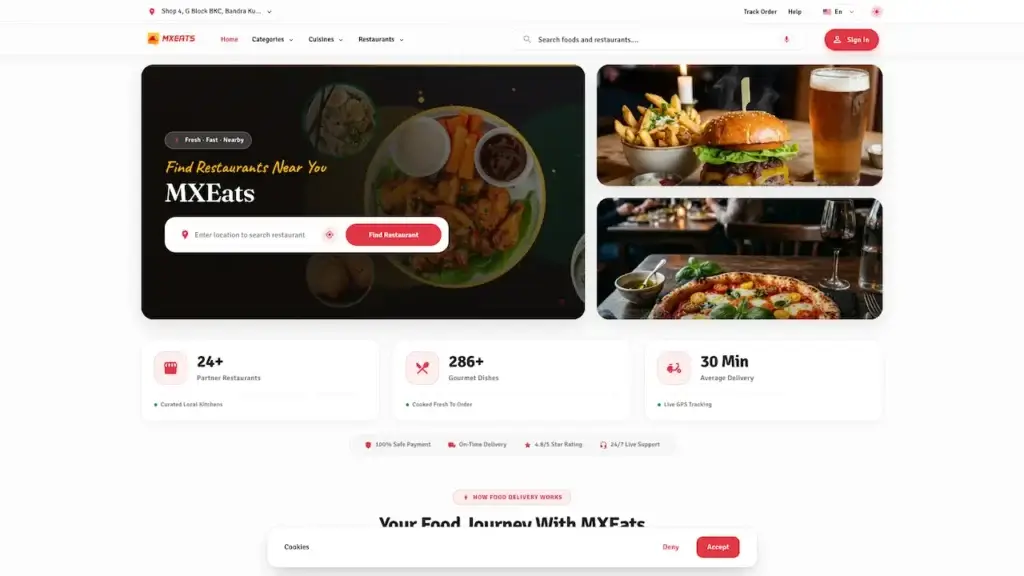
Keeta Clone - Storefront, Coupons & Order Tracking
The customer side. Shoppers see only restaurants that reach their address, search by dish or cuisine and build an order with sizes and extras. At checkout they enter a coupon, pay from the wallet if they like, and follow the order to the door. Cashback, points and coupons sit in the same app.
- 1Open the web storefront in a browser tab
- 2Log in with the customer login given below
- 3Explore: Coupons, Checkout, Tracking, Wallet
user@demo.com | User_321
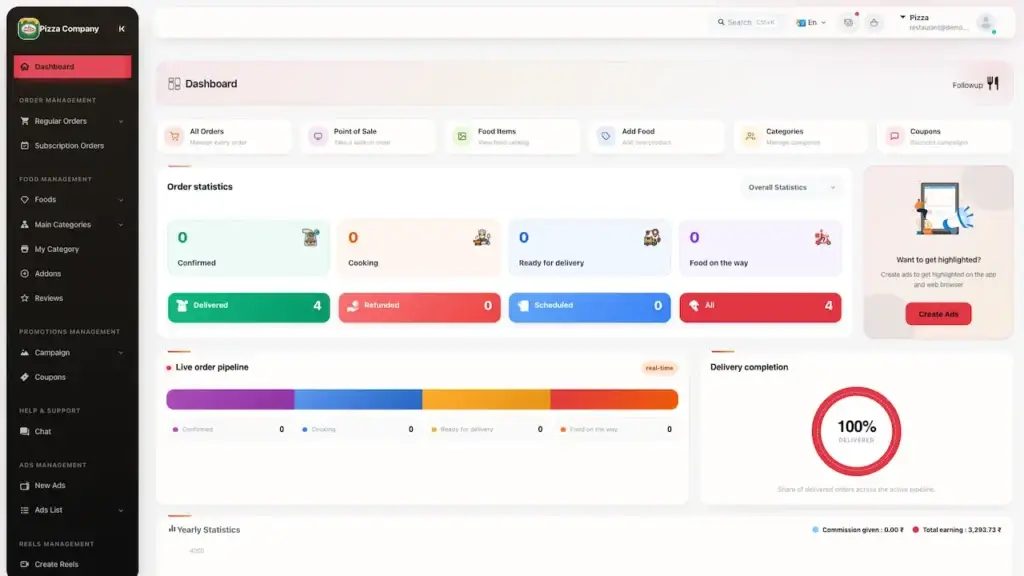
Orders, Menu, Coupons & Payouts
The restaurant side. Accept and prepare orders, edit the menu, mark a dish sold out in one tap and set opening hours. Restaurants create their own coupons, see the total discount they have given, take walk-in orders on the built-in till and check what they are owed.
- 1In a browser tab, open the store panel
- 2Sign in with the store login below
- 3Explore: Orders, Menu, Coupons, Payouts
restaurant@demo.com | Restaurant_$321
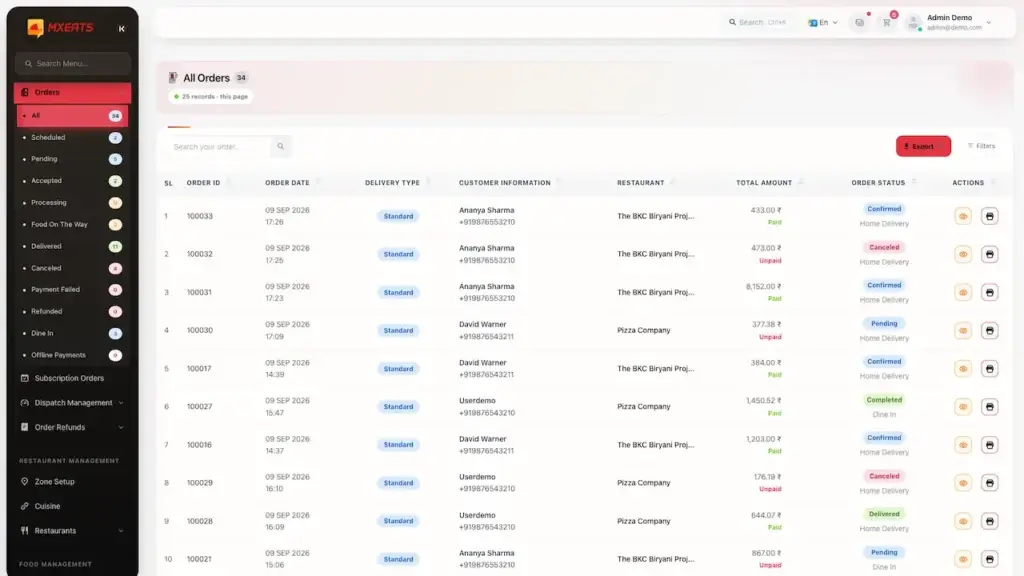
Zones, Coupons, Campaigns & Settings
Where you run the promotions. Approve restaurants and riders, draw zones and set their charges, create platform coupons, run campaigns that restaurants join, switch a peak fee on or off per zone, set free delivery over a basket amount, and approve paid ad placement.
- 1Open the admin console in a new tab
- 2Log in with the operator login listed below
- 3Explore: Zones, Coupons, Campaigns, Payouts
admin@demo.com | Admin_$321
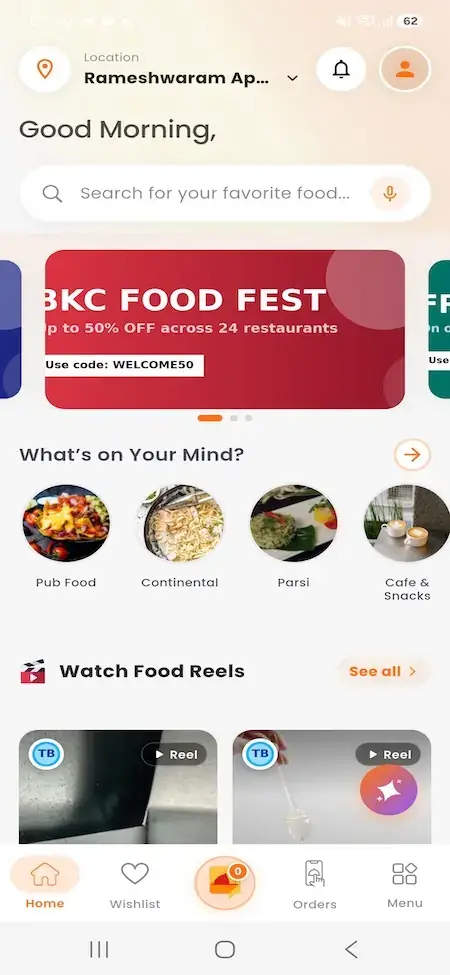
Keeta Clone - Android Apps
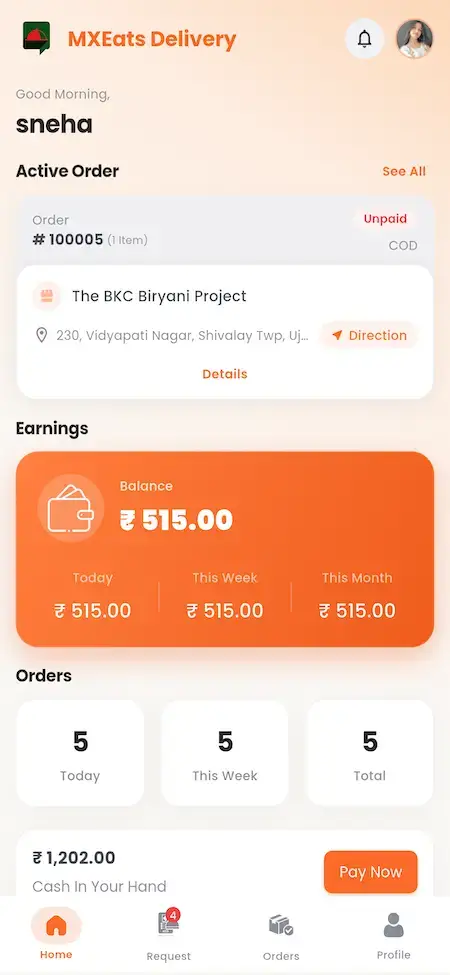
There are three Android apps, one per role. Customers order and track, restaurants take orders and run the menu, and riders get jobs, navigation, the delivery code and daily earnings. Each one downloads separately.
- 1Pick an app and download its build
- 2Install it on an Android phone
- 3Sign in with the login given below
delivery1@demo.com / +919876543201 | Delivery_$321Run a Promo Order
Keeta Clone Video Demo: A Discounted Order From Cart to Payout
Instead of listing features, this tour follows one discounted order from start to finish. The customer enters an address, sees the restaurants that serve it, applies a coupon and pays part of the bill from the wallet. The restaurant accepts and prepares the order. A rider takes the job, navigates by map and closes it with the code the customer reads out. Back in the admin dashboard, the order shows the commission, the restaurant's share and the payout it falls into. A counter order rung up on the till lands in the same books. If one part matters more to you, ask and we will run it live with real data. Pick any flow you want to see first and we will start there, whether that is the coupon, the delivery or the settlement.
Book a live walkthrough call.All Screens Listed
Keeta Clone Screens - How Customer, Store, Rider & Admin Flows Look
These are the screens each role works in. Customers get browsing and search, dish pages that show sizes, extras and allergens, and a checkout covering delivery, collection or a table, scheduled times, tips, coupons and loyalty points. After that come live tracking, chat and the wallet. Restaurants get the order board, a menu editor with bulk upload, a till for counter orders, staff logins, coupons they create themselves, and payout history. Riders get the jobs given to them, a running total of cash collected, and the delivery code.
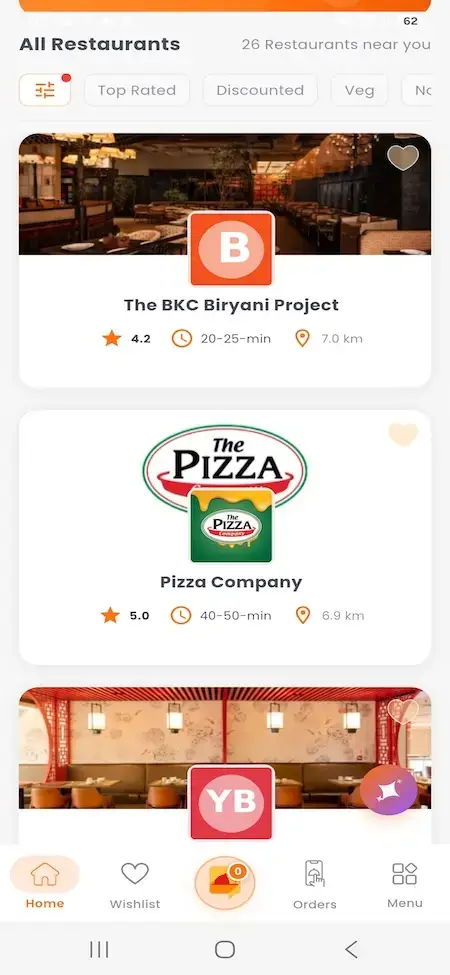
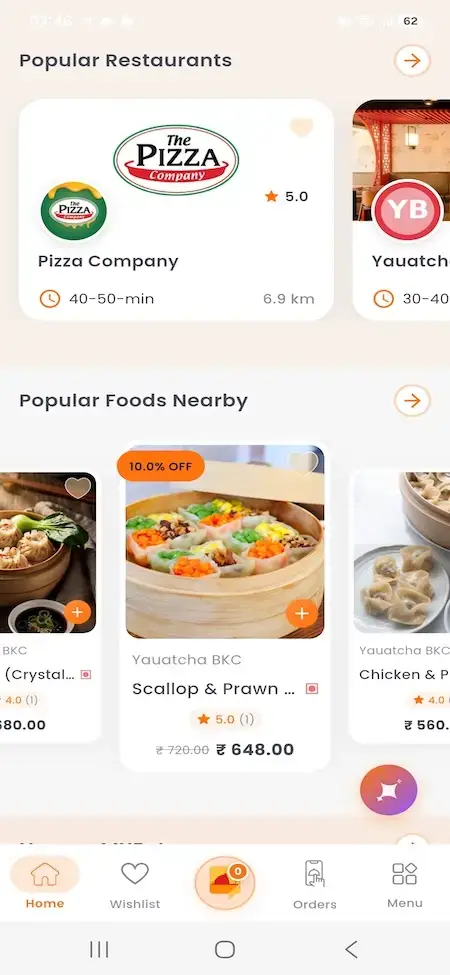
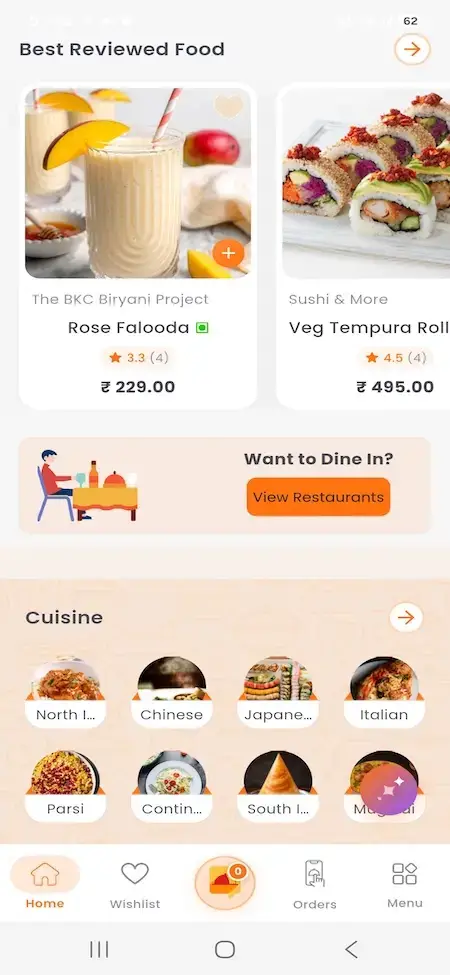
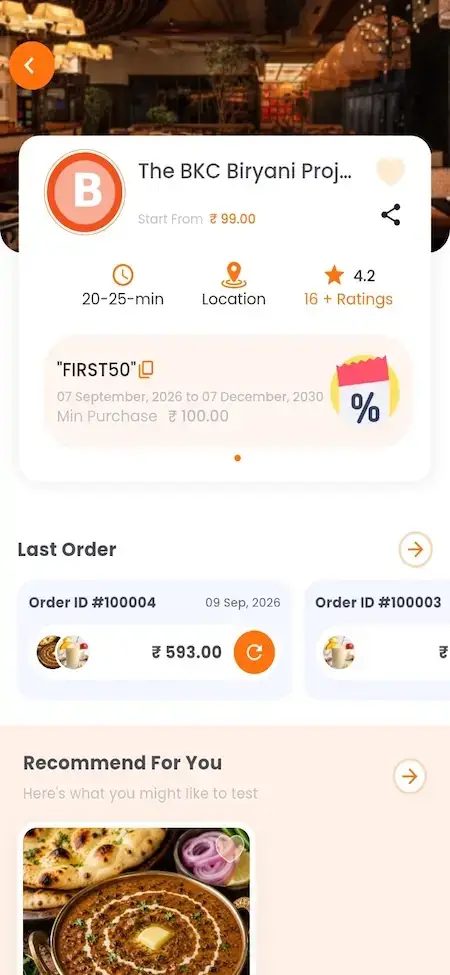
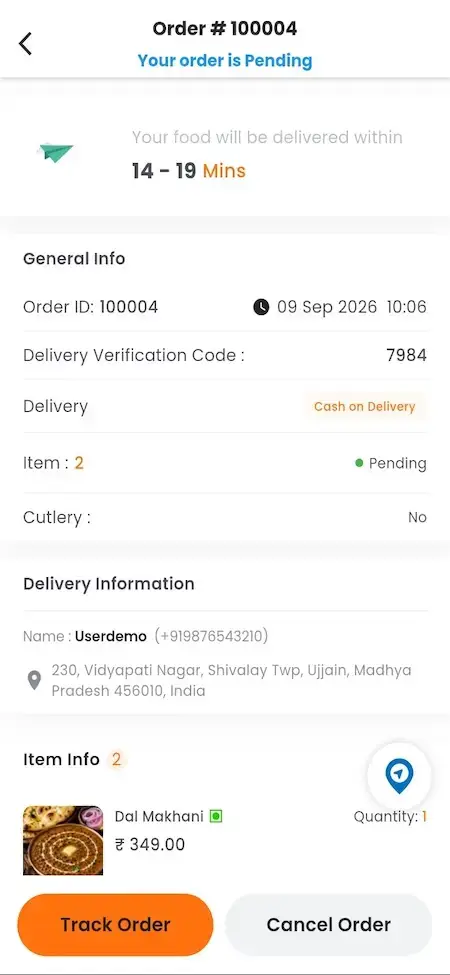
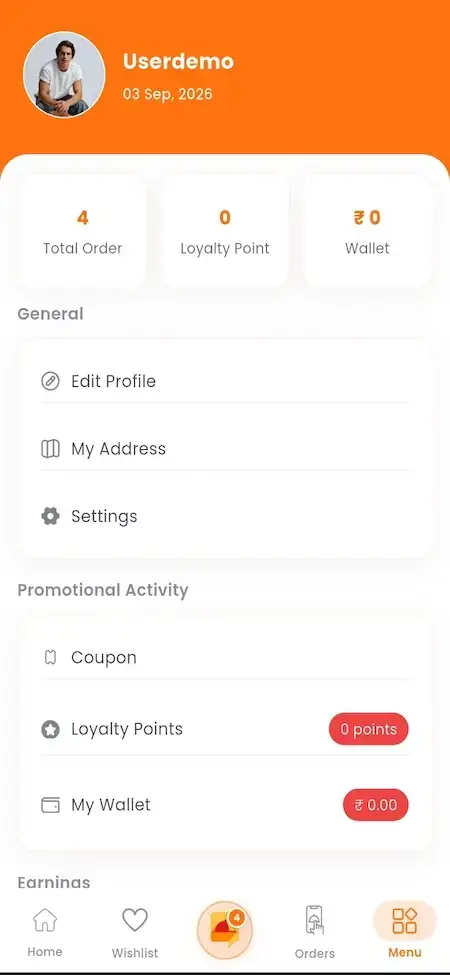
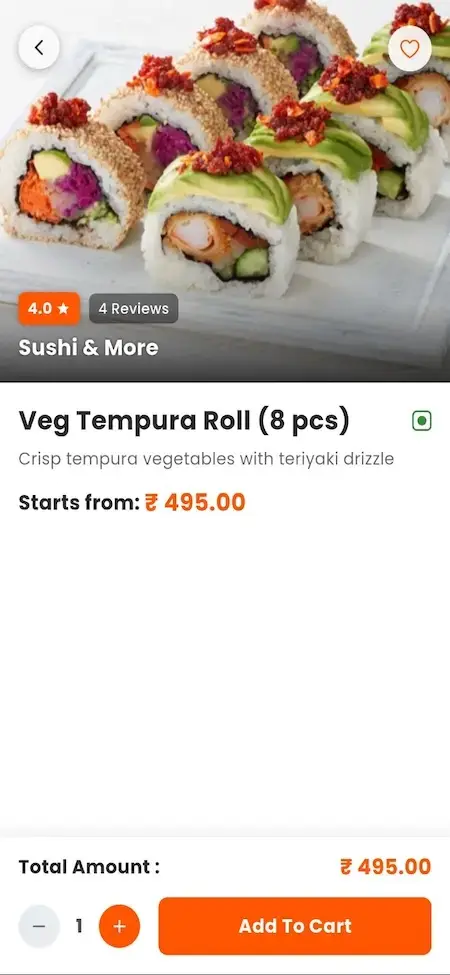
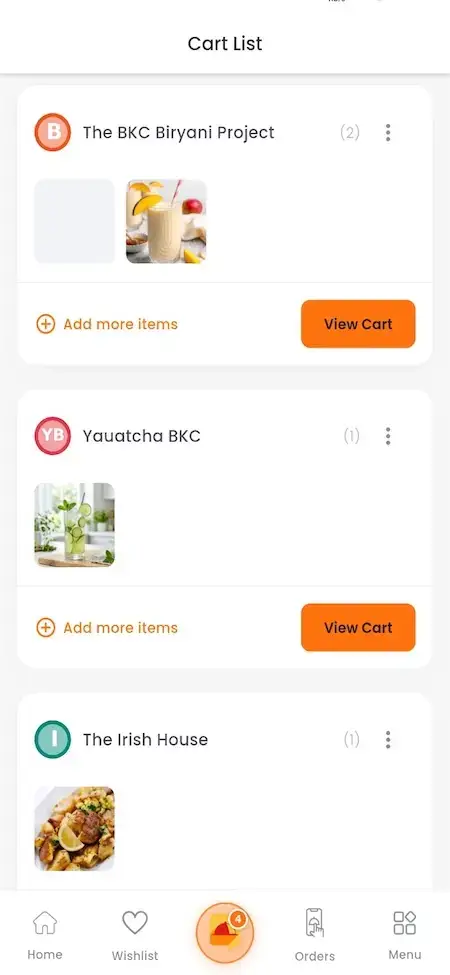
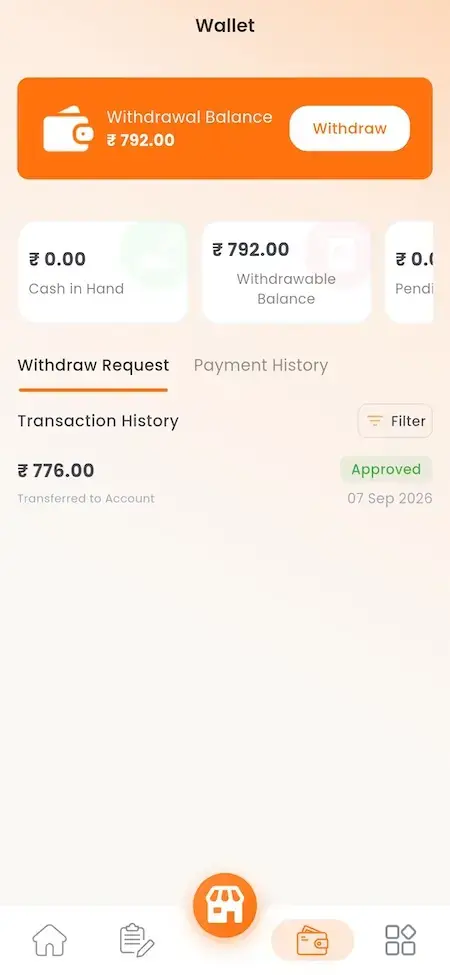

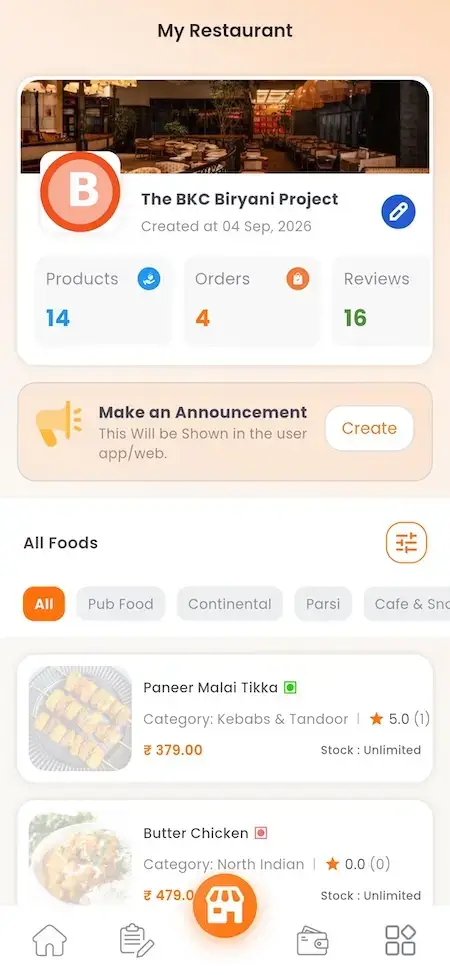
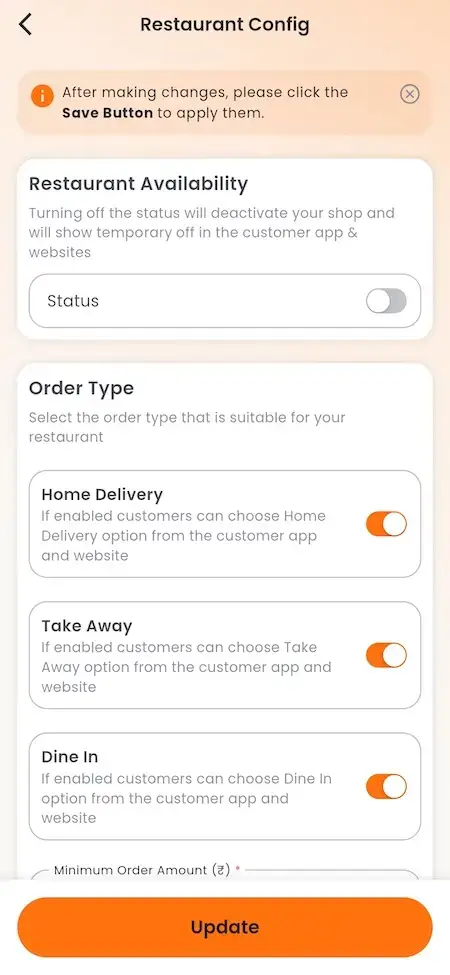
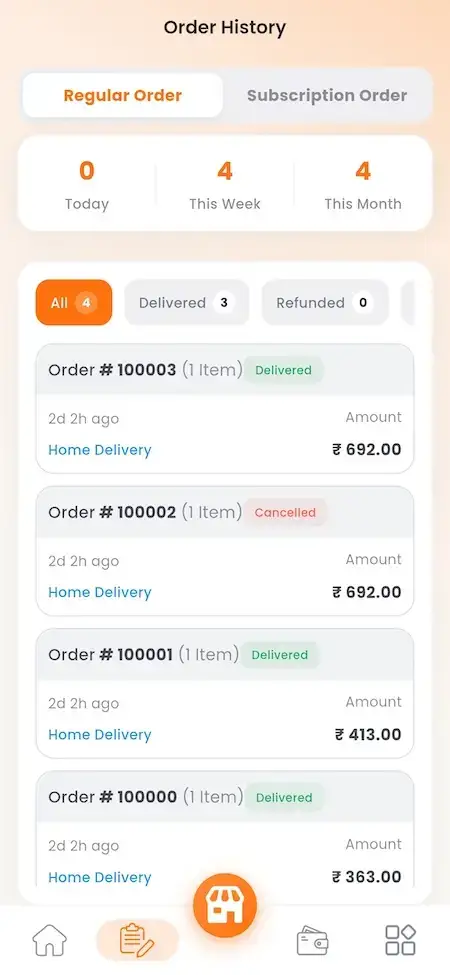
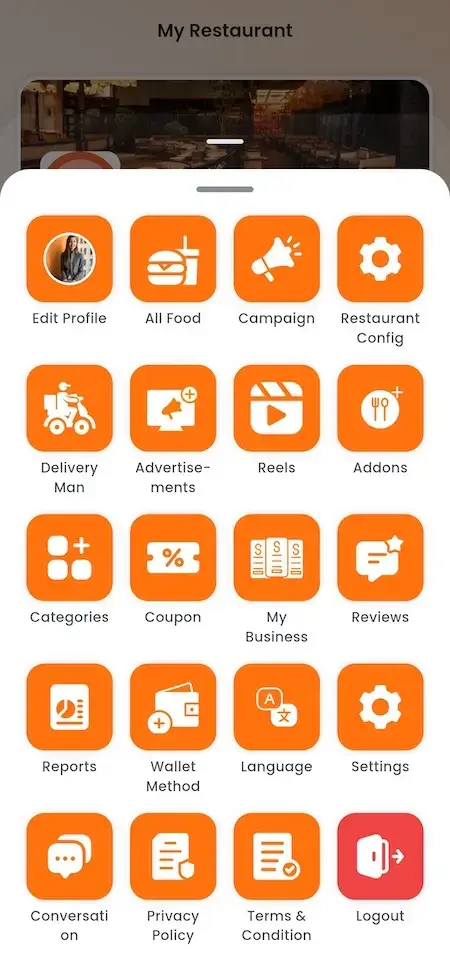
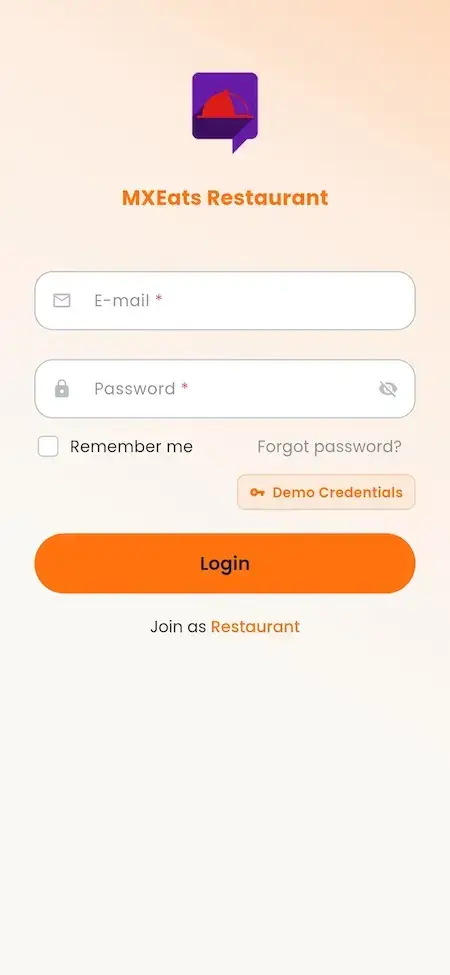
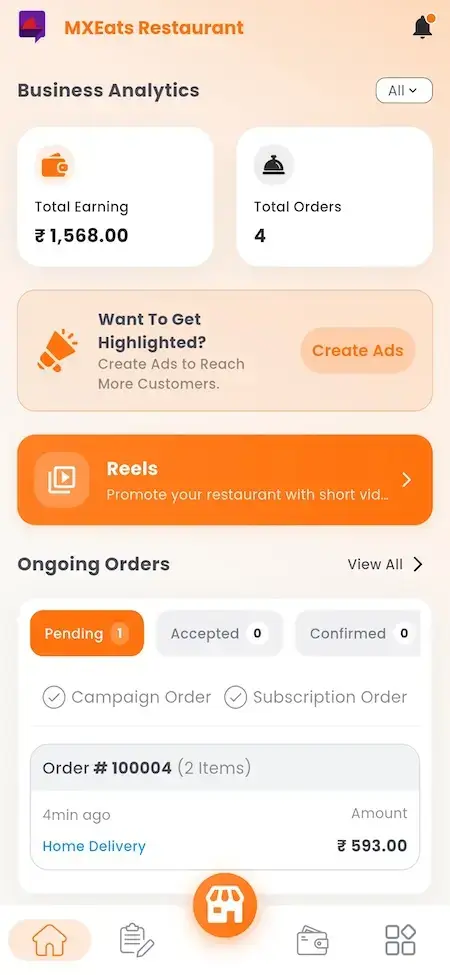
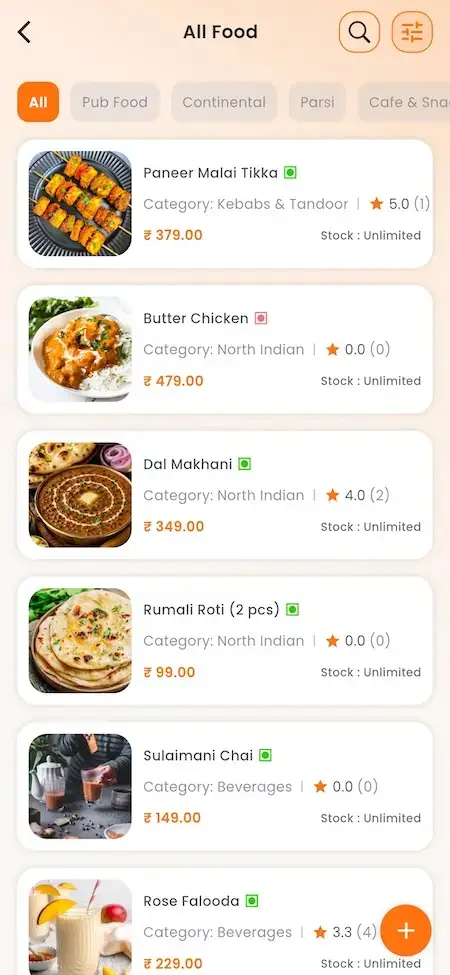
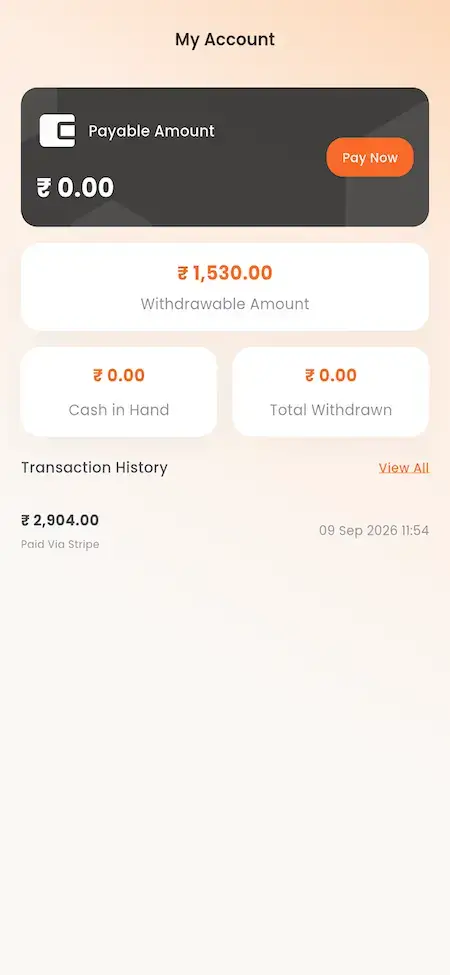
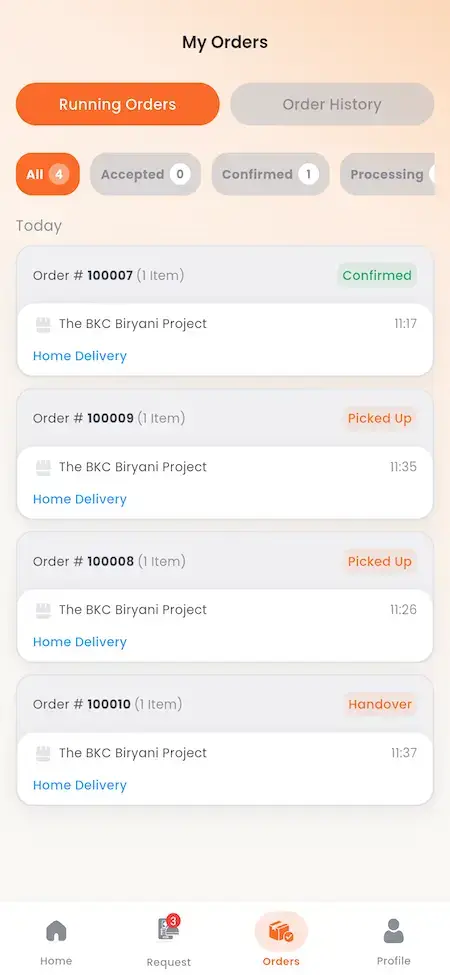
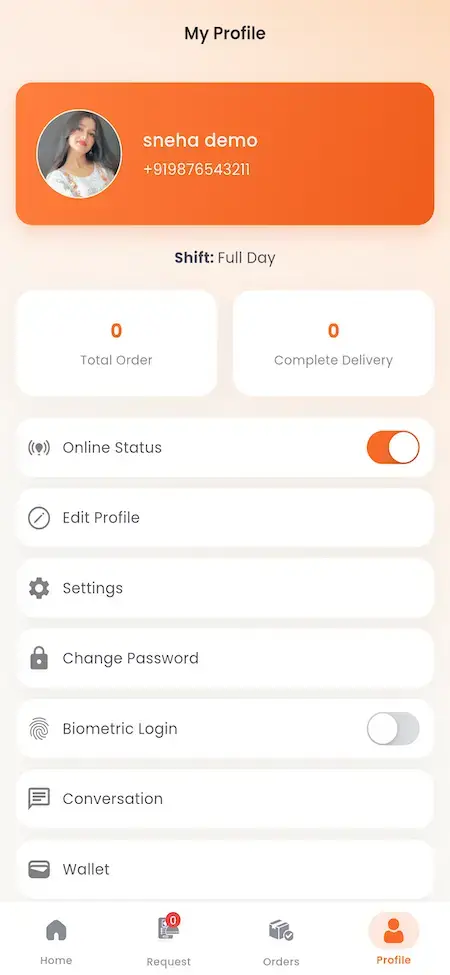
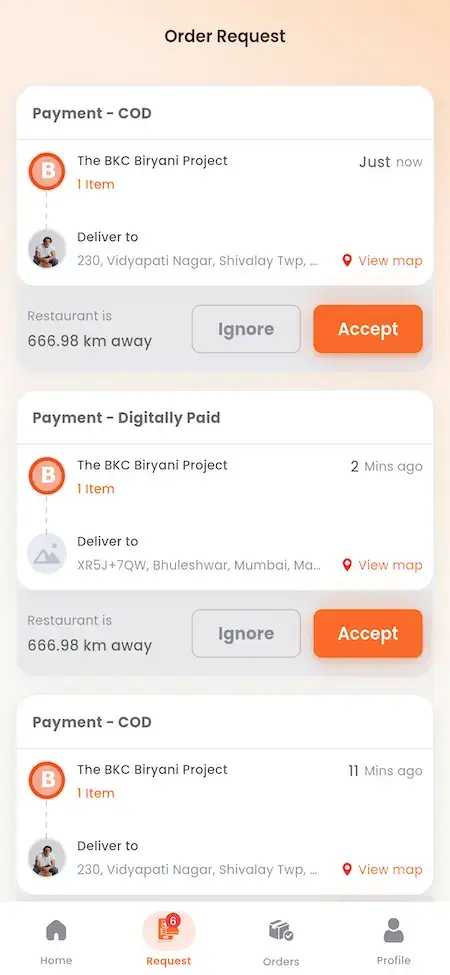
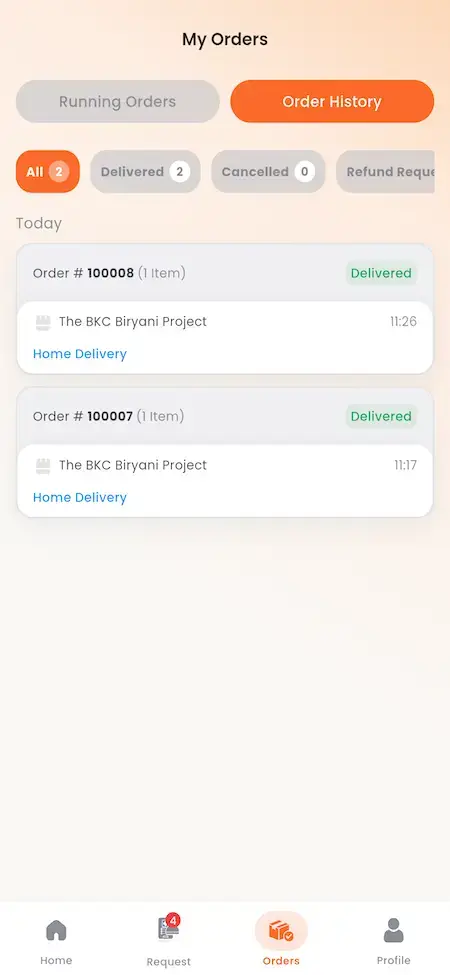
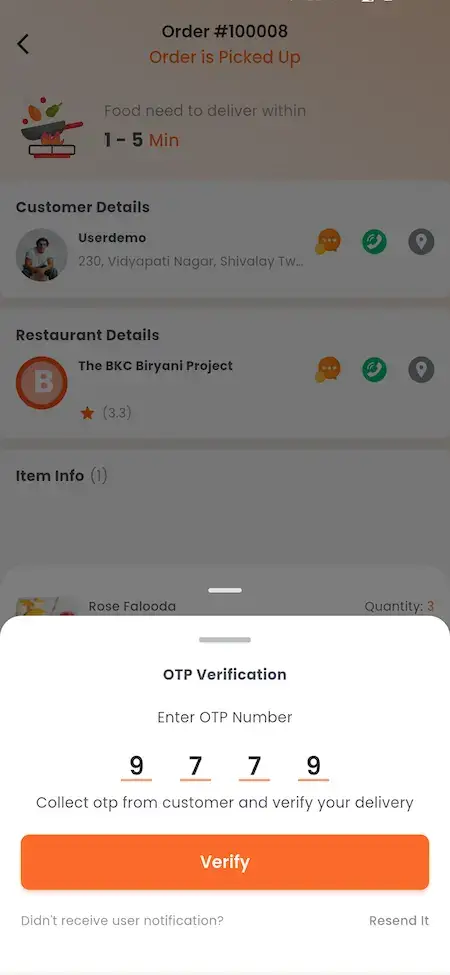
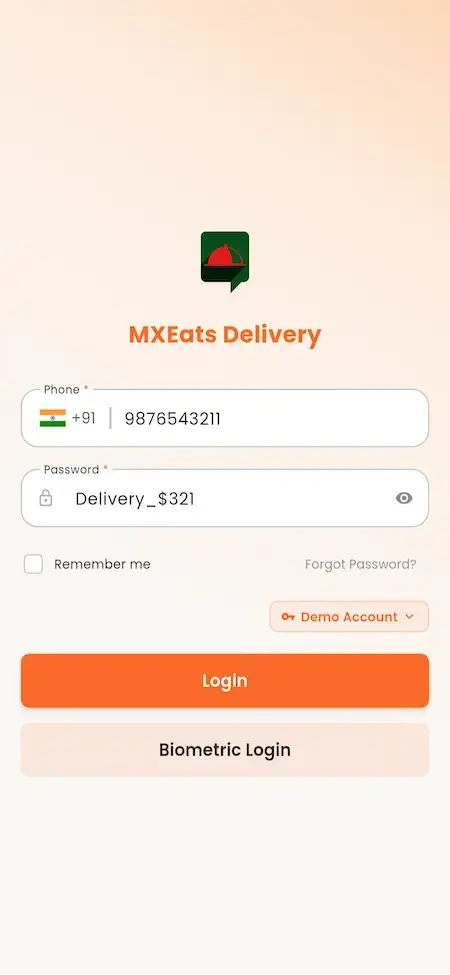
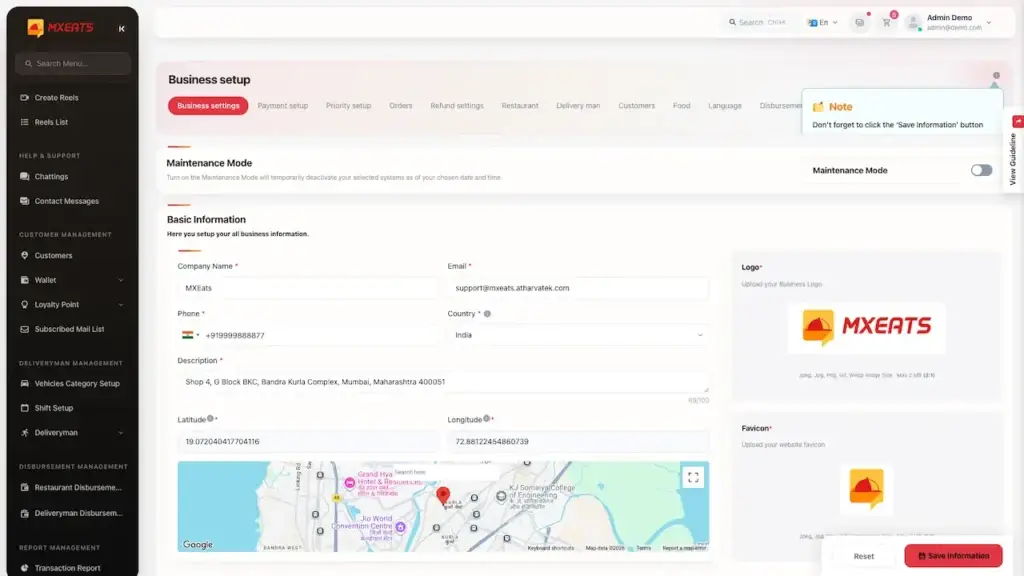
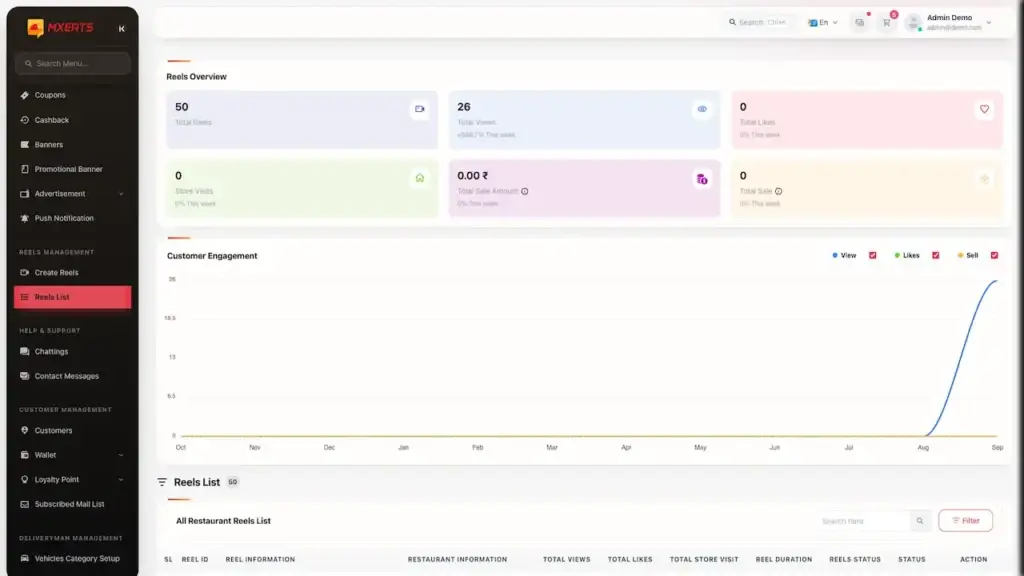
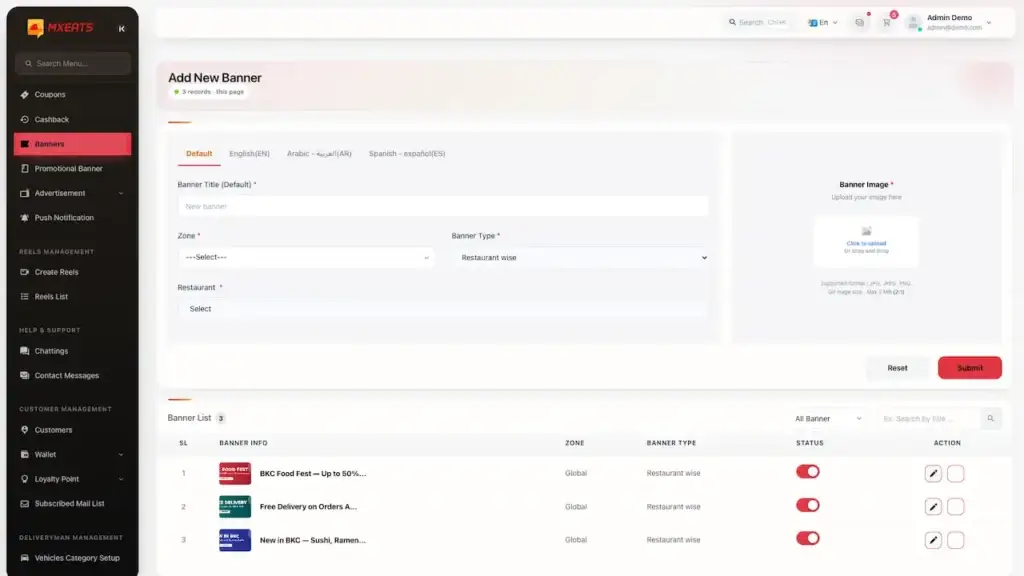
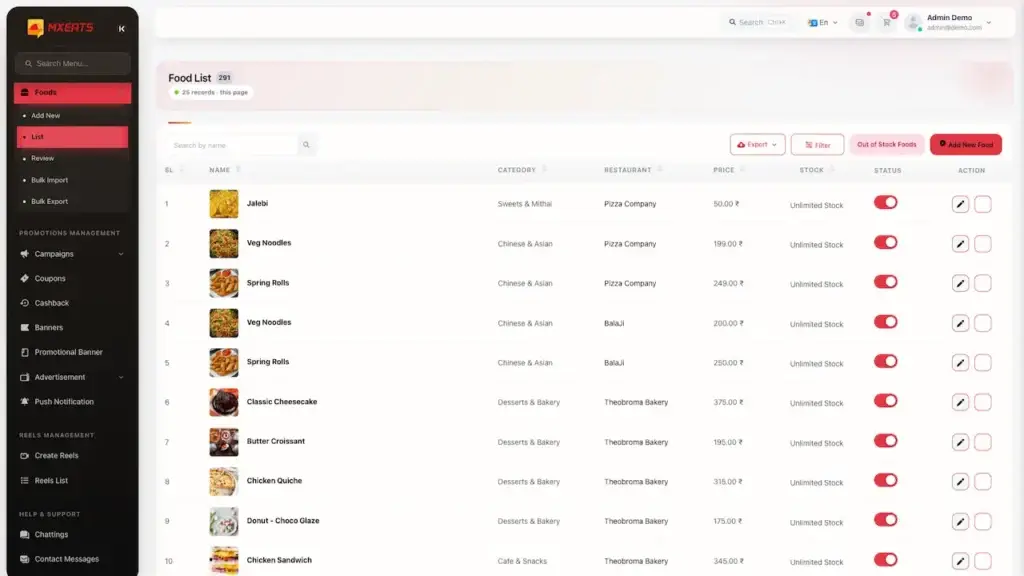
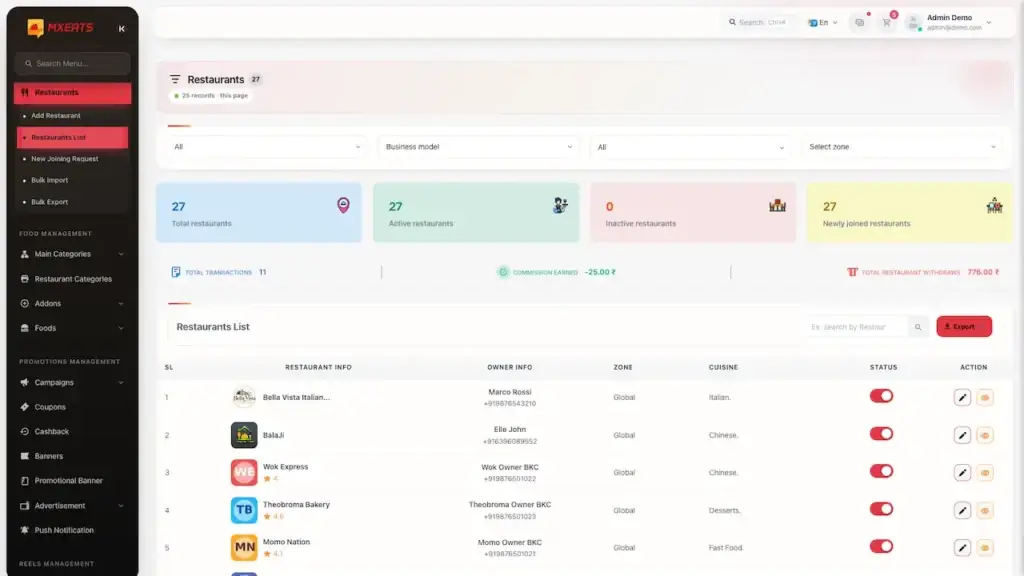
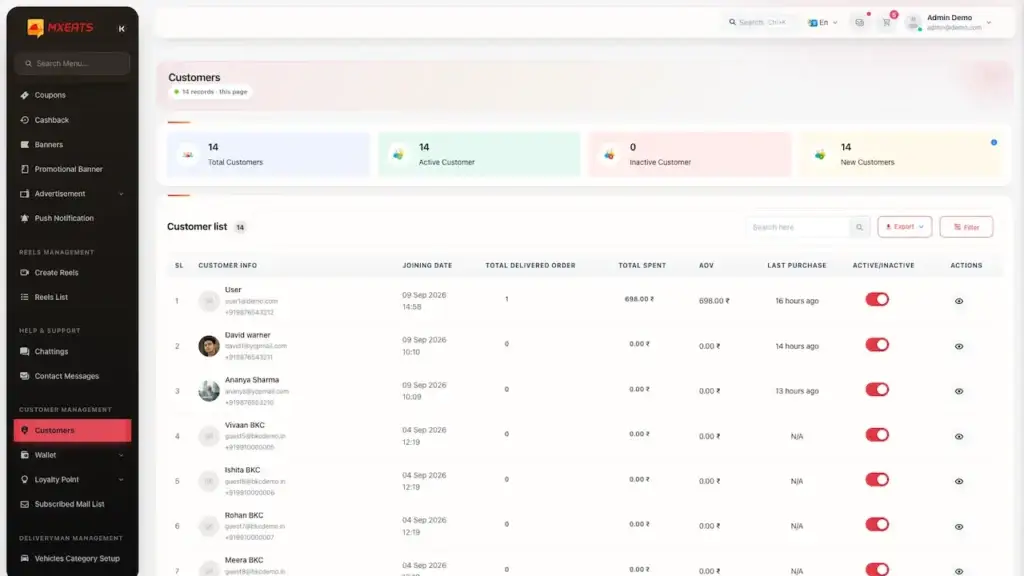
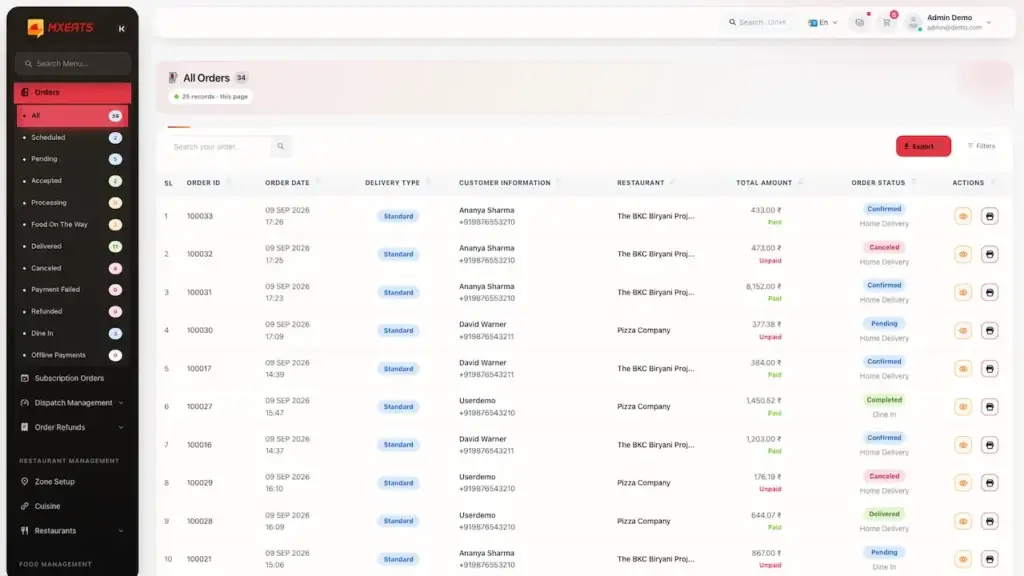
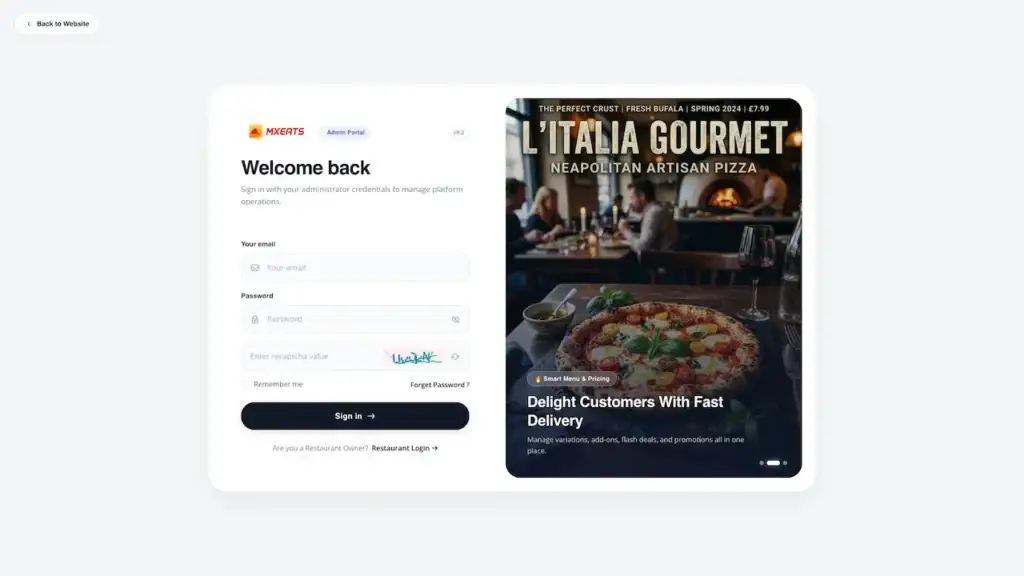
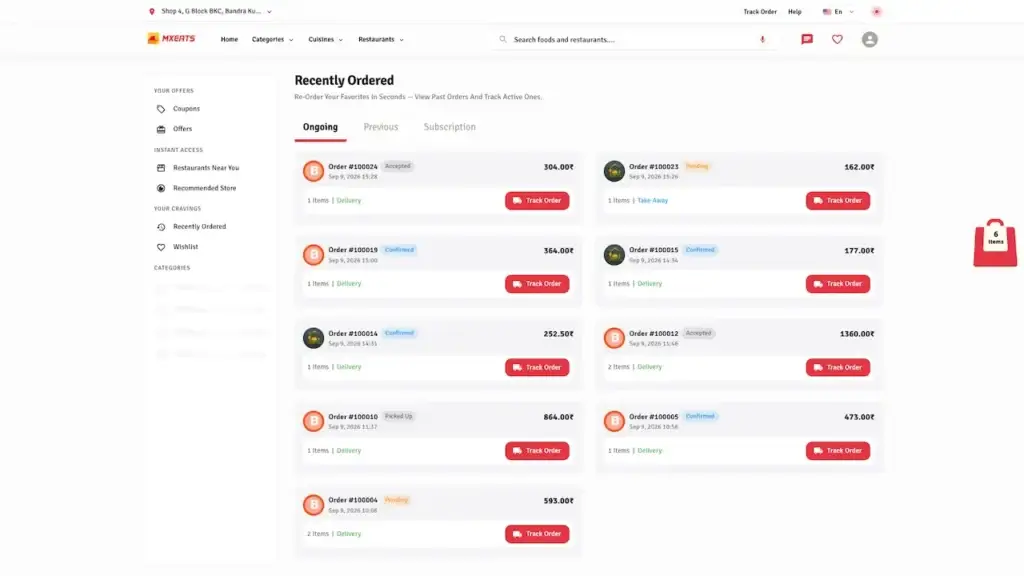
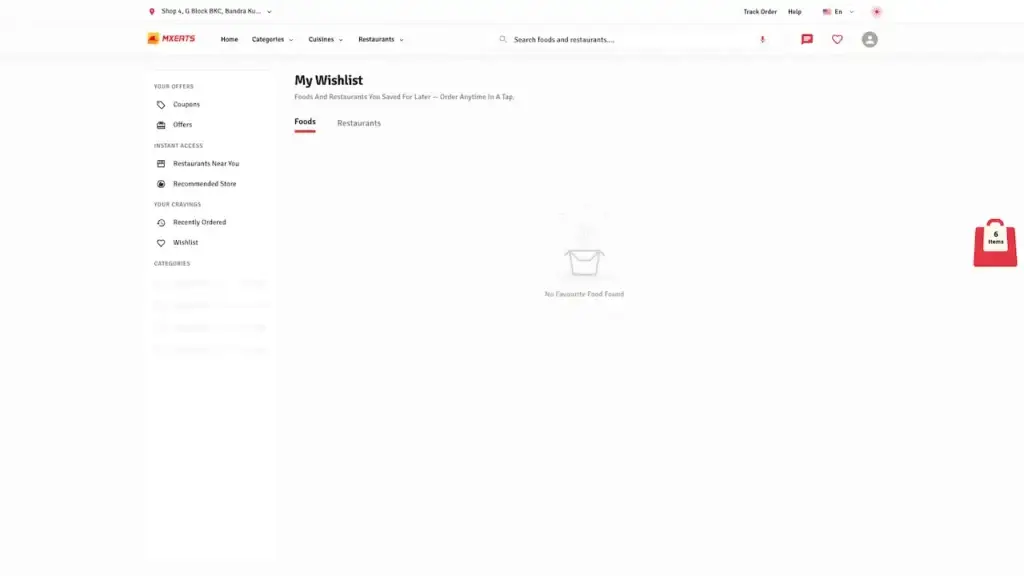
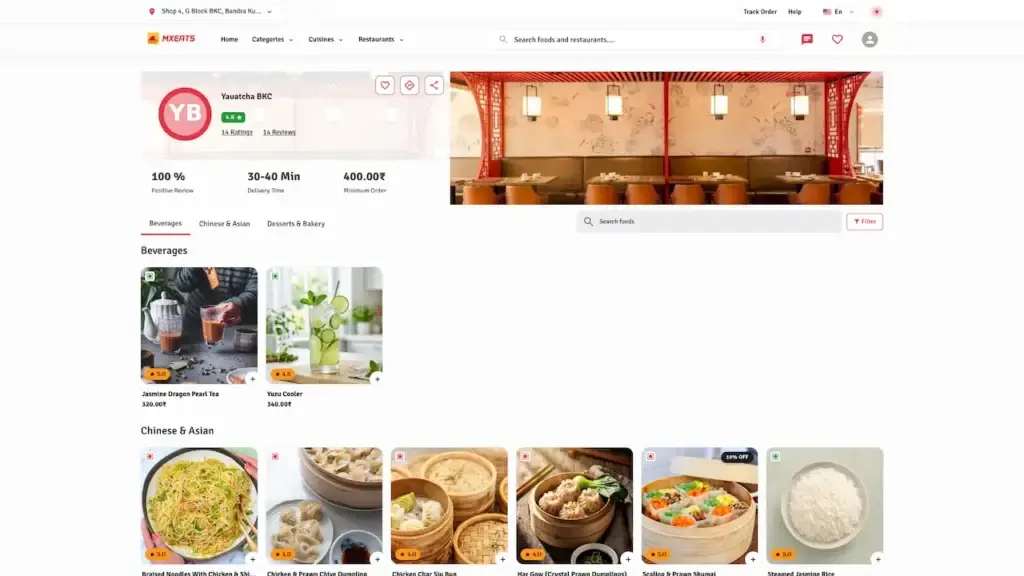
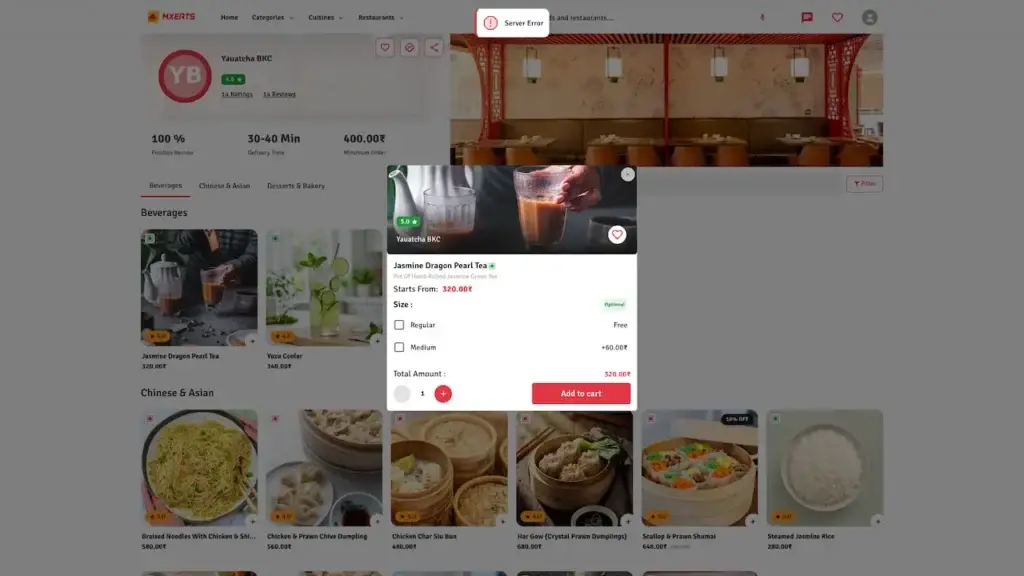
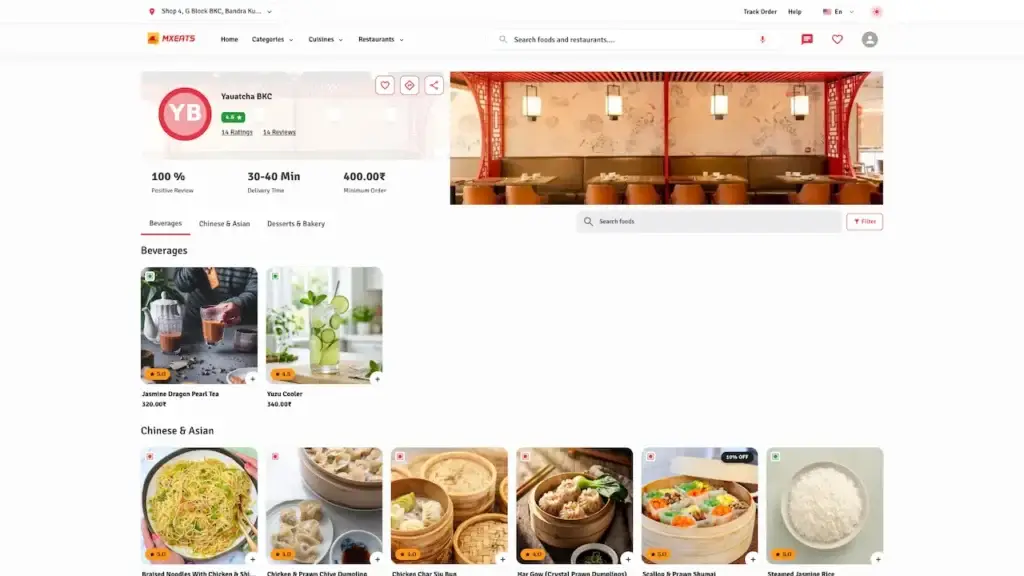
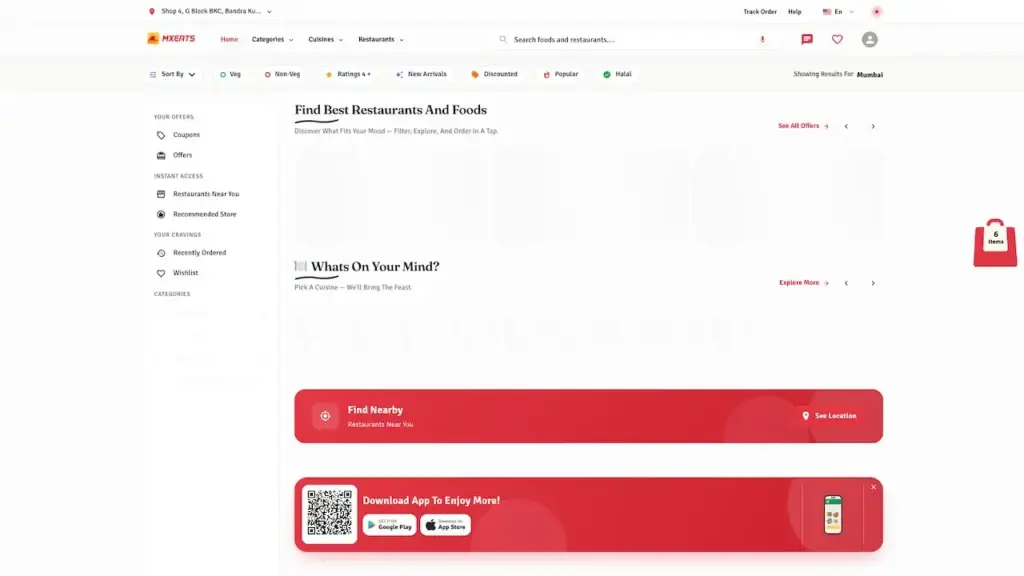
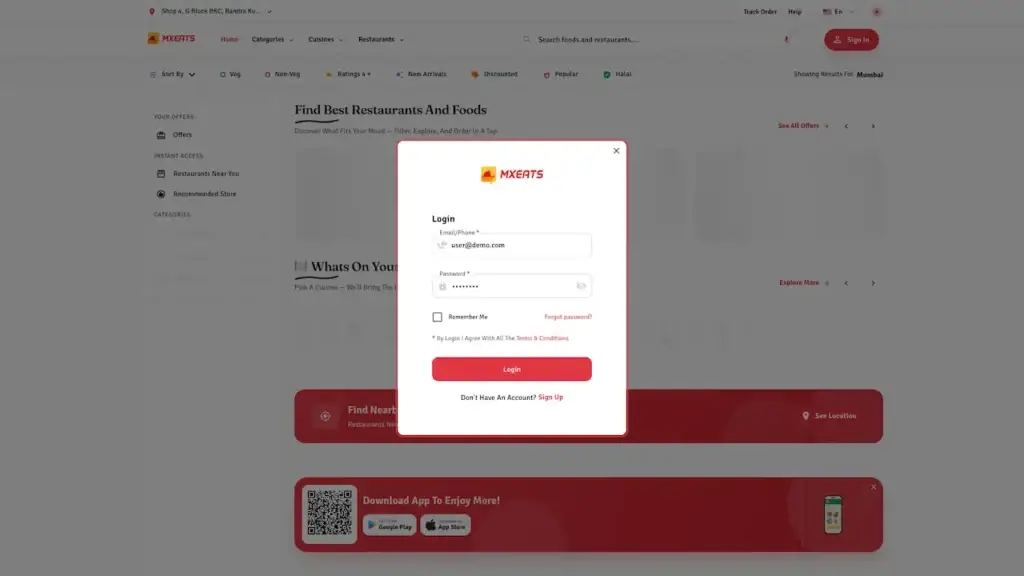
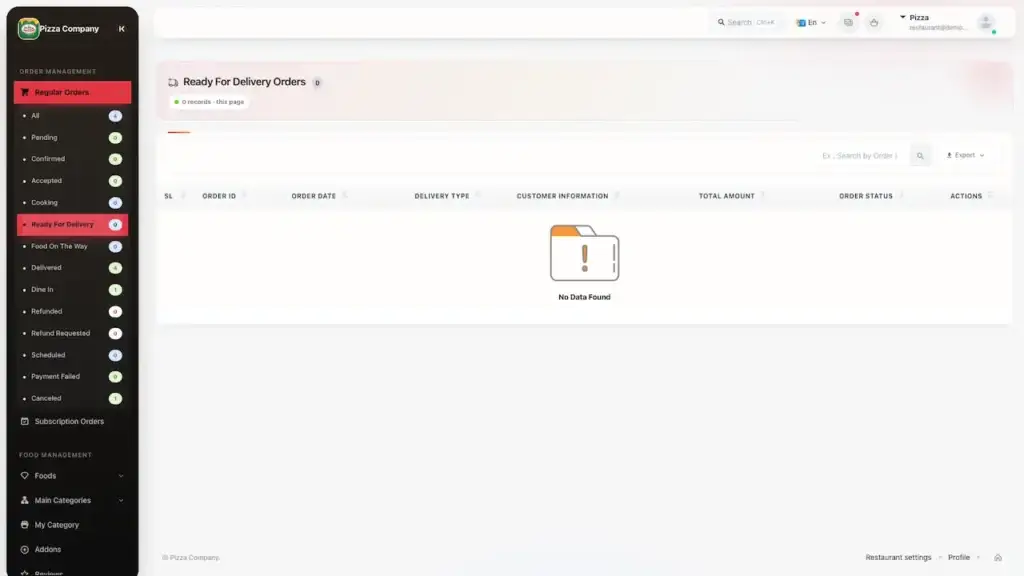
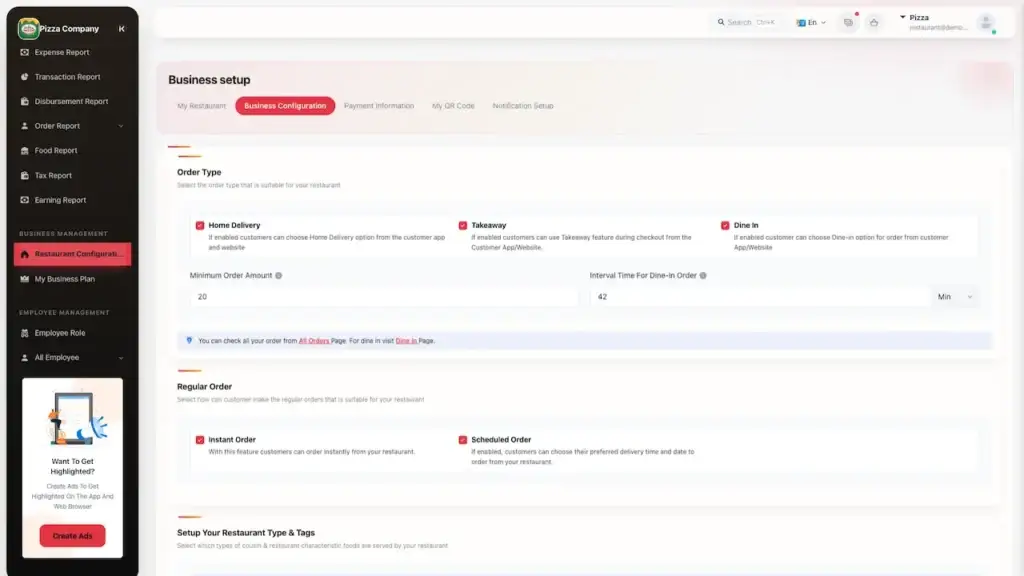
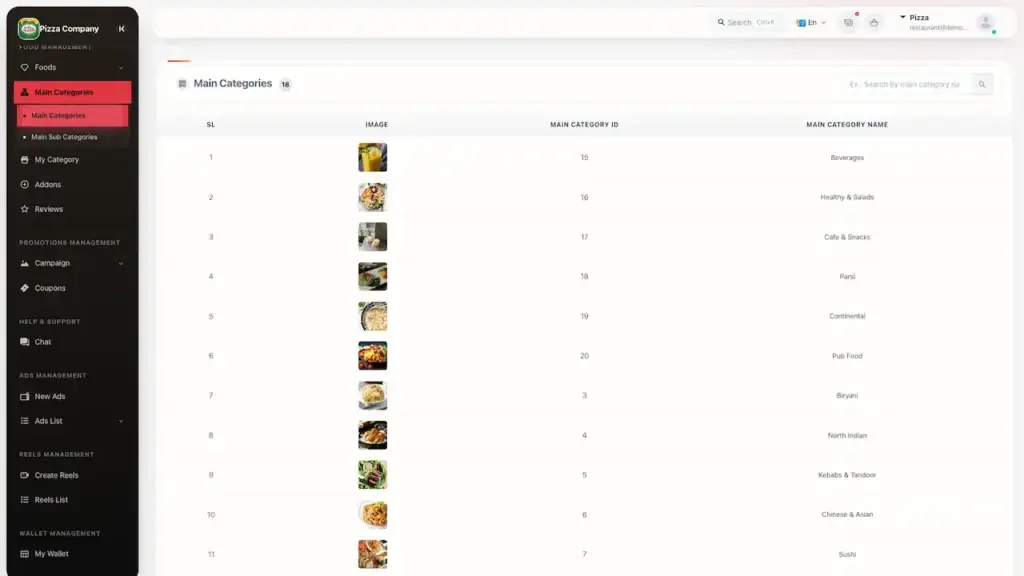
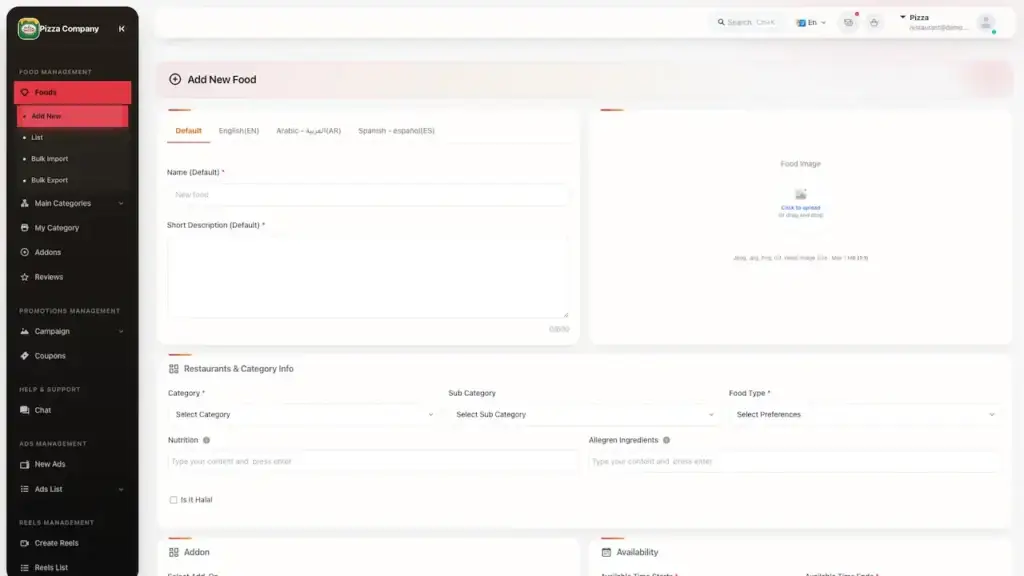
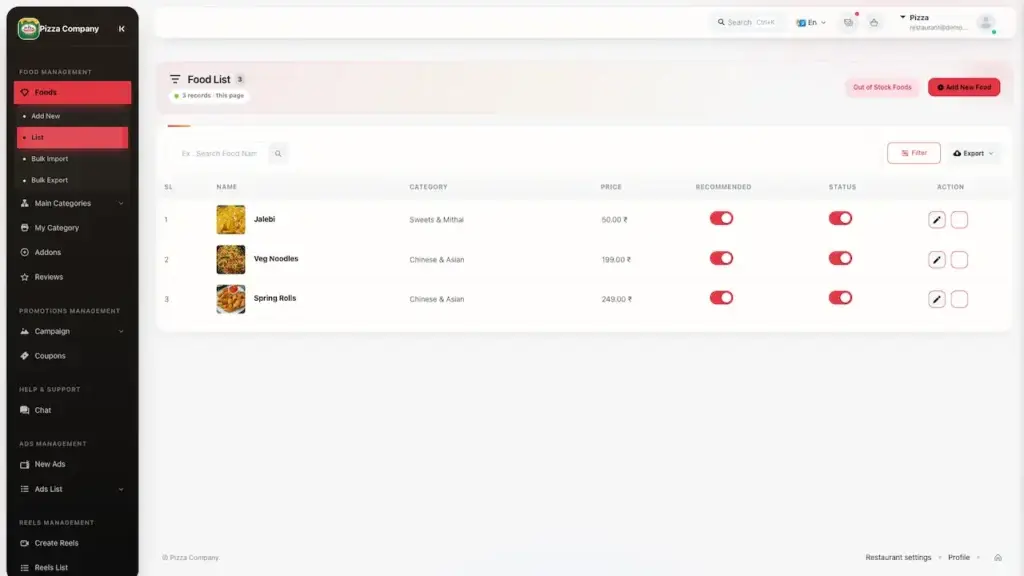
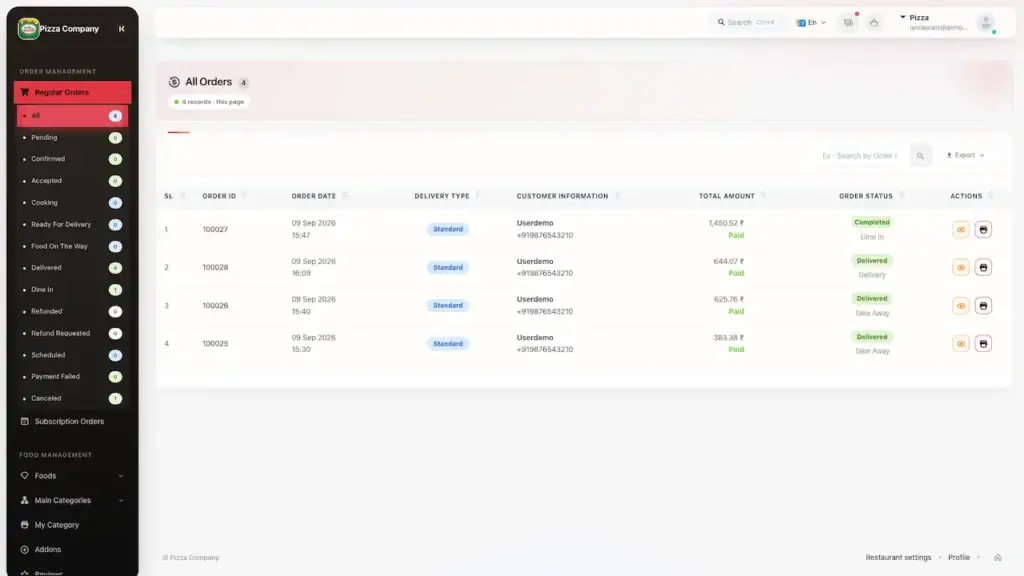
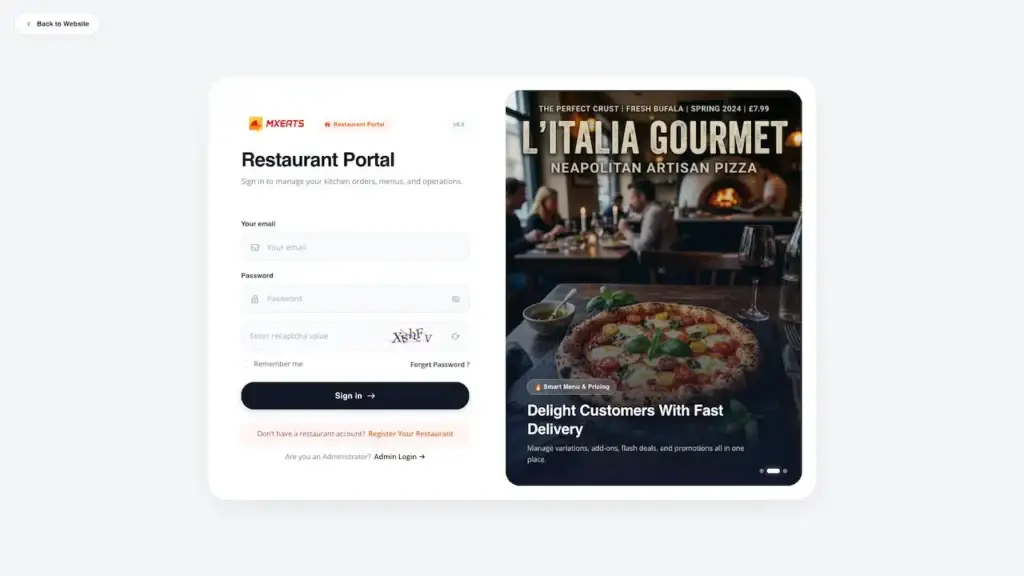


Follow a customer from a first search to a coupon applied at checkout, a delivered order and the loyalty points that follow. Follow a restaurant owner from joining a campaign to accepting an order and finding it in a payout. Follow a delivery partner from an assigned job to proof of drop-off and settled cash. Follow yourself from changing a zone's charge, or switching on a peak fee, to the price customers see and the commission it earns. Each of these is a real, separate app, and the live demo has all of them now; none is a single set of screens reskinned four times. Want a particular flow walked through? We can open it on a call, with real data in it.
02Proof
Client Voices
Client Reviews of Miracuves: Genuine Platforms, Genuine Results
Real operators who launched their own delivery platforms, in their own markets, on their own terms. Every quote below is from a client we built for.
“Menus, ordering, dispatch and the merchant console came ready. Our work was the restaurant mix, the delivery zones and the payment methods our customers use. Live inside a month.”
“Talokitoko is grocery and food delivery for the African diaspora market in Europe. The rider app, dispatch and the merchant console were already built, so we spent the engagement on our own local payment mix, the vendor onboarding flow and the regions we actually operate in. The platform was live inside a month, which was months faster than our internal estimate.”
“Two order types, one courier fleet. The base handled multi-vertical ordering, so the work was our merchant mix and the grocery-specific substitution and weight rules. Live inside a month.”
“Menus, order routing and courier dispatch were solved. Our work was the local ordering habits, the payment mix and the restaurant onboarding flow. Live in weeks and the kitchens picked it up without training.”
A Real Engagement
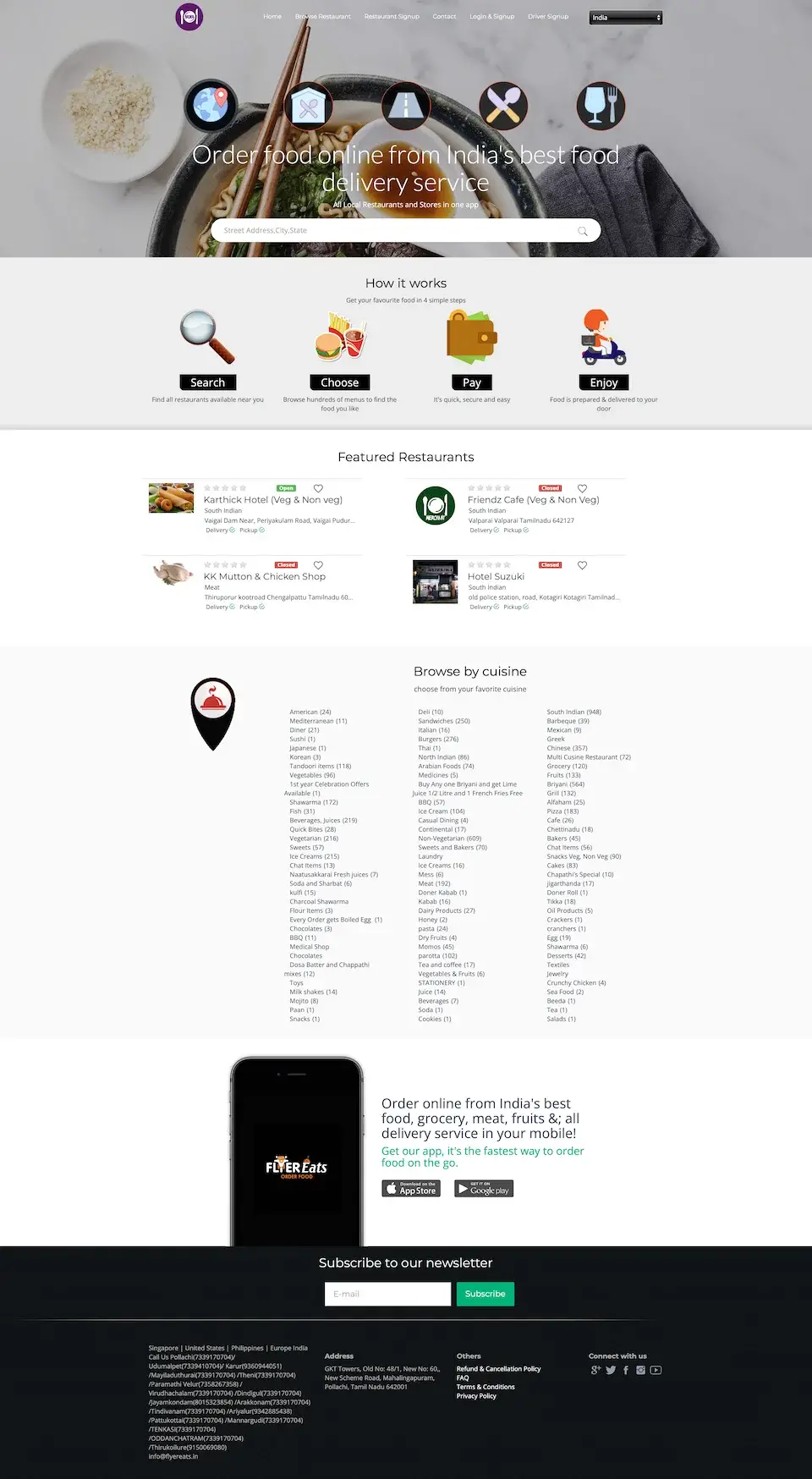
Flyereats - A Multi-Vendor Food Ordering Platform We Delivered
Flyereats is a real client, delivered in 2025, and it is worth being precise about what they bought. They had outgrown their own platform: order confirmation was lagging, vendors were being managed by hand, and customers could not see where an order was. What they needed did not fit a ready-made base, so it was designed and built to their specification as a custom engagement, quoted fixed after a free feasibility study, with a launch date agreed in writing before work started. Three applications shipped, six integrations each isolated, three environments, and the source code transferred to their own account. That is a different purchase from the platform on this page, which is why it is labeled as one.

Client Engagement, Custom BuildMulti-Vendor Food Ordering Platform
A multi-vendor food ordering platform built to Flyereats specification after a free feasibility study, delivered on a fixed quote with the source code transferred to their own account.
- Order confirmation lagging behind what customers expected to see
- Vendors onboarded and managed by hand as the platform outgrew itself
- Customers with no way to see where their order actually was
- Replace a platform the business had outgrown, without a rebuild pause
- Put vendor management on rails instead of on somebody’s desk
- Give customers order visibility from confirmation through to arrival
- Three applications shipped, each with its own permissions and release path
- Six integrations, each isolated so one failure cannot take the rest down
- Three environments: development, staging and production
- Seventeen platform modules reused unchanged, four decisions built for Flyereats
- Source code transferred in full to the client’s own account at handover
Every figure here is what the engagement delivered. Flyereats was a custom build rather than a deployment of the ready-made platform on this page.Flyereats, delivered 2025 · Custom build, no inherited base. Read the full case study for the architecture and the decisions behind it.
03The platform
Quick Answer
What Is a Keeta Clone App?
A Keeta Clone App is a white-label, multi-vendor food delivery platform for an operator who plans to take share from the incumbents in one city. Keeta is Meituan's international delivery brand, launched in Hong Kong in 2023 and since opened in the Gulf and Brazil. Its model is simple: sharp prices, promotions and free delivery. MXEats gives you that toolset, plus the controls that keep each discount from eating the margin.
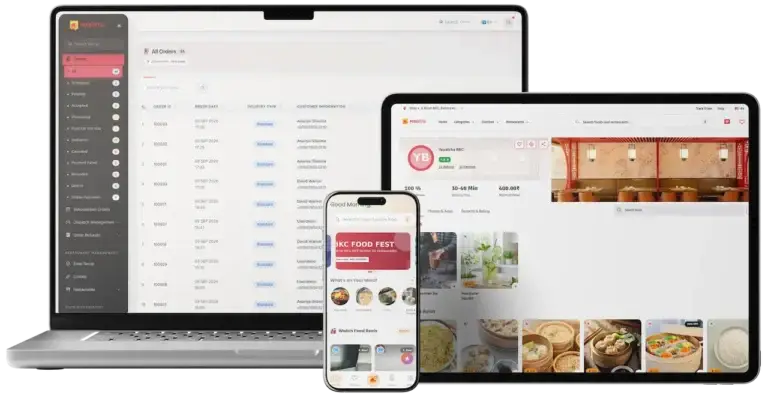
Launch on Android, iOS & Web
One platform covers the customer app, the restaurant app, the delivery partner app, a search-friendly website and the admin console. Your promotions run across all of them from the first day.
Your Brand, Your Code
Use your own name, logo, colors, domains and store listings. You get the full source code and host it on your own servers, so the platform is yours to keep, not a subscription you pay for.
Paid From Order One
Earnings come from commission on every order, subscription plans for restaurants, a share of the delivery fee, paid promotion and a customer membership program. They help fund your discounts, and each one is a switch in your dashboard. We take no revenue share.
Made for Web, Mobile & API
One Backend, Five Surfaces
It suits operators who want to enter a market with a sharp offer: regional delivery startups, restaurant groups going direct, cloud kitchens, franchise networks and grocery or pharmacy chains that would rather own the customer than pay an aggregator commission.
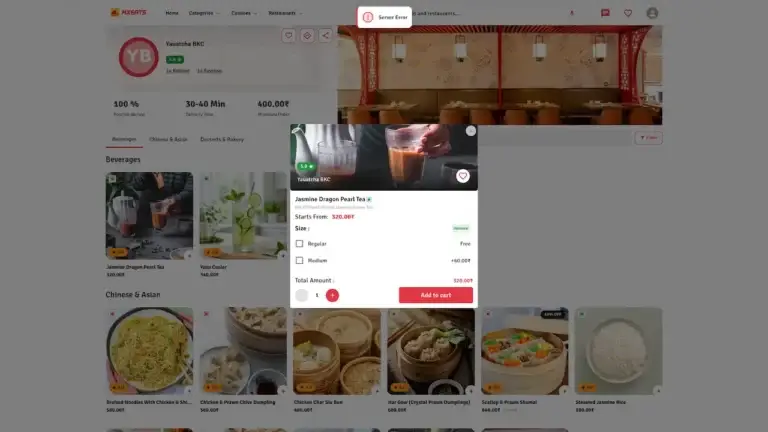
- 01Apps for customers, delivery partners and restaurants
- 02Commission, subscriptions or a mix of both
- 03Delivery, pickup and table ordering
- 04A website that search engines can read
- 05Source code included, no revenue share
With Miracuves, your Keeta-style platform arrives white-label with the source code, on Android, iOS and web, under your own name. Coupons, campaigns, cashback and zone fees are ready from day one, so you can price against the incumbents and still see what each order costs you.
The Full Toolset
Keeta Clone Features - Coupons, Campaigns, Zone Fees & Margin Controls
Our Keeta Clone covers what customers, restaurants, riders and operators need, with the price levers up front: coupons, campaigns, cashback, free-delivery rules, zone fees and the split of who pays for each discount. Ordering, tracking, menus, dispatch and payouts sit behind them. Every feature below is built and running in the live demo.
Search, Filters & Feed
Customers find a restaurant fast through search, cuisine and category browsing and filters. The home feed is yours to arrange, so live offers get seen.
- Look up a cuisine, a restaurant or a dish
- Narrow by rating, price or delivery time
- Lists only stores that reach their address
- Home feed carries live offers and campaigns
Delivery, Pickup & Table Service
Each customer picks how the order arrives: at the door, collected in person, or ordered from the table.
- Order now or pick a later time
- Dine-in guests order from the table
- Weekly orders repeat by themselves
- A single setup covers all three
Menu, Sizes & Add-Ons
Restaurants manage their own menu, covering sizes, toppings, allergens, photos and daily stock, so changes never wait on your team.
- Sizes, bases, toppings and add-ons
- Allergen and nutrition details
- One tap marks an item sold out
- Bulk import for big menus
Real-Time Order Tracking
Customers follow each order through accepted, preparing and on the way, and a delivery code closes the handover.
- Status changes show at each stage
- Rider position shown on a map
- A code confirms the handover
- Message the rider or the store
Store Panel & Counter POS
One screen where restaurants take orders, edit menus, ring up counter and phone sales, create their own coupons and check what they are owed.
- Accept an order, prepare it, hand it over
- Till built in for counter and phone sales
- Set trading hours and holiday closures
- Earnings, payouts and discounts given
Cashback, Wallet & Referrals
Bring buyers back with cashback paid into the wallet, loyalty points, a bonus on wallet top-ups and referral rewards, at rates you set.
- Loyalty points to earn and spend
- Top-up bonuses and instant refunds
- Cashback with a minimum basket and cap
- Referral bonus for both sides
Payment Methods
Checkout takes 13 payment gateways. Cash on delivery has a ceiling per zone, and wallet credit can cover part of a bill. Split payment is built in.
- 13 gateways come built in
- Cash on delivery, capped per zone
- Split between wallet and card
- Riders can be tipped at checkout
Rider App with Navigation
A proper rider app: jobs sent by dispatch, turn-by-turn routes, handover proof, and a daily view of earnings and cash owed.
- Take or turn down a sent order
- Directions to the restaurant and the customer
- Code entry and handover proof
- Summary of earnings, incentives and cash
Automated Payouts
Restaurants and riders are paid on your schedule. Every order records which side funded its discount, so settlement needs no manual reconciling.
- Payouts run weekly or monthly on their own
- Commission taken first; coupons never cut it
- A statement for each restaurant
- Refunds leave a trail of approvals
Coupons, Campaigns & Free Delivery
Coupons by zone, by restaurant, for first orders and for free delivery, plus campaigns restaurants join and promotion slots they pay for.
- Codes with caps, minimums and expiry dates
- Free delivery by basket size or distance
- Paid restaurant and video promotion
- Stores run own coupons and join campaigns
Admin Controls & Reports
One console to approve restaurants and riders, set zone fees, switch a rush-hour fee on or off, see who funds each discount and read the reports.
- Review and approve new restaurants and riders
- Zone fees, per-km rates and commission
- Open any order and correct it
- Reports for sales, commission and payouts
AI Helper, Reels & Tax Tools
Three extras often billed separately elsewhere: an assistant that helps customers order, a food video feed, and tax handling with exportable reports.
- Customers get help ordering from an AI
- Food videos in a short-clip feed
- Menu text generated for restaurants
- Tax setup, invoices and report exports
All system messages, from order confirmations to promo pushes, are editable text in each language you support, so your campaigns sound like your brand, not ours.
Set Your Price Rules Yourself
Keeta Clone Admin Console - Zones, Coupons, Rider Pay & Settlement
The console is where an operator sets the rules of a price war: which zone gets which delivery charge, when a peak fee switches on, which coupons and cashback offers run, and which campaigns and ads get approved. Your operations team does this from settings screens, not code, and a change applies straight away.


What You Control
- 01
Every Rule Is a Setting
Roughly 120 named keys cover business, customer, order and store behavior. Further tabs cover payment, mail, theme, policy, disbursement, delivery partners and third-party integrations. Turning a promo rule on or off means editing a row, not redeploying code.
- 02
Zone-by-Zone Pricing
Draw each area on a map and set its own per-km charge, minimum and maximum fee, cash-on-delivery cap and notifications. A peak fee with a customer message switches on or off per zone.
- 03
Commission, Plans or Both
Choose commission, subscription or both through one JSON setting. The console refuses to turn off both at once, so store economics are never left undefined.
- 04
Step Into Any Order
Operators work from a dispatch list and can step into any order: reassign it, move it forward, cancel it with an authority record, or edit it before preparation locks it.
- 05
Scheduled Payouts
Payout commands for stores and delivery partners run on a schedule. Set the waiting period, minimum amount, cadence and week start, then review the transaction history behind each run.
- 06
Refunds and Policy Toggles
Switch refunds on or off, edit the refund policy text, set which actor may cancel and pick the order confirmation model. Vendors do not control any of it.
- 07
Staff Access Levels
Operator staff get custom roles, each with module-level permissions. A separate vendor-employee layer scopes store staff beneath the owner.
- 08
Cost and Sales Reports
Export sales, commission, payout, tax and order reports. Every order stores the platform discount cost and the restaurant discount cost separately, and changing a rate later never rewrites old figures.
Message Templates
Push, mail and SMS text comes from editable templates per message and user type, so you change tone and language in the console, not in code.
Storage and Branding
Pick local disk or S3-compatible object storage at runtime. Primary color, logo and invoice layout are settings too, so no stylesheet edit is needed.
- Map out each zone you serve
- Price delivery zone by zone
- Pick commission, plans or both
- Different commission per restaurant
- Accept or decline refund requests
- Take over a live order and reassign it
- Automate payouts on a schedule
- Run coupons, cashback, campaigns and ad approvals
Staff accounts are created with exactly the access each person needs. Support sees orders. Finance sees payouts. Nobody sees more than their role requires.
04What the price covers
Everything Delivered
What's Included - The Keeta Clone Code, Apps & Rollout Plan
One fixed price covers everything listed here, and nothing limits what you do with it after delivery. None of these items is an add-on waiting for a later invoice.
Full Source Code Handover
Included: the Next.js storefront, both panels, three Flutter builds and the Laravel application. Modify, rebrand and redeploy them freely - no license terms attach.
- All source code is yours to keep
- Rebrand, modify or resell freely
- No lock-in and no license fees
- Host it wherever you like
Three Android Apps
The customer, store and delivery apps install separately and talk to one API. Each has its own feature set, instead of one app doing three jobs.
- Customer app to order and track
- Restaurant app to manage orders and menus
- Rider app that includes navigation
- Each one carries your name and logo
The Searchable Storefront
Next.js renders it on the server across 33 routed pages - tracking, policies and registration funnels among them - so organic search can be a real channel.
- A site customers can order on
- Made to be found in search
- Registration pages for riders and stores
- Runs in several languages
Money Handling Built In
Commission snapshots, subscription billing, payout scheduling, refunds and tax computation all ship now. Commission counts coupon, restaurant discount and referral amounts added back.
- Commission applied to each order
- Store plans are billed and invoiced monthly
- Scheduled payouts for stores and riders
- Refunds and tax computed correctly


Zone Pricing and Dispatch
Zone shapes, per-zone delivery pricing and dispatch tools. These decide if opening a second city is a settings change or a whole project.
- Sketch each zone on a map
- Separate rates for each zone
- Assign and move riders yourself
- Cap how much cash a rider carries
13 Payment Gateways
bKash, LiqPay, SSLCommerz, SenangPay, Paymob, MercadoPago, PayTabs, Paytm, Flutterwave, Paystack, Razorpay, PayPal and Stripe, plus wallet, cash and offline options.
- 13 gateways ready to connect
- Cash on delivery or paying with wallet credit
- Bank transfer plus custom methods
- Part wallet, part card checkout

$ php artisan migrate Installation and Setup
We install it on your infrastructure and finish the configuration pass with you, because a marketplace left unconfigured has not launched.
- We install and configure it with you
- Your branding set across every screen
- Domains and app store listings in your name
- Live in roughly six days
Docs That Match the Code
Schema, API and security documents are written against the shipped code, honest gaps included, so your team and any assessor work from the same map.
- Docs your developers can work from
- A candid security report that lists its gaps
- Matches the code you are handed
- A handover call, then post-launch support
If any point above matters enough to check before you commit, try the live demo, or ask us to demonstrate that specific part for you.
Fixed Pricing
What Will It Cost to Build an App Like Keeta in 2026?
Building from scratch means a delivery partner app, three mobile apps, a customer website, a restaurant panel and an admin system. Then comes the money logic nobody demos, which only appears at the first payout run: restaurant statements, rider settlements, refunds, tax and commission. Agency quotes for that scope usually start with a discovery phase and grow through change requests, because the cost hides in what nobody thought to show. The fixed price below replaces learning that scope one invoice at a time.
Professional
Ready-Made Launch PackageSuits: Restaurant groups, grocery chains & regional delivery operators
You get the product shown in our demo, with your branding, running on your own infrastructure.
Get StartedEnterprise
Custom Builds, Audits & ScaleSuits: Multi-city operators, white-label resellers & franchise networks
A build shaped around your situation and business requirements, scoped to what you ask for.
Ask for a Quote05Who it fits
Who Takes On Whom
Which Challengers Fit the Keeta Clone App?
The Keeta Clone App suits operators entering a market that incumbents already hold: regional delivery operators, restaurant groups, grocery and pharmacy chains, cloud kitchen brands, franchise networks and white-label software buyers. Coupons, free delivery and campaigns are built in, so promotions can run before the first city opens.
A grocer or pharmacy adding food can reuse the item, size and add-on model it already has. Packaging charges and unit handling are configuration, and its own coupons can undercut the big apps.
A group launching in a second city, where the incumbent is different and so are the fees, gateways and language. Each launch is a new zone with its own coupons and charges, set in configuration with no fork.
Brands with many outlets that start a promotion in one zone first. Store subscription plans, per-store reporting and staff roles weigh more here than a public marketplace.
Companies that want the code on their own servers for compliance or diligence reasons and will not accept a hosted tenancy, then run their pricing on top of it.
A regional operator taking on a national app in its home market. It needs the same order, coupon and payout tools as the app it is up against, without handing a per-order cut to another platform.
Established brands that already own their customers and want apps of their own with POS parity, plus their own cashback offers and subscription-style economics instead of paying marketplace commission.
Whichever type you are, the move is the same: enter a market where others are established, price sharply, and still know who paid for each discount. Owning the platform means the customer relationships and the margin stay with you instead of with a channel you rent.
Discuss Your LaunchFit by Vertical
Keeta Clone Use Cases - Meals, Groceries, Pharmacy & New Cities
One platform runs every case below, with different settings switched on, and the promotion tools work the same way in each. The ordering flow is not food-only, so adding groceries or pharmacy is configuration, not a second purchase.
Swipe · 6
The base case, and where a challenger usually starts. Independent restaurants, cloud kitchens and franchise groups all work in this setup. The main choice is open sign-up or onboarding each restaurant yourself, which is one setting. Coupons and campaigns give those first stores something to promote.

Bigger baskets and thinner margins, so a discount has to be chosen with care. Stock counts are taken daily, availability is tracked per size, menus can be uploaded in bulk, and packaging charges apply as they do for food. You also decide how a substitution is handled when an item runs out.

Order notes and delivery instructions can carry prescription details. The delivery code proves a regulated item reached the right person, and each step has a timestamp if anyone queries the order later.

Table orders and pickup orders go through the same flow as delivery, minus the rider steps. The built-in till records walk-in and phone orders as well, so every sale lands in the same books.

A customer can book a slot for later or set a weekly standing order, and both use the core order system, not an add-on. Repeat orders appear in your reports, and cashback or loyalty points give them a reason to stay.

Each city is a separate zone with its own per-km charge, payment methods and language, plus its own coupons. Opening the next market is a setup task, and there is no second platform to maintain or upgrade.

Not in the base build: a storefront design tailored to one vertical, and regulatory certification for any controlled category. Those limits are real, and we will say plainly when your market needs work past configuration.
Plan Your LaunchIndustries
Industries We Cover
Miracuves’ Keeta Clone is a marketplace for delivery that fits any on-demand category, including ones where established apps already operate. Revenue comes from commission or monthly store plans, whichever fits you, and every screen carries only your brand.
one codebaseMXEats
- 01RdRestaurant Delivery
- 02GqGrocery & Quick Delivery
- 03PePharmacy & Everyday Needs
- 04CkCloud Kitchen Brands
- 05CrConvenience & Retail
- 06PdPickup & Dine-In
- 07PcParcel & Courier
- 08GfGifts & Flowers
- 09DlDrinks & Liquor
- 10PpPet Products
- 11BcBusiness Catering
- 12CmChains With Many Outlets
Pick this software if you move goods from many independent sellers to customers inside a defined area and you are entering a market where others already operate. A regional operator can take on a national app with zone coupons and free delivery at home, and the commission stays in its own market. Restaurant groups sell direct to customers they already own, backed by their own cashback and loyalty points. Grocers and quick-commerce shops reuse the menu, size and stock tools and change only the unit and delivery-window setup. Pharmacies lean on order notes and the delivery code as proof that a regulated item arrived. Franchise networks and cloud kitchens with many outlets under shared brands care more about store plans and per-outlet reporting than about a public marketplace listing. Operators of courier and parcel services use the dispatch and zone tools without a menu. A multi-city operator adds a second market as one more zone, since payment methods, languages and rules are already supported. White-label resellers can run several branded platforms from one codebase.
06The promo order
Offer to Payout
How the Keeta Clone Works - Offer, Checkout, Dispatch & Settle
Six steps follow one promoted order, and each is a real part of the code, not a diagram drawn afterward.
One Promoted Order, From Offer on Screen to Payout
Swipe · 6
- 1Offer Seen in Your Zone
A customer begins in the app by setting an address. The app lists only restaurants that deliver there and shows the delivery charge for that spot. Zone offers and featured restaurants you chose to promote sit on the home screen, and the customer can also browse by cuisine or category or search for a dish. A coupon aimed at that zone is what makes the first order tempting.
- 2Fill the Basket
A customer picks a dish, chooses the size, adds extras and puts it in the basket. Checkout re-checks both price and stock, so nobody can order something that just sold out or pay an old price after the restaurant updated its menu.
- 3Coupon Check and Pay
At checkout the customer picks delivery, collection or a table, adds a coupon or loyalty points and a rider tip, and pays by card, wallet or cash. The coupon and any free-delivery rule are checked against their limits at this point. You pick the payment methods, and a new one later is a setting, not an app update.
- 4Store Confirms and Prepares
The order reaches the restaurant at once on a tablet or phone. The store accepts it and starts preparing, and the customer sees each step. The kitchen can have an order changed until it starts work, and you decide who may cancel it and when. The store panel keeps a running total of the discounts that restaurant has given.
- 5Dispatch and Delivery Code
A delivery partner nearby is assigned and picks the order up, and the customer tracks them live on a map. At the door the customer reads out a short code that confirms delivery, which ends any dispute over whether it arrived. Cash the rider collected is tracked against what that rider owes you.
- 6Book and Disburse
The order is booked with the platform's and the restaurant's share of any discount recorded separately, and a free delivery notes who funded it. Commission is taken on the full basket, with discounts added back. Restaurants see what they are owed, and restaurants and riders are paid weekly or monthly with a full statement. A later commission change leaves past books alone.
One record carries the whole run: the amount the customer paid, the discount and who funded it, the commission and the payout all come from the same order.
Under the Hood
Keeta Clone Architecture & Order Lifecycle
- 01Layer 01
Five Clients on One Backend
All business rules sit in one Laravel monolith. The five surfaces are presentation layers on a single versioned API, with one deploy, one schema and shared rules. That is why four clients cannot drift apart, and a coupon rule is applied once, on the server.
- 02Layer 02
Frozen at Settlement
The commission percentage and the split of who paid the discount are frozen onto the transaction row. Item revenue comes from the order line rather than today's menu price, so last quarter is never rewritten when a rate changes.
- 03Layer 03
Isolated App Credentials
A customer token has no access to store routes. Tokens for stores and for delivery each pass through their own middleware, and ERP access between machines uses a separate key pair checked with constant-time comparison.
- 04Layer 04
Delivery Area as the Unit of Operation
Coverage, dispatch, staff access, marketing and notifications are all set per delivery area. In the data model it is the closest match for a tenant boundary, so a coupon, a delivery charge or a peak-fee message can differ city by city without a second deployment.
- 05Layer 05
Settings as the Architecture
About 120 named settings keys are read when a decision is made, not compiled in. That makes the platform very tunable, and it makes the settings pass a real step of going live.
- 06Layer 06
Modules That Stay Separate
AI, Reels and Tax each keep their own tables and attach to existing hubs instead of running through the core. That structure is the evidence that a new business line is added here, not woven in.
Inside the Build
Keeta Clone Tech Stack - Flutter, Laravel, MySQL & Next.js
Nothing exotic here, so staffing is easy: Laravel 12 on MySQL, a Passport-protected JSON API, three Flutter builds and a server-rendered Next.js storefront. Common skills cover the whole thing, with no rare specialist needed to run it.
Application Core
MySQL · Passport · Laravel 12 · PHP 8.2+- 378 migrations apply in date order to create ~300 tables
- Eleven business domains are covered by 136 Eloquent models
- Controller count: 62 admin, 55 API, 29 vendor-web
- One shared layer holds the pricing and delivery-fee helpers
- AI, Reels and Tax ship as Laravel Modules, each with separate tables
Surfaces & Routes
Store panel · Admin · API v1- v1 carries 326 route definitions, while v2 is held for update endpoints
- 764 admin console routes, gated by role and module
- The store web panel has 258 routes, limited by plan entitlements
- Server-rendered storefront, 33 routed pages
- Each surface has its own middleware, so tokens stay in their lane
Front-End Apps
Next.js 15 · React 18 · Flutter · GetX- Customer app: 36 feature modules holding 727 Dart files
- Store app: 503 files in 29 modules
- Delivery app: 234 files in 17 modules
- Each feature folder groups its controllers, screens and widgets
- Storefront: MUI, Redux Toolkit, i18n and RTL
Payments and Settlement
wallet · cash · offline · 13 gateways- The commission and discount split is locked at settlement
- Each leg of a split payment is saved as its own record
- Each gateway keeps live and test credentials; a mode switch picks one
- Disbursement runs on a schedule, with overlap locks
- A Tax module works out tax on each order, with exports
Live Updates & Messaging
Echo · websockets · FCM HTTP v1- Auth uses a service account for each project, not an older server key
- Topics are scoped by zone, so one send hits a single city
- Websocket server compatible with Pusher, paired with Laravel Echo
- Messages arrive in sequence between customer, store and partner
- Notification text can be edited for each message and role
Settings and Stored Data
local / S3 · ~120 settings keys- Settings are looked up at the moment of decision, not baked in
- Storage can be local disk or S3-compatible, changed while running
- Queue workers take webhook dispatch and personalization recompute
- The scheduler follows live settings, so no crontab edits
- The theme, logo and invoice layout are held in settings rows
For a marketplace shaped like this, Laravel and MySQL are about as ordinary as choices get, and that pays off the day you need to hire someone outside our team.
Room to Grow
Built to Scale - Scheduled Runs, Object Storage & Queue Workers
The design is kept simple on purpose. A web server fronts the Laravel application, MySQL is the system of record, a queue absorbs work that must not hold up a request, and a scheduler fires the recurring jobs. A promotion-day spike lands on the queue, not on checkout, and no specialist is needed to run any of it.
Order Tables Grow Faster Than Anything Else
The tables that grow fastest in a delivery marketplace are the order tables, not the catalog. Every order writes a header, then a row for each line item, then a settlement record, and all of it must still reconcile a year on.
- A named timestamp for every status change
- The commission percentage is locked at settlement, and each line snapshots its item price and discount
- Split tender saves each payment leg as a separate record
- Revenue comes from snapshot columns and cycle time from named timestamps, so a dashboard keeps its meaning even after a commission rate changes
No Payout Run Can Pay Out Twice
A retried disbursement costs real money, so the schedule is a setting and each run holds an overlap lock instead of trusting a tidy crontab.
- One provider registers the store and delivery-partner runs
- Gates written as cron expressions read live settings
- Overlap locks stop a slow run from starting twice
- Subscription and cart reminders share the same backbone
Health & Recovery
The code already contains export pipelines, health checks and failed-job capture, so the operating tools a large buyer looks for exist today and are not just promised.
Dispatch Is Where Concurrency Bites
Food delivery load comes in two short windows each day, not evenly, and the assignment surface fills up before the catalog does. Zone geometry keeps that surface bounded.
- Coverage comes from zone polygons rather than scans
- Stores shown are limited to the ordering zone
- Zone filtering narrows delivery partners before assignment
- Cash limits apply to each partner and each store
Discovery Reads Dominate, by Design
Most visitors only browse and never order, so careful queries pay off most in discovery. Search is backed by the database with index-hinted scopes, not an external engine - a sound trade until the day it stops being one.
- Translations and relations are eager-loaded on purpose
- Store and item queries use index-hinted scopes
- Each user's recent searches are stored, not recalculated
- The docs name an external engine as the extension point
Queues, Media & Caching
Out of the box the queue carries little by design: outbound webhook dispatch and personalization recompute, and mail and SMS use the same connection once it no longer runs sync.
- Set the queue connection to database or Redis and run a worker under supervisor. Webhook dispatch, queued mail and AI recompute then leave the request path
- A small deployment can use the local public disk with a symlink, a large one S3-compatible buckets, and the console switches between them with no code change
- Cache uses the framework backend, and Redis is already in the stack
Plainly put, the code already contains what enterprise operation needs. That covers health checks, export pipelines, webhook jobs, scheduled disbursements and queue workers. Each deployment still needs its own configuration and infrastructure hardening, but no features need to be built.
07Trust and security
Built for Audit
Security in the Keeta Clone: OWASP Mapping, Explained in Plain Words
It starts from Laravel 12 defaults and adds a trust model that knows which surface a request came from: it recognizes five surfaces and five credential domains, with middleware keeping them separate.
- 01 · DomainsTrust Domains Kept Apart
The Admin Console and Store Panel are Blade applications. Sessions guard them, and each has its own route prefix inside the full web middleware group. Customers sign in through a Passport token API. The store and delivery apps hold bearer tokens issued on their own, and each one's middleware rejects any credential minted for a different surface.
- CORS Ships Wide Open: The API's cross-origin resource sharing is set to wildcard origins out of the box. Limiting it to domains you own is deployment configuration, handled in the hardening pass.
- Session Cookie Flags: Out of the box the same-site attribute is unset, so production session flags need configuring and are not on by default.
- No Operator Two-Factor: Operator accounts have no two-factor authentication today. A deployment that requires it needs scoped work, not a switch.
- 02 · KeysMachine Access Keys
The ERP layer for machine-to-machine access checks a key and secret pair with a constant-time comparison, which keeps external systems wholly outside the human credential domains. A partner system that polls for orders cannot climb into a panel login, and revoking that key affects nothing a person relies on.
- 03 · QueriesBound Parameters Everywhere
Eloquent binds parameters throughout. The few raw queries that exist are found in the auth controllers near the verification tables, and they use fixed column keys with bound values. Each also pins an explicit tenant tuple, which keeps storefront rows and host rows from ever being read across one another.
- No Browser Hardening Headers: The application does not send Content-Security-Policy or related headers, so add them at the web server or in middleware.
- 04 · ZonesZones and Policies Enforced
Coverage and delivery pricing come from zone geometry, not from what the client claims, so editing a request cannot get a customer outside the map to order into it. Field validation is just the first gate. At placement the server checks the cart, stock, discount, tax and payment rules again, so discounts are decided on the server and a client cannot price its own order.
- 05 · LimitsThrottling Where It Matters
The limiter is route-aware, with extra throttles on password resets for the panel, a sixty-second OTP resend gap enforced for each phone, and an attempt counter on every verification row. The aim is to blunt SMS-pumping costs more than abuse in the abstract, since an operator who pays per message sees that attack on the invoice first.
- A Fixed Test-Mode OTP Is in the Code: In test mode the accepted OTP is a fixed value, so a local install can finish flows with no SMS provider. The first go-live checklist item is confirming production runs in live mode, and the vendor documentation says so.
- Global Throttle Defined, Not Wired In: The API middleware group has no framework-level throttle attached, though one is defined, so the route-aware layer does the limiting until you wire it in.
- 06 · ApprovalsApproval Gates for New Accounts
Whether registration is open is an operator toggle. Every new store and delivery partner carries an application status that has to be approved, and middleware re-checks it on each request, not just at signup. A suspended account stops working on its next call, mid-session, without waiting for its next login.
The documentation lists its own gaps instead of claiming a spotless record, and that openness makes an outside assessment cheaper and a procurement review quicker.
Review Security & Compliance With UsDelivery Operation Readiness
Keeta Clone Readiness for Food Delivery - What the Software Covers and What Stays With You
A Keeta clone is software, not a license and not a certification. Miracuves builds the delivery-marketplace controls described on this page and hands them over. Operating a food delivery business within the law is your job as operator: how riders are engaged, which restaurants may sell, what may go on sale and to whom, plus how customers are protected.
The build includes the controls an operator needs for responsible handling of restaurants, riders and orders: new stores and delivery partners must pass approval gates that are checked again on every request; menu items carry allergen and nutrition information; orders take notes and delivery instructions; a delivery code confirms handover; every status transition gets a named timestamp; delivery partners and stores each have a cash ceiling; refunds record a reason and follow an approval trail; the operator sets refund policy and cancellation authority; tax rules come with invoices and exportable reports; commission is frozen at settlement; staff roles have granular permissions; and you edit the notification wording yourself. As this page already notes, the platform holds no regulatory certification for a controlled category, and Miracuves puts no compliance badge on your behalf.
What the Software Handles
You can approve, suspend and re-check restaurants and riders. Menu items hold allergen and nutrition fields. Handover is proven by a delivery code plus timestamps, and each partner and store has a cash ceiling. Refunds pass through approval with policy toggles, every order is taxed with invoices and exports available, and a security report names its own gaps. The source code comes to you in full.
What the Operator Still Owns After Orders Settle
Verifying that each restaurant follows hygiene rules and has its food-safety license and registration, such as FSSAI in India. Rider engagement, pay and classification under local labor law. Refunds, complaints and consumer-protection duties, then delivery-fee and food tax. Your own terms of service. This page describes no age-verification step, so any alcohol or other age-restricted item will need checks you run yourself, plus local permits, before it is listed.
How Settlement Works
The logic for wallet, commission, refunds and disbursement is complete. The payment gateways you switch on are what move real money, using your own merchant credentials and operating under that provider’s license. Every gateway stores live and test credentials separately, so production runs on your live keys.
Local Law Sets the Rules
Food business licensing, rules on gig work and riders, consumer protection and delivery tax all vary from city to city and country to country, and they change over time. In each market you enter, confirm the requirements with qualified counsel. Miracuves gives no legal advice.
08Extend the platform
- Order flow & live tracking
- Zones & assignment
- Store panel & POS
- Fees, plans & payouts
Adding modules
- 1Choose your modules
Modules can be taken on day one or added later, and the core stays untouched, with no rebuild.
- 2Each module quoted
Each module has a written scope of its own and a price of its own.
- 3Delivered as source code
As with the core, module code is handed over and becomes yours.
Go Beyond
Keeta Clone Add-Ons - Extra Security, Integrations & Enterprise
Everything below sits outside the base build. Each item is quoted separately and listed here in the open, so none of it can be mistaken for part of the package. A fixed price only means something when its edges are written down, and these are the edges. The items are not hidden defects in the platform. Each one depends on your own accounts, on your developer identity for store releases, or on a requirement that only some deployments have.
Drag to explore · hover to pause
- 01Launch checklist
Security Pass Before Launch
Switching to production mode, restricting CORS, adding security headers, hardening session flags, rotating secrets and enabling the global rate limiter. We carry out this scoped work with you before the platform opens to the public.
Security · Launch Review - 02Third-party work
More Payment Options
Thirteen gateways come built in. A market that wants a fourteenth processor, a local wallet or a bank transfer rail needs integration work against your own merchant accounts.
Payments · Local Rails - 03Third-party work
External Fleet Connection
If delivery is handed to an outside logistics company instead of your own riders, linking that provider to the dispatch screen is a scoped integration.
Logistics · Outside Fleet - 04Operator controls
Two-Factor Sign-In
A second sign-in factor for the admin console and the panels. The platform does not include it, and most enterprise reviews ask for it.
Security · Console Login
- 05Launch checklist
iOS Build and App Store Release
The Flutter code builds for both platforms. On iOS, though, code signing, store listings and release handling are delivery tasks, not part of compiling.
Apps · App Store Launch - 06Third-party work
Separate Search Engine
Search runs on the database by design. Once an operator outgrows that, a separate engine can be plugged in at the documented extension point.
Search · Separate Engine - 07Third-party work
Data Warehouse and BI Feeds
The ERP read API and the export pipelines are included. Turning that output into a feed for your own warehouse and reporting stack is quoted as separate work.
Data · Reporting Feeds - 08Operator controls
Audit Support
Support during your penetration test or compliance review, drawing on the control map that the platform already documents and publishes.
Compliance · Review
Other Delivery Platforms
Building a Delivery Business? The Suite Covers Every Kind of Order.
The Keeta Clone sits inside a wider on-demand delivery suite from Miracuves. When your plans reach past restaurants, these sibling products are the next step.
01Marketplace for delivering food from many stores, with store sign-up, dispatch by zone and a commission model.
Explore Solution
02Grocery ordering where customers build baskets, shoppers are assigned and out-of-stock items get substituted.
Explore Solution
03A super app that bundles rides, deliveries and other on-demand services under a single wallet.
Explore Solution
04Platform for finding restaurants and ordering delivery, with customer reviews, listings and order handling.
Explore Solution09The money side
Funding the subsidies
Keeta Clone Revenue Models - Commission, Ads, Fees & Plans
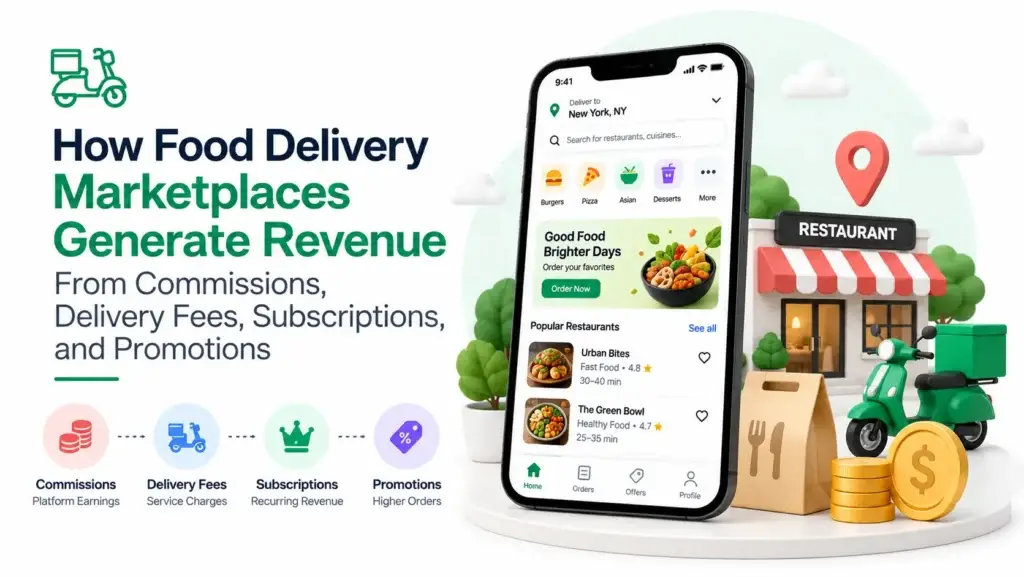
Cheap orders only last when someone else covers part of the discount. In the Keeta Clone, restaurants fund their own coupons and campaigns and pay for promotion, and the platform adds its own fees on top, all set by you.
- 01
Full-Basket Commission
Commission is taken on the basket with coupon, restaurant discount and referral amounts added back, so a discount never shrinks your cut. Rates can be per restaurant.
- 02
Restaurant-Funded Offers
Restaurants make their own coupons, discount their dishes and opt into campaigns. Every order logs the platform cost and the restaurant cost separately.
- 03
Paid Promotion
Restaurants buy restaurant promotion and video promotion, with priority, dates and approval. That ad income helps pay for the offers customers see.
- 04
Service Charge
The platform can add a service charge and a packaging charge to each order, a steady line that sits beside commission.
- 05
Delivery Fee Share
The platform can take a share of the delivery fee. For rush hour or bad weather, switch on a higher fee in a zone, with a note shown to customers.
- 06
Monthly Store Plans
Instead of commission, a restaurant can pay a monthly plan you design. It suits busy stores that would rather pay a flat fee than a rate.
| Revenue stream | How it is charged | Take rateTypical range | What sets the ceiling |
|---|---|---|---|
| Commission per Order | A percentage of the food subtotal on each marketplace order, with the rate tied to the plan a restaurant picks. | 20%-30% on Uber Eats plans; 15% for self-delivery; 7% for pickup. | City law in some markets. New York City caps basic service fees at 5% and delivery fees at 15% of the order, with limited exceptions. Custom Uber Eats rates are reported as capped at 30%. |
| Store Subscription Plans | A flat monthly fee billed in advance, used instead of a per-order percentage. | ChowNow plans start at $229 per month on an annual term, $249 monthly. | Break-even volume. A $249 fee equals a 20% commission at $1,245 of monthly sales, and card processing at 2.95% + $0.29 per order is billed on top of the plan. |
| Delivery Fee Margin | The difference between the delivery charge a customer sees and what the courier costs per run. | Restaurant-side courier fees start at 10% (Grubhub); self-delivery is 15% (Uber Eats). | Local caps. New York City, Seattle and San Francisco limit the delivery fee a platform charges a restaurant to 15% of the order, with carve-outs for extra services, so that side of the spread stops there. |
| Paid Advertising | Restaurants buy sponsored positions in the app and pay per placement or campaign. | Talabat reported advertising and listing fees equal to 3.4% of GMV in 2025. | Restaurant margin. Ads are paid out of what is left after commission, which is why Grubhub returns an ad credit tied to the partner's commission rate on ad purchases. |
| Pro Customer Membership | A monthly customer fee in return for waived delivery charges and member-only offers. | Uber One is $9.99 per month in the US; DashPass is $9.99 monthly or $96 yearly. | Who funds the discount. Uber Eats raised the Plus rate to 30% on Uber One member orders, so part of the member benefit is paid by the restaurant, not only by the subscriber. |
How to read this. Commission, pickup and self-delivery rates come from the Uber Eats merchant pricing page, with the March 2026 Lite change and the custom-rate cap reported by Food On Demand. The caps are in the NYC DCWP delivery-app rules and a Restaurant Dive report on Seattle. Plan prices are from ChowNow and processing from its restaurant agreement. Ad share is calculated from the Talabat Q4 2025 release, and membership prices from Uber and DoorDash. Published rates change by market and date. Use these as inputs for your own model, because they are neither an offer nor a forecast of what your platform will take in.
A common path is to start on commission, the easiest offer to make a restaurant with no volume yet, and to bring in monthly plans for busy stores once a flat fee suits them. Funding for coupons then comes from restaurants and ad buyers, not only from your own pocket. Any mix can run side by side and changes without a developer. Nothing the platform earns is shared with us.
Market Benchmarks
Food Delivery Market Benchmarks - Independent 2025-2026 Data
Those revenue models above are ours, but the figures below belong to others. They are drawn from Form 10-K annual reports filed by DoorDash and Uber, plus Eternal's Q4FY26 results and talabat's Q4 2025 results, reproduced as published. Set against one another, they show what large delivery platforms keep per order in the US, in the Middle East and in India, which gives you numbers you can check when testing your own business case.
13.4% Net Revenue Margin at DoorDash in 2025
DoorDash reports Marketplace GOV of $102.0 billion in 2025, up 27 percent, and 3.2 billion Total Orders, up 23 percent, in its annual report on Form 10-K. Revenue was $13.7 billion. DoorDash defines Net Revenue Margin as revenue expressed as a percentage of Marketplace GOV, and reports 13.4 percent for 2025, consistent with 2024.
$17.2bn in Uber Delivery Revenue in 2025
Uber's 2025 annual report on Form 10-K shows Delivery segment revenue of $17.2 billion, up 25 percent from $13.8 billion in 2024, on Delivery Gross Bookings growth of 22 percent. Uber attributes part of the rise to a $568 million increase in advertising revenue, and reports Delivery Adjusted EBITDA of $3.6 billion, up $1.1 billion.
5.5% Adjusted EBITDA Margin in Zomato Food Delivery
Eternal, the parent of Zomato, reports that food delivery net order value grew 18.8 percent year on year and gross order value 22.5 percent in the quarter ended 31 March 2026. Adjusted EBITDA margin, as a percentage of net order value, was 5.5 percent, an absolute INR 532 crore, up 24 percent year on year.
$9.5bn in talabat GMV Across MENA in 2025
talabat reports 2025 GMV up 28 percent to US$9.5 billion and revenue up 33 percent to US$3.9 billion, both at constant currency, with Adjusted EBITDA of US$615 million, or 6.5 percent of GMV. In the fourth quarter its GMV-to-revenue conversion ratio was 42 percent, as grocery and subscription revenue outweighed lower commission rates.
DoorDash, Inc., Annual Report on Form 10-K for the year ended 31 December 2025, filed 18 February 2026 - sec.gov
Uber Technologies, Inc., Annual Report on Form 10-K for the year ended 31 December 2025, filed 13 February 2026 - sec.gov
Eternal Limited, Q4FY26 shareholders' letter and results, 28 April 2026 - eternal.com
Talabat Holding plc, talabat reports resilient results for Q4 2025, press release, 13 February 2026 - ir.talabat.com
All figures are the publishers’ own, reproduced as published from annual filings and results releases. Metric definitions differ by company and are as each publisher states them. They describe the companies named, not any platform Miracuves builds, and nothing here is a revenue projection for your business.
Market Timing
Why Launch a Food Delivery Platform in 2026?
Food delivery keeps producing new local players for one simple reason: the commission that funds a global app comes straight out of a restaurant margin that was never large to begin with. A kitchen making single-digit profit cannot keep handing over a double-digit cut, and the moment a credible local alternative appears, restaurants have every reason to move to it.
01Commission Is the Whole Argument
An operator running their own marketplace keeps the percentage an aggregator would take. On thin restaurant margins that difference is not an optimization, it is the business case.
02Owning the Customer Record
Order history, addresses, preferences and loyalty balances sit in your schema. An aggregator relationship never hands that asset over, and it is the reason retention marketing is possible at all.
03Coverage as a Setting
A second city is a zone with its own geometry, pricing and cash rules. Expansion that is configuration rather than engineering changes how fast an operator can move.
04Supply-Side Flexibility
Commission suits a marketplace chasing breadth; subscriptions suit a curated set of committed stores. Being able to run both, or switch, is worth more than picking correctly on day one.
05The Vertical Is Not Fixed
Nothing in the order pipeline is food-exclusive, so grocery, pharmacy and retail are configuration rather than a second acquisition.
06Source as an Asset
A one-time transfer with no per-order royalty means the unit economics modeled at launch survive scale, which is precisely where a percentage-based tenancy stops working.
Product Size in Figures
Database Tables Count
Eloquent Model Count
Migrations
Admin Routes
What has changed is that the technology is no longer the hard part. Ordering, tracking, dispatch, wallets and payouts are solved problems you can buy for a fixed price instead of building over several years. That shifts the advantage to whoever is closest to the restaurants and the riders, which in most cities is a local operator rather than a global app. The things that still decide who wins are relationships, rider supply and knowing what your own city will pay for delivery.
Margin Case for Operators
Marketability, Earning Potential & Where Challenger Demand Is Going
Food delivery already works as a business. The open question is whether the margin stays with you or goes to a platform you rent, and whether you can win a city on price without losing money on each order. Keeta expanding into the Gulf and Brazil shows where challenger demand is heading.
- 01
Your Margin Is Yours to Set
The commission rate, the delivery-fee cut, plan pricing and ad rates are all set by you. How much each order earns is a decision you make, not a figure taken out before you see it.
- 02
Offers Have Two Payers
Restaurant-funded coupons and paid ads carry part of the discount, while commission and store plans bring in steady income, so the subsidy is not paid from one pocket.
- 03
New Cities Without a Rebuild
Opening a city means adding a zone with its own prices and limits, and a new vertical is handled in a pass through settings. Growth that needs a code fork is what this build is designed to avoid.
- 04
Held as an Asset on Your Books
A one-time purchase: you receive the source code and owe no royalty on orders. That is a different financial object from a rental that stops when the payments stop.
- Full-Basket Commission
- Restaurant-Funded Offers
- Paid Promotion
- Service Charge
- Delivery Fee Share
- Monthly Store Plans
This build is designed so that growth does not force a code fork or a rewrite.
- 01A city is added as a zone
- 02A settings pass covers another vertical
- 03Source code handed over, no royalty per order
- 04All platform earnings stay with you
Owning the software beats renting a slot on a third-party marketplace. The commission rate, delivery fee share, plan price, ad rate and service charge are all controlled by the operator, and we receive none of it.
Commission, with cash on delivery as an option.
An operator opening one city with a few stores, paying per-order commission and one live gateway. Store plans and ads stay off until the restaurant list is long enough that a promoted spot is worth paying for.
Commission, ads, fees, plans and Pro together.
A mature operator in one market running commission and store plans together, with restaurants funding their own coupons and campaigns, buying promotion, and a customer-side Pro membership adding recurring income.
Different city economics under a single deployment.
An operator in several markets runs every city as its own zone, with separate delivery charges, cash-on-delivery cap and gateway mix, with language packs, and three store listings for each market, all from one codebase.
10Why Choose Us
Why Miracuves
Miracuves vs Other Keeta Clone Developers
To price against entrenched rivals you need a platform you control. Scripts, freelancers and agencies each leave you short somewhere.
The difference shows up at the first payout run, not on the demo.
Why Operators Choose Miracuves
- 01
Payout Logic Arrives Already Built
Commission, scheduled payouts, refunds and tax handling are included, and commission is worked out on the order value with coupons added back. Elsewhere that becomes a paid change after launch.
- 02
Four Separate Apps, Not One Reskinned
Customers, stores and riders each get an app built for their own job, along with a web storefront that search engines can index. A single app stretched across all three lets one group down.
- 03
Gaps Listed Openly
Each one is in the documentation: wildcard CORS, missing security headers, no operator two-factor and a test-mode OTP. A vendor listing nothing probably did not check.
- 04
Map Zones, Not a Single City Field
You draw each delivery area on a map, with separate fees and rules, so one zone can run a promo while another keeps full fees. A bare city-name field cannot split pricing that way.
- 05
You Receive the Source Code
There is no cut of each order, no per-seat fee and no license limits on future builds. The code belongs to you; it is not rented.
- 06
Settings Depth Is Written Down
About 120 named keys that the code reads when it makes decisions, grouped by tab. If you cannot find a setting, you cannot use it.
Set the Options Side by Side and See Why Clients Name Us the #1 Ready-Made Clone Solutions Partner
| Criteria | MiracuvesMiracuves Keeta Clone | Off-the-Shelf Script | Custom Agency Build |
|---|---|---|---|
| Launch Time | 6 days to production | Unclear / DIY | 6-9+ Months |
| Who Owns the Code | Total | Frequently restricted / encrypted | Typically yes |
| Feature Depth (Keeta-style) | Deep (zones, coupons, dispatch & payouts) | Basic (orders & listings only) | Tied to budget |
| Compliance & Security | Solid (ISO-minded, GDPR-ready) | Little | Differs a lot |
| Performance & Scaling | Tuned for cloud & CDN | Seldom addressed | Set by the architecture |
| Revenue Options | Several (commission, plans, ads & Pro) | Narrow / custom work needed | Bespoke (extra time & cost) |
| Admin & Reporting | Complete admin dashboard | Barely there or absent | Built to order (extra cost) |
| Price, Speed & Quality | Balanced | Low price, high risk | Expensive and slow |
| Support & Updates After Launch | Offered on defined plans | Typically absent | Set by the contract |
Version Log
Keeta Clone Changelog - Versions, Dates & What Shipped
| Version | Date | What Shipped |
|---|---|---|
| v2026.1 | Sep 2026 | Rebuilt on the current design. Ships with delivery zones, commission and monthly store plans, 13 gateways, a built-in till, dine-in ordering and the full admin dashboard. |
Start the conversation
Time to take your plan from paper to live orders.
The first call is free. You come away with a clear timeline and straight answers on pricing, coupons and costs. We prefer earning trust to closing fast.
- Answer within 24 hrs
- No-cost consultation
- No lock-in terms
- The source code is all yours
11Learn more
Blog & Resources
Keeta Clone App - Latest Reading for Operators
Research, build notes and commercial analysis covering how to operate a delivery marketplace you own.

Offers4 questions
01What is a Keeta Clone App?
Keeta Clone App means a ready-made, multi-vendor food delivery marketplace built for the way Keeta enters a city: sharp prices, coupons and free delivery aimed at established rivals. The Miracuves Keeta Clone runs on MXEats, so you run the platform, independent restaurants list and fulfill orders, delivery partners carry them, and customers order through three mobile apps and a web storefront. Unlike a cart plugin, it carries the machinery behind each order. A settlement row freezes each order's commission figure, balances for stores and delivery partners move, and refunds go through reasons and approval, cash collected is checked against a ceiling, and tax is computed per order. The zone a customer orders in sets coverage, delivery pricing and dispatch. Those parts cost a lot to add later, and here they ship built.
02Who funds a coupon, platform or store?
Either one, and the order records which. The admin creates platform coupons, and a restaurant can create its own from the store panel. Every order stores the platform's cost and the restaurant's cost as separate amounts, so a discount is never one lump nobody can trace. The restaurant panel shows the total discount that store has given. Product discounts record who set them, and a free delivery records who funded it, the admin or the restaurant. For a Keeta-style price push, that means you can see how much of the offer the platform paid for and how much the restaurants carried, straight from the order data instead of a spreadsheet.
03Does a coupon reduce the commission I earn?
No. Commission is worked out on the order value with the coupon, the restaurant discount and any referral amount added back in. A coupon lowers what the customer pays, but the base your commission is taken from does not shrink. That matters when you run a first-order code or free delivery across a whole city. The platform's share of the discount is recorded on the order as its own cost, and the commission line is not cut a second time. Because the two figures are stored apart, you can read the cost of a promotion and the commission on the same orders and judge whether the offer is paying for itself.
04Can restaurants run their own offers?
Yes. A restaurant can create coupons from the store panel, each with a code, a percent or fixed discount, a minimum purchase, a maximum discount, a per-user limit and start and expiry dates, and a coupon can be tied to one customer. Separately, the platform can run campaigns with set dates and times. Restaurants choose to join them, and each participation shows a pending or confirmed status. Item campaigns go further and put one dish on promotion with its own price and discount for a fixed window. Each order records the platform's cost and the restaurant's cost separately, so you can see which side paid for which offer.
Margins & funding5 questions
05Do I pay Miracuves a percentage of my orders?
No. The Miracuves Keeta Clone is bought once and the full source code is handed to you. We take no royalty on orders, charge no per-seat fee, and attach no license condition to what you build afterward. That matters when you are cutting prices to win a city. Your margin on each order is already thin after a coupon or a free delivery, and a vendor taking a share of every order would widen that gap as you grow. You decide the subscription price, the advertising rate, the commission rate and the delivery fee margin. The unit economics you model before launch are still yours when volume climbs.
06How many payment gateways are included?
The Keeta Clone codebase carries thirteen gateway integrations: bKash, Flutterwave, LiqPay, MercadoPago, Paymob, Paystack, PayPal, PayTabs, Paytm, Razorpay, SenangPay, SSLCommerz and Stripe. Next to them sit the customer wallet, which also receives cashback, cash on delivery, and offline payment methods you define, with a proof-and-approval step. Checkout never fixes the list in code. The apps read the active methods from settings, so which gateways show is a deployment choice and not a code change. To switch one on, you enter your own merchant credentials in the console. Each gateway stores separate live and test keys behind a mode switch, which is how the demo runs on test keys and production on live ones.
07How do I keep customers after the first-order discount?
Use the retention tools that pay out after the first order. Cashback offers credit the wallet with a percent or a fixed amount, with a minimum purchase, a maximum amount, a per-user limit and a date window, and an offer can be aimed at one customer. A loyalty points ledger tracks what each customer has earned. The referral bonus is recorded on the order it came from, and wallet top-up bonuses add extra balance when someone loads funds above a minimum, up to a maximum you set. The first-order coupon brings people in, and these keep them ordering once the price gap with the incumbent is old news. All of them are settings in the console, so the rules can change without a release, and cashback and top-up bonuses land in the customer's wallet. Nothing here predicts how many customers come back. That depends on your market and your prices.
08Can delivery fees rise at peak times?
Yes, as a switch you set per zone. Each zone has its own per-km charge plus a minimum and a maximum delivery charge. On top of that you can turn on an increased delivery fee for the zone and attach a message customers see, such as bad weather or rush hour, then switch it off again when conditions ease. It is a manual setting, not an automatic price engine. Free delivery pulls the other way and carries limits: the admin can apply it above a basket amount or within a set distance. A zone also carries a maximum cash-on-delivery order amount.
09What pays for the discounts I give out?
Several income lines sit beside commission, and you choose which to use. Restaurants can buy advertisements, either restaurant promotion or video promotion, each with a priority, dates and an approval step. The platform can add a service charge and a packaging charge to the order, and it can take a percentage of the delivery fee. Stores can pay a subscription plan instead of commission, or the two models can run side by side across different stores, with per-store commission overrides available. A sensible order is to fund an early price push from commission and delivery fee margin first, then add paid placement once there are enough stores for position to matter. That order is a judgment about sequencing, not a forecast of results.
Rollout & Miracuves6 questions
10How do I roll out a second city?
Through zones, and this is the Keeta Clone design choice that decides how quickly you can add cities. A zone holds a coverage polygon, notification topics, delivery pricing and a cash-on-delivery ceiling, all separate from every other zone. Which restaurants a customer sees, the riders who get assigned and the staff allowed to act on an order all depend on its area. Coupons can be zone-wise too, so a launch offer in one city need not reach another. To open a second city you draw one more area and set its charges. There is no second install, and each city can price on its own terms.
11What sits outside the base Keeta Clone build?
Named plainly, not implied: publishing to the Apple App Store for you, connecting an external courier firm when you have no riders of your own, two-step login for operators, a search engine built for huge catalogs, custom data feeds into your reporting tools, vertical-specific storefront skins, and any payment gateway beyond the thirteen included. Hardening before launch is scoped work too. The apps already build for Android and iPhone, so iOS means signing and submitting, not missing features. Miracuves prices each item on its own, because a fixed price only means something when its boundary is written down.
12Which security tasks need finishing before launch?
The Keeta Clone documentation lists its own gaps, and naming them makes an outside review cheaper. The API ships with cross-origin sharing open to any origin, so it must be narrowed to your domains. The application does not send a Content-Security-Policy or related browser hardening headers, so those belong in the web server or a middleware layer. The same-site attribute on session cookies is not set. Two-factor login for operator accounts is not built. A framework-level API throttle exists but is not attached, which leaves the route-aware limiter as the working control until you wire it in. Live mode is required, since the fixed OTP that test mode accepts is there by design. These are configuration tasks for your deployment, and Miracuves starts with them when we set up with you.
13How much time does deployment need?
Putting the Miracuves Keeta Clone on infrastructure you control takes days, not months, because the product is already built and what remains is install, branding and configuration. The settings pass is the variable. About 120 named settings keys decide pricing policy, delivery economics, payout timing, who may register, how refunds work, loyalty rules, discovery and the channels used for verification, and the code reads them when a decision is made instead of fixing behavior at build time. That makes the platform tunable, and it also means a fresh install is unfinished until configured. For a price-led launch, zone charges, coupons and free-delivery limits belong in that pass. We run the setup with you, and mapping delivery areas for the launch city is included.
14How does Miracuves stand out as the builder of a Keeta clone?
Because the pieces a price-led launch depends on are already in the code: coupons, cashback and campaigns that book each discount to whoever funded it, commission taken on the full basket, delivery fees set per zone with a peak switch, and four separate applications plus a search-friendly website. The Miracuves Keeta Clone is a fixed one-time price of $2,799 with the full source code, no per-order royalty, go-live in 6 working days and the configuration pass done with you, and its documentation names its own security gaps rather than claiming a clean sheet. Miracuves has delivered 9,000+ projects for 6,000+ clients since 2010, and support covers 60 days of guidance, 6 months of priority bug fixes and 12 months of product evolution, with a first response in under 2 hours (Mon-Sat, 10:00-19:00 IST). Every company figure is checkable on the Miracuves facts page.
15Do I need developers to change prices and offers?
Mostly no, though that has a flip side. Roughly 120 named settings keys govern refund policy, loyalty rules, registration openness, verification channels, payout cadence, delivery economics, pricing policy and what the storefront home feed shows, and the code reads them at each decision point. So moving a free-delivery threshold or the payout schedule is a console edit, not a release. The catch is the honest part: an install left on default settings is unfinished rather than just unbranded, and a marketplace on defaults has not launched. New behavior beyond those settings is development, and the items named under the base build are quoted separately. For that reason Miracuves runs the settings pass as part of delivery instead of leaving it to you.
Go deeper on this platform
Jump to a delivered project, an industry hub, guides, an engineering service and the fixed cost.
Food delivery app development
See the service→ Case studyA food-delivery platform, built on this product
Read the case study→ Talk to an expert →Business model
The structure of this type of platform and the sources of its revenue.
Read the guide→ GuideFood Delivery Marketplace Features: Customer Ordering, Restaurant Operations, Rider Management, and Admin Control
Read the guide→ GuideDeveloper guide
The architecture, technology stack and build sequence behind an app like this.
Read the guide→Disclaimer
Miracuves is an independent software development company. We are not affiliated with, connected to, sponsored by, or endorsed by Keeta.
Read our full Legal Notice & Disclaimer →“Keeta Clone” is used descriptively. It is how the software industry refers to building a platform with functionality similar to Keeta, and how clients search for it.
The entire design and codebase is built by our own team. The product contains no code, design, graphics, or content originating from the Keeta website or applications.
Keeta and all other third-party names and marks are the property of their respective owners, referenced here solely to describe the category of software offered.